
- Brazilian woman is facing criminal prosecution for comments shared on social media gender ideology; hearing is set for February 10.
- Case highlights Brazil’s escalating censorship of peaceful expression; ADF International is providing legal support in her defence.

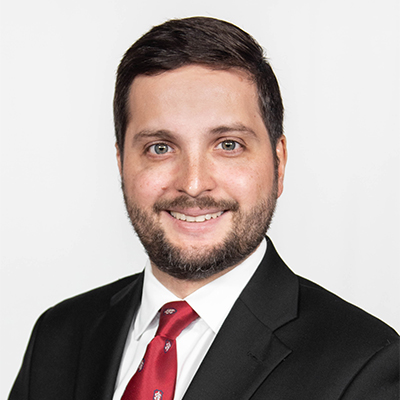
BRASÍLIA (9 February 2026) — A Brazilian woman, Isadora Borges, is facing criminal prosecution after posting comments on social media expressing her views on gender ideology, exposing her to a possible prison sentence of four to ten years.
In November 2020, Isadora Borges made two posts on X (then Twitter), peacefully expressing her views against gender ideology. One comment stated that “transgender” women “were obviously born male.” Another stated: “A person who identifies as transgender retains their birth DNA. No surgery, synthetic hormone, or clothing change will change this fact…”
Her comments quickly gained attention online, and prompted Erika Hilton, a self-described “transgender” politician, to report Borges for “transphobia” to the federal police.
In September 2025, Borges was notified of the criminal charges brought against her. She was accused of two counts of transphobia, with each count carrying a punishment of 2-5 years in prison. The case is now moving to trial, with a hearing date set for tomorrow, February 10.
“No one should face a decade behind bars for expressing an opinion on a matter of public concern,” said Julio Pohl, Legal Counsel for ADF International, which is providing legal support to Borges. “Weaponising Brazil’s expansive ‘transphobia’ laws to punish peaceful expression is a profound violation of freedom of speech.”
“I commented on the issue because I care about the truth and protecting women. No one should ever fear going to prison for recognizing biological reality. I hope that my case can serve as a turning point in fighting censorship in Brazil. Brazilians deserve the freedom to speak openly without punishment.”
- Isadora Borges
ADF International is providing legal support to Borges as she seeks to defend her fundamental right to freedom of expression without fear of prosecution.
“I commented on the issue because I care about the truth and protecting women. No one should ever fear going to prison for recognizing biological reality,” said Isadora Borges. “I hope that my case can serve as a turning point in fighting censorship in Brazil. Brazilians deserve the freedom to speak openly without punishment.”
Growing Pattern of Censorship in Brazil
Since a 2019 ruling by Brazil’s Supreme Federal Tribunal equated “homophobia” and “transphobia” with the crime of racism—without legislation passed by Congress—individuals across Brazil have increasingly faced criminal investigations and prosecutions for peaceful expression. Cases such as Isadora Borges’ have become more common over the last year in Brazil.
In 2025, social media influencer Isabella Cepa faced criminal investigations for her online post about gender ideology. Similarly, Nine Borges (not related to Isadora Borges) is under criminal investigation for “transphobia” for posting an Instagram video drawing attention to concerns about the financing and influence of pro-LGBT organisations in Brazil, which included criticism of Symmy Larrat, Brazil’s LGBT National Secretary.
In another case, Assemblies of God Pastor Douglas Baptista faced criminal charges for authoring a book with a Christian view of sexuality. His case was legally supported by ADF International. Charges in his case were dropped, but they remain evidence of the broader, chilling trend of government efforts in Brazil to censor peaceful online expression.
ADF International also represents five Brazilian legislators (Senator Eduardo Girao and members of the Chamber of Deputies Marcel Van Hattem, Adriana Ventura, Gilson Marques, and Ricardo Salles) before the Inter-American Commission on Human Rights. The legislators are challenging violations of their free speech rights before the Commission. They claim violations of their rights under the Convention, including their freedom of expression, as a result of escalating state censorship which reached a head with last year’s X ban in Brazil during the municipal elections period. Censorship in Brazil has been a persistent and escalating problem since 2019.