
- Rose Docherty, 75, was cleared in court on 27 April, following arrest for offering consensual conversation
- Scottish prosecutor had one week to appeal ruling, which expired earlier this month
- With ADF International’s support, Mrs Docherty is now considering all options to prevent the recurrence of her arrest and treatment, including legal action against the police
GLASGOW (22 May 2026) – The Crown Office has backed down and refused to appeal the case of a Glaswegian Catholic grandmother, who was cleared in court after offering to speak with people in a “buffer zone”.
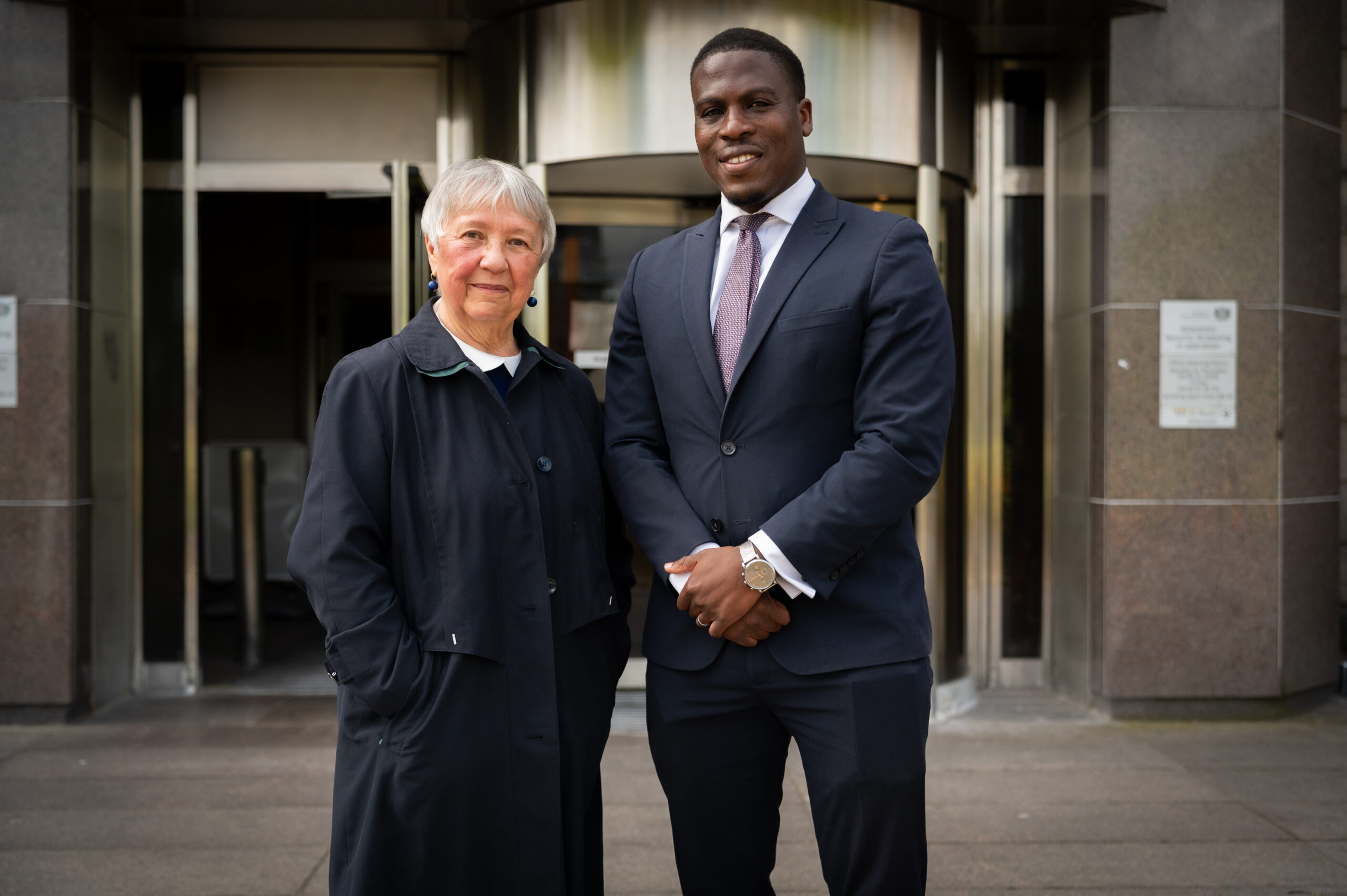
Rose Docherty, 75, was cleared at Glasgow Sheriff Court on 27 April, when the judge dismissed two criminal charges of “influencing” against her, in the first ever victory under censorial national legislation introducing abortion facility “buffer zones” in the UK.
In a development that reinforces last month’s free speech victory, the Crown Office and Procurator Fiscal Service, Scotland’s public prosecutor, has refused to appeal the ruling and is now timed out of doing so.
They had one week to appeal the ruling, which expired on Tuesday 5 May. ADF International coordinated Mrs Docherty’s legal defence.
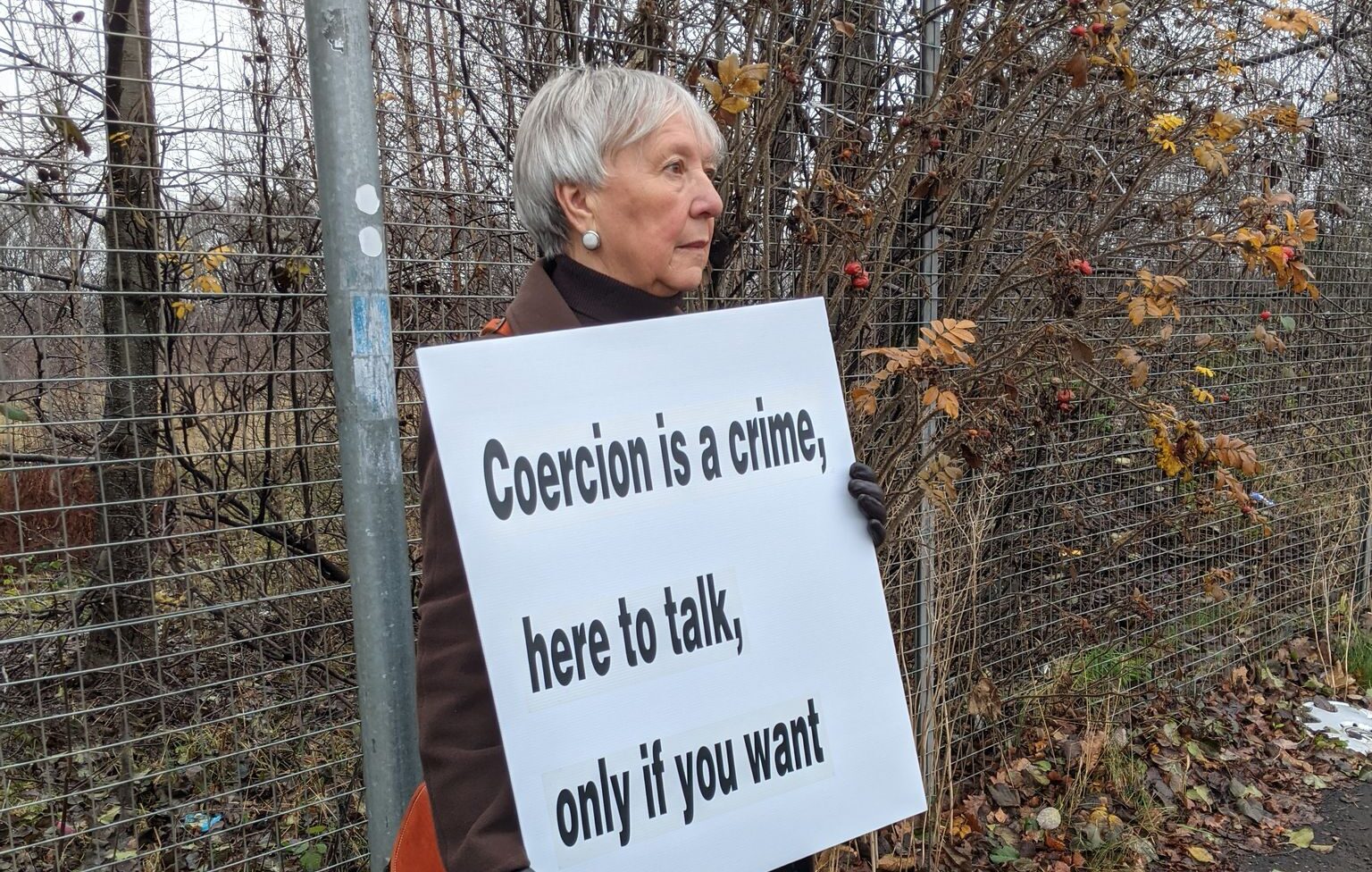
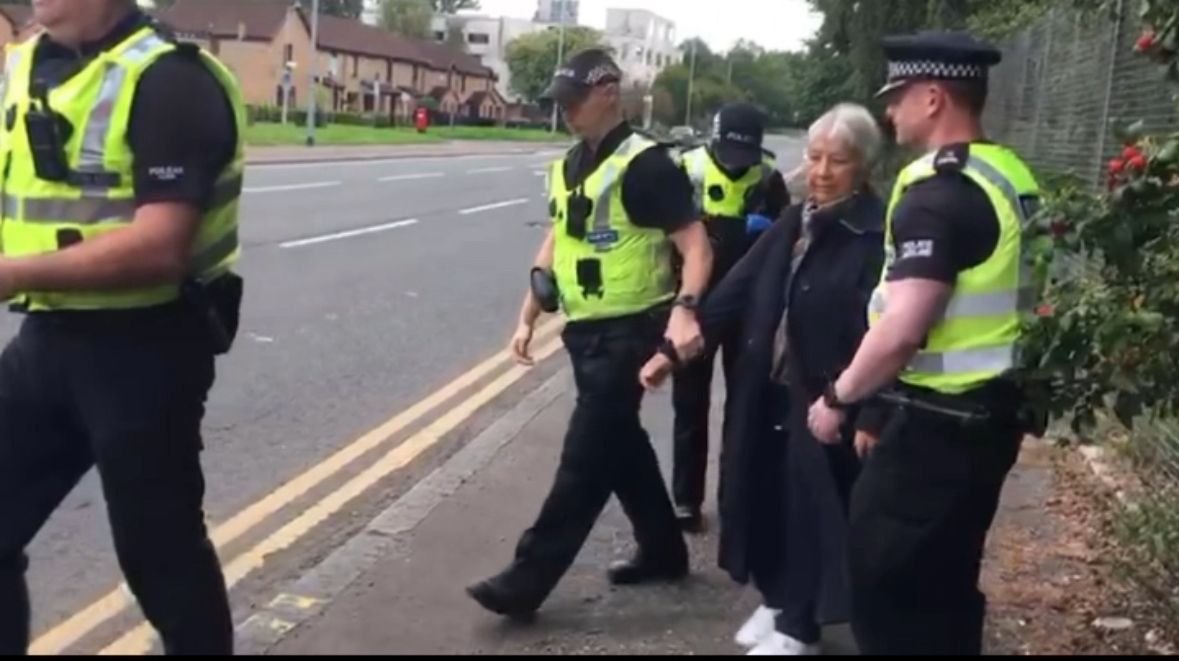
The 75-year-old Christian grandmother was arrested last September merely for offering to speak with people in the vicinity of the Queen Elizabeth University Hospital in Glasgow and holding a sign that read: “Coercion is a crime, here to talk, only if you want”, leading to outcry across the world, including from the US State Department.
She did not approach anyone, did not speak about abortion, did not engage in any behaviour that was obstructing, harassing or intimidating and was not protesting.
Following her arrest, Mrs Docherty was held in custody for several hours. She was refused a chair to sit on in her cell, despite making it known that she had had a double hip replacement.
With ADF International’s support, Mrs Docherty is now considering all options to prevent the recurrence of her arrest and treatment, including legal action against the police
Last September was the second time Mrs Docherty had been arrested for peacefully offering consensual conversation in a “buffer zone”. Her first arrest for peaceful expression was on 19 February 2025, and the Procurator Fiscal later backed down and decided not to proceed with a prosecution in August, in a free speech win.
“Peaceful expression, which is protected by national and international law, can never be a crime."
- Rose Docherty
Mrs Docherty was the first person to be criminally charged under Scotland’s 2024 “buffer zone” law, which forbids the “influencing” of anyone seeking to access, provide or facilitate abortion and is enforced within 200 metres of every hospital where abortions occur. There are similar “buffer zone” laws in England and Wales and Northern Ireland.
On 27 April, Sheriff Stuart Reid dismissed two charges of “influencing” against Mrs Docherty, ruling that the charges violated her Article 10 ECHR right to freedom of expression.
Sheriff Reid found that the charges were not “prescribed by law”, since they failed to state or identify another person in the “buffer zone” that was present for the purpose of accessing, providing or facilitating abortion, and who was criminally “influenced” by Mrs Docherty’s actions, as is required by the law.
The judge concluded that the Procurator Fiscal had “failed to disclose an offence known to the law of Scotland” and dismissed the case pro loco et tempore, meaning the matter can be brought back if prosecutors bring improved evidence and decide that a prosecution continues to be in the public interest.
Rose Docherty said:
“I am very pleased with this development, which reinforces that offering consensual conversation is not a crime on any public street in Scotland—regardless of whether or not that street is in a ‘buffer zone’. Today, there is sadly an epidemic of loneliness and people experience coercion every day. An offer to speak, which can be freely accepted or refused by any person, could really help someone and should never be criminalised.
“Peaceful expression, which is protected by national and international law, can never be a crime. The authorities should learn from their failed attempts to censor me—a 75-year-old Christian grandmother, who has always lived in Glasgow—and refrain in the future from criminalising me or any person who lawfully expresses their rights in this country.
“I repeat my call for ‘buffer zone’ laws to be repealed in Scotland and across the UK, to prevent them being used to censor peaceful expression like mine.
“I am now consulting with my legal team and considering what actions are necessary, including legal action, to ensure the authorities are not able to repeatedly arrest, imprison and prosecute me for peacefully exercising my right to free speech.“
Barrister and Legal Counsel for ADF International, Jeremiah Igunnubole commented:
“Rose’s free speech win last month has now been solidified by the Crown Office’s decision not to appeal. This is a victory for freedom of expression in Scotland and across the UK.
“Regardless of whether people agree with Rose’s pro-life and Christian views, all should be able to agree that offering to speak with people in a public space is not a crime and must never be treated as one.
“However, ‘buffer zone’ legislation across the UK continues to dangerously undermine the rule of law. It is inconsistent that Rose has been vindicated in Scotland, while our clients Livia Tossici-Bolt and Adam Smith-Connor have been criminally convicted for peaceful expression in ‘buffer zones’ elsewhere in the UK.
“The only way to robustly protect fundamental rights, uphold the rule of law in the UK, and ensure that ‘buffer zones’ are not used as a tool to censor lawful conduct is to repeal the deeply flawed, anti-free speech laws that impose thought-crime restrictions in Scotland and across the UK.
“We have already seen the US State Department strongly criticise the UK’s ‘buffer zone’ censorship and express deep concern over the cases of Rose and our other clients. If politicians do not act to protect free speech, the alarming reality is that Great Britain will cease to be a place where human rights are respected as they once were, and our reputation on the world stage will suffer as a result.
“Although Rose has been vindicated, she should never have been arrested. The process has become the punishment, with a deeply concerning chilling effect on free speech more broadly.
“We are now supporting Rose in considering all her options, including legal action, to ensure such treatment is not repeated or normalised. Standing in a public space offering a consensual conversation is not, as Sheriff Reid put it, “an offence not known to the law of Scotland”. We will continue to stand with Rose to keep the peaceful exercise of free speech rights out of the criminal courts.”
Background
Mrs Docherty’s censorial arrest sparked expressions of concern in the UK and around the world, including from the US State Department, which described it as “another egregious example of the tyrannical suppression of free speech happening across Europe”, and from the Scottish Catholic Bishops’ Conference.
The architect of Scotland’s 2024 “buffer zone” law, Gillian Mackay MSP, admitted on BBC Scotland that the vague prohibitions in the legislation could criminalise someone for praying visibly from a window in their home within the zone, “depending on who’s passing by the window”.
US Vice President JD Vance highlighted this law as a particular matter for concern in his Munich Security Conference speech in February last year.
Read more about the case here.
Images for free use in print or online in relation to this story only
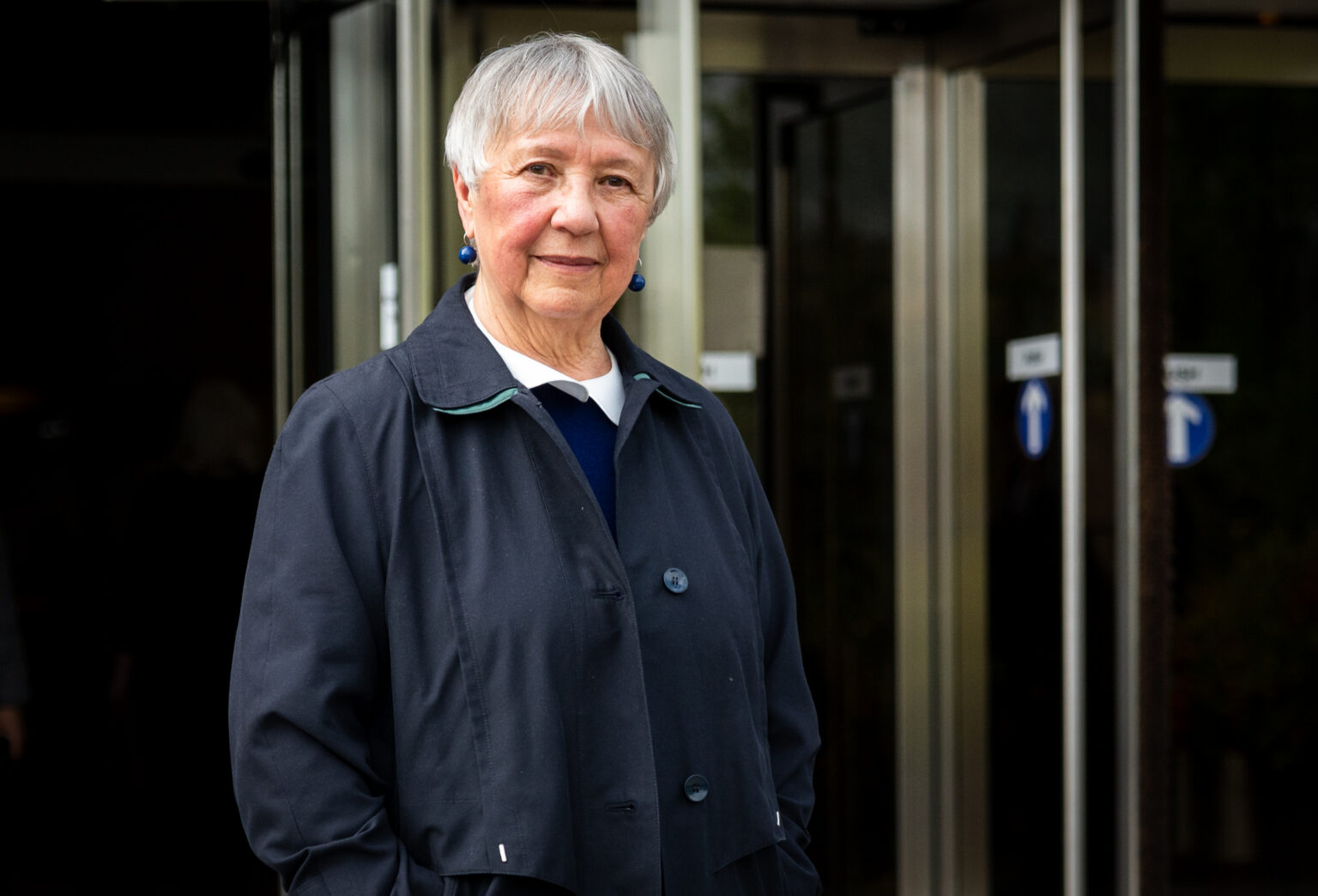
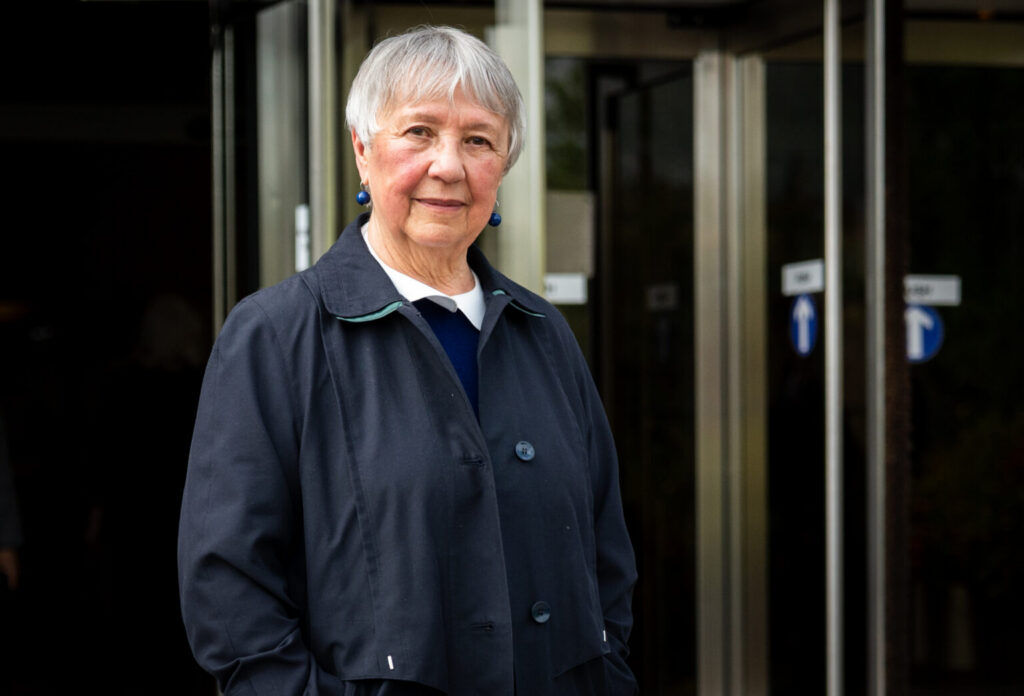
(First and second pictures: Rose Docherty and Legal Counsel for ADF International Jeremiah Igunnubole outside Glasgow Sheriff Court, following the ruling clearing Rose on 27 April; Rose Docherty outside the court)