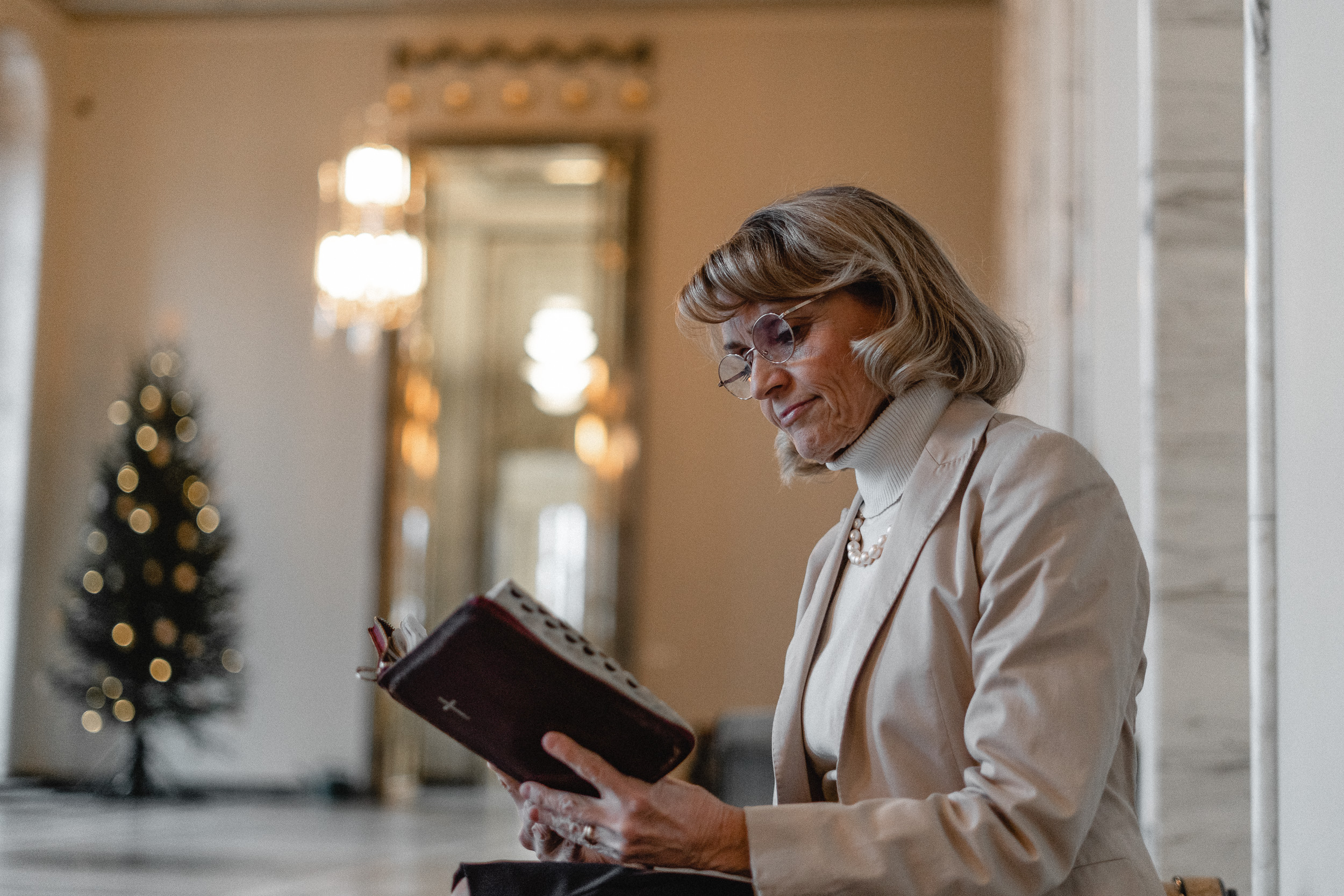
- Päivi Räsänen shares her experience of prosecution and conviction by Finnish authorities for peacefully expressing Christian beliefs about marriage and human sexuality
- Räsänen submitted testimony as Canadian Senate considers amending criminal code to weaken protections for opinions expressed on religious subjects

OTTAWA (2 JUNE 2026) – Finnish parliamentarian Päivi Räsänen, who was criminally convicted for a decades-old church booklet about marriage and sexual ethics, was invited to submit a testimony before the Canadian Senate Human Rights Committee on the C-9 bill concerning “hate speech”.
In her testimony, submitted for the hearing on 1 June, Räsänen discussed her experience of facing a seven-year prosecution and three criminal trials for sharing her Christian beliefs about marriage on social media and in a booklet written for her church. Citing her narrow conviction by the Finnish Supreme Court, Räsänen warned the Committee of the dangers of removing protections for religious speech in the public square.
The former Interior Minister’s testimony comes as Canada’s House of Commons considers Bill C-9, which proposes to weaken protections for speech on religious matters in the Canadian criminal code.
The bill, among other things, removes a provision that protects religious statements made in “good faith”, potentially criminalising religious speech that would otherwise be lawful.
If passed, the bill would enable the prosecution of religious speech if the courts consider that it “wilfully promotes hatred against any identifiable group”. It carries a punishment of up to two years’ imprisonment.
“My experience in Finland has shown me that laws which criminalize speech have a very real cost not only to individuals, but also society at large. They encourage law-abiding citizens to censor their speech, and deprive wider society of conversations of critical importance."
- Päivi Räsänen
In her testimony, Räsänen emphasised the dangers that “hate speech” laws pose for fundamental freedoms and democratic societies:
“Censorship is one of the greatest existential threats to today’s democracies in Europe. You do not need to agree with my beliefs to see the danger of criminalizing peaceful speech. When the state controls which ideas and beliefs may be expressed, democracy becomes fragile. My case reveals where this path can lead.
“My experience in Finland has shown me that laws which criminalize speech have a very real cost not only to individuals, but also society at large. They encourage law-abiding citizens to censor their speech, and deprive wider society of conversations of critical importance.
Räsänen further warned against ambiguous “hate speech” legislation that criminalises the peaceful expression of certain beliefs. She recalled the Finnish Supreme Court’s decision to uphold her conviction despite acknowledging that her booklet “did not contain incitement to violence or comparable threat-like fomenting of hatred”.
She added that censorial legislation has negative consequences both for those prosecuted and others who will no longer feel able to express their views:
“Even when courts ultimately acquit, our story shows how the process itself becomes the punishment. We have faced years of investigation, public scrutiny, and legal uncertainty. This creates a chilling effect, not just for Christians, but for everyone who holds views outside a narrow, state-approved consensus… Through fear, “hate speech” laws undermine public discourse and drive diverse views from the public square.”
Räsänen concluded: “I look forward to the day when the fundamental right to free speech is upheld for all who seek to peacefully express their convictions.”
Background
In March 2026, Räsänen was found guilty of “insult” by the Finnish Supreme Court for expressing her Christian beliefs about human sexuality in a 2004 booklet produced for her church. Lutheran Bishop Juhana Pohjola and the Luther Foundation Finland were convicted alongside her for publishing the booklet.
The long-serving Finnish parliamentarian’s nearly seven-year criminal prosecution began after she shared her Christian beliefs about marriage and sexual ethics in a 2019 tweet, leading to a police investigation that resulted in further charges for expressing her beliefs in a 2019 live radio debate and authoring the 2004 church booklet.
Formally charged with “agitation against a minority group” in 2021, Räsänen was acquitted on all charges by two lower courts in 2022 and 2023. Nevertheless, the state prosecutor appealed the decision concerning the Bible verse tweet and church booklet. In a narrow 3-2 ruling, the Finnish Supreme Court upheld the acquittal for the tweet but convicted Räsänen, the Bishop and the Luther Foundation Finland for the booklet.
In May, Räsänen announced her intention to appeal her case to the European Court of Human Rights, alongside Bishop Pohjola and the Luther Foundation Finland.