
Our Guide
Affirm Dignity
Who has dignity? What does it mean for us to affirm the inherent dignity of every person? What does 'dying with dignity' really mean?
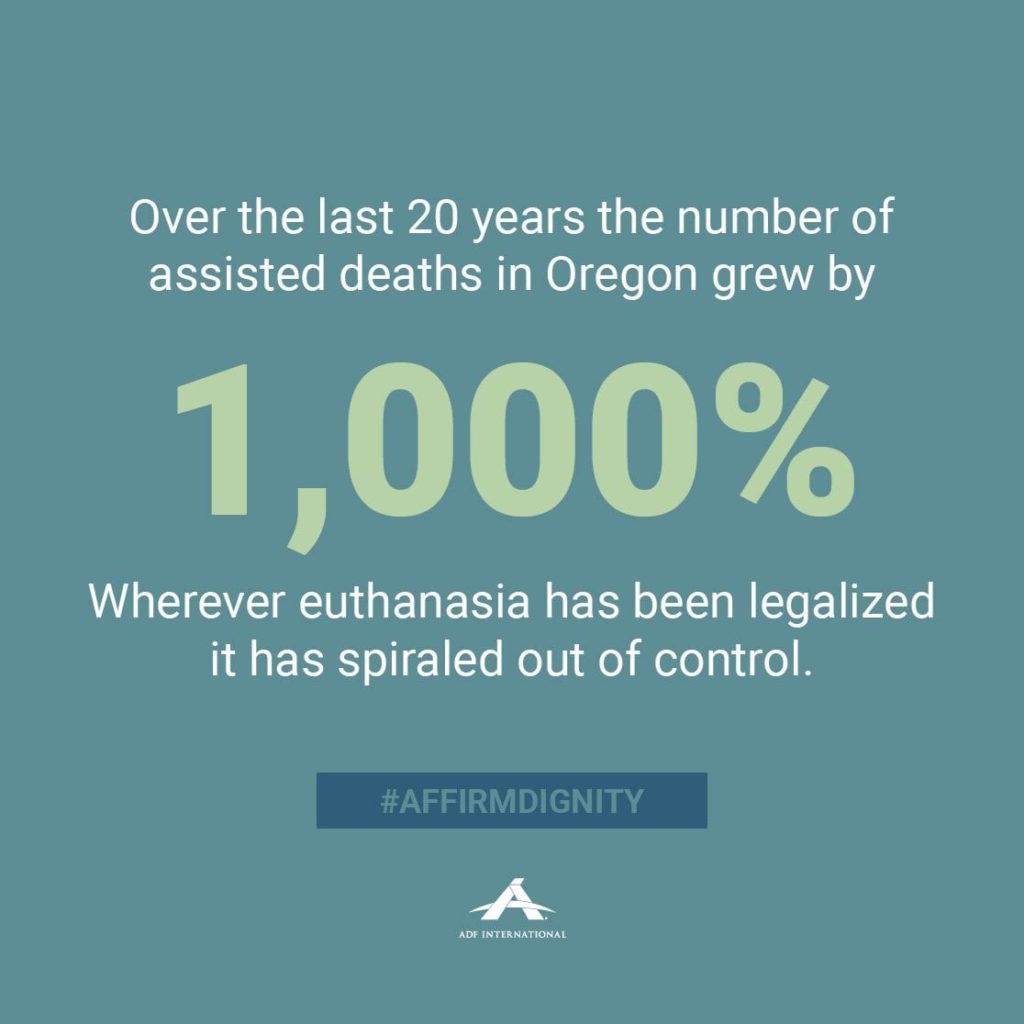
We believe that all people have inherent dignity, no matter their age or health condition. A fair and just society cares for its most vulnerable. Once we open the door to intentional killing, there is no logical stopping point. This is not just a hypothesis. In countries such as Belgium and the Netherlands, euthanasia cases have increased a hundredfold since legalization. And Canada is widening its “Medical Assistance in Dying” law to include mental illness among other treatable conditions as criteria for euthanasia, making it among the worst countries in the world for the protection of human life.
Main Videos
You are currently viewing a placeholder content from YouTube. To access the actual content, click the button below. Please note that doing so will share data with third-party providers.
More InformationYou are currently viewing a placeholder content from YouTube. To access the actual content, click the button below. Please note that doing so will share data with third-party providers.
More InformationYou are currently viewing a placeholder content from YouTube. To access the actual content, click the button below. Please note that doing so will share data with third-party providers.
More InformationYou are currently viewing a placeholder content from YouTube. To access the actual content, click the button below. Please note that doing so will share data with third-party providers.
More InformationOur Charter
The right to life is a fundamental and inherent human right, recognized by the Universal Declaration of Human Rights and guaranteed by all human rights treaties. People at all stages of life and in all regions of the world are increasingly vulnerable to assaults on this foundational right. Without respect for human life, there can be no respect for human dignity. The most vulnerable deserve our compassionate love and support. There is nothing progressive about a society that refuses to care for them.
Therefore, we:
affirm that the right to life cannot include a right to die;
deplore the promotion of practices like euthanasia or assisted suicide;
consider every suicide a tragedy, and we recall the international obligation on States to take measures to prevent suicide;
denounce the slippery slope of legalized euthanasia which results in pressure on the vulnerable to die;
condemn the application of euthanasia to children, vulnerable adults, and those who have not given their consent;
believe society owes those suffering better options than euthanasia, such as palliative care;
affirm that palliative care is prevention and relief of suffering, which does not hasten nor postpone death (as defined by the World Health Organization);
call for the prohibition of euthanasia and assisted suicide and further investment in compassionate alternatives which Affirm Dignity.
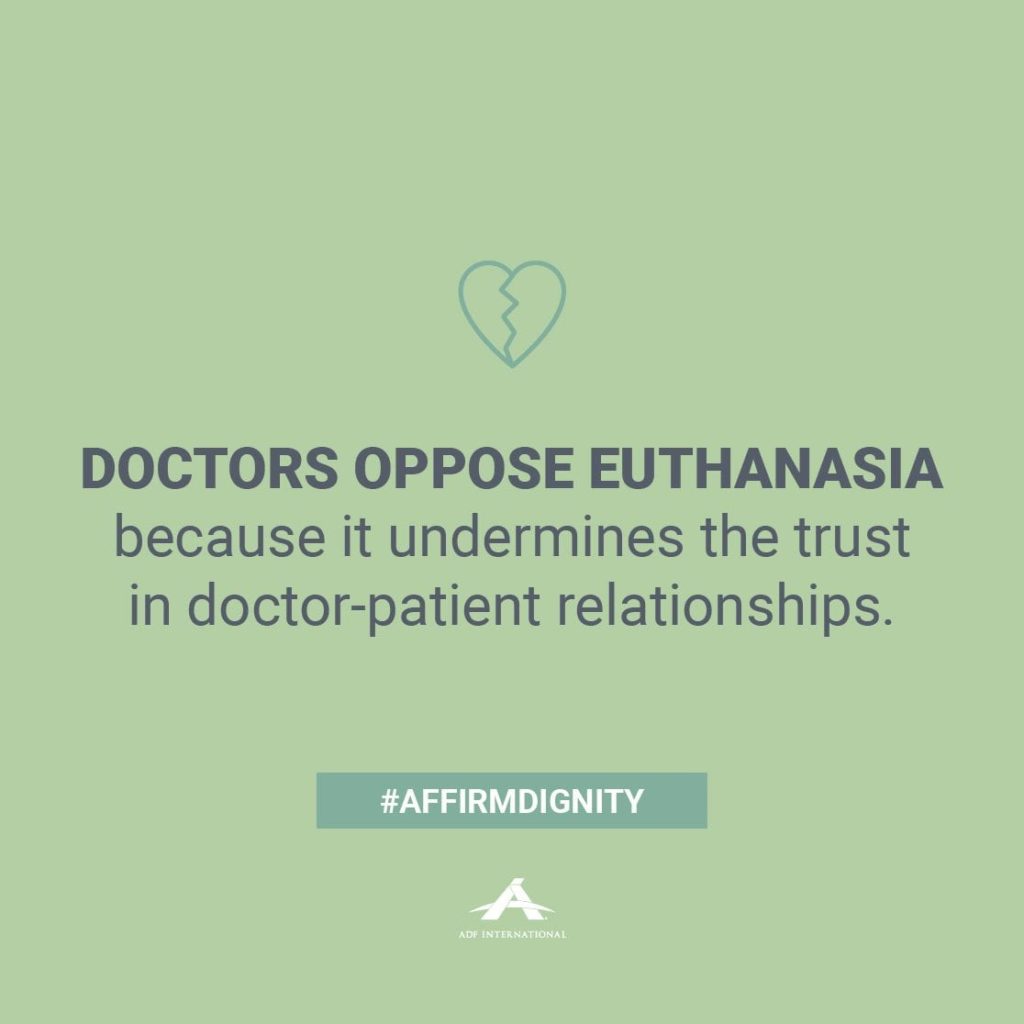
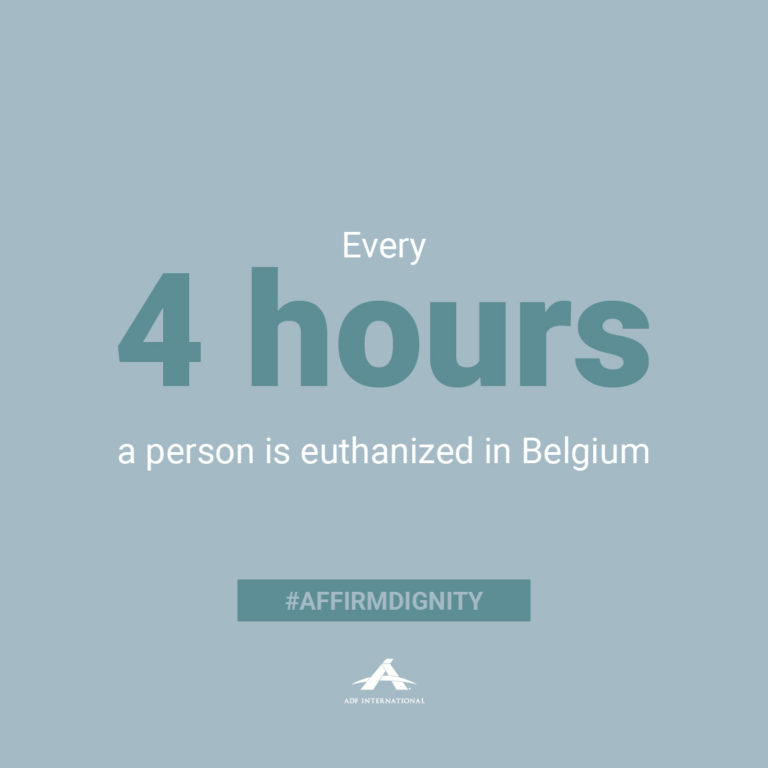
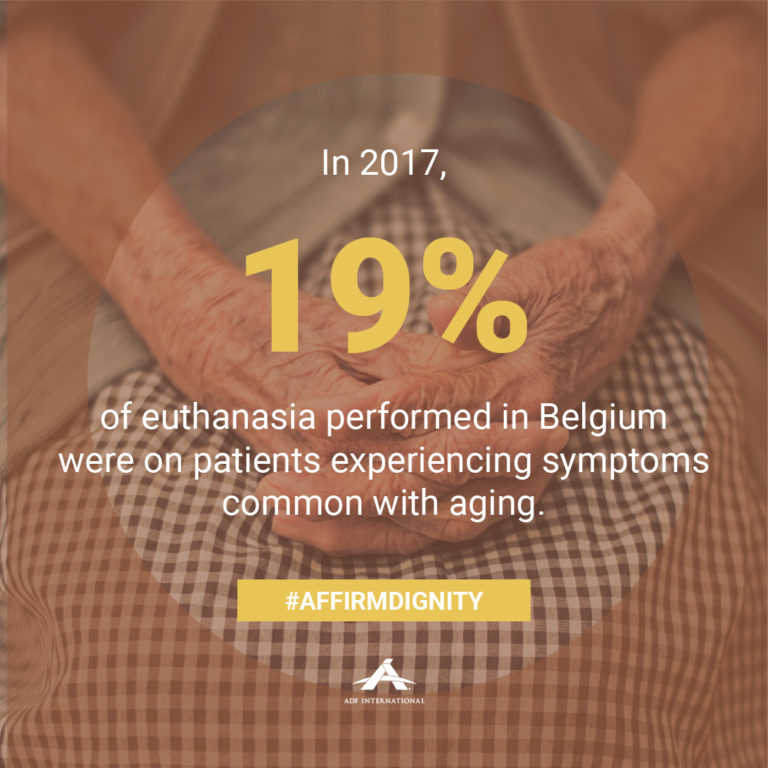
Stats about Euthanasia

Advocacy Paper
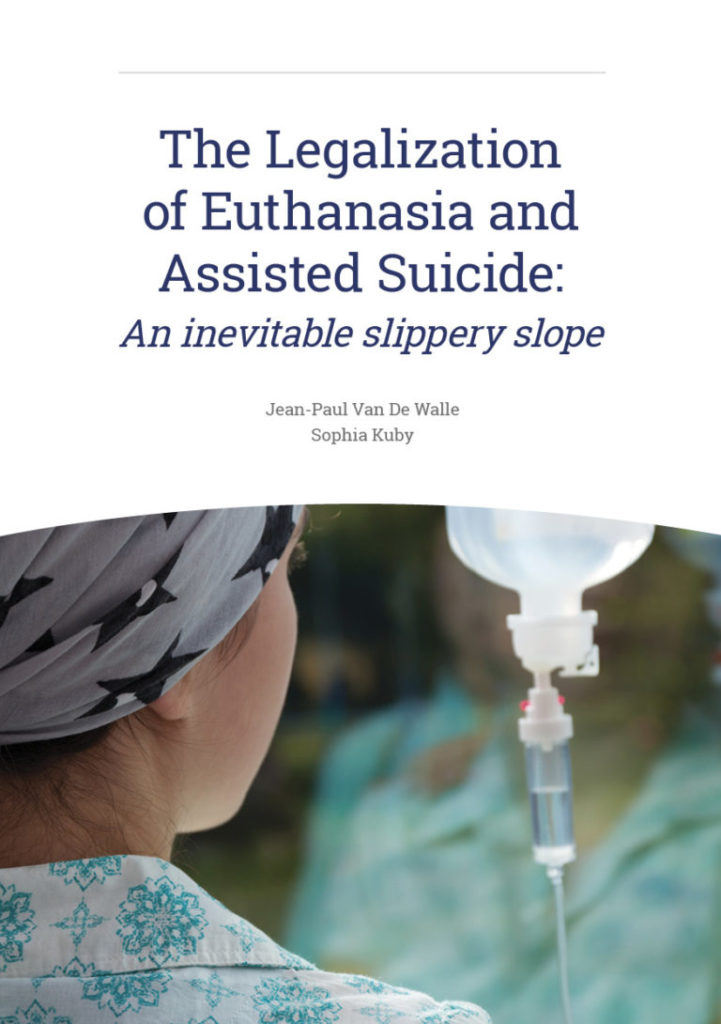
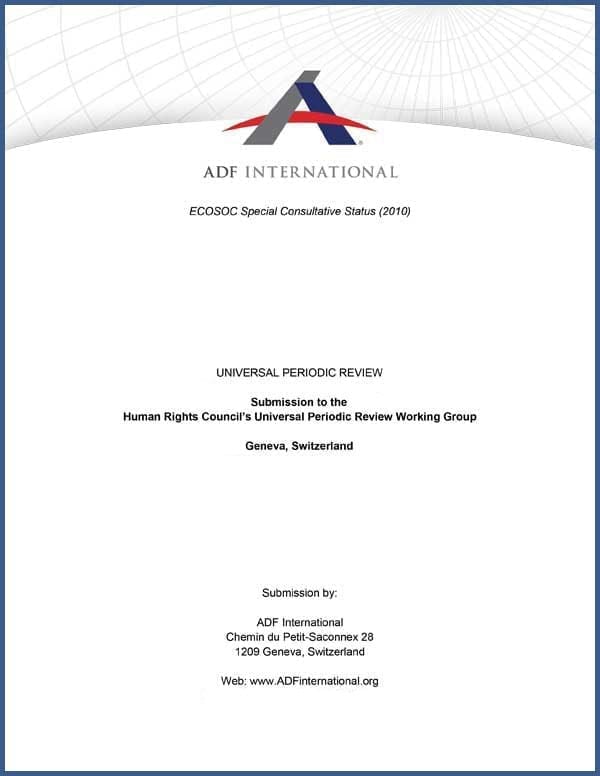
The Legalization of Euthanasia and Assisted Suicide: An inevitable slippery slope
This paper makes the case for the protection of life and the societal norms of caring for one another through the prohibition of euthanasia and assisted suicide. Rather than requiring the legalization of these troubling practices, international law robustly protects the right to life – particularly for the most vulnerable. The threat posed by a number of legislative proposals across Europe is highlighted through the example of those countries which have already gone down this road. An investigation into the most recent developments in Belgium, the Netherlands, and Canada shows that where euthanasia and assisted suicide are legalized, the number of people euthanized, and the number of qualifying conditions increase with no logical stopping point. The paper concludes by refuting the main arguments relied upon in support of legalization.
More videos about Euthanasia
You are currently viewing a placeholder content from YouTube. To access the actual content, click the button below. Please note that doing so will share data with third-party providers.
More InformationYou are currently viewing a placeholder content from YouTube. To access the actual content, click the button below. Please note that doing so will share data with third-party providers.
More InformationYou are currently viewing a placeholder content from YouTube. To access the actual content, click the button below. Please note that doing so will share data with third-party providers.
More InformationYou are currently viewing a placeholder content from YouTube. To access the actual content, click the button below. Please note that doing so will share data with third-party providers.
More InformationYou are currently viewing a placeholder content from YouTube. To access the actual content, click the button below. Please note that doing so will share data with third-party providers.
More InformationYou are currently viewing a placeholder content from YouTube. To access the actual content, click the button below. Please note that doing so will share data with third-party providers.
More InformationYou are currently viewing a placeholder content from YouTube. To access the actual content, click the button below. Please note that doing so will share data with third-party providers.
More Information