

- Brazilian social media commentator Nine Borges subjected to criminal investigation by federal police for alleged “transphobia” after posting a video critical of gender ideology.
- Borges’ case highlights a broader trend of government efforts in Brazil to censor peaceful online expression; ADF International supports her legal defence.
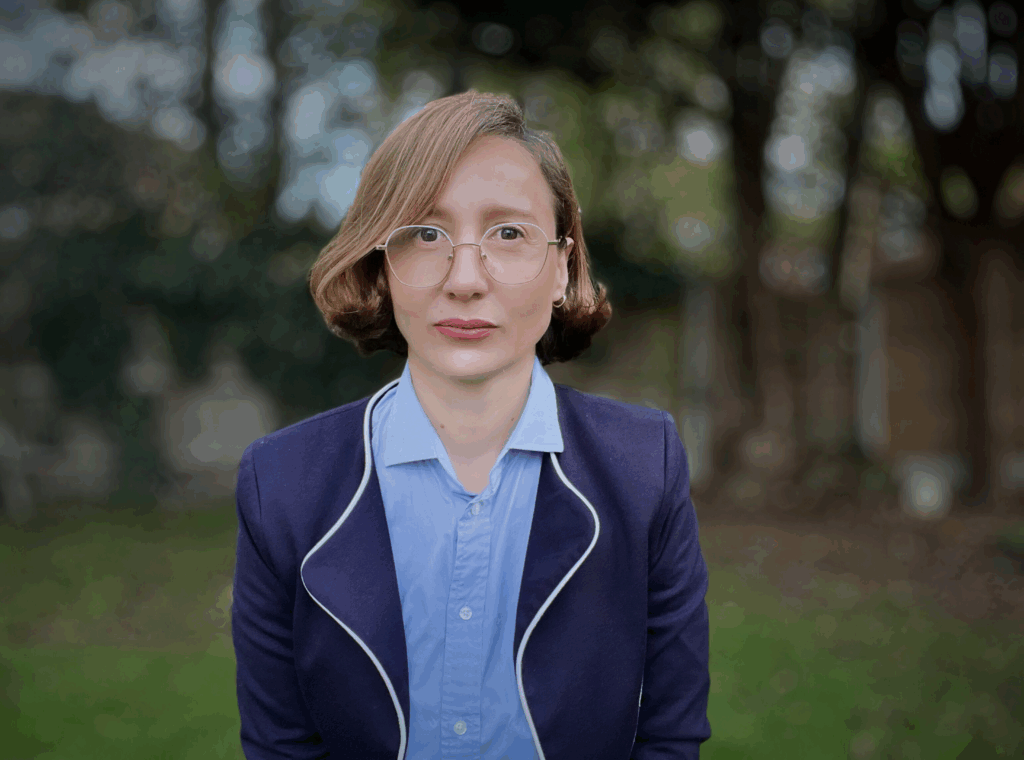
BRASILIA (12 January 2026) — A UK-based Brazilian social media commentator is under police investigation in Brazil after posting an online video criticizing public officials for using government money to fund pro-LGBT NGOs in Brazil. Nine Borges is a UK-based scientific consultant with 265,000 followers on Instagram, where she is a prominent critic of transgender ideology. In a short online video posted to Instagram in September 2024, in which she spoke to the camera from her home, she drew attention to concerns about the financing and influence of pro-LGBT organisations in Brazil and included criticism of Symmy Larrat, Brazil’s LGBT National Secretary. The video drew nearly 15,000 likes and 180,000 views. Larrat is a man who identifies as a woman and describes himself on social media using explicit terminology. After Larrat filed a complaint over the video, Borges was summoned for questioning by the Federal Police of Brasilia in October. She is now being investigated for alleged “transphobia” and “defamation.” Authorities have recommended the investigation move forward to formal prosecution. ADF International is providing legal support to Borges as a result of the investigation.
"No one should face criminal investigation simply for expressing their views about government policy. The attempt to classify peaceful criticism as ‘transphobia’ represents a serious threat to freedom of speech, which is already so imperiled in Brazil. The authorities must ensure that fundamental rights are protected, not punished."
- Julio Pohl, Legal Counsel at ADF International
“No one should face criminal investigation simply for expressing their views about government policy. The attempt to classify peaceful criticism as ‘transphobia’ represents a serious threat to freedom of speech, which is already so imperiled in Brazil. The authorities must ensure that fundamental rights are protected, not punished,” said Julio Pohl, legal counsel at ADF International.
Background
Growing Pattern of Censorship in Brazil
International human rights law guarantees the right to express ideas without fear of criminal investigation or prosecution, including criticism of public officials. ADF International represents five Brazilian legislators (Senator Eduardo Girao and members of the Chamber of Deputies Marcel Van Hattem, Adriana Ventura, Gilson Marques, and Ricardo Salles) before the Inter-American Commission on Human Rights. The legislators are challenging the violations of their free speech rights before the Commission. They claim violations of their rights under the Convention, including their freedom of expression, as a result of escalating state censorship which reached a head with last year’s X ban in Brazil during the municipal elections period. Censorship in Brazil has been a persistent and escalating problem since 2019.