
- Earlier versions of the text required parties to “combat” or “prevent” undefined concepts like “misleading information”, “misinformation”, and “disinformation”.
- ADF International spearheaded global advocacy to ensure pandemic treaty upholds freedom of expression.
- Latest negotiating text addresses free speech concerns – vigilance against potential regression crucial as negotiations resume today.
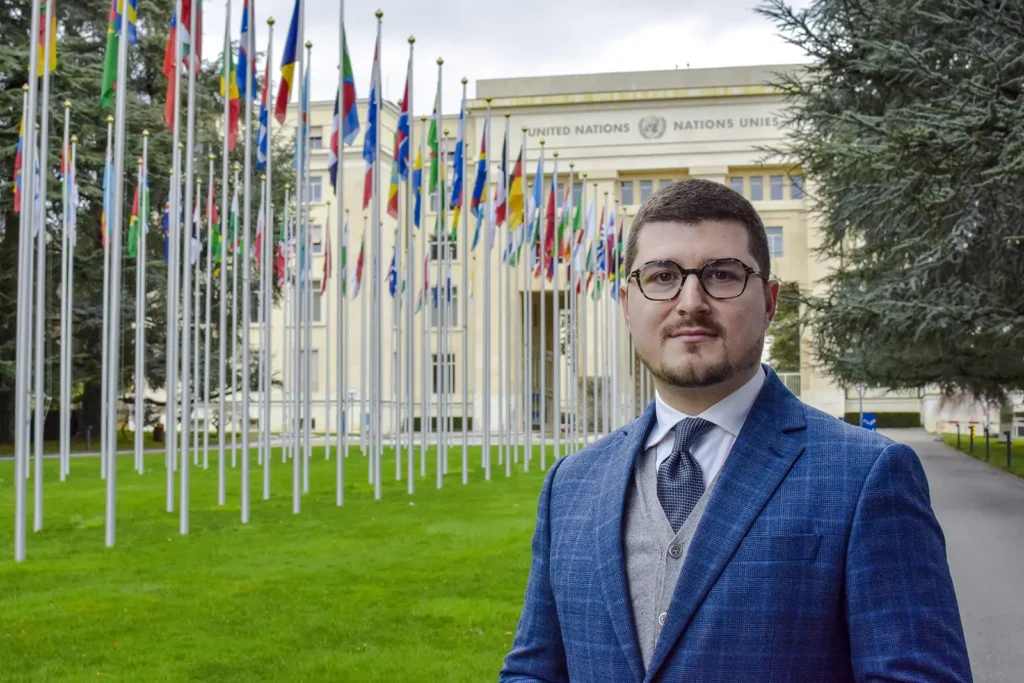
GENEVA (30 April 2024) – The World Health Organisation’s (WHO) Pandemic Agreement, a new international treaty due to be adopted in June, has drawn worldwide criticism for its potential crackdown on freedom of expression as part of pandemic prevention, preparedness, and response. An earlier version required the “management” of so-called “infodemics,” defined as “too much information … during a disease outbreak” causing “confusion” as well as “mistrust” in health authorities, regardless of the veracity of the information in question. A more recent version of the agreement included language mandating parties to “cooperate, in accordance with national laws, in preventing misinformation and disinformation,” essentially granting individual states the discretion to define which information fits within these categories, and potentially censor it.
Global advocacy efforts to protect free speech yielded fruits as the latest proposal for the WHO Pandemic Agreement removed the vague mandates for parties to “prevent” misinformation and disinformation. In a significant shift, the current text no longer contemplates the imposition of potentially sweeping restrictions on freedom of speech to address these phenomena. Instead, it recognizes the importance of building trust and ensuring timely, transparent, accurate, science- and evidence-informed information.
"It is vital that the Pandemic Agreement safeguard freedom of expression against potential censorship threats. We commend WHO Member States for acknowledging the critical importance of government transparency and accountability in sharing pandemic-related information, rather than endorsing arbitrary speech suppression."
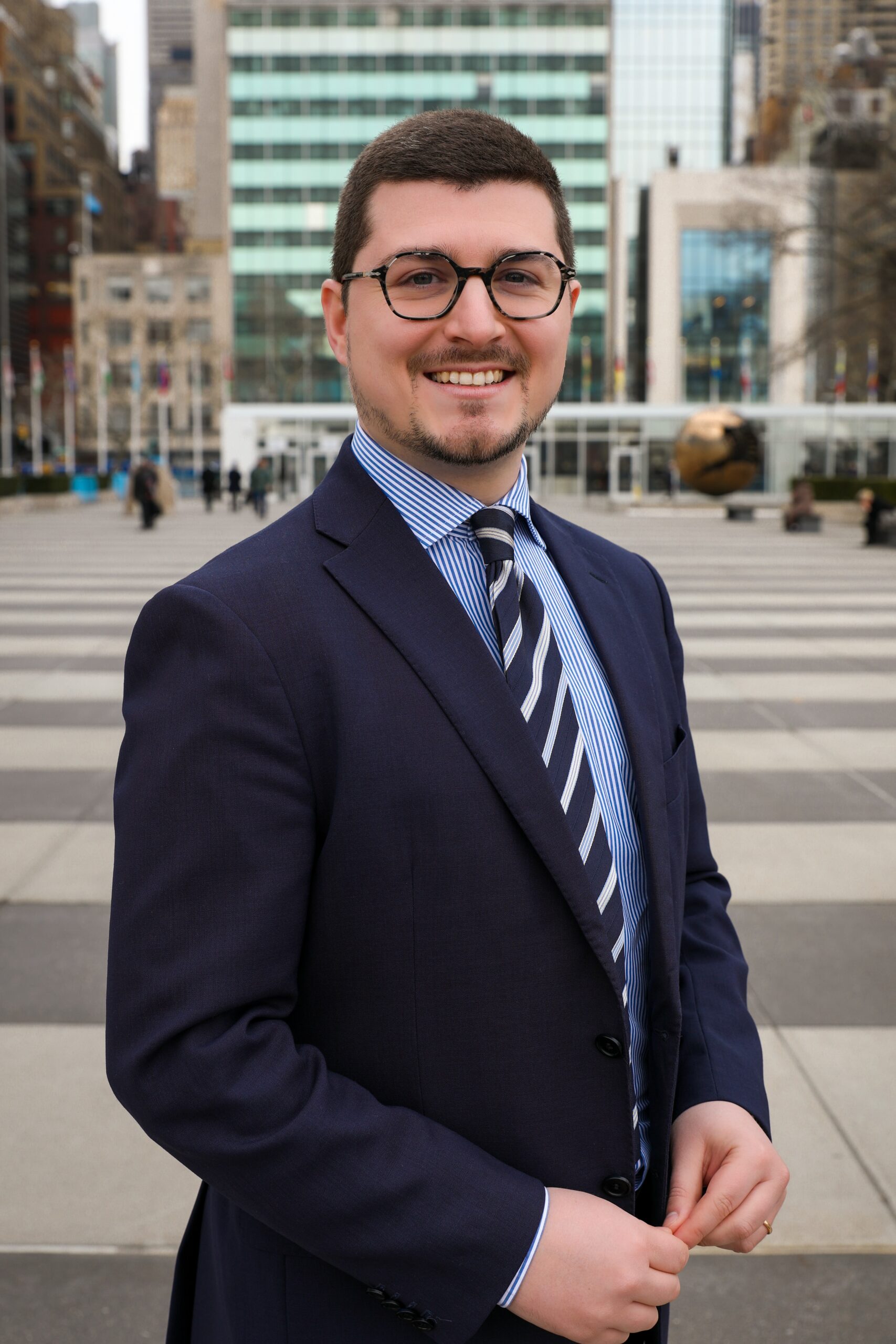
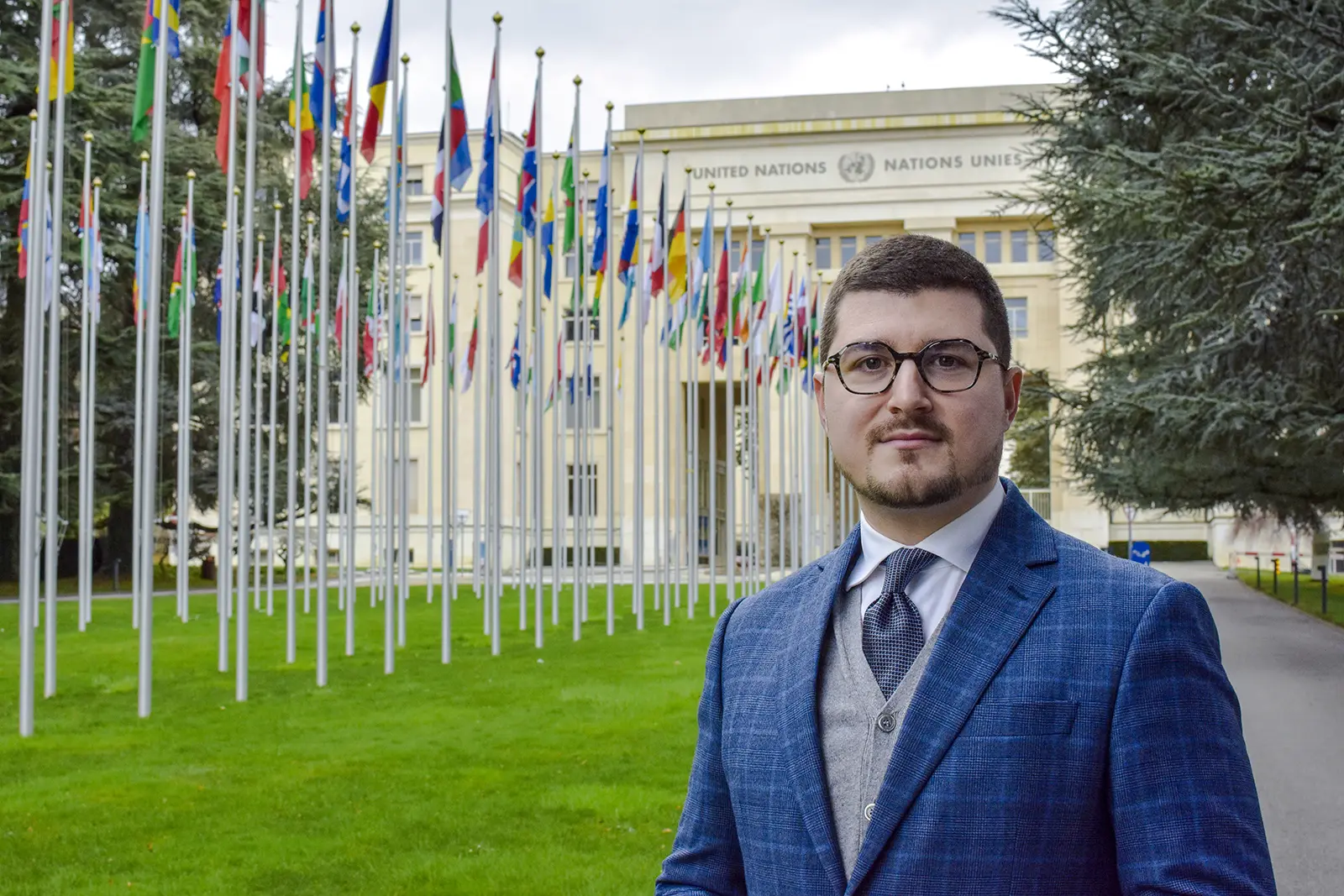
- Giorgio Mazzoli, Director of UN Advocacy at ADF International
“Long-awaited development”
“It is vital that the Pandemic Agreement safeguard freedom of expression against potential censorship threats. We commend WHO Member States for acknowledging the critical importance of government transparency and accountability in sharing pandemic-related information, rather than endorsing arbitrary speech suppression. We trust that these advances will be consolidated in the final text without any rollbacks on language protecting fundamental freedoms,” said Giorgio Mazzoli, human rights expert and Director of UN Advocacy at ADF International, who led the legal organisation’s global advocacy effort.
Negotiations continue today
Today marks the resumption of negotiations on the draft text, scheduled to conclude on May 10th. Later next month, the World Health Assembly (WHA) is expected to adopt the agreement, aimed inter alia at strengthening the WHO’s role in preventing, preparing for, and responding to future pandemics.
Over the last months, ADF International warned that the agreement could severely restrict freedom of expression, a fundamental human right that encompasses the right to impart, seek and receive information under international law. ADF International has highlighted the potential human rights implications of the WHO Pandemic Agreement and offered legal advocacy to key stakeholders.
“Freedom of expression, especially during pandemics, is essential to ensure scrutiny and accountability over critical public health decisions. It is imperative that the Pandemic Agreement does not lead to a lowering of existing standards by promoting incursions into free speech in the name of public health, when it is possible for both to be upheld in careful balance. As negotiations near their final stages, Member States must steer clear of any regression in this area,” concluded Mazzoli.
Further information:
- October 2023: Negotiating text which required states to combat so-called infodemics: https://t.co/wdrlqG1pHO
- March 2024: Negotiating text which demanded that parties cooperate “in preventing misinformation and disinformation”: https://t.co/wdrlqG1pHO
- April 2024: new draft without vague mandates and the confirmation of the importance of freedom of information: https://t.co/vtmrw4elmv