


- New decision allows paid religious leave on Easter for Christian employees under Egypt’s Labor Law
- ADF International supports an ongoing petition seeking full recognition of Easter Sunday as a national public holiday
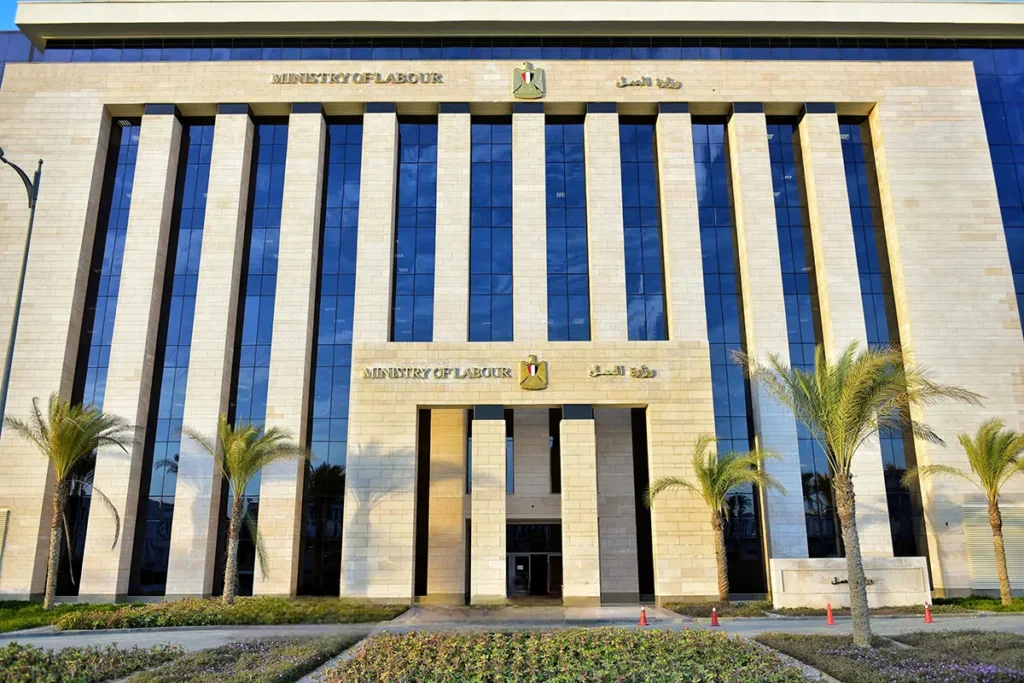
CAIRO (JAN 12) – Egypt has taken a step toward advancing religious freedom by granting paid religious leave to Christian employees for Easter, following a ministerial decision issued on Dec 30. The move marks an important acknowledgment of the place of Christianity in Egyptian society and of the central role of Easter in Christian life and worship.
Prior to this decision, Christians in Egypt have often been forced to choose between observing Easter and fulfilling work, academic, or civic obligations. In Egypt, Sunday constitutes part of the five-day work week, and public institutions have continued to operate as normal on Easter Sunday.
Egypt has one of the oldest Christian communities in the world, and the estimated over 15 million Christians currently living in Egypt make up over 15% of the country’s population. Providing paid religious leave to Christian employees is a meaningful step for religious freedom for citizens working in the private employment sector.
“Recognizing the importance of Easter to Christian believers through paid leave is a welcome development. We applaud the Egyptian government for taking this step to uphold religious freedom by allowing Christian employees to worship in community on what is widely considered the most sacred day of the year,” said Kelsey Zorzi, Director of Advocacy for Global Religious Freedom at ADF International.
Case Seeking Full Recognition of Easter Remains Before Court
The decision, however, does not apply to those working outside the private sector. As of now, the Egyptian government does not recognize Easter Sunday as a national public holiday, meaning those who work for the government and public institutions could still be forced to choose between observing their faith and fulfilling work or school obligations.
A petition, supported by ADF International, remains pending before the Administrative Court, seeking full recognition of Easter Sunday as a national public holiday for all citizens in Egypt. The petition urges the government to treat Easter in line with the State’s approach to major Islamic religious holidays, which are recognized as public holidays observed nationwide.
The case is scheduled for hearing on Jan. 17, when the court will consider the practical impact of the current framework on Christians’ ability to participate equally in public life and to observe their faith without disadvantage.
The case draws on both Egyptian constitutional provisions, such as the guarantees of religious freedom and equality under Articles 53 and 64, and Egypt’s obligations under international human rights treaties, including the International Covenant on Civil and Political Rights and the International Labour Organization’s Convention No. 111, which prohibits religious discrimination in employment. The historical precedent for recognizing Easter as a public holiday in Egypt dates back to the monarchy, which formally acknowledged and observed it as a holy day. Petitioners note that several other countries in the Middle East already recognize Easter, and that doing so in Egypt would mark an important step forward for religious freedom in the region.
ADF International is supporting the case as part of its broader work to defend the right of Christians in Egypt to worship freely. While the recent ministerial decision represents an encouraging step forward, advocates continue to emphasize that formal recognition of Easter Sunday as a public holiday would provide lasting and equal protection for religious freedom.
“Full government recognition of Easter Sunday would send a powerful message of religious inclusion, affirming that Christians are equal participants in Egypt’s public and civic life,” Zorzi added. “We are proud to be working in conjunction with faith leaders from various religious denominations to advance this petition, ensuring religious freedom for all.”