Experts Highlight Escalating Violence Against Christians in India and Pakistan at European Parliament
- MEPs, advocates, and survivors warn of intensifying anti-Christian violence across South Asia
- Speakers call for stronger EU action as attacks surge in India, Pakistan, and neighbouring countries
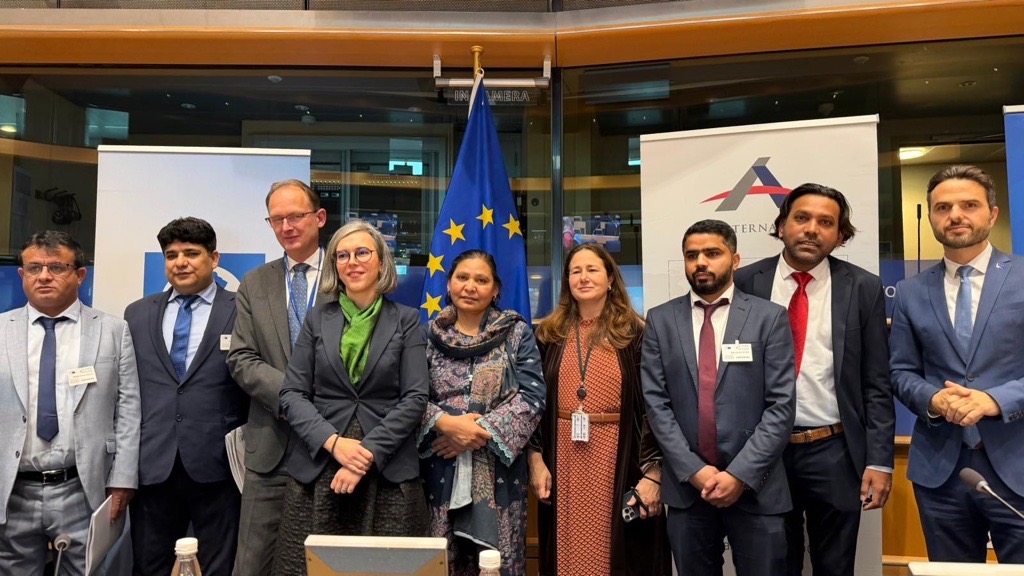
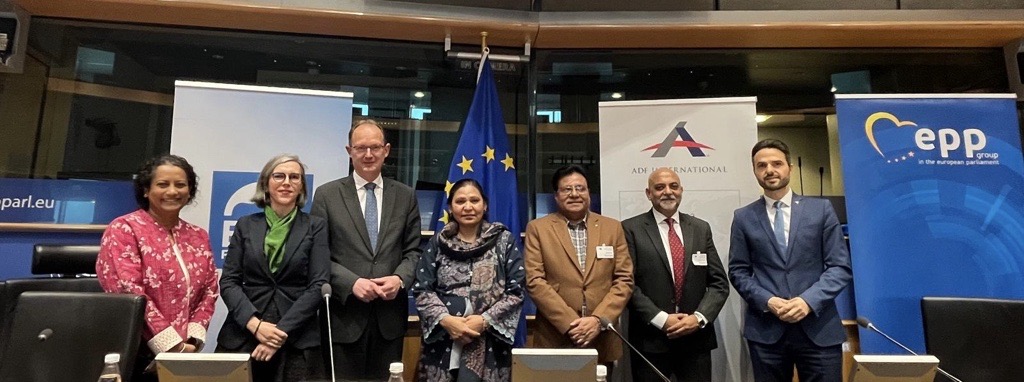
BRUSSELS (5th December 2025) – Members of the European Parliament, human rights advocates, and survivors of persecution gathered at the European Parliament on December 4th to spotlight the escalating violence and discrimination faced by Christian communities across South Asia.
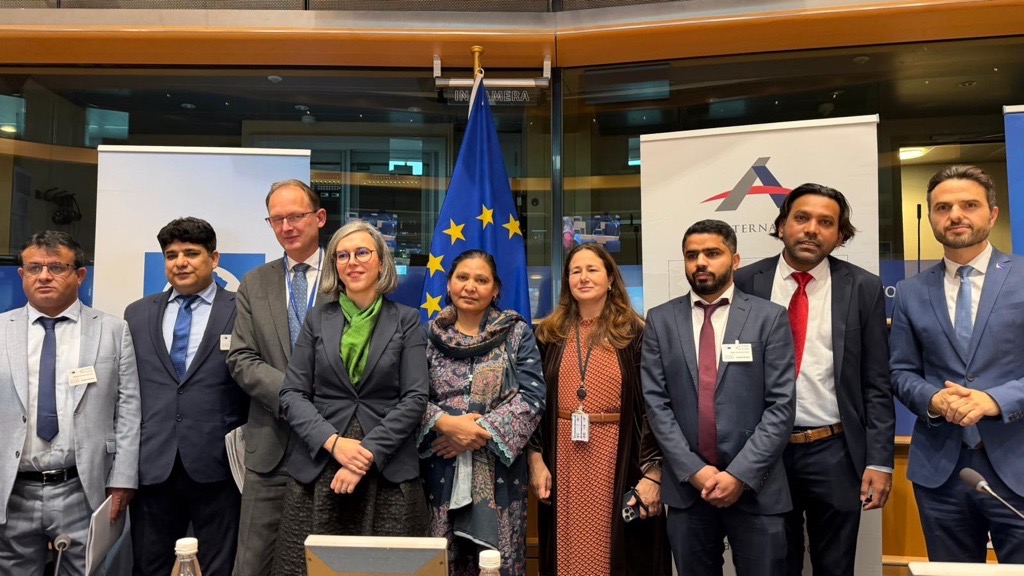
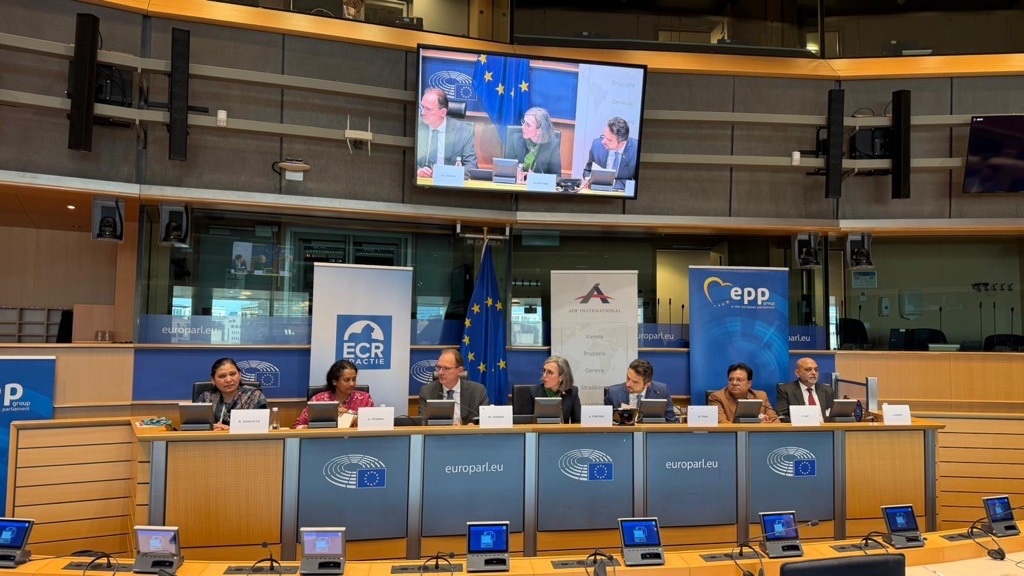
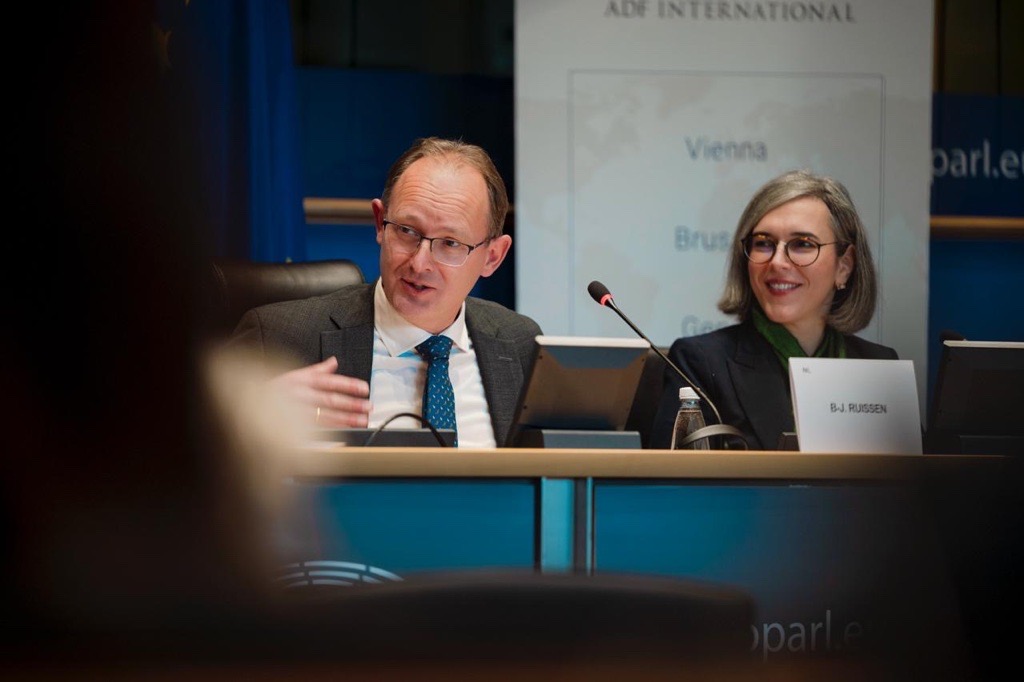
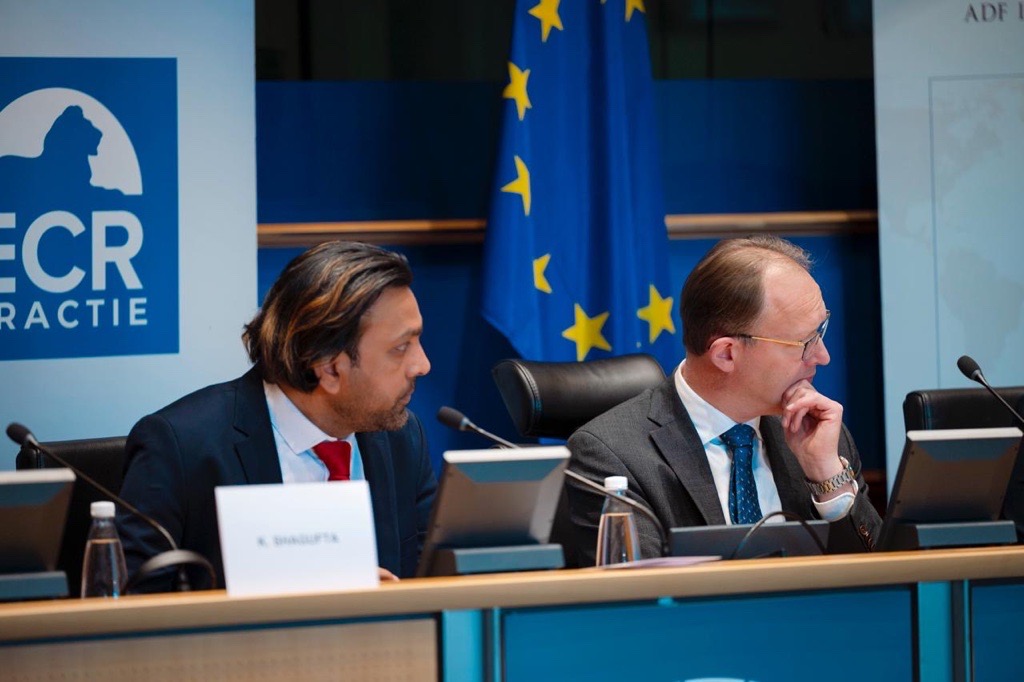
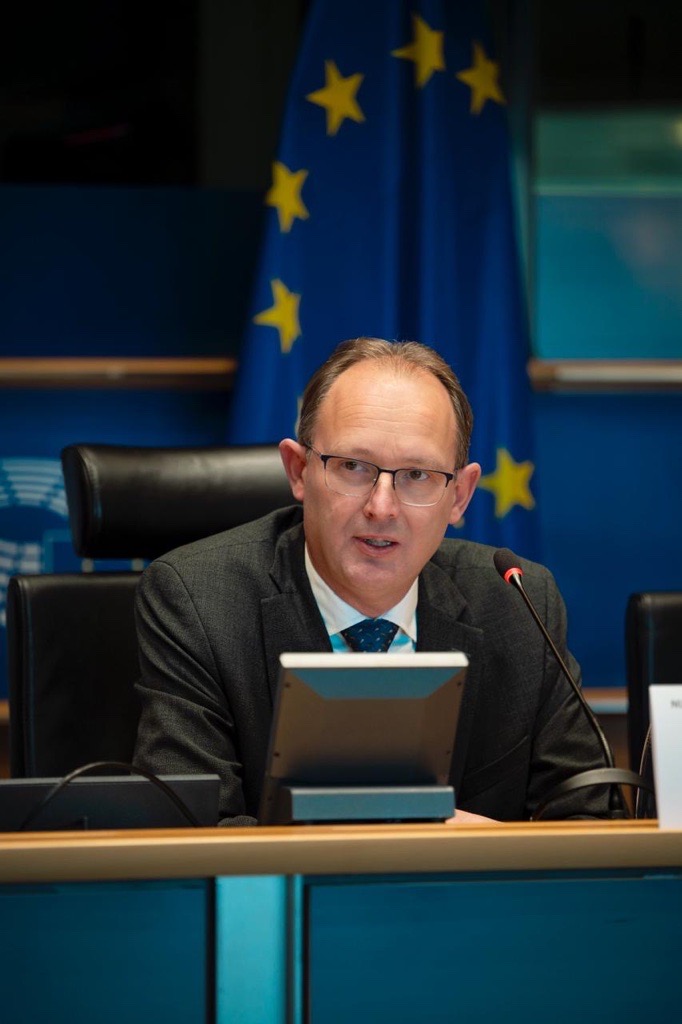
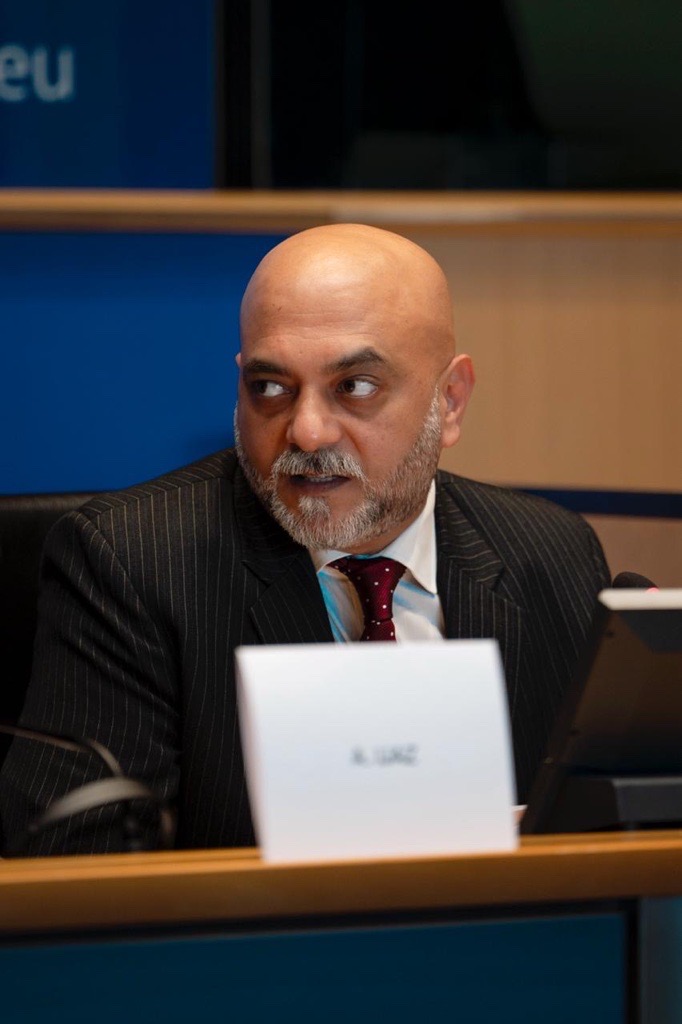
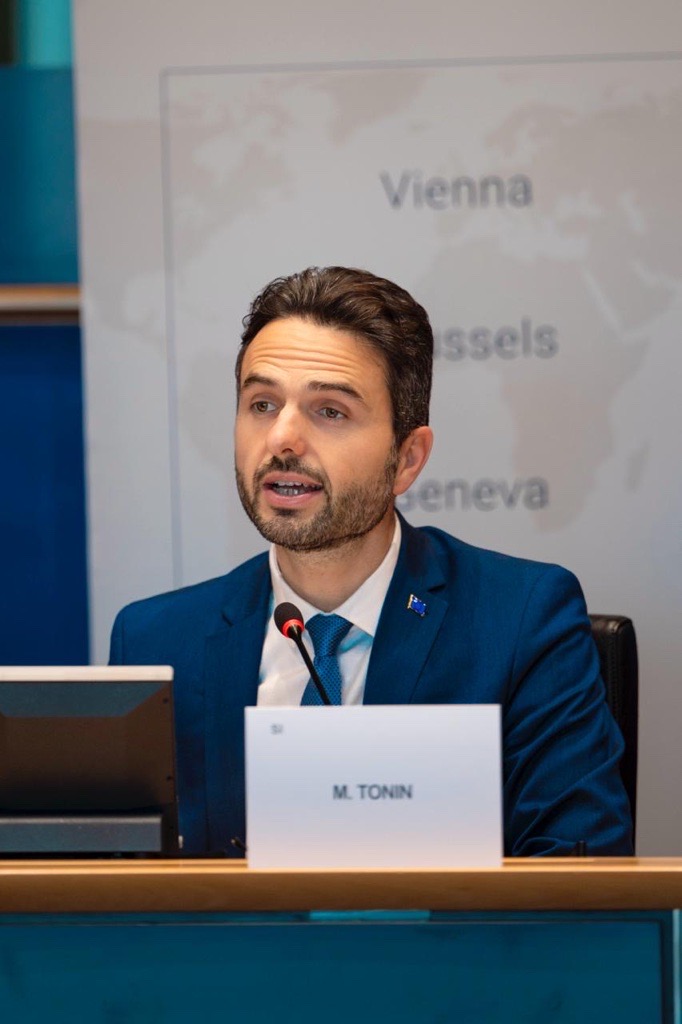
The event, “Targeted Violence against Christians in South Asia,” was hosted by MEP Matej Tonin (EPP) and MEP Bert-Jan Ruissen (ECR), and organised by ADF International. The panel brought together first-hand witnesses and experts to brief policymakers on the urgent need for stronger EU engagement on freedom of religion or belief.
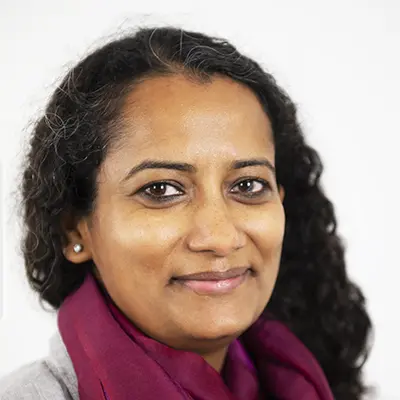
“Across South Asia, Christians endure violence, intimidation, and deepening marginalisation simply for living out their faith. The EU must place the protection of religious minorities at the centre of its foreign policy.”
– Tehmina Arora, Director of Advocacy in Asia for ADF International
“Two attacks a day”: India’s alarming surge in violence
Speakers highlighted a dramatic escalation of targeted attacks against Christians in India. According to the United Christians Forum, between January and October 2025 alone, more than 600 incidents of violence were documented—averaging two attacks per day—including mob assaults, public humiliation, church disruption, and the demolition of homes.
Twelve Indian states now enforce anti-conversion laws, often used to intimidate and criminalise peaceful religious activity. This year, 123 criminal complaints, so called First have been filed against Christians, and several believers remain in prison across the country.
“Christians in India are punished not for wrongdoing but for simply gathering, praying, or helping their neighbours,” explained Arora, presenting documented testimonies from across India’s most affected regions. “Even the Supreme Court of India recently noted how the anti-conversion laws are misused to wrongly prosecute Christians.”
Pakistan: Blasphemy laws enabling widespread abuse
The panel also warned about Pakistan’s continued use and abuse of some of the world’s harshest blasphemy laws, including provisions carrying a mandatory death penalty. In 2024 alone, 344 new blasphemy cases were registered—many triggered by false or coerced allegations on social media and disproportionately targeting Christians.
False accusations continue to spark mob violence. Speakers referenced the 2023 Jaranwala attacks, where more than two dozen churches were burned, and the 2024 lynching of 74-year-old Christian Lazar (Nazir) Masih in Sargodha.
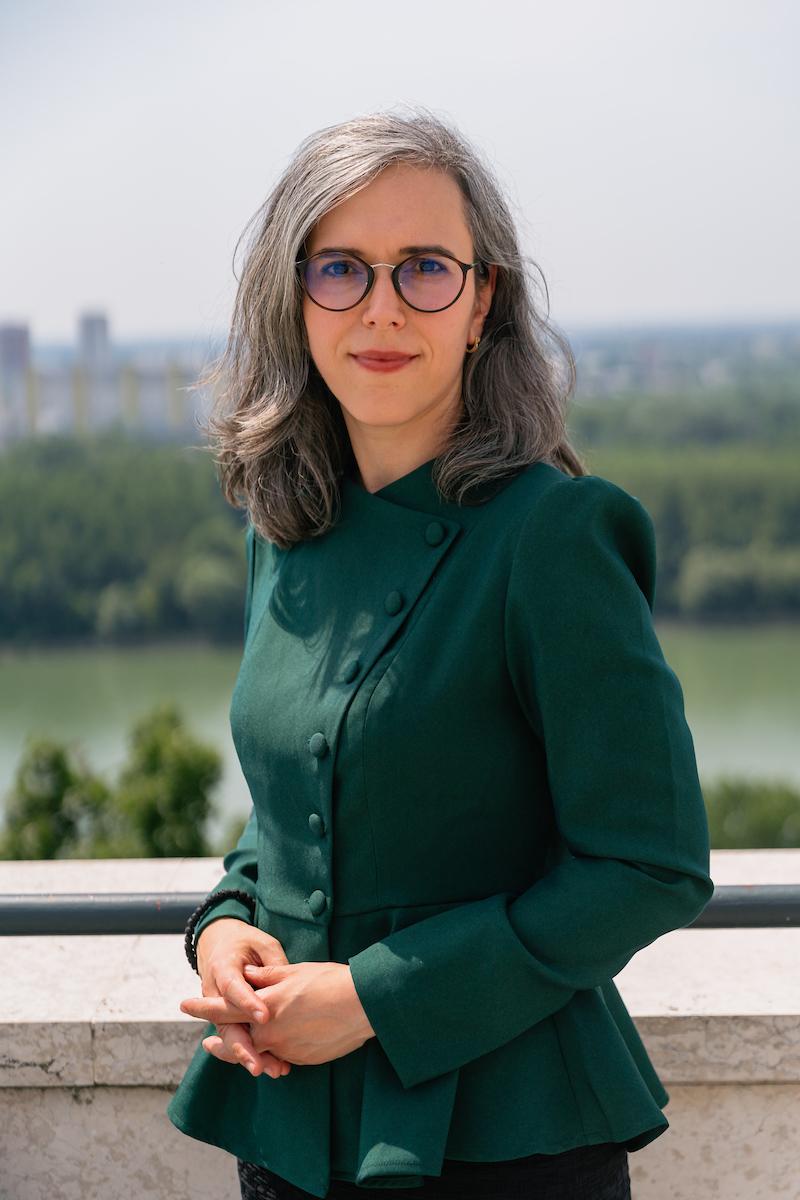
“There’s an urgent need to introduce procedural changes in the blasphemy laws to curb false allegations that have often resulted in violent attacks on Christian settlements and individuals belonging to both the minority and majority communities. Moreover, a lack of effective prosecution gives the perpetrators of violence a sense of impunity, therefore the law enforcement agencies and the judiciary should ensure that any person or group involved in such incidents are brought to justice,” said Asher John, a journalist
Sharing her own testimony, Shagufta Kausar, a survivor of Pakistan’s blasphemy system whose case was previously the subject of an urgency resolution in the European Parliament, urged EU policymakers to remain vigilant:
“Unless the international community acts, countless innocent people will continue to suffer under laws that are used to silence and destroy the most vulnerable.”
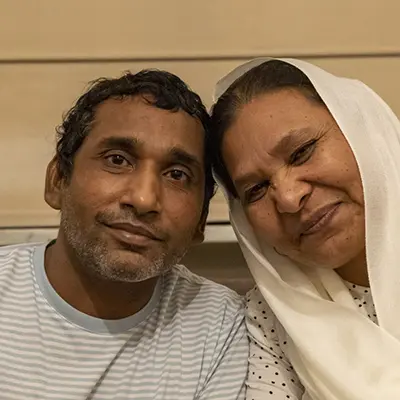
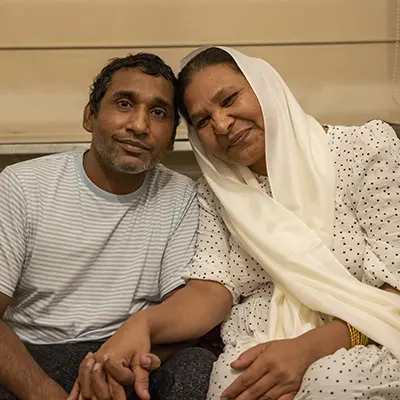
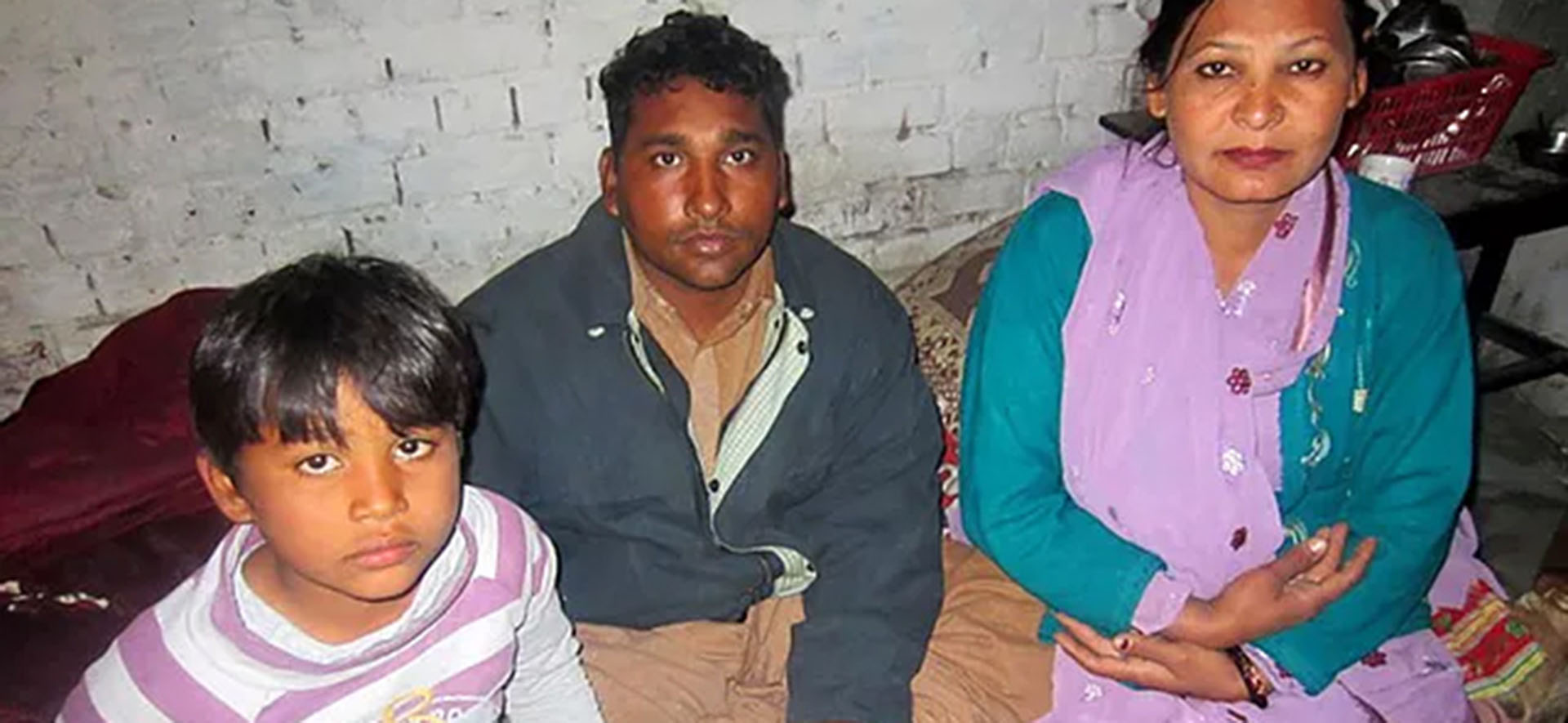
The Pakistani Christian couple Shagufta and Shafqat had languished on death row for seven years on false blasphemy charges. The Lahore High Court overturned their death sentence in early June 2021. With the support of ADF International they made it safely to Europe after the parents of four faced death threats once the news of their acquittal broke. Watch a documentary of Shagufta and Shafqat’s ordeal here.
You are currently viewing a placeholder content from YouTube. To access the actual content, click the button below. Please note that doing so will share data with third-party providers.
Forced Marriage and Conversion
Multiple civil-society and government-linked reports document have highlighted how forced conversions and marriages disproportionately affecting Hindu and Christian girls and young women, especially in Sindh and Punjab provinces.
“Despite fierce opposition by religious groups, the federal government and the provincial government of Balochistan have taken a bold initiative by raising the legal age for marriage for both genders to 18 years. A similar legislation is pending approval in the Punjab Provincial Assembly since April 2024. I’m quite hopeful that after its passage, we will have a legal safeguard against the forced faith conversion of minor Christian girls as conversion and Islamic marriage is used by the perpetrators to give cover to their sexual crimes,” said Ijaz Masih, a former minister for human rights and minorities affairs in Punjab and current Member of the Punjab Assembly.
Regional decline: Nepal, Bangladesh, and Sri Lanka tightening restrictions
Beyond India and Pakistan, speakers highlighted the shrinking space for religious freedom across neighbouring countries. In Sri Lanka, rising religious nationalism has fuelled at least 39 incidents of threats, intimidation, or disruption of worship in 2025, including protests led by Buddhist monks preventing Christian services. Nepal has intensified surveillance of Christian activity, with authorities arresting and expelling foreign missionaries and ordering district administrations to monitor religious gatherings. Bangladesh also continues to see targeted attacks and harassment, particularly in rural areas where Christians lack protection.
EU urged to take concrete action
The discussion focused on how EU institutions can use diplomatic, political, and economic tools—including human rights dialogues, development cooperation, and trade conditionality—to address systemic religious freedom violations.
“The European Union has both the mandate and the means to act. The EU should not only continue but intensify efforts to protect freedom of religion or belief around the world. The reappointment of a Special Envoy for the promotion of freedom of religion or belief outside the EU is now more necessary than ever,” said Arora.
Co-host MEP Matej Tonin stressed: “The EU should be the promoter of Freedom of Religion or Belief worldwide, we need to show it through facts, not words. The #EU has the tools to prevent the persecution of Christians around the world — and this was the key conclusion of the event. Political pressure from the European Parliament is important, but the EU also has powerful economic tools in its hands to pressure governments into ensuring religious freedom and stopping persecution. Christians are today the most persecuted religious group in the world, and it is vital that we speak about this publicly and loudly. ”