Top European Court Takes Up Cases of Christians Banned from Türkiye
- European Court of Human Rights formally communicates 20 cases of Christians banned from Türkiye solely for living out their faith
- ADF International supports 17 cases, highlighting serious, systemic human rights concerns
Strasbourg (5 February 2026) — The European Court of Human Rights (ECtHR) has formally taken up and “communicated” 20 cases brought by Christians whom Türkiye effectively banned from re-entry solely for living out their faith.
These cases — almost all supported by ADF International — stem from the Turkish government’s use of internal security codes such as “N-82” to label peaceful foreign Christian residents as threats to national security, blocking them from entering or remaining in the country despite long-standing lawful residence.
Since 2019, Turkish authorities have issued internal security codes like “N-82” and “G-87” to hundreds of foreign Christians, preventing them from re-entering Türkiye after trips abroad or denying them residence permits. These measures have affected at least 160 foreign workers and their families — estimated to be hundreds of individuals — many of whom lived and served in Türkiye for decades.
The ECtHR has jointly communicated these cases to the Turkish Government, indicating that the Court considers the applications sufficiently related to be examined together and has proceeded to posing questions to the parties.
“Peaceful worship and participation in church life are not threats to national security. Yet foreign Christians in Türkiye — pastors, teachers, ministry workers, and missionaries — have been labelled security risks and expelled based on undisclosed files,” said a Legal Officer for ADF International. “Deprived of access to the allegations, they had no meaningful opportunity to defend themselves in courts. The Court’s communication of these cases is a crucial step toward accountability and redress.”
Discrimination Behind the Numbers
The government’s use of these codes effectively labels individuals as a “threat to public order and security,” a classification normally reserved for terrorism suspects. In practice, however, those targeted have no criminal records and no evidence of unlawful conduct — the only thing that they have in common is openly practicing and sharing their Christian faith.
The 2024 Human Rights Violation Report presented by the Protestant Church Association records 132 people who have been arbitrarily branded with an entry ban code, preventing them from entering Türkiye solely on the basis of their Christian faith. The total number of those affected is 303, according to the report.
Reports of similar measures affecting many foreign Protestant Christians show that these cases are not isolated, but point to a wider pattern of systemic discrimination. The cases raise serious questions about fundamental rights protected under the European Convention on Human Rights — including freedom of religion, family life, and protection from discrimination — and highlight the need for clear, evidence-based decisions when governments invoke public order or national security, especially given the severe disruption these sudden and unexplained bans have caused to long-term residents and their families.
Real People, Real Consequences
Among those affected are long-term residents such as Pam and Dave Wilson, who served in Türkiye for almost 40 years before being barred from returning; Rachel and Mario Zalma (pseudonyms to preserve anonymity), whose ministry work led to an N-82 designation after attending a church conference; and David Byle, a Christian minister forced into exile after 19 years of service.
These bans have not only separated families from the communities they helped build but also left local churches without stable leadership, weakening the already-small Christian presence in a country where Christians make up a tiny fraction of the population.
A Longstanding Effort to Expose Systemic Abuse
Over several years, ADFI has raised awareness of these human rights violations through, among other activities, workshops with local lawyers, academic publications and expert submissions highlighting systemic violations of freedom of religion or belief and related rights.
ADF International has supported a number of applicants and counsel in these cases over several years. ADF International directly represents four individuals before the Court, two of whom are lead applicants, and has supported nearly all the other cases.
“We welcome the Court’s decision to jointly communicate these cases. These are not isolated mistakes or one-off decisions,” said Kelsey Zorzi, Director of Global Religious Freedom for ADF International. “By examining these cases together, the Court is acknowledging that they may reveal a pattern of discrimination against Christians in Türkiye. We look to the Court to uphold the fundamental principle that governments cannot strip people of their rights simply for living out their faith.”
Images for free use in print or online in relation to this story only
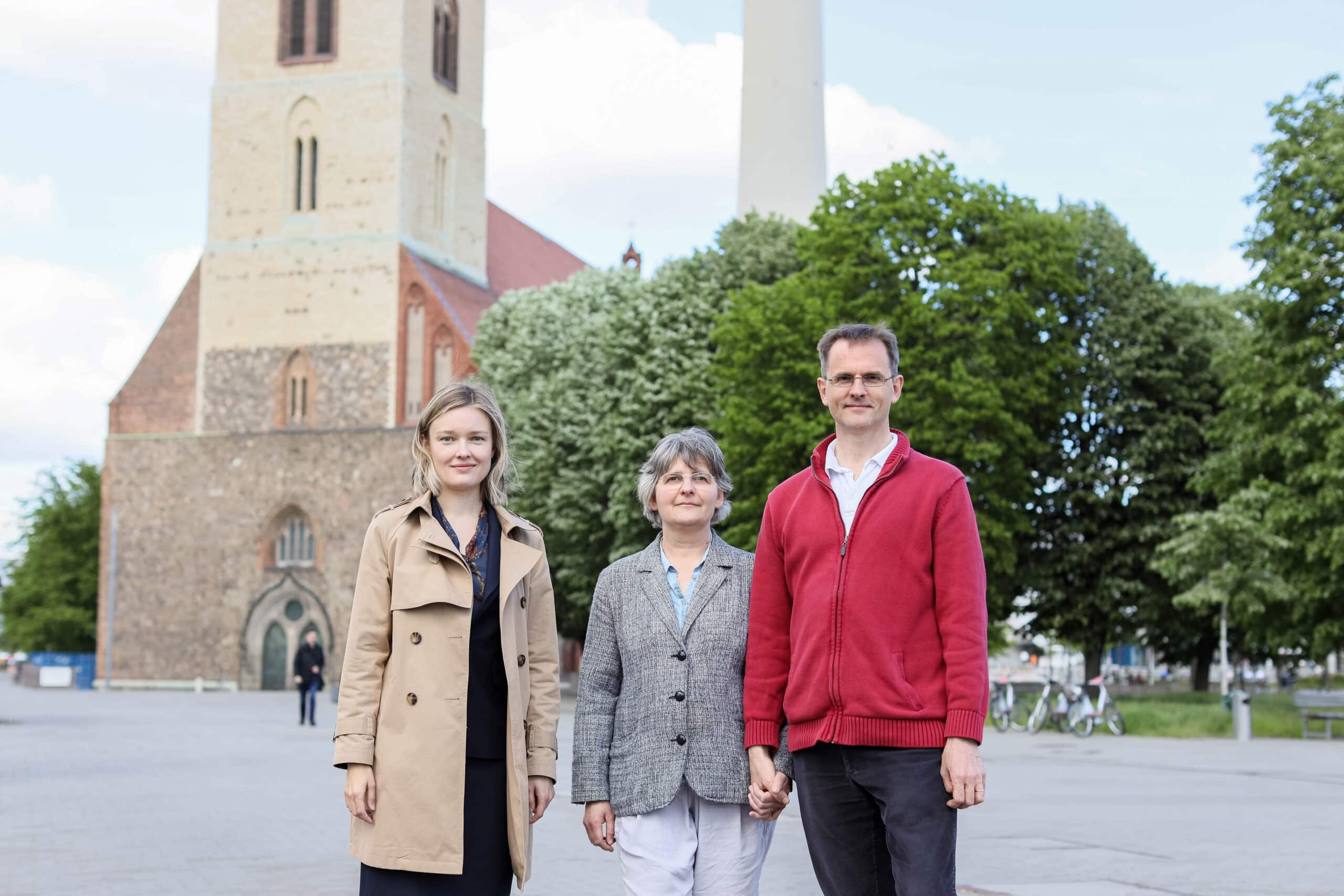
Pictured: Dave and Pam Wilson; David Byle; Kelsey Zorzi