
- Sharron Davies’ Women’s Sports Union and ADF International formally warn 10 sports bodies they are in breach of law by failing to protect women’s and girls’ sport from transgender ideology
- Sports bodies warned, in light of For Women Scotland Supreme Court ruling, that allowing men to compete in women’s sport is unlawful

LONDON (23 April 2026) – Ten sports bodies have today been threatened with legal action if they fail to protect women’s sport from transgender ideology, in formal warnings from former Olympic swimmer Sharron Davies and legal experts.
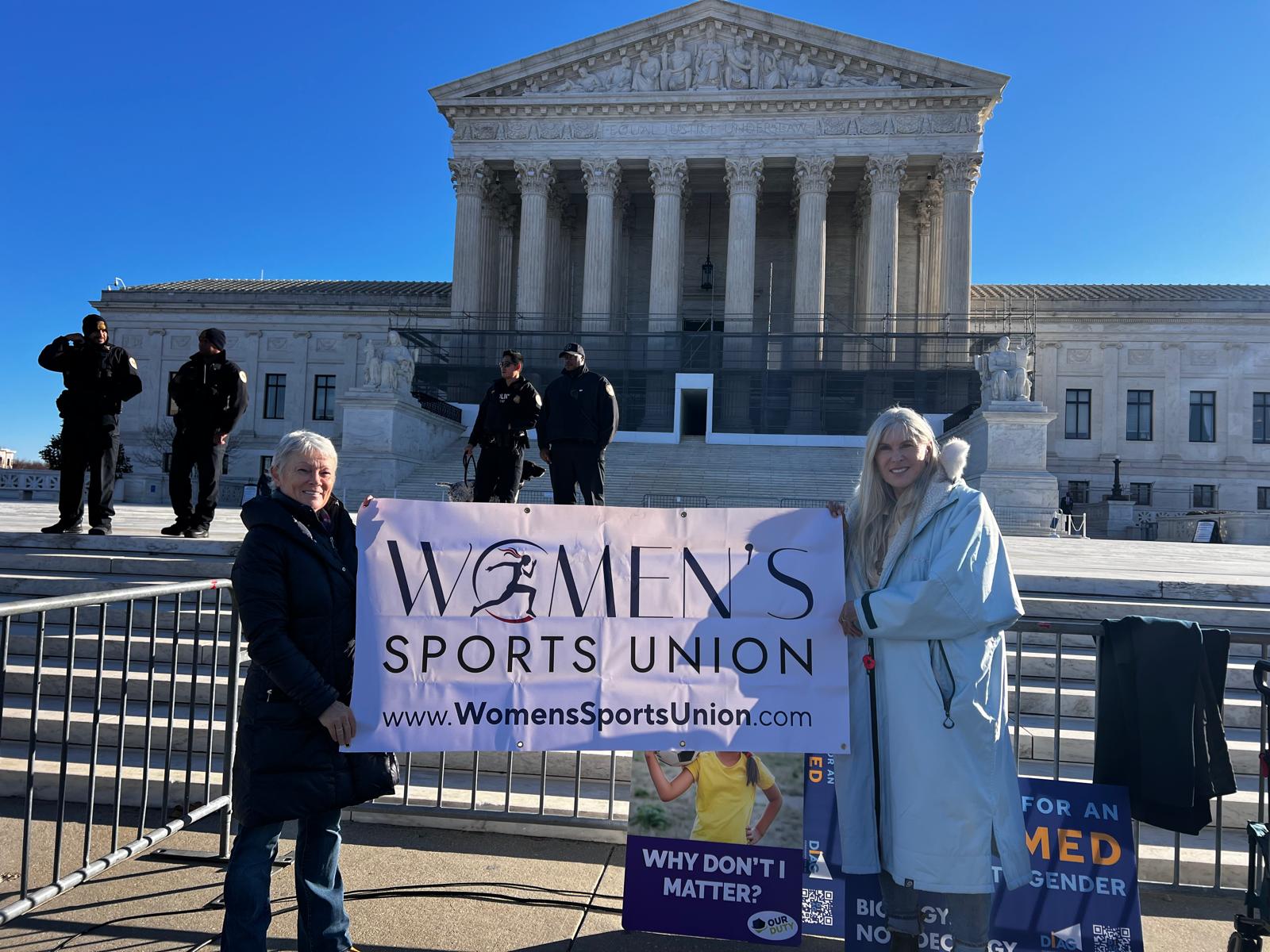
The letters were sent by Olympic medallist and Conservative peer Baroness Davies MBE and Tracy Edwards MBE—the world-renowned sailor who skippered Maiden, the first all-female crew to ever sail around the world—of the Women’s Sports Union, and legal advocacy organisation ADF International.
They warned the 10 bodies (full list at the bottom of the press release), including the Football Association of Wales, Swim England and British Gymnastics, that their policies in 11 sports which they govern are in breach of the law and requested confirmation of the immediate steps the bodies will take to remedy the situation.
While many governing bodies changed their policies to protect women’s sport following the landmark For Women Scotland Ltd v The Scottish Ministers Supreme Court ruling last year—which unanimously held that “woman” refers to biological sex in the Equality Act—the sports bodies threatened with legal action today still allow males to compete in female categories.
The letters warned: “Any governing body that continues to permit biological males to compete in the female category contravenes the Equality Act 2010 as interpreted by the Supreme Court. This exposes the organisation to immediate and substantial legal liability.”
The letters explained that Section 195 of the Equality Act and draft guidance from the Equality and Human Rights Commission (EHRC) require sports bodies to prevent males from participating in women’s and girls’ sport, to ensure safe and fair competition.
While most parts of the Equality Act do not apply in Northern Ireland, the letter to the Irish Football Association (IFA) (the governing body for football in Northern Ireland) explained that the For Women Scotland ruling is still binding across the UK.
The judgement is at the very least “highly persuasive” in interpreting Northern Ireland’s unique equality legislation and the IFA has a legal obligation to protect women’s sport categories.
The letters pointed out the safeguarding risks of allowing males to use female changing rooms, highlighted the ineradicable physical advantages of biological males, and warned about the risk of discrimination claims by female athletes “whose opportunities and achievements are displaced or diminished” and of “increased insurance and tort liability from elevated injury risk”.
The letters concluded: “If active steps are not taken to ensure that the issues raised in this correspondence are satisfactorily resolved, and women and girls engaging with your organisation remain exposed to these risks even in light of the clarified legal position, we reserve the right to take further steps, including litigation, to protect their interests.
“Biological sex is not a negotiable category; it is the essential foundation for safeguarding women and girls and preserving fair competition.”
Last month, the International Olympic Committee (IOC) announced in a new policy that only biological females would be eligible to compete in women’s categories in IOC events. The IOC said: “To ensure fairness, and to protect safety, particularly in contact sports, eligibility should therefore be based on biological sex.”
Earlier this month, the Darts Regulation Authority banned men from competing in women’s tournaments, accepting that darts is a sex affected sport, in which the women’s category must be protected to ensure fairness.
Last week, Bridget Phillipson, the Education Secretary, said EHRC guidance on protecting women’s spaces would not be published until after Scottish and Welsh elections on May 7, despite the fact that the draft guidance was submitted for review last September.
The delay was criticised by Baroness Falkner, the former head of the Equality and Human Rights Commission, and Reem Alsalem, the UN’s special rapporteur on violence against women and girls, who said the guidance should be published “without further delay”.
Women’s Sports Union CEO, Olympic medallist and Conservative peer Sharron Davies MBE said:
“It is a true scandal that men are still allowed to compete against women in sport, a year after the For Women Scotland Supreme Court ruling. Failing to protect women’s sport from males who claim to be female eradicates fairness in competition and presents extreme safeguarding concerns, all in the name of a false ideology.
“I have heard horror stories from parents whose girls have been exposed to extremely inappropriate and harmful situations, due to the failure to protect exclusive female sport categories and changing facilities. All sports bodies must act now to stop the risk of these terrible situations happening again in the future.
“Some organisations have merely acted to protect sport at the elite level, while allowing men to compete against women at the amateur level. This is unacceptable—all women who play sport must be able to do so in a safe and fair environment. If they cannot, many women will simply opt out of sport. Women’s sport must be protected at all levels and the importance of this is underlined by the fact that professional female athletes are drawn from the amateur pool.
“Today, we put 10 sports bodies that fail to recognise biological reality on notice. If they don’t act to do the right thing, we will not hesitate to pursue all legal options.”
Barrister and Director of Advocacy for ADF International Robert Clarke said:
“Today, we sent a formal warning to 10 sport bodies that their failure to protect women’s and girls’ sport is a serious breach of their legal obligations.
“The fight against gender ideology’s harmful effect on women’s sport and safety is a global one, and this case is the latest front in that battle. We are serious about this work as an organisation. In the United States, ADF is litigating two cases in the Supreme Court to protect women’s sport.
“We are just as committed to protecting fair and safe competition in the United Kingdom. We will not hesitate to pursue all legal options, should these sport bodies not act to bring their policies in line with the law and biological reality.”
Tracy Edwards MBE—the world-renowned sailor who skippered Maiden, the first all-female crew to ever sail around the world—of the Women’s Sports Union, said:
“When I stood outside the Supreme Court on 16 April 2025 as For Women Scotland won their case confirming the meaning of ‘woman’ in the Equality Act 2010 is defined as ‘biological sex’, I celebrated the return of sanity. Little did I know that a year later we would still be fighting for the female category in sport, and that over 30 UK sports governing bodies would be shirking their responsibility to women and girls.
“Sharron and I set up the Women’s Sports Union to ‘support, protect and grow female participation in sport’ but we knew that getting males out of the female category would be job number one. I have written to the RYA on a number of occasions and the disappointment I feel in their reluctance to protect women and girls is profound. I have spent my sailing career promoting and facilitating women and girls into sailing and yet the misogyny 37 years after ‘Maiden’ hasn’t gone away, it has just changed shape.”
Ensuring fairness and safety in women’s and girls’ sport
The letters explained: “In light of the ruling in For Women Scotland and the scientific and sporting consensus, it is now well-established: male puberty confers enduring, irreversible physiological advantages.
“These include greater skeletal size and limb length, higher bone density and structural strength, significantly increased muscle mass and upper-body strength, superior aerobic capacity and cardiovascular output, and enhanced speed and explosive power (typically producing performance gaps of 10–30%, and up to 50% in strength-dominant disciplines, such as boxing where male punching power is on average 162% greater than female).”
Section 195 of Equality Act 2010 and draft EHRC guidance
Section 195 of the Equality Act 2010 authorises governing bodies to maintain separate categories for men and women in any sex-affected activity, namely any sport in which the average physical strength, stamina or physique of one sex places competitors of the other at a disadvantage.
Chapter 13 of the draft EHRC Code of Practice (2025 consultation) states that in sex-affected activities under Section 195 organisers may—and where physiological differences produce competitive disadvantage or safety risks, should—confine the female category to biological females.
The position has been applied by the courts. In Haynes v. The English Blackball Pool Federation [2025] EWCC 50, the Court dismissed a discrimination claim filed by a biological male after exclusion from female pool competitions.
Relying on For Women Scotland, the Court ruled that exclusion on biological-sex grounds was lawful and proportionate to protect fair competition in a sex-affected activity. The judgment confirmed that pool is sex-affected due to average male advantages, citing greater male strength and reach, that the threshold does not require “major” disparities, and that the analysis applies beyond stereotypically strength-based sports.
Full list of sport bodies to which a letter was sent:
- Football Association of Wales
- Irish Football Association (governing body for football in Northern Ireland)
- British Powerlifting
- Swim England (which governs both diving and water polo)
- British Gymnastics
- Royal Yachting Association
- Parkrun
- British Baseball Federation
- BaseballSoftballUK
- Rounders England
Read the full letter to Parkrun:
Images for free use in print or online in relation to this story only.
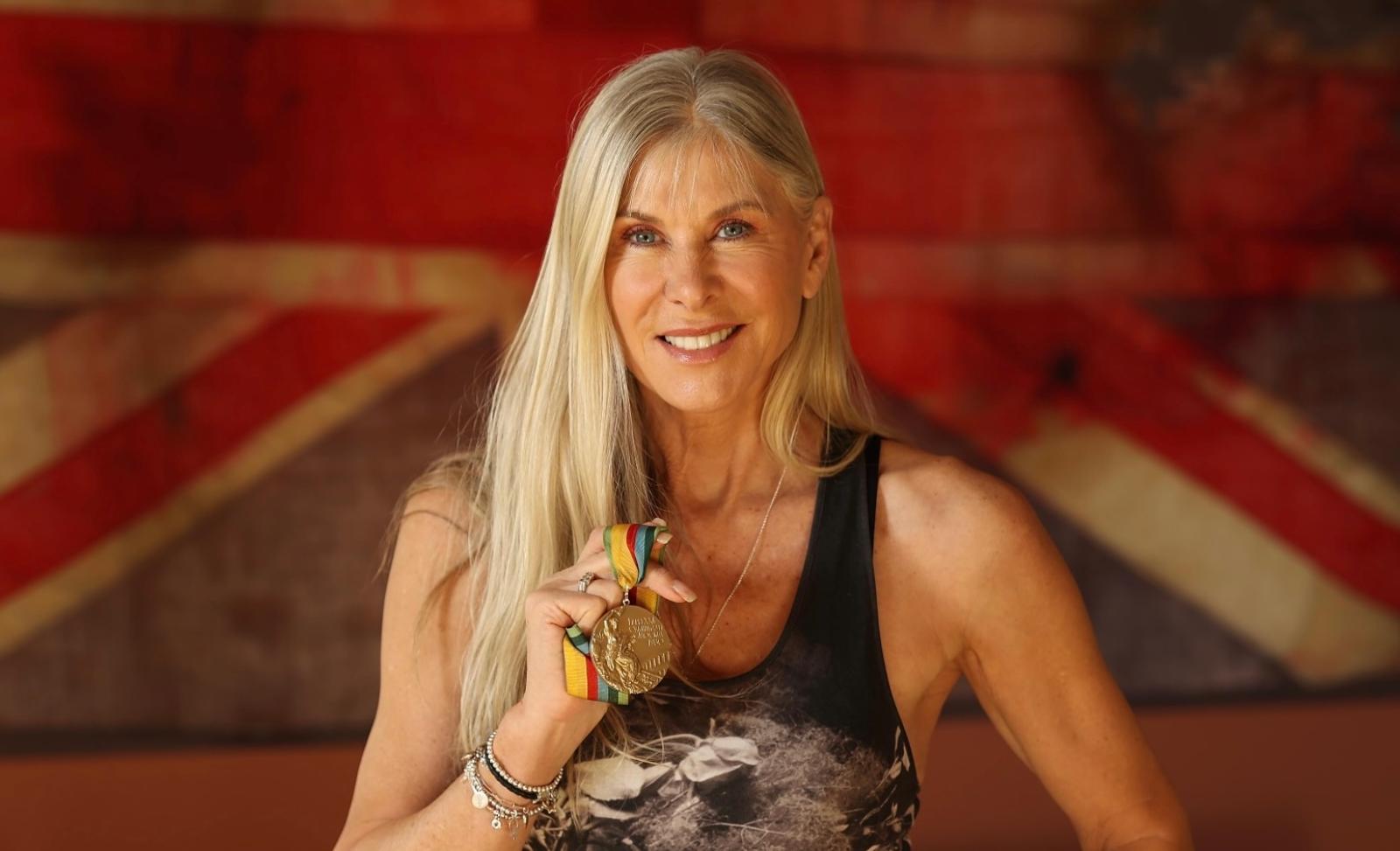
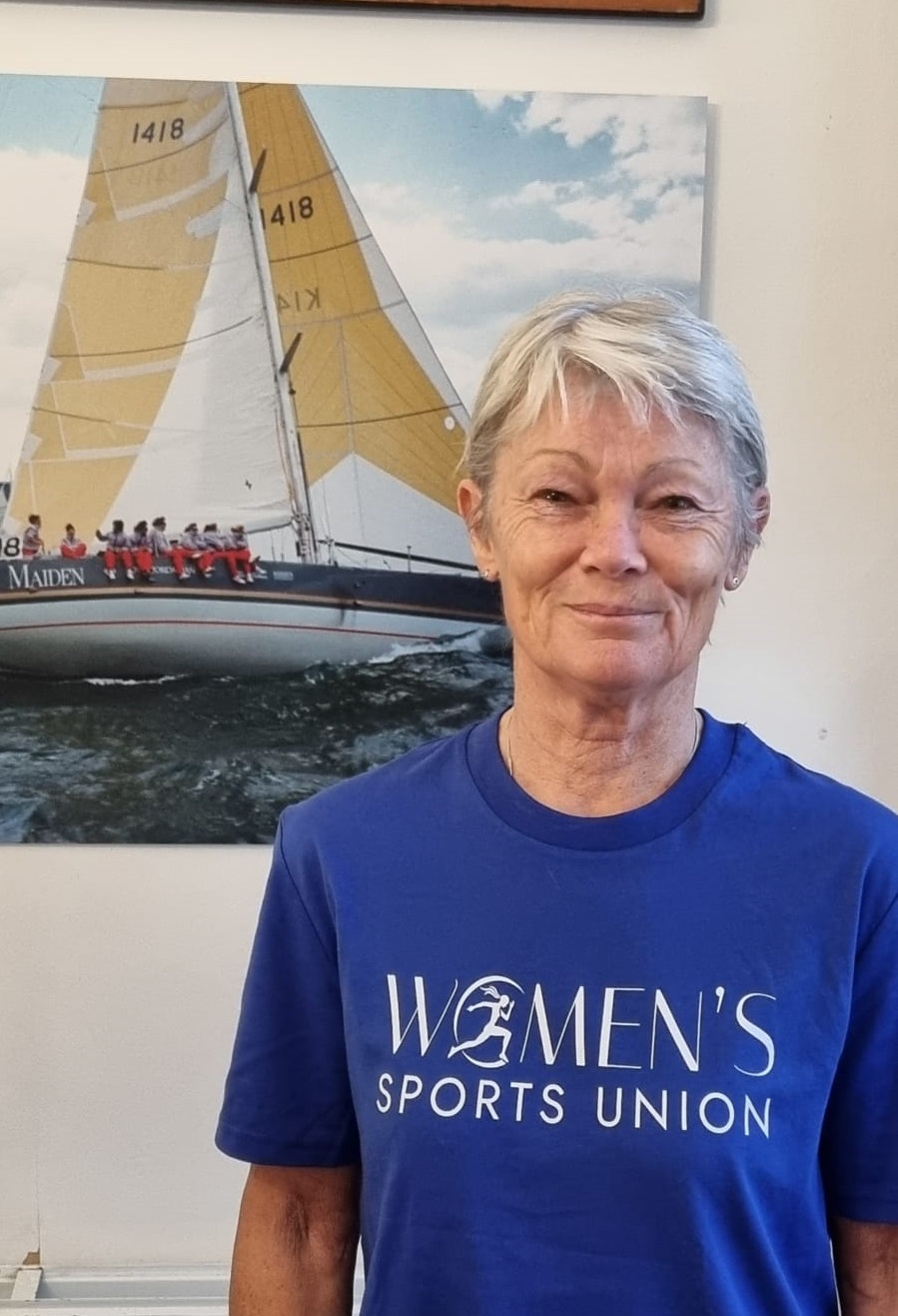
(Pictured: Tracy Edwards and Sharron Davies, Sharron Davies, Tracy Edwards, Robert Clarke)