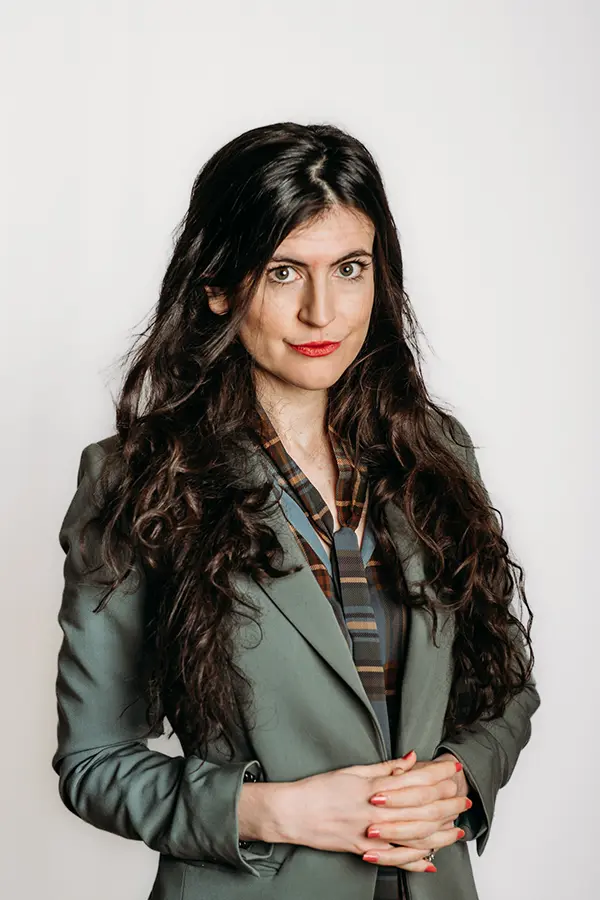

Free speech victory: Judge dismisses charges against Scottish grandmother arrested for offering consensual conversation in ‘buffer zone’

  • Sheriff Stuart Reid delivered ruling at hearing in Glasgow Sheriff Court yesterday morning, dismissing charges against Rose Docherty, 75
  • ADF International coordinated Mrs Docherty’s legal defence
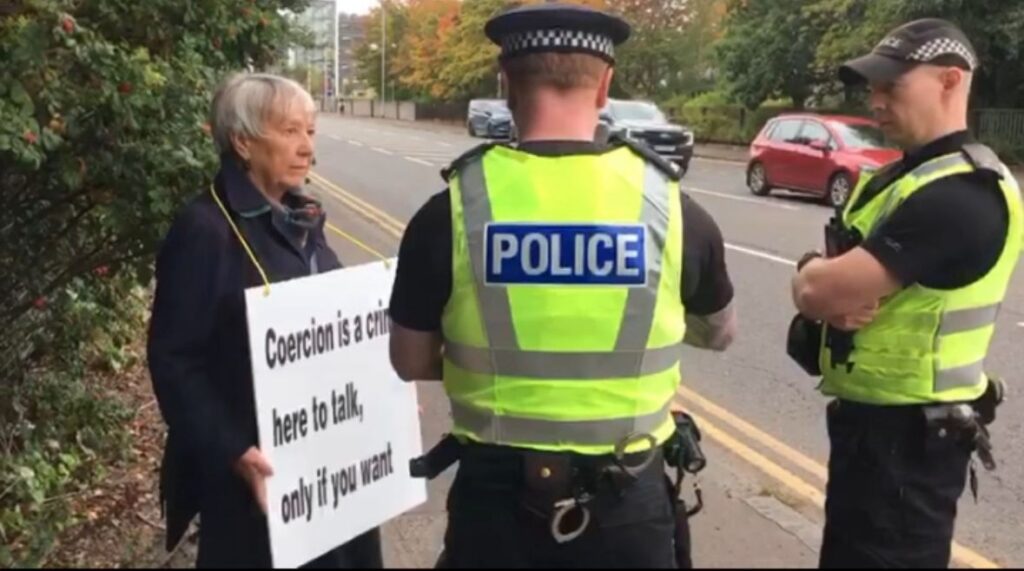
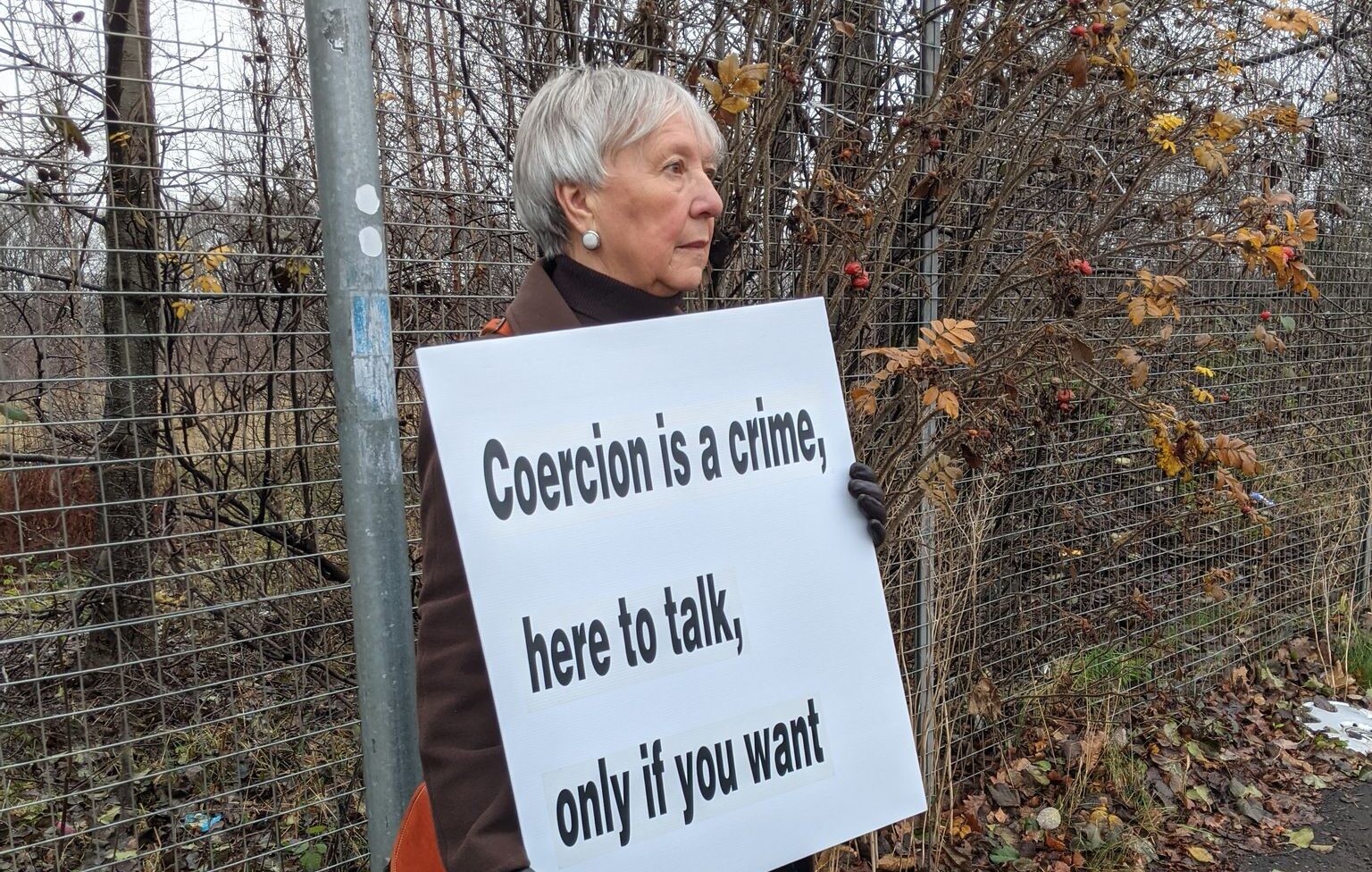
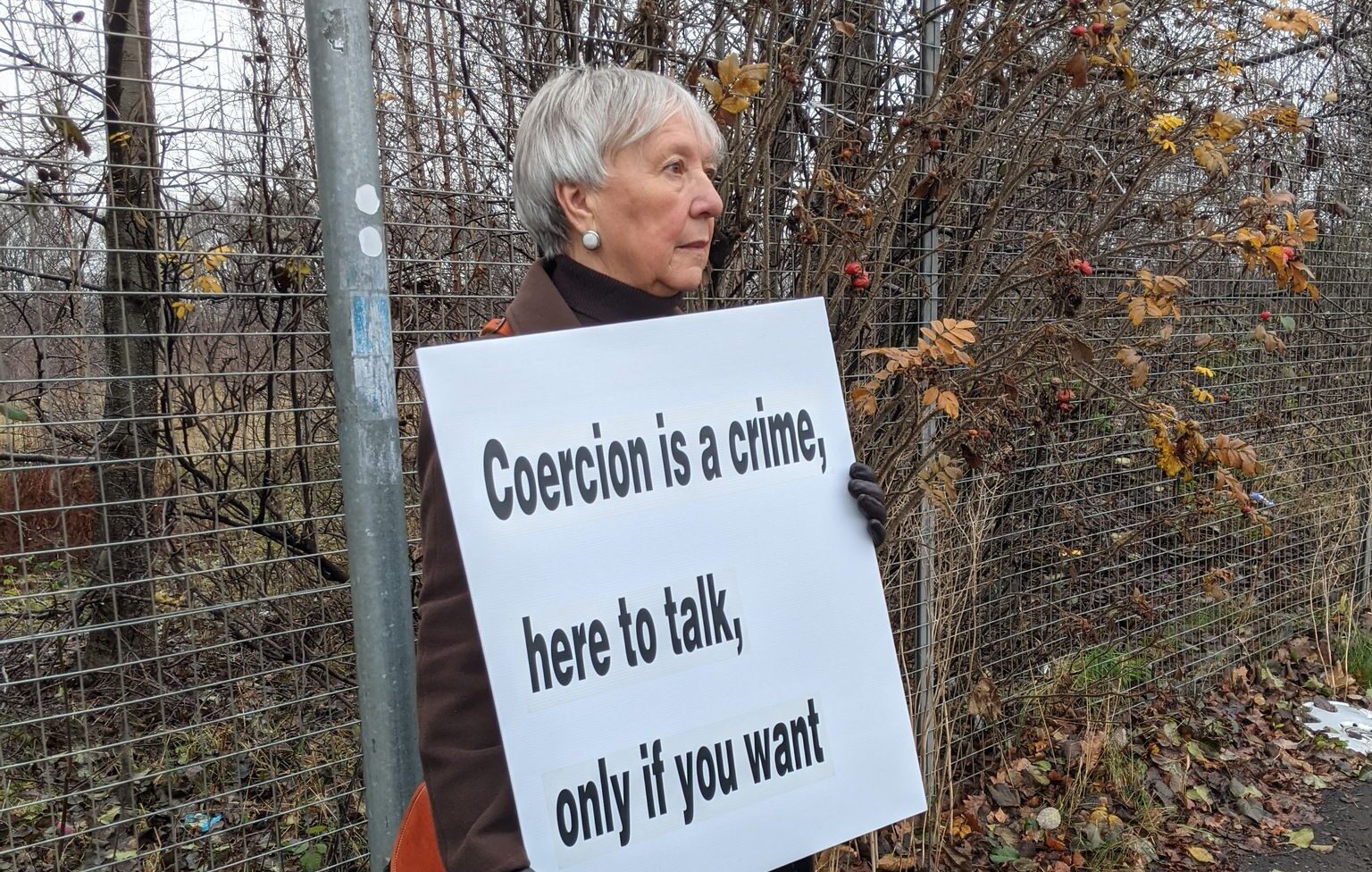
  • Christian grandmother arrested last September for holding a sign that read: ‘Coercion is a crime, here to talk, only if you want’ outside a Glasgow hospital

GLASGOW (28 April 2026) – A judge dismissed criminal charges against a Glaswegian grandmother who was arrested for offering consensual conversation in a “buffer zone”, in a significant victory for free speech yesterday.

Sheriff Stuart Reid’s ruling, dismissing two charges of alleged “influencing” within a “buffer zone”, against Christian grandmother Rose Docherty, 75, was delivered at Glasgow Sheriff Court on Monday morning.

Mrs Docherty was the first person to be criminally charged under Scotland’s censorial 2024 “buffer zone” law. Mrs Docherty’s advocate Jamie McGowan was instructed by law firm Lindsays. Legal advocacy organisation ADF International coordinated her legal defence.

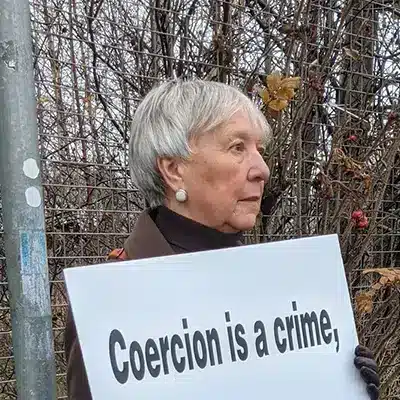
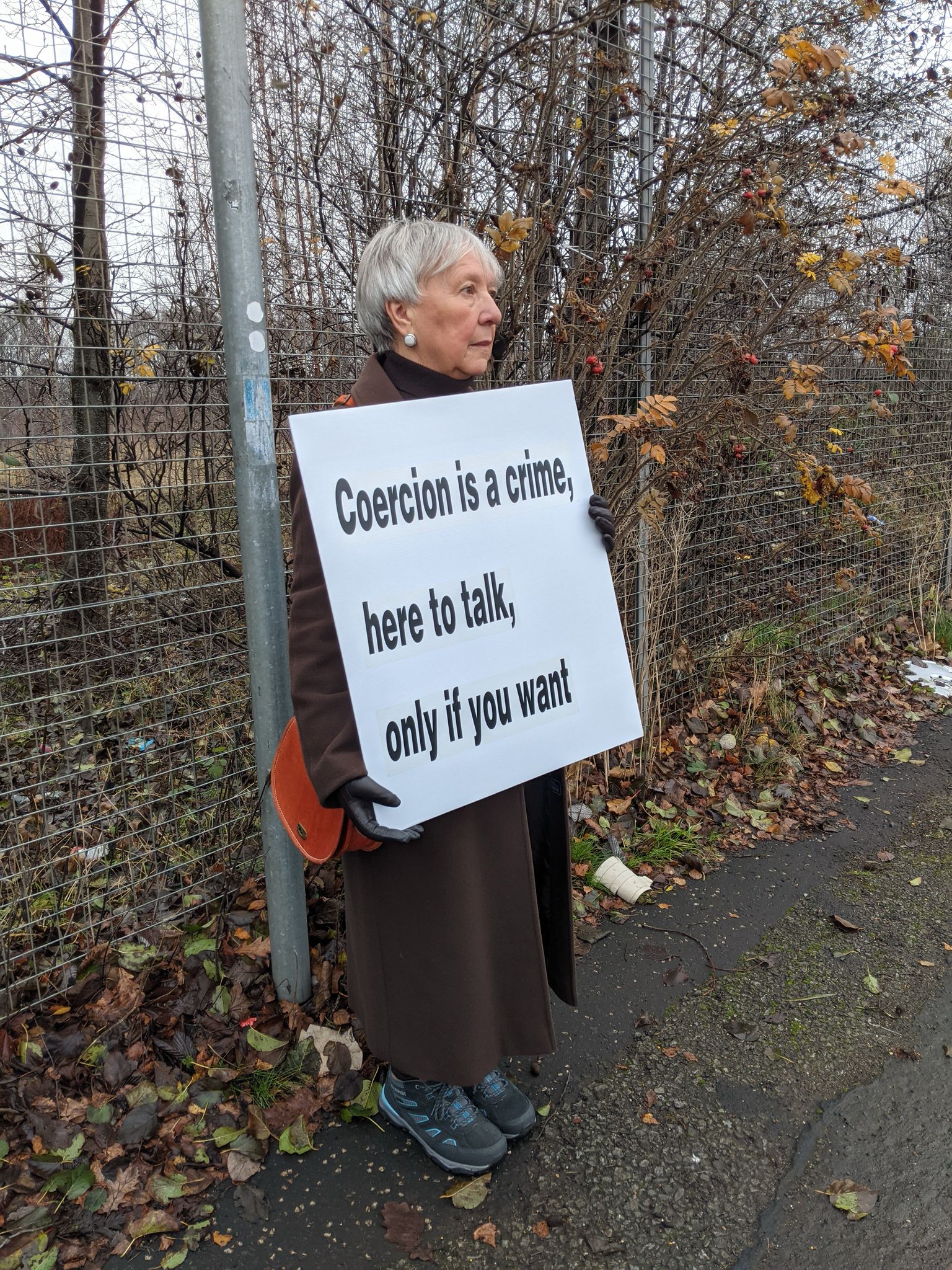
Mrs Docherty was arrested last September for peacefully offering to speak with people in the vicinity of the Queen Elizabeth University Hospital in Glasgow, in a “buffer zone”, and holding a sign that read: “Coercion is a crime, here to talk, only if you want”.

She did not approach anyone, did not speak about abortion, did not engage in any behaviour that was obstructing, harassing or intimidating and was not protesting.

Her censorial arrest sparked expressions of concern in the UK and around the world, including from the Scottish Catholic Bishops’ Conference and from the US State Department, who described it as “another egregious example of the tyrannical suppression of free speech happening across Europe”.

Scotland’s censorial 2024 “buffer zone” law forbids the “influencing” of anyone seeking to access “abortion services” and is enforced within 200 metres of every hospital. It is similar to Section 9 of the Public Order Act 2023, which introduced “buffer zones” around all abortion facilities in England and Wales.

Yesterday’s ruling followed a hearing on April 20, in which Mrs Docherty’s legal counsel argued that the charges against Mrs Docherty violated her Article 10 right to freedom of expression.

Mrs Docherty’s counsel noted that the charge against her was insufficiently clear and was not “prescribed by law”, since it failed to state or identify another person in the “buffer zone” that was present for the purpose of accessing, providing or facilitating the provision of abortion services, as is required by the law.

During the hearing on April 20, the Crown admitted that the presence of another individual within the zone who was accessing, providing or facilitating the provision of abortion services was an essential ingredient of the offence and, remarkably, conceded that they were still making enquiries as to how many people, if any, were influenced by Rose’s conduct within the zone.

Questioned by Sheriff Reid whether there was “any evidential basis to advance” a charge on the basis that Rose had influenced a person within the zone, the Procurator Fiscal responded, “not at the moment, but that might emerge after our further enquiries”.

Sherriff Reid concluded yesterday that the Procurator Fiscal had “failed to disclose an offence known to the law of Scotland” and dismissed the case pro loco et tempore, meaning the matter can be brought back should prosecutors bring improved evidence and decide that a prosecution continues to be in the public interest.

Last September was the second time Mrs Docherty had been arrested for peacefully offering consensual conversation in a “buffer zone”. Her first arrest for peaceful expression was on 19 February 2025, and the Procurator Fiscal later decided not to proceed with a prosecution in August.

Reacting to the ruling, Rose Docherty commented:

“This verdict is a major victory for free speech in Scotland and the UK. It shows that peacefully offering consensual conversation on a public street, which is all I have ever done, can never be a crime.

“Even though the verdict was a victory, the process in this case became a form of punishment for me. I was arrested last September and have faced seven months of criminal proceedings, merely for exercising my free speech rights. This should never happen in a free society.

“My case shows how ‘buffer zones’ are used by authorities to impose censorship. ‘Buffer zone’ legislation must be repealed in Scotland and across the UK to ensure it is not misused to target peaceful and lawful expression again in the future, as has now happened to me twice.

“The resources used by the authorities to target me, a 75-year-old grandmother, for offering to speak with people, have been totally wasted. Authorities should focus on tackling real crime in Glasgow, not censoring a Catholic grandmother.”

Barrister and Legal Counsel for ADF International, Jeremiah Igunnubole commented:

“Rose’s free speech rights have been vindicated by the court in a significant victory for freedom of expression in the United Kingdom.

“The prosecution of Rose has no place in a free and democratic society. No one should ever be criminalised for peaceful speech, least of all for making a peaceful and consensual offer to speak. It is bad enough to be prosecuted for exercising a fundamental right; it is far worse that the Crown Office and Procurator Fiscal Service brought these charges without conducting even the most basic investigative inquiries, such as establishing whether anyone had been criminally influenced by Rose’s conduct within the ‘buffer zone’.

“This prosecution is emblematic of the deepening free speech crisis in the UK. We call on the Crown Office and Procurator Fiscal Service, together with Police Scotland, to cease such targeted prosecutions and instead focus their resources on tackling the serious and growing crime problems Scotland faces.

“Above all, this case has starkly exposed the flaws in these poorly drafted, censorial, and undemocratic ‘buffer zone’ laws. They have created confusion for police officers and delivered injustice to Rose and others who have endured the humiliation of arrest, imprisonment, and prosecution simply for seeking to love their neighbour and exercise their rights in the gentlest manner possible.

“Parliament must act urgently to repeal these buffer zone laws and replace them with robust protections that genuinely strengthen freedom of expression.”

In a statement delivered outside court yesterday after the ruling, Mrs Docherty said:

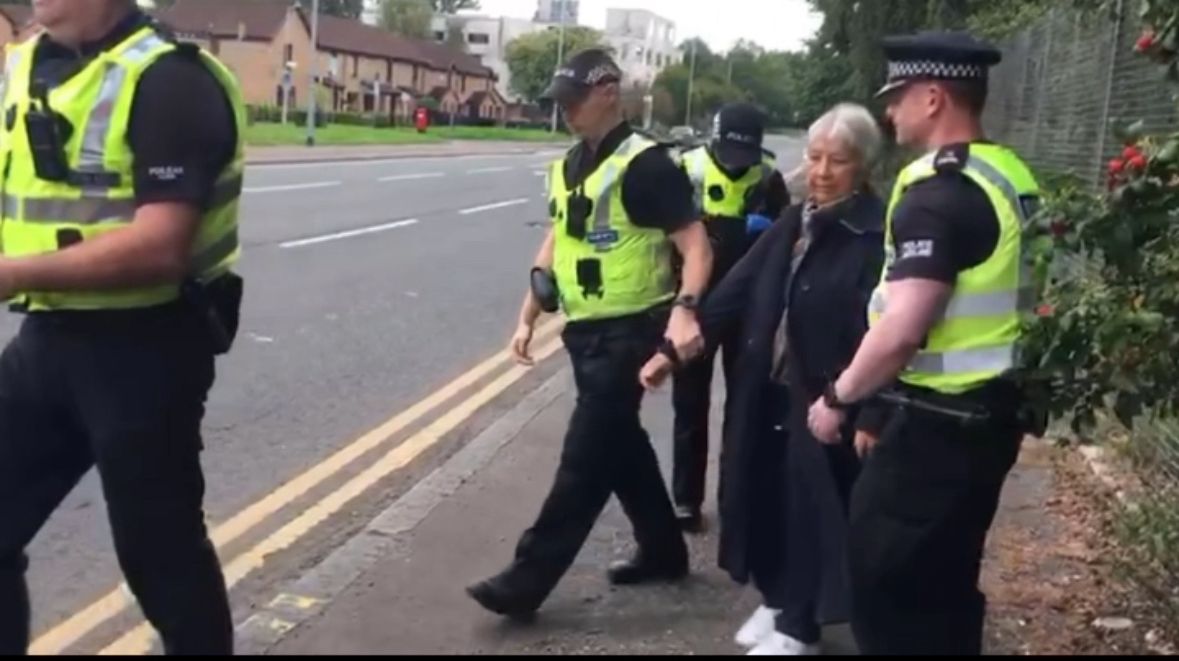
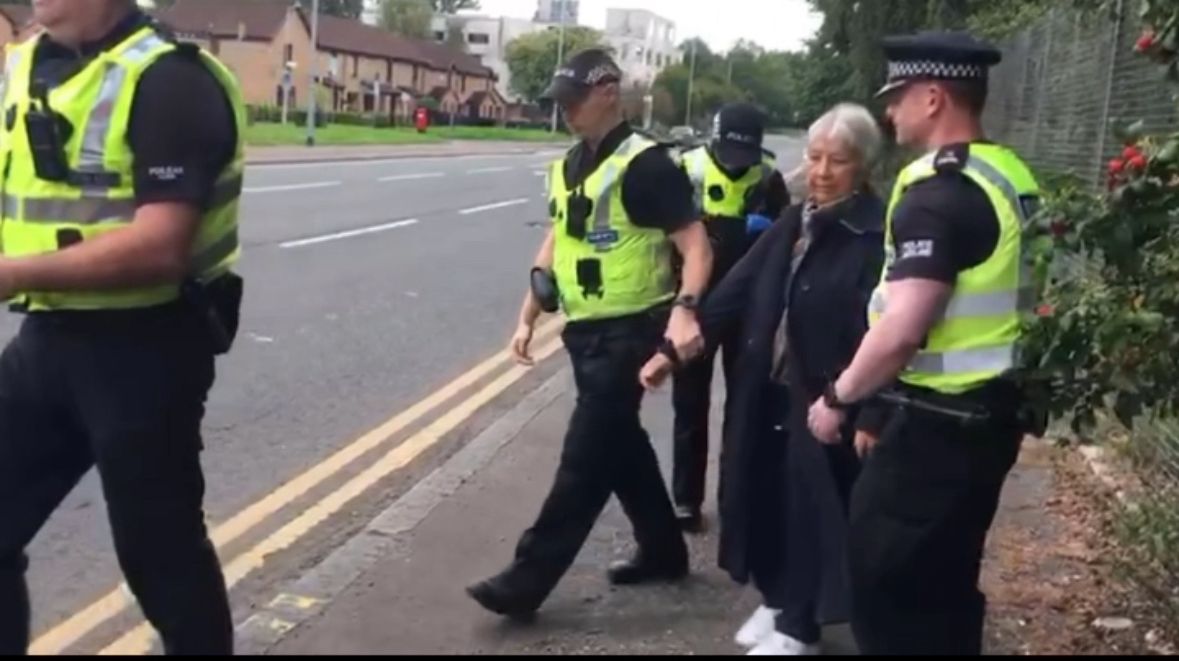
“I was arrested, charged and prosecuted for nothing more than peacefully inviting consensual conversation in a public space that I was permitted to be in. When I was arrested, I was handcuffed, placed in the back of a police van and placed in a police cell for over two hours, without a chair to sit on.

“Simply for being available for the lonely, the afraid and the coerced, I have been treated like a violent criminal. But thankfully, today the charges have been dismissed. The judge ruled that the charges were irrelevant and that they were a breach of my Article 10 free speech rights.

“Thank you all for your support and prayers, thank you to ADF International and my entire legal team, who were brilliant. Nobody should be criminalised for consensual conversations and I’m glad that that truth has been vindicated here today.”

Background

Following her arrest last September, Mrs Docherty was held in custody for several hours. She was refused a chair to sit on in her cell, despite making it known that she had a double hip replacement.

The architect of Scotland’s 2024 “buffer zone” law, Gillian Mackay MSP, admitted on BBC Scotland that the vague prohibitions in the legislation could criminalise someone for praying visibly from a window in their home within the zone, “depending on who’s passing by the window”. 

US Vice President JD Vance highlighted this law as a particular matter for concern in his Munich Security Conference speech in February last year.

In England, ADF International client Isabel Vaughan-Spruce faces trial in October for silently praying in the vicinity of an abortion facility. She is the first person to be criminally charged under Section 9 of the Public Order Act 2023—which introduced “buffer zones” around all abortion facilities in England and Wales.

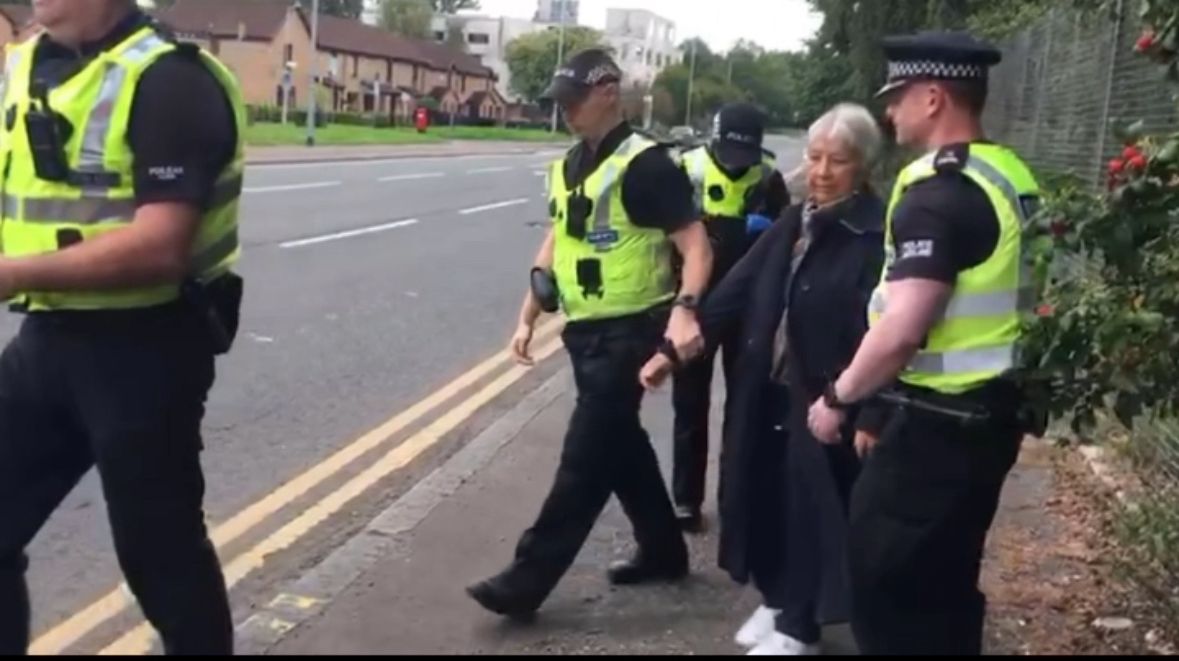
Watch footage of Mrs Docherty’s arrest last year here.

Images for free use in print or online in relation to this story only

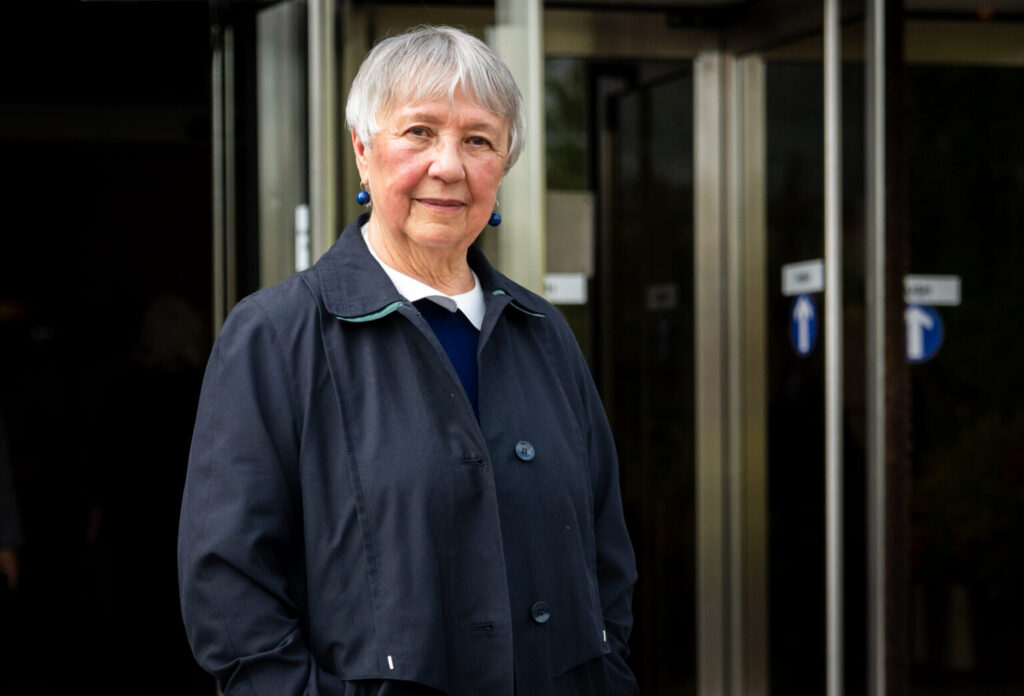
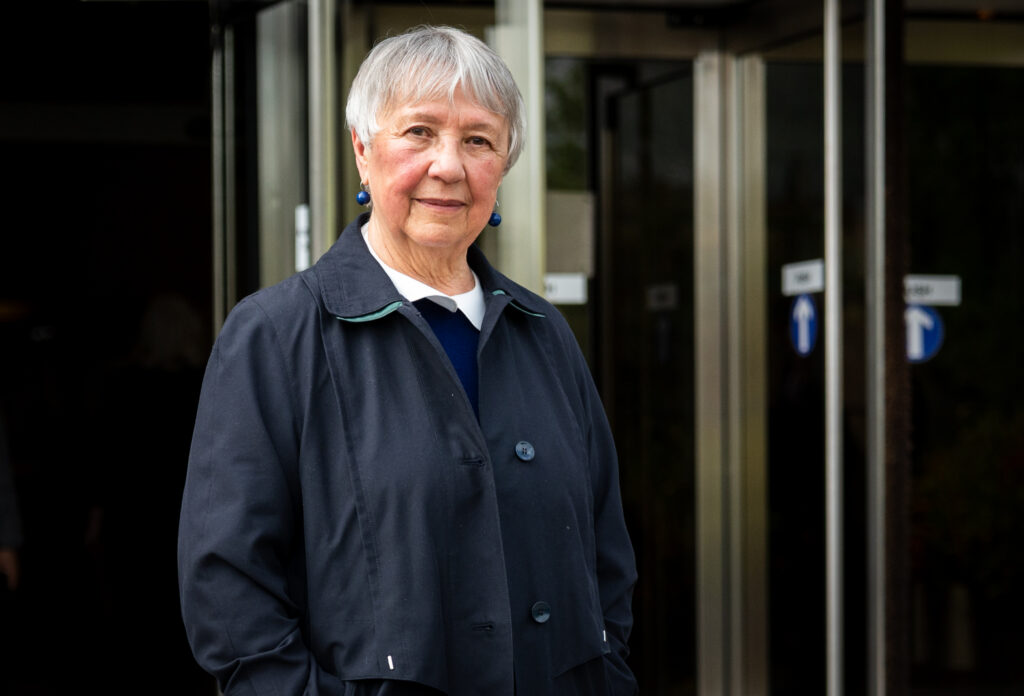
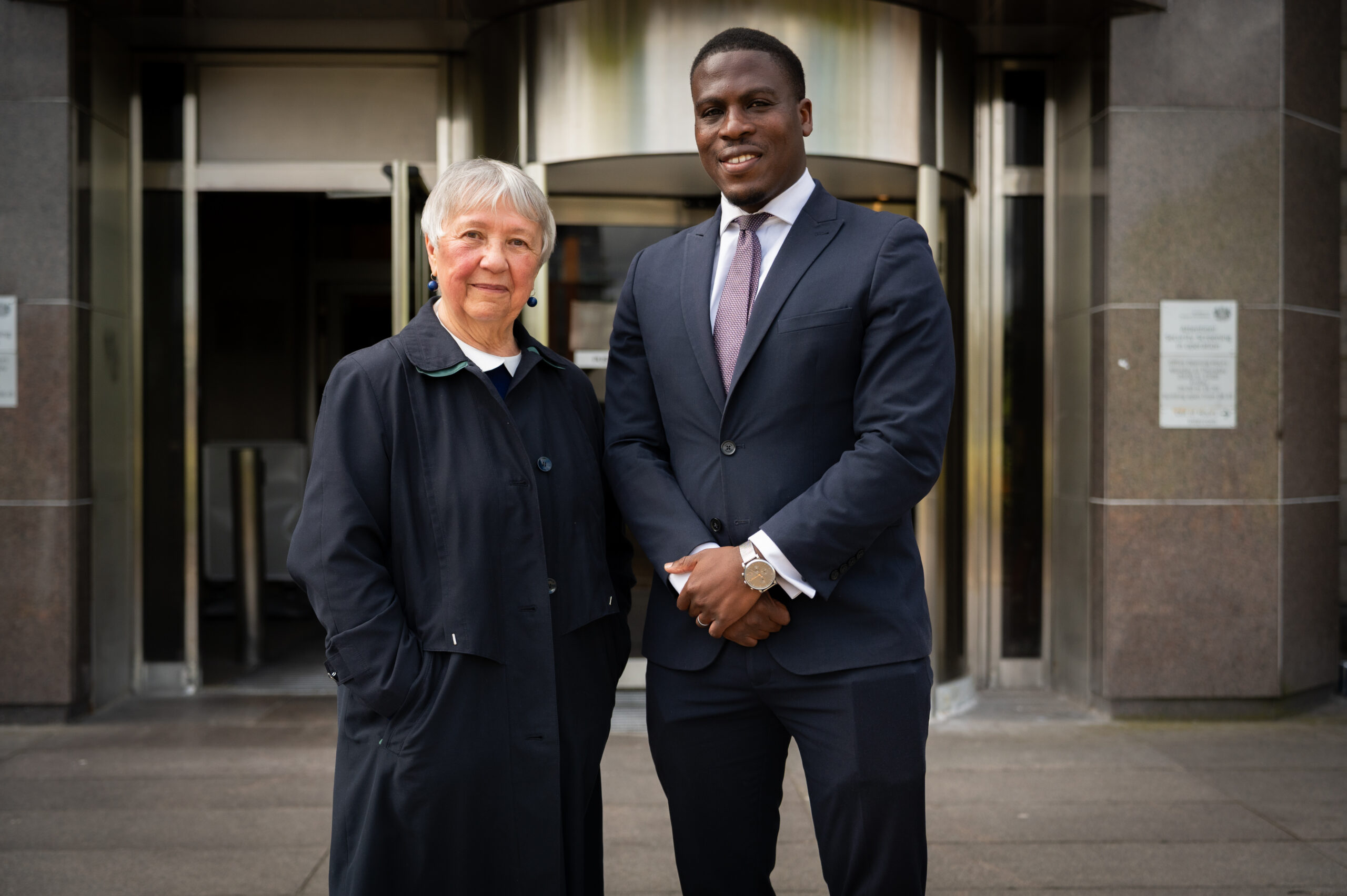
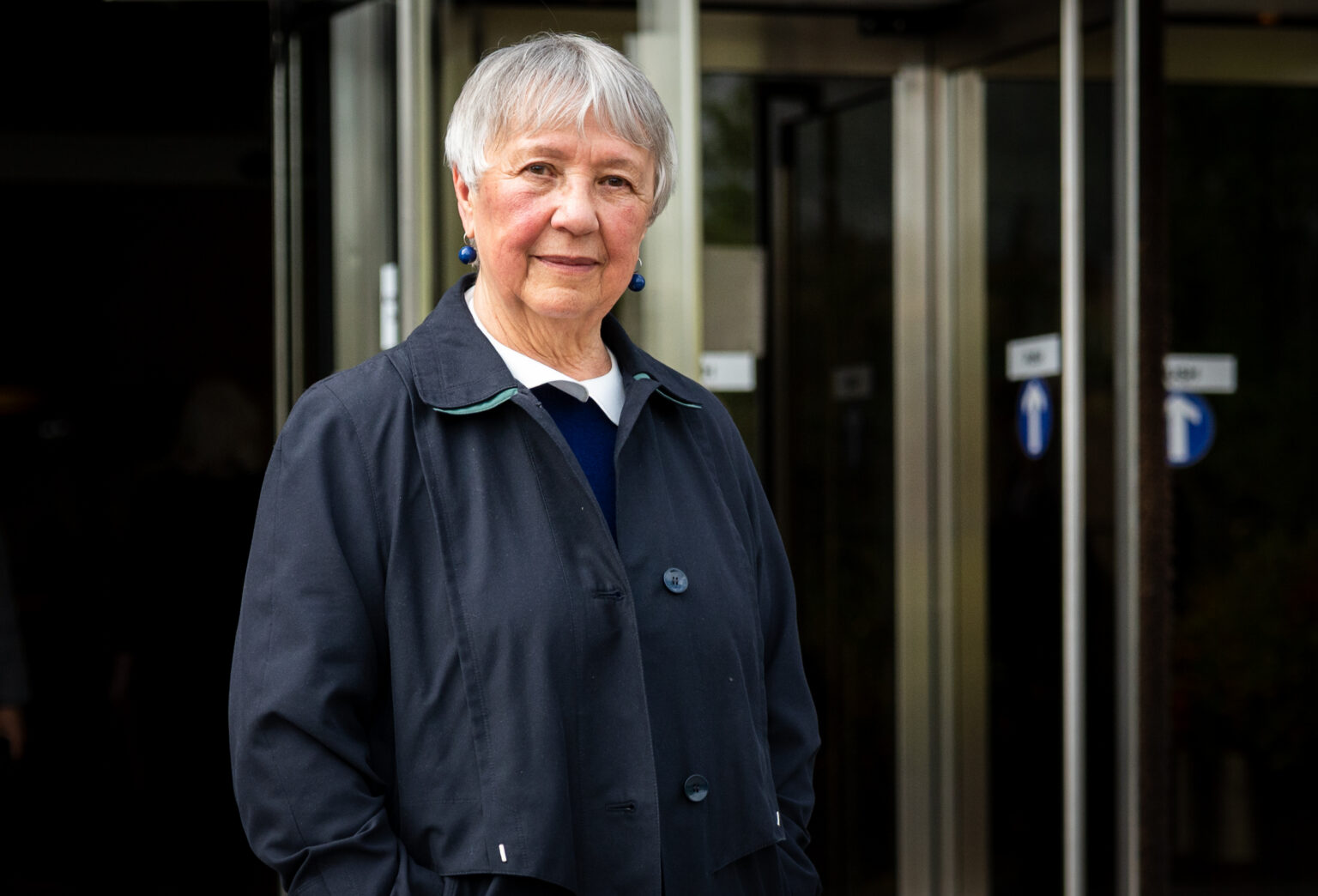
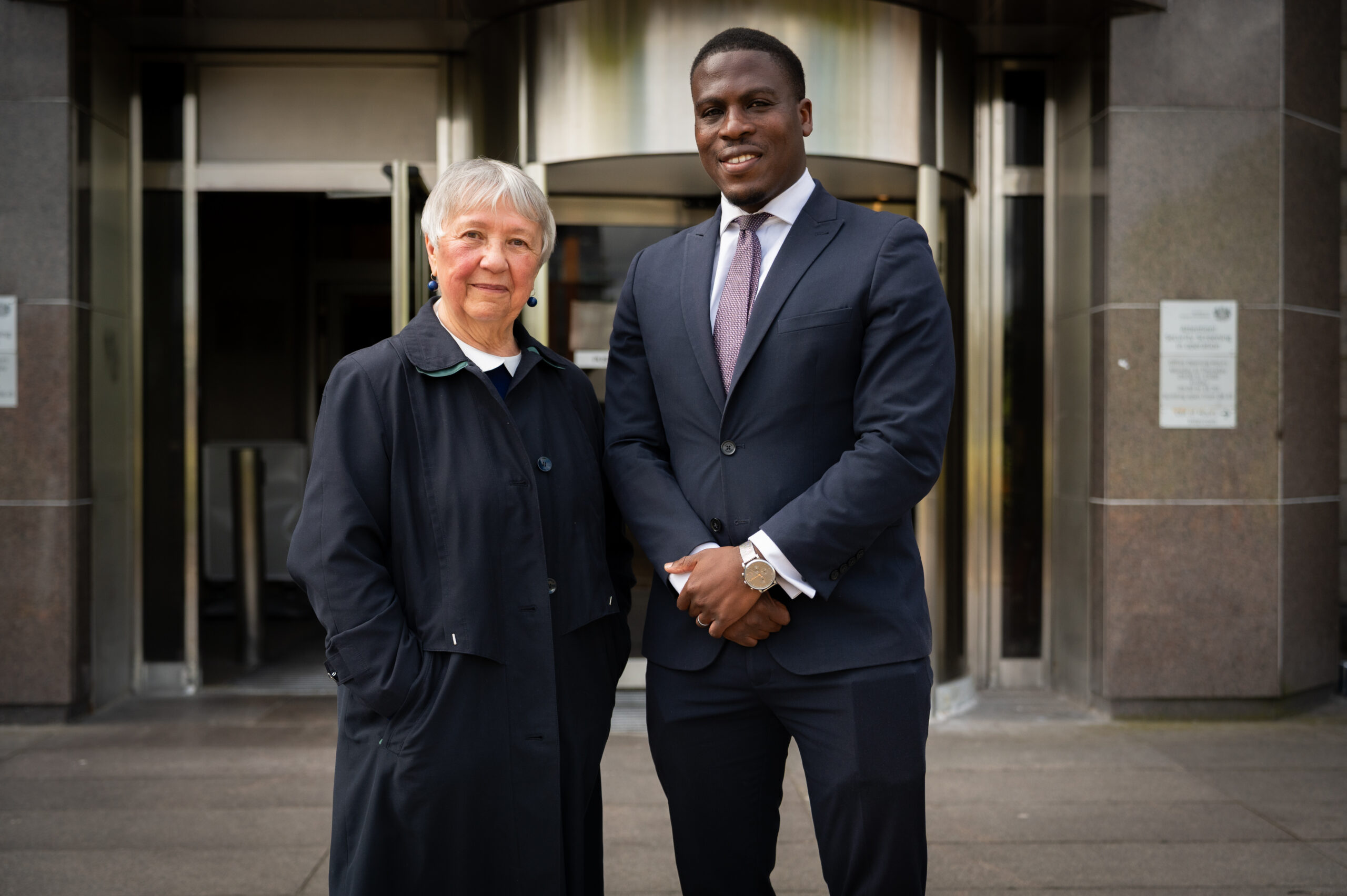
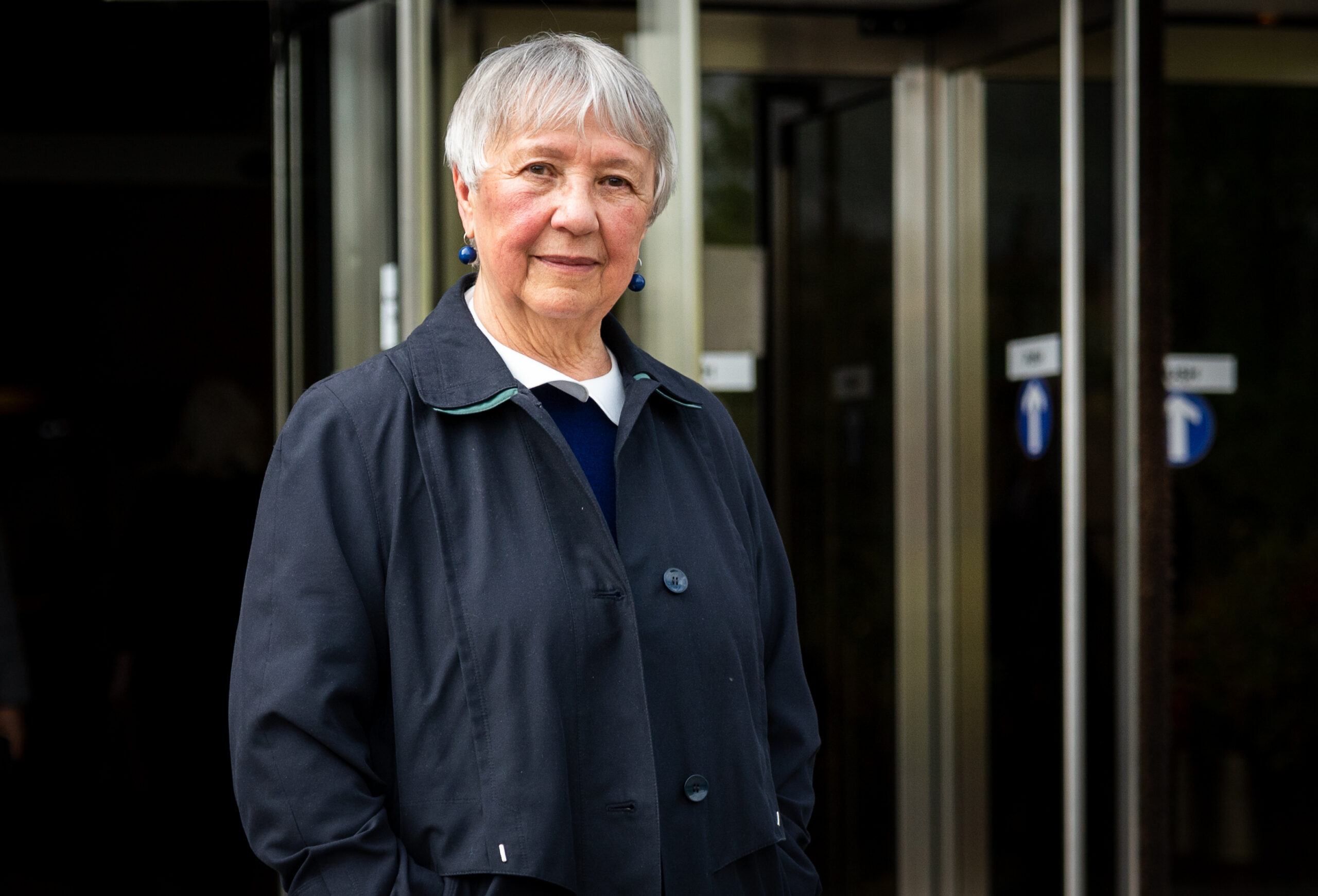
(First and second pictures: Rose Docherty and Legal Counsel for ADF International Jeremiah Igunnubole outside Glasgow Sheriff Court, following yesterday’s ruling; Rose Docherty outside the court)

Glasgow Grandmother in court for offering chat in “buffer zone”

  • Christian grandmother Rose Docherty was arrested and criminally charged for holding a sign reading “Coercion is a crime, here to talk, only if you want” within 200m of a Glasgow hospital
  • Prosecution back down on “disproportionate” bail conditions; two charges relate to alleged “influencing” within the censorial “buffer zone” 

GLASGOW (19 December 2025) – Glaswegian grandmother Rose Docherty appeared in court, having been criminally charged for holding a sign within 200m of the Queen Elizabeth University Hospital, reading: 

“Coercion is a crime, here to talk, only if you want.” 

In Scotland, “buffer zones” are enforced within 200m of every hospital, forbidding harassment, intimidation, and “influencing” of anyone seeking to access abortion services.  

“I should not be treated as a criminal for inviting people to chat with me – lending a listening ear."

Docherty, 75, has been charged for “influencing” within the buffer zone, despite only having stood peacefully and silently offering consensual conversation and not having approached any individual, nor making any statement on abortion. 

She is the first person to be charged under Scotland’s new “buffer zone” law, enacted in 2024.

After her arrest, Docherty was held in custody for several hours. She was refused a chair to sit on in her cell, despite making it known that she had a double hip replacement. 

Following the hearing, Docherty said: I can’t believe I am here today. I simply stood, in love and compassion, offering consensual conversation to anyone who wanted to engage.

Nobody should be criminalised just for offering a chat.

I’d like to thank my legal team, and all who came to be with me today, as well as all those others around the world who have voiced their support.

Conversation is not a crime on the streets of Glasgow.”

In a win for Rose’s liberty, the prosecution today rolled back bail conditions, previously described as “disproportionate” by ADF International, which had prevented Rose from attending an area far wider than the buffer zone itself. 

The next hearing will take place on 13th January 2026.

A case of international concern 

Following the arrest, which was seen on a viral video across the world, the U.S. State Department expressed concern:  

“The arrest of Rose Docherty is another egregious example of the tyrannical suppression of free speech happening across Europe. 

“When 75-year-old grandmothers are being arrested for standing peacefully and offering conversation, common sense and basic civility are under attack. 

“The United States will always speak out against these violations of fundamental rights.” 

Lois McLatchie Miller, Scottish Spokesperson for ADF International, said:

“It is not a crime to have a chat on the streets of Glasgow. Rose merely held a sign offering consensual conversations to other adults in the area. It’s deeply concerning that Scottish policing resources are being ploughed into arresting and prosecuting a peaceful grandmother offering to speak to people in public, rather than focusing on the problems caused by real crime in Glasgow. 

“This is not a case about harassment, intimidation or violent protest – this is simply a peaceful grandmother, who held a sign offering to speak to anyone who would like to engage.” 

The law’s architect, Gillian Mackay MSP, admitted on BBC Scotland earlier this year that the vague prohibitions in the buffer zones law could criminalise someone for praying visibly from a window in their home within the zone, “depending on who’s passing by the window.” 

U.S. Vice President J.D. Vance highlighted this law as a particular matter for concern in his Munich Security Conference speech in February of this year. 

Images for free use in print or online in relation to this story only

FRIDAY: Glasgow Grandmother to appear in court for offering to talk in “buffer zone”

Rose Docherty in Scotland
  • Christian grandmother Rose Docherty was arrested and criminally charged for holding a sign reading “Coercion is a crime, here to talk, only if you want” within 200m of a Glasgow hospital 
  • The arrest of Rose Docherty is another egregious example of the tyrannical suppression of free speech happening across Europe, U.S. State Department has warned 
Above: Rose Docherty was arrested after offering consensual conversation in a buffer zone in September 2025.

GLASGOW (17 December 2025) – Glaswegian grandmother Rose Docherty will appear at Glasgow Sheriff Court at her First Hearing on Friday, having been criminally charged for holding a sign within 200m of the Queen Elizabeth University Hospital, reading: 

“Coercion is a crime, here to talk, only if you want.” 

In Scotland, “buffer zones” are enforced within 200m of every hospital, forbidding harassment, intimidation, and “influencing” of anyone seeking to access abortion services.  

“I should not be treated as a criminal for inviting people to chat with me – lending a listening ear."

Despite only having stood peacefully and silently offering consensual conversation and not having approached any individual, nor making any statement on abortion – Docherty has been charged with breaching the “buffer zone.” 

Following the arrest, which was seen on a viral video across the world, the U.S. State Department expressed concern:  

“The arrest of Rose Docherty is another egregious example of the tyrannical suppression of free speech happening across Europe. 

“When 75-year-old grandmothers are being arrested for standing peacefully and offering conversation, common sense and basic civility are under attack. 

“The United States will always speak out against these violations of fundamental rights.” 

After her arrest, Docherty was held in custody for several hours. She was refused a chair to sit on in her cell, despite making it known that she had a double hip replacement. 

Docherty was charged and released on bail. Stringent bail conditions prevent her from attending an area marked out to be wider than the initial “buffer zone” area, in a move the legal team at ADF International call “disproportionate”.  

Reacting to her arrest, Rose Docherty said: 

“Everybody has the right to engage in consensual conversation. I held my sign with love and compassion, inviting anyone who wants to chat, to do so – and stood peacefully, not approaching anyone.  

“I should not be treated as a criminal for inviting people to chat with me – lending a listening ear. Conversation is not forbidden on the streets of Glasgow. And yet, this is the second time I have been arrested for doing just that.”

Legal Counsel for ADF International, Jeremiah Igunnubole commented: 

“It’s deeply concerning that Scottish policing resources are being ploughed into arresting and prosecuting a peaceful grandmother offering to speak to people in public, rather than focusing on the problems caused by real crime in Glasgow. 

“This is not a case about harassment, intimidation or violent protest – this is simply a grandmother, who held a sign offering to speak to anyone who would like to engage.” 

The law’s architect, Gillian Mackay MSP, admitted on BBC Scotland earlier this year that the vague prohibitions in the buffer zones law could criminalise someone for praying visibly from a window in their home within the zone, “depending on who’s passing by the window.” 

U.S. Vice President J.D. Vance highlighted this law as a particular matter for concern in his Munich Security Conference speech in February of this year. 

Images for free use in print or online in relation to this story only

Scottish politician seeks to criminalise “influencing” a person’s decision about assisted suicide 

  • Scottish Green Party’s Patrick Harvie proposes a censored “buffer zone around facilities where assisted suicides might take place, preventing family members or concerned individuals from changing a person’s mind 
  • Move echoes abortion “buffer zones” law enacted in Scotland last year, under which a grandmother was arrested for offering a conversation 

EDINBURGH (29 October 2025) – A Scottish parliamentarian and member of the Health Committee, Patrick Harvie MSP, has proposed an amendment to Scotland’s controversial “assisted suicide” bill that would criminalise discussion of suicide prevention  within a large, undefined public area surrounding any building where an assisted suicide might take place. 

The vague proposal would forbid any attempts to “influence” a person’s decision to undergo an assisted suicide, such as through conversation with a family member or the display of a suicide prevention poster.

"It's unthinkable that Scots should be banned on certain streets from offering hope and encouraging someone to choose life, not suicide."

Almost half of those who opted for assisted suicides in Oregon cited concerns about being a perceived “burden on family, friends or caregivers” as a driver for their decision to end their lives, according to public health data released in 2023. 

Concerns for Free Speech

The move echoes the “buffer zones” law put in place in Scotland last year, which criminalises any attempts to “influence” a person’s decision to access abortion services within 200m of every hospital.  

In August, 75-year-old grandmother Rose Docherty became the first person to be arrested under the abortion “buffer zones” law after she peacefully offered consensual conversation, holding a sign reading “Coercion is a crime, here to talk, only if you want”. The U.S. State Department condemned the arrest as “another egregious example of the tyrannical suppression of free speech happening across Europe.” ADF International is supporting her legal defence as she faces trial in December. 

At the Munich Security Conference in February, U.S. Vice President J.D. Vance criticised the Scottish buffer zones law, summarising that “free speech, I fear, is in retreat”.

Reacting to Harvie’s proposal, Lois McLatchie Miller from ADF International said: 

“It’s unthinkable that Scots should be banned on certain streets from offering hope and encouraging someone to choose life, not suicide.  

How will this impact a doctor’s choice to have a suicide-prevention charity’s poster in their window? How will this impact important conversations between loved ones, eager to convince an elderly wife or a parent that they are not a burden, but a valuable member of the family? 

“Once the principle of a censorial ‘buffer zone’ is approved for one issue, it can easily multiply to more and more issues. We’ve already seen loosely worded abortion ‘buffer zone’ rules be used to arrest a grandmother simply for offering to chat. Now the government seeks to apply the same vague, broad rules to ban speech about assisted suicide. What could be next? Banning parents from “influencing” their child outside a gender clinic? Banning dissenting speech about foreign regimes around certain embassies? Censorship is always a slippery slope.” 

Images for free use in print or online in relation to this story only

PICTURED: Rose Docherty, Lois McLatchie Miller

Grandmother arrested in Scottish abortion “buffer zone” reacts as parliamentarians push for extension of censored public space 

  • Parliamentarian Gillian Mackay tells BBC she wants the government to consider extending Scottish “buffer zones”, despite already being the largest in the world
  • Glasgow grandmother became first to be arrested under the new laws after holding a sign reading “coercion is a crime, here to talk, only if you want” – says she is “prepared to go to prison” 
  • U.S. Vice President J.D. Vance criticised Scottish law, raising concerns that residents in “buffer zone” areas could be punished for even praying within their homes 

GLASGOW (16 May 2025) – The grandmother arrested for holding a sign reading “coercion is a crime, here to talk, only if you want” nearby a Glasgow hospital in March has spoken out following political manoeuvers to expand Scotland’s censored “buffer zones” – despite the zones already being the largest of their kind in the world. 

Rose Docherty, 74, was handcuffed, arrested, and driven away in a police car for standing peacefully with a sign inviting conversation with anyone who wanted to approach her in February 2024. A video of her arrest went viral internationally. 

“Of course, there should be laws against harassment, and we all condemn such behaviour. But merely offering conversations near a hospital is not a crime."

Docherty was standing within 200m of the Queen Elizabeth University Hospital in Glasgow, where a censorial “buffer zone” is enforced. The buffer zone prevents harassment, intimidation, and “influence” of a person’s decision to access abortion services. Docherty denies engaging in any of the prohibited activities. 

Speaking to BBC Scotland’s “Scotcast” this week, Rose Docherty said that the experience had been “alarming”.  

In an exclusive broadcast with the BBC, Docherty explained that she had studied the Scottish “buffer zones” law, which came into force in 2024, and had carefully chosen a sign that did not break any prohibitions. On the day in question, she stood quietly and peacefully near the hospital, not approaching anyone, in order to ensure that any conversations that took place were consensual.  

“I gave consideration to what I was doing…I looked at the law and saw what it said I couldn’t do, and thought, ok, well this is what I can do…I can offer to listen, and if anyone wants to come and speak to me, they can do so, only if they want to come and speak with me ,” she told the podcast. 

Speaking later to ADF International, she reflected: “there was nothing in my conduct or sign that could reasonably be considered harassing, alarming and distressing”. 

The offence of engaging in “influence” within the buffer zone (section 4 Abortion Services (Safe Access Zones) (Scotland) Act 2024) carries a maximum sentence of an unlimited fine. Docherty also told the BBC that she would even be “willing to go to prison” over what had happened. 

Commenting later on her words, Docherty added: 

“I informed BBC that I would be willing to go to prison on the issue because I am unshakeably convinced that nobody should be criminalised for a peaceful offer to speak on any public land in Britain.

“This is a free and democratic society, and no threat of imprisonment will change my mind that what I did was right, completely harmless and in accordance with the purpose and intention of international human rights laws.” 

Parliamentarians begin efforts to expand censorial zone

Video: Rose Docherty was arrested in February 2025 

Gillian Mackay MSP, the parliamentarian responsible for introducing “buffer zones” legislation in 2024, has now suggested that the Scottish government consider expanding the area of prohibition on “influence” outside hospitals. 

Claiming that members of the public have said they still feel intimidated by the presence of pro-life individuals 200m from a hospital, the Green Party parliamentarian said: “I think it’s appropriate that we take those concerns seriously and the government take a look at whether an extension is appropriate or not. 

Responding to recent efforts to expand the buffer zone, Docherty said “I believe it wouldn’t matter where we stood…it wouldn’t matter how far they pushed the ‘buffer zone.’” 

Speaking to ADF International, she added, “It wouldn’t matter where we stood –201 meters, or 500 meters away – it seems the authorities would still try to crack down harshly and unfairly on individuals because the government simply disagree with their point of view. This is unjust – of course, there should be laws against harassment, and we all condemn such behaviour. But merely offering conversations near a hospital is not a crime.” 

A Scottish government spokeswoman told the BBC the act allows ministers to extend the size of a buffer zone if it is decided that the existing zone is not adequate. 

She added: “However, before taking such a step, it is essential that ministers are satisfied such an extension is appropriate. 

“We have engaged with the relevant health board to understand any impacts the anti-abortion activity outside of the safe access zone may be having on patients and staff.” 

Buffer zone law could ban prayer within homes – “depending on who’s passing by the window”

In February, Gillian Mackay MSP admitted that prayer by a window in one’s own home could be an offence within a buffer zone – depending on who is passing by. 

Again speaking to BBC’s “Scotcast” Podcast, the Green Party Politician repeatedly denied that prayer was being criminalised under the law. But when asked if “performative prayer” with “clasped hands”, visible from a window, could be prosecuted, she responded: “well, that depends on who’s passing by the window…” 

The admission came despite previously accusing US President JD Vance of spreading “shameless misinformation” when he highlighted concerns that “even private prayer within [people’s] own homes may amount to breaking the law” in his Munich Security Conference Speech earlier this year. 

Lois McLatchie Miller, Scottish spokesperson for ADF International, said:  

“The ‘buffer zones’ law is fundamentally flawed when it comes to undermining basic freedoms of speech, thought, and religion. We all stand firmly against harassment, which is already illegal  – but the law goes far beyond that in preventing people from praying or holding consensual conversations in large public areas of Scotland.  

“We were concerned when such legislation was proposed that we’d witness a slippery slope of censorship. Less than a year after the bill passing, already, politicians are considering expanding the ‘buffer zone’ area, which would restrict free speech in an even larger public area. Who are the authorities to determine which conversations members of the public do or don’t want to have?” 

Images for free use in print or online in relation to this story only

PICTURED: Rose Docherty; Lois McLatchie Miller, ADF International

Criminality of prayer within a home “depends on who’s passing the window” claims author of the Scottish “buffer zones” law called out by JD Vance 

  • Gillian Mackay MSP claims visible prayer by a window at home could be a crime if within 200m from an abortion facility, depending on who is “passing the window”
  • Comments come weeks after Vance called out Scotland’s censored “buffer zones” – Mackay previously described his concerns about prayer at home as “misinformation”
Gillian Mackay, interviewed on BBC “Scotcast” podcast this week. Full episode available on BBC iPlayer, clip begins 24.07

EDINBURGH (26th February 2025) – Gillian Mackay MSP, the politician who authored the Scottish “buffer zones” law which forbids “influence” within 200m of an abortion facility, has admitted that prayer by a window in one’s own home could be an offence – depending on who is passing by. 

Speaking to BBC’s “Scotcast” podcast this week, the Green Party Politician repeatedly denied that prayer was being criminalised under the law. But when asked if “performative prayer” with “clasped hands”, visible from a window, could be prosecuted, she responded: “well, that depends on who’s passing by the window…”

“Clearly, the “buffer zones” law is fundamentally flawed when it comes to undermining basic freedoms of speech, thought, and religion.”

US Vice President JD Vance recently highlighted the censorial nature of the law, referring to letters that had been sent to people’s homes warning them of the laws being put in place: 

“…this last October, just a few months ago, the Scottish government began distributing letters to citizens whose houses lay within so-called “safe access zones,” warning them that even private prayer within their own homes may amount to breaking the law.  

Naturally, the government urged readers to report any fellow citizens suspected guilty of thoughtcrime.  

In Britain, and across Europe, free speech, I fear, is in retreat.” 

Was J.D. Vance correct?

Mackay claimed that the Vice President was spreading “shameless misinformation”, and in the same Scotcast interview, pointed out that “nowhere in that letter does it say private prayer.” 

The letter refers to a prohibition on activities that would “intentionally or recklessly…influence somebody’s decision to access” an abortion facility. 

When pressed as to whether visibly praying from a window could meet the threshold of “influence”, Mackay admitted that it would depend on who was passing by the window at the point of prayer. 

Commenting on the interview, Lois McLatchie Miller, Scottish spokesperson for ADF International, said: 

“Clearly, the “buffer zones” law is fundamentally flawed when it comes to undermining basic freedoms of speech, thought, and religion. We all stand firmly against harassment, which has been illegal for many years – but the law goes much too far in preventing people from praying, or holding consensual conversations, in large public areas of Scotland. 

“Gillian Mackay confirmed that “performative” prayer could be a crime, “depending on who is passing by the window”. The accusation of prayer being “performative” rather than genuine lies in the eye of the beholder. Who are the police to doubt the genuineness of somebody’s faith, based on where they are located, and the position of their hands? 

“ J.D. Vance was right to raise concerns – this law is an illiberal travesty.” 

74-year-old grandmother arrested in Glasgow "buffer zone"

On 19th February, a 74-year-old woman was arrested for holding a sign in a Glasgow “buffer zone” reading: “coercion is a crime, here to talk, if you want. 

The Domestic Abuse (Scotland) Act 2018 made “coercive control” illegal, recognising the profoundly harmful effects it can have on individuals and society. Over 6,640 charges related to this behaviour have been reported to the Crown Office between April 2019 and 2023. 14% of women have undergone coercion when it comes to making a decision about abortion – that’s about 1 in 7.   

Commenting on her arrest, Rose Docherty said:

“I held a sign that read “Coercion is a crime, here to talk, if you want”. Everyone has the right to a consensual conversation. I simply made myself available for a chat, should anybody like to approach me and speak about any matter on their mind. I didn’t breach the buffer zone – I didn’t harass, intimidate, or even seek to influence anyone. I simply stood there, available to speak with love and compassion.  

“It isn’t right to deprive anyone of the right to take up my offer to talk. And it isn’t right to censor zones within our country from thoughts, beliefs and conversations that authorities may simply disapprove of. Buffer zones aren’t “pro-choice” – they deprive women of the choice to have a chat outside the clinic. That isn’t right.” 

Watch the footage of the arrest here.

Images for free use in print or online in relation to this story only

PICTURED: Rose Docherty; Lois McLatchie Miller, ADF International