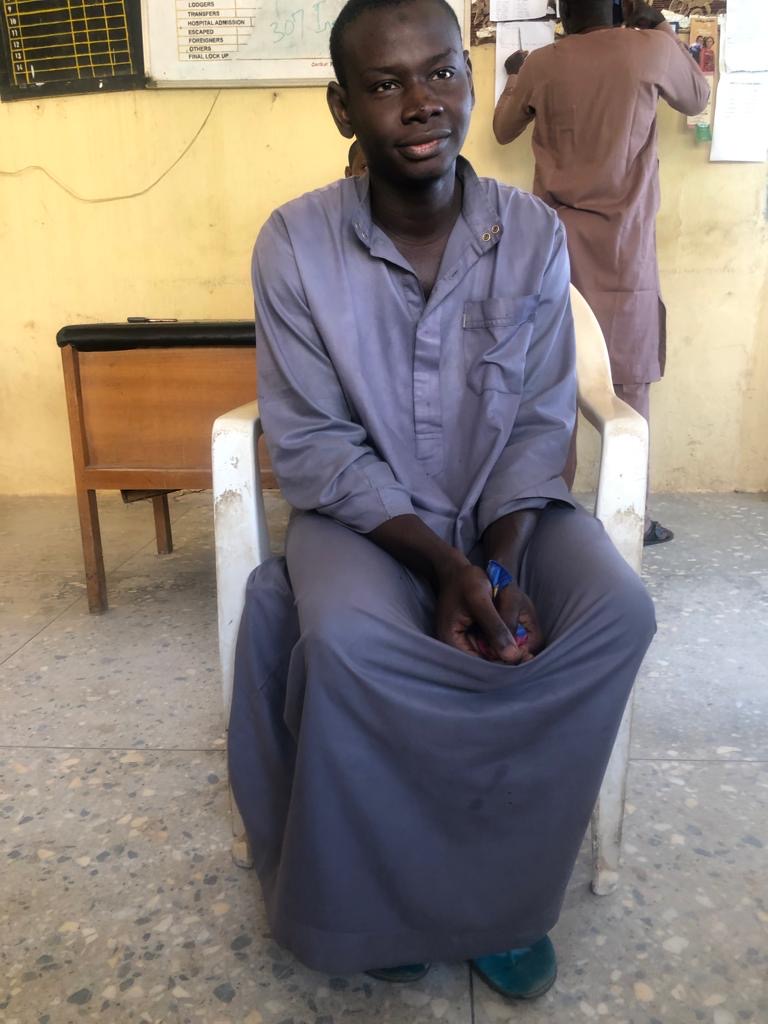

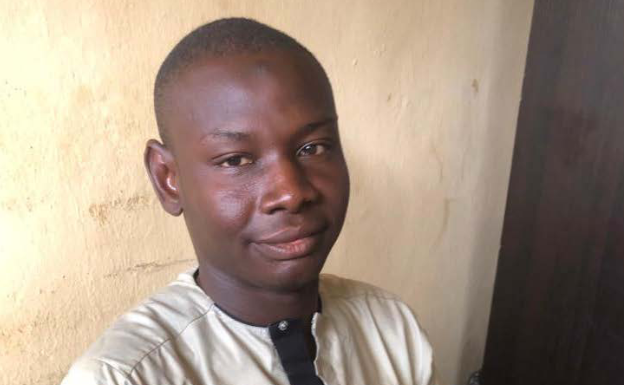
- Supreme Court postpones hearing in case of Yahaya Sharif-Aminu, a young Sufi musician who has languished in prison for over six years under blasphemy charges.
- ADF International calls for Sharif-Aminu’s release and the overturning of blasphemy laws, urges the Court and international bodies to act without further delay.
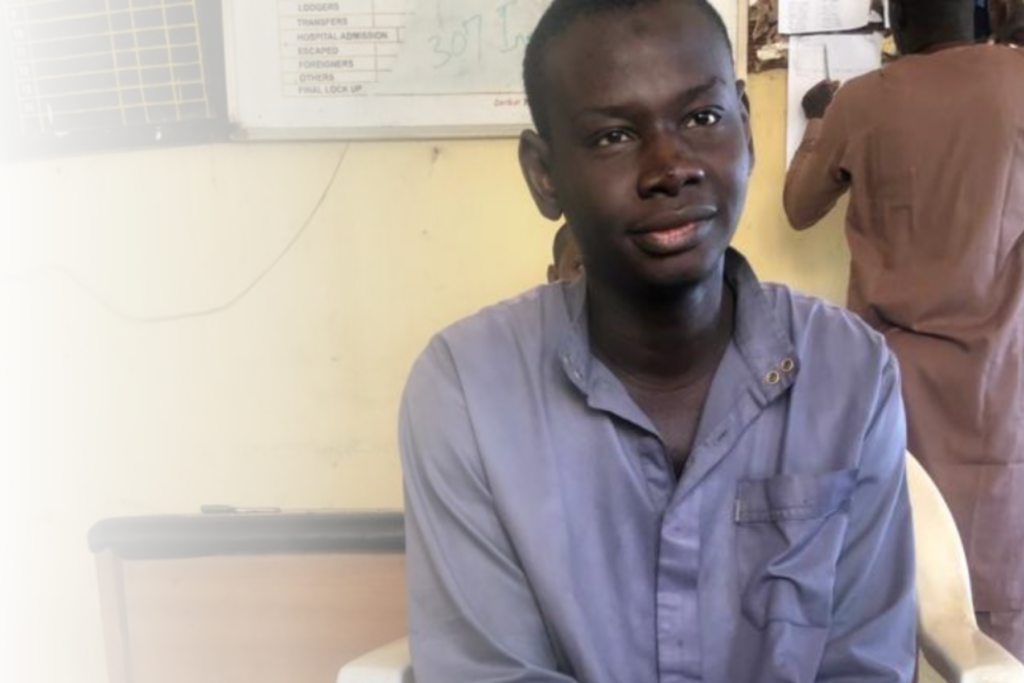
ABUJA (25 JUNE 2026) – A long-awaited hearing in the case of Yahaya Sharif-Aminu, set months ago for today, 25 June, was abruptly cancelled by the Supreme Court of Nigeria. Sharif-Aminu is a young Nigerian Sufi musician who faces the death penalty because of blasphemy charges related to song lyrics he composed and shared over social media. His case is now stalled again in the Court with no new date scheduled. The hearing was expected to have set the date for oral arguments in the case, which is challenging the constitutionality of northern Nigeria’s death penalty blasphemy laws.
This week’s delay is the latest in a long series of procedural obstacles that have kept Sharif-Aminu behind bars for over six years without resolution. The cancellation is particularly troubling, as Sharif-Aminu’s case had finally begun to move at the Supreme Court, following the first hearing in the case in September 2025. All briefing from the parties was then revised and re-submitted by November 2025 following the September 2025 hearing.
ADF International is calling on the Supreme Court of Nigeria to schedule a new hearing date without further delay, and is urging international bodies to continue pressing Nigerian authorities to uphold their constitutional and international religious freedom obligations.
“Every delay in Yahaya’s case is another day he must spend behind bars, for nothing more than peacefully expressing his faith in song lyrics. Every delay is another day that one of the most dangerous blasphemy laws in the world sits on the books and is being enforced. Yahaya has sat in a prison cell for over six years. How much longer must he wait? The Court should not stall any longer in hearing his case and upholding his right to religious freedom."
- Sean Nelson, Senior Counsel for Global Religious Freedom at ADF International.
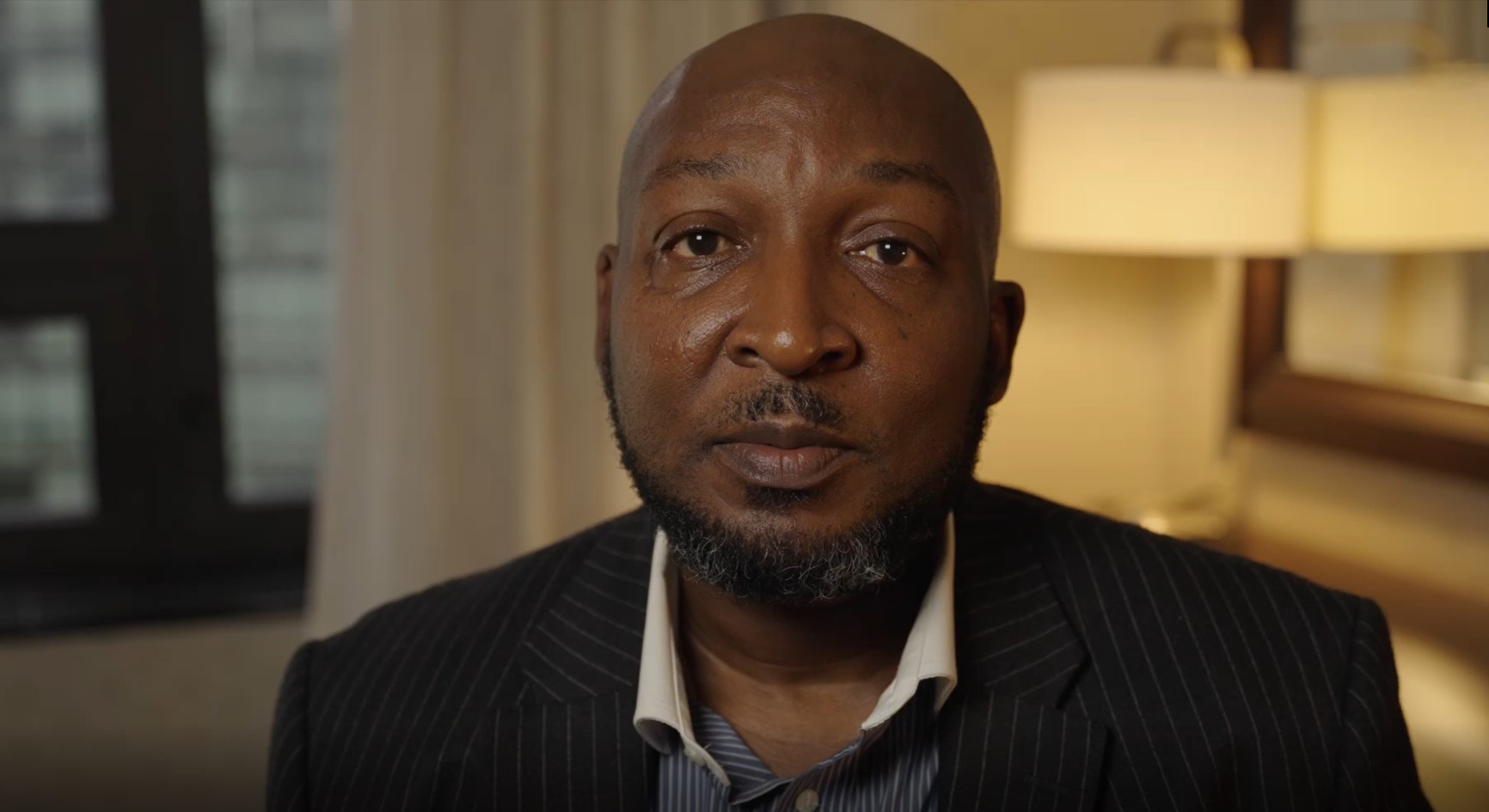
“Every delay in Yahaya’s case is another day he must spend behind bars, for nothing more than peacefully expressing his faith in song lyrics. Every delay is another day that one of the most dangerous blasphemy laws in the world sits on the books and is being enforced. Yahaya has sat in a prison cell for over six years. How much longer must he wait? The Court should not stall any longer in hearing his case and upholding his right to religious freedom,” said Sean Nelson, Senior Counsel for Global Religious Freedom at ADF International.
ADF International has provided legal support to Sharif-Aminu’s case since 2022, and continues to advocate for his release and against northern Nigeria’s draconian blasphemy laws, which have perpetuated violence and persecution against minority Muslims like Yahaya Sharif-Aminu, as well as Christians and other religious minorities.
“For years, international bodies and advocates for religious freedom have repeatedly called for the overturning of Nigeria’s death penalty blasphemy laws and for Yahaya’s release. We urgently repeat those calls again now, reaffirming that no one should languish in prison or face a death sentence for their faith. If Nigeria wishes to be viewed in the eyes of the world as a country that truly protects religious freedom and freedom of expression, it must abolish these blasphemy laws,” Nelson added.
Background
In March 2020, Yahaya Sharif-Aminu, a young Sufi Muslim musician from Kano State, northern Nigeria, shared self-composed song lyrics on WhatsApp that some considered blasphemous. Local authorities arrested him, and a violent mob burned down his family’s home. He was convicted of blasphemy by a Sharia court without proper legal representation, and on 10 August 2020, he was sentenced to death by hanging.
In January 2021, the Kano State High Court overturned his conviction, citing serious procedural flaws including the absence of legal counsel at his original trial. However, the court ordered a retrial under the same death penalty blasphemy law. After a Court of Appeal upheld the retrial order in 2022, Sharif-Aminu appealed to the Supreme Court of Nigeria. He has remained in prison throughout — without bail — for over six years.
The now-cancelled 25 June 2026 hearing was scheduled in February 2026, following the submission of the parties’ revised briefs. The hearing was cancelled only a few days prior to 25 June, with the explanation being that an alleged new directive required the Court to hear earlier-filed cases first. However, Sharif-Aminu’s case was already proceeding with revised briefing completed, capital punishment cases are meant to be given priority, and no expected timeline or schedule was given.
Blasphemy Laws in Nigeria
Nigeria’s blasphemy laws, particularly enforced in the country’s northern region, inflict severe punishments, including the death penalty. International human rights groups and official bodies have repeatedly called for their repeal. Yahaya’s case before the Supreme Court highlights the urgent need for reform to protect freedom of religion and belief.
Sharif-Aminu’s Supreme Court appeal has the potential to overturn Northern Nigeria’s draconian Sharia-based blasphemy laws, thus enabling Christian converts, minority Muslims, and others, a greater chance to freely speak about their faith and be protected from the often-life-threatening violence that accompanies a blasphemy accusation.
Nigeria is one of only seven countries in the world with a death penalty blasphemy law, and a positive precedent could help protect religious minorities across the country and beyond.
Directly following the first hearing at the Supreme Court in September 2025, counsel for the Kano State government made the state’s intentions explicit: “This applicant made blasphemous statements against the Holy Prophet, which the government of Kano State will not condone. If the Supreme Court upholds the lower court’s decision, we will execute him publicly.” This chilling statement underscores the extreme severity of northern Nigeria’s blasphemy laws, which continue to threaten the lives of religious minorities and silence free expression.
“Blasphemy laws have continued to target and bring harm to minority Muslims like Yahaya Sharif-Aminu, as well as Christians and other religious minorities in Nigeria. It is extremely disappointing that Yahaya’s case, which holds potential to establish new protections for religious freedom, has been delayed yet again,” said Kola Alapinni, Nigerian international human rights lawyer and lead counsel for Yahaya Sharif-Aminu. “Now, we will continue to advocate for the overturning of the death penalty blasphemy law, for justice for Yahaya and for his release, and for the Court to promptly reschedule the hearing. Yahaya Sharif-Aminu has waited for justice long enough.”
Sharif-Aminu’s case has drawn significant international attention. The European Parliament has adopted urgency resolutions calling for his immediate and unconditional release on two separate occasions — a rare occurrence that underscores the gravity of the situation. In December 2024, the United Nations Working Group on Arbitrary Detention issued an opinion finding that Nigerian authorities had violated multiple internationally protected human rights in Sharif-Aminu’s case, and called for his immediate release and reparations. In April 2025, the West African ECOWAS Treaty Court relied upon Yahaya Sharif-Aminu’s case in holding that Nigeria’s blasphemy laws should be repealed. Most recently, the United Nations Special Rapporteur on freedom of religion or belief, Nazila Ghanea, highlighted Kano State’s blasphemy law as a “departure[] from fundamental rights guaranteed in the Constitution,” in a statement following her June 2026 country visit to Nigeria.