East African Court case filed: Christian communities in DRC left unable to worship after targeted attacks on churches, charities

  • Religious freedom advocates demand a halt to attacks, financial compensation to rebuild destroyed churches; ADF International legally supporting the case.  
  • Continued attacks in the region aimed to destroy the central Christian religious pillars of the Banyamulenge ethnic group. 

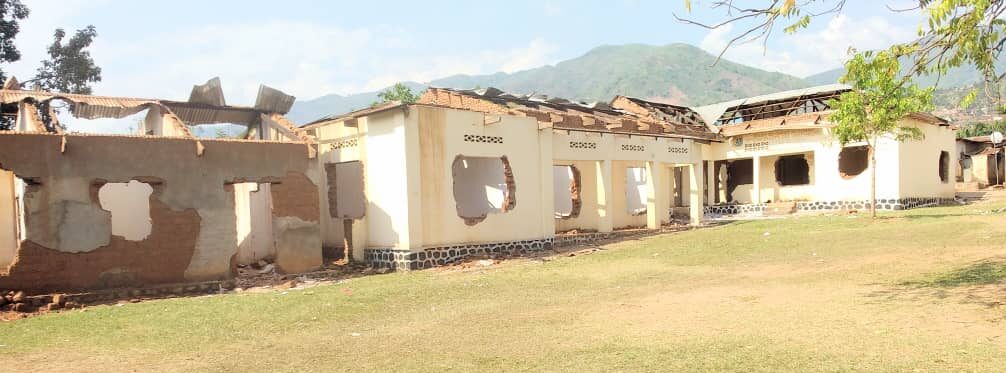
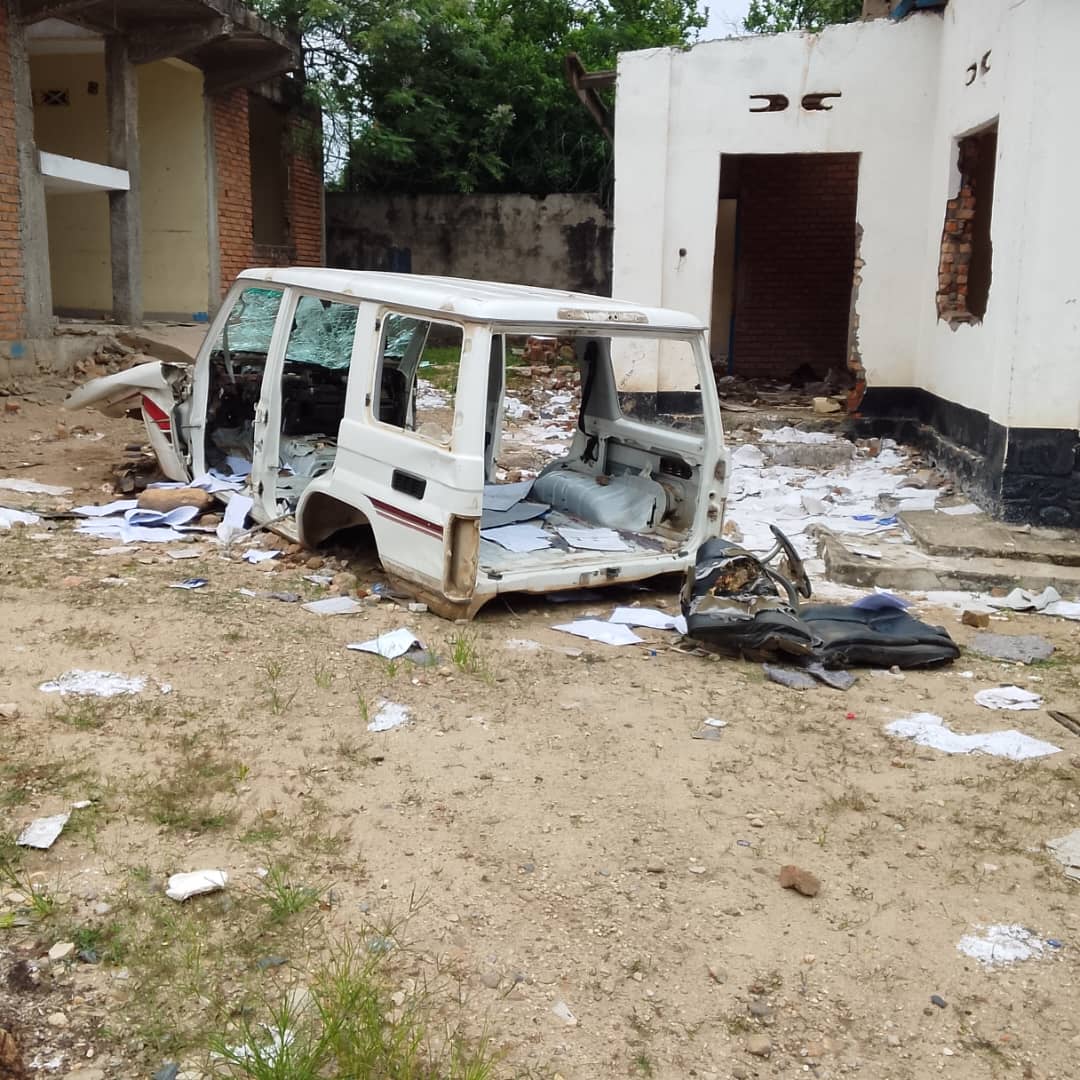
NAIROBI (14 MAY 2026)  – Christian communities in the Democratic Republic of Congo (DRC) have been left unable to freely practice their faith following a series of targeted attacks that have destroyed churches and other religious sites. In a case filed at the East African Court of Justice, advocates are calling for DRC recognition of the damage inflicted during an attack on Banyamulenge Christian sites in the city of Uvira in January 2026, as well as compensation to rebuild places of worship that have been destroyed in these targeted attacks.  

The violence has not only resulted in loss of life and property, but has also undermined their ability to gather for worship. The destruction has left many without safe spaces for communal gathering, prayer, or religious community. 

“This is the often-overlooked aftermath of ethnic and religiously motivated violence. Beyond the immediate devastation, these attacks leave lasting scars on communities. In this case, these Christians from the Banyamulenge community in the DRC are now significantly hindered in their ability to worship, gather and live out their faith."

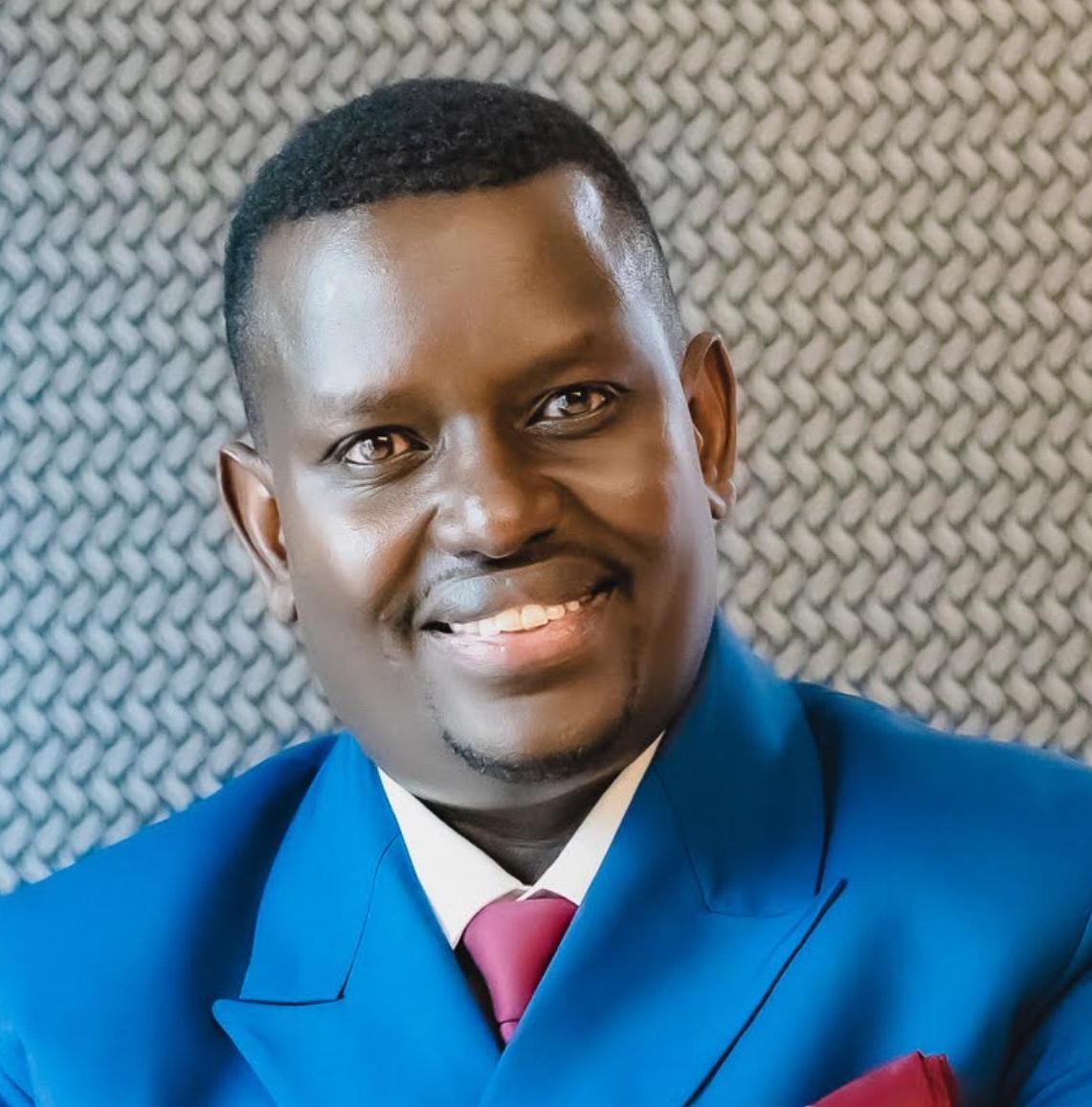
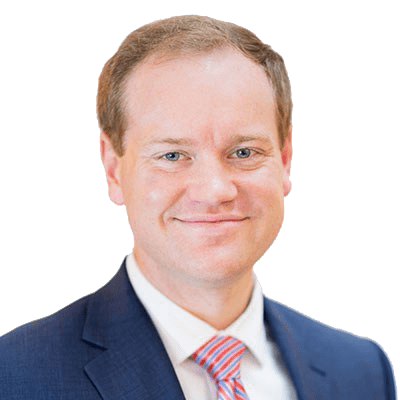
“This is the often-overlooked aftermath of ethnic and religiously motivated violence,” said Sean Nelson, Senior Counsel for Global Religious Freedom at ADF International. “Beyond the immediate devastation, these attacks leave lasting scars on communities. In this case, these Christians from the Banyamulenge community in the DRC are now significantly hindered in their ability to worship, gather and live out their faith.” 

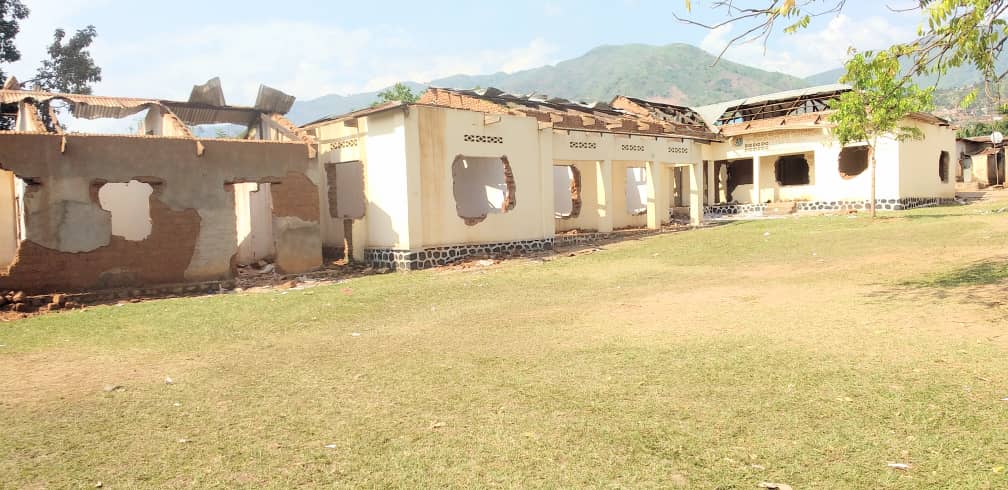
The primary attack took place on 18 January 2026, when the DRC military and aligned militia groups recaptured the city of Uvira from M23 rebelwho had occupied the city for months. However, members within the newly arrived forces then began deliberately destroying five Christian churches and other faith-based organisations held and used by the Banyamulenge community. The Banyamulenge are Congolese ethnic Tutsis that militant and radical ethnic Hutus have falsely accused of sympathy with foreign forces. Additionally, over 70 Banyamulenge homes were destroyed. These attacks were specifically carried out to destroy the central Christian religious pillars of the Banyamulenge in Uvira as a means of erasing their ethno-religious identity.  

Advocates are now calling on authorities in the DRC to take immediate action to halt further attacks and ensure the protection of vulnerable religious communities. ADF International is supporting the case before the court. The case was filed at the East African Court of Justice (EACJ) on 11 March 2026 at the subregistry in Nairobi. The EACJ filing included affidavits from leaders and members of the Uvira church communities affected. 

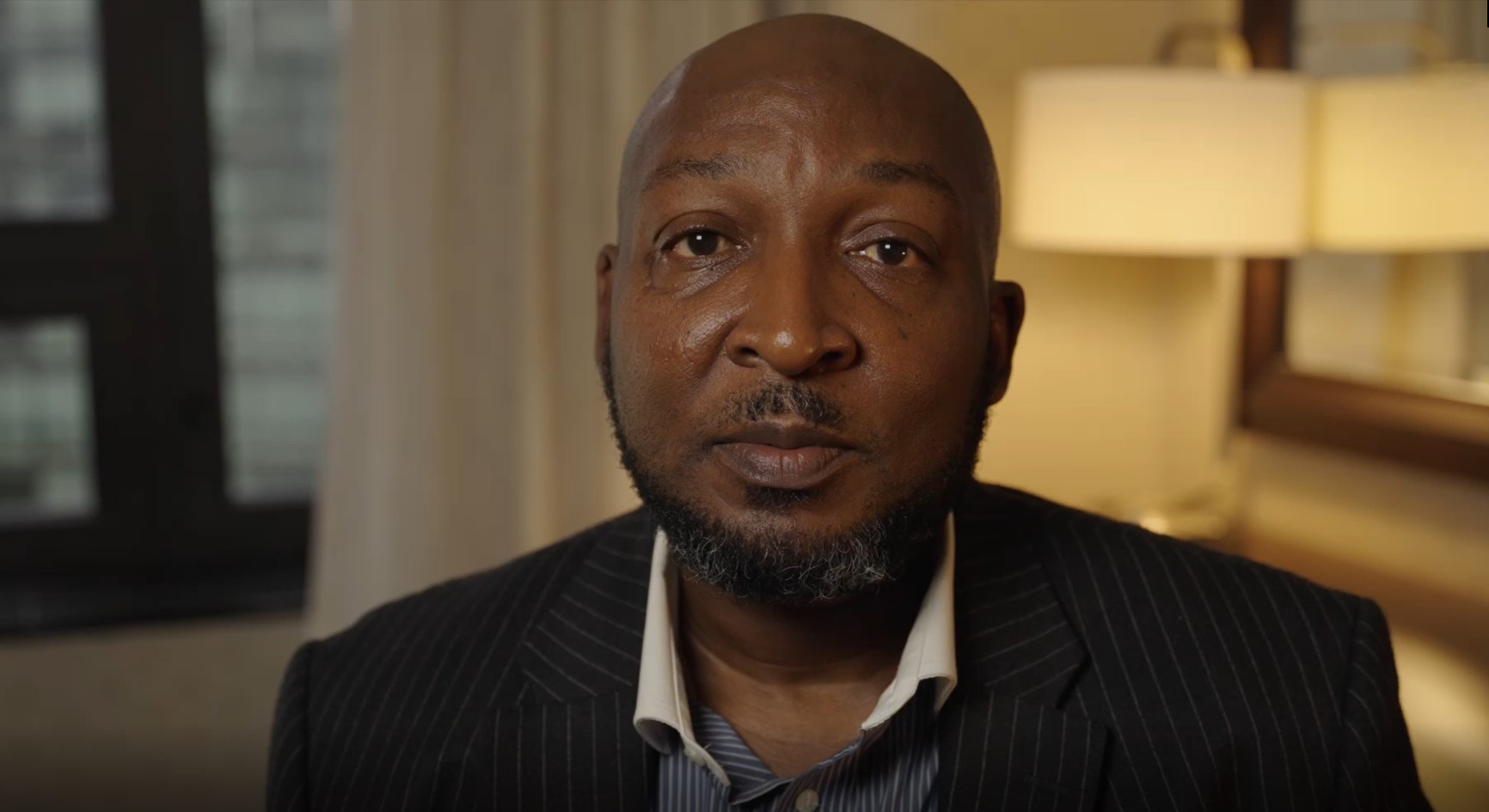
It is only right that the DRC acts swiftly to prevent further violence, takes responsibility and supports the reconstruction of destroyed churches and religious properties,” said Innocent Nteziryayo, named counsel for the churches and representatives for the Banyamulenge community before the East African Court of Justice. “Banyamulenge communities must be able to rebuild not only their homes, but also the churches and organizations that sustain their spiritual and communal life.” 

Images for free use in print or online in relation to this story only

Christian woman wins legal challenge against Muslim designation in Iraq’s official database

  • Ruling affirms right of Iraqi Christians to freely choose their religion, sets persuasive precedent for scores of Christians in Iraq facing serious legal and personal consequences of state-assigned religion
  • Case will advance to Iraq’s highest court, could enshrine protections from state-assigned religion into law; ADF International supports the case.

*Name has been changed to protect identity.

BAGHDAD, IRAQ (12 May 2026) — An Iraqi court has ruled in favor of a young Christian woman, Maryam*, allowing her to have her official religious status corrected in the government’s database after she was automatically registered as Muslim under Iraqi law. The significant ruling restores Maryam’s ability to live in accordance with her Christian faith and sets an important precedent for religious minorities across the region.

Despite being raised in a Christian household, Maryam and her sisters were forced by law after their mother separated from their father and remarried to a Muslim man, in accordance with Article 26(2) of the Iraqi National Card Law No. 3 of 2016, which provides that “minor children shall follow the religion of the parent who has converted to Islam.”

Upon reaching the age of legal majority, Maryam filed a legal claim in January 2025 to have her religious status corrected in the government’s database to reflect her Christian beliefs. The court’s decision affirms her right to choose her religion and have it accurately reflected in the government’s database.

“Everyone has the fundamental right to choose and live according to their religion,” Kelsey Zorzi, Director of Advocacy for Global Religious Freedom at ADF International, a legal organization supporting Maryam’s case.

This decision sends a clear message that individuals should not be bound for life by religious classifications imposed on them as children by their parents or by government policy. No state should have the power to permanently assign a person’s religion.”

Maryam’s two younger sisters remain legally registered as Muslims. Similar legal actions will be pursued for each of them once they reach the age of majority.

In line with Iraqi law regarding decisions made in Personal Status Courts, the State will now move to appeal the decision to the Iraqi Federal Court of Cassation, which is the country’s highest court for such matters. A positive decision on appeal would strongly reinforce this victory in Iraqi jurisprudence and could serve as an influential precedent for others in similar situations..

State-assigned religion: a pervasive religious freedom restriction in the Middle East and Asia

Maryam’s case highlights a pervasive problem in many parts of the Middle East, South Asia, and Southeast Asia: the practice of state-assigned religion, in which governments record a citizen’s religion in official databases or on identification documents and make it difficult or impossible to change. In many countries, these designations are imposed without an individual’s consent—whether through clerical errors, inheritance from a parent’s conversion, or coercive government policies—and can carry severe consequences for daily life.

In Iraq and other countries such as Egypt, Pakistan, Malaysia, and Bangladesh, inaccurate or imposed religious designations can result in mandatory enrollment of children in religious education programs not of their faith, barriers to marriage, automatic assignment of children’s religion based on parental records, inheritance complications, family law conflicts, and exposure of non-Muslims to Sharia court jurisdiction. In some cases, parents assigned an inaccurate religion in government databases are forced to leave their names off their children’s birth certificates to prevent the incorrect designation from being passed down, creating additional legal issues for those families.

“Maryam was forced by law to carry a religious identity imposed on her as a child—one that did not reflect her beliefs, her upbringing, or her lived reality. Today's decision restores her ability to live in accordance with her Christian faith and sets an important precedent for others in similar situations"

Even where religion is not printed on a physical ID card, as in Iraq where religion is tracked in the government’s internal database, the designation can still create significant legal and personal consequences. These systems turn a person’s belief into a fixed, state-certified label, making it extremely difficult to freely change one’s religion or live according to one’s faith.

Maryam’s case raises fundamental questions about the compatibility of Article 26(2) of the National Card Law with constitutional guarantees of religious freedom and with Iraq’s obligations under international human rights treaties, including Article 18 of the International Covenant on Civil and Political Rights, which guarantees that “everyone shall have the right to freedom of thought, conscience and religion,” including the freedom to adopt a religion of one’s choice.

ADF International supported Maryam in securing legal recognition of her Christian faith and continues to advocate for broader reforms to protect religious freedom across the Middle East.

Images for free use in print or online in relation to this story only

Egyptian court fails to grant Easter holiday

  • Egyptian Christians currently are forced to choose between participating in Easter worship or facing serious civil, professional, and academic penalties 
  • Religious freedom advocates will appeal the rejection, with legal support from ADF International. 
  • The petition is part of movement to advance religious freedom in Egypt, removing barriers to worship in country with deep Christian heritage. 

CAIRO (30 APRIL 2026) — An Egyptian court has declined to rule on a petition to establish Easter as a national holiday, indicating that the Prime Minister should instead determine the matter. Religious freedom advocates from across Christian denominations plan to appeal the decision, seeking to remove longstanding barriers to Christian observance of Easter.  

The failure to recognize Easter as an official holiday in the country leaves in place conditions that force Egyptian Christians to choose between participating in Easter worship or facing serious civil, professional, and academic penalties.  

The court rejected the petition on procedural grounds, stating that the petition falls under the jurisdiction of the Prime Minister, not the court. 

Because Sunday is a regular working day in Egypt, Christians who observe Easter are often unable to meet work and school obligations, and thus face penalties as a result. These include loss of pay, discrimination in the workplace, and academic consequences for absences—conditions that significantly restrict the ability of Egyptian Christians to freely practice their faith.

“At a time when many Christian communities in the region face severe persecution and even erasure, this decision leaves in place barriers that prevent Christians from freely observing the holiest day of their faith. We urge Egypt to take meaningful steps to ensure that the rights of Christians are recognized and protected."

The Court’s decision leaves Christians in Egypt unable to worship freely and without fear of penalty or discrimination on the most sacred day of their faith. This is about far more than the recognition of a holiday—it is about the denial of a legal right to worship for Christians who already face ongoing and severe religious persecution,” said Kelsey Zorzi, ADF International’s Director of Advocacy for Global Religious Freedom.  

Egypt has been a cradle of Christianity since the first century, with the Coptic Church tracing its origins to the Apostle Mark in Alexandria. At a time when many Christian communities in the region face severe persecution and even erasure, this decision leaves in place barriers that prevent Christians from freely observing the holiest day of their faith. We urge Egypt to take meaningful steps to ensure that the rights of Christians are recognized and protected,” stated Zorzi. 

While Egypt has taken steps in recent months to expand accommodations for Christian worship, those measures remain limited in scope and unevenly applied. A December decision by the Ministry of Manpower granting leave to Christian private-sector workers did not extend to the public sector and created disparities among Christian denominations by granting more paid leave days to Coptic Christians than Evangelicals or Catholics. 

The Court’s ruling leaves these gaps unaddressed, failing to provide consistent protection across sectors and communities. ADF International will support the appeal of the ruling, seeking to overturn the decision and secure recognition of Easter as a public holiday. 

Long-awaited recognition of the right to worship remains unmet amidst widespread persecution

Egypt is home to one of the world’s oldest Christian communities, and Christians make up a significant portion of the population alongside the Muslim majority. In this context, recognition of Easter Sunday would not have created new or numerous religious observances, but rather corrected a longstanding inequality affecting one of the country’s two primary religious communities on the most important day of its calendar. 

The decision comes against the backdrop of broader religious freedom challenges facing Christians in Egypt, including the use of blasphemy laws to prosecute individuals for expressing or defending their faith and the refusal of the State to formally recognize the religion of Christian converts on their official documents. Earlier this month, the U.S. Commission on International Religious Freedom recommended Egypt for placement on the U.S. State Department’s Special Watch List due to the government’s perpetration or toleration of severe violations of religious freedom. 

Egypt’s blasphemy laws are often used to unjustly prosecute Christians for actions or statements deemed offensive to the dominant religion. Penalties range from hefty fines to prison sentences. Most recently, a young Coptic Christian researcher and YouTuber, Augustinos Samaan, was arrested under Egypt’s blasphemy laws and later sentenced to five years’ imprisonment and hard labor for content he posted online defending his Christian faith. Dozens of similar cases have recently been filed in criminal courts in the country. 

In another case, a Christian father was imprisoned for three years for his activity in a Facebook group discussing conversion from Islam to Christianity. ADF International has supported his legal defense and joined religious freedom leaders from the international community in demanding his release. Abdulbaqi was freed in January 2025 and has been safely reunited with his family. His case remains open before the State Security authorities. 

By declining to remove barriers to Easter observance, the Court’s decision leaves Christians in Egypt unable to freely worship on the holiest day of their faith. 

Religious freedom includes the ability to live out one’s faith in practice and in community—not only in private belief. The Court refused an opportunity to ensure that Egypt’s Christian community can fully observe the holiest day of their faith without penalty,” Zorzi added. 

Images for free use in print or online in relation to this story only

U.S. Commission on International Religious Freedom condemns targeted expulsions of Christians in Türkiye

  • USCIRF releases statement urging US government action following Türkiye’s targeted deportations of Christian missionaries; recommends country be added to Special Watchlist for severe religious freedom violations.
  • ADF International applauds push to protect religious freedom and is legally supporting the cases of Christians who have been banned from Türkiye.

WASHINGTON, D.C. (Feb. 27) – Yesterday, the U.S. Commission on International Religious Freedom (USCRIF) released a statement condemning the targeted expulsion of Christians in Türkiye. Recently, the European Court of Human Rights (ECtHR) took up twenty cases of Christians who have been designated as national security threats and expelled from the country by the Turkish government. The USCIRF statement recommends that the U.S. Department of State place Türkiye on its Special Watch List for severe violations of religious freedom.

These cases, almost all supported by ADF International, stem from the Turkish government’s use of internal security codes to label foreign Christian missionaries as threats to national security, blocking them from entering or remaining in the country despite long-standing lawful residence.

Türkiye’s arbitrary labeling of foreign-born Protestant Christians as national security threats is meant to intimidate the Christian community and prevent them from gathering for worship. Everyone, regardless of residency status, has the right to freedom of religion or belief under international law,” said USCIRF Chair Vicky Hartzler. “The U.S. administration should maintain the momentum President Trump made in his September meeting with President Erdoğan and push for tangible improvements to Türkiye’s religious freedom record, including an end to its repressive tactics against Christians.”

“We hope that the U.S. government and the international community will continue to stand up for this fundamental right and call on Türkiye to put an end to the targeted expulsions of Christian missionaries. Peacefully practicing the Christian faith is no reason to be labelled as a security threat and expelled from the country these individuals lawfully built their lives in.”

The statement echoes a recent resolution from the European Parliament condemning the targeted expulsions from the country “carried out under unsubstantiated national-security pretexts and without due process” for foreign Christians, in addition to journalists. The Turkish government swiftly dismissed the resolution as containing “unfounded allegations” and characterized it as interference in the country’s internal affairs. 

We applaud USCIRF’s decision to speak out on the egregious violations of religious freedom we are seeing in Türkiye,” said Kelsey Zorzi, Director of Advocacy at ADF International. “We hope that the U.S. government and the international community will continue to stand up for this fundamental right and call on Türkiye to put an end to the targeted expulsions of Christian missionaries. Peacefully practicing the Christian faith is no reason to be labelled as a security threat and expelled from the country these individuals lawfully built their lives in.”

Background

Since 2019, Turkish authorities have issued internal security codes like “N-82” and “G-87” to target hundreds of foreign Christians, preventing them from re-entering Türkiye after trips abroad or denying them residence permits. These measures have affected at least 160 foreign workers and their families, many of whom lived and served in Türkiye for decades.

The government’s use of these codes effectively labels individuals as a “threat to public order and security,” a classification normally reserved for terrorism suspects. However, those targeted have no criminal records or evidence of unlawful conduct. The only thing that they have in common is openly practicing and sharing their Christian faith.

The 2024 Human Rights Violation Report presented by the Protestant Church Association records 132 people who have been arbitrarily branded with an entry ban code, preventing them from entering Türkiye solely on the basis of their Christian faith. The total number of those affected is 303, according to the report.

Reports of similar measures affecting many foreign Protestant Christians show that these cases are not isolated, but point to a wider pattern of systemic discrimination. The cases raise serious questions about fundamental rights protected under the European Convention on Human Rights.

Among those affected are long-term residents such as Pam and Dave Wilson, who served in Türkiye for almost forty years before being barred from returning; Rachel and Mario Zalma (pseudonyms to preserve anonymity), whose ministry work led to an N-82 designation after attending a church conference; and David Byle, a Christian minister forced into exile after 19 years of service.

These bans have not only separated families from the communities they helped build, but also left local churches without stable leadership, weakening the already-small Christian presence in a country where Christians make up a small fraction of the population.

ADF International has supported a number of these cases over several years, and directly represents four individuals before the ECtHR, two of whom are lead applicants, and has supported the majority of the other cases.

Sie sehen gerade einen Platzhalterinhalt von YouTube. Um auf den eigentlichen Inhalt zuzugreifen, klicken Sie auf die Schaltfläche unten. Bitte beachten Sie, dass dabei Daten an Drittanbieter weitergegeben werden.

Mehr Informationen
Images for free use in print or online in relation to this story only

U.S. Congress Holds Roundtable on Nigeria’s Christian Persecution Crisis Ahead of Report to President Trump

  • Congressional leaders met in Washington, D.C. to evaluate urgent policy steps to confront escalating persecution of Christians in Nigeria.
  • ADF International’s Sean Nelson contributed expert legal analysis to support policymakers’ next steps in anticipation of an upcoming report to President Trump on Nigeria. 

WASHINGTON, D.C. (December 2) — The House Appropriations Committee today hosted a Congressional roundtable focused on the United States’ next steps for addressing the severe crisis of Christian persecution in Nigeria. Appointed by President Trump to develop policy recommendations, the committee heard from leading Members of Congress, including Rep. Riley Moore (R-WV), Rep. Chris Smith (R-NJ), Rep. Mario Díaz-Balart (R-FL), Rep. Brian Mast (R-FL), and Rep. Robert Aderholt (R-AL). ADF International’s Sean Nelson, Senior Counsel for Global Religious Freedom, joined the roundtable to deliver expert remarks. Other expert panelists included U.S. Commission on International Religious Freedom Chair Vicky Hartzler and Dr. Ebenezer Obadare with the Council on Foreign Relations. 

During the discussion, Congressmembers examined urgent legislative and diplomatic measures to respond to mounting evidence of targeted violence against Christians. Nigeria remains one of the most dangerous countries in the world to practise the Christian faith, with extremist groups and armed militias responsible for thousands of killings, mass abductions, and widespread destruction of churches and communities. Despite the scale of the atrocities, perpetrators continue to operate with impunity. 

“This is a real opportunity to stop in large measure one of the worst persecution situations in the world. We do not have to wait until it is too late. We can act, with a real chance of success, now,” Nelson stated in his remarks. 

“This is a real opportunity to stop in large measure one of the worst persecution situations in the world. We do not have to wait until it is too late. We can act, with a real chance of success, now."

Nelson’s remarks follow his appearance at a November United Nations event hosted by the U.S. Mission to the UNin which Nelson provided commentary on an expert panel on the plight of Christina in Nigeria, alongside Ambassador Mike Waltz, FOX’s Harris Faulkner, and singer Nicki Minaj, who has used her platform to become a major advocate for Nigerian Christians.  

U.S. Policymakers Assess Concrete Measures to Respond to Targeted Violence

Experts reminded policymakers of longstanding calls for decisive U.S. action. In October 2025, the Trump Administration redesignated Nigeria as a “Country of Particular Concern” (CPC), marking a major step toward mobilising a U.S. government response to the increasing attacks on Christians in the country.  

Additional recommendations discussed at the roundtable included: (1) Increasing security, especially in the Middle Belt where Christians face the most persecution from Fulani militants, and effectively respond to early warnings. (2) Ending impunity by vigorously prosecuting individuals responsible for attacks against Christians and others, and investigating and disciplining officials who have turned a blind eye. (3) Facilitating the safe return of millions of internally displaced persons (IDPs) to their communities, and prioritizing reconstruction of churches, schools, and homes destroyed in attacks. (4) Stopping enforcement of and repealing the blasphemy laws, as well as prosecuting mob attacks. 

This follows a November letter addressed to U.S. President Donald Trump, in which a coalition of religious freedom experts and advocates proposed next steps for the Nigerian government to protect persecuted Christians. 

“Our brothers and sisters in Christ are being persecuted and slaughtered in Nigeria simply for professing their faith in our Lord and Savior Jesus Christ. That’s why President Trump designated Nigeria as a Country of Particular Concern, and why he asked me, along with the House Committee on Appropriations, to look into the horrific persecution of Christians in Nigeria. I’m grateful to Chairman Diaz-Balart for convening this critical discussion to receive expert testimony on the crisis in Nigeria. 

I’m particularly grateful for the work that Sean Nelson and the Alliance Defending Freedom International has done in defending Christians in Nigeria and raising awareness of the horrific conditions Christians in Nigeria face,” said Representative Riley Moore.  

“Today’s discussion is an important dialogue to ensure we have a full picture of the ongoing crisis Nigerian Christians face every day. The world will no longer turn a blind eye to the persecution of Christians in Nigeria.” 

Christian Persecution in Nigeria

Nigeria remains one of the most dangerous places in the world to be a Christian. In 2025 alone, according to one estimate, more than 7,000 Christians have been killed for their faith. Since Boko Haram launched its insurgency in 2009, estimates indicate that between 50,000 and 100,000 Christians have lost their lives due to religiously motivated violence.   

The destruction of churches has become a defining feature of the crisis, with thousands of churches attacked or destroyed in recent years. In the central regions of Benue and Plateau States the situation has worsened dramatically, with more than 9,500 people, mostly Christians, killed between May 2023 and May 2025, and around 500,000 individuals newly displaced from their homes due to targeted attacks.

Advocacy for Nigeria’s Persecuted Christians

ADF International advocates for Christians and other religious minorities who face severe persecution across Nigeria. The organization has provided legal support for multiple individuals targeted under blasphemy laws or attacked for their faith.  

ADF International supported the legal defense of Rhoda Jatau, a Christian mother imprisoned for 19 months after allegedly sharing a video condemning the brutal lynching of Christian college student Deborah Emmanuel Yakubu. Jatau was fully acquitted in December 2024, marking an important victory for justice and free expression.  

ADF International also backed the successful appeal of *David (name changed for security reasons)*, a Christian man who was wrongfully convicted and suffered torture after helping a convert escape violent threats. A Nigerian High Court ultimately overturned his conviction, acknowledging the injustices he endured.  

Today, ADF International continues its support for Yahaya Sharif-Aminu, a Sufi musician imprisoned for over five years after a WhatsApp message deemed blasphemous. Facing a death sentence, Sharif-Aminu is now awaiting his next hearing before the Supreme Court of Nigeria, and his case may be heard and decided in the coming months. Sharif-Aminu’s case has the potential to abolish Nigeria’s blasphemy laws, which embolden mob violence and fuel the climate of hostility facing Christians and other vulnerable groups. 

Images for free use in print or online in relation to this story only

US Government Brings Plight of Persecuted Christians in Nigeria to the United Nations 

  • U.S. officialsincluding Ambassador Mike Waltz, singer Nicki Minaj, and religious freedom advocates elevate urgent concerns over rising anti-Christian violence in Nigeria.
  • ADF International representative joined panel of religious freedom experts, calling for continued U.S. and global action to protect Christians in Nigeria. 

NEW YORK CITY (18 November 2025) – At an event hosted today by the United States Mission to the United Nations (USUN), religious freedom advocates and experts convened to highlight the escalating threats facing Christians in Nigeria. The event emphasized the need for sustained U.S. leadership and international action to address the crisis. Featured speakers included U.S. Ambassador to the UN Mike Waltz; singer Nicki Minaj, who has recently spoken out in support of persecuted Christians in Nigeria; and Sean Nelson, Senior Counsel for Global Religious Freedom at ADF International, joining a panel hosted by Fox News anchor Harris Faulkner. The panel also included remarks by Rev. Gabriel Makan, a pastor from Northern Nigeria, and Sarah Makin, former Senior Advisor to the President of the United State on International Religious Freedom. 

The speakers called for greater recognition of the targeted and widespread persecution facing Christians in Nigeria, renewed diplomatic engagement and greater actions from Nigeria to support persecuted Christians, and stronger international measures to protect vulnerable communities and uphold the fundamental right to freedom of religion or belief. 

“This event demonstrates clearly that the United States under President Trump’s leadership will not turn a blind eye towards the persecution of Christians in Nigeria and worldwide, but instead will press ever harder to ensure that the entire world knows about, and takes action on, the grave persecution of Christians,” Sean Nelson.

We are grateful that the Trump administration continues to elevate the persecution of Christians, call for the Nigerian government to stop the denials and see the CPC designation as an opportunity for greater support to end the persecution and insecurity, and appreciate well-known public figures like Nicki Minaj using their platforms to bring much-needed awareness to this dire crisis.” 

“This event demonstrates clearly that the United States under President Trump’s leadership will not turn a blind eye towards the persecution of Christians in Nigeria and worldwide, but instead will press ever harder to ensure that the entire world knows about, and takes action on, the grave persecution of Christians."

Continued Action from U.S.

Religious freedom experts have long advocated for the U.S. government to address the worsening situation in Nigeria. On 31 October 2025, the Trump Administration redesignated Nigeria as a “Country of Particular Concern (CPC), marking a major step forward for protecting persecuted Christians in the country.  

Protecting Christians is not about politics – it is a moral duty,” Ambassador Waltz said in his opening remarks. We need voices that pierce the silence we have heard from the international community, that humanize the statistics we keep hearing, and demand accountability.”

Advocates are now calling for continued action from the U.S. following the CPC designation. In a coalition letter thanking President Trump for his actions on Nigeria, signatories highlight the key steps necessary for Nigeria to undertake to protect persecuted communities, including: 1) increased security and reliable early warning systems for Christian communities, particularly in the Middle Belt where Fulani militant attacks are the worst; 2) swift prosecution for attackers; 3) facilitating the safe return of internally-displaced persons; and 4) repealing the country’s draconian Sharia blasphemy laws. By pressing for these measures, advocates aim to guarantee that the CPC designation leads to tangible improvements for Nigeria’s persecuted Christians and lasting protections for religious freedom. 

In addition to experts and officials, public figures have continued to speak out against the anti-Christian violence taking place in Nigeria. Among these are Bill Maher, who drew attention to the issue in late September, sparking widespread online discussion.  

Singer Nicki Minaj has been vocal online about the crisis, leading to her appearance on today’s panel.

Following the Trump administration’s CPC designation, Minaj tweeted“Reading this made me feel a deep sense of gratitude. We live in a country where we can freely worship God. No group should ever be persecuted for practicing their religion. We don’t have to share the same beliefs in order for us to respect each other. Numerous countries all around the world are being affected by this horror & it’s dangerous to pretend we don’t notice. Thank you to The President and his team for taking this seriously. God bless every persecuted Christian. Let’s remember to lift them up in prayer.”

Christian Persecution in Nigeria

Nigeria remains one of the most dangerous places in the world to be a Christian. In 2025 alone, more than 7,000 Christians have been killed for their faith, with an average of 35 murdered every single day. Since Boko Haram launched its insurgency in 2009, estimates indicate that between 50,000 and 100,000 Christians have lost their lives due to religiously motivated violence.  

The destruction of churches has become a defining feature of the crisis, with over 19,000 churches attacked or destroyed in recent years. In the central regions of Benue and Plateau States the situation has worsened dramatically, with more than 9,500 people, mostly Christians, killed between May 2023 and May 2025, and around 500,000 individuals newly displaced from their homes due to targeted attacks.  

Advocacy for Nigeria’s Persecuted Christians

ADF International advocates for Christians and other religious minorities who face severe persecution across Nigeria. The organization has supported multiple individuals targeted under blasphemy laws or attacked for their faith. 

ADF International supported the legal defense of Rhoda Jatau, a Christian mother imprisoned for 19 months after allegedly sharing a video condemning the brutal lynching of Christian college student Deborah Emmanuel Yakubu. Jatau was fully acquitted in December 2024, marking an important victory for justice and free expression. 

ADF International also backed the successful appeal of *David (name changed for security reasons)*, a Christian man who was wrongfully convicted and suffered torture after helping a convert escape violent threats. A Nigerian High Court ultimately overturned his conviction, acknowledging the injustices he endured. 

Today, ADF International continues its support for Yahaya Sharif-Aminu, a Sufi musician imprisoned for over five years after a WhatsApp message deemed blasphemous. Previously sentenced to death, Sharif-Aminu is now awaiting his next hearing before the Supreme Court of Nigeria, and his case may be heard and decided in the coming months. Sharif-Aminu’s case has the potential to abolish Nigeria’s blasphemy laws, which embolden mob violence and fuel the climate of hostility facing Christians and other vulnerable groups. 

Images for free use in print or online in relation to this story only