TODAY: Trial begins for army vet who prayed silently near abortion facility

  • Father of two, who served in Afghanistan, faces criminal trial for praying silently in abortion “buffer zone” in Bournemouth – ADF UK supporting legal defence
  • Sir Edward Leigh, Miriam Cates react to “thoughtcrime” trial taking place at Poole Magistrates’ Court
  • UK Government to roll out “buffer zones” nationwide, imminently – human rights experts warn against plans to name “silent prayer” as a crime in buffer zone guidance

DORSET (17th September 2024) – Poole Magistrates’ Court will hear the case of Adam Smith-Connor, the father and army veteran criminally charged for praying silently near an abortion facility in Bournemouth, in a three day trial beginning TODAY – until 19th September.

Bournemouth, Christchurch & Poole Council filed the charges on the basis that Smith-Connor was praying within a censored “buffer zone” – an area covering several streets in the town – in which authorities have banned various expressions of pro-life or Christian belief, including through offering help to women in crisis pregnancies, or praying.

Read the full text of the Public Spaces Protection Order here. 

The defence contends that a mere thought cannot amount to a crime, and authorities must not criminalise citizens for the opinions or beliefs they hold in their minds on any given public street. 

"It is unfathomable that in an apparently free society, I am being criminally charged on the basis of my silent thoughts, in the privacy of my own mind. It’s not different than being tried for a thoughtcrime."

On the date in question, Smith-Connor prayed silently for approximately three minutes before being approached by police officers. The legal proceedings have continued for almost two years, and the trial is scheduled to take place for three days. 

The Council has so far run up legal fees – charged to the public purse – in excess of £34k to prosecute an offence carrying a maximum fine of £1k. 

"What is the nature of your prayer?"

Smith-Connor was issued a fixed penalty notice on 13th December 2022. The notice detailed that he had been “praying for his deceased son” a month earlier on 24th November 2022 near an abortion facility on Orphir Road in Bournemouth where an abortion facility censorship zone or “buffer zone” is in place. 

You are currently viewing a placeholder content from YouTube. To access the actual content, click the button below. Please note that doing so will share data with third-party providers.

More Information

During their interaction with Smith-Connor, which was captured on video, officers asked the father of two, “what is the nature of your prayer?”

Smith-Connor, who now regrets having paid for an abortion for his ex-girlfriend in the past, was praying about his experience, about the child whom he lost, and for the men and women facing difficult decisions about abortion today. He prayed with his back to the facility to avoid any impression of approaching or engaging with women using the facility. 

A lack of clarity from police

Smith-Connor’s case has unveiled confusion amongst police officers regarding the permissibility of silent prayer in UK law.  

 In a filmed encounter with police on another occasion in which Smith-Connor had silently prayed in the same spot, officers had informed him that he was not breaking the law, remarking, “this is England and it’s a public place and you’re entitled to do that.” 

WATCH THE INTERACTION HERE.

“In various other circumstances, the police and the courts have made it clear that silent prayer is not a criminal act. And yet, BCP Council, which has already conceded that presence is not in itself an offence, has introduced a rights-restricting censorship zone, which they now argue extends to a ban on silent prayer,” said Jeremiah Igunnubole, legal counsel for ADF UK, supporting Smith-Connor’s defense.  

“In permitting the prosecution of silent prayer, we are sailing into dangerous waters regarding human rights protections in the UK. Censorship zones are inherently wrong and engender unhelpful legal confusion regarding the right to free thought. Both domestic and international law have long established freedom of thought as an absolute right that must not ever be interfered with by the state.

“The Telegraph recently reported that Ministers are considering naming “silent prayer” as a crime in their “buffer zones” guidance – to do so would not only be a legal error, it could open up the floodgates to human rights violations similar to those experienced by Adam Smith-Connor,” he continued.

A series of British "thoughtcrime" trials

Smith-Connor’s case will mark the third in a series of high-profile cases in which citizens have been tried in court for praying silently in their heads within abortion facility “buffer zones”.  

In March 2022, charitable volunteer Isabel Vaughan-Spruce and Catholic priest Father Sean Gough, were both found “not guilty” after facing criminal charges for similar actions to Smith-Connor. Read more. 

Though being found “not guilty” of breaching the censorship zone or “buffer zone” with her thoughts, Vaughan-Spruce was arrested a second time in March after she prayed silently in the same spot near the abortion facility once again. Six police officers attended the scene. In August 2024, police paid Vaughan-Spruce a settlement of £13,000 for her two unlawful arrests. 

Five councils across the UK currently have active “buffer zones” or censorship zones banning prayer and offers of charitable help to women on the public streets near abortion facilities. 

On 7th March 2023, the UK Parliament voted to roll out “buffer zones” around every abortion facility in England & Wales as part of the Public Order Act 2023. The Labour Government are expected to implement the zones imminently. Last month, the Telegraph reported that Ministers are considering naming “silent prayer” as a criminal activity within the guidance of the new law.

Ahead of the trial, Adam Smith-Connor commented:

“Nobody should be prosecuted for silent prayer. It is unfathomable that in an apparently free society, I am being criminally charged on the basis of my silent thoughts, in the privacy of my own mind. It’s not different than being tried for a thoughtcrime.

“I served for 20 years in the army reserves, including a tour in Afghanistan, to protect the fundamental freedoms that this country is built upon. I continue that spirit of service as a health care professional and church volunteer. It troubles me greatly to see our freedoms eroded to the extent that thoughtcrimes are now being prosecuted in the UK.”

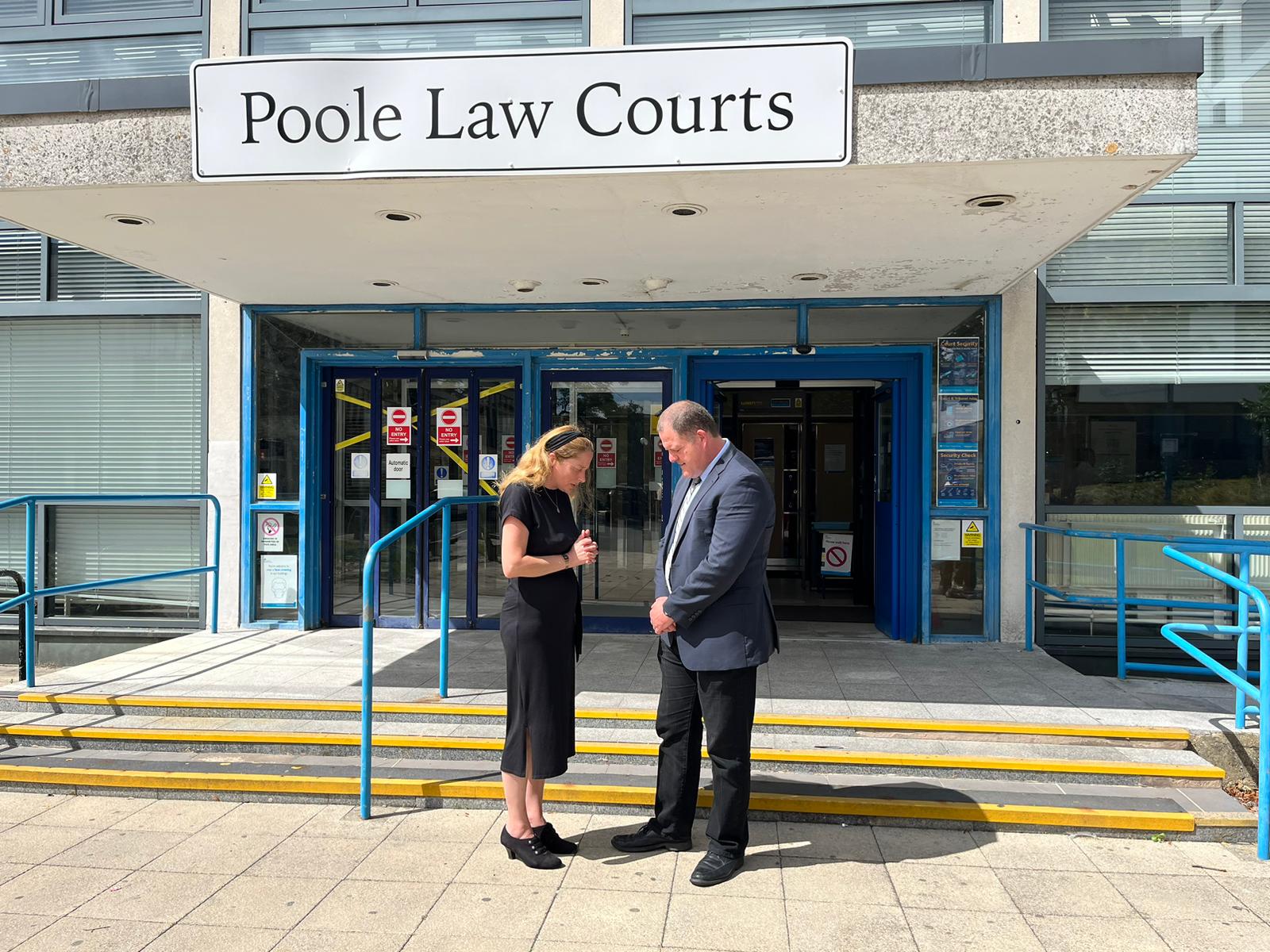
Smith-Connor’s trial was originally scheduled to take place in November 2023, but was delayed by the Court. At Poole Magistrates’ Court, Smith-Connor delivered an emotional address to supporters – see below.

You are currently viewing a placeholder content from YouTube. To access the actual content, click the button below. Please note that doing so will share data with third-party providers.

More Information

Images for free use in print or online in relation to this story only

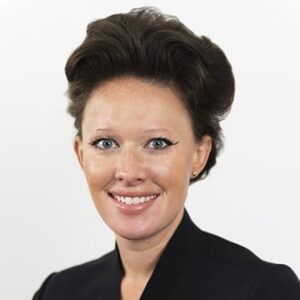
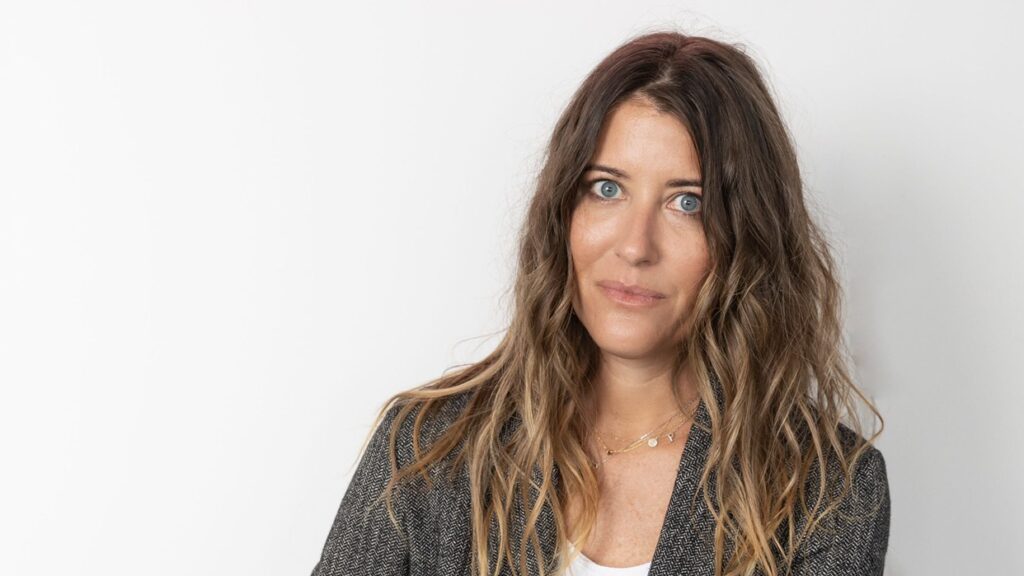
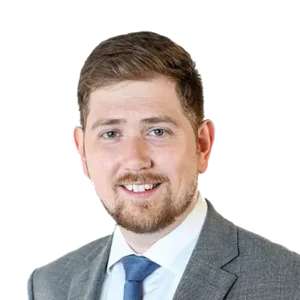
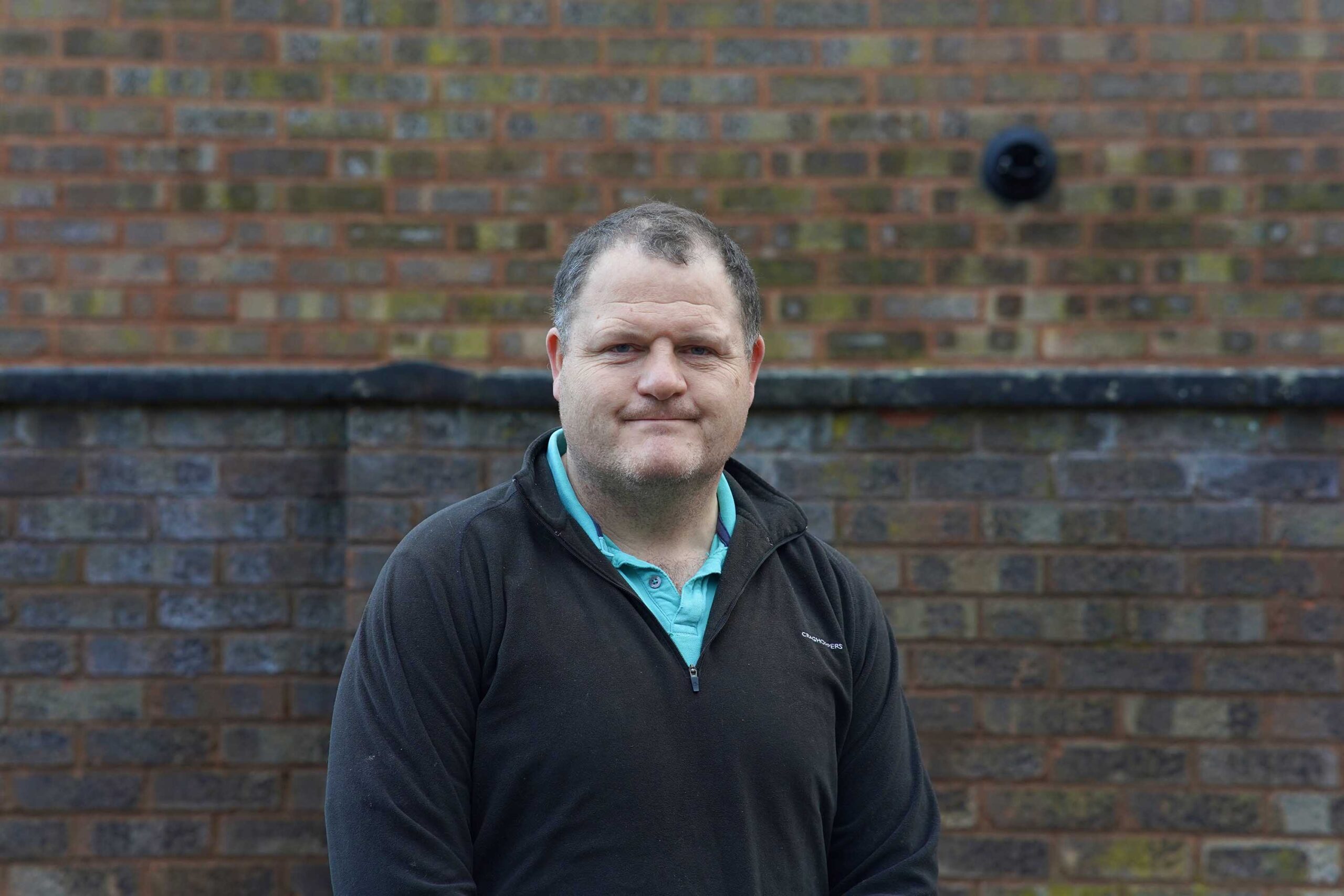
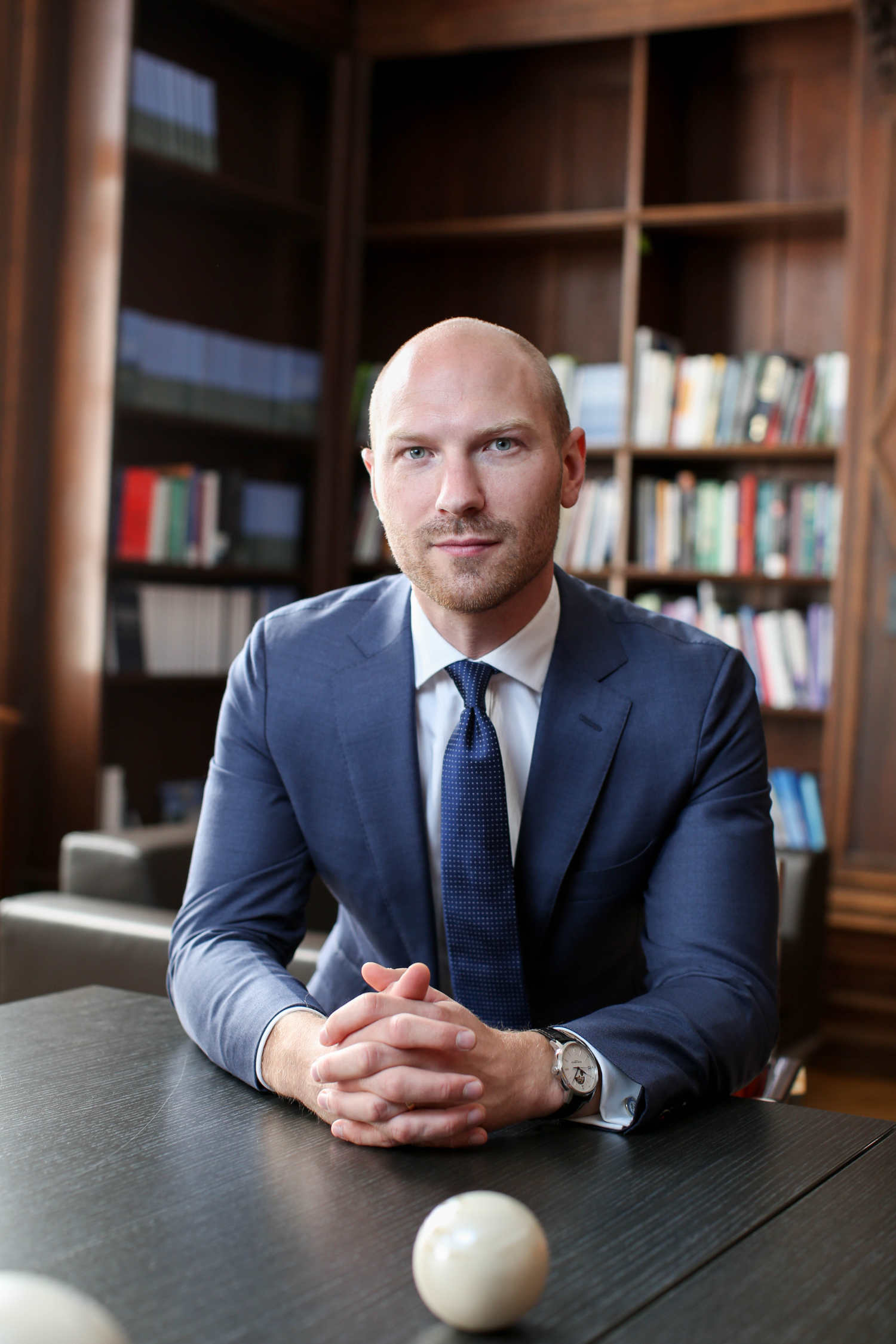
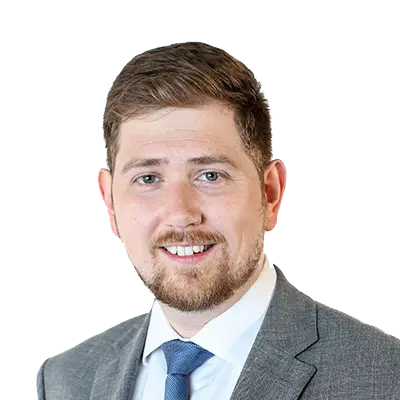
Pictured: Adam Smith-Connor; Adam Smith-Connor praying outside Poole Magistrates Court with Isabel Vaughan-Spruce; Jeremiah Igunnubole, ADF UK

Liz Truss, Michael Shellenberger, join over 100 free speech champions in condemning ban on “X” in Brazil 

  • International journalists, politicians and thought-leaders sign open letter to Brazilian congress: “Freedom of expression is not negotiable” 
  • Five Attorneys General, Lord David Frost, Eva Vlaardingerbroek, David Starkey CBE, Rod Dreher, Babylon Bee’s Seth Dillon, Senior UK, US, European and Latin American politicians and professors unite to call for ban on “X” to be overturned 

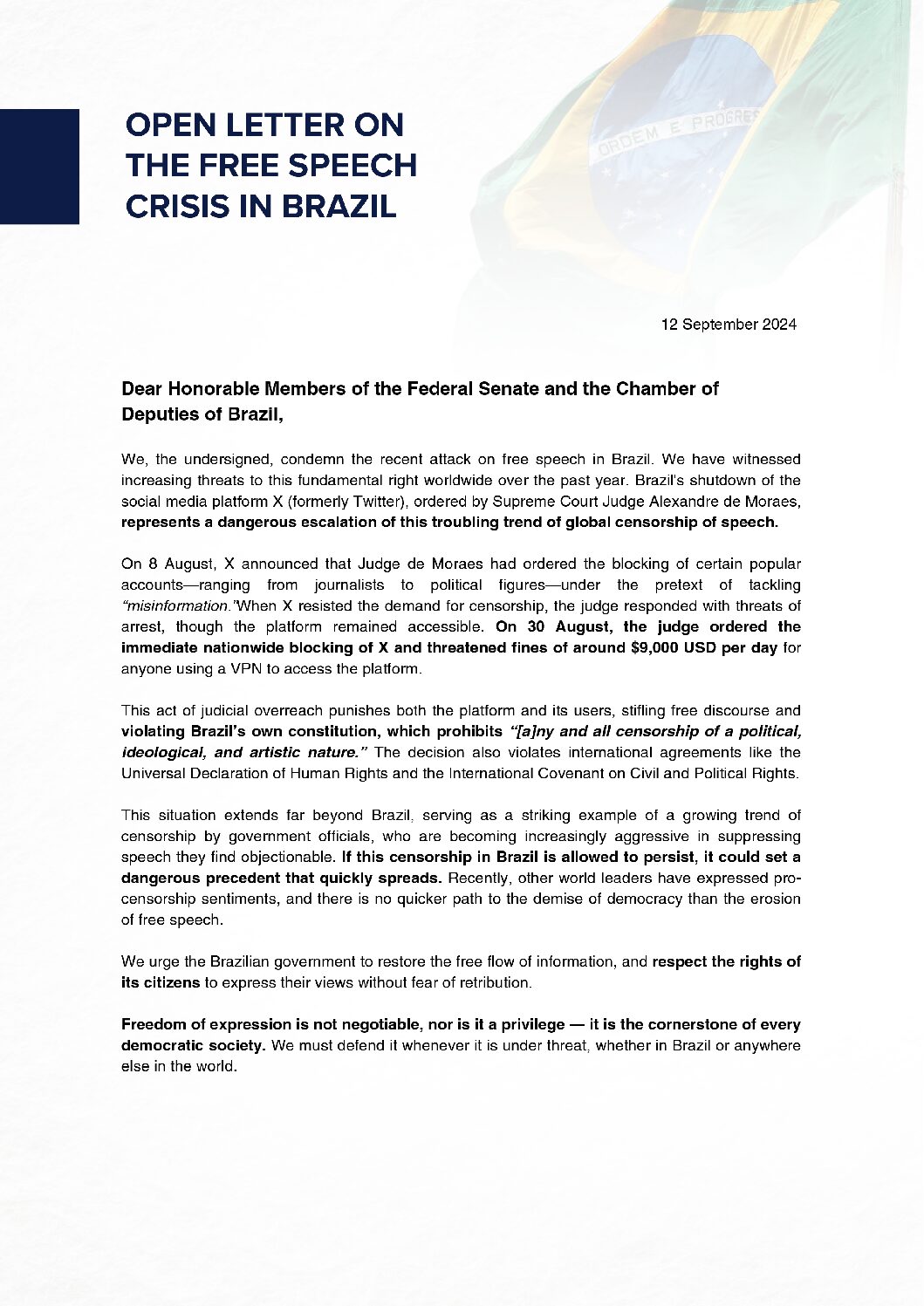
(12 September 2024) – Former British Prime Minister Liz Truss, “Twitter Files” journalist Michael Shellenberger and over 100 international free speech advocates have joined an open letter condemning the suspension of “X” in Brazil in an open letter to the Brazilian congress.

The letter, signed by five US Attorneys General, three members of the UK House of Lords, Daily Wire’s Megan Basham, bestselling author Rod Dreher, podcaster Tammy Peterson, “Babylon Bee” CEO Seth Dillon, X “Spaces” host Mario Nawfal, former US Senator Sam Brownback, and leading academics including Princeton’s Dr. Robert P. George, emphasizes the importance of free speech following a severe censorial crackdown in Brazil. 

"Under the guise of promoting democracy, and despite growing backlash from home and abroad, Brazilian authorities have created the most oppressive culture of censorship in the western hemisphere."

The letter describes the shutdown of “X”, purchased by Elon Musk in 2022, throughout the country as “a dangerous escalation” of the “troubling trend of global censorship of speech.” 

Addressed to the Brazilian Congress, the letter continues: 

There is no quicker path to the demise of democracy than the erosion of free speech. 

We urge the Brazilian government to restore the free flow of information, and respect the rights of its citizens to express their views without fear of retribution.” 

A violation of human rights

The initiative was coordinated by legal advocacy group ADF International, which has also written to the Inter-American Commission on Human Rights (which has jurisdiction over Brazil under the American Convention on Human Rights) to demand its urgent intervention against the violation of free speech. 

The censorship crisis in Brazil reached a peak on Friday 30th August, when Justice Alexandre de Moraes of the Brazilian Supreme Court ordered the “immediate, complete and total suspension of X’s operations” in the country after the platform refused to comply with government orders to shut down accounts that it had singled out for censorship.   

The decision threatened a daily fine of R$50,000 (£6,800 / almost $9,000) on individuals and companies that attempt to continue using X via a virtual private network (VPN).  

The same Justice also has issued an order to freeze the assets of the company Starlink, a satellite internet provider. The company is a subsidiary of SpaceX, an entirely different company with different shareholders, following X’s refusal to comply with the censorship orders.

"If Brazil is allowed to continue in this authoritarian vein, other countries across the West could likely follow in its footsteps."

Free speech is "not a privilege"

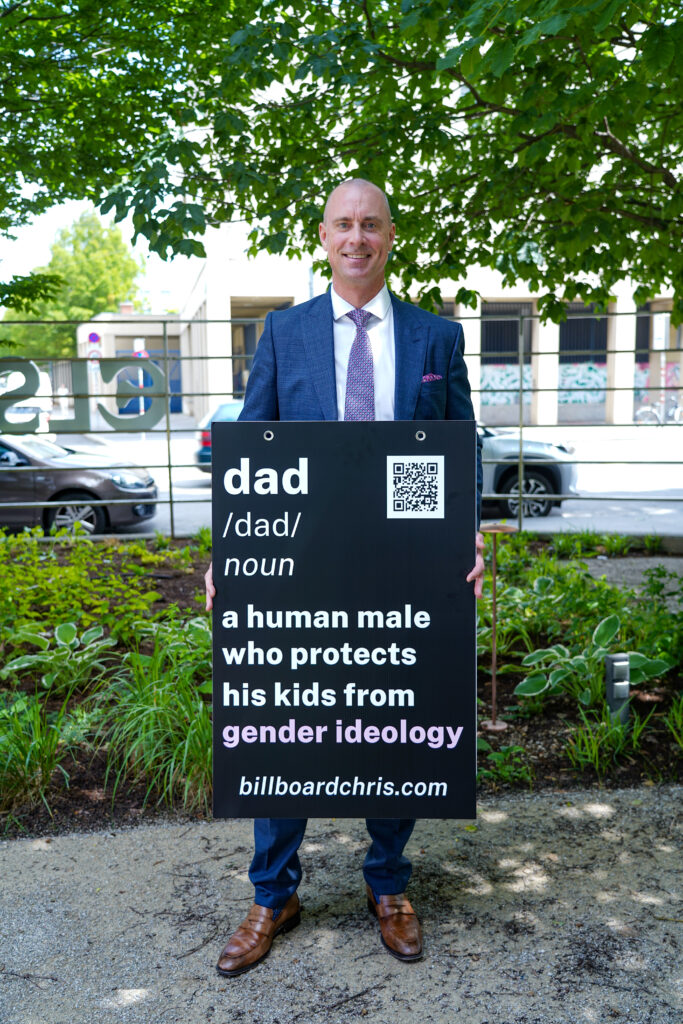
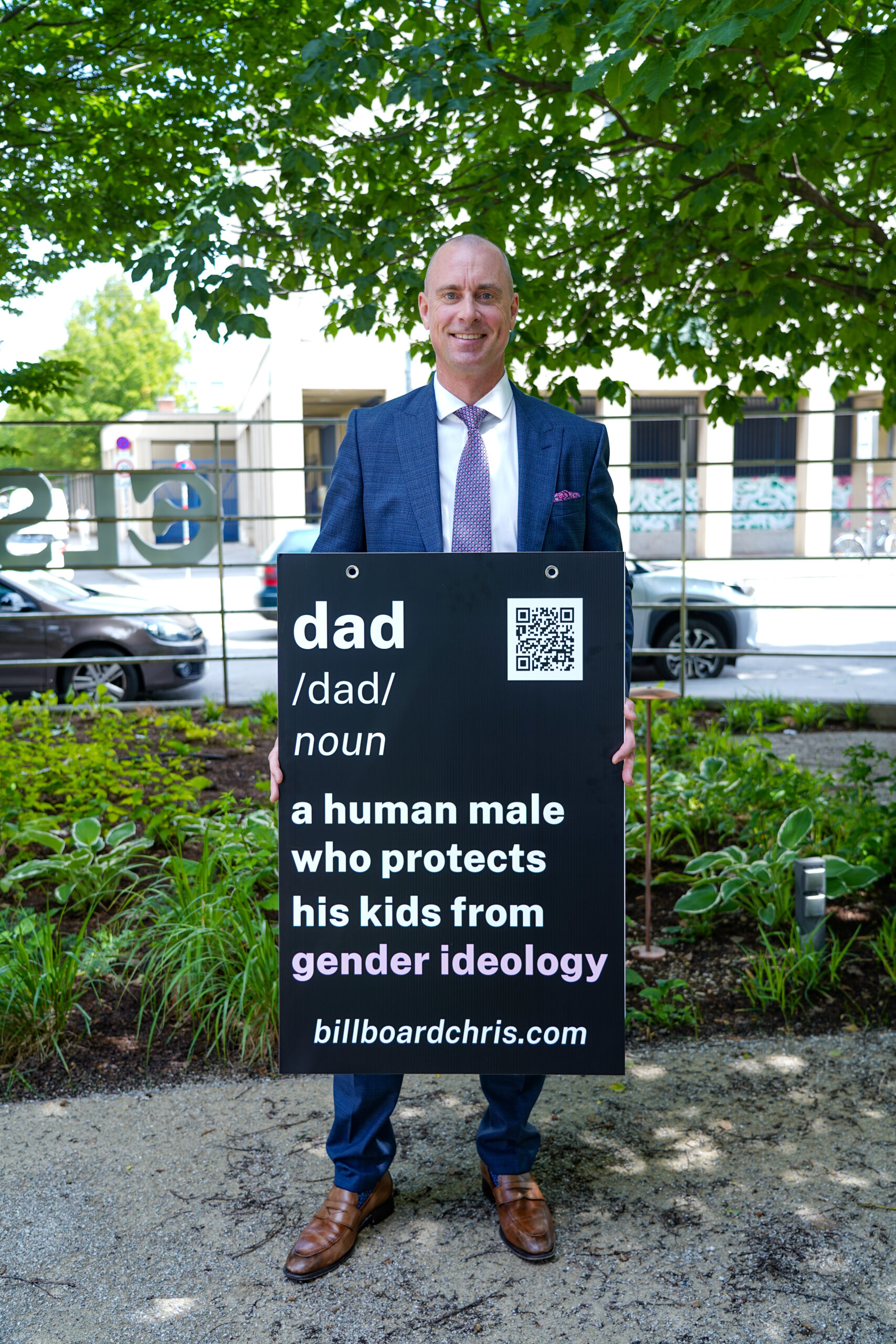
The letter, demanding the immediate restoration of free speech in Brazil, attracted signatures from sports star and advocate Riley Gaines, journalists Andy Ngo and Melissa Chen, public intellectuals Dr. Peter Boghossian and Ayaan Hirsi Ali, childrens’ rights campaigner Chris Elston (“Billboard Chris”), and historian David Starkey.  

Concluding, the letter reads: “Freedom of expression is not negotiable, nor is it a privilege – it is the cornerstone of every democratic society. We must defend it whenever it is under threat, whether in Brazil or anywhere else in the world.” 

Michael Shellenberger, the author and journalist behind “The Twitter Files,” signed the letter, having been targeted for criminal investigation for reporting on the censorship efforts of Brazilian courts. 

Paul Coleman, Executive Director of ADF International, which coordinated the open letter, said: 

“The state of censorship in Brazil is severe and worsening to an extreme degree, positioning the country among the worst for restrictions on speech in the Americas. Every Brazilian has the fundamental human right to free speech. What Brazilian authorities are doing is directly in violation of both Brazilian and international law, and the global community must hold them accountable.   

If Brazil is allowed to continue in this authoritarian vein, other countries across the West could likely follow in its footsteps, imposing draconian orders to silence speech and banning digital meeting places. It is imperative that we use our voices to speak up for free expression while we have still have the freedom to do so.”  

Commenting on the censorial clampdown, Shellenberger said: 

I am being criminally investigated by Brazilian authorities for exposing their attempts to censor. Brazil has reached a crisis point where a lone Supreme Court judge could wield his authority to shut down X in the country.    

Under the guise of promoting democracy, and despite growing backlash from home and abroad, Brazilian authorities have created the most oppressive culture of censorship in the western hemisphere. It’s not only bad policy and bad politics, it’s a blatant violation of basic human rights for authorities to ban the speech of their own citizens. It’s inconceivable that human beings should be censored and silenced by other human beings simply because they disagree with their speech.” 

In May, Marcel van Hattem, member of the Chamber of Deputies for Brazil, also commented on the censorship taking place:

“The attempts by Judge Alexandre de Moraes to censor and silence the people of Brazil simply cannot stand. Our constitution specifically prohibits all censorship and guarantees the right to freedom of expression; these are not only constitutionally-protected rights, but basic, human rights that should be guaranteed and preserved for all Brazilians. Censorship has no place in a free society, and I implore all who are able to join me in vehemently opposing these kinds of restrictions.” 

Images for free use in print or online in relation to this story only

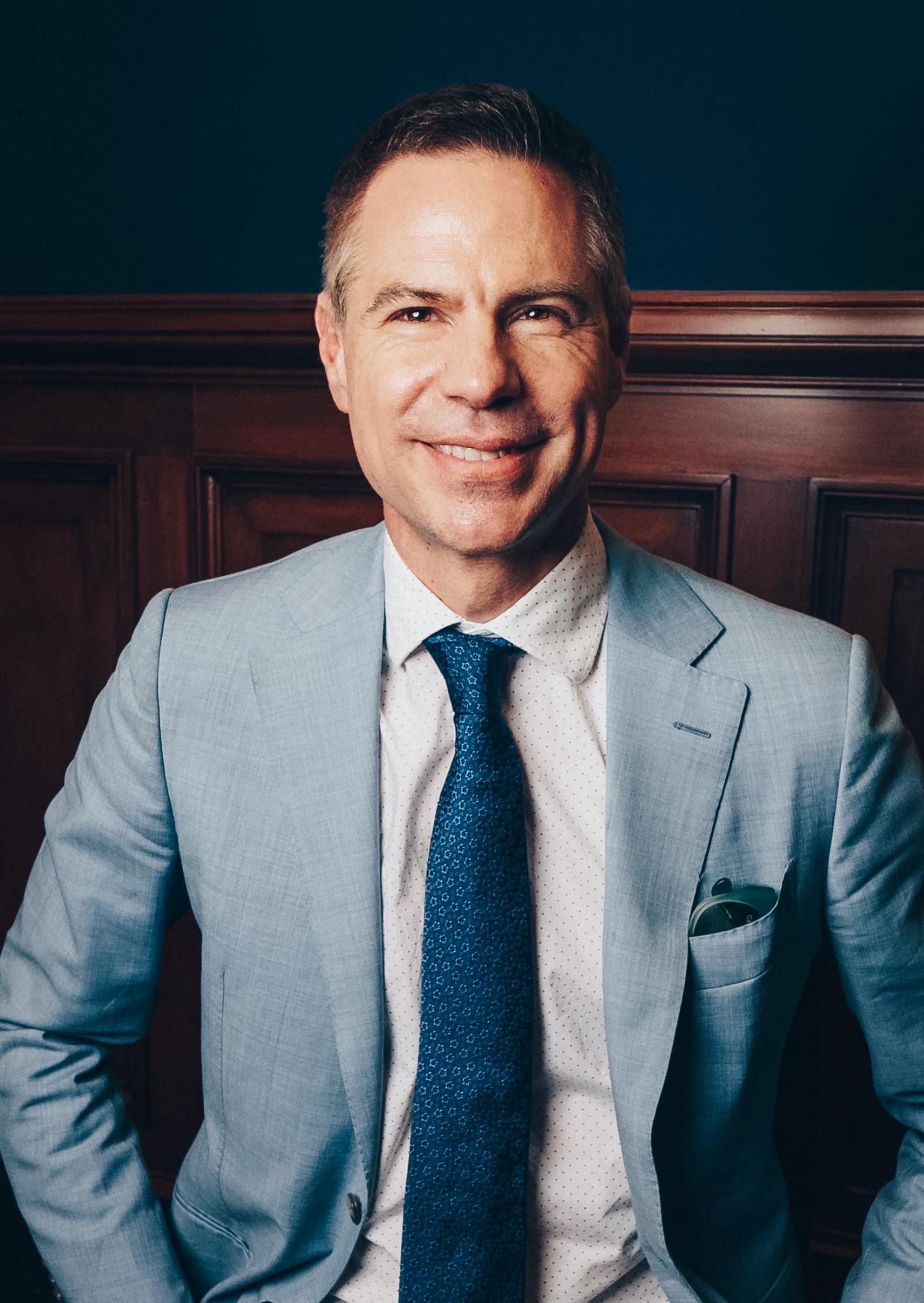
Pictured: Paul Coleman, Michael Shellenberger

Brazil, Elon Musk, X, and Censorship: What You Need to Know

freedom of speech is universal

The Brazilian Supreme Court blatantly violated free speech rights by banning X after the company’s chairman, Elon Musk, declined to censor disfavored views.

This story originally appeared in Alliance Defending Freedom on 6 September 2024

When Elon Musk bought Twitter (now known as X) in 2022, he did so with the stated purpose of restoring free speech on a platform that had been credibly accused of censoring disfavored views. And no matter whether one agrees with everything Musk has said or done since then, it is clear he has taken meaningful steps toward achieving that goal.

Unfortunately, many in the United States and around the world have opposed Musk’s attempt to advance free speech. This opposition has become painfully apparent in Brazil, where the country’s highest court is engaging in blatant and unacceptable censorship against Musk and X.

Brazil’s highest court violates free speech rights

In 2019, the Brazilian Supreme Court gave itself the power to carry out criminal investigations into “fake news,” defamation, slander, and threats against the honor of the Court. This was a dangerous abuse of power, and the consequences of such a draconian measure have now been laid bare.

Fast forward five years, and Brazilian Supreme Court Justice Alexandre de Moraes and Musk have been engaged in a dispute stemming from de Moraes’s demands that X censor messages the justice disfavors. On Aug. 28, 2024, de Moraes gave Musk 24 hours to name a legal representative for X in Brazil.

Musk declined to name a representative because Brazil had threatened the previous representative with jail time. On Aug. 30, de Moraes officially suspended X nationwide in Brazil. In addition, he froze the bank accounts of Starlink, another company partially owned by Musk that provides internet via satellite.

In his order suspending X, de Moraes said the platform presented a “real danger” of “negatively influencing the electorate in 2024, with massive misinformation, with the aim of unbalancing the electoral result, based on hate campaigns in the digital age, to favor extremist populist groups.”

In other words, the suspension was not solely motivated by X’s lack of legal representation. It was motivated, at least in part, by de Moraes’s fears that allowing certain speech on X might lead to an electoral result he personally would not like.

Despite de Moraes’s clear violation of free speech, the full Brazilian Supreme Court upheld the order on Sept. 2. Under the ruling, Brazilians who attempt to access X using a VPN will face a fine of around $9,000.

Supreme Court order flouted multiple laws

It takes only a basic understanding of free speech to see the major problems with this order. Once the government begins censoring or pressuring others to censor messages based on vague criteria and subjective terms like “misinformation,” it opens the door to widespread suppression of any views the government doesn’t like.

For this reason, national and international law protect free speech in Brazil, and the Brazilian Supreme Court clearly violated both.

First, Article 13 of the American Convention on Human Rights states, “Everyone has the right to freedom of thought and expression. This right includes freedom to seek, receive, and impart information and ideas of all kinds, regardless of frontiers, either orally, in writing, in print, in the form of art, or through any other medium of one’s choice.”

X is certainly a medium through which many Brazilians wish to express, think about, and discuss ideas. Recent estimates prior to the shutdown said roughly 40 million Brazilians use the social platform. By suspending X because it refused to censor information that they disliked, de Moraes and the rest of the court violated those users’ rights to engage in free expression on the platform.

In addition, Article 220 of the Brazilian Constitution states that “any and all censorship of a political, ideological, and artistic nature is forbidden.” But given de Moraes’s reasoning that X could “negatively” affect elections in 2024 to “favor extremist populist groups,” it’s hard to read the justice’s order as anything other than censorship of a political and ideological nature.

Brazilians, just like Americans, have the fundamental right to free speech, which is why ADF International did not sit idly by when the Brazilian Supreme Court issued its dangerous decision.

ADF International takes action

Following the illegal order, ADF International worked around the clock to respond. Within 24 hours, attorneys submitted a petition asking the Inter-American Commission on Human Rights (which has jurisdiction over Brazil) to intervene and defend free speech.

“The state of censorship in Brazil is severe and worsening to an extreme degree, positioning the country as among the worst for restrictions on speech in the Americas,” said Tomás Henriquez, ADF International’s Director of Legal Advocacy for Latin America. “Intervention by the Inter-American Commission on Human Rights is key because without free speech, all human rights are jeopardized.”

Musk himself even thanked ADF International for the quick and important work to defend free speech.

While Brazilian officials may claim to protect democracy, they are actually undermining it by manipulating what information citizens can share and access. Free speech is a fundamental right for all people worldwide, and we must continue defending it when it comes under attack.

Top human rights body called on to intervene against Brazil’s “extreme” censorship of “X”

  • Social media platform “X” suspended from use in Brazil in unprecedented state clampdown on free speech  
  • ADF International calls on Inter-American Commission on Human Rights to intervene

WASHINGTON, DC (2 September 2024) In light of the unfolding censorship crisis in Brazil, legal advocacy organization ADF International has called on the Inter-American Commission on Human Rights to urgently intervene to protect freedom of speech. 

“The state of censorship in Brazil is severe and worsening to an extreme degree, positioning the country as among the worst for restrictions on speech in the Americas."

On Friday, Justice Alexandre de Moraes of the Brazilian Supreme Court ordered the “immediate, complete and total suspension of X’s operations” in the country after the platform refused to comply with government orders to shut down accounts which it had singled out for censorship.  

The decision imposes a daily fine of R$50,000 (£6,800 / almost $9,000) on individuals and companies that attempt to continue using X via a virtual private network (VPN). 

The same Justice has also issued an order to freeze the assets of the company Starlink, a satellite internet provider. The company is a subsidiary of SpaceX, an entirely different company in which Elon Musk is a minority shareholder, following X’s refusal to comply with the censorship orders.

On Monday 2 September, the Brazilian Supreme Court upheld the decision to ban “X” nationwide, further suspending the right to free speech online. 

Appealing to the Inter-American Commission on Human Rights to uphold freedom of expression, lawyers from free speech-supporting legal advocacy group ADF International petitioned the body – which has jurisdiction over Brazil under the American Convention on Human Rights– to intervene in the “dire” situation: 

The blocking of X in the country is symptomatic of an endemic problem…it has dragged on for more than six years and has caused real damage to Brazilian democracy, producing a chilling effect on the majority of the population who, according to recent surveys, are afraid to express their opinions in public.” 

Musk thanked ADF International for its intervention. 

Read the full letter to the Commission here.  

State censorship of so-called “populist” views

The orders to censor online content are based on a pretext of combatting disinformation and fake news. Based on this pretext, the state has targeted conservative voices for censorship, including blocking pro-life messages during the 2022 election campaign, which contained a message contrary to the pro-abortion position held by then-candidate Lula da Silva.   

"Under the guise of promoting democracy, and despite growing backlash from home and abroad, Brazilian authorities have created the most oppressive culture of censorship in the western hemisphere.

Other targeted speech included repudiations of the Nicaraguan government’s suppression of religious freedom and the concern it could happen in Brazil, and criticism of Lula’s promotion of sexually explicit content in school curricula. 

“The most oppressive culture of censorship in the West”

Various journalists and public figures including journalist, Paulo Figueiredo, and bestselling American author, Michael Shellenberger, have already been targeted with secret criminal investigations for reporting on the authoritarian drift of the Brazilian courts and their censorship efforts.   

Tomás Henriquez, ADF International’s Director of Legal Advocacy for Latin America, stated: 

The state of censorship in Brazil is severe and worsening to an extreme degree, positioning the country as among the worst for restrictions on speech in the Americas. Intervention by the Inter-American Commission on Human Rights is key because without free speech, all human rights are jeopardized. We are particularly concerned that the Brazilian state is targeting Christian expression, including pro-life views and other faith-based speech.”

Michael Shellenberger, founder of Public, author, and professor, stated:

“I am being criminally investigated by Brazilian authorities for exposing their attempts to censor. Brazil has reached a crisis point where a lone Supreme Court judge could wield his authority to shut down X in the country.   

Under the guise of promoting democracy, and despite growing backlash from home and abroad, Brazilian authorities have created the most oppressive culture of censorship in the western hemisphere. It’s not only bad policy and bad politics, it’s a blatant violation of basic human rights for authorities to ban the speech of their own citizens. It’s inconceivable that human beings should be censored and silenced by other human beings simply because they disagree with their speech. As the situation continues to deteriorate, my hope is that the Inter-American Commission on Human Rights will intervene rapidly in defense of the right of all to speak freely in Brazil”.  

Marcel van Hattem, member of the Chamber of Deputies for Brazil, said:

“The attempts by Judge Alexandre de Moraes to censor and silence the people of Brazil simply cannot stand. Our constitution specifically prohibits all censorship and guarantees the right to freedom of expression; these are not only constitutionally-protected rights, but basic, human rights that should be guaranteed and preserved for all Brazilians. Censorship has no place in a free society, and I implore all who are able to join me in vehemently opposing these kinds of restrictions.”   

Images for free use in print or online in relation to this story only

Pictured: Michael Shellenberger; Tomás Henriquez

Across The Globe, Pointing Out Men Can’t Become Women Could Land You In Court

Gabriel Quadri, censored for stating biological reality.

This story originally appeared in The Federalist on 8 August 2024

Picture of Elyssa Koren
Elyssa Koren

Legal Communications Director

The world has been shocked to see riots erupt throughout the United Kingdom following an appalling stabbing in Southport, England, last week, where three children died.

But we should be alert to how the response of Britain’s new Labour government to the disorder is creeping beyond a crackdown on violence. Home Secretary Yvette Cooper said on Monday that social media companies should address “misinformation,” which suggests this crisis could be exploited to censor peaceful speech online.

The fear is that the unrest in the UK will be used as an excuse to further infringe on free speech online in the country. In fact, there are many parts of the world where a perfectly peaceful tweet could land you criminal charges or even a prison sentence.

For example, take note of what happened in 2022 to congressman Gabriel Quadri in Mexico. Quadri was prosecuted for his Twitter posts on the dangers of transgender ideology, including comments about keeping female sports safe and fair.

As millions opine freely on the myriad controversies at the Olympics, this should give us pause. Both Quadri and civil society leader Rodrigo Iván Cortés were convicted for “gender based political violence,” including “digital violence,” and punished in an absurd and demeaning manner for peacefully expressing the truth about biological reality online.

A testament to the pound of flesh the state demands from those who dare to speak against its orthodoxies, Quadri and Cortés were ordered to publish a court-written apology on X every day at set times and placed on an offender’s registrar. Having exhausted all avenues for justice in Mexico, ADF International is appealing their cases to the Inter-American Commission on Human Rights.

Prosecution in Finland

Look too to what has transpired over the last five years in Finland, a country with deep roots in the rule of law. Longstanding parliamentarian and grandmother Päivi Räsänen is being criminally prosecuted for a Bible verse she tweeted in 2019.

Quoting from the book of Romans, Räsänen objected to her church’s decision to sponsor a pride parade. For this, she endured hours of police interrogation, three criminal charges, and two onerous trials. Despite being unanimously acquitted at both, she soon will be tried again at the Supreme Court of Finland, where ADF International is backing her legal defense.

Räsänen’s case, in a supposedly free country, demonstrates that the censorial vigor of the state knows no bounds when it comes to silencing expressions of truth that expose the ideological falsehoods of the day.

Räsänen stoked no violence and evinced no hate, and yet she is being prosecuted for “hate speech” under the “war crimes and crimes against humanity” section of Finland’s criminal code, which carries a potential prison sentence of two years. You better believe that if a much loved, and oft re-elected, civil servant of more than 20 years can be tried for a tweet, then the citizens of Finland are going to think twice before they hit post.

Cases in the EU, Australia, Ireland, Scotland, Brazil

In Australia, street advocate Billboard Chris was censored for tweeting the truth that trans-activist Teddy Cook should not serve on a World Health Organization panel for children’s transgender policy given Cook’s aberrant sexual practices.

Chris posted a Daily Mail article on X entitled, “Kinky secrets of UN trans expert REVEALED: Australian activist plugs bondage, bestiality, nudism, drugs, and tax-funded sex-change ops – so why is he writing health advice for the world body?” Australia’s “E-Safety Commission” tried to force X to take the post down.

When X refused, they forced the platform to geo-block it, and now, Chris, supported by ADF International, and alongside X, is suing in defense of his right to speak freely.

The Irish parliament is currently debating a “hate speech” law, which, if adopted, could criminalize the possession of “hateful” material with up to five years in prison. And in April, Scotland passed a law criminalizing “stirring up hatred” against protected categories, including transgender identity, with a possible seven-year prison sentence.

As is always the case where these laws take root, “hate” is undefined. Consequently, it’s open season for a “hate crime” when such a transgression could be literally anything under the sun perceived as hateful by an offended party.

Brazil is undergoing a crisis of extreme censorship, positioning the country as among the worst for restrictions on speech in the Americas. Earlier this spring, a Supreme Court judge threatened to wield his authority to shut down X in the country. 

Journalists, including American author Michael Shellenberger, are being criminally investigated for exposing the state’s censorial crimes. Now X is deploying its legal team to preserve free speech on the platform in Brazil.

At the international level, the European Commission is advancing efforts to make “hate speech” an EU crime, on the same legal level as trafficking and terrorism. Most recently, the European Commission has accused X of violating the EU Digital Services Act, triggering the promise of legal action from Elon Musk, who claims that X resisted an “illegal secret deal” to comply with EU rules to censor “misinformation.”

Raising our Voices in Resistance

Everyone must be free to peacefully debate the issues of our time, online or wherever they may find themselves, without fear of government punishment. But across the world state-driven censorship is proving to be one of the most insidious problems of our age. And it is not by accident that the brunt force of the state is often leveraged to silence expressions of basic truth, in particular in the digital space.

Next time you reflexively exercise your free speech rights by firing off a tweet, remember those who have incurred the wrath of the state simply for doing the same. We must vigilantly resist the rising tide of censorship, and also the urge to self-censor, instead raising our voices to advocate for those silenced and sanctioned for nothing more than a tweet.

“Sex is not confined to being a biological concept” rules Australian Court

  • Biological male “Roxanne Tickle,” who identifies as a woman, sued “Giggle for Girls” app and founder Sall Grover over female-only membership policy
  • Federal Court of Australia holds that Tickle was unlawfully discriminated against when rejected for membership on the women’s app; ADF International supported Giggle’s defence

SYDNEY (23 August 2024) – The Federal Court of Australia has ruled in Roxanne Tickle v. Giggle for Girls (“Tickle v. Giggle”) that “Roxanne Tickle,” a biological male who identifies as a woman, experienced unlawful discrimination when prevented from joining female-only networking app “Giggle.” 

The court found that Tickle experienced “indirect discrimination,” ordering $10,000 AUD in compensation and the covering of legal costs for Tickle. 

Tickle sued on the basis that, being “legally permitted to identify as female” and having had his birth certificate amended, he should be permitted into spaces reserved for biological women. The defence maintained that women have a right to single-sex spaces, both online and offline. 

“In ruling that Tickle, a biological male, was a victim of discrimination when prevented from joining a woman’s app, the court has delivered an egregiously flawed judgment that removes protections for women."

The Court rejected Giggle’s defence that Tickle was not unlawfully discriminated against, but instead disqualified from joining the app due to his male sex.  

In the judgment, the court stated “…sex is not confined to being a biological concept referring to whether a person at birth had male or female physical traits, nor confined to being a binary concept, limited to the male or female sex…”

ADF International supported Giggle’s defence on the basis that Australian law must uphold the truth of biological reality and in line with the protections for women enshrined in international human rights law.

At the time of the hearing, Katherine Deves of Alexander Rashidi Lawyers, legal representatives for the Respondent, said: “The stakes are high in this case. Women’s international human rights will be lost if “woman” now includes any male who identifies as such. This decision matters not just in Australia but also to the watching world.” 

Sall Grover, CEO of Giggle and respondent in the law suit, also commented at the time of the hearing:

“For decades, women’s movements have fought for the right to have female spaces in society. Yet today, the clock is being wound back.    

“I designed my app to give women their own space to network. It is a legal fiction that Tickle is a woman. His birth certificate has been altered from male to female, but he is a biological man, and always will be. A woman’s-only app isn’t about discrimination. It’s about freedom of speech, belief and association.    

“We are taking a stand for the safety of all women’s only spaces, but also for basic reality and truth, which the law should reflect.” 

Grover has previously said that she would appeal the court’s decision and will fight the case all the way to the High Court of Australia.

Robert Clarke, Director of Advocacy for ADF International, which provided support for the case, reflected on the judgment: 

“In ruling that Tickle, a biological male, was a victim of discrimination when prevented from joining a woman’s app, the court has delivered an egregiously flawed judgment that removes protections for women. 

“Contrary to what the judge held, sex is never changeable. The judgment is a severe setback for women and girls, failing to uphold the basic truth of biological reality—that men cannot become women. Tickle did not experience unjust discrimination, but was simply disqualified from membership on the Giggle app because he is not a woman.” 

Court ignores international legal protections for women’s rights

The defence had argued that the Australian government acted unconstitutionally in amending the Sex Discrimination Act of 1984 to include “gender identity” as a protected characteristic, against the purposes for which the Act was designed, and for which there is no basis in international law.   

The Court found that Australia’s Sex Discrimination Act section 5b, which prohibits discrimination on the ground of “gender identity,” is in line with the discrimination provisions in the International Covenant on Civil and Political Rights (ICCPR). The ICCPR makes no reference to “gender identity,” and instead prohibits discrimination on the basis of sex.  

Further, the Court rejected the defence’s argument with regard to the disqualification of Giggle on the basis that Australia was obligated to protect women’s rights, including single-sex spaces, under the Convention on the Elimination of Discrimination Against Women. 

The judge has read in a faux right to protection on the basis of ‘gender identity’ in international law where none exists. The ICCPR is clear that discrimination is to be prohibited on the basis of sex. There is no mention of ‘gender identity’ in the treaty. 

The ruling is not only anti-women and disingenuous, but also it creates a dangerous precedent for conjuring up false rights to the detriment of real rights. Here the real rights in jeopardy are those of women. By ignoring Australia’s obligations under CEDAW to protect women’s rights, the court is positioning Australia in direct violation of its basic human rights obligations toward women,” stated Clarke. 

Challenges across Australia

Tickle v. Giggle is one of a number of legal proceedings in Australia challenging protections for women. Chris Elston, “Billboard Chris”, is in a legal battle with Australian authorities alongside “X”, after his tweet challenging gender ideology was censored by the E-Safety Commissioner. ADF International are supporting his case. 

Canadian street advocate, Billboard Chris, also awaiting court proceedings in Australia, commented on the judgment: 

“The judgment in Tickle v. Giggle turns back the clock on women’s rights and exposes the deep ideological distortions that have permeated our societies and our legal systems. It is a fiction that Tickle is a woman. While his birth certificate may have been altered, no man can ever become a woman.

Preventing a male from joining a woman’s only app has nothing to do with discrimination. It’s about staying true to biological reality and women’s rights to their own spaces, both online and in real life. I hope further legal steps can be taken to correct this grave injustice and I stand with Sall Grover and the Giggle team.” 

Billboard Chris challenges gender ideology in Australia

Images for free use in print or online in relation to this story only

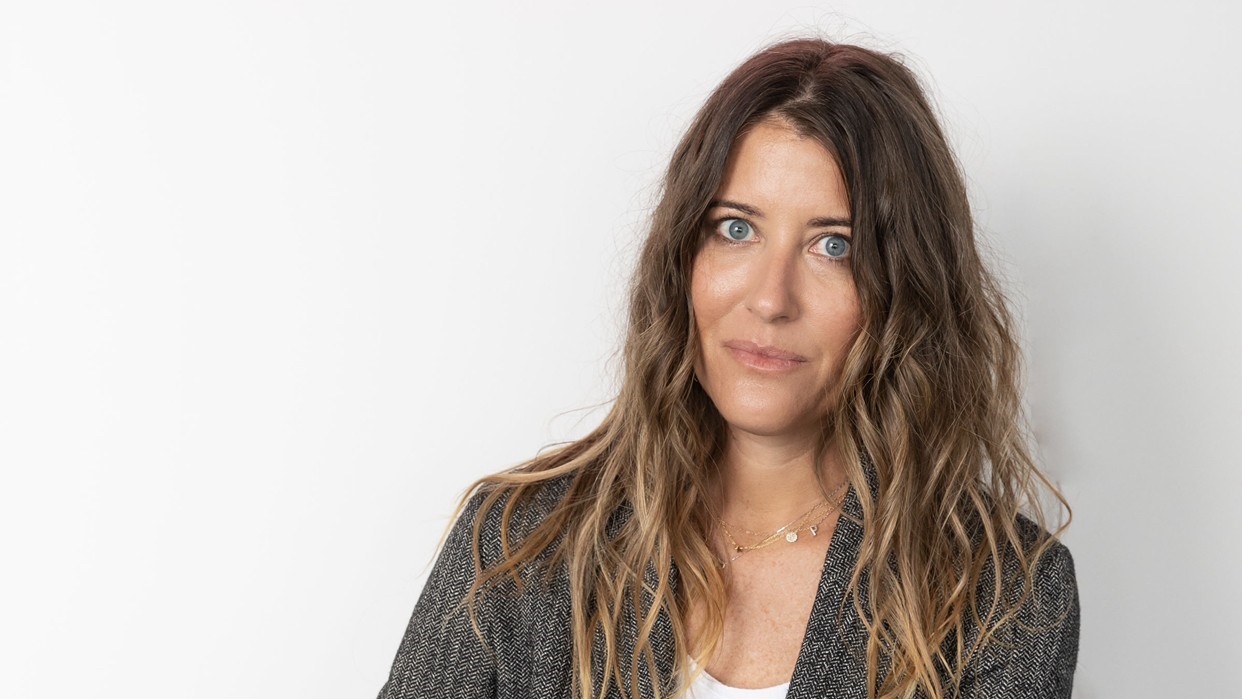
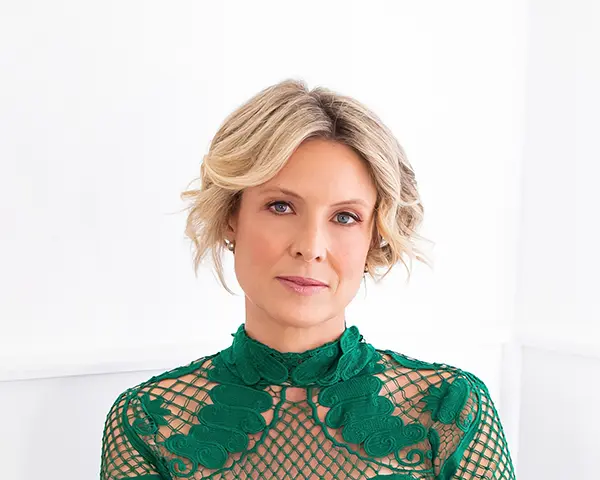
Pictured: Sall Grover, Robert Clarke, Chris Elston (“Billboard Chris”), Katherine Deves

From Belgium to Canada, Euthanasia Signals a Deep Crisis of Meaning

Growing euthanasia practice in Canada spells a deep crisis of meaning

Nobody should be offered death as the solution to suffering

Growing euthanasia practice in Canada spells a deep crisis of meaning

In 2002, Belgium and the Netherlands became the first countries to legalize euthanasia. Since then, other countries have followed suit, and more countries are considering it.

Whether called “euthanasia”, “assisted suicide”, “medical aid in dying”, or “MAID”, the act involves a medical professional intentionally and prematurely ending a patient’s life. 

At the outset, legislators frequently stress that euthanasia should be seen as a last resort, intended to be a compassionate approach to end a person’s suffering.

However, the experience of countries that have legalized euthanasia shows that more and more people seem to be requesting to die than anyone imagined or expected.

This is often because many people lack the social, economic, psychological, and palliative care support they need to live. 

In 2016, Canada legalized euthanasia nationwide and has since become the fastest-growing euthanasia regime in the world, posing a somber warning to the rest of the world. 

Rising healthcare and social security costs, the widespread reality of cognitive and mental health challenges, and conceits about autonomy and control are just some of the factors that will make euthanasia one of the most dramatic life issues of the 21st century. 

Like our other Generational Wins—our core priorities—preventing euthanasia is not only a legal battle but also a cultural one. Advocates like Amanda Achtman in Canada are focused on raising awareness about euthanasia in the public square from a cultural standpoint through her Dying to Meet You project. 

How euthanasia gains popularity

Across jurisdictions, public opinion about euthanasia has been driven by court decisions, political campaigns, lobby groups, and media.

When a doctor in the Netherlands euthanized her mother in the 1970s, the physician was treated leniently and given a weeklong probation rather than a long prison sentence. This sparked the erosion of norms surrounding a doctor’s responsibility to do no harm, even upon the patient’s request.

In Belgium, the euthanasia law was ushered in following the political victory of a left-wing coalition in the 1999 federal election that defeated the Christian Democrats. 

In Canada, the lobby group Dying with Dignity has campaigned for more than 40 years to promote and expand legal euthanasia. Exerting considerable pressure, this organization has lobbied politicians, mounted legal challenges, and run marketing campaigns to bolster public support for “MAiD”.

Proponents of euthanasia will usually highlight the stories of individuals who are suffering profoundly and who seem to be making the request to die with full consent and even with the support of their family and friends. Similarly, such stories have become the basis for influential movies and even advertisements.

Since all human beings suffer, the prospect of avoiding or eliminating it is a temptation. Without question, a suffering or vulnerable person summons relief and help; killing the person is never the appropriate way to end his or her suffering.

Once euthanasia is legalized, it will not be limited

When the Canadian government legalized euthanasia, they enacted certain so-called “safeguards”. At first, the patient’s death needed to be deemed “reasonably foreseeable.” Only adults capable of consenting could receive euthanasia. They had to make their request in writing before two witnesses and undergo a mandatory 10-day reflection.

Not even five years later, the government began loosening the requirements and expanding euthanasia to broader demographics. This is because if euthanasia is seen to be a reasonable means of ending suffering, then there is no serious basis on which a person should be excluded from having the option. 

On the grounds of equality, euthanasia was expanded to persons suffering but not imminently dying, to persons with disabilities and various neurological conditions, and to others. Unfortunately, this has led to a tremendous devaluing of life within the public healthcare system.

A man with disabilities says he’s been offered euthanasia “multiple times.” A woman with disabilities says a nurse accused her of being selfish for not considering euthanasia. One woman says she was offered MAiD instead of cancer treatment. A mother says her 23-year-old son, who has diabetes and partial vision loss, was scheduled to die by MAiD until she intercepted the process and went to the media. 

Legal euthanasia is destroying the doctor-patient relationship and eroding trust between healthcare professionals and families. Prematurely ending a patient’s life through killing is completely different than helping a person to live well until their natural death.

Tackling euthanasia and assisted suicide as a new threat to life 

Some people do not have strong opinions about euthanasia because they figure that it is a matter of individual freedom and personal decision. That is what Tom Mortier thought until he received the shocking call that his mother had been euthanized. His mother had struggled with depression but was otherwise physically healthy. Her psychiatrist did not think she satisfied the legal requirements for euthanasia under Belgian law. But Tom’s mother was diagnosed with “incurable depression” and then euthanized by an oncologist with no psychiatric expertise. 

Robert Clarke, the Deputy Director of ADF International, represented Tom Mortier before the Court of European Human Rights. In October 2022, the Court ruled that Belgium violated the right to life of Tom Mortier’s mother. 

ADF International intervened in another recent euthanasia case. In Hungary, a man suffering from ALS challenged his country’s ban on assisted suicide. ADF International argued in favour of Hungary’s existing stance and defended the country’s obligation to protect the right to life because there is no “right to die.” In June 2024, the European Court of Human Rights ruled in favour of Hungary’s right to prohibit assisted suicide to protect life. 

While winning legal cases is important, it’s also important to win in the court of public opinion.

Canada and beyond: Dying to Meet You

A glimmer of hope is Canadian Amanda Achtman, and her mission is to prevent euthanasia and encourage hope throughout her home country and beyond. She founded a project called ‘Dying To Meet You’ through which she engages people in conversations on suffering, death, meaning, and hope. A key feature of her advocacy involves giving a platform through short films to those whose voices have been sorely lacking from the euthanasia debates. In one short film, she interviews Christine Nagel, an 88-year-old woman who decided to get a tattoo that says, “Don’t Euthanize Me.”

In another, Achtman interviewed Eulalia Running Rabbit, an Indigenous Canadian woman who says, “I don’t think it’s right for the government to push euthanasia on the Nations. We really believe the Creator is the one who’s going to take us back.” In another, she interviewed Roger Foley, a Canadian man with disabilities who says he’s been offered euthanasia “multiple times” as he fights for the support he needs to live. 

In addition to writing, speaking, and appearing on podcasts and in documentaries about euthanasia, Achtman also organizes events to engage diverse faith and culture communities in end-of-life conversations. For example, she recently organized an event at Adath Israel Congregation in Toronto featuring Rabbi Dr. David Novak, a renowned Jewish thinker who wrote his dissertation on suicide.

During his presentation, Dr. Novak stated, “Nobody really lives unless they’re convinced that somebody else wants them to live. […] And this is an indictment of our much-praised Canadian health service: that it is now recommended to people that they would be better off dead than alive.”

Hope for a wounded world

Achtman is committed to advancing a positive and proactive alternative vision to a euthanasia society because, as she puts it, “As long as euthanasia is legal in Canada, my generation cannot grow up properly. Our growth and development are stunted when we lack opportunities to be called out of ourselves.”

To learn more about her and Dying to Meet You, visit the project online. 

Conclusion: Every single person has dignity

Euthanasia is one symptom of our wounded world. The person who asks for euthanasia is really wondering whether someone will love them enough to push back.

As euthanasia becomes more of a risk across Europe and throughout the West, it is crucial that we redouble our efforts to protect life. Whether at the beginning, end, or in between, every life has a purpose, and every life is worth defending.