
Almost 60,000 signatories ask Keir Starmer to protect freedom of thought, as army veteran prosecuted for silent prayer 

  • Public letter to PM pleads: “act urgently to ensure that thought is never buffered, censored or criminalised.”
  • Army veteran convicted for silently praying near abortion facility last week
  • Government set to roll out censorial “buffer zones” around every abortion facility from 31st October 

LONDON (25th October 2024) – 57,900 members of the public have signed an open letter to Keir Starmer in light of an army veteran being prosecuted for his silent prayers. 

The letter, addressed to the UK Prime Minister, reads: “Freedom of thought is our most basic and precious of rights – and has long been recognised in British law and every major human rights document from the Universal Declaration of Human Rights onwards.” 

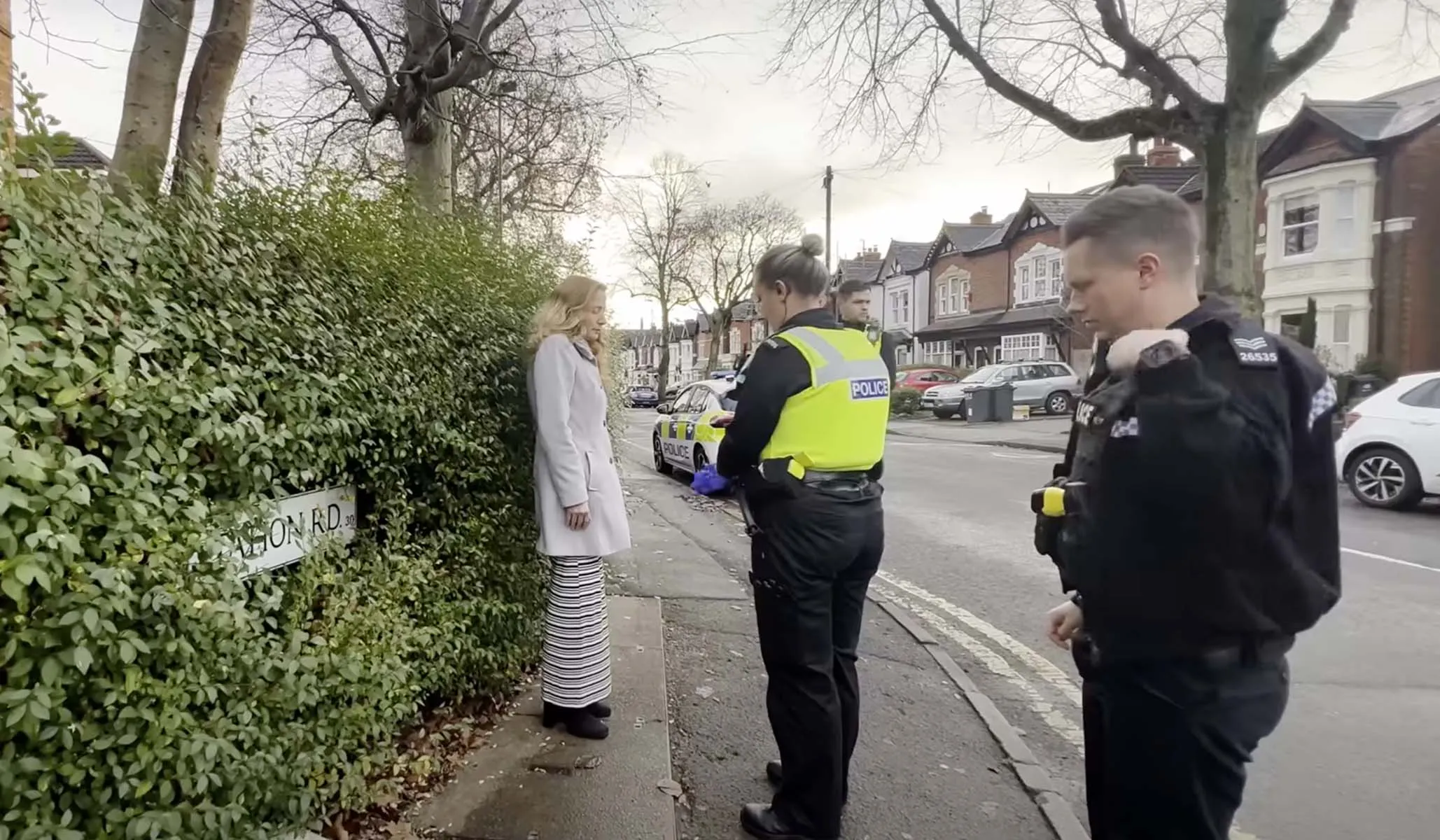
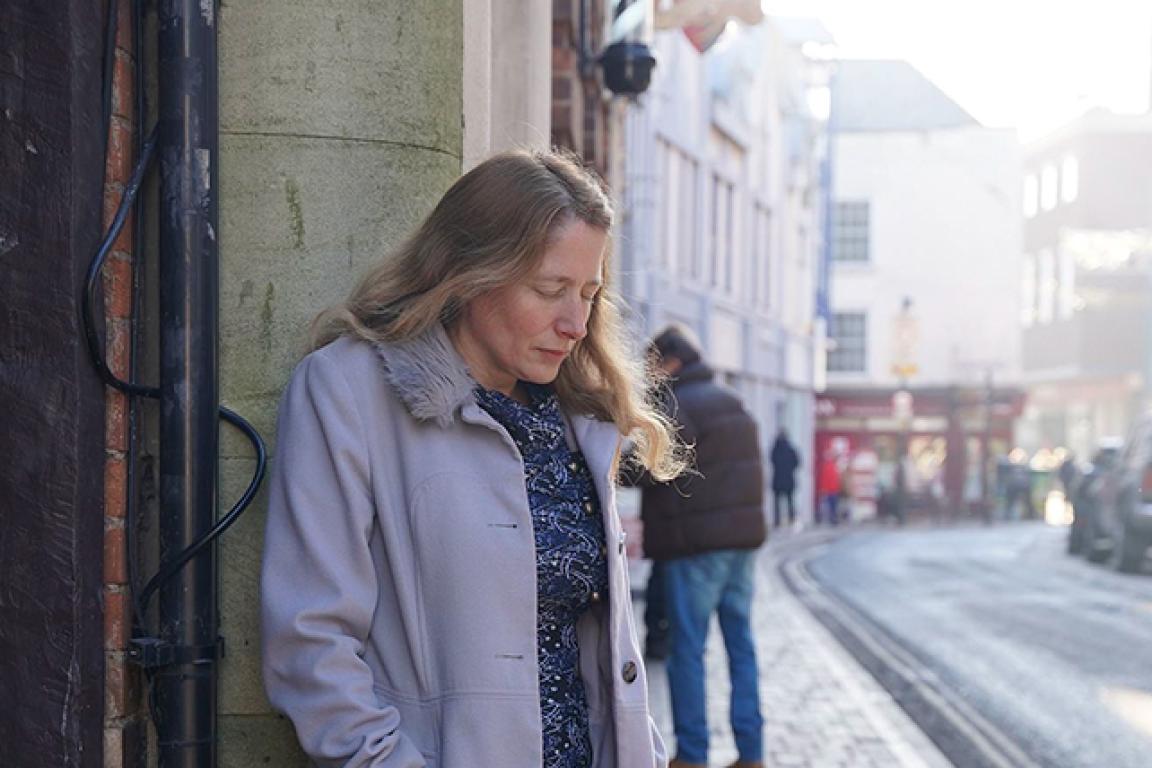
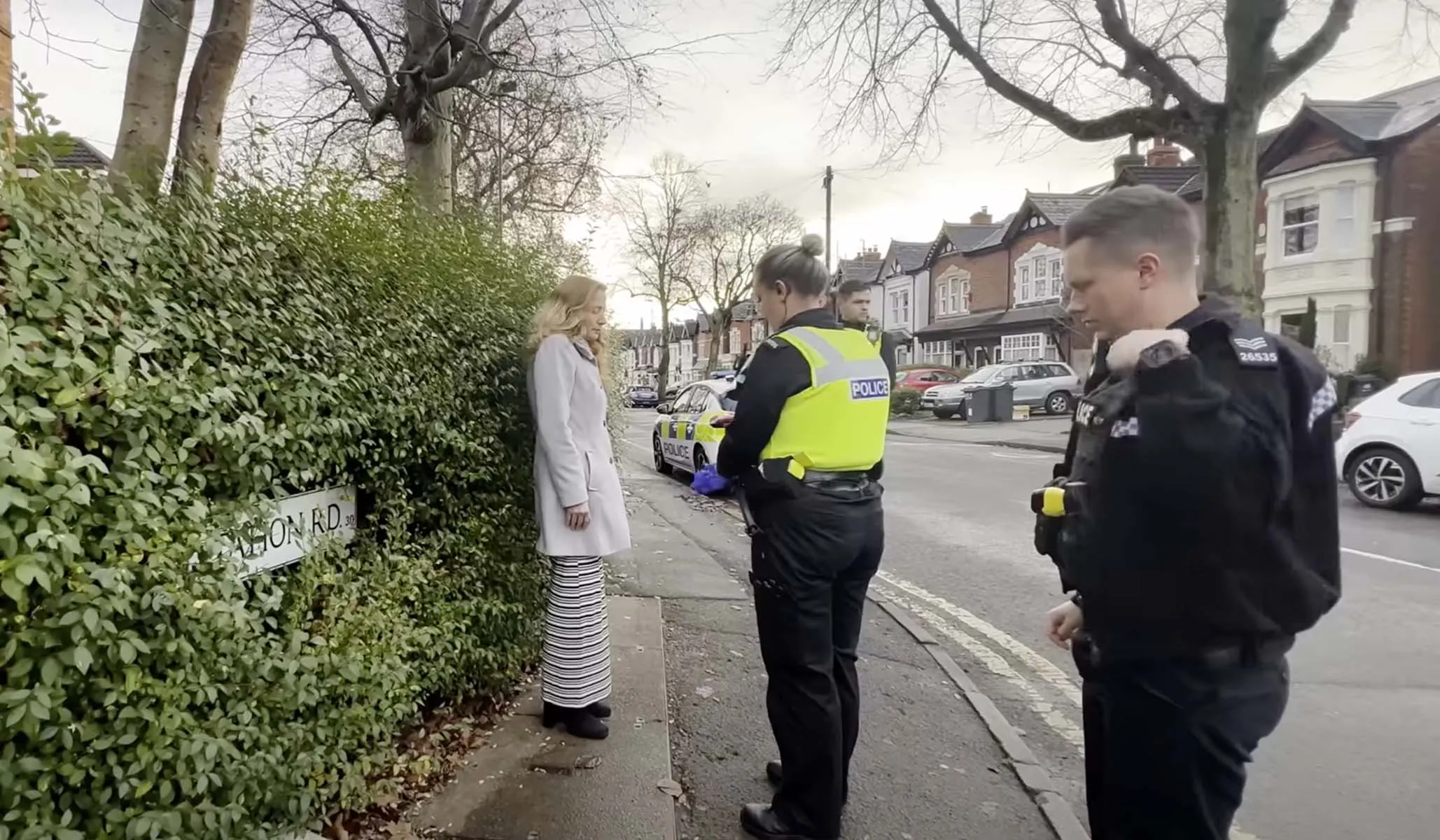
The letter highlights the plight of Isabel Vaughan-Spruce, who received a £13,000 payout from West Midlands Police after being unlawfully arrested twice for imperceptibly praying in her head in a Birmingham “buffer zone”. 

"A failure to protect thought and peaceful speech anywhere, creates a threat to these rights everywhere."

Also noted is the case of Livia Tossici-Bolt, who will face trial in March 2025 for inviting consensual conversation in the buffer zone by holding a sign reading “Here to talk, if you want”.

Father Sean Gough is also highlighted, having been fully acquitted of all charges after facing trial for praying while holding a sign near a Birmingham abortion facility reading “praying for freedom of speech”, and having a small pro-life sticker on his parked car inside the buffer zone.

The letter further references army veteran Adam-Smith Connor, who was found guilty last week for praying silently in his head near an abortion facility in the first “thoughtcrime” conviction of modern British history. Bournemouth, Christchurch & Poole Council spent over £100,000 of public funds prosecuting the father of two, hiring a Kings Council, despite being on the brink of bankruptcy. 

A slippery slope of censorship

Christian legal charity ADF UK supported the defence of all four individuals prosecuted on the basis of their silent prayers in abortion “buffer zone” areas.

ADF UK legal counsel Jeremiah Igunnubole explained that the different outcomes in each case represent a “profound and troubling lack of clarity in the law, and an undue subjectivity allowing individual officers and local authorities to determine whether silent prayer can be considered a crime on any given day.”


You are currently viewing a placeholder content from YouTube. To access the actual content, click the button below. Please note that doing so will share data with third-party providers.

More Information

Alluding to recent fears regarding “two-tier policing” in the UK, where those with conservative viewpoints are disproportionately censored and punished for voicing their opinions, the letter continues: 

“The slippery slope is clear; if the criminal law requires us to refrain from ‘offensive’ thoughts anywhere, there is simply no logical endpoint. Today, it’s pro-life views that offend progressive social orthodoxies; tomorrow, it could be gender-critical views and gender-critical buffer zones. A genuinely democratic society must champion diversity of thought and the free and frank exchange of views.”

Silent prayer under threat of criminalisation

Vaughan-Spruce, Smith-Connor, Gough and Tossici-Bolt were all charged for allegedly breaching a “buffer zone”, implemented by five local council authorities via a “Public Spaces Protection Order”, which bans acts of “approval or disapproval” of abortion – but have been interpreted by officers to even include thoughts inside someone’s mind.  

The UK government are set to roll out “buffer zone” legislation across the country from 31st October, making it a crime to “influence” anybody’s “decision to access…abortion services” within 150m of an abortion facility. 

Free speech campaigners have raised concerns about the loose wording of this legislation, which could potentially be applied to criminalise friends and family who offer advice, or engage in consensual conversations about abortion, near the facility. 

Commenting on the upcoming enforcement of national buffer zones, Jeremiah Igunnubole said:  

“We all influence each other’s decisions all the time – be it through the advice of a parent, the concern of a friend, or the information made available through a charitable volunteer. The ability to peacefully exchange views is the lifeblood of democratic society.   

“Yet the Public Order Act is written so vaguely that these everyday, peaceful, caring conversations could be made illegal on certain streets of England when it comes to discussing abortion. The lack of clarity in the law could result in many more citizens like Adam being interrogated or even charged for simply directing silent thoughts towards God.   

“The right to hold a consensual conversation, or engage in silent prayer, constitute the most basic of human rights. They are protected robustly by international legal provisions relating to freedom of thought and speech.   

“This is a watershed moment for British freedoms, and one the public must not take lightly. A failure to protect thought and peaceful speech anywhere creates a threat to these rights everywhere. Buffer zones or otherwise, we should uncompromisingly safeguard the rights on which our democracy is based.” 

To read the public letter in full, click here.

Images for free use in print or online in relation to this story only

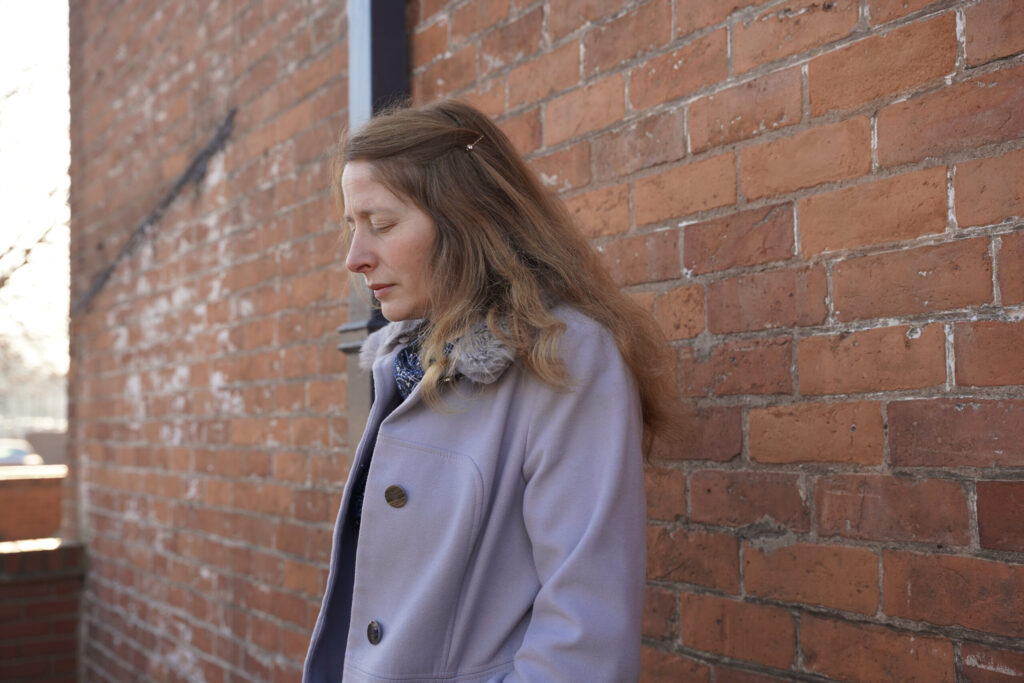
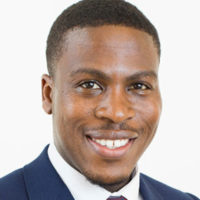
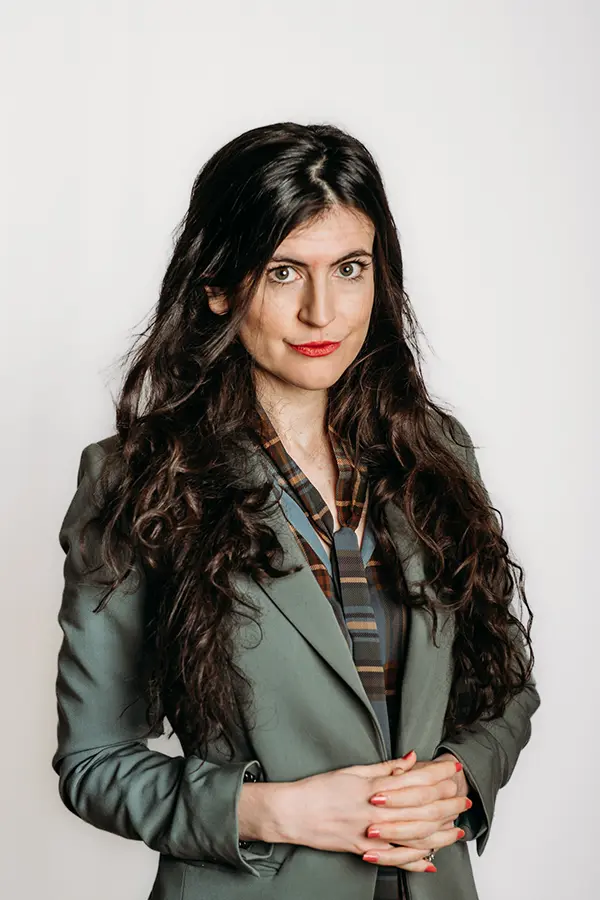
Pictured: ADF UK Legal Counsel Jeremiah Igunnubole with individuals prosecuted for their silent prayers: Adam Smith-Connor; Isabel Vaughan-Spruce, Livia Tossici-Bolt, Fr. Sean Gough

GUILTY: Army Vet convicted for praying silently near abortion facility 

  • Army veteran and father of two, Adam Smith-Connor, found guilty of breaching censorial “buffer zone” with prayerful thoughts in his mind
  • “All I did was pray to God” – ADF UK supported legal defence, considering appeal 

DORSET (16th October 2024) – A man charged for praying silently in an abortion “buffer zone” in Bournemouth has been found guilty in a shock ruling from Bournemouth Magistrates’ Court. 

Bournemouth, Christchurch & Poole Council charged Adam Smith-Connor, a military veteran and father of two, following an interrogation by office on “the nature of his prayers” when he stopped to pray for a few minutes near an abortion facility in November 2022. 

“Today, the court has decided that certain thoughts – silent thoughts – can be illegal in the United Kingdom.That cannot be right."

The Court sentenced Smith-Connor to a conditional discharge and ordered him to pay prosecution costs of £9,000. A conditional discharge is a type of conviction that means Smith-Connor will only be sentenced if he is convicted of any future offences in the next two years. 

In its decision, the court reasoned that his prayer amounted to “disapproval of abortion” because at one point his head was seen slightly bowed and his hands were clasped. 

Responding to the ruling, Smith-Connor stated: 

Today, the court has decided that certain thoughts – silent thoughts – can be illegal in the United Kingdom. That cannot be right. All I did was pray to God, in the privacy of my own mind – and yet I stand convicted as a criminal? 

“I served for 20 years in the army reserves, including a tour in Afghanistan, to protect the fundamental freedoms that this country is built upon. I continue that spirit of service as a health care professional and church volunteer. It troubles me greatly to see our freedoms eroded to the extent that thoughtcrimes are now being prosecuted in the UK.” 

Despite battling bankruptcy warnings and being forced to cut “all non-essential spending”, Bournemouth, Christchurch & Poole Council spent more than £90,000 on legal fees to prosecute the offence, which carries a maximum penalty of £1,000. 

Interrogated for a prayer

Smith-Connor was confronted by officers who asked “what is the nature of your prayer?”, on a public green within a large “buffer zone” – an area covering several streets in the town – in which authorities have banned various expressions of pro-life or Christian belief, including through offering help to women in crisis pregnancies, or praying. 

Read the full text of the Public Spaces Protection Order here.

You are currently viewing a placeholder content from YouTube. To access the actual content, click the button below. Please note that doing so will share data with third-party providers.

More Information

Commenting on the trial and the use of public funds ahead of the verdict, politician Miriam Cates said: 

“This isn’t 1984, but 2024 – nobody should be on trial for the mere thoughts they hold in their mind. It’s outrageous that the local council are pouring taxpayer funding into prosecuting a thoughtcrime, at a time where resources are stretched thin. Buffer zone regulation are disproportionately wide, leaving innocent people vulnerable to prosecution merely for offering help, or simply holding their own beliefs.” 

The defence contended that Adam’s prayerful thoughts and the fact that he held certain beliefs and opinions could not in themselves amount to a crime, particularly when he stood peacefully and silently on a public street.  

Smith-Connor did not outwardly manifest his prayer by kneeling, speaking, or holding any signs. He made every effort to be out of the line of sight of the abortion facility, positioned behind a tree with his back to the facility and did not engage with any other person. 

Responding to today’s ruling, Jeremiah Igunnubole, Legal Counsel for ADF UK, said: 

“This is a legal turning point of immense proportions. A man has been convicted today because of the content of his thoughts – his prayers to God – on the public streets of England. We can hardly sink any lower in our neglect of basic fundamental freedoms of free speech and thought. We will look closely at the judgment and  are considering options to appeal. Human rights are for all people – no matter their view on abortion.” 

Five councils across the UK currently have active “buffer zones” or censorship zones banning prayer and offers of charitable help to women on the public streets near abortion facilities.  

The UK Parliament voted to roll out “buffer zones” around every abortion facility in England & Wales as part of the Public Order Act 2023.  

The Labour Government have announced plans to implement the zones on 31st October. Under the national law, “influencing” someone’s decision to “access” abortion services will become a crime. 

Commenting on the upcoming enforcement of national buffer zones, Jeremiah Igunnubole said: 

We all influence each other’s decisions all the time – be it through the advice of a parent, the concern of a friend, or the information made available through a charitable volunteer. But the Public Order Act is written so vaguely that these everyday, peaceful, caring conversations could be made illegal on certain streets of England when it comes to discussing abortion.  

“The right to hold a consensual conversation, or engage in silent prayer, are protected by international legal provisions on freedom of thought and speech. Yet the lack of clarity in the law could result in many more citizens like Adam being interrogated or even charged for simply directing silent thoughts towards God.  

This is a watershed moment for British freedoms, and one the public must not take lightly.” 

Commenting on the trial, Father of the House Sir Edward Leigh MP said: 

“It is disgraceful that in Britain in 2024 someone can be put on trial for praying silently in his head. Unfortunately we have seen repeated cases of free speech under threat in the UK when it comes to the expression of Christian beliefs. To offer a prayer silently in the depths of your heart cannot be an offence. The government must clarify urgently that freedom of thought is protected as a basic human right.” 

Images for free use in print or online in relation to this story only

Pictured: Adam Smith-Connor; Jeremiah Igunnubole, legal counsel for ADF UK

VIDEO: Scottish buffer zones bill is “patronising” and unhelpful, woman who recieved help from pro-life volunteers tells parliament 

  •  Alina Dulgheriu, who accepted an offer of support to continue her pregnancy from a pro-life volunteer near an abortion facility, asks Scottish parliament to protect the right to offer help to women in crisis 
  • Scottish proposal would ban prayer and pro-life speech even inside houses within 150m or more of abortion facilities 

EDINBURGH (12 March 2024) – Alina Dulgheriu, a mother who recieved help at her point of critical need outside an abortion facility, has asked the Scottish government to consider vulnerable women before censoring pro-life help in Scotland. 

Dulgheriu credits pro-life volunteers with empowering her to make her wanted choice to continue her pregnancy despite financial and social pressures placed on her to abort. 

She has since established the “Be Here For Me” campaign, collecting testimonies of other women who have been positively impacted by the presence and services offered by charitable pro-life volunteers. Dulghieriu called on the Scottish government to allow volunteers to continue the work that she views as “much needed” in order to support vulnerable women. 

“I didn’t want an abortion but I was abandoned by my partner, my friends and society. My financial situation at the time would have made raising a child very challenging. Thanks to the help I was offered by a group outside of a clinic before my appointment, my daughter is here today. Stopping people from offering much-needed services and resources for women in my situation is wrong. Let them help,” Alina Dulgheriu, spokesperson for Be Here For Me, commented on the implementation of censorial “buffer zones”. 

"Removing the option to receive help to keep a child...is deeply patronising and assumes that women can't make a decision for ourselves, or that we might choose the wrong option."

Addressing parliamentarians on the Health, Social Care and Sport committee, Dulgheriu explained that the buffer zones bill would be “deeply patronising” to women by denying them an opportunity to hear and consider options to continue their pregnancy with charitable support.  

“It is worrying that we will consider denying vulnerable woman access to potential life-changing, life changing information – especially when facing one of the most challenging decision of their lives that could have lasting ramification on their mental and physical health.  

Removing the option to receive help to keep a child in case we feel offended is deeply patronising and assumes that woman can’t make a decision for ourselves or that we might choose the wrong option.

My case is not a one-off. There are many hundreds of women just like me who have benefitted from this support. Yet we are all too often ignored.” 

In a Q&A with Members of the Scottish Parliament, Dulgheriu went on to explain that the help she had recieved from pro-life volunteers had not been offered by the abortion provider whom she had asked about her options.

Promote “tolerance, not censorship”, asks woman arrested for silent prayer 

The charitable volunteer who was arrested for praying silently in a controversial “buffer zones” case in Birmingham will also testified to Holyrood about her experience of being prosecuted for a “thoughtcrime”. 

Isabel Vaughan-Spruce was seen being arrested on a viral video last winter when she said she “might be praying inside [her] head”. She was charged with “engaging in an act that is intimidating to service users” within the buffer zone of an abortion clinic – despite the clinic having been closed.   

She was later fully acquitted at Birmingham Magistrates Court after the prosecution could offer no evidence as to her thoughts. 

Addressing the parliamentarians, Vaughan-Spruce said:

“After having to clear my name in court I was rearrested two weeks later being told ‘my prayers were an offence’. I’m concerned that this will end up happening in Scotland. Nobody should be punished for a “thoughtcrime” – yet this proposed legislation could easily allow that to happen.

The buffer zone has created a huge amount of division in our area, and many locals tell me that they are now fearful to share their beliefs with their neighbours. The community has become polarised and the buffer zone has fostered intolerance. 

I wholly recommend that the Scottish government protect freedom of thought and of speech in Scotland, and promote tolerance rather than censorship.”

"I wholly recommend that the Scottish government protect freedom of thought and of speech in Scotland, and promote tolerance rather than censorship."

The bill has recieved criticism from free speech advocates, who raise concern that the vague and ambiguous language of the text could crack down on peaceful conversation and even thought. 

Scotland’s buffer zone bill is one of the most extensive crackdowns on pro-life thought and speech we’ve seen. As drafted, it could even ban prayer and peaceful pro-life speech within homes if they are situated sufficiently near an abortion facility. The proposal would also allow the 150m distance of the buffer zone to be expanded by local authorities to an unlimited extent. It is vital that the parliament take heed of the stories of Alina and Isabel, and uphold their duty to protect freedom of thought, offers of help, and consensual conversation,” said Lois McLatchie Miller, spokesperson for ADF UK in Scotland. 

Images for free use in print or online in relation to this story only

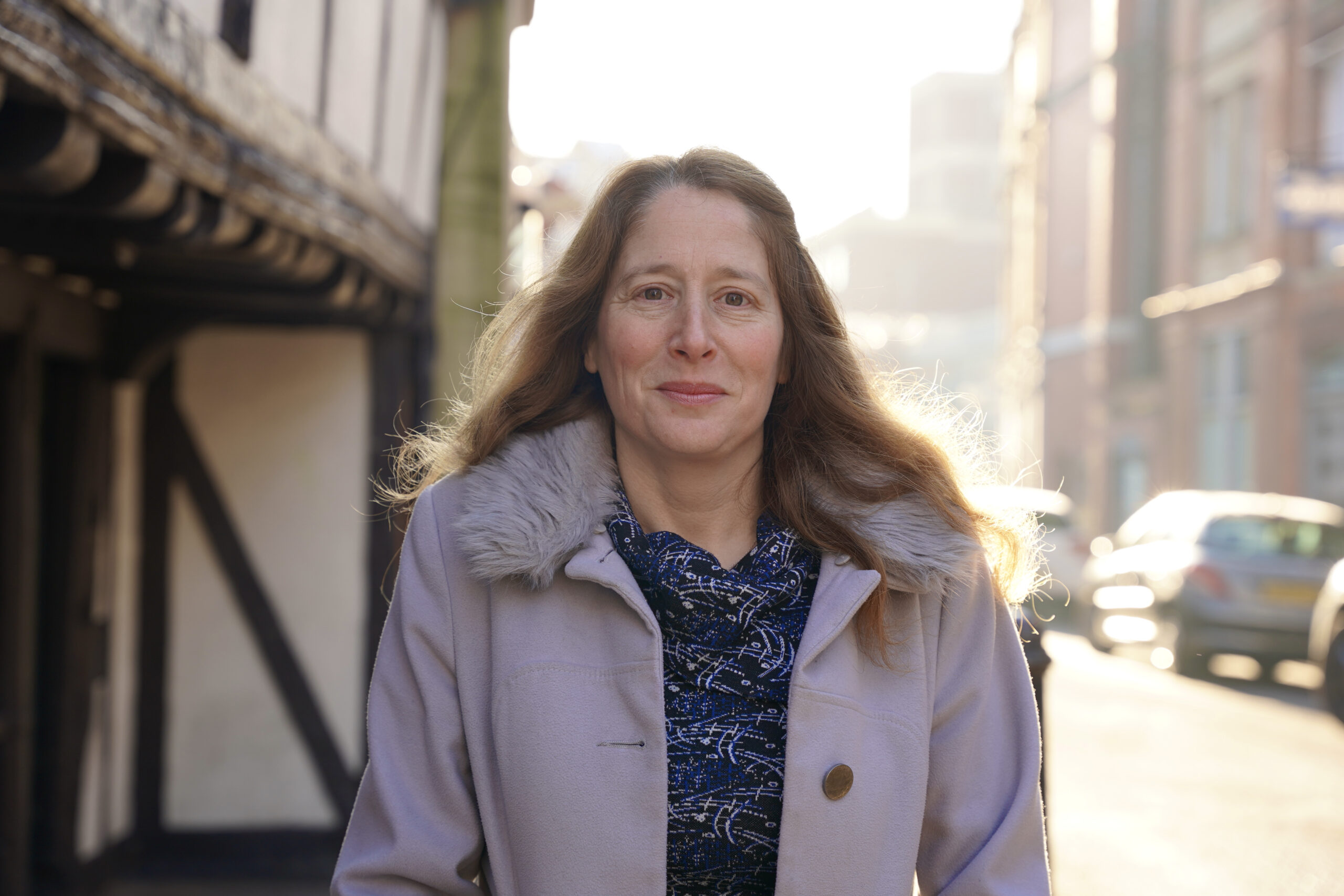
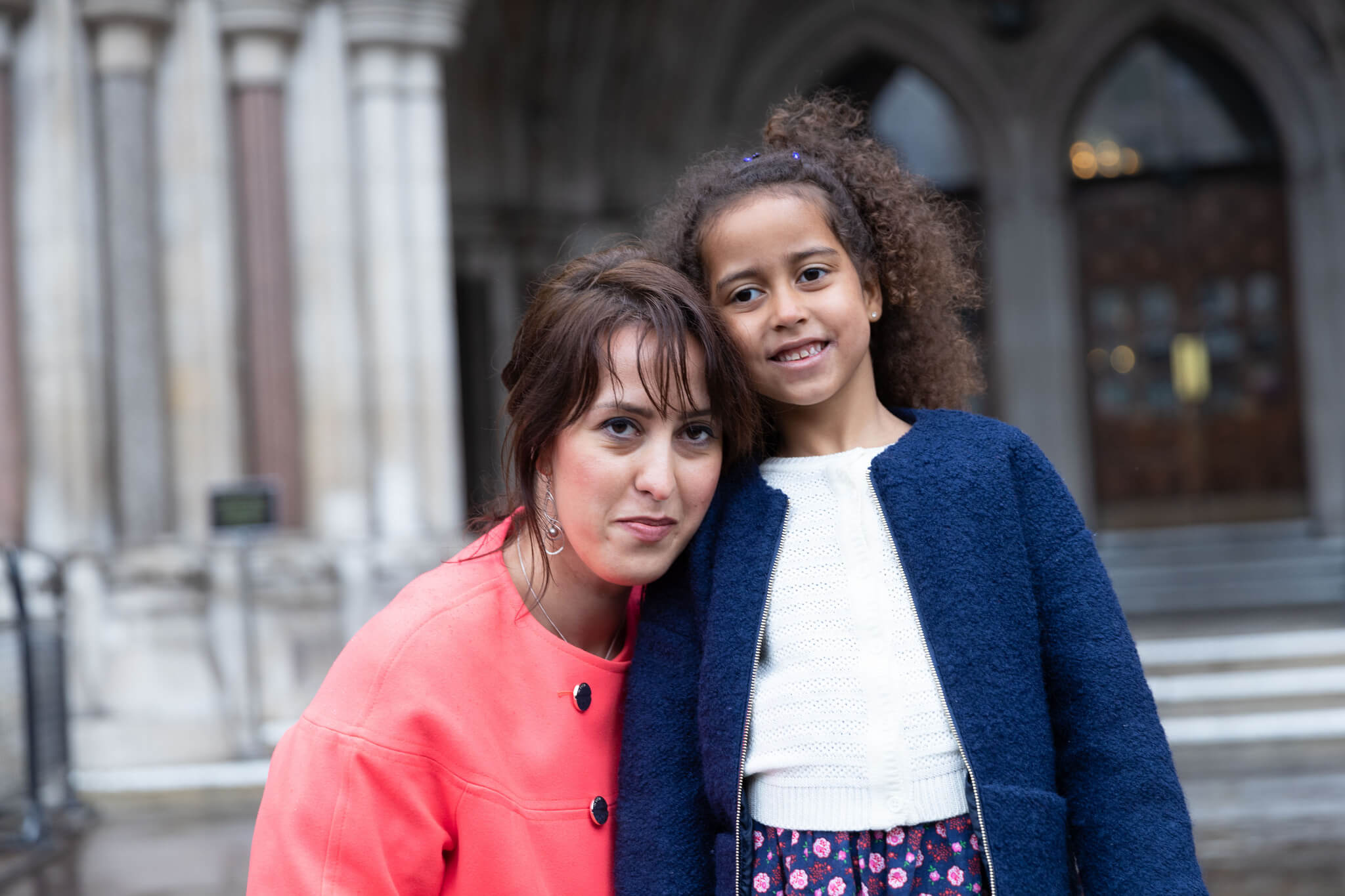
PICTURED: Isabel Vaughan-Spruce; Alina Dulgeheriu; Lois McLatchie Miller, ADF UK

Vindicated charity volunteer arrested for silent prayer in an abortion “buffer zone” testifies to Scottish Parliament 

  •  Isabel Vaughan-Spruce, who was arrested for praying silently in a viral video, asks Scottish parliament to protect freedom of thought in “buffer zones” bill 
  • Scottish proposal could ban prayer and pro-life conversations even inside houses within 150m or more of abortion facilities
  • Mother helped by pro-life volunteers also to testify to parliament against censorial “buffer zones” today

EDINBURGH (12 March 2024) – The charitable volunteer who was arrested for praying silently in a controversial “buffer zones” case in Birmingham will today testify to Holyrood about her experience of being prosecuted for a “thoughtcrime”. 

Isabel Vaughan-Spruce was seen being arrested on a viral video last winter when she said she “might be praying inside [her] head”. She was charged with “engaging in an act that is intimidating to service users” within the buffer zone of an abortion clinic – despite the clinic having been closed.   

She was later fully acquitted at Birmingham Magistrates Court after the prosecution could offer no evidence as to her thoughts. 

You are currently viewing a placeholder content from YouTube. To access the actual content, click the button below. Please note that doing so will share data with third-party providers.

More Information

"After having to clear my name in court, I was rearrested two weeks later being told ‘my prayers were an offence’.. I’m concerned that this will end up happening in Scotland. Nobody should be punished for a “thoughtcrime” - yet this proposed legislation could easily allow that to happen."

Vaughan-Spruce is expected to address the parliamentary Committee on Health, Social Care and Sports with the following remarks: 

“Since the implementation of the buffer zone in Birmingham, I have been arrested simply for standing silently near the closed abortion centre – the justification being that this was intimidating service users (I remind you it was closed, there were no service users). After having to clear my name in court I was rearrested two weeks later being told ‘my prayers were an offence’. I’m concerned that this will end up happening in Scotland. Nobody should be punished for a “thoughtcrime” – yet this proposed legislation could easily allow that to happen. 

We are all against harassment. We already have laws to prohibit that and all pro-life leaders would willingly work with any authority to condemn harassment.  

 But buffer zones go much further than only banning harassment – and instead criminalise helpful charity work or even prayer. The buffer zone has created a huge amount of division in our area, and many locals tell me that they are now fearful to share their beliefs with their neighbours. The community has become polarised and the buffer zone has fostered intolerance. I wholly recommend that the Scottish government protect freedom of thought and of speech in Scotland, and promote tolerance rather than censorship.” 

The architect of the “buffer zones” bill, Gillian McKay MSP of the Green Party, will also be a member of the parliamentary committee scrutinizing the bill and hearing testimonies from those impacted by it.  

The bill has recieved criticism from free speech advocates, who raise concern that the vague and ambiguous language of the text could crack down on peaceful conversation and even thought.

Scotland’s buffer zone bill is one of the most extensive crackdowns on pro-life thought and speech we’ve seen. As drafted, it could even ban prayer and peaceful pro-life speech within homes if they are situated sufficiently near an abortion facility. The proposal would also allow the 150m distance of the buffer zone to be expanded by local authorities to an unlimited extent. It is vital that the parliament take heed of the stories of Alina and Isabel, and uphold their duty to protect freedom of thought, offers of help, and consensual conversation,” said Lois McLatchie Miller, spokesperson for ADF UK in Scotland.

Mother helped by pro-life volunteers also to testify against censorial “buffer zones”

Also giving testimony to the committee today is Alina Dulgheriu, a mother who recieved help at her point of critical need outside an abortion facility in Ealing, London. 

Dulgheriu credits pro-life volunteers with empowering her to make her wanted choice to continue her pregnancy despite financial and social pressures placed on her to abort. 

Hear Alina’s story >>


You are currently viewing a placeholder content from YouTube. To access the actual content, click the button below. Please note that doing so will share data with third-party providers.

More Information

Dulgheriu has since established the “Be Here For Me” campaign, collecting testimonies of other women who have been positively impacted by the presence and services offered by charitable pro-life volunteers. Dulghieriu will call on the Scottish government to allow volunteers to continue the work that she views as “life-saving”. 

“I didn’t want an abortion but I was abandoned by my partner, my friends and society. My financial situation at the time would have made raising a child very challenging. Thanks to the help I was offered by a group outside of a clinic before my appointment, my daughter is here today. Stopping people from offering much-needed services and resources for women in my situation is wrong. Let them help,” Alina Dulgheriu, spokesperson for Be Here For Me, commented on the implementation of censorial “buffer zones”. 

"Thanks to the help I was offered by a group outside of a clinic before my appointment, my daughter is here today. Stopping people from offering much-needed services and resources for women in my situation is wrong. Let them help."

Images for free use in print or online in relation to this story only

Pictured: Isabel Vaughan-Spruce; Alina Dulgheriu