
- Sheriff Stuart Reid delivered ruling at hearing in Glasgow Sheriff Court yesterday morning, dismissing charges against Rose Docherty, 75
- ADF International coordinated Mrs Docherty’s legal defence
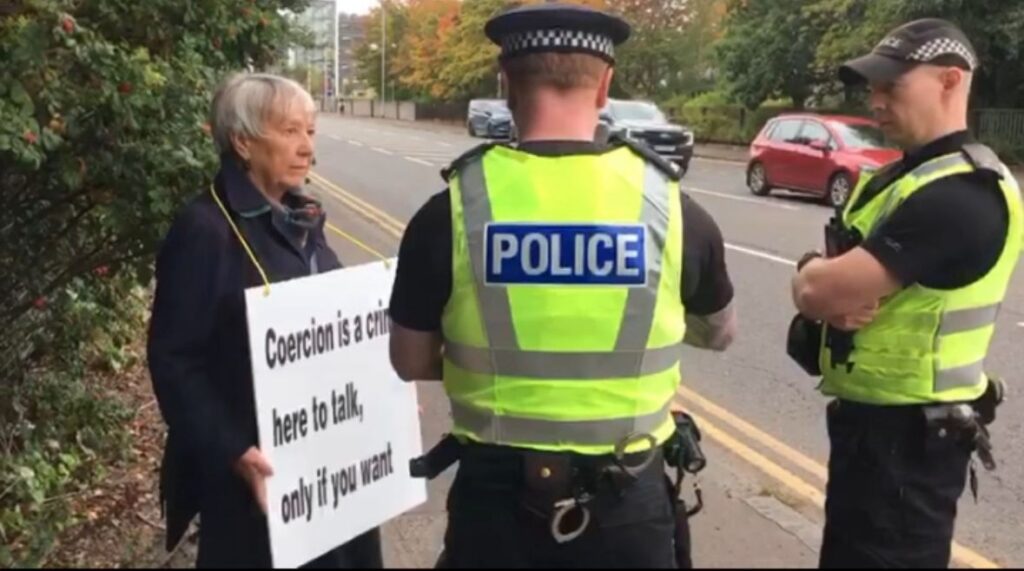
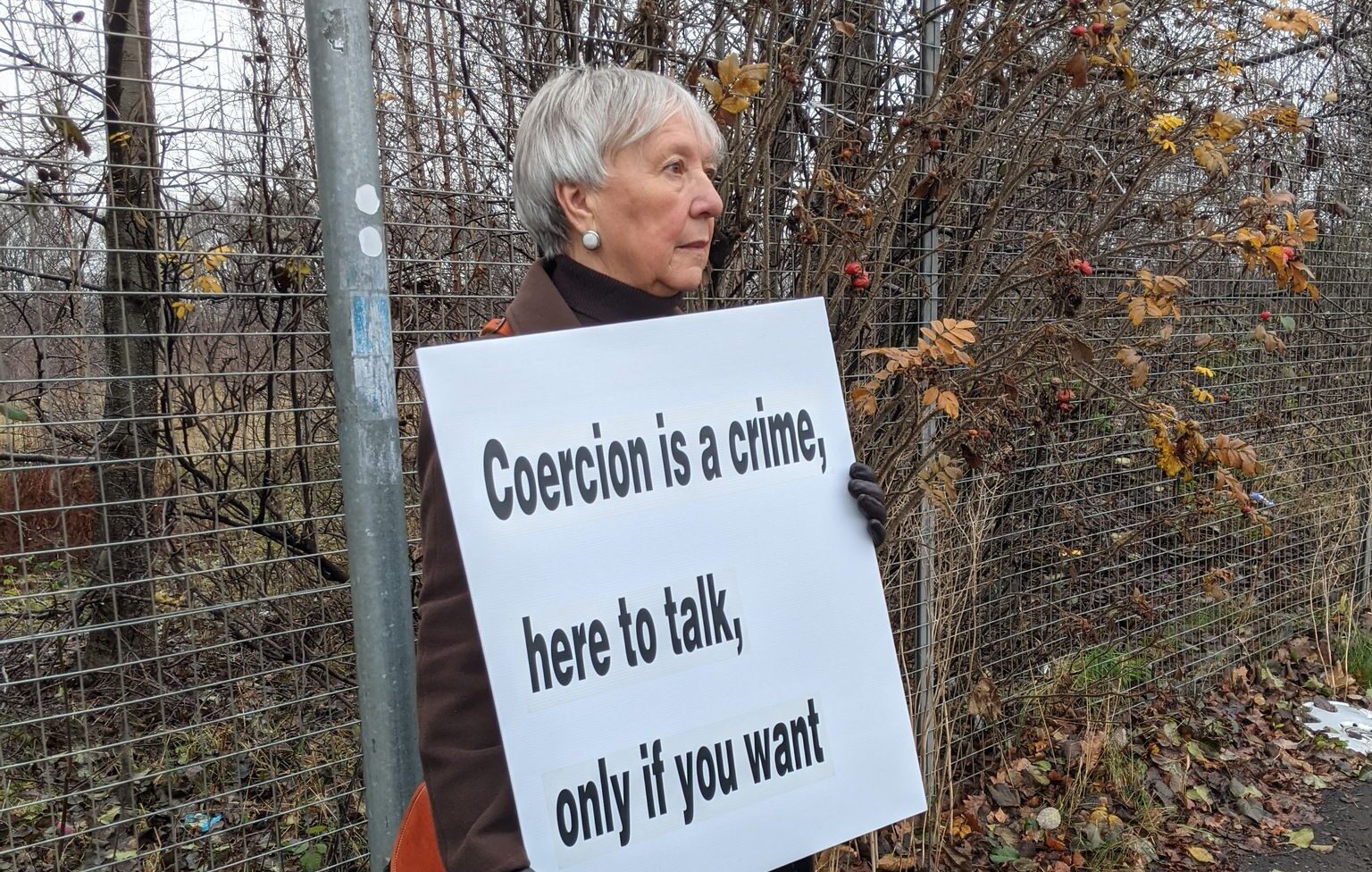
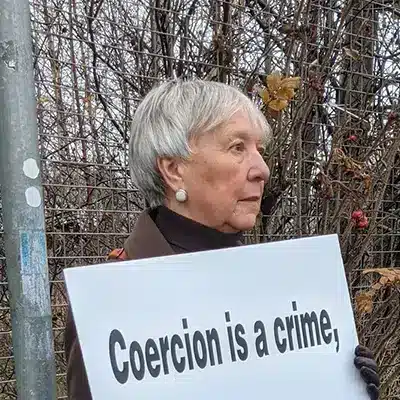
- Christian grandmother arrested last September for holding a sign that read: ‘Coercion is a crime, here to talk, only if you want’ outside a Glasgow hospital
GLASGOW (28 April 2026) – A judge dismissed criminal charges against a Glaswegian grandmother who was arrested for offering consensual conversation in a “buffer zone”, in a significant victory for free speech yesterday.
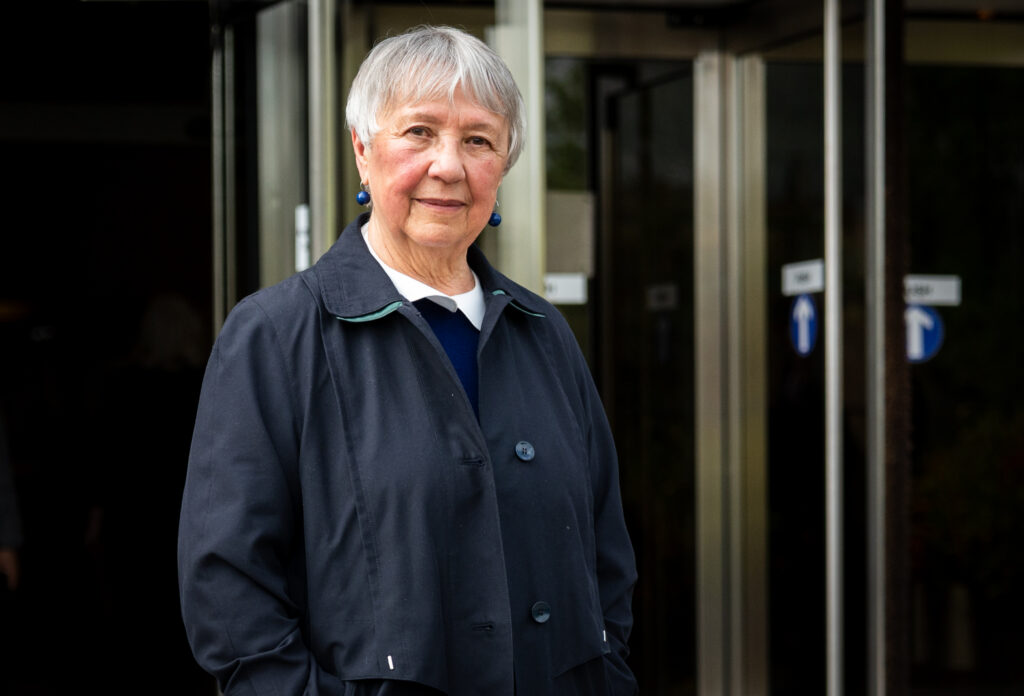
Sheriff Stuart Reid’s ruling, dismissing two charges of alleged “influencing” within a “buffer zone”, against Christian grandmother Rose Docherty, 75, was delivered at Glasgow Sheriff Court on Monday morning.
Mrs Docherty was the first person to be criminally charged under Scotland’s censorial 2024 “buffer zone” law. Mrs Docherty’s advocate Jamie McGowan was instructed by law firm Lindsays. Legal advocacy organisation ADF International coordinated her legal defence.
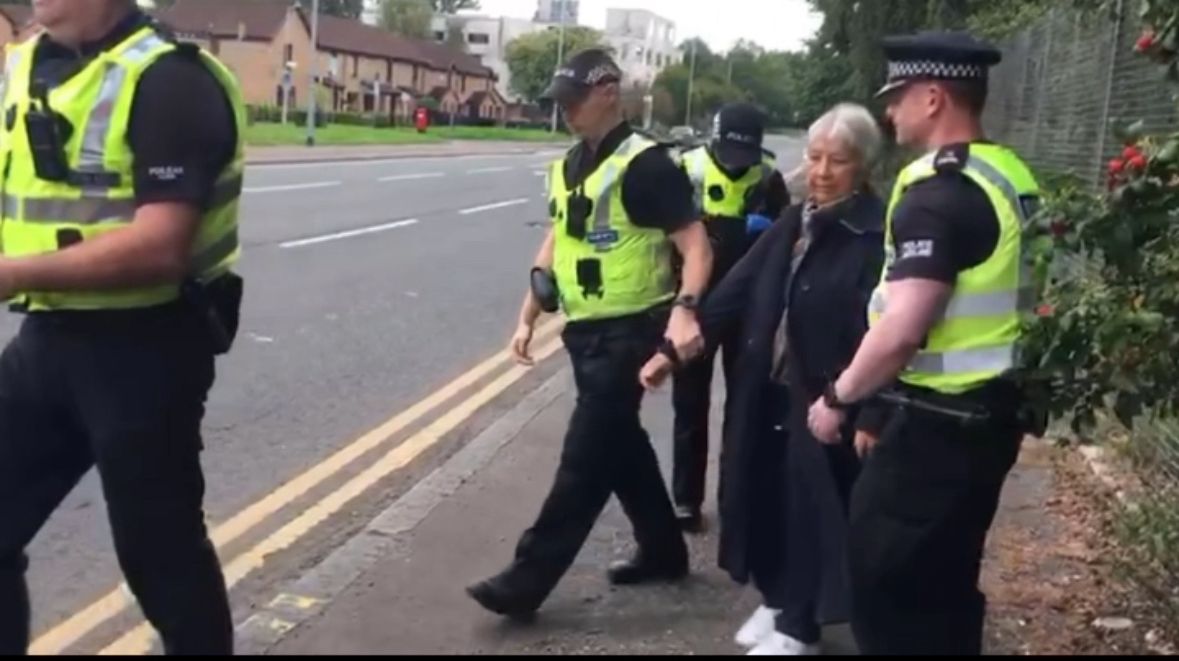
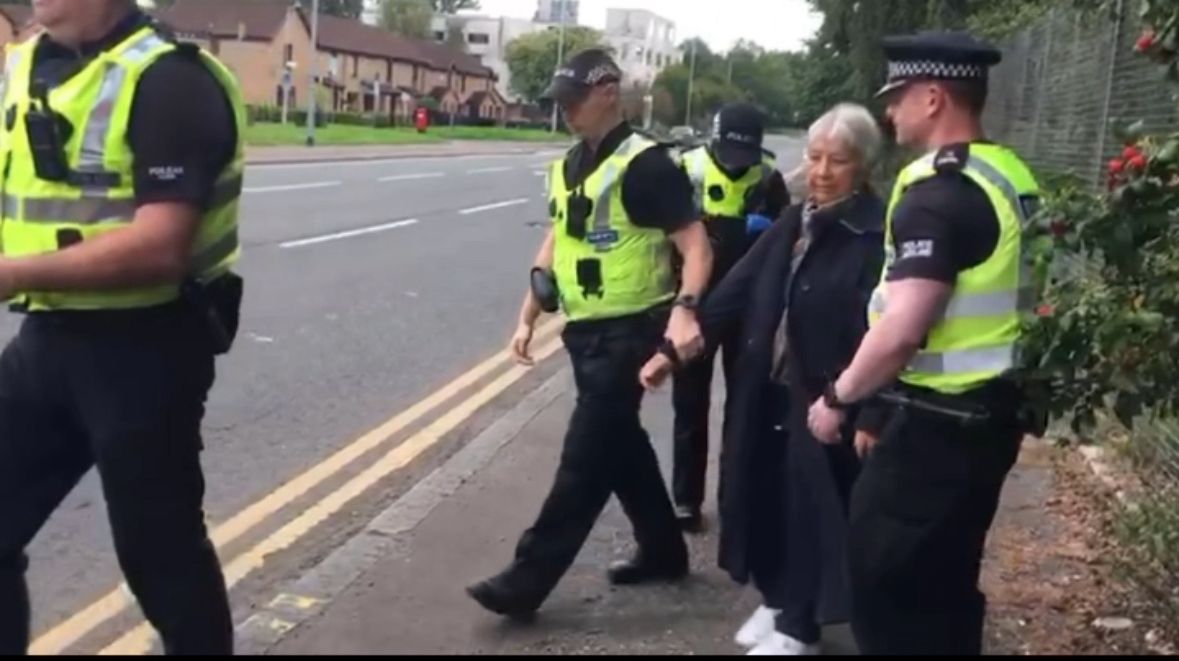
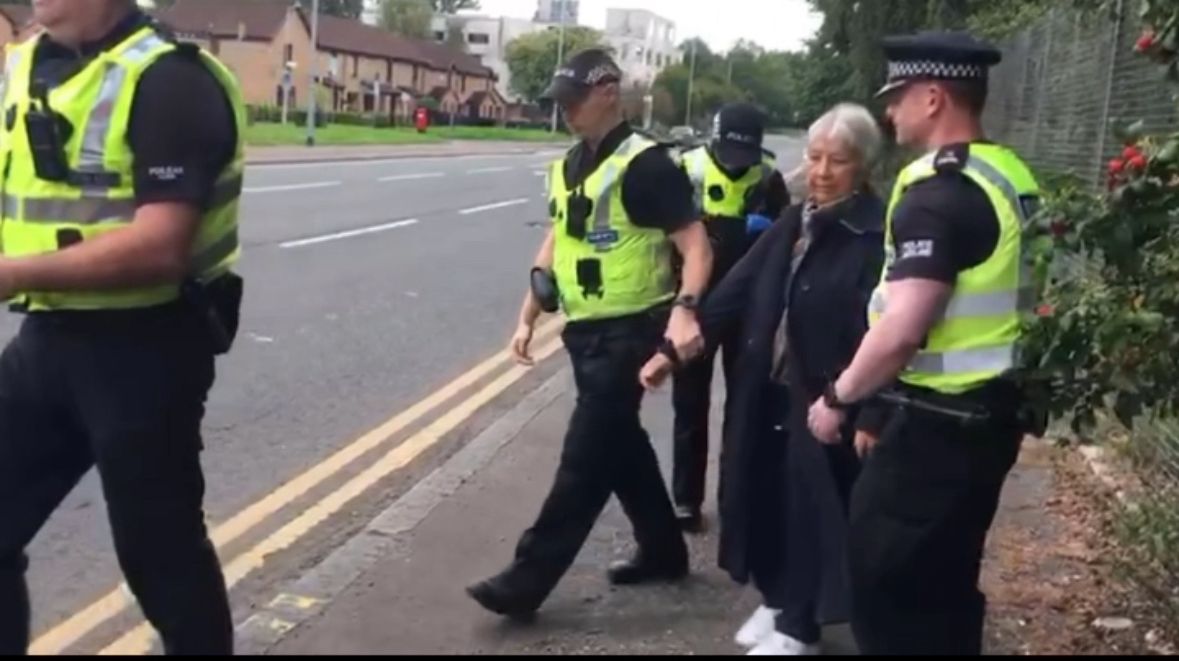
Mrs Docherty was arrested last September for peacefully offering to speak with people in the vicinity of the Queen Elizabeth University Hospital in Glasgow, in a “buffer zone”, and holding a sign that read: “Coercion is a crime, here to talk, only if you want”.
She did not approach anyone, did not speak about abortion, did not engage in any behaviour that was obstructing, harassing or intimidating and was not protesting.
Her censorial arrest sparked expressions of concern in the UK and around the world, including from the Scottish Catholic Bishops’ Conference and from the US State Department, who described it as “another egregious example of the tyrannical suppression of free speech happening across Europe”.
Scotland’s censorial 2024 “buffer zone” law forbids the “influencing” of anyone seeking to access “abortion services” and is enforced within 200 metres of every hospital. It is similar to Section 9 of the Public Order Act 2023, which introduced “buffer zones” around all abortion facilities in England and Wales.
Yesterday’s ruling followed a hearing on April 20, in which Mrs Docherty’s legal counsel argued that the charges against Mrs Docherty violated her Article 10 right to freedom of expression.
Mrs Docherty’s counsel noted that the charge against her was insufficiently clear and was not “prescribed by law”, since it failed to state or identify another person in the “buffer zone” that was present for the purpose of accessing, providing or facilitating the provision of abortion services, as is required by the law.
During the hearing on April 20, the Crown admitted that the presence of another individual within the zone who was accessing, providing or facilitating the provision of abortion services was an essential ingredient of the offence and, remarkably, conceded that they were still making enquiries as to how many people, if any, were influenced by Rose’s conduct within the zone.
Questioned by Sheriff Reid whether there was “any evidential basis to advance” a charge on the basis that Rose had influenced a person within the zone, the Procurator Fiscal responded, “not at the moment, but that might emerge after our further enquiries”.
Sherriff Reid concluded yesterday that the Procurator Fiscal had “failed to disclose an offence known to the law of Scotland” and dismissed the case pro loco et tempore, meaning the matter can be brought back should prosecutors bring improved evidence and decide that a prosecution continues to be in the public interest.
Last September was the second time Mrs Docherty had been arrested for peacefully offering consensual conversation in a “buffer zone”. Her first arrest for peaceful expression was on 19 February 2025, and the Procurator Fiscal later decided not to proceed with a prosecution in August.
Reacting to the ruling, Rose Docherty commented:
“This verdict is a major victory for free speech in Scotland and the UK. It shows that peacefully offering consensual conversation on a public street, which is all I have ever done, can never be a crime.
“Even though the verdict was a victory, the process in this case became a form of punishment for me. I was arrested last September and have faced seven months of criminal proceedings, merely for exercising my free speech rights. This should never happen in a free society.
“My case shows how ‘buffer zones’ are used by authorities to impose censorship. ‘Buffer zone’ legislation must be repealed in Scotland and across the UK to ensure it is not misused to target peaceful and lawful expression again in the future, as has now happened to me twice.
“The resources used by the authorities to target me, a 75-year-old grandmother, for offering to speak with people, have been totally wasted. Authorities should focus on tackling real crime in Glasgow, not censoring a Catholic grandmother.”
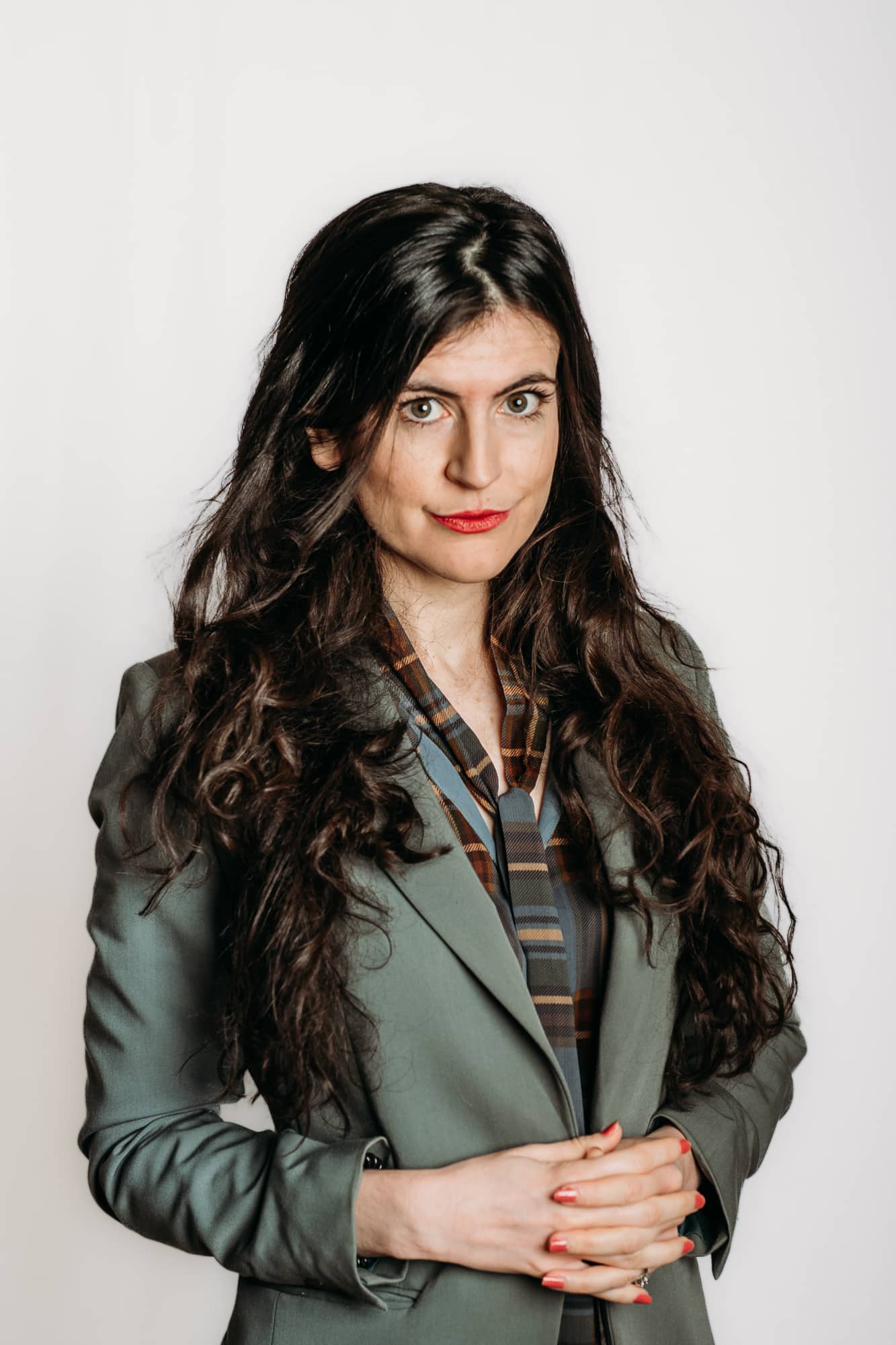
Barrister and Legal Counsel for ADF International, Jeremiah Igunnubole commented:
“Rose’s free speech rights have been vindicated by the court in a significant victory for freedom of expression in the United Kingdom.
“The prosecution of Rose has no place in a free and democratic society. No one should ever be criminalised for peaceful speech, least of all for making a peaceful and consensual offer to speak. It is bad enough to be prosecuted for exercising a fundamental right; it is far worse that the Crown Office and Procurator Fiscal Service brought these charges without conducting even the most basic investigative inquiries, such as establishing whether anyone had been criminally influenced by Rose’s conduct within the ‘buffer zone’.
“This prosecution is emblematic of the deepening free speech crisis in the UK. We call on the Crown Office and Procurator Fiscal Service, together with Police Scotland, to cease such targeted prosecutions and instead focus their resources on tackling the serious and growing crime problems Scotland faces.
“Above all, this case has starkly exposed the flaws in these poorly drafted, censorial, and undemocratic ‘buffer zone’ laws. They have created confusion for police officers and delivered injustice to Rose and others who have endured the humiliation of arrest, imprisonment, and prosecution simply for seeking to love their neighbour and exercise their rights in the gentlest manner possible.
“Parliament must act urgently to repeal these buffer zone laws and replace them with robust protections that genuinely strengthen freedom of expression.”
In a statement delivered outside court yesterday after the ruling, Mrs Docherty said:
“I was arrested, charged and prosecuted for nothing more than peacefully inviting consensual conversation in a public space that I was permitted to be in. When I was arrested, I was handcuffed, placed in the back of a police van and placed in a police cell for over two hours, without a chair to sit on.
“Simply for being available for the lonely, the afraid and the coerced, I have been treated like a violent criminal. But thankfully, today the charges have been dismissed. The judge ruled that the charges were irrelevant and that they were a breach of my Article 10 free speech rights.
“Thank you all for your support and prayers, thank you to ADF International and my entire legal team, who were brilliant. Nobody should be criminalised for consensual conversations and I’m glad that that truth has been vindicated here today.”
Background
Following her arrest last September, Mrs Docherty was held in custody for several hours. She was refused a chair to sit on in her cell, despite making it known that she had a double hip replacement.
The architect of Scotland’s 2024 “buffer zone” law, Gillian Mackay MSP, admitted on BBC Scotland that the vague prohibitions in the legislation could criminalise someone for praying visibly from a window in their home within the zone, “depending on who’s passing by the window”.
US Vice President JD Vance highlighted this law as a particular matter for concern in his Munich Security Conference speech in February last year.
In England, ADF International client Isabel Vaughan-Spruce faces trial in October for silently praying in the vicinity of an abortion facility. She is the first person to be criminally charged under Section 9 of the Public Order Act 2023—which introduced “buffer zones” around all abortion facilities in England and Wales.
Watch footage of Mrs Docherty’s arrest last year here.
Images for free use in print or online in relation to this story only
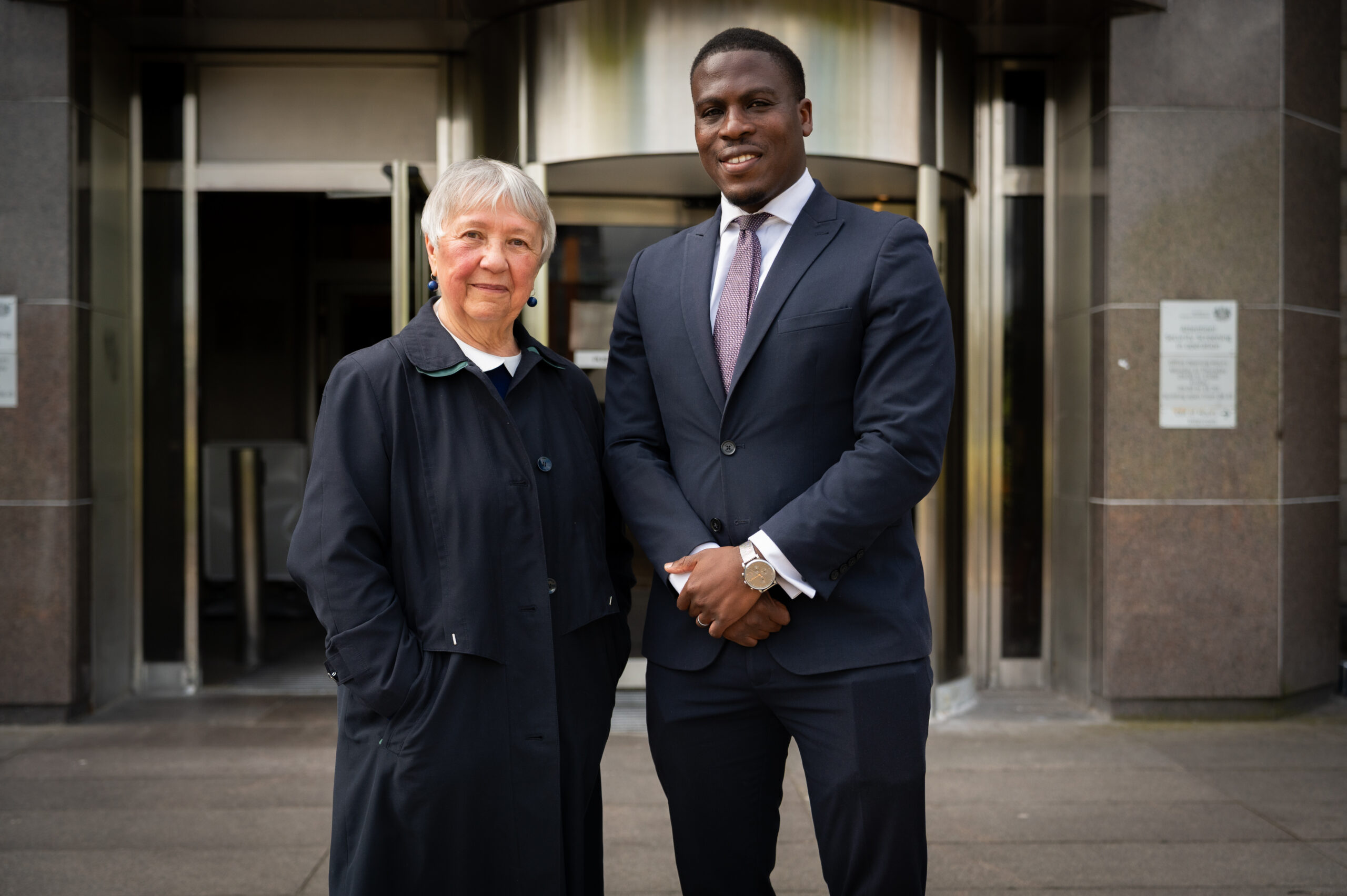
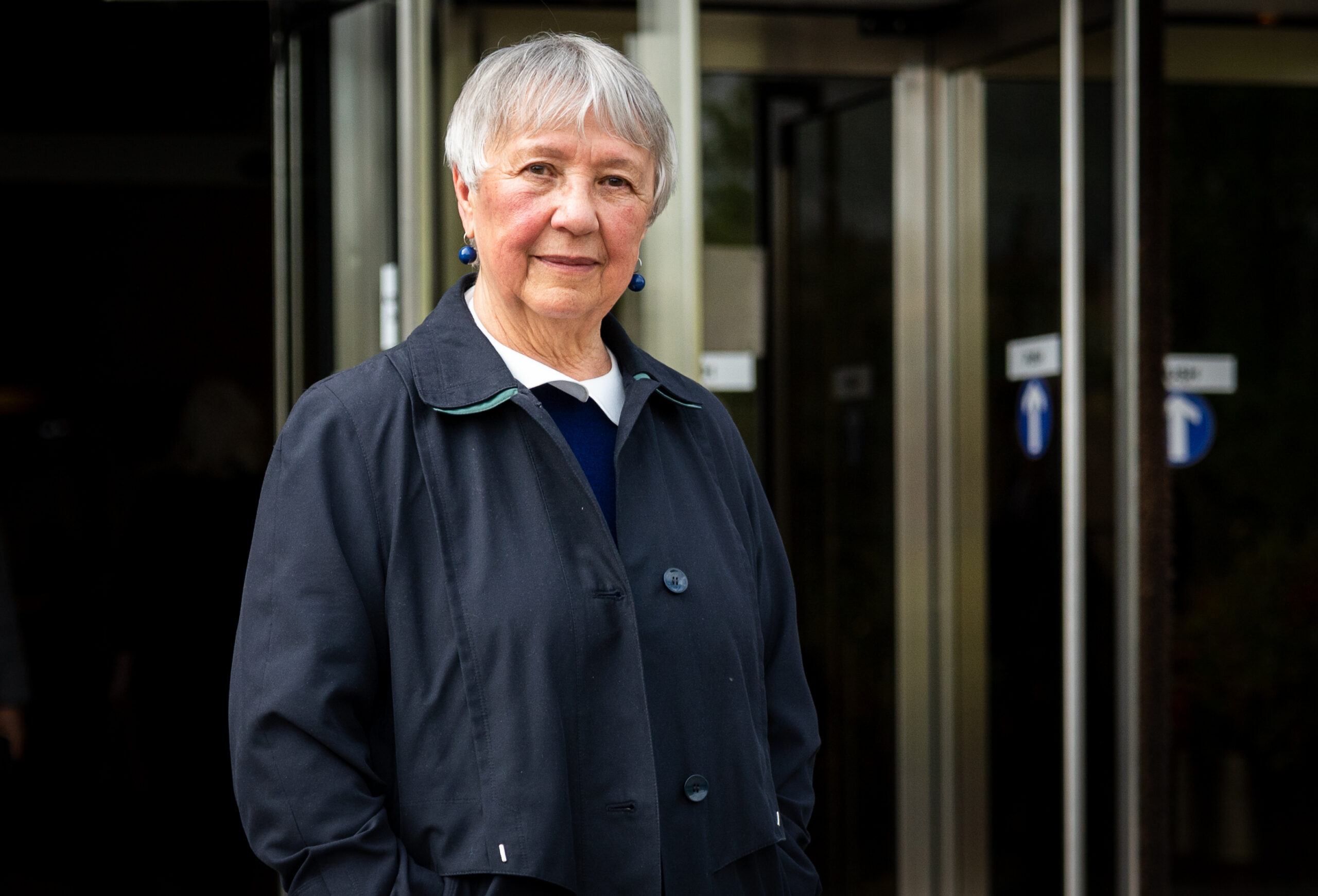
(First and second pictures: Rose Docherty and Legal Counsel for ADF International Jeremiah Igunnubole outside Glasgow Sheriff Court, following yesterday’s ruling; Rose Docherty outside the court)