
Nepalese clinic accused of coercing girls into egg harvesting, exposing exploitation in the fertility industry

  • Young girls in Nepal reportedly have been subjected to coercive egg retrieval procedures, exposing them to significant health risks, for use in assisted reproductive services.
  • ADF International supports legal action calling for intervention from the Supreme Court of Nepal; final hearing scheduled for 30 March.
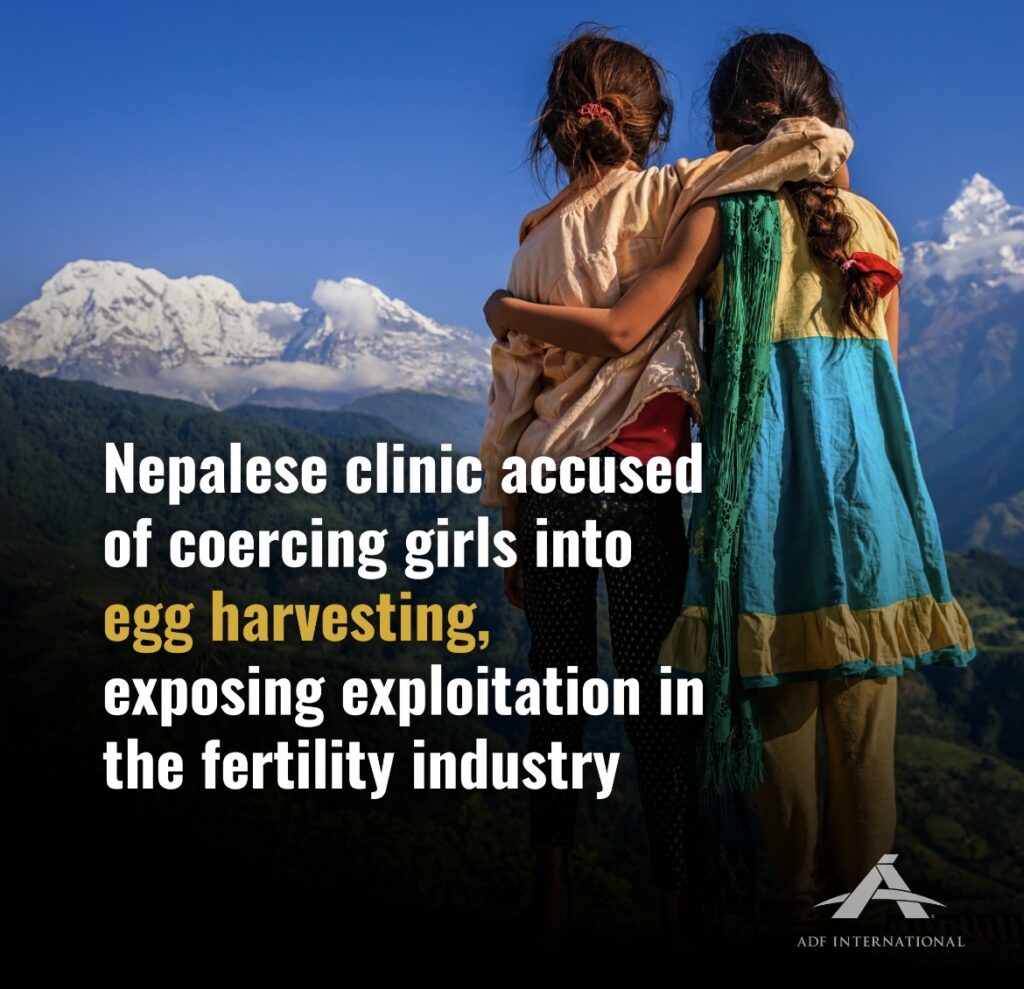
KATHMANDU (27 March 2026) — Young girls in Nepal reportedly have been subjected to coercive egg retrieval procedures in which their ova were harvested for use in fertility treatments, raising urgent human rights concerns. In August, the Supreme Court of Nepal was petitioned regarding the case of two girls and is expected to hold its final hearing on 30 March.

Petitioners, with the legal support of ADF International, have called on the Court to take immediate steps to protect vulnerable minors from fertility-related exploitation.

The petition, currently pending before Nepal’s highest court, states that the minors, both aged 17, were isolated from parental oversight, subjected to physical manipulation of their reproductive systems, deprived of food, rendered unconscious, and exposed to significant short and long-term health risks without a meaningful understanding of what was being done to their bodies or why.

The girls were transported, over a period of approximately ten consecutive days, to the Hope and Fertility Diagnostic Private Clinic in Kathmandu. Although no specific information is available on how the harvested eggs were to be used, the clear intention was to use them in assisted reproductive services.

Ova donation is often commercialized, with intended parents paying for eggs, and concerns have been widely raised about the heightened risk of exploitation in parts of the developing world where economic vulnerability can be leveraged.

Following the procedure, an individual associated with the harvesting clinic transferred NPR 10,000 (approximately 69 USD) to the bank account of a third party linked to one of the victims. The victims reportedly experienced excessive bleeding, loss of appetite, and psychological distress, leading their parents to file complaints with Nepal’s Human Trafficking Bureau and Criminal Investigation Bureau.

“What has happened to these Nepalese girls exposes the dark side of the fertility industry, especially in the developing world. The exploitation of minors through invasive egg retrieval procedures is deeply disturbing. The girls could never have given meaningful consent, and the apparent targeting, coercion, and medical abuse described in this case demand urgent scrutiny,” said Tehmina Arora, Director of Advocacy for Asia at ADF International.

The Supreme Court now has a critical opportunity to recognise the gravity of these abuses and ensure that Nepal puts in place a clear and stringent legal framework to prohibit coercive reproductive procedures, sending a clear message that the exploitation of vulnerable girls will not be tolerated. The fertility industry must not be allowed to operate in violation of basic human rights”.

Previously, the Office of the Attorney General declined to initiate criminal proceedings, citing the absence of an explicit statutory prohibition for the practice of minor egg harvesting. The Attorney General further justified the decision not to prosecute by relying on the clinic’s IVF authorization and licensing validity, in addition to the view that the Nepalese Children’s Act does not explicitly categorize the alleged acts as violence or sexual abuse. The Attorney General also cited a lack of evidence that the girls were brought in against their will, even though minors cannot give meaningful consent to such procedures.

The Supreme Court has been petitioned to challenge both the decision of the Attorney General and the subsequent inadequate regulatory measures (the Standards for the Operation of Infertility Management Services) introduced by the government.

The petitioners have asked the Court to recognize these procedures as crimes against children, amounting to child trafficking, sexual violence, and reproductive exploitation. They seek urgent judicial intervention on the grounds that the alleged egg harvesting was carried out through inducement and deception of the minor girls.

Background

According to the petition before the Supreme Court, both girls were reportedly identified through advertisements on social media and then approached and influenced by agents who transported them to the clinic, where they were subjected to invasive hormonal stimulation and ova extraction.

The petition details that the medical practitioners closely monitored the girls’ menstrual cycles, conducted ultrasound examinations, follicle counts, hormonal testing, daily injections, and repeatedly gave the impression that the extraction was a simple procedure.

At no stage were the minors provided with accurate or age-appropriate information regarding the nature, purpose, risks, or potential consequences of the procedures, in violation of the  Medical Council Code of Ethics of Nepal, which states that informed consent is a prerequisite for any medical intervention, and, for minors, the consent of a parent or legal guardian is mandatory. The procedures were carried out without the girls’ parents’ prior knowledge, and the girls’ and their parents’ identities were altered, and their ages were misrepresented in official documentation.

The first petition was filed before the Supreme Court of Nepal on August 18, 2025. It is supported by two additional petitions. The Court has been asked to assess these abuses in light of the Constitution of Nepal, the country’s criminal laws, and the Children’s Act, in addition to the principle of the best interests of the child.

This case reflects the changing dynamics of human trafficking, where vulnerable young girls are exploited through reproductive abuse and treated as commodities for profit. We have urged the Court to recognize such acts as trafficking and reproductive exploitation. The interim ban is an important step, but justice will only be served when every perpetrator is held accountable, and every victim’s dignity is restored,” stated Dhruba Bhandari, advocate for the petitioners and allied lawyer of ADF International.

The Court has issued an interim stay on all further egg extraction processes for minors pending further orders.

WIN: Court dismisses charges against Brazilian veterinary student facing 10 years in prison for “transphobic” social media posts  

  • Brazilian Federal Regional Court unanimously clears Isadora Borges of all charges of “transphobia.”

  • ADF International provides legal support to Borges and other similar cases as Brazil’s censorship crisis escalates.

BRASÍLIA (13 March 2026) — Yesterday, a Brazilian Federal Regional Court ruled in favor of Isadora Borges, a veterinary student charged with “transphobia” for her social media posts. Under these charges, Borges faced a potential prison sentence of four to 10 years for content posted to X (then Twitter) in 2020.

The Federal Regional Court of the 5th Circuit unanimously decided to dismiss all charges and close the case. In its reasoning, the Court stated that Borges’ X comments did not contain any attack, threat, or hostility towards individuals who identify as “transgender,” nor did they incite violence, lacking the intentional element required in criminal law to sustain a conviction for “transphobia”.

The court’s decision brings me great relief and hope that free speech will be protected in Brazil,” said Borges. “The truth matters. Stating biological facts in a post should never result in prison time. All Brazilians deserve to speak freely and stand for what they believe in, even if their views differ from those in power.”

“The truth matters. Stating biological facts in a post should never result in prison time. All Brazilians deserve to speak freely and stand for what they believe in, even if their views differ from those in power."

With this decision, the Court sets an important legal precedent that opinions, such as those shared by Borges, are not grounds for criminal charges for “transphobia”.  

This is the first time that a federal court in Brazil has been called upon to decide on the merits of the criminalization of speech based on a “transphobia” accusation.  

“We commend the court for its decision in Isadora’s favor. This is a promising win for freedom of speech in Brazil, but this never should have happened in the first place. Even when charges are dismissed, the effect of this kind of censorial overreach is to chill speech across the entire country as people watch what they say for legitimate fear of criminal prosecution,” said Julio Pohl, legal counsel at ADF International.  

“Censorship cases similar to Isadora’s are ongoing and continuing to emerge in Brazil. We must continue to push back against the rampant censorship we have seen in the country, until no Brazilian fears being punished for peaceful expression.” 

Background

In November 2020, Borges made two posts on X (then Twitter), peacefully expressing her views on gender ideology. One comment stated that “transgender” women “were obviously born male.” Another stated: “A person who identifies as transgender retains their birth DNA. No surgery, synthetic hormone, or clothing change will change this fact…”

Her comments quickly gained attention online, and prompted Erika Hilton, a self-described “transgender” politician, to report Borges for “transphobia” to the federal police. Hilton was recently elected as president of Brazil’s Women’s Rights Defense Commission (a congressional committee), an act that further exemplifies the spread of gender ideology with a male assuming a key role intended for a woman.

In September 2025, Borges was notified of the criminal charges brought against her. She was accused of two counts of “transphobia,” with each count carrying a punishment of two to five years in prison.

At a hearing in February 2026, the judge indicated that the comments appeared to reflect personal opinions rather than discriminatory intent and granted the defence five days to submit written conclusions, allowing for further consideration of the legal and factual issues before any decision was made.

In a parallel process, Borges’ legal team filed a habeas corpus defense before the Federal Regional Court of the 5th Circuit, asking the court to review whether the prosecution and the decision of the lower court judge could proceed. With yesterday’s judgment by the Regional Court, the lower court case is rendered moot.

ADF International provided legal support to Borges in defense of her fundamental right to freedom of expression and that of all Brazilians.

Growing Pattern of Censorship in Brazil

Since a 2019 ruling by Brazil’s Supreme Federal Tribunal equated “homophobia” and “transphobia” with the crime of racism, without legislation passed by Congress, individuals across Brazil increasingly have faced criminal investigations and prosecutions for peaceful expression.  

In 2025, social media influencer Isabella Cepa faced criminal investigations for her online post about gender ideology. Similarly, Nine Borges (not related to Isadora Borges) is under criminal investigation for “transphobia” for content posted to Instagram. 

In another case, Assemblies of God Pastor Douglas Baptista faced criminal charges for authoring a book with a Christian view of sexuality. Charges in his case were dropped, but they remain evidence of the broader, chilling trend of government efforts in Brazil to censor peaceful online expression. 

ADF International also represents five Brazilian legislators (Senator Eduardo Girao and members of the Chamber of Deputies Marcel Van Hattem, Adriana Ventura, Gilson Marques, and Ricardo Salles) before the Inter-American Commission on Human Rights. The legislators are challenging violations of their free speech rights before the Commission. They claim violations of their freedom of expression as a result of escalating state censorship, which reached a head with the 2024 X ban in Brazil. Censorship in Brazil has been a persistent and escalating problem since 2019.

Images for free use in print or online in relation to this story only

Europe’s Top Court Rejects Case of Christian Parents in Sweden Seeking Reunification with Daughters after 3 Years Separation

  • The daughters have been separated from their parents, and each other, since December 2022, absent any evidence of abuse, and despite deteriorating health conditions in foster care and repeated wish to be reunited.

  • European Court of Human Rights deems case inadmissible on the grounds of failure to exhaust legal remedies in Sweden.

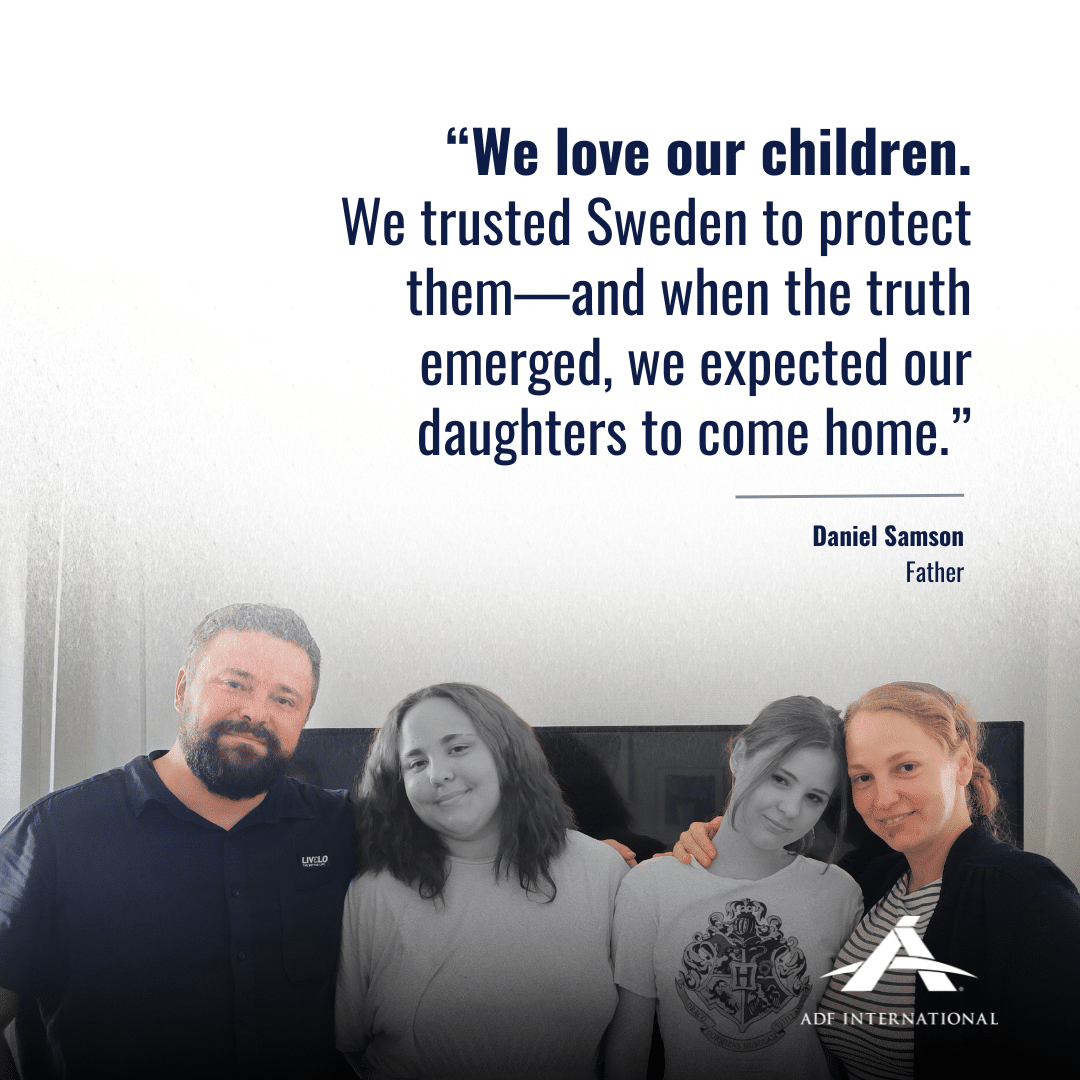
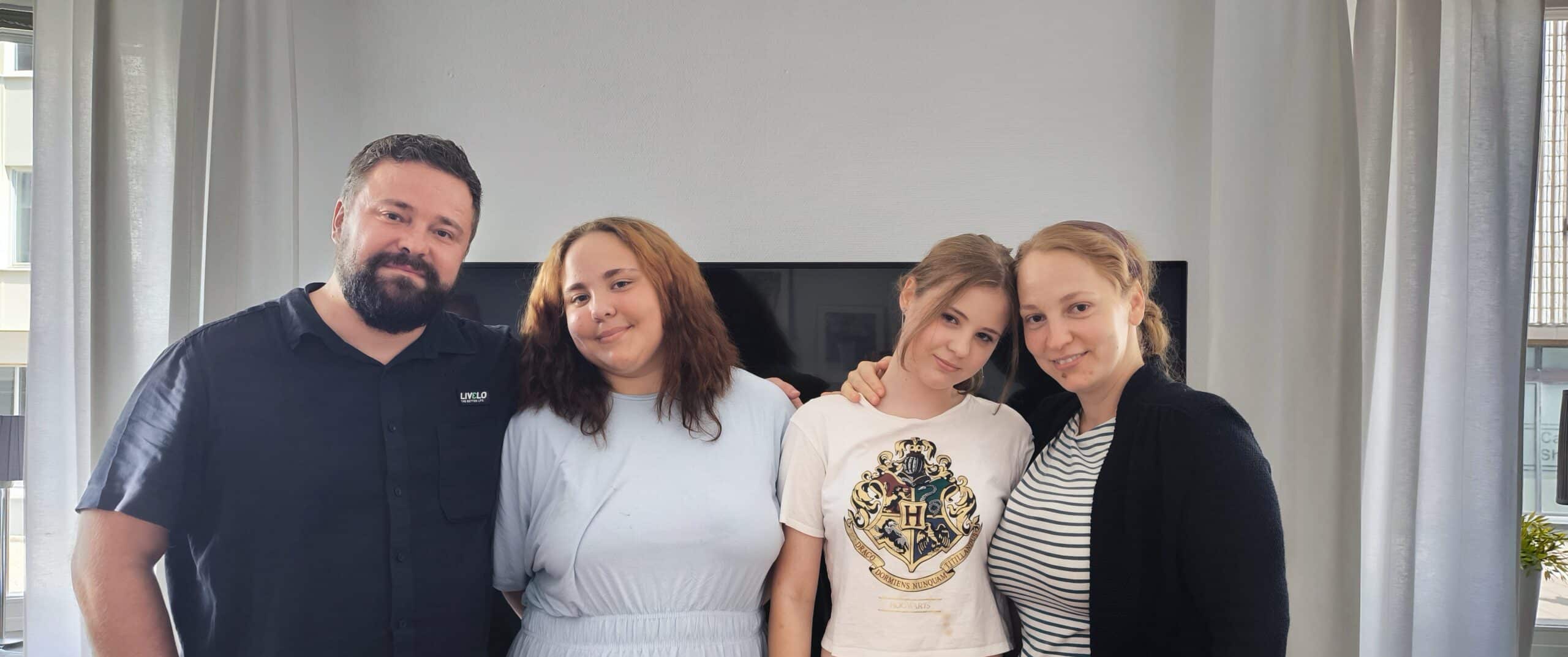
STRASBOURG (10 March 2026) – The European Court of Human Rights (ECtHR) has ruled a case brought by Christian parents Daniel and Bianca Samson against Sweden as inadmissible. The parents were seeking justice before the court to regain custody of their daughters, claiming a severe violation of their parental rights. The decision of inadmissibility is final and cannot be appealed. ADF International lawyers are now reviewing the decision together with the parents and assessing possible next steps.

The two eldest daughters of the Samson family were taken by the state in December 2022 after the eldest made a false report at school over her parents’ refusal to give her a phone and allow makeup, prompting allegations of “religious extremism,” even though she promptly retracted. The daughters have been separated from their parents, and each other, since December 2022, even though the state found no evidence of abuse. 

“Parents have the primary responsibility and right to raise their children. When the state interferes with family life based on values-based parenting choices or discrimination on the basis of faith, fundamental freedoms are at stake."

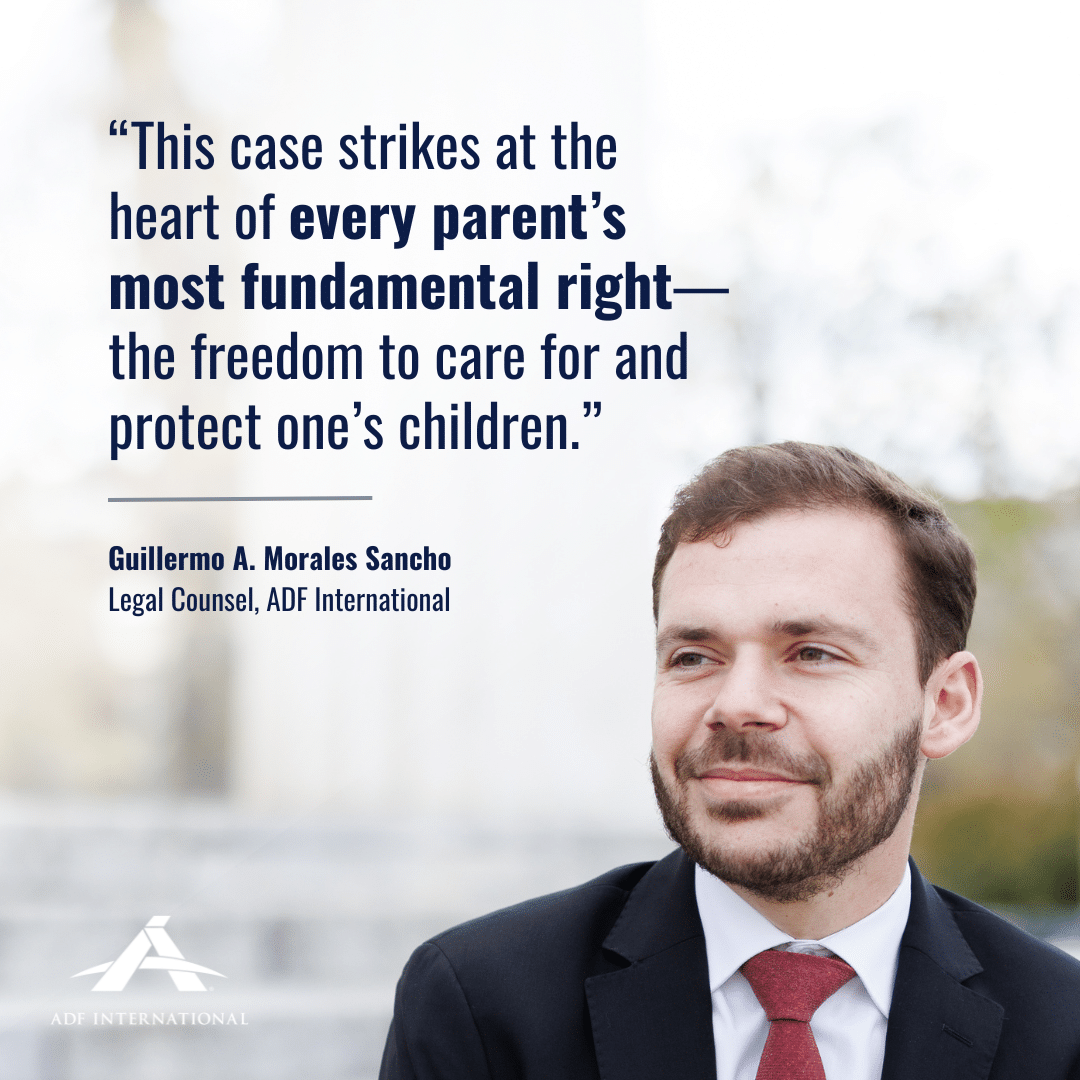
We deeply regret the Court’s decision to reject this case, considering that this family has been torn apart for over three years despite a full investigation that cleared Mr. and Mrs. Samson of any abuse and the fact that the Social Services certified their capacity and fitness for parenting after they successfully completed an official training. Families should be free to live according to their convictions without fear of losing their children to the state, said Guillermo A. Morales Sancho, Legal Counsel for ADF International. 

The European Court of Human Rights deemed the case inadmissible on the grounds of failure to exhaust legal remedies in Sweden, despite the legal team’s assessment that there were no further options for domestic recourse. 

Specifically, the Court indicated that it did not consider there to be an apparent violation of the right to respect for private life under the European Convention on Human Rights. It further suggested that questions relating to freedom of religion may be raised before national courts, an option the Samsons may now pursue. 

Background 

The couple of Romanian origin, who had been residing in Sweden for close to a decade, claim that Swedish authorities ignored the best interests of their children by refusing to reunite the family. The forced separation continued even after all allegations against the parents were dropped and prosecutors found no evidence of abuse. The case raises serious concerns about delays, overreach, and possible discrimination against Christians in Sweden’s child welfare system. The state has cited the family’s regular attendance at church three times a week to corroborate accusations of “religious extremism,” despite the fact that this simply reflects their religious beliefs and is a protected action under international human rights law. 

The Samsons currently are only allowed one supervised visit per month. This is complicated by the fact that the girls are placed in different foster care homes far away from each other. 

See our case page for more information: https://adfinternational.org/cases/samson-family  

Images for free use in print or online in relation to this story only