
Crown Office backs down following free speech victory of Scottish Christian grandmother cleared in court for offering consensual conversation in ‘buffer zone’

  • Rose Docherty, 75, was cleared in court on 27 April, following arrest for offering consensual conversation
  • Scottish prosecutor had one week to appeal ruling, which expired earlier this month
  • With ADF International’s support, Mrs Docherty is now considering all options to prevent the recurrence of her arrest and treatment, including legal action against the police
GLASGOW (22 May 2026) – The Crown Office has backed down and refused to appeal the case of a Glaswegian Catholic grandmother, who was cleared in court after offering to speak with people in a “buffer zone”.

Rose Docherty, 75, was cleared at Glasgow Sheriff Court on 27 April, when the judge dismissed two criminal charges of “influencing” against her, in the first ever victory under censorial national legislation introducing abortion facility “buffer zones” in the UK.

In a development that reinforces last month’s free speech victory, the Crown Office and Procurator Fiscal Service, Scotland’s public prosecutor, has refused to appeal the ruling and is now timed out of doing so.

They had one week to appeal the ruling, which expired on Tuesday 5 May. ADF International coordinated Mrs Docherty’s legal defence.

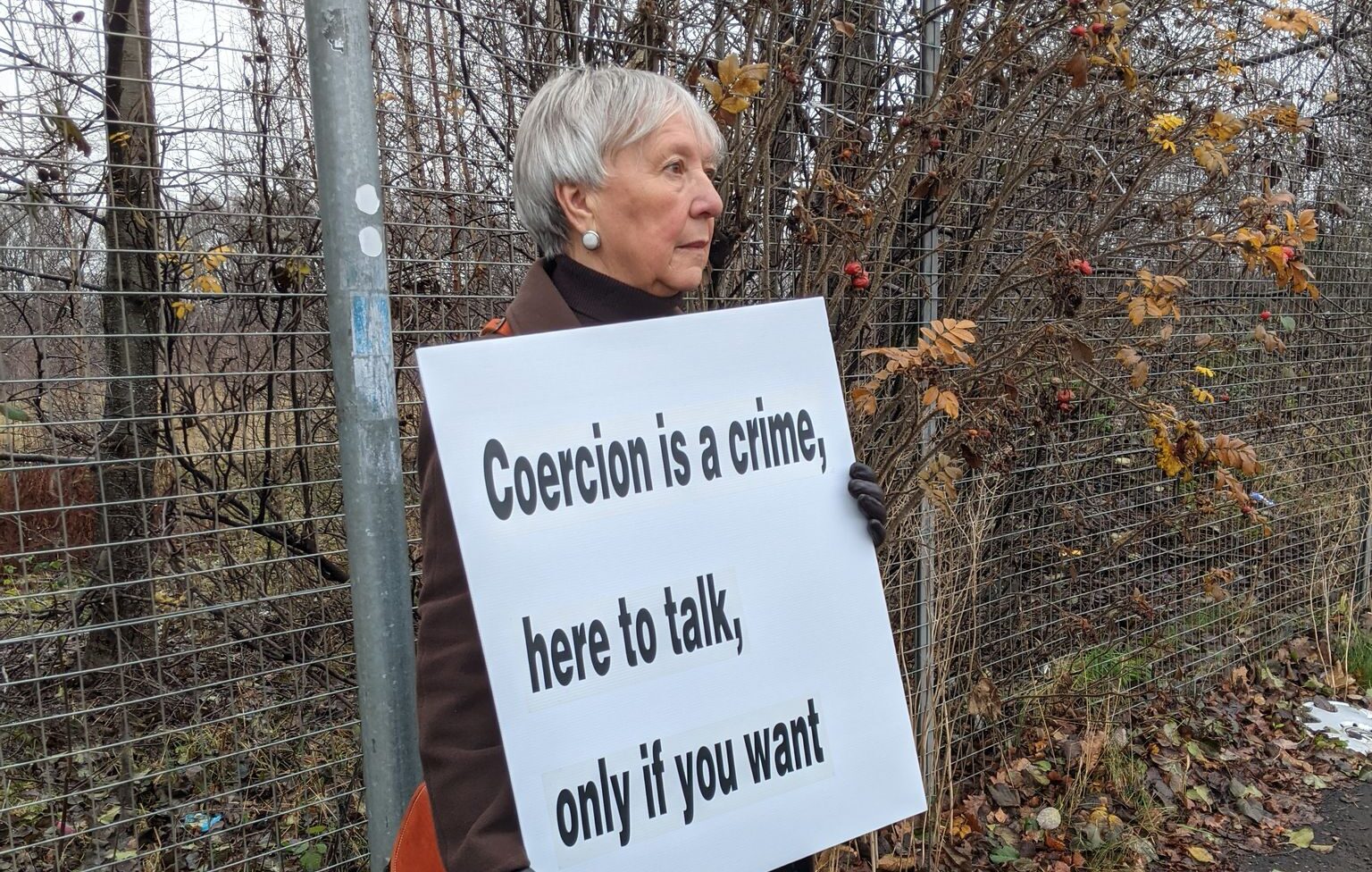
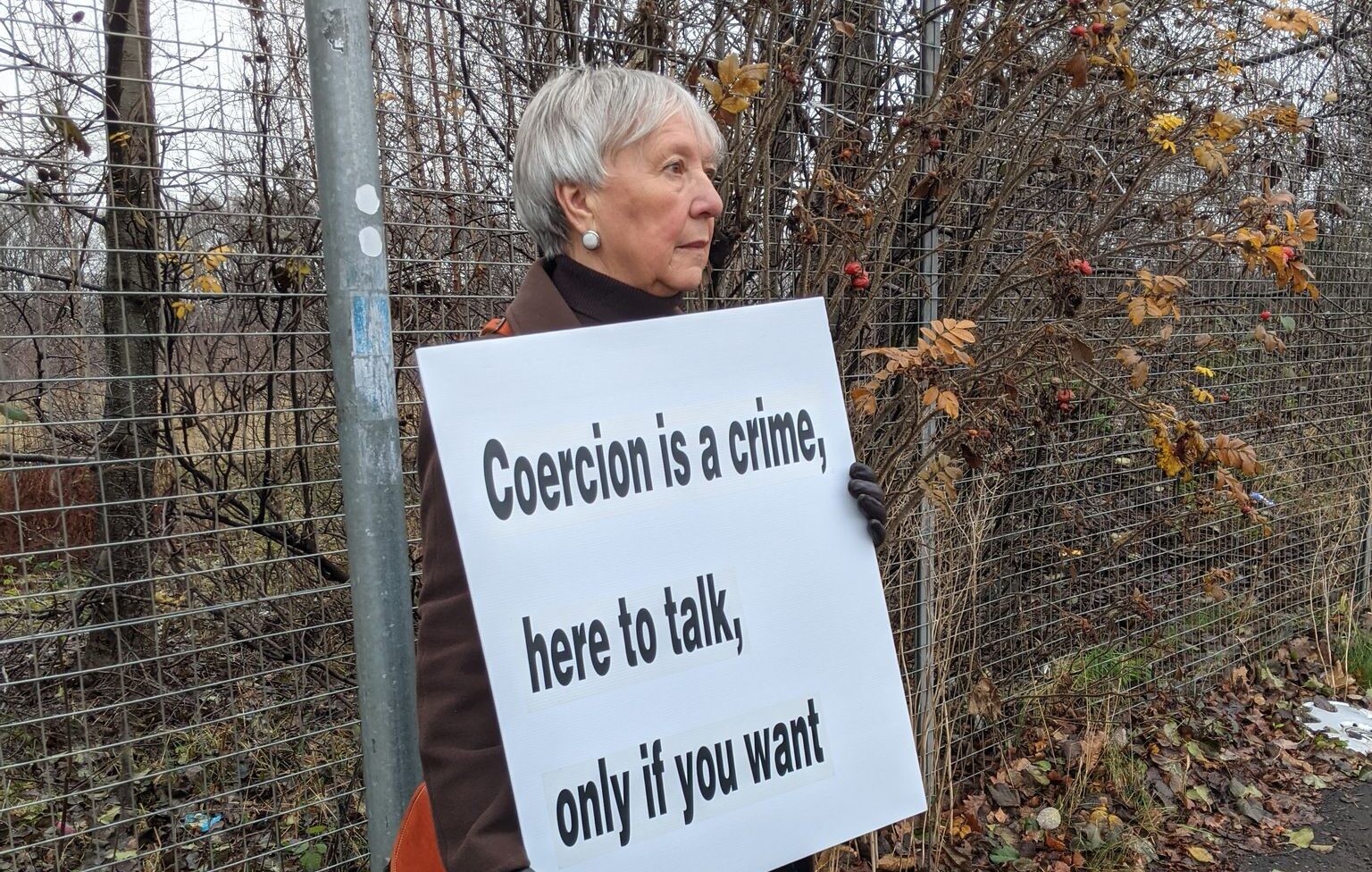
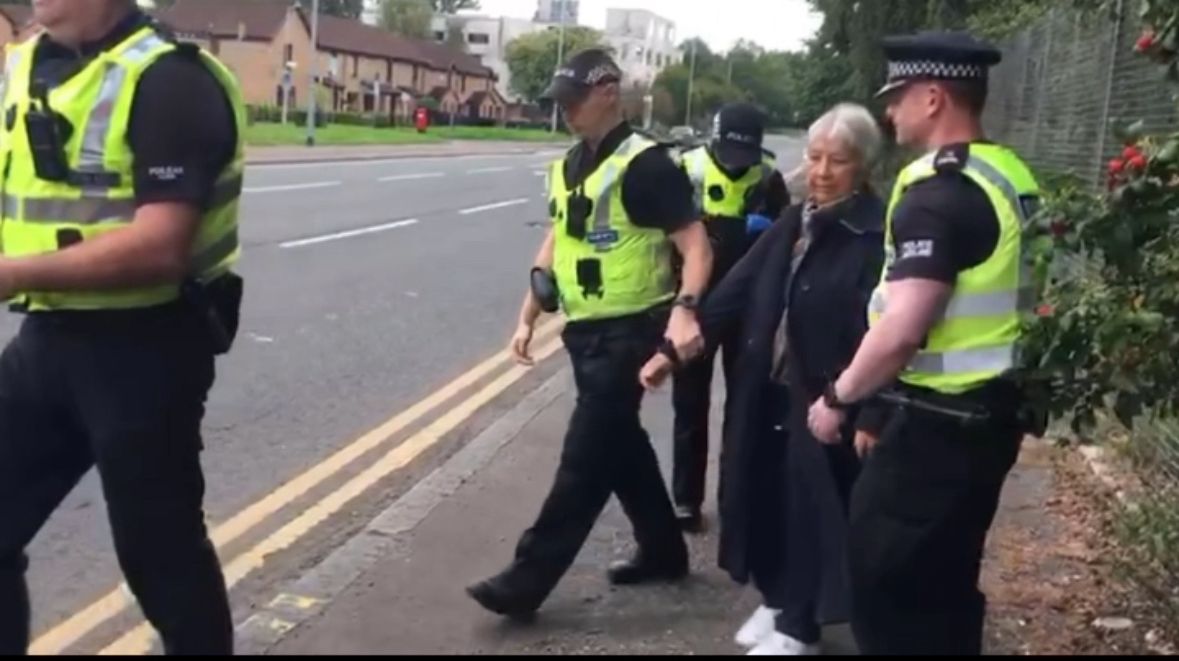
The 75-year-old Christian grandmother was arrested last September merely for offering to speak with people in the vicinity of the Queen Elizabeth University Hospital in Glasgow and holding a sign that read: “Coercion is a crime, here to talk, only if you want”, leading to outcry across the world, including from the US State Department.

She did not approach anyone, did not speak about abortion, did not engage in any behaviour that was obstructing, harassing or intimidating and was not protesting.

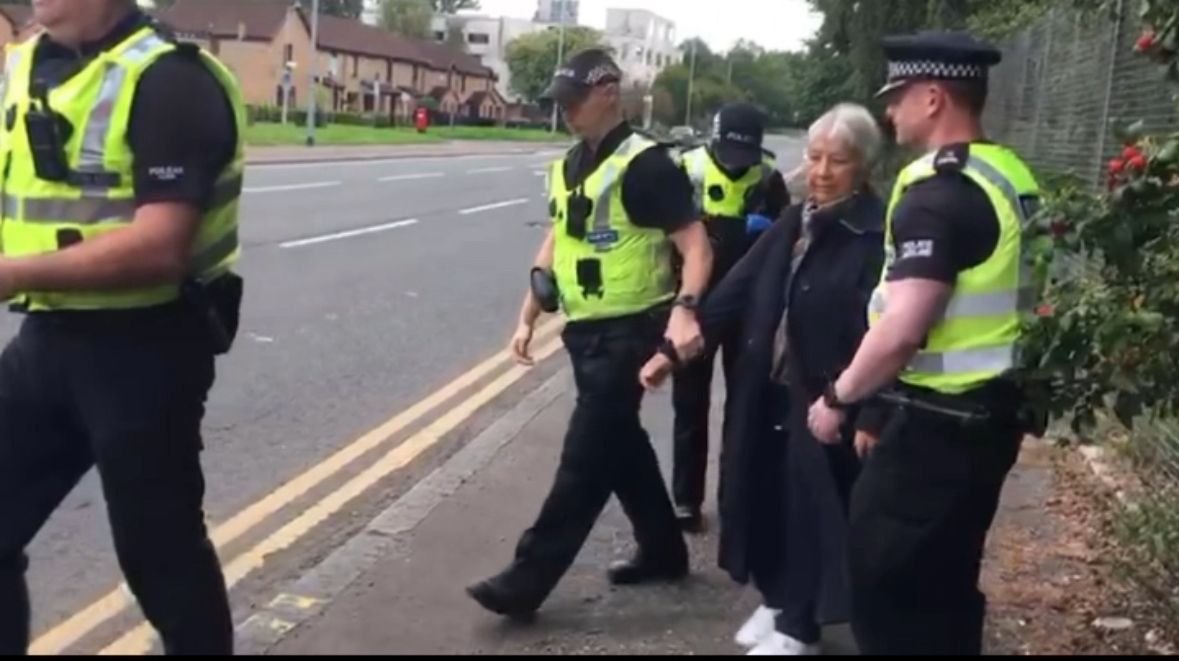
Following her arrest, Mrs Docherty was held in custody for several hours. She was refused a chair to sit on in her cell, despite making it known that she had had a double hip replacement.

With ADF International’s support, Mrs Docherty is now considering all options to prevent the recurrence of her arrest and treatment, including legal action against the police

Last September was the second time Mrs Docherty had been arrested for peacefully offering consensual conversation in a “buffer zone”. Her first arrest for peaceful expression was on 19 February 2025, and the Procurator Fiscal later backed down and decided not to proceed with a prosecution in August, in a free speech win.

“Peaceful expression, which is protected by national and international law, can never be a crime."

Mrs Docherty was the first person to be criminally charged under Scotland’s 2024 “buffer zone” law, which forbids the “influencing” of anyone seeking to access, provide or facilitate abortion and is enforced within 200 metres of every hospital where abortions occur. There are similar “buffer zone” laws in England and Wales and Northern Ireland.

On 27 April, Sheriff Stuart Reid dismissed two charges of “influencing” against Mrs Docherty, ruling that the charges violated her Article 10 ECHR right to freedom of expression.

Sheriff Reid found that the charges were not “prescribed by law”, since they failed to state or identify another person in the “buffer zone” that was present for the purpose of accessing, providing or facilitating abortion, and who was criminally “influenced” by Mrs Docherty’s actions, as is required by the law.

The judge concluded that the Procurator Fiscal had “failed to disclose an offence known to the law of Scotland” and dismissed the case pro loco et tempore, meaning the matter can be brought back if prosecutors bring improved evidence and decide that a prosecution continues to be in the public interest.

Rose Docherty said:

“I am very pleased with this development, which reinforces that offering consensual conversation is not a crime on any public street in Scotland—regardless of whether or not that street is in a ‘buffer zone’. Today, there is sadly an epidemic of loneliness and people experience coercion every day. An offer to speak, which can be freely accepted or refused by any person, could really help someone and should never be criminalised.

“Peaceful expression, which is protected by national and international law, can never be a crime. The authorities should learn from their failed attempts to censor me—a 75-year-old Christian grandmother, who has always lived in Glasgow—and refrain in the future from criminalising me or any person who lawfully expresses their rights in this country.

“I repeat my call for ‘buffer zone’ laws to be repealed in Scotland and across the UK, to prevent them being used to censor peaceful expression like mine.

“I am now consulting with my legal team and considering what actions are necessary, including legal action, to ensure the authorities are not able to repeatedly arrest, imprison and prosecute me for peacefully exercising my right to free speech.“

Barrister and Legal Counsel for ADF International, Jeremiah Igunnubole commented:

“Rose’s free speech win last month has now been solidified by the Crown Office’s decision not to appeal. This is a victory for freedom of expression in Scotland and across the UK.

“Regardless of whether people agree with Rose’s pro-life and Christian views, all should be able to agree that offering to speak with people in a public space is not a crime and must never be treated as one.

“However, ‘buffer zone’ legislation across the UK continues to dangerously undermine the rule of law. It is inconsistent that Rose has been vindicated in Scotland, while our clients Livia Tossici-Bolt and Adam Smith-Connor have been criminally convicted for peaceful expression in ‘buffer zones’ elsewhere in the UK.

“The only way to robustly protect fundamental rights, uphold the rule of law in the UK, and ensure that ‘buffer zones’ are not used as a tool to censor lawful conduct is to repeal the deeply flawed, anti-free speech laws that impose thought-crime restrictions in Scotland and across the UK.

“We have already seen the US State Department strongly criticise the UK’s ‘buffer zone’ censorship and express deep concern over the cases of Rose and our other clients. If politicians do not act to protect free speech, the alarming reality is that Great Britain will cease to be a place where human rights are respected as they once were, and our reputation on the world stage will suffer as a result.

“Although Rose has been vindicated, she should never have been arrested. The process has become the punishment, with a deeply concerning chilling effect on free speech more broadly.

“We are now supporting Rose in considering all her options, including legal action, to ensure such treatment is not repeated or normalised. Standing in a public space offering a consensual conversation is not, as Sheriff Reid put it, “an offence not known to the law of Scotland”. We will continue to stand with Rose to keep the peaceful exercise of free speech rights out of the criminal courts.”

Background

Mrs Docherty’s censorial arrest sparked expressions of concern in the UK and around the world, including from the US State Department, which described it as “another egregious example of the tyrannical suppression of free speech happening across Europe”, and from the Scottish Catholic Bishops’ Conference.

The architect of Scotland’s 2024 “buffer zone” law, Gillian Mackay MSP, admitted on BBC Scotland that the vague prohibitions in the legislation could criminalise someone for praying visibly from a window in their home within the zone, “depending on who’s passing by the window”. 

US Vice President JD Vance highlighted this law as a particular matter for concern in his Munich Security Conference speech in February last year.

Read more about the case here.

Images for free use in print or online in relation to this story only

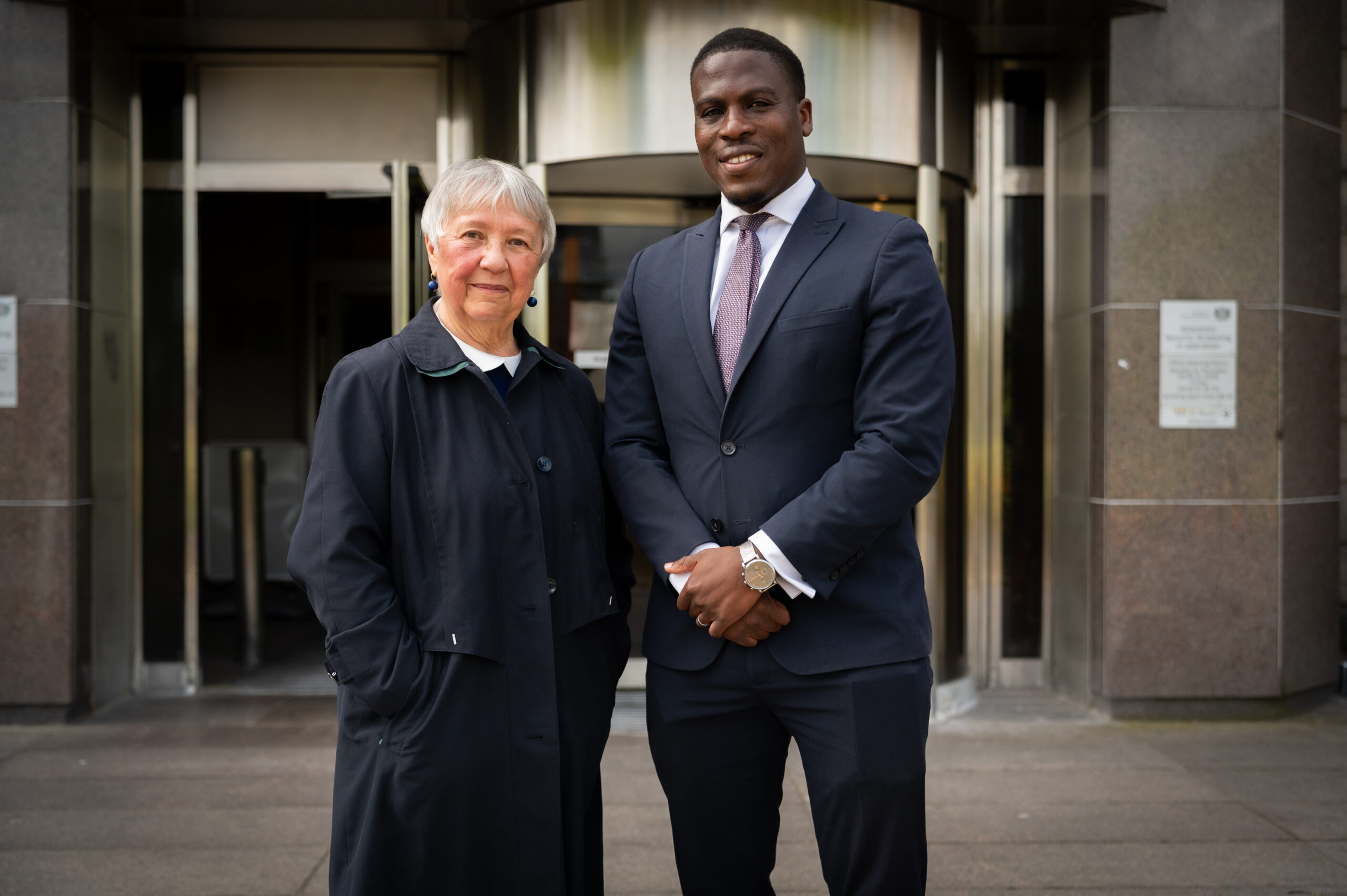
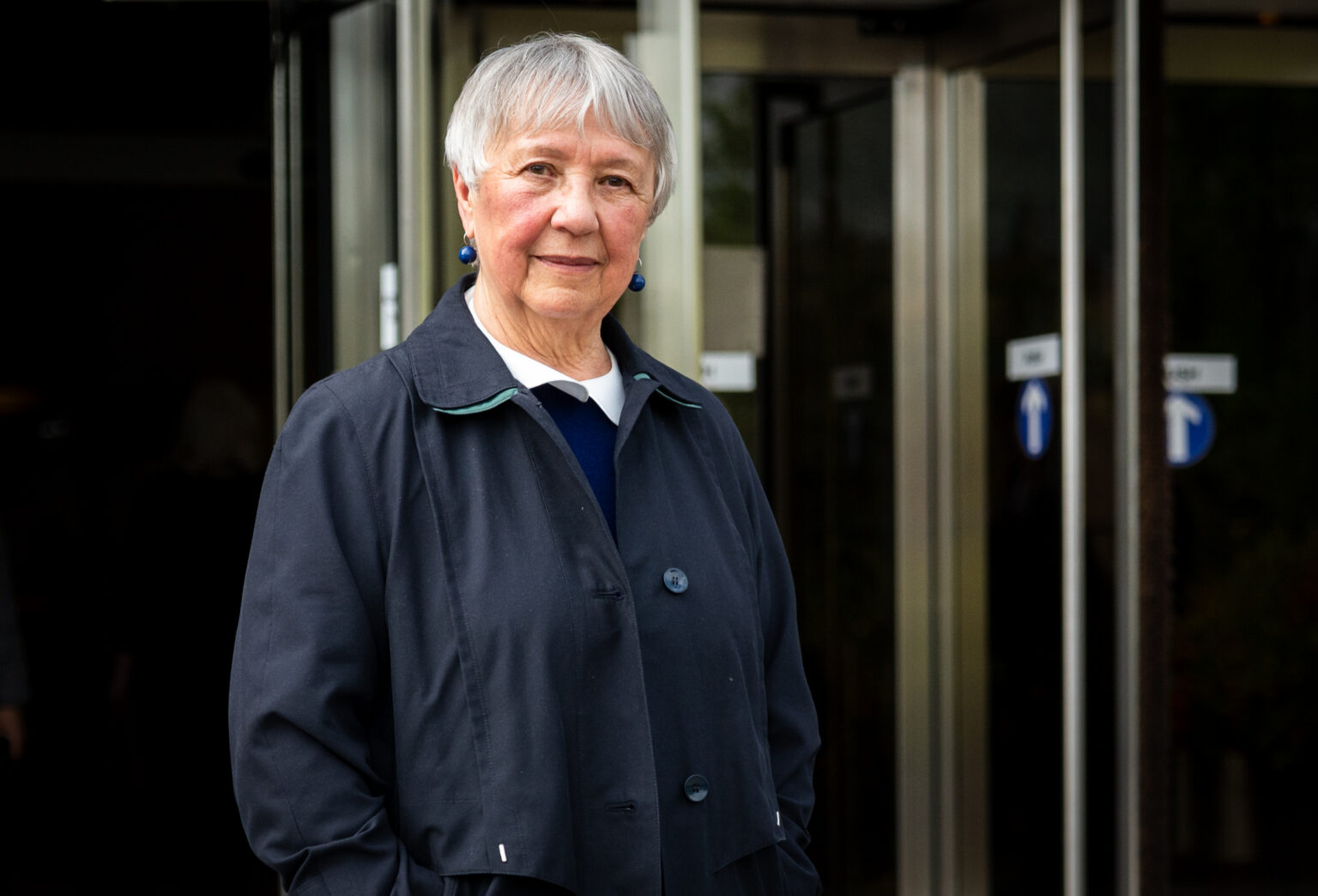
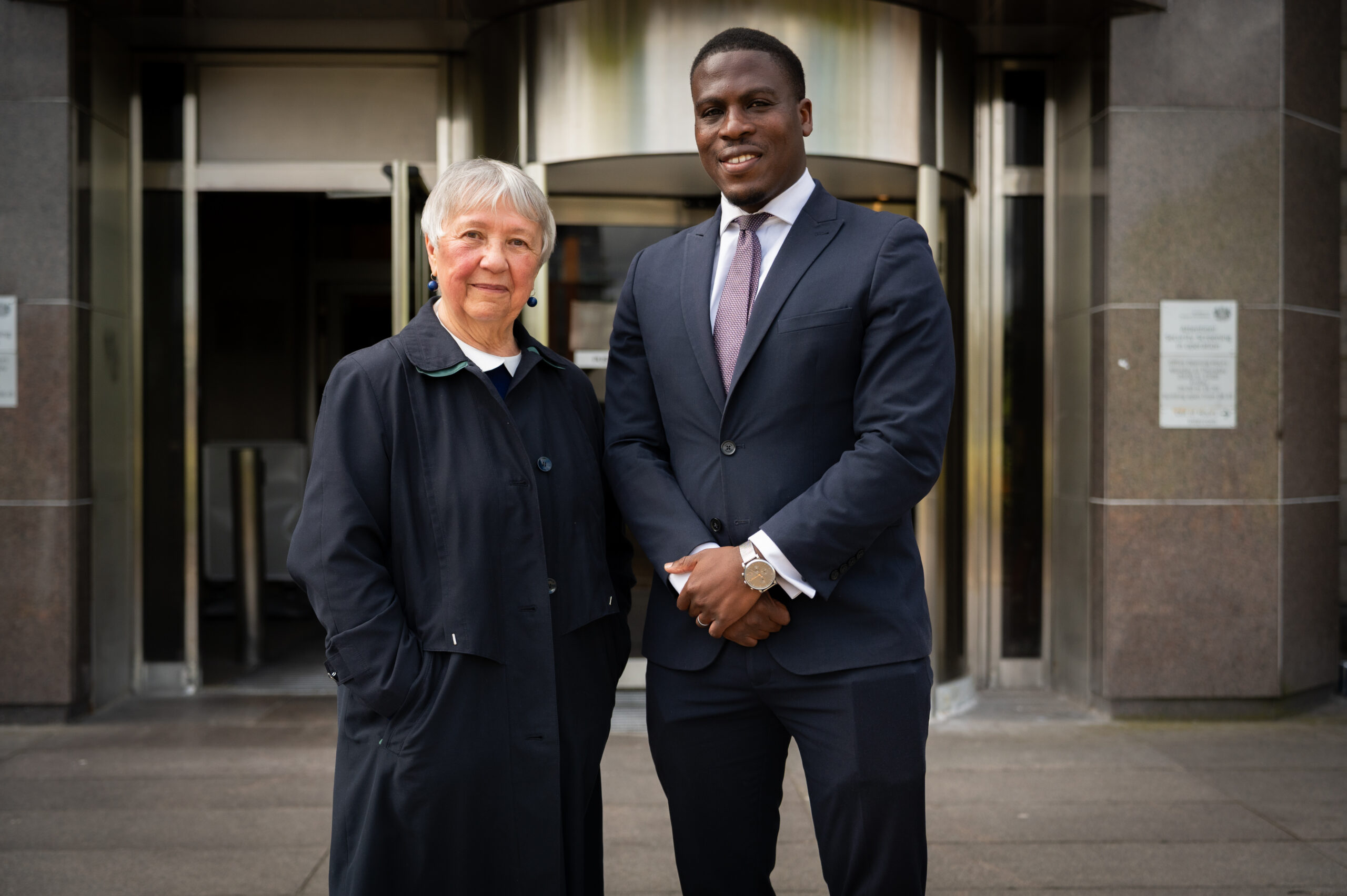
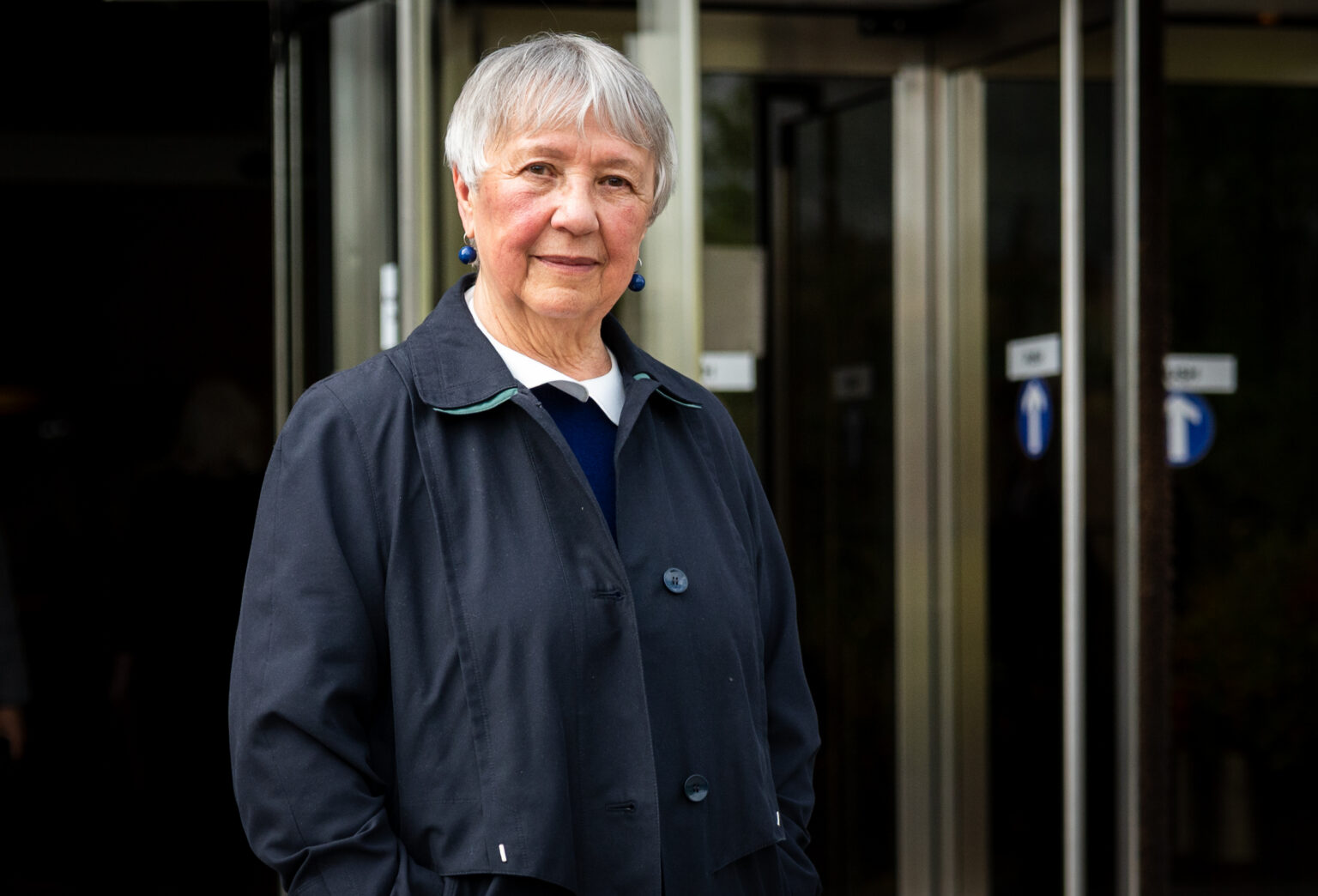
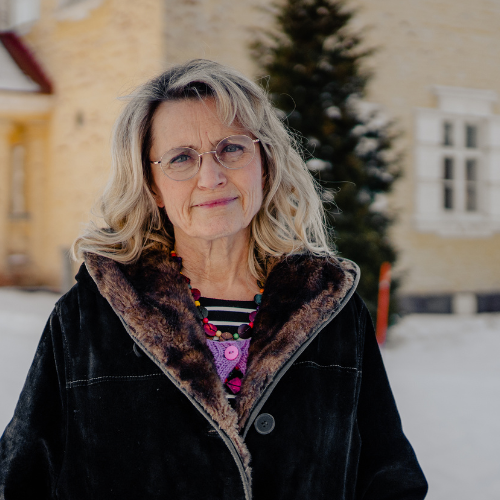
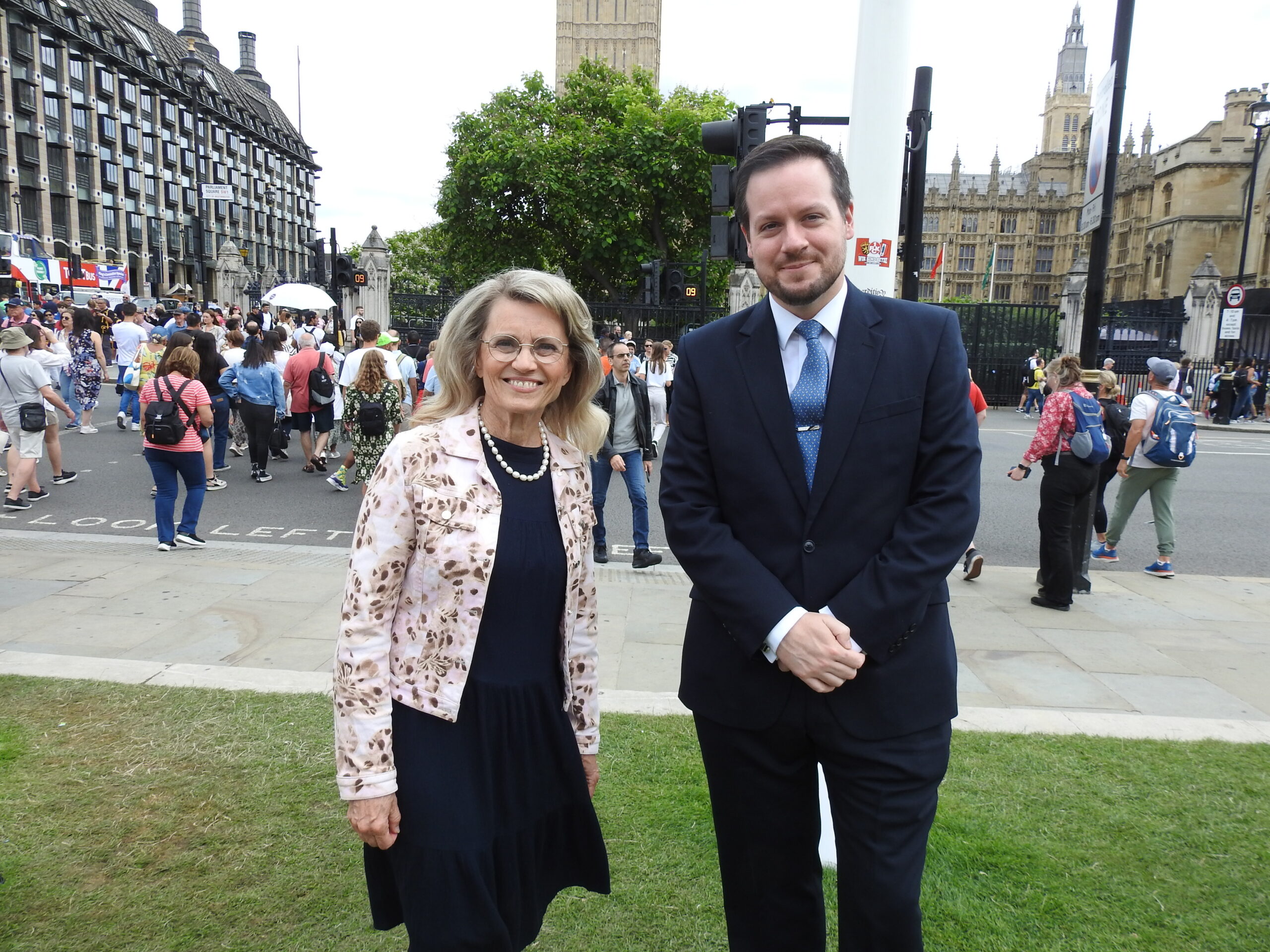
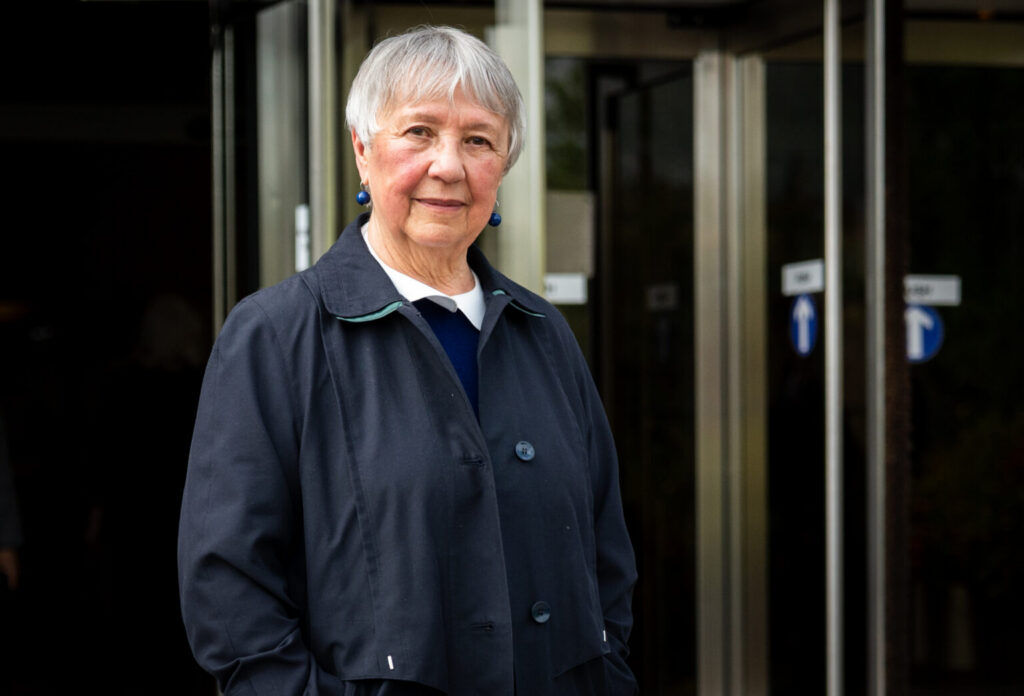
(First and second pictures: Rose Docherty and Legal Counsel for ADF International Jeremiah Igunnubole outside Glasgow Sheriff Court, following the ruling clearing Rose on 27 April; Rose Docherty outside the court)

Crown Office backs down following free speech victory of Scottish Christian grandmother cleared in court for offering consensual conversation in ‘buffer zone’

  • Rose Docherty, 75, was cleared in court on 27 April, following arrest for offering consensual conversation
  • Scottish prosecutor had one week to appeal ruling, which expired earlier this month
  • With ADF International’s support, Mrs Docherty is now considering all options to prevent the recurrence of her arrest and treatment, including legal action against the police

GLASGOW (22 May 2026) – The Crown Office has backed down and refused to appeal the case of a Glaswegian Catholic grandmother, who was cleared in court after offering to speak with people in a “buffer zone”.

Rose Docherty, 75, was cleared at Glasgow Sheriff Court on 27 April, when the judge dismissed two criminal charges of “influencing” against her, in the first ever victory under censorial national legislation introducing abortion facility “buffer zones” in the UK.

In a development that reinforces last month’s free speech victory, the Crown Office and Procurator Fiscal Service, Scotland’s public prosecutor, has refused to appeal the ruling and is now timed out of doing so.

They had one week to appeal the ruling, which expired on Tuesday 5 May. ADF International coordinated Mrs Docherty’s legal defence.

The 75-year-old Christian grandmother was arrested last September merely for offering to speak with people in the vicinity of the Queen Elizabeth University Hospital in Glasgow and holding a sign that read: “Coercion is a crime, here to talk, only if you want”, leading to outcry across the world, including from the US State Department.

She did not approach anyone, did not speak about abortion, did not engage in any behaviour that was obstructing, harassing or intimidating and was not protesting.

Following her arrest, Mrs Docherty was held in custody for several hours. She was refused a chair to sit on in her cell, despite making it known that she had had a double hip replacement.

With ADF International’s support, Mrs Docherty is now considering all options to prevent the recurrence of her arrest and treatment, including legal action against the police

Last September was the second time Mrs Docherty had been arrested for peacefully offering consensual conversation in a “buffer zone”. Her first arrest for peaceful expression was on 19 February 2025, and the Procurator Fiscal later backed down and decided not to proceed with a prosecution in August, in a free speech win.

Mrs Docherty was the first person to be criminally charged under Scotland’s 2024 “buffer zone” law, which forbids the “influencing” of anyone seeking to access, provide or facilitate abortion and is enforced within 200 metres of every hospital where abortions occur. There are similar “buffer zone” laws in England and Wales and Northern Ireland.

On 27 April, Sheriff Stuart Reid dismissed two charges of “influencing” against Mrs Docherty, ruling that the charges violated her Article 10 ECHR right to freedom of expression.

Sheriff Reid found that the charges were not “prescribed by law”, since they failed to state or identify another person in the “buffer zone” that was present for the purpose of accessing, providing or facilitating abortion, and who was criminally “influenced” by Mrs Docherty’s actions, as is required by the law.

The judge concluded that the Procurator Fiscal had “failed to disclose an offence known to the law of Scotland” and dismissed the case pro loco et tempore, meaning the matter can be brought back if prosecutors bring improved evidence and decide that a prosecution continues to be in the public interest.

Rose Docherty said:

“I am very pleased with this development, which reinforces that offering consensual conversation is not a crime on any public street in Scotland—regardless of whether or not that street is in a ‘buffer zone’. Today, there is sadly an epidemic of loneliness and people experience coercion every day. An offer to speak, which can be freely accepted or refused by any person, could really help someone and should never be criminalised.

“Peaceful expression, which is protected by national and international law, can never be a crime. The authorities should learn from their failed attempts to censor me—a 75-year-old Christian grandmother, who has always lived in Glasgow—and refrain in the future from criminalising me or any person who lawfully expresses their rights in this country.

“I repeat my call for ‘buffer zone’ laws to be repealed in Scotland and across the UK, to prevent them being used to censor peaceful expression like mine.

“I am now consulting with my legal team and considering what actions are necessary, including legal action, to ensure the authorities are not able to repeatedly arrest, imprison and prosecute me for peacefully exercising my right to free speech.“

Barrister and Legal Counsel for ADF International, Jeremiah Igunnubole commented:

“Rose’s free speech win last month has now been solidified by the Crown Office’s decision not to appeal. This is a victory for freedom of expression in Scotland and across the UK.

“Regardless of whether people agree with Rose’s pro-life and Christian views, all should be able to agree that offering to speak with people in a public space is not a crime and must never be treated as one.

“However, ‘buffer zone’ legislation across the UK continues to dangerously undermine the rule of law. It is inconsistent that Rose has been vindicated in Scotland, while our clients Livia Tossici-Bolt and Adam Smith-Connor have been criminally convicted for peaceful expression in ‘buffer zones’ elsewhere in the UK.

“The only way to robustly protect fundamental rights, uphold the rule of law in the UK, and ensure that ‘buffer zones’ are not used as a tool to censor lawful conduct is to repeal the deeply flawed, anti-free speech laws that impose thought-crime restrictions in Scotland and across the UK.

“We have already seen the US State Department strongly criticise the UK’s ‘buffer zone’ censorship and express deep concern over the cases of Rose and our other clients. If politicians do not act to protect free speech, the alarming reality is that Great Britain will cease to be a place where human rights are respected as they once were, and our reputation on the world stage will suffer as a result.

“Although Rose has been vindicated, she should never have been arrested. The process has become the punishment, with a deeply concerning chilling effect on free speech more broadly.

“We are now supporting Rose in considering all her options, including legal action, to ensure such treatment is not repeated or normalised. Standing in a public space offering a consensual conversation is not, as Sheriff Reid put it, “an offence not known to the law of Scotland”. We will continue to stand with Rose to keep the peaceful exercise of free speech rights out of the criminal courts.”

Background

Mrs Docherty’s censorial arrest sparked expressions of concern in the UK and around the world, including from the US State Department, which described it as “another egregious example of the tyrannical suppression of free speech happening across Europe”, and from the Scottish Catholic Bishops’ Conference.

The architect of Scotland’s 2024 “buffer zone” law, Gillian Mackay MSP, admitted on BBC Scotland that the vague prohibitions in the legislation could criminalise someone for praying visibly from a window in their home within the zone, “depending on who’s passing by the window”. 

US Vice President JD Vance highlighted this law as a particular matter for concern in his Munich Security Conference speech in February last year.

Read more about the case here.

Images for free use in print or online in relation to this story only

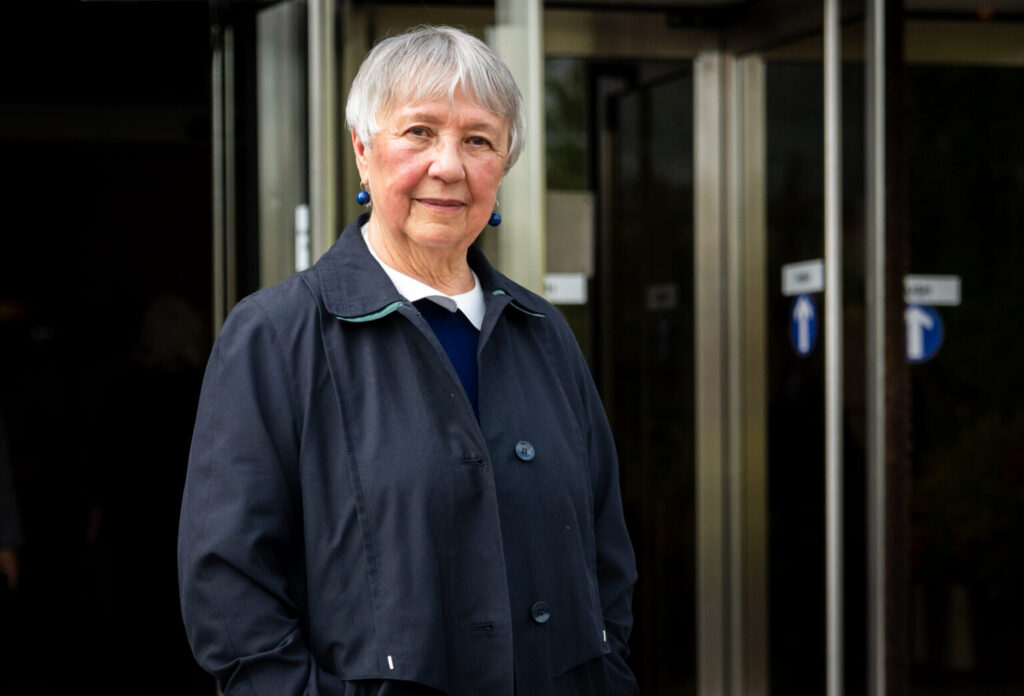
(First and second pictures: Rose Docherty and Legal Counsel for ADF International Jeremiah Igunnubole outside Glasgow Sheriff Court, following the ruling clearing Rose on 27 April; Rose Docherty outside the court)

Christian pastor cleared as police end criminal investigation, following arrest for commenting on Islam and transgender ideology while street preaching 

  • Pastor Dia Moodley, 58, was arrested for peaceful street preaching in Bristol

  • Police drop matter in free speech win, after months long criminal investigation; ADF International supported legal defence

  • Avon & Somerset Police refuse to investigate Muslim man who threatened pastor during Easter street preaching

A Muslim man threatened Pastor Moodley for his peaceful Easter street preaching. Police refused to investigate

BRISTOL (16 May 2026) – Police have dropped the criminal investigation into a Christian pastor who was arrested for commenting on Islam and transgender ideology while street preaching in Bristol city centre, in a free speech win. 
After more than four months of criminal investigation, Avon & Somerset Police informed Pastor Dia Moodley, 58, that “no further action will be taken”, following the pastor’s arrest for his peaceful preaching in Broadmead last November. ADF International supported the pastor’s legal defence.  

Pastor Moodley was subjected to arrest, eight hours in a police cell, a police visit to his home, interrogation at the police station and the initial imposition of bail conditions that banned him from entering and therefore preaching in Bristol city centre over Christmas.  

Although the bail conditions were dropped, following Pastor Moodley’s representations to the police, the ongoing criminal investigation resulted in de facto censorship, as the pastor refrained from publicly preaching over Christmas and in the weeks leading to Easter, due to the risk of rearrest if he engaged in street preaching while the investigation continued. 

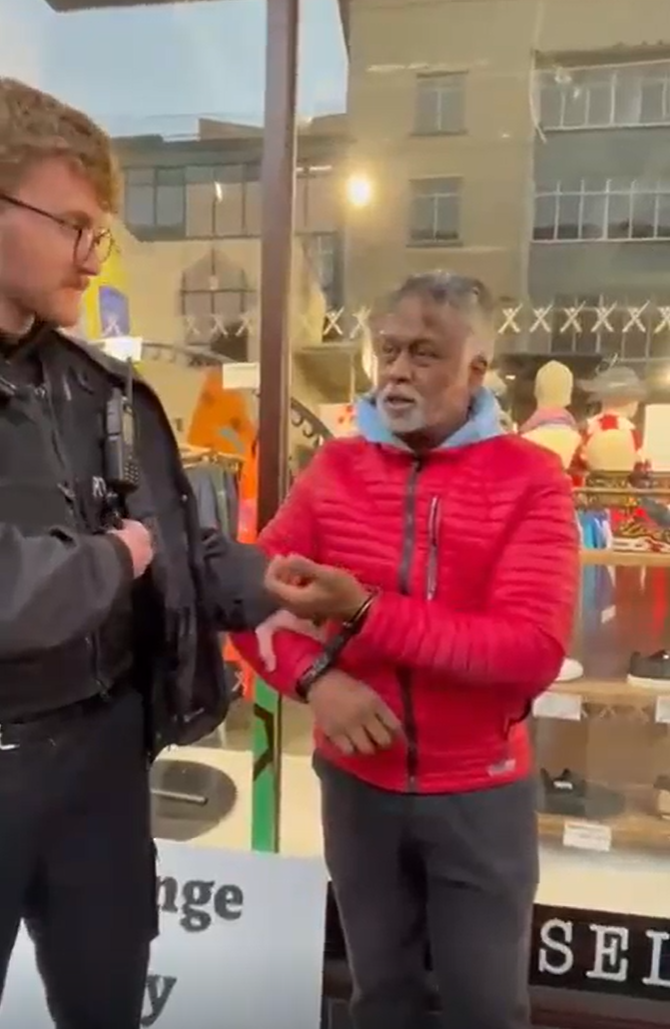
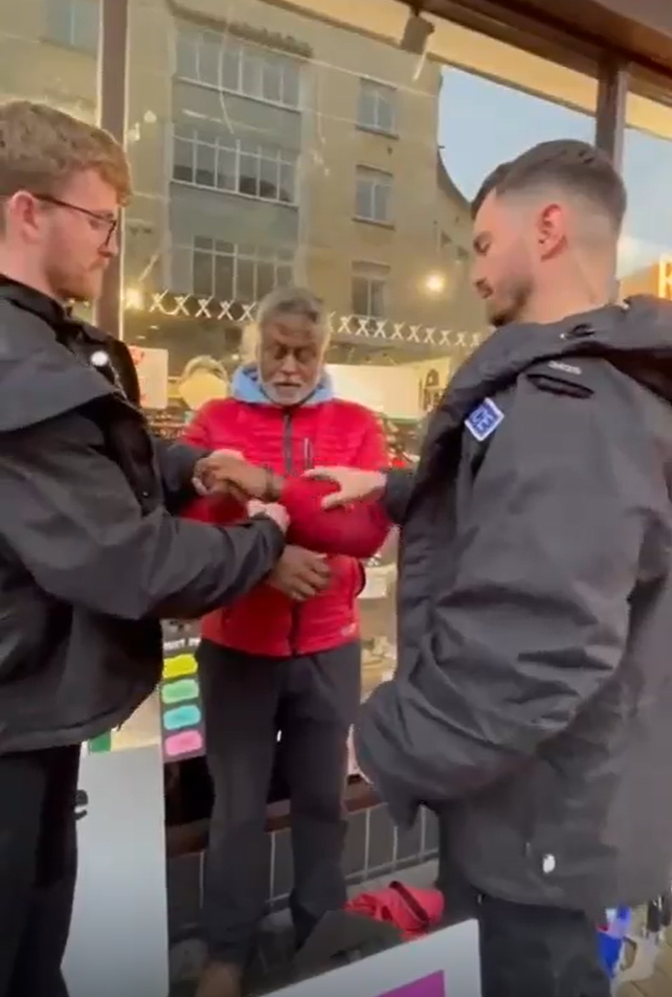
The pastor was arrested on November 22, 2025, for peacefully sharing his Christian views in the public square, on suspicion of “inciting religious hatred” and committing a Section 4A religiously aggravated public order offence under the Public Order Act 1986.  

That was the second time Avon and Somerset Police have arrested the pastor for commenting on Islam and transgender ideology while street preaching. After his first arrest in March 2024, the police also dropped their investigation. 

The pastor has faced repeated violence and threats from bystanders while street preaching, many of which the police have failed to adequately address.  

Most recently, the pastor was threatened by a Muslim man who disagreed with his preaching on the day before Easter. 

On Saturday April 4, while the criminal investigation into him was still ongoing, Pastor Moodley preached in Broadmead about Jesus Christ’s resurrection. He spoke about how when Jesus is compared with figures from all other religions, including Mohammed, it was only Jesus who rose from the dead.

The pastor said: “Krishna, Buddha, Mohammed and your favourite philosopher did not rise from the dead, only Jesus rose from the dead.” 

A Muslim bystander said he heard the “disgusting” things the pastor said about the “[Islamic] prophet Mohammed, peace be upon him”. The man can be heard on camera saying: “If you do that again bro, we’ll send the boys round… we’ll have someone have a word with you.” 

The pastor criminally reported the man to Avon & Somerset Police, but officers shockingly refused to investigate the incident, telling the pastor on 1 May: “Comments made to you whilst unpleasant that do not constitute an offence [sic].” 

Police said “we cannot sure the context of his comments [sic]” and that “the report will be filed insufficient evidence to proceed at this time”, despite the fact that the threat—which the pastor perceived to be a threat of violence—was captured on camera.  

April 4 was the first day the pastor had publicly preached since his arrest, as the then-ongoing criminal investigation effectively censored his public preaching for months, due to the risk of rearrest.  

He decided to preach on the day before Easter despite the risk, as he felt it was his duty as a Christian pastor called to street preaching. Police did not attend on that occasion, unlike in the past, and many members of the public, both Christian and non-Christian, who had seen news of the pastor’s case, were supportive and offered encouragement. 

The police informed Pastor Moodley they had dropped their criminal investigation on April 8.  

Pastor Moodley is now consulting with his legal team about taking legal action against Avon & Somerset Police, for the violation of his free speech rights and for the police’s failure to promptly investigate serious crimes against him.  

Pastor Dia Moodley said: 

“I’m glad Avon and Somerset Police decided to eventually do the right thing and drop their criminal investigation. This is a win for free speech, but I never should have been arrested, treated like a criminal, and investigated for months for peacefully sharing my faith in the public square. 

“Avon and Somerset Police have arrested me twice because my lawful speech was seen as offensive to some Muslims and people with a progressive worldview. Meanwhile, the police have shockingly failed to investigate violence and threats against me, committed by those who object to my speech. This is the definition of two-tier policing and must end.    

“What has happened to this country, that police ignore clearly criminal incidents like this most recent one—which I perceived to be a threat of violence—and choose instead to criminalise Christian speech? I am now consulting with my legal team about taking legal action against Avon and Somerset Police, for the violation of my rights. 

“I will continue to share my faith publicly, undeterred by the police’s censorship and the threats and violence I have faced, and will stand for free speech not just for myself, but for the rights of all people in the UK.” 

Barrister and Legal Counsel for ADF International Jeremiah Igunnubole commented: 

“Avon and Somerset Police’s decision to drop their investigation is a vindication of Pastor Dia’s lawful conduct. He has been repeatedly arrested, imprisoned, and told that expressing his Christian views is a criminal matter. On every occasion, he has challenged this state overreach and prevailed.  

“It is deeply troubling, however, that police treated Pastor Dia’s constructive comments on Islam and gender ideology—remarks which were made in good faith, were an expression of his core Christian beliefs and which explicitly invited dialogue—as a criminal matter, while dismissing a clear and dangerous threat made against him by a Muslim bystander as merely an ‘unpleasant’ incident.  

“This two-tier approach to policing inevitably produces unjust and discriminatory outcomes. It can only be addressed by repealing the underlying censorial legislation and renewed efforts to retrain ideologically motivated police forces who too often find themselves unable or unwilling to differentiate between a lawful exercise of fundamental rights and actual violent criminality.  

“The war of attrition against free speech in the UK, demonstrated in Pastor Dia’s case, must end. Censorial laws need to be repealed urgently, and stronger protections, including a Free Speech Bill, are needed to reverse the growing culture of censorship within law enforcement.  

“We remain fully committed to standing with Pastor Dia as he considers legal action against the police for these violations of his rights and their failure to protect him from serious crime.” 

Read more about Pastor Moodley’s arrest last November here. Read more about the past censorship he has faced here. 

Images for free use in print or online in relation to this story only

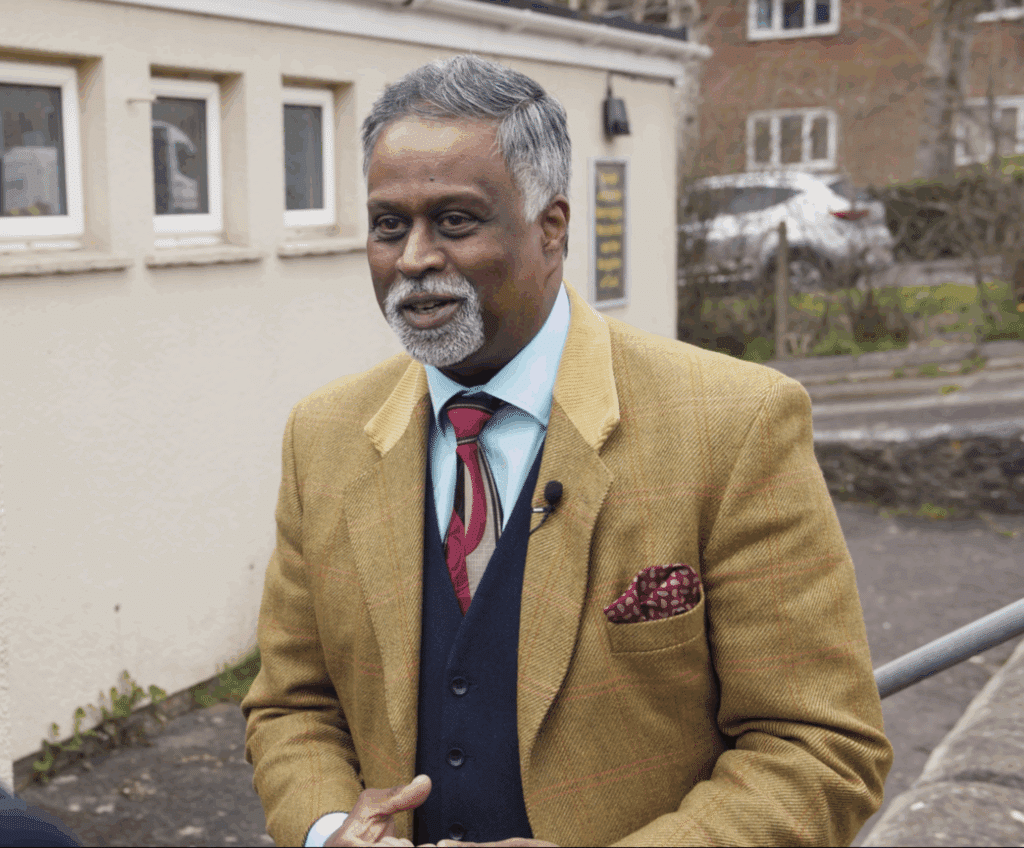
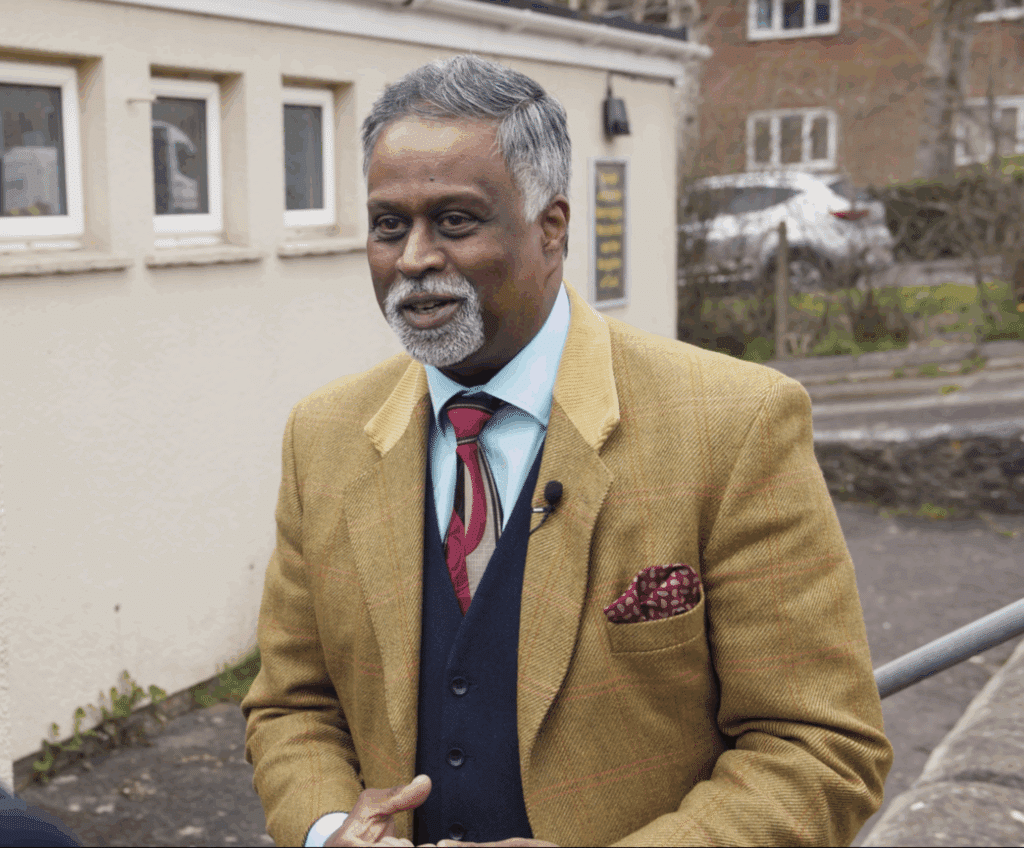
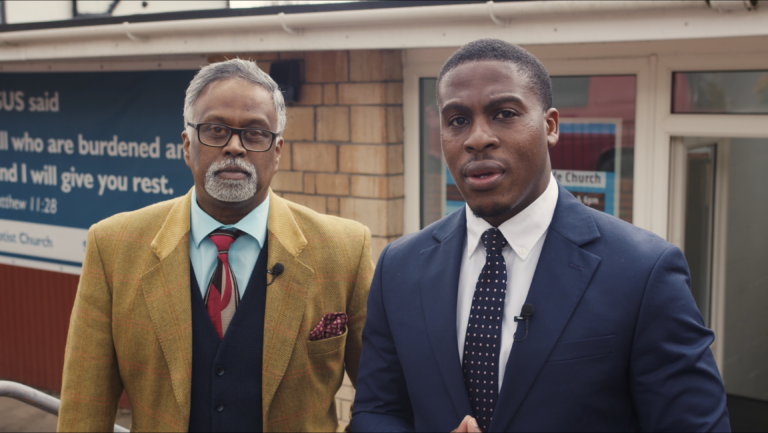
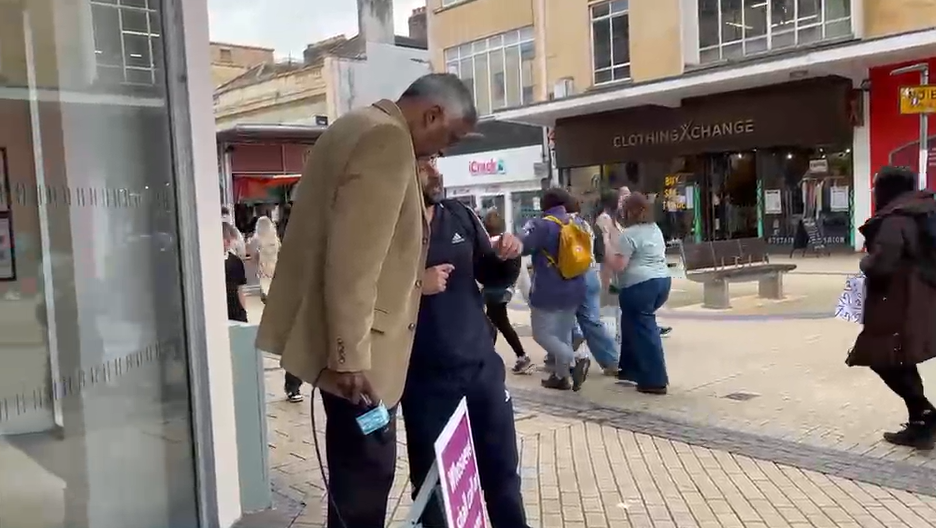
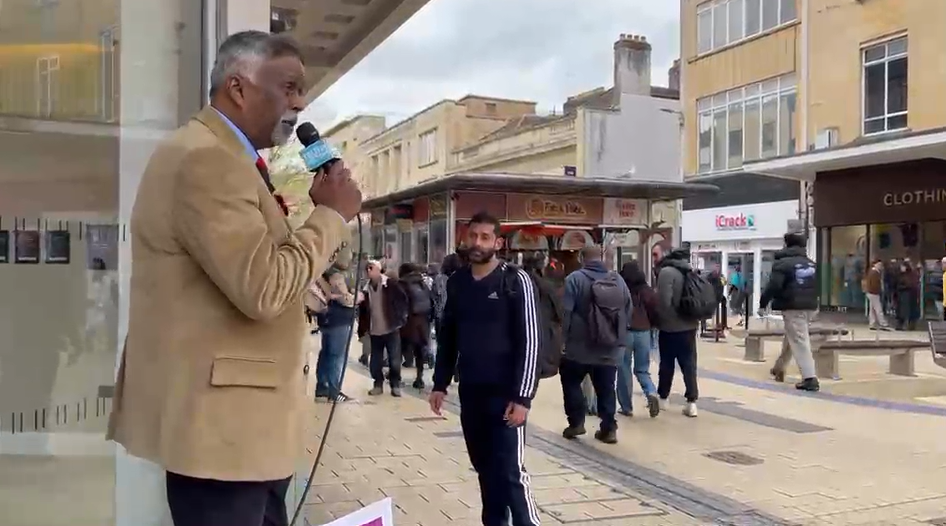
Pictured: Pastor Dia Moodley, Pastor Moodley and Jeremiah Igunnubole, man threatens Pastor Moodley during Easter preaching, Pastor Moodley being arrested in November 2025

Australian court dismisses appeal to uphold biological reality in ‘What is a woman?’ case

  • Australian Federal Court rules that “Giggle for Girls” app’s female-only membership policy “directly discriminated” against man who identifies as woman 
  • Founder Sall Grover has indicated she intends to appeal to Australia’s highest court  

SYDNEY (15 May 2026) – The Full Court of the Federal Court of Australia today ruled against a female-only networking app, in a blow to upholding biological reality and women-only spaces.  

The Court dismissed an appeal from Sall Grover, founder of female networking app Giggle for Girls, who in August 2024 was ruled to have “indirectly discriminated” against Roxanne Tickle, a man who identifies as a woman, by removing him from the app. The 2024 Tickle v. Giggle ruling stated that “sex is not confined to being a biological concept”. 

The Federal Court today ruled that Grover and Giggle for Girls had engaged in “direct discrimination”, following a cross-appeal of the lower court’s decision by Tickle, and awarded Tickle $20,000 AUD in damages plus legal costs capped at $100,000 AUD. 

ADF International supported Grover and Giggle’s case on the basis that Australian law should uphold biological reality and protect women’s spaces in accordance with international human rights law. 

Tickle’s discrimination claim was made under the Sex Discrimination Act, which was amended in 2013 to include “gender identity” and to remove definitions of “man” and “woman”.  

Today’s ruling stated: “While this appeal raises issues on which there are differing views within the community, it is important to emphasise that the issues for determination by the Court involve the construction and application of provisions of the SDA [Sex Discrimination Act]. The desirability or otherwise of that law is not a matter open to this Court to consider.” 

“I am absolutely devastated. Men who claim to be women have more rights than actual women in Australia. It is women who are being discriminated against, not the men who claim to be us. But in a sense, nothing has changed: we will all wake up tomorrow & men will still not be women.”

Grover reacted to the ruling on X: 

“I am absolutely devastated. Men who claim to be women have more rights than actual women in Australia. It is women who are being discriminated against, not the men who claim to be us. But in a sense, nothing has changed: we will all wake up tomorrow & men will still not be women.” 

The Court previously ruled in Tickle’s favour, finding that he experienced “indirect discrimination,” and ordered “Giggle for Girls” to pay $10,000 AUD in compensation and to cover Tickle’s legal costs.  

In December 2025, Grover’s appeal maintaining that the term “female” referred to biological females only, was heard before the Full Court.  

The Court today rejected Grover’s appeal and allowed Tickle’s counter appeal that he had experienced “direct discrimination”. 

“A law written to protect women has been used to punish a woman for creating a space for women. That is what today’s judgment means in practice,” said Robert Clarke, Director of Advocacy for ADF International.  

“The addition of ‘gender identity’ to the Sex Discrimination Act has been used to undermine the most basic conception of what a woman is. The need for single-sex spaces is recognised in international human rights law. It must be recognised in Australian law too, and if the courts will not say so, then Parliament must.” 

Images for free use in print or online in relation to this story only

East African Court case filed: Christian communities in DRC left unable to worship after targeted attacks on churches, charities

  • Religious freedom advocates demand a halt to attacks, financial compensation to rebuild destroyed churches; ADF International legally supporting the case.  
  • Continued attacks in the region aimed to destroy the central Christian religious pillars of the Banyamulenge ethnic group. 

NAIROBI (14 MAY 2026)  – Christian communities in the Democratic Republic of Congo (DRC) have been left unable to freely practice their faith following a series of targeted attacks that have destroyed churches and other religious sites. In a case filed at the East African Court of Justice, advocates are calling for DRC recognition of the damage inflicted during an attack on Banyamulenge Christian sites in the city of Uvira in January 2026, as well as compensation to rebuild places of worship that have been destroyed in these targeted attacks.  

The violence has not only resulted in loss of life and property, but has also undermined their ability to gather for worship. The destruction has left many without safe spaces for communal gathering, prayer, or religious community. 

“This is the often-overlooked aftermath of ethnic and religiously motivated violence. Beyond the immediate devastation, these attacks leave lasting scars on communities. In this case, these Christians from the Banyamulenge community in the DRC are now significantly hindered in their ability to worship, gather and live out their faith."

“This is the often-overlooked aftermath of ethnic and religiously motivated violence,” said Sean Nelson, Senior Counsel for Global Religious Freedom at ADF International. “Beyond the immediate devastation, these attacks leave lasting scars on communities. In this case, these Christians from the Banyamulenge community in the DRC are now significantly hindered in their ability to worship, gather and live out their faith.” 

The primary attack took place on 18 January 2026, when the DRC military and aligned militia groups recaptured the city of Uvira from M23 rebelwho had occupied the city for months. However, members within the newly arrived forces then began deliberately destroying five Christian churches and other faith-based organisations held and used by the Banyamulenge community. The Banyamulenge are Congolese ethnic Tutsis that militant and radical ethnic Hutus have falsely accused of sympathy with foreign forces. Additionally, over 70 Banyamulenge homes were destroyed. These attacks were specifically carried out to destroy the central Christian religious pillars of the Banyamulenge in Uvira as a means of erasing their ethno-religious identity.  

Advocates are now calling on authorities in the DRC to take immediate action to halt further attacks and ensure the protection of vulnerable religious communities. ADF International is supporting the case before the court. The case was filed at the East African Court of Justice (EACJ) on 11 March 2026 at the subregistry in Nairobi. The EACJ filing included affidavits from leaders and members of the Uvira church communities affected. 

It is only right that the DRC acts swiftly to prevent further violence, takes responsibility and supports the reconstruction of destroyed churches and religious properties,” said Innocent Nteziryayo, named counsel for the churches and representatives for the Banyamulenge community before the East African Court of Justice. “Banyamulenge communities must be able to rebuild not only their homes, but also the churches and organizations that sustain their spiritual and communal life.” 

Images for free use in print or online in relation to this story only

Christian woman wins legal challenge against Muslim designation in Iraq’s official database

  • Ruling affirms right of Iraqi Christians to freely choose their religion, sets persuasive precedent for scores of Christians in Iraq facing serious legal and personal consequences of state-assigned religion
  • Case will advance to Iraq’s highest court, could enshrine protections from state-assigned religion into law; ADF International supports the case.

*Name has been changed to protect identity.

BAGHDAD, IRAQ (12 May 2026) — An Iraqi court has ruled in favor of a young Christian woman, Maryam*, allowing her to have her official religious status corrected in the government’s database after she was automatically registered as Muslim under Iraqi law. The significant ruling restores Maryam’s ability to live in accordance with her Christian faith and sets an important precedent for religious minorities across the region.

Despite being raised in a Christian household, Maryam and her sisters were forced by law after their mother separated from their father and remarried to a Muslim man, in accordance with Article 26(2) of the Iraqi National Card Law No. 3 of 2016, which provides that “minor children shall follow the religion of the parent who has converted to Islam.”

Upon reaching the age of legal majority, Maryam filed a legal claim in January 2025 to have her religious status corrected in the government’s database to reflect her Christian beliefs. The court’s decision affirms her right to choose her religion and have it accurately reflected in the government’s database.

“Everyone has the fundamental right to choose and live according to their religion,” Kelsey Zorzi, Director of Advocacy for Global Religious Freedom at ADF International, a legal organization supporting Maryam’s case.

This decision sends a clear message that individuals should not be bound for life by religious classifications imposed on them as children by their parents or by government policy. No state should have the power to permanently assign a person’s religion.”

Maryam’s two younger sisters remain legally registered as Muslims. Similar legal actions will be pursued for each of them once they reach the age of majority.

In line with Iraqi law regarding decisions made in Personal Status Courts, the State will now move to appeal the decision to the Iraqi Federal Court of Cassation, which is the country’s highest court for such matters. A positive decision on appeal would strongly reinforce this victory in Iraqi jurisprudence and could serve as an influential precedent for others in similar situations..

State-assigned religion: a pervasive religious freedom restriction in the Middle East and Asia

Maryam’s case highlights a pervasive problem in many parts of the Middle East, South Asia, and Southeast Asia: the practice of state-assigned religion, in which governments record a citizen’s religion in official databases or on identification documents and make it difficult or impossible to change. In many countries, these designations are imposed without an individual’s consent—whether through clerical errors, inheritance from a parent’s conversion, or coercive government policies—and can carry severe consequences for daily life.

In Iraq and other countries such as Egypt, Pakistan, Malaysia, and Bangladesh, inaccurate or imposed religious designations can result in mandatory enrollment of children in religious education programs not of their faith, barriers to marriage, automatic assignment of children’s religion based on parental records, inheritance complications, family law conflicts, and exposure of non-Muslims to Sharia court jurisdiction. In some cases, parents assigned an inaccurate religion in government databases are forced to leave their names off their children’s birth certificates to prevent the incorrect designation from being passed down, creating additional legal issues for those families.

“Maryam was forced by law to carry a religious identity imposed on her as a child—one that did not reflect her beliefs, her upbringing, or her lived reality. Today's decision restores her ability to live in accordance with her Christian faith and sets an important precedent for others in similar situations"

Even where religion is not printed on a physical ID card, as in Iraq where religion is tracked in the government’s internal database, the designation can still create significant legal and personal consequences. These systems turn a person’s belief into a fixed, state-certified label, making it extremely difficult to freely change one’s religion or live according to one’s faith.

Maryam’s case raises fundamental questions about the compatibility of Article 26(2) of the National Card Law with constitutional guarantees of religious freedom and with Iraq’s obligations under international human rights treaties, including Article 18 of the International Covenant on Civil and Political Rights, which guarantees that “everyone shall have the right to freedom of thought, conscience and religion,” including the freedom to adopt a religion of one’s choice.

ADF International supported Maryam in securing legal recognition of her Christian faith and continues to advocate for broader reforms to protect religious freedom across the Middle East.

Images for free use in print or online in relation to this story only

Finnish Parliamentarian Convicted of “Insulting” a Group for 20-year-old Church Booklet to Appeal to European Court of Human Rights

  • Päivi Räsänen announces intention to appeal to Europe’s top human rights court following criminal conviction by Finnish Supreme Court for a decades-old church booklet expressing her beliefs on marriage and sexuality
  • ADF International to represent Räsänen in landmark case for free speech across Europe

HELSINKI (7 May 2026) – A longstanding Finnish parliamentarian criminally convicted in March for “insulting” a group by her country’s Supreme Court has announced that she will appeal her case to the European Court of Human Rights, in the final legal juncture for this critical case for free speech in Europe.

Päivi Räsänen was found guilty for expressing her beliefs about marriage and sexuality in a booklet she wrote for her church over 20 years ago. Lutheran Bishop Juhana Pohjola and the Luther Foundation Finland were also convicted for publishing the booklet for the church.

They were criminally convicted under Finland’s 2011 “hate speech” law which prohibits “agitation against a minority group” under a section of the Finnish criminal code titled “war crimes and crimes against humanity”.

The appeal comes after the former Interior Minister’s nearly seven-year prosecution and unanimous acquittal by two lower courts in Finland. In March 2026, a mixed Supreme Court ruling acquitted Räsänen for her 2019 Bible verse tweet, but convicted her and Bishop Pohjola for “making and keeping available to the public a text that insults a group” in the 2004 church booklet on sexual ethics, according to a 3:2 majority.

Commenting on her decision to appeal, Räsänen said: “The failure of the Finnish Supreme Court to uphold freedom of speech has set a dangerous precedent in my country and across Europe. I feel it is my duty to appeal this decision, to reinstate respect for the basic human right that all are free to peacefully express their views in the public square.”

“I know I am not alone in facing unjust persecution under ‘hate speech’ laws that make sharing Christian beliefs a criminal offense. I make my appeal in the hope that the European Court of Human Rights will recognise that peacefully expressing one’s beliefs is never a crime, and ensure that this basic freedom is protected for all.”

Final chance for freedom to prevail

Räsänen, a long-serving parliamentarian, medical doctor, and grandmother of twelve, has been criminally prosecuted for nearly seven years for sharing her Christian beliefs about marriage and sexuality in a 2019 tweet and live radio debate, as well as for authoring the 2004 church booklet, for which she was charged alongside Bishop Pohjola and the Luther Foundation Finland.

In 2021, Räsänen was formally charged with “agitation against a minority group” under a section of the Finnish criminal code titled “war crimes and crimes against humanity”.

Following unanimous acquittals on all charges by two lower courts in 2022 and 2023, the state prosecutor appealed again to the Finnish Supreme Court regarding the tweet and church booklet. The case was heard in October 2025, and in March 2026 the Supreme Court upheld the acquittal for the Bible verse tweet, but convicted Räsänen and the Bishop for the 2004 booklet. The radio show charge was not appealed to the Supreme Court, so that acquittal stands.

The Supreme Court convicted Räsänen under a law that was introduced years after the booklet was published, and did so despite the court’s admission that the booklet “did not contain incitement to violence or comparable threat-like fomenting of hatred”.

In an alarming display of censorship, the Supreme Court fined Räsänen, Bishop Pohjola, and the Luther Foundation Finland several thousand Euros, and ruled that the condemned statements within the booklet must be “removed from public access and destroyed”.  

“The Supreme Court’s decision to convict myself and the Luther Foundation for publishing a booklet for our church was extremely disappointing,” added Bishop Pohjola. “As a Bishop, I have a responsibility to guide those under my pastoral care, and I am deeply concerned by the state’s extensive efforts to censor our publications and decide what can and cannot be taught by religious leaders to members of their own group.

“It is our intention to join Päivi Räsänen in appealing to the European Court of Human Rights in defence of our free speech and religious freedom rights, and those of everyone in Finland.”

An appeal to the European Court of Human Rights is the final legal opportunity for the conviction to be overturned, and marks a seminal moment for the fundamental right to free speech to be upheld in Finland and throughout Europe.

“Hate speech” laws enabling state censorship

Räsänen’s case has garnered significant international interest, with the prosecution’s extensive criticism of Räsänen and Bishop Pohjola’s beliefs provoking high-profile responses, including from the US State Department.

Senior Finnish officials also questioned the ruling: Justice Minister Leena Meri argued that the legislation is “not sufficiently precise and especially not predictable as required by the principle of legality in the criminal code,” adding that “it is very difficult for people to know what is prohibited and what is permitted”.

The judgment has exacerbated existing concerns about the precarious state of free speech across Europe, where vaguely worded “hate speech” laws are increasingly wielded to silence dissenting views.

The appeal of Räsänen, who will be represented by ADF International, has significant global implications for freedom of speech.

“The retroactive censorship of a 20-year-old booklet produced by and for a church community is among the most chilling developments in the ongoing attack on freedom of speech across Europe,” said Lorcán Price, legal counsel with ADF International, serving on Räsänen’s legal team.

“As subjective ‘hate speech’ laws are increasingly being used to silence and criminalise peaceful expression of beliefs, the European Court of Human Rights has a responsibility to decisively protect the freedom of expression that is necessary in a truly democratic society.

“The ‘hate speech’ laws used to convict Päivi Räsänen and Bishop Pohjola clearly contradict international human rights law regarding freedom of speech and freedom of religion. If such laws can be interpreted so broadly as to include a decades-old church booklet, how can anyone in Finland be certain that anything they have said, or will say, will not be prosecuted? It is imperative that the European Court of Human Rights clarify and protect these fundamental freedoms definitively.”

Images for free use in print or online in relation to this story only

The Uncensored Truth Behind the Surrogacy Industry

Born through surrogacy herself, Olivia Maurel brought a deeply personal perspective to the fast-growing global market of the commodification of children. Through her work, she has become a prominent voice raising awareness about the ethical, psychological, and human rights implications of surrogacy.

Continue reading