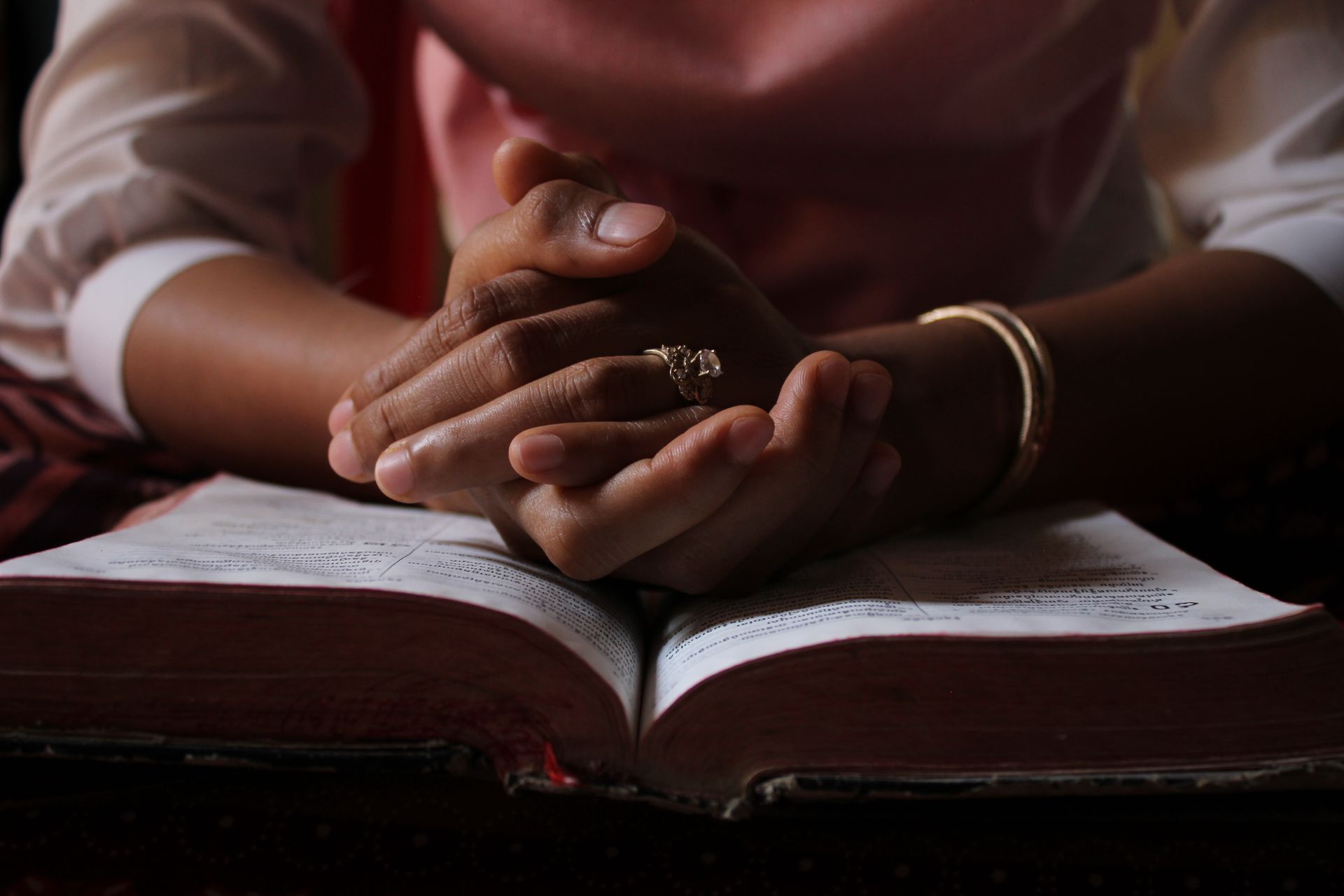
UN Experts Release Letter to Nigerian Government Warning of Heightened Risk of Violence for Christian Women and Girls
- UN experts’ communication to Nigerian government has been made public following 60-day response window
- Letter raises concerns over religiously-motivated violence in Nigeria disproportionately targeting Christians and particularly women and girls, as well as other minorities
- Alliance Defending Freedom advocates for the Nigerian government to fulfil its obligations to guarantee freedom of religion and prevent all forms of violence
GENEVA (13 AUGUST 2026) – UN experts have published a formal communication to the Nigerian government, warning of mounting reports of human rights violations by armed extremist and political groups in the country’s northern and central regions and expressing concern for the rights of Christian and other religious or belief communities, and particularly women and girls.
Following the 60-day response window granted to the Nigerian government, the Office of the High Commissioner on Human Rights has made public the joint letter in the communications database of Special Procedures, issued by the Special Rapporteurs on violence against women and girls, extrajudicial, summary or arbitrary executions, minority issues, and torture, and the Working Group on Enforced or Involuntary Disappearances.
The communication was sent in response to credible reports of grave human rights violations – including killings, sexual violence, forced conversion, forced marriage, abductions and acts tantamount to enforced disappearances – from NGOs operating in the country, as well as extensive advocacy efforts by human rights and religious freedom groups such as Alliance Defending Freedom.
In the letter, UN experts raised “concern over the ongoing and worsening insecurity situation in Northern Nigeria and the Middle Belt, [and] notably its human rights implications for persons belonging to Christian and other religious or belief communities, particularly women and girls”.
Experts noted that the risk for Christian females is especially great, highlighting four cases of alleged human rights violations against Christian women and girls. These include the abduction and sexual assault of two women by armed militants, the forced marriage and conversion of a 13-year-old girl, the abduction of a pastor’s daughters and members of a church by terrorists belonging to Boko Haram, and an attack on a 16-year-old girl whose hand was cut off after her family rejected a forced marriage proposal by armed militants.
They further observed that Christian women and girls are especially vulnerable within camps for internally displaced persons, citing lack of food and medical help, greater risk of sexual assault, allegations of young girls being forced to exchange sex for essential assistance, and reports that in some areas female Christians wear hijabs to obtain protection and acceptance in the wider community.
Concern over religiously-motivated violence
The UN experts also highlighted patterns of religiously-motivated violence disproportionately targeting Christians and other religious minorities in the affected areas, including women and girls.
The experts observed that “reports point to Christians in Nigeria being particularly targeted. According to information received, more Christians were killed in Nigeria last year than anywhere else in the world combined, placing the country at the center of a growing persecution crisis: of the 4,849 Christians killed for their faith in 2025 worldwide, 3,490 (approximately 72 per cent) were in Nigeria.”
Experts warned that interreligious tensions could be further aggravated by the enforcement of strict Sharia law in the 12 federated states of northern Nigeria, where concerns have been raised over systemic discrimination against non-Muslims, including unequal rights and severe social or legal consequences for converts.
The letter further expressed particular concern over the presence of state-level blasphemy codes and the death penalty for specific offences relating to religion under Sharia law, noting that “[the deteriorating] security situation and intercommunal relations are also exacerbated by reports of episodes of violence relating to accusations of blasphemy, often fabricated, targeting religious minorities in Nigeria by mob attacks and killings.”
Nigerian government fails to act and respond
Experts emphasised that the ongoing instability is “sometimes accompanied or exacerbated by societal and institutional complicity, acquiescence or negligence”, noting the Nigerian government’s failure to respond to several communications previously issued by UN Special Procedures mandate-holders, and calling on the Nigerian authorities to urgently act on alleged violations and protect victims and civilians still at risk.
The letter further raised serious concerns over Nigeria’s failure to comply with its international human rights obligations, for example regarding freedom of religion, conscience and expression, the protection of religious minorities and of women and girls from discrimination, and the prevention of trafficking and child, early, and forced marriage, among other harmful practices. It also recognizes Nigeria’s due diligence obligations to prevent, investigate, prosecute, and punish human rights violations, including when perpetrated by non-State actors.
To date, the Nigerian government has not issued a response to the latest communication.
“As armed militant groups continue to terrorise communities across large parts of Nigeria, Christians, religious minorities and especially women and girls face a heightened risk of brutal attacks and other human rights violations. The joint communication from five UN mechanisms brings much-needed international attention to the scale of the atrocities currently being perpetrated.
“The UN experts’ letter rightly notes how failures within state institutions and the lack of decisive action have deepened the current insecurity. Nigerian authorities must act urgently on these findings, and reform the legal frameworks that enable and exacerbate discrimination against Christians and other religious minorities.
“Alliance Defending Freedom continues to affirm the fundamental importance of religious freedom and freedom of expression, and has supported Christians and others in Nigeria whose rights in these areas have been violated. We welcome this communication and remain ready to support Nigerian authorities in pursuing accountability, enacting legal reforms, and securing religious freedom for all.”
— Giorgio Mazzoli, Director of UN Advocacy at Alliance Defending Freedom
Alliance Defending Freedom Advocacy in Nigeria
ADF advocates for Christians and other religious minorities who face severe persecution across Nigeria. We have supported multiple individuals who have been attacked for their faith or targeted under blasphemy laws.
Recently, ADF supported the legal defence of Sarah* (name changed for security reasons), a 22-year-old woman from Kano state who was arrested, beaten and pressured by the local Islamic police after fleeing an attempted forced marriage and converting to Christianity. A Federal High Court ruled that the religious police did not have authority to arrest her over her conversion, curbing the reach of Sharia enforcement units operating in northern Nigeria.
ADF also supported the legal defence of Rhoda Jatau, a Christian mother imprisoned for 19 months for allegedly sharing a blasphemous video that condemned the lynching of Christian college student Deborah Emmanuel Yakubu. Jatau was fully acquitted in December 2024.
In 2025, a Nigerian High Court struck down the wrongful conviction of David* (name changed for security reasons), a Christian man who faced torture for helping a persecuted convert escape violence in the country. ADF supported David’s legal defence.
ADF is also supporting the legal defence of Sufi musician Yahaya Sharif-Aminu before the Supreme Court of Nigeria; he was imprisoned for over five years and previously sentenced to death for a WhatsApp message deemed blasphemous. After his first hearing, a Nigerian state lawyer threatened to publicly execute the young man for sending a song on WhatsApp. Sharif-Aminu has entered his sixth year in prison after the Supreme Court abruptly cancelled a long-awaited second hearing set for June 2026. His case carries with it the possibility of abolishing the draconian blasphemy laws that significantly exacerbate Nigeria’s climate of violence and hostility toward religious minorities, including Christians.
ADF was also among several human rights organisations and experts that urged the US State Department to redesignate Nigeria as a “Country of Particular Concern” (CPC). This status was accorded in October 2025, drawing greater international attention to the human rights consequences of the country’s security situation.