
Since 2019, Brazil has been experiencing ongoing censorship and due process violations; the country now has what are likely the worst restrictions on speech in the Americas.
Continue readingU.S. Lawmakers Raise Serious Free Speech Concerns with WHO Pandemic Agreement, Petition State Department for Documentation
Representatives Jim Jordan and Thomas Massie pen letter to U.S. Department of State, stating “WHO Agreement may contravene the First Amendment”
Continue readingUS Government agency condemns UK silent prayer arrest
- In its latest report, the US Commission on International Religious Freedom (USCIRF) highlights that the European governments have “targeted individuals for their peaceful religious expression”
- Arrest of Isabel Vaughan-Spruce for silently praying in an abortion “buffer zone” listed as primary example
- UK Home Office to release guidance on “buffer zone” policing imminently – abortion advocates lobby for silent prayer to be punished
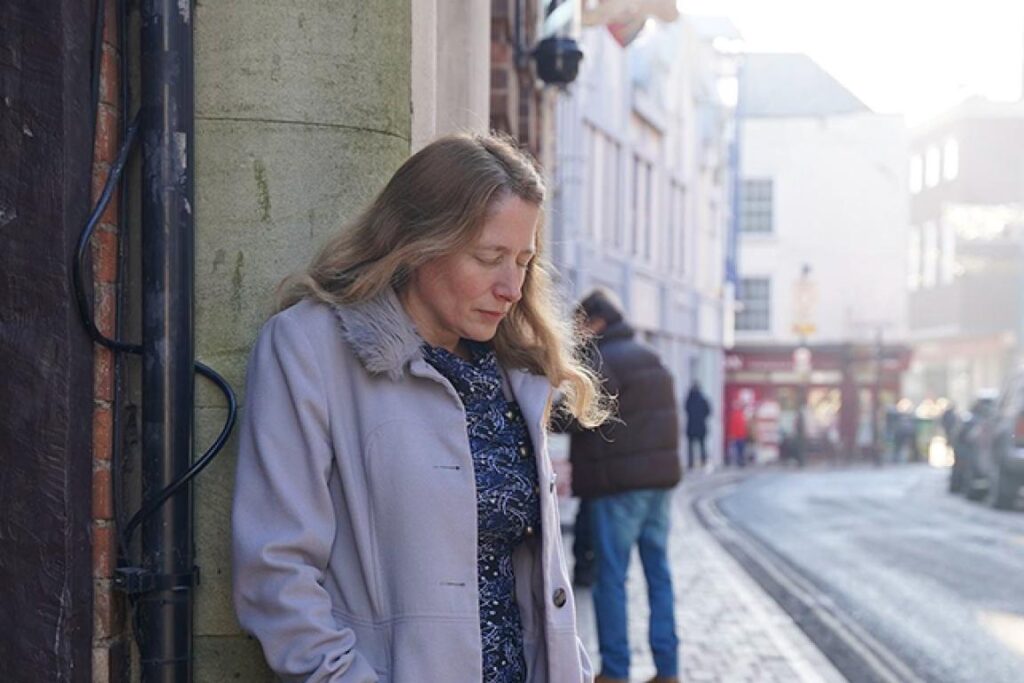
LONDON (14th May 2024) – A U.S. federal government commission has called out the unjust arrest of a silently praying Christian in Birmingham, Isabel Vaughan-Spruce, in its annual international report.
The US Commission on International Religious Freedom (USCIRF) was established as part of the International Religious Freedom Act (IRFA), which mandates that U.S. policy includes condemning violations of religious freedom abroad and assisting foreign governments to protect this fundamental human right. Commissioners are appointed by the President and the leadership of both political parties in the Senate and the House of Representatives.
The 2024 annual report highlighted the high-profile arrest of Vaughan-Spruce as an example of European governments “targeting individuals for their peaceful religious expression”.
Responding to the news, Isabel Vaughan-Spruce said:
“Arresting individuals for silent prayer has put Britain in a position of global embarrassment. Nobody should be criminalised for their mere thoughts – this is a basic principle of a liberal democracy. If we can’t get that right at home, how are we meant to uphold human rights on the world stage?
I was searched, arrested, put in a police van, charged and placed on trial for a “thoughtcrime” – for peacefully and imperceptibly praying outside an abortion facility. With support from ADF UK, I was fully vindicated in court – but my case isn’t a one-off. The Home Office can prevent my arrest from recurring by clarifying in their upcoming guidance that, while we all condemn harassment, freedom of thought and consensual conversation must remain free.”
"Arresting individuals for silent prayer has put Britain in a position of global embarrassment. Nobody should be criminalised for their mere thoughts – this is a basic principle of a liberal democracy."
- Isabel Vaughan-Spruce, arrested, tried and fully acquitted after praying silently in her head in an abortion "buffer zone"
Arrested for a “Thoughtcrime”
Isabel Vaughan-Spruce was arrested twice in 2023 for silently praying in a “buffer zone” in Birmingham. A Public Spaces Protection Order had been installed by local authorities to ban all expressions of “approval or disapproval” of abortion on the streets near an abortion facility. In what is widely thought to be the first “thoughtcrime” case in 21st Century Britain, Vaughan-Spruce was charged even though she had prayed imperceptibly and not expressed any opinion outside of her own mind.
A Catholic priest, Father Sean Gough, was also charged for holding a sign within a buffer zone reading “praying for free speech”. Both were tried at Birmingham Magistrates Court and fully acquitted of all charges with legal support from ADF UK, after the prosecution were able to offer “no evidence”.
Two further individuals – Adam Smith-Connor and Livia Tossici-Bolt – will face trial later this year after both being charged with breaching “buffer zones” on separate occasions in Bournemouth.
Adam Smith-Connor, like Isabel Vaughan-Spruce, prayed silently in his head. Livia Tossici-Bolt, a long-term crisis pregnancy support volunteer, held a sign reading “Here to talk, if you want”.
Watch Isabel’s second arrest, sparking the condemnation of the US Commission, below:
You are currently viewing a placeholder content from YouTube. To access the actual content, click the button below. Please note that doing so will share data with third-party providers.
More InformationHome Office guidance expected to be published imminently
Yet several other members of parliament have spoken up for maintaining protections on silent prayer and consensual conversation in the guidance.
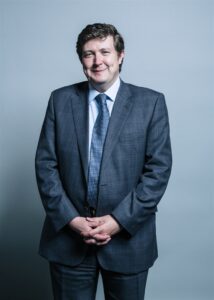
Andrew Lewer MP said:
“The Home Office guidance on buffer zones should at least protect these in order to uphold international standards on freedom of speech and of thought.
“While police crack down on these peaceful activities, they expose a double standard where protesters on different ideological issues are allowed much wider scope to express their beliefs.”
The final guidance is expected to be published imminently.
Speaking about the “thoughtcrime” trials seen in Britain, Jeremiah Igunnubole, legal counsel for ADF UK said:
“The principle of freedom of thought and speech must be defended both within and outside ‘buffer zones’. To his credit, the Home Secretary has, thus far, sought to keep our country in line with international law by underlining the importance of protecting freedom of thought as an absolute right, and protecting the right to freely engage in consensual conversations, which is the lifeblood of any genuinely thriving democracy.
That said, it is crucially important that he holds firm in the face of concerted pressure from a vocal minority of backbench MPs who, unsatisfied with introducing arguably the most censorial legislation in modern British history, are now seeking to criminalise the innermost thoughts of law abiding citizens and even consensual discussions. These efforts of a handful of Labour and Conservative backbenchers are nothing short of Orwellian and are undoubtedly the first step to the normalization of state-endorsed content-based censorship,” commented Jeremiah Igunnubole, legal counsel for ADF UK.
WHO Pandemic Treaty, ‘Infodemics’ and Freedom of Speech
Everything you need to know about the WHO pandemic treaty and its censorial threat to freedom of speech. Find out what we did about it.
Continue readingWHO Pandemic Agreement: free speech experts welcome progress as negotiations near conclusion
- Earlier versions of the text required parties to “combat” or “prevent” undefined concepts like “misleading information”, “misinformation”, and “disinformation”.
- ADF International spearheaded global advocacy to ensure pandemic treaty upholds freedom of expression.
- Latest negotiating text addresses free speech concerns – vigilance against potential regression crucial as negotiations resume today.
GENEVA (30 April 2024) – The World Health Organisation’s (WHO) Pandemic Agreement, a new international treaty due to be adopted in June, has drawn worldwide criticism for its potential crackdown on freedom of expression as part of pandemic prevention, preparedness, and response. An earlier version required the “management” of so-called “infodemics,” defined as “too much information … during a disease outbreak” causing “confusion” as well as “mistrust” in health authorities, regardless of the veracity of the information in question. A more recent version of the agreement included language mandating parties to “cooperate, in accordance with national laws, in preventing misinformation and disinformation,” essentially granting individual states the discretion to define which information fits within these categories, and potentially censor it.
Global advocacy efforts to protect free speech yielded fruits as the latest proposal for the WHO Pandemic Agreement removed the vague mandates for parties to “prevent” misinformation and disinformation. In a significant shift, the current text no longer contemplates the imposition of potentially sweeping restrictions on freedom of speech to address these phenomena. Instead, it recognizes the importance of building trust and ensuring timely, transparent, accurate, science- and evidence-informed information.
"It is vital that the Pandemic Agreement safeguard freedom of expression against potential censorship threats. We commend WHO Member States for acknowledging the critical importance of government transparency and accountability in sharing pandemic-related information, rather than endorsing arbitrary speech suppression."
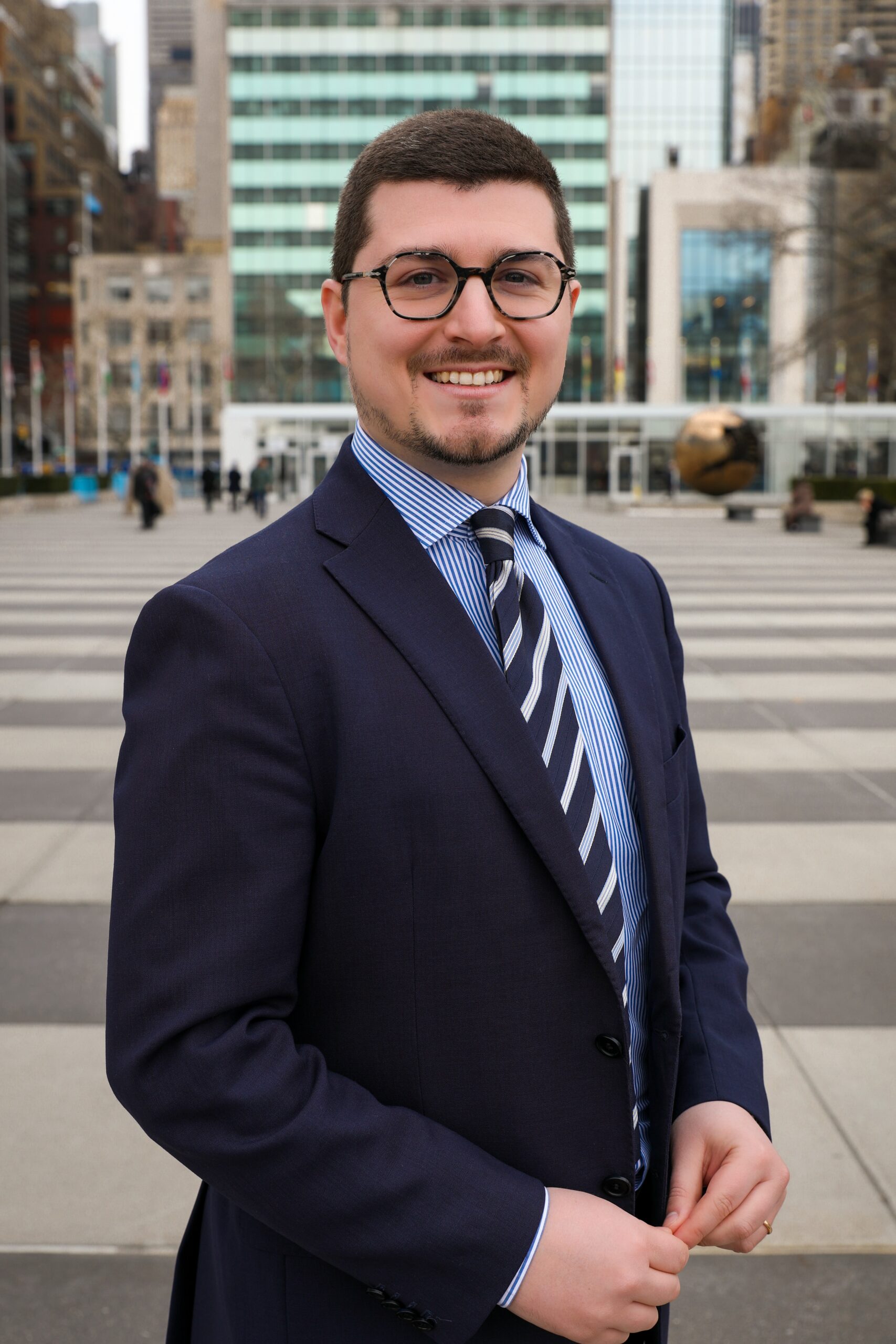
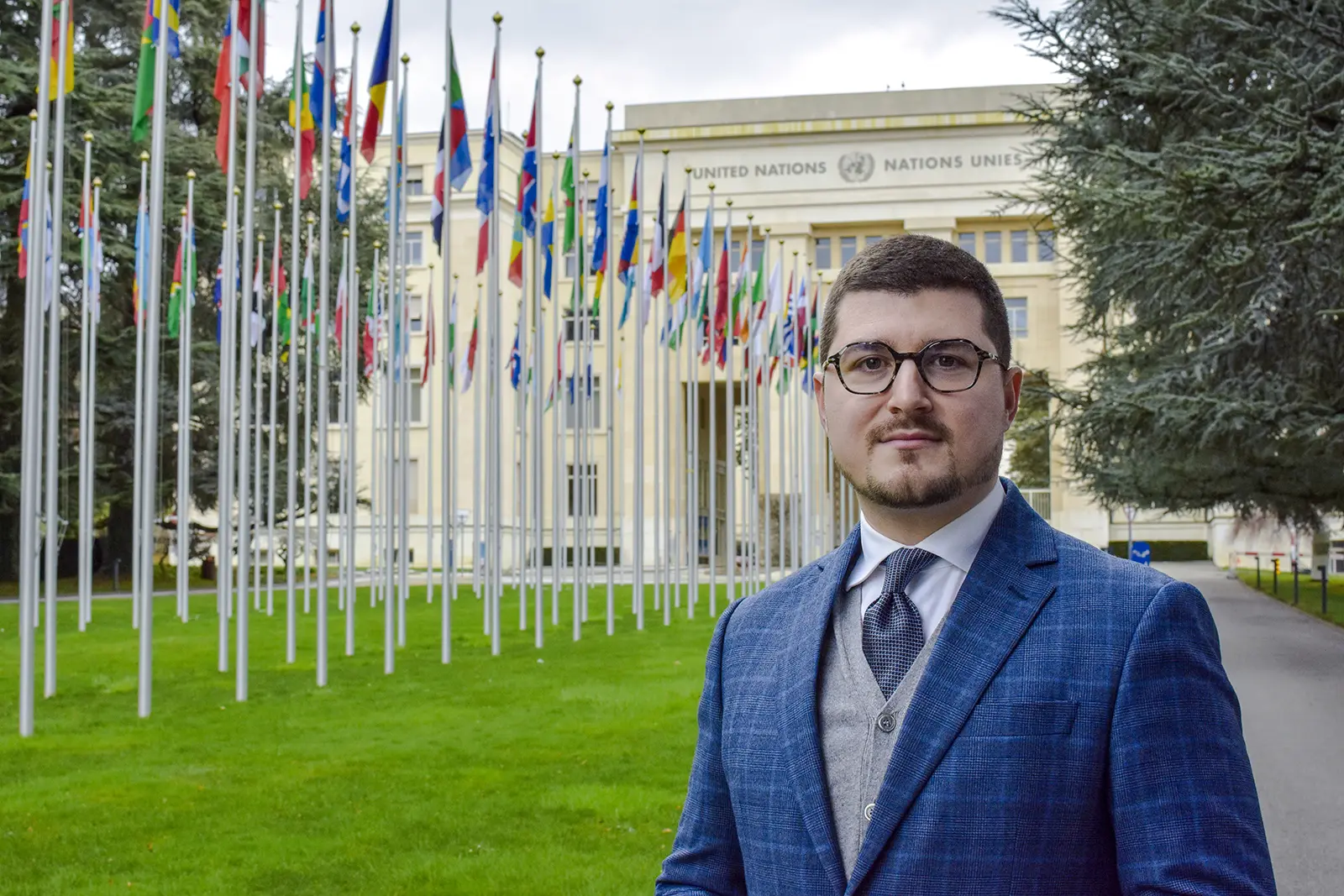
- Giorgio Mazzoli, Director of UN Advocacy at ADF International
“Long-awaited development”
“It is vital that the Pandemic Agreement safeguard freedom of expression against potential censorship threats. We commend WHO Member States for acknowledging the critical importance of government transparency and accountability in sharing pandemic-related information, rather than endorsing arbitrary speech suppression. We trust that these advances will be consolidated in the final text without any rollbacks on language protecting fundamental freedoms,” said Giorgio Mazzoli, human rights expert and Director of UN Advocacy at ADF International, who led the legal organisation’s global advocacy effort.
Negotiations continue today
Today marks the resumption of negotiations on the draft text, scheduled to conclude on May 10th. Later next month, the World Health Assembly (WHA) is expected to adopt the agreement, aimed inter alia at strengthening the WHO’s role in preventing, preparing for, and responding to future pandemics.
Over the last months, ADF International warned that the agreement could severely restrict freedom of expression, a fundamental human right that encompasses the right to impart, seek and receive information under international law. ADF International has highlighted the potential human rights implications of the WHO Pandemic Agreement and offered legal advocacy to key stakeholders.
“Freedom of expression, especially during pandemics, is essential to ensure scrutiny and accountability over critical public health decisions. It is imperative that the Pandemic Agreement does not lead to a lowering of existing standards by promoting incursions into free speech in the name of public health, when it is possible for both to be upheld in careful balance. As negotiations near their final stages, Member States must steer clear of any regression in this area,” concluded Mazzoli.
Further information:
- October 2023: Negotiating text which required states to combat so-called infodemics: https://t.co/wdrlqG1pHO
- March 2024: Negotiating text which demanded that parties cooperate “in preventing misinformation and disinformation”: https://t.co/wdrlqG1pHO
- April 2024: new draft without vague mandates and the confirmation of the importance of freedom of information: https://t.co/vtmrw4elmv
Bible-tweet case to be heard at Finnish Supreme Court
Long-serving Parliamentarian and grandmother Päivi Räsänen to stand trial a third time for expressing Christian beliefs on marriage and sexuality on “X” (formerly Twitter)
Continue readingScottish Parliament to vote on repealing notorious censorship law, WEDNESDAY
Motion tabled to repeal the law which would punish citizens for comments deemed “hateful”, even at family dinner table
Continue readingVIDEO: Scottish buffer zones bill is “patronising” and unhelpful, woman who recieved help from pro-life volunteers tells parliament
- Alina Dulgheriu, who accepted an offer of support to continue her pregnancy from a pro-life volunteer near an abortion facility, asks Scottish parliament to protect the right to offer help to women in crisis
- Scottish proposal would ban prayer and pro-life speech even inside houses within 150m or more of abortion facilities
EDINBURGH (12 March 2024) – Alina Dulgheriu, a mother who recieved help at her point of critical need outside an abortion facility, has asked the Scottish government to consider vulnerable women before censoring pro-life help in Scotland.
Dulgheriu credits pro-life volunteers with empowering her to make her wanted choice to continue her pregnancy despite financial and social pressures placed on her to abort.
She has since established the “Be Here For Me” campaign, collecting testimonies of other women who have been positively impacted by the presence and services offered by charitable pro-life volunteers. Dulghieriu called on the Scottish government to allow volunteers to continue the work that she views as “much needed” in order to support vulnerable women.
“I didn’t want an abortion but I was abandoned by my partner, my friends and society. My financial situation at the time would have made raising a child very challenging. Thanks to the help I was offered by a group outside of a clinic before my appointment, my daughter is here today. Stopping people from offering much-needed services and resources for women in my situation is wrong. Let them help,” Alina Dulgheriu, spokesperson for Be Here For Me, commented on the implementation of censorial “buffer zones”.
"Removing the option to receive help to keep a child...is deeply patronising and assumes that women can't make a decision for ourselves, or that we might choose the wrong option."
- Alina Dulgheriu, spokesperson for Be Here for Me, a group of mothers campaigning against buffer zone censorship
Addressing parliamentarians on the Health, Social Care and Sport committee, Dulgheriu explained that the buffer zones bill would be “deeply patronising” to women by denying them an opportunity to hear and consider options to continue their pregnancy with charitable support.
“It is worrying that we will consider denying vulnerable woman access to potential life-changing, life changing information – especially when facing one of the most challenging decision of their lives that could have lasting ramification on their mental and physical health.
Removing the option to receive help to keep a child in case we feel offended is deeply patronising and assumes that woman can’t make a decision for ourselves or that we might choose the wrong option.
My case is not a one-off. There are many hundreds of women just like me who have benefitted from this support. Yet we are all too often ignored.”
In a Q&A with Members of the Scottish Parliament, Dulgheriu went on to explain that the help she had recieved from pro-life volunteers had not been offered by the abortion provider whom she had asked about her options.
Promote “tolerance, not censorship”, asks woman arrested for silent prayer
The charitable volunteer who was arrested for praying silently in a controversial “buffer zones” case in Birmingham will also testified to Holyrood about her experience of being prosecuted for a “thoughtcrime”.
Isabel Vaughan-Spruce was seen being arrested on a viral video last winter when she said she “might be praying inside [her] head”. She was charged with “engaging in an act that is intimidating to service users” within the buffer zone of an abortion clinic – despite the clinic having been closed.
She was later fully acquitted at Birmingham Magistrates Court after the prosecution could offer no evidence as to her thoughts.
Addressing the parliamentarians, Vaughan-Spruce said:
“After having to clear my name in court I was rearrested two weeks later being told ‘my prayers were an offence’. I’m concerned that this will end up happening in Scotland. Nobody should be punished for a “thoughtcrime” – yet this proposed legislation could easily allow that to happen.
The buffer zone has created a huge amount of division in our area, and many locals tell me that they are now fearful to share their beliefs with their neighbours. The community has become polarised and the buffer zone has fostered intolerance.
“I wholly recommend that the Scottish government protect freedom of thought and of speech in Scotland, and promote tolerance rather than censorship.”
"I wholly recommend that the Scottish government protect freedom of thought and of speech in Scotland, and promote tolerance rather than censorship."
- Isabel Vaughan-Spruce, who was criminally charged for breaking a "buffer zone" regulation after she prayed silently in her mind near an abortion facility in Birmingham. Isabel was tried and found innocent. ADF UK supported her legal defence.
The bill has recieved criticism from free speech advocates, who raise concern that the vague and ambiguous language of the text could crack down on peaceful conversation and even thought.
“Scotland’s buffer zone bill is one of the most extensive crackdowns on pro-life thought and speech we’ve seen. As drafted, it could even ban prayer and peaceful pro-life speech within homes if they are situated sufficiently near an abortion facility. The proposal would also allow the 150m distance of the buffer zone to be expanded by local authorities to an unlimited extent. It is vital that the parliament take heed of the stories of Alina and Isabel, and uphold their duty to protect freedom of thought, offers of help, and consensual conversation,” said Lois McLatchie Miller, spokesperson for ADF UK in Scotland.
Images for free use in print or online in relation to this story only
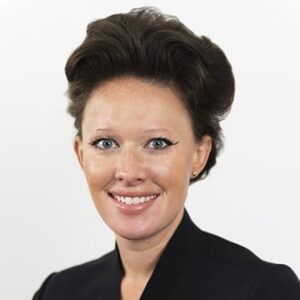
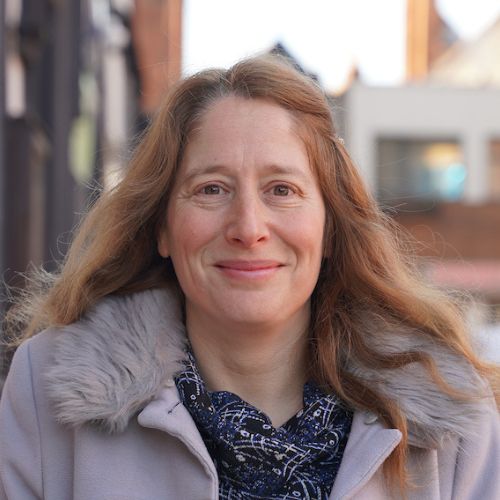
PICTURED: Isabel Vaughan-Spruce; Alina Dulgeheriu; Lois McLatchie Miller, ADF UK
International body demands response from Mexican government on congressman convicted as a “political offender” for censored Twitter/X posts
Mexican congressman and former presidential candidate Gabriel Quadri convicted as a “political violator against women” for Twitter/X posts on gender.
Continue readingWHO pandemic treaty negotiations resume while concerns mount about censorship threats: “cure cannot be worse than the disease”
WHO pandemic treaty draft threatens freedom of expression by requiring governments to manage “infodemics” defined as “too much information”.
Continue reading