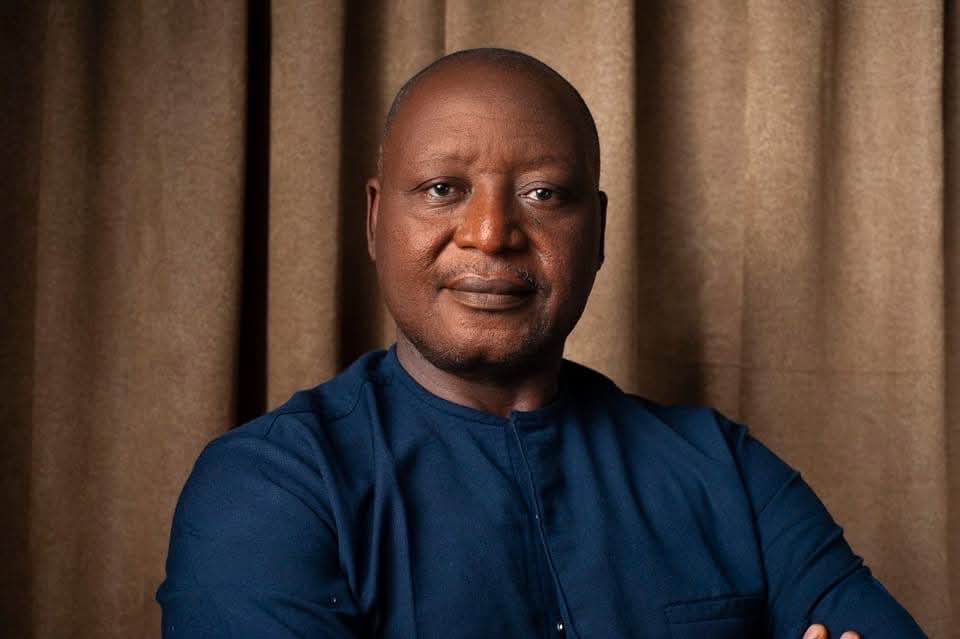
Nigerian Journalist Cleared of Criminal Defamation Charges After Reporting on Christian Persecution
- Kaduna-based journalist Luka Binniyat, one of Nigeria’s leading reporters on the persecution of Christians, has been cleared of criminal defamation charges brought against him in 2021.
- ADF provided legal support to his case, which marks a significant victory for free expression in Nigeria.
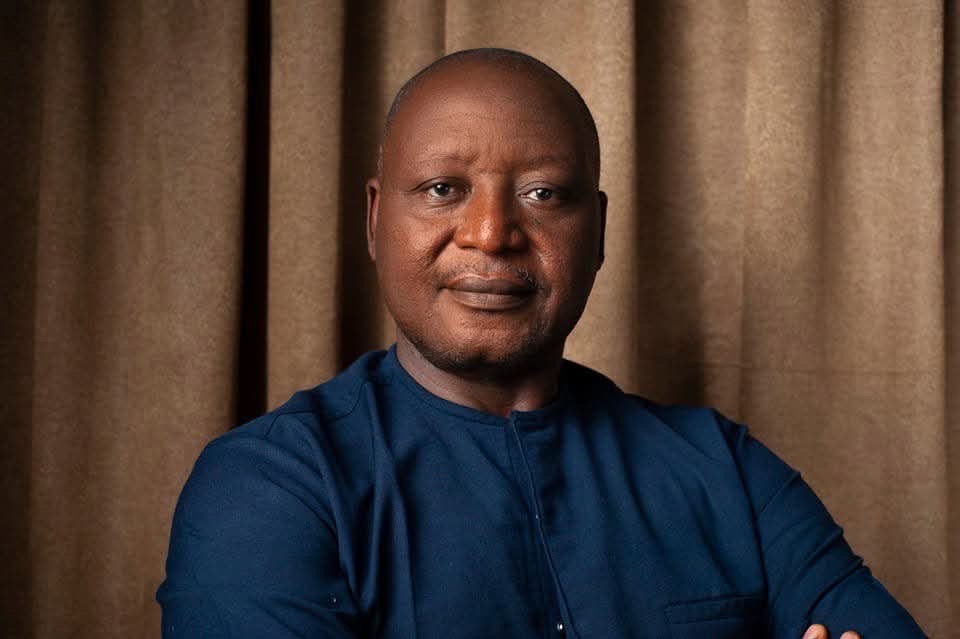
KADUNA, NIGERIA (27 AUGUST 2026) — Luka Binniyat, a Kaduna-based journalist recognised as one of Nigeria’s preeminent voices reporting on the persecution of Christians in Southern Kaduna, has been formally cleared of criminal defamation charges after a five-year legal battle.
In November 2021, Binniyat wrote an article for the US-based Epoch Times in which he quoted a Nigerian legislator who accused another lawmaker of “covering up” what he described as a “genocide” against Christians in Kaduna. After the article was published, Binniyat was arrested and detained on charges of criminal defamation. He was later released in February 2022, and continued to fight the charges against him for years afterward.
“It is troubling to me that I was arrested and prosecuted for fulfilling my duty as a journalist, which is to report the facts. It is essential that as Christians face widespread persecution throughout Nigeria, the press is free to quote what public figures are saying and doing about this crisis.
I am grateful that I was released and the charges against me were dismissed. However, my experience shows that there is much work to be done in Nigeria regarding protecting free expression, especially when it comes to speaking out on religious freedom and reporting honestly about what is really happening to Christians in the country.”
— Luka Binniyat
In late May 2026, the Federal High Court in Kaduna published its ruling on Binniyat’s case, finding no substantial evidence to support the charge of defamation — vindicating Binniyat nearly five years after his arrest. In its decision, the court stated there was “no evidence to prove the essential elements of the alleged offense” and further stated the evidence presented against Binniyat was “manifestly unreliable.” The Court’s decision was made following a “no case” motion, which means that the prosecution had failed to substantiate its case even before hearing the defense.
“Luka Binniyat did nothing more than accurately quote a Nigerian legislator’s own words. This ruling is a vindication for Luka, but it should also be a wake-up call: accurate reporting on atrocities is not a crime, and journalists covering religious persecution deserve protection, not prosecution,” said Sean Nelson, Senior Counsel for Global Religious Freedom at Alliance Defending Freedom (ADF). “Across Nigeria, Christians are being slaughtered for their faith. Journalists have both a duty and a right to report on these violent, religiously-motivated attacks — without their reporting, the suffering they face would go largely unnoticed.”
ADF provided legal support to the case and welcomes the ruling as a victory for free expression in Nigeria.
Background
ADF has long advocated for Christians and other religious minorities facing persecution across Nigeria, one of the most dangerous countries in the world to be a Christian. Thousands are killed for their faith each year.
Because of the prevalence of religious violence, mostly in the northern region of the country, Christians and other religious minorities face blasphemy laws, threats of death, violations of due process, and the destruction of property through mob violence.
ADF has supported a number of Christians in Nigeria, advocating for their right to freely and peacefully express their faith. This includes Rhoda Jatau, a Christian mother who spent 19 months in prison after being accused of sharing a video condemning the killing of Christian student Deborah Emmanuel Yakubu, and who was fully acquitted in December 2024. In 2025, David* (name changed for security reasons) was acquitted after being arrested and tortured for helping persecuted Christian converts flee violence.
ADF also advocates for the end of Nigeria’s draconian blasphemy laws, which for many years have driven social tensions and religiously motivated violence in the country. The case of Sufi musician Yahaya Sharif-Aminu, who was previously sentenced to death for writing allegedly “blasphemous” song lyrics, now holds the potential to overturn these laws. Sharif-Aminu’s case is pending before the Nigerian Supreme Court, and ADF is providing legal support to his case in efforts to advance religious freedom for Christians and religious minorities in Nigeria.