In the span of just five days, the British Parliament took two deeply troubling steps that threaten serious consequences for the legal protection of human life.
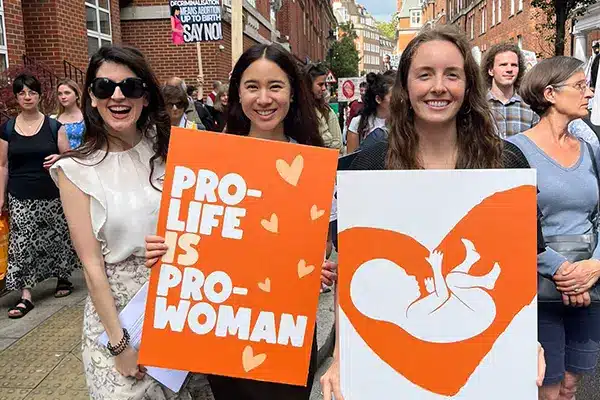
On Tuesday, 17 June, Members of Parliament (MPs) voted 379 to 137 to decriminalise abortion — removing all criminal penalties for women who end their pregnancies at any stage. This decision eliminates essential legal protections for both mothers and babies, including for dangerous at-home abortions that take the lives of fully viable babies up to birth.
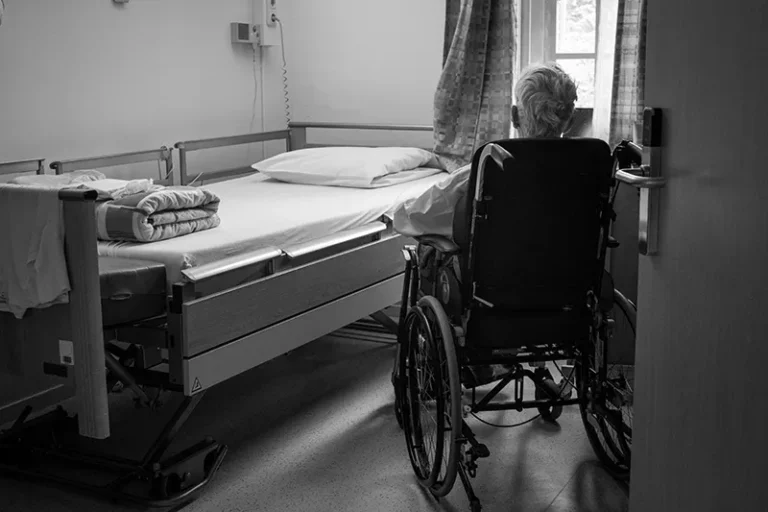
Just three days later, on Friday, 20 June, MPs also voted to move forward with a bill that would legalise assisted suicide for terminally ill patients, empowering doctors to prescribe lethal drugs to those deemed to have less than six months to live.
Together, these decisions send a deeply unsettling message: that life is only worth protecting when it is considered supposedly healthy, wanted, or useful.
Abortion Up to Birth — After Just Two Hours of Debate
The vote to decriminalise abortion took place with only two hours of debate — despite the sweeping implications of the proposal.
While current UK law already allows abortion beyond 24 weeks in a range of broadly defined circumstances, this amendment removed critical legal protections for viable babies in the womb and for women in difficult situations.
Supporters presented the move as an act of compassion toward women, but in reality, only 1% of British women support abortion until birth.
What the law now permits is not just rare: it is extreme. It removes protections that help prevent dangerous, self-managed, late-term abortions and leaves women to face serious risks alone, often in desperation.
This is not compassion. It is abandonment.
Assisted Suicide: A Dangerous Precedent
The bill to legalise assisted suicide follows the same deeply flawed logic. If passed, it will enshrine into law the false logic that ending a life can be an acceptable form of care. While its advocates insist it will be accompanied by “safeguards,” evidence from other countries tells a different story.
Take Canada, for example. Less than ten years after assisted suicide became legal, it now accounts for 4% of all deaths nationwide — a figure that continues to climb. Vulnerable people, especially those who are elderly or disabled, report feeling pressured toward death when what they truly need is support, dignity, and community.
Once a healthcare system begins to treat death as a solution, it becomes the cheaper, easier, and ultimately, default response.
A Culture of Abandonment — Not Autonomy
Both the abortion amendment and the assisted suicide bill were framed as measures that expand personal freedom. But in truth, they represent a profound abandonment — wrapped in the language of choice.
When the law permits abortion at 35 weeks, or offers lethal drugs in place of palliative care, it tells society that life is no longer sacred. Instead, the right to life is treated as negotiable — granted only to those society deems worthy.
A Better Vision for Britain
But this is not the only way forward.
There is another Britain — one that values every human life, from the youngest child in the womb to the most fragile person nearing life’s end. It is a Britain shaped by the truth that every person bears God’s image and possesses inherent dignity.
Both measures now go to the House of Lords. While the abortion amendment cannot be fully blocked, it can still be challenged and delayed. The assisted suicide bill, meanwhile, faces opposition from many peers who have pledged to resist its advance.
The Lords must give these bills the scrutiny they lacked in the Commons — and ask the hard questions others ignored.
This is a moment that calls for moral clarity. For people of faith to respond — not only in Parliament, but in practice. By supporting mothers in crisis. By walking with the dying. By upholding the dignity of the disabled. And by telling a different story: that every life is a gift, and that no one is beyond the reach of love.
Britain is facing a crossroads. And now, more than ever, we must have the courage to say no to death — and yes to life, in every stage, and every circumstance.