TOMORROW: Scottish grandmother to plead in court for offering conversation in “buffer zone” 

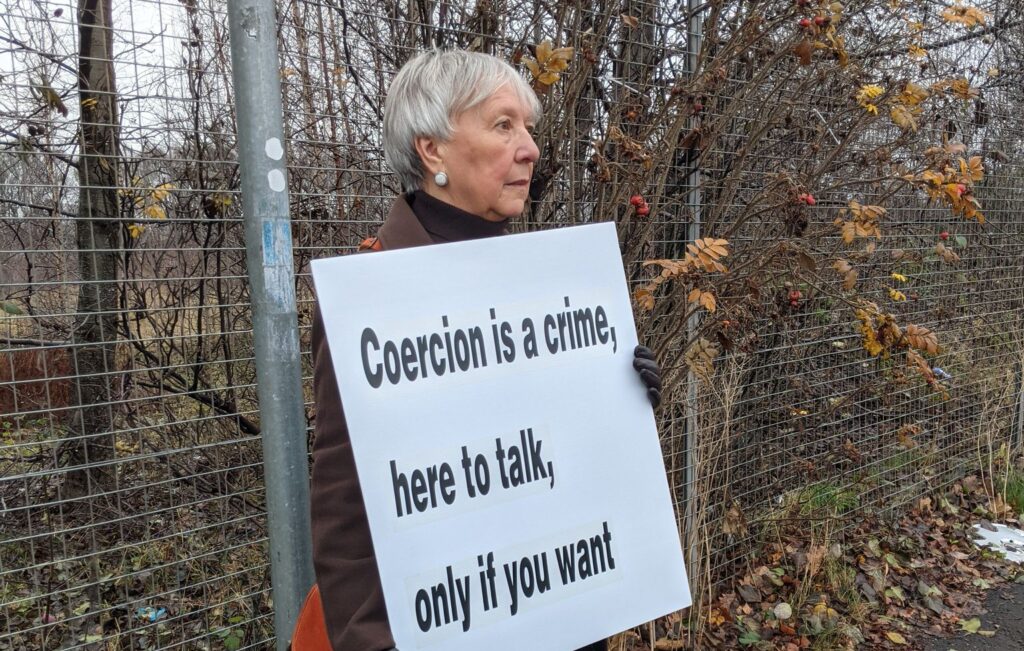
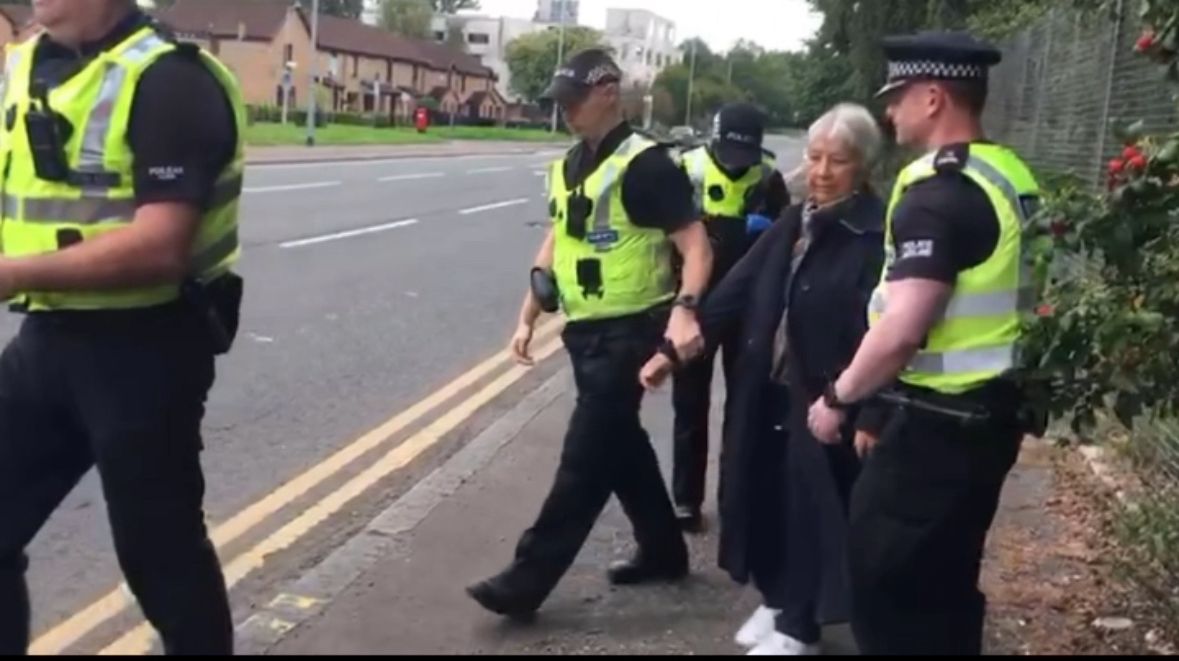
  • Christian grandmother Rose Docherty was arrested for holding a sign reading “Coercion is a crime, here to talk, only if you want” outside a Glasgow hospital.
  • Tomorrow she will enter a plead in court; ADF International is legally supporting the case.
  • Hearing follows Scottish Catholic Bishops’ Conference last week expressing concern about Mrs Docherty’s criminalisation.

GLASGOW (12 January 2026) – A Glaswegian grandmother will enter a plea in court tomorrow afternoon after she was arrested and criminally charged for offering consensual conversation in a “buffer zone”.  

Rose Docherty, 75, faces two charges related to alleged “influencing” within a “buffer zone”, despite having only stood peacefully and silently offering consensual conversation outside the Queen Elizabeth University Hospital in Glasgow last September. 

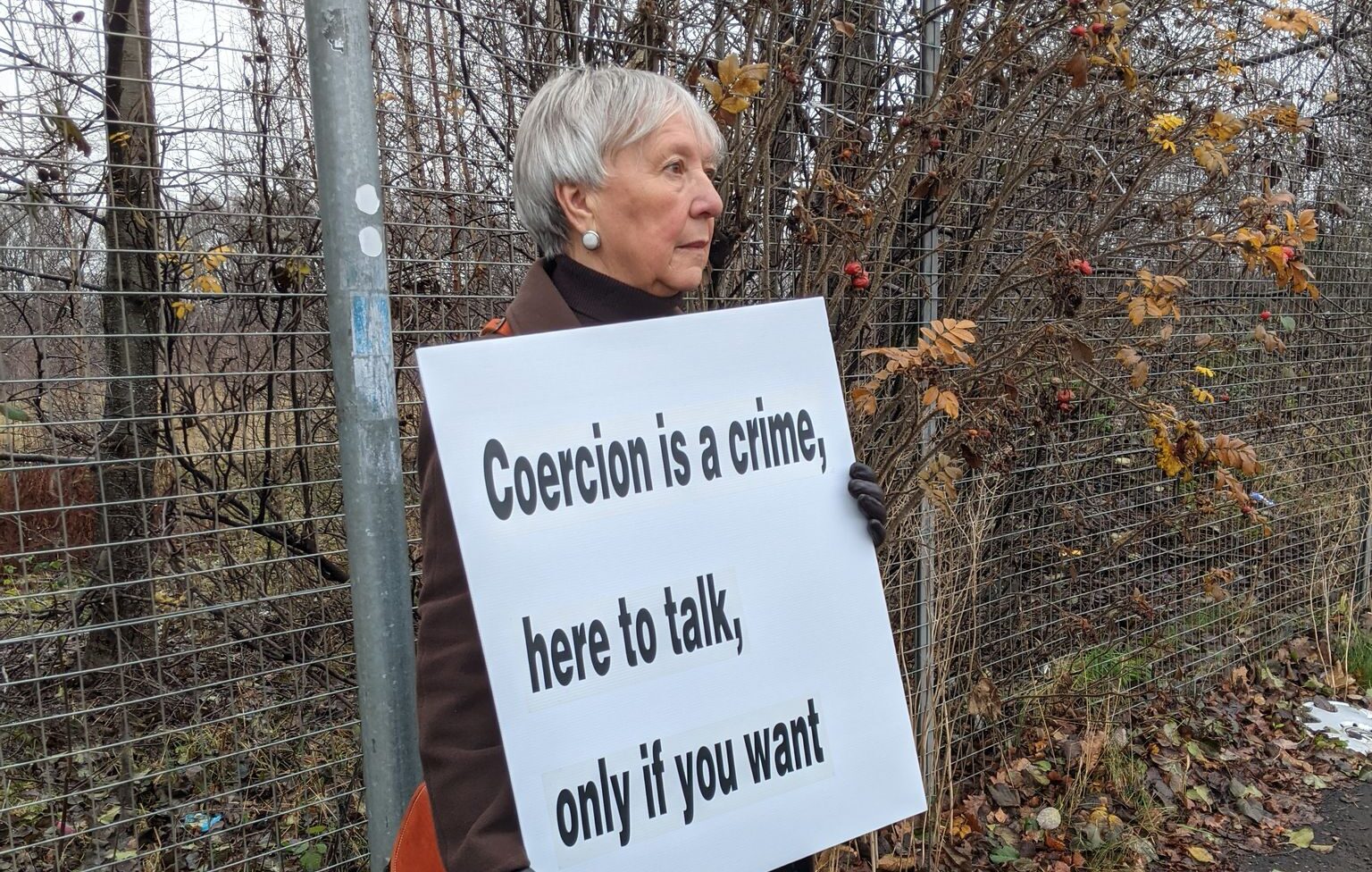
She held a sign that read: “Coercion is a crime, here to talk, only if you want” and did not approach any individual or make any statement about abortion.  

Mrs Docherty will tomorrow enter a plea at Glasgow Sheriff Court. The hearing is due to start at 2pm.  

The Christian grandmother is the first person to be charged under Scotland’s censorial 2024 “buffer zone” law, which forbids harassment, intimidation and “influencing” of anyone seeking to access abortion services. The “buffer zones” are enforced within 200 metres of every hospital.  

The US State Department expressed concern over Mrs Docherty’s arrest as “another egregious example of the tyrannical suppression of free speech happening across Europe” and last week the Scottish Catholic Bishops’ Conference also expressed concern, and strongly criticised Scotland’s “buffer zone” legislation. 

“Everybody has the right to engage in consensual conversation. I held my sign with love and compassion, inviting anyone who wants to chat, to do so – and stood peacefully, not approaching anyone.   I should not be treated as a criminal for inviting people to chat with me – lending a listening ear. Conversation is not forbidden on the streets of Glasgow. And yet, this is the second time I have been arrested for doing just that.”"

Mrs Docherty said:  “Everybody has the right to engage in consensual conversation. I held my sign with love and compassion, inviting anyone who wants to chat, to do so – and stood peacefully, not approaching anyone.  

“I should not be treated as a criminal for inviting people to chat with me – lending a listening ear. Conversation is not forbidden on the streets of Glasgow. And yet, this is the second time I have been arrested for doing just that.” 

Legal Counsel for ADF International, Jeremiah Igunnubole commented:  

“It’s deeply concerning that Scottish policing resources are being ploughed into arresting and prosecuting a peaceful grandmother offering to speak to people in public, rather than focusing on the problems caused by real crime in Glasgow.  

“This is not a case about harassment, intimidation or violent protest – this is simply a grandmother, who held a sign offering to speak to anyone who would like to engage.” 

Following her arrest, Mrs Docherty was held in custody for several hours. She was refused a chair to sit on in her cell, despite making it known that she had a double hip replacement.  

This was Mrs Docherty’s second arrest for peacefully offering consensual conversation. Last August, Scottish authorities dropped their case against her for holding the same sign in the same place, after a global outcry against the 75-year-old grandmother’s arrest, including concerns raised in an online post by the US State Department.  

The US State Department commented on Mrs Docherty’s latest arrest:  

“The arrest of Rose Docherty is another egregious example of the tyrannical suppression of free speech happening across Europe. 

“When 75-year-old grandmothers are being arrested for standing peacefully and offering conversation, common sense and basic civility are under attack. 

“The United States will always speak out against these violations of fundamental rights.” 

The architect of Scotland’s “buffer zone” law, Gillian Mackay MSP, admitted on BBC Scotland earlier last year that the vague prohibitions in the legislation could criminalise someone for praying visibly from a window in their home within a “buffer zone”, “depending on who’s passing by the window.”  

US Vice President JD Vance highlighted this law as a particular matter for concern in his Munich Security Conference speech in February last year.  

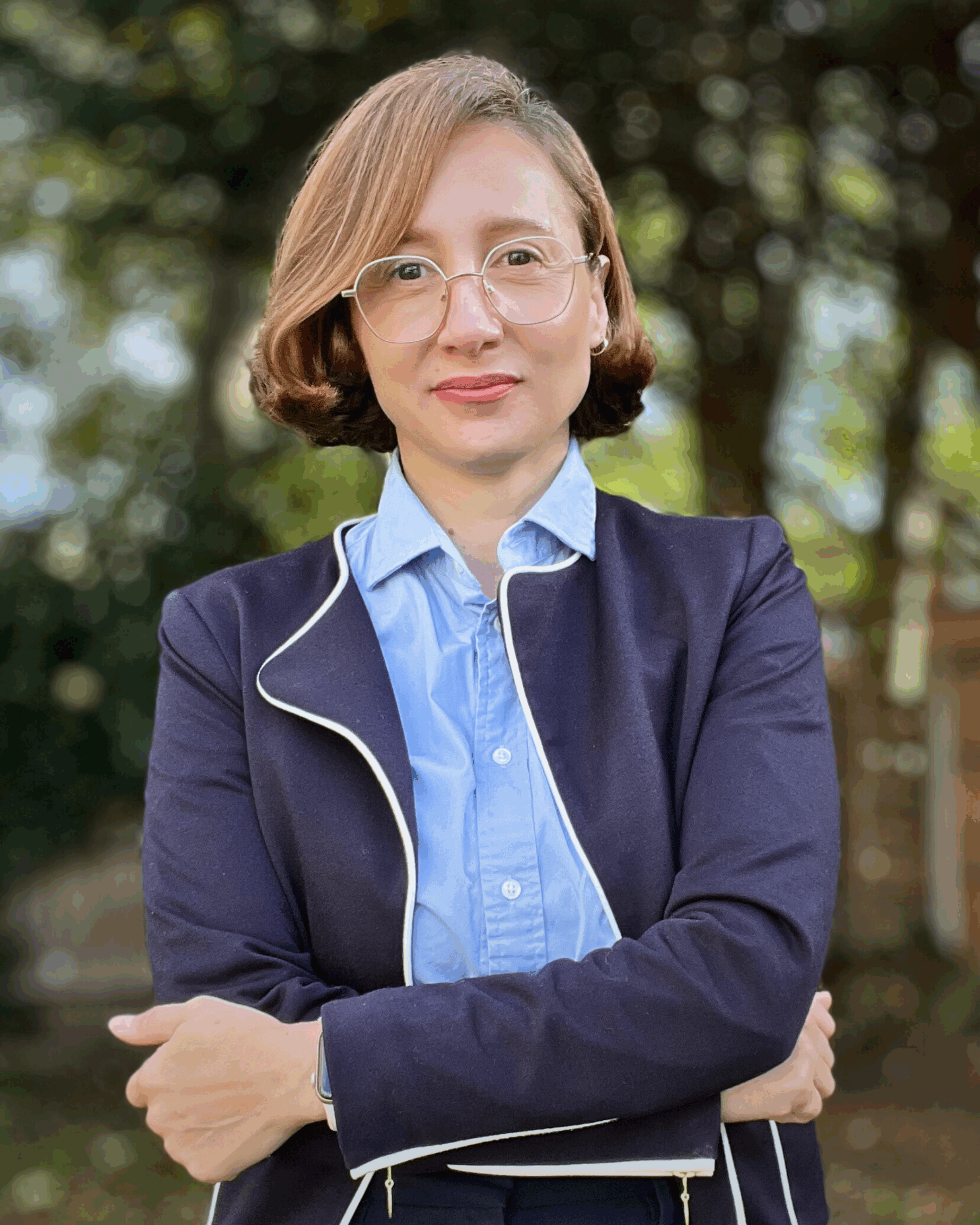
Images for free use in print or online in relation to this story only

Brazilian influencer under criminal investigation by police for criticizing gender ideology online 

  • Brazilian social media commentator Nine Borges subjected to criminal investigation by federal police for alleged “transphobia” after posting a video critical of gender ideology.
  • Borges’ case highlights a broader trend of government efforts in Brazil to censor peaceful online expression; ADF International supports her legal defence.

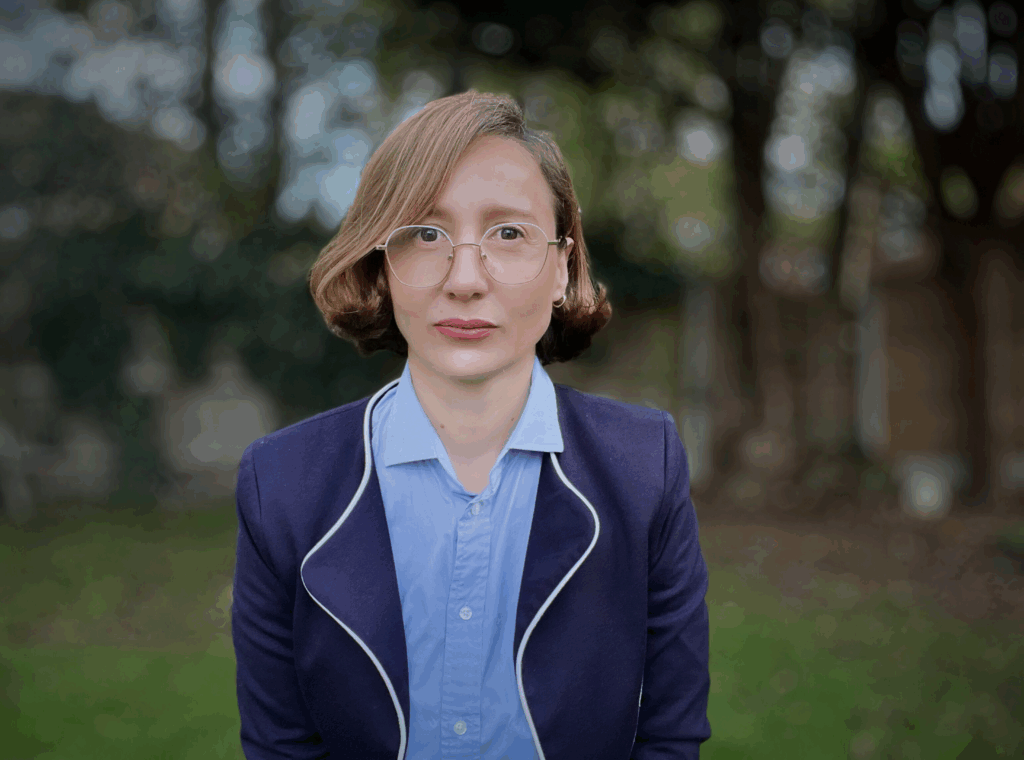
BRASILIA (12 January 2026) — A UK-based Brazilian social media commentator is under police investigation in Brazil after posting an online video criticizing public officials for using government money to fund pro-LGBT NGOs in Brazil. Nine Borges is a UK-based scientific consultant with 265,000 followers on Instagram, where she is a prominent critic of transgender ideology. In a short online video posted to Instagram in September 2024, in which she spoke to the camera from her home, she drew attention to concerns about the financing and influence of pro-LGBT organisations in Brazil and included criticism of Symmy Larrat, Brazil’s LGBT National Secretary. The video drew nearly 15,000 likes and 180,000 views. Larrat is a man who identifies as a woman and describes himself on social media using explicit terminology. After Larrat filed a complaint over the video, Borges was summoned for questioning by the Federal Police of Brasilia in October. She is now being investigated for alleged “transphobia” and “defamation.” Authorities have recommended the investigation move forward to formal prosecution. ADF International is providing legal support to Borges as a result of the investigation.

"No one should face criminal investigation simply for expressing their views about government policy. The attempt to classify peaceful criticism as ‘transphobia’ represents a serious threat to freedom of speech, which is already so imperiled in Brazil. The authorities must ensure that fundamental rights are protected, not punished."

“No one should face criminal investigation simply for expressing their views about government policy. The attempt to classify peaceful criticism as ‘transphobia’ represents a serious threat to freedom of speech, which is already so imperiled in Brazil. The authorities must ensure that fundamental rights are protected, not punished,” said Julio Pohl, legal counsel at ADF International. 

Background

Borges is a Brazilian social media commentator who currently resides in the UK. In September 2024, she published a video on Instagram drawing public attention to concerns about the financing and influence of pro-LGBT organisations in Brazil. The video included criticism of a high-ranking government official.  Shortly afterward, Brazil’s LGBT National Secretary filed a complaint, and authorities opened a criminal investigation. In August 2025, Borges received formal notice that she was being investigated for “transphobia” and “defamation,” prompting her summons to appear before police on October 7, 2025.  The following month, on November 5, police informed Borges that they would recommend moving the investigation forward to formal prosecution for “transphobia” and “misgendering” the LGBT Secretary—an official who self-describes as a “transvestite” and “prostitute.” Borges had used these same terms in her commentary, and police cited this as the basis for pursuing prosecution.  A 2019 ruling from Brazil’s Supreme Federal Tribunal established “transphobia” and “homophobia” as crimes, punishable with up to five years of jail time per count. Overstepping Congress, the Court created a crime without observing the legal and democratic process. Since then, numerous cases have emerged across Brazil in which individuals were charged with “transphobia” for simply sharing their beliefs.   In 2025, social media influencer Isabella Cepa faced criminal investigations for her online post about gender ideology. In another case, Assemblies of God Pastor Douglas Baptista faced criminal charges for authoring a book with a Christian view of sexuality. His case was legally supported by ADF International. Charges in both cases were dropped, but they remain evidence of the broader, chilling trend of government efforts in Brazil to censor peaceful online expression.  “I spoke out because the public deserves to know what is happening in their own country. I will not be intimidated for sharing my views online. I have the right to question powerful officials. Brazilians everywhere should have the same freedom without fear of investigation or arrest,” said Nine Borges. 

Growing Pattern of Censorship in Brazil

International human rights law guarantees the right to express ideas without fear of criminal investigation or prosecution, including criticism of public officials. ADF International represents five Brazilian legislators (Senator Eduardo Girao and members of the Chamber of Deputies Marcel Van Hattem, Adriana Ventura, Gilson Marques, and Ricardo Salles) before the Inter-American Commission on Human Rights. The legislators are challenging the violations of their free speech rights before the Commission. They claim violations of their rights under the Convention, including their freedom of expression, as a result of escalating state censorship which reached a head with last year’s X ban in Brazil during the municipal elections period. Censorship in Brazil has been a persistent and escalating problem since 2019.

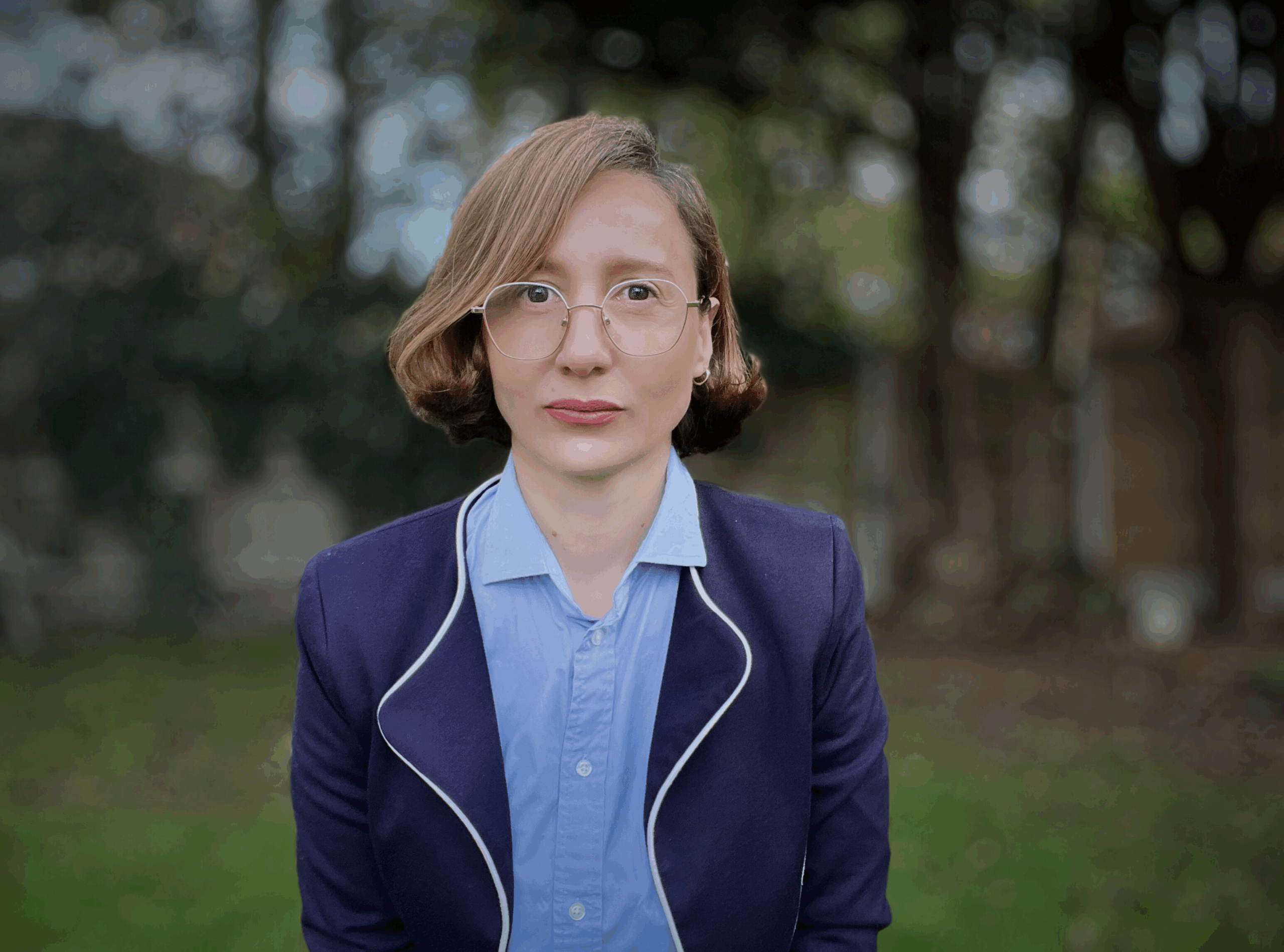
Images for free use in print or online in relation to this story only