U.S. State Department calls on Nigeria to release young musician sentenced to death, imprisoned for "blasphemy" over song lyrics
- Riley Barnes, Assistant Secretary of State for Democracy, Human Rights, and Labor, testifies before the House Foreign Affairs Africa Subcommittee, calling for the release of Yahya-Sharif Aminu, who has been imprisoned for over six years under criminal blasphemy charges.
- ADF has provided continual legal support to Sharif-Aminu’s case and advocates to repeal draconian blasphemy laws which suffocate religious freedom across Nigeria’s northern and middle region.

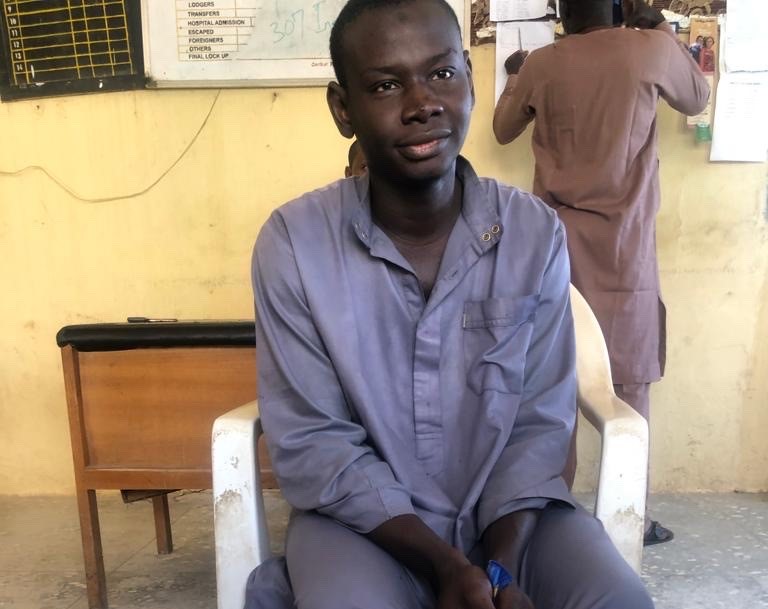
WASHINGTON, D.C. (13 November 2026) — In a hearing yesterday before the U.S. House Foreign Affairs Africa Subcommittee, Assistant Secretary of State for Democracy, Human Rights, and Labor, Riley Barnes, called for the immediate release of Yahaya Sharif-Aminu, a young Sufi musician in Nigeria who has been imprisoned for over six years under “blasphemy” charges, facing a potential death sentence.
“We are actively pressing the government of Nigeria and calling for the release of Sufi singer Yahaya Sharif-Aminu, who sits on death row over blasphemy charges, and we continue to urge the government to cease the enforcement of blasphemy laws.”
In his opening remarks, Barnes condemned the harsh legal provisions for “blasphemy” in Nigeria, stating, “State officials continue to prosecute individuals for alleged blasphemy or perceived insults to Islam, including peaceful speech, which stands in clear violation of Nigeria’s obligation to safeguard free speech and religious freedom.”
The Committee meeting, entitled One Year Later: Assessing Nigeria’s Efforts to Protect Christians and Secure the Middle Belt, met following the one-year anniversary of US President Donald Trump’s decision to designate Nigeria as a Country of Particular Concern (CPC) after reports of widespread violence against Christians made headline news.
“Last year, we saw unprecedented attention, support, and advocacy for Christians in Nigeria. This was the launching point for making actionable change and holding Nigeria accountable to its religious freedom violations, including its draconian blasphemy laws. Yahaya Sharif-Aminu has spent more than six years in prison, with a potential death sentence over his head simply for song lyrics. Assistant Secretary Barnes was right to name him before Congress, and we are grateful for the U.S.’s intervention.
Yahaya’s life depends on sustained international pressure, and so does the safety of countless others threatened by these laws. Nigeria must free Yahaya and repeal the blasphemy laws that fuel violence and discrimination against minority Muslims like Yahaya, Christians, and others across the region.”
— Kelsey Zorzi, Senior Counsel and VP of International Advocacy at Alliance Defending Freedom (ADF)
ADF provides legal support to Sharif-Aminu’s case as part of broader efforts to put an end to the blasphemy laws, which have remained an ongoing perpetuator for religiously-motivated violence and discrimination in the region. While the U.S. has previously and repeatedly called for Nigeria to repeal its blasphemy laws, Barnes’s statement is the first time the Trump administration has publicly called for the release of Yahaya Sharif-Aminu by name.
Video source: ForeignAffairs.house.gov
U.S. Action to Protect Religious Freedom in Nigeria
On October 31, 2025, President Trump designated Nigeria as a CPC, calling international attention to the severe violence inflicted on Christians in the country. Since then, the Trump administration has focused efforts on protecting religious freedom in Nigeria.
In his remarks, Barnes addressed the need for Nigeria to move from commitments to concrete results on the ground. “We need to see more progress. We will continue to hold Nigeria to its commitments until the safe and voluntary return of internally displaced persons to secure and stable communities,” he stated.
“Our chief goal remains an end to attacks and violence. The US has been clear that our measure of success will be simply fewer attacks and less violence and, importantly, demonstrable progress in holding the individuals who carry out attacks accountable.”
Background
Yahaya Sharif-Aminu was arrested in March 2020 after sharing song lyrics he had written via WhatsApp. His lyrics were deemed “blasphemous”, and a mob subsequently burned down his family’s home. He was convicted by a Sharia court in Kano State in a rushed trial without proper legal representation, and he was sentenced to death by hanging in August 2020. The following year, the Kano State High Court overturned the conviction on procedural grounds but ordered a retrial under the same charges. Sharif-Aminu has remained in prison throughout, still facing the possibility of execution.
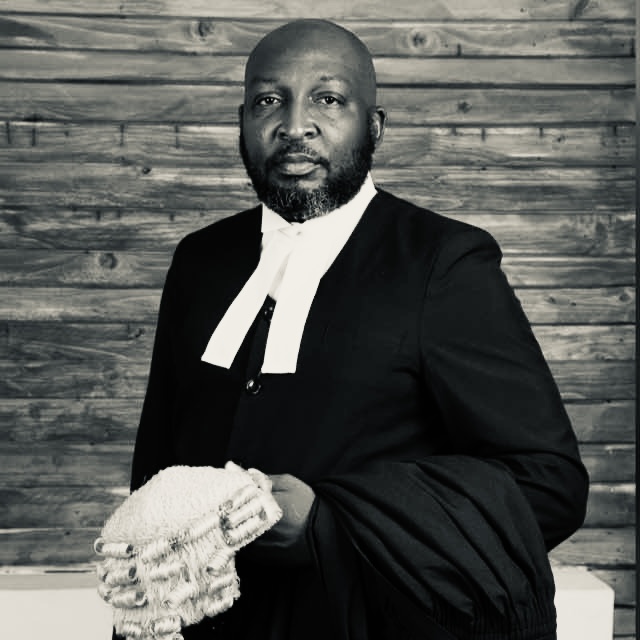
“For too long, Yahaya has waited for justice, for nothing more than writing song lyrics. When influential voices speak up for him, it makes a difference. It signals to Nigeria that this type of infringement on religious freedom is not acceptable, and that no person should ever fear for their life for their religious expression,” said Nigerian international human rights lawyer Kola Alapinni, lead counsel for Yahaya Sharif-Aminu.
Sharif-Aminu appealed his case to the Supreme Court of Nigeria in November 2022. The Nigerian Supreme Court held its first hearing in the case in September 2025, allowing the appeal challenging the constitutionality of Nigeria’s blasphemy laws to proceed. A ruling in Sharif-Aminu’s favor could set a precedent overturning blasphemy laws across northern Nigeria. However, the Court abruptly canceled a scheduled hearing in June 2025, and Sharif-Aminu still waits in prison, with no new date in sight. His lawyers have urged the court to delay no further in setting trial dates.
Kano State officials have stated they intend to carry out a public execution should the Supreme Court instead rule against him.
Sharif-Aminu’s case has drawn international attention. The European Parliament has adopted urgency resolutions calling for his immediate and unconditional release on two separate occasions — a rare occurrence that underscores the gravity of the situation. In December 2024, the United Nations Working Group on Arbitrary Detention issued an opinion finding that Nigerian authorities had violated multiple internationally-protected human rights in Sharif-Aminu’s case, and called for his immediate release and reparations.
In April 2025, the West African ECOWAS Treaty Court relied upon Yahaya Sharif-Aminu’s case in holding that Nigeria’s blasphemy laws should be repealed. Most recently, the United Nations Special Rapporteur on freedom of religion or belief, Nazila Ghanea, highlighted Kano State’s blasphemy law as a “departure [] from fundamental rights guaranteed in the Constitution,” in a statement following her June 2026 country visit to Nigeria.