-
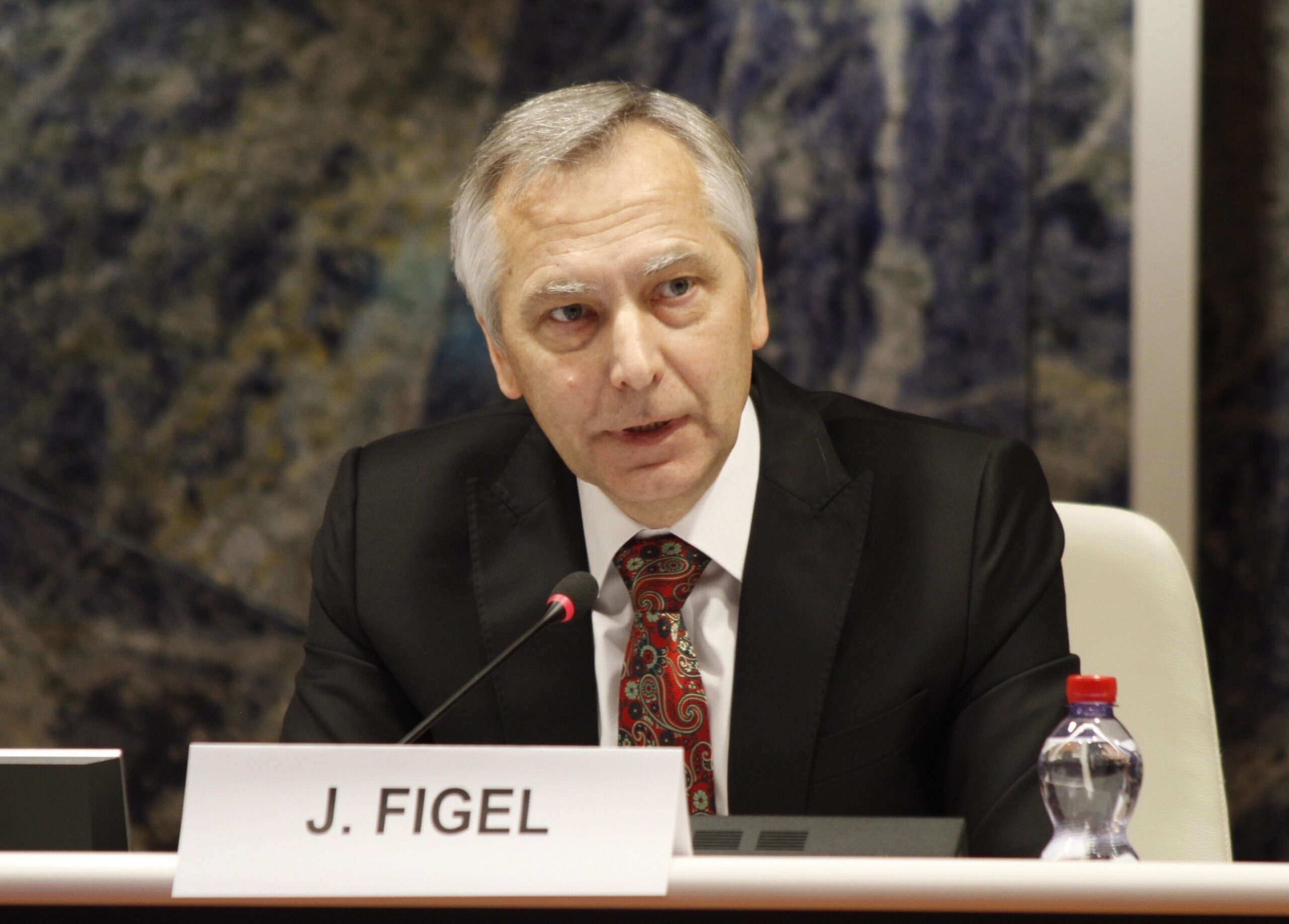
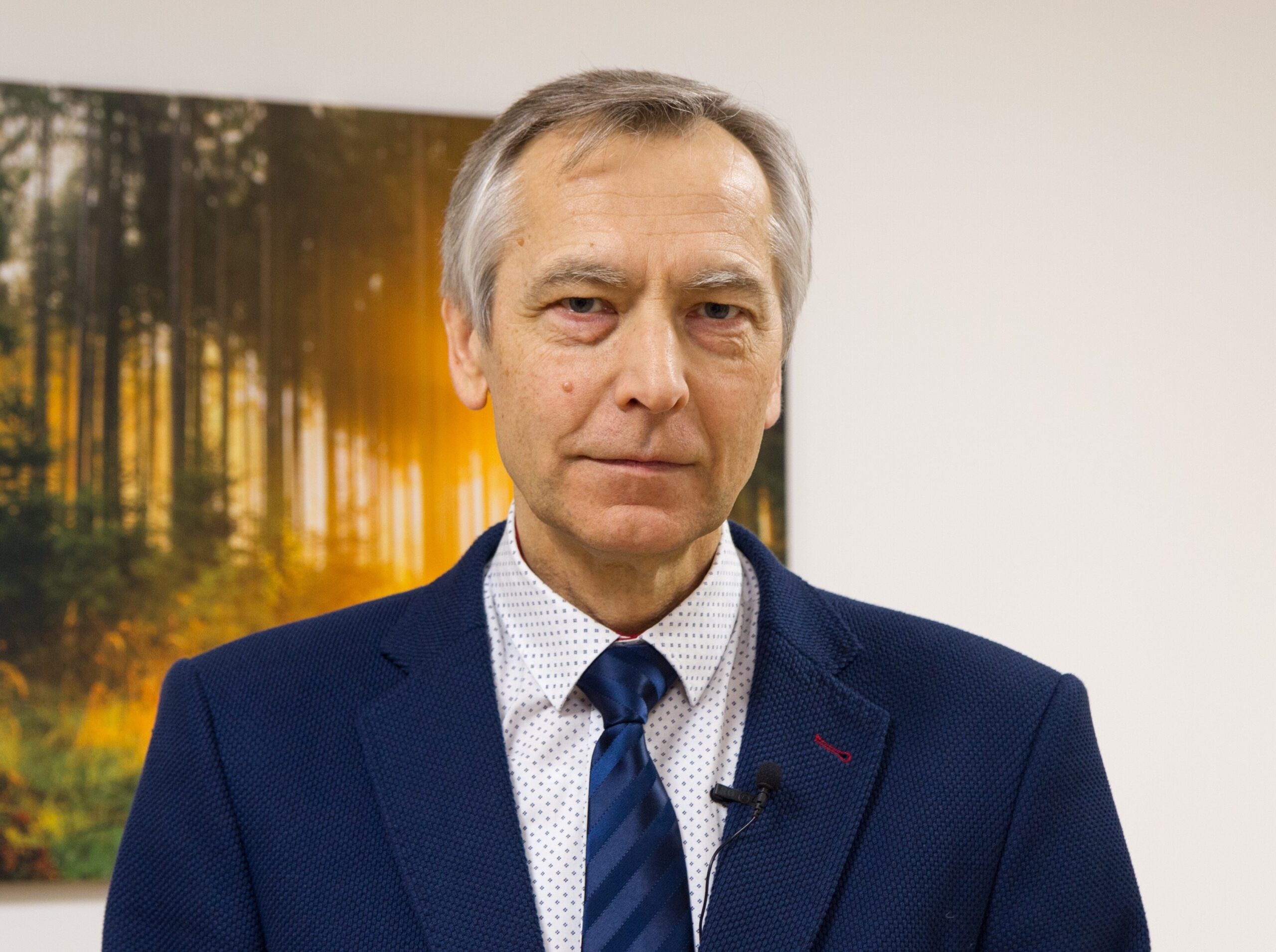
Dr. Ján Figel’, former Special Envoy for Freedom of Religion or Belief outside the EU, challenges 2021 Covid restrictions on public worship in Slovakia at European Court of Human Rights.
Worship bans are “illiberal and disproportionate,” states Figel’.
-
In many parts of Europe Easter services had been prohibited in 2020 and 2021
STRASBOURG, FRANCE (5 April 2023) – The former Special Envoy for Freedom of Religion or Belief outside the EU, Dr. Ján Figeľ, has brought a challenge to the 2021 Covid restrictions on public worship in Slovakia at the European Court of Human Rights. The Court has officially communicated the case by formally notifying the Slovak government of the application and requiring a response. Thus, the case is one of the first ones where Europe’s top human rights court examines the impact of Covid restrictions on religious freedom in Europe.
In February 2021 the Slovak Republic prolonged its Covid-related restrictions, banning cultural, social, and sporting events as well as religious services. Exceptions were made only for baptisms and weddings with up to six people. The ban on communal worship for all religions was not in conformity with the Slovak Constitution and fundamental rights, Figeľ claims.
Figeľ: “Worship bans are a disproportionate infringement on the right to religious freedom”
“Religious freedom as a basic human right must be given the highest level of protection. Everyone has the right to live according to their convictions. Prohibiting people from doing so is profoundly illiberal and non-democratic. Worship bans are an unfair and disproportionate infringement on the right to religious freedom, as evidenced by the significantly greater flexibility and openness elsewhere in Europe.
National judicial decisions Europe-wide (for example in Germany and France) have shown that worship bans are religious freedom violations,” stated Figeľ. The former Special Envoy is supported by ADF International, a legal advocacy organisation acting as co-counsel in the case at the European Court of Human Rights.
Figeľ added: “As Special Envoy, it was evident to me that the EU cannot credibly advance religious freedom throughout the world if its Member States fail to uphold fundamental freedoms at home.”
Human rights organisation ADF International supporting Figel as co-counsel
“We are committed to supporting Dr. Ján Figeľ and his defence of religious freedom. The international legal framework is very clear in its protection of this right as it benefits everyone – people of faith as well as people of no faith. Fundamental freedoms apply to all, and in times of crisis they must be protected rather than weakened,” said Dr. Adina Portaru, Senior Counsel for ADF International.
“Everyone should be able to live out their faith, and for many, communal worship is an inherent part of this. This is why international law explicitly protects communal worship as a key aspect of religious freedom,” Portaru further noted.
Legal Context: criteria for restrictions not fulfilled
Both the European Convention on Human Rights and the Constitution of the Slovak Republic protect freedom of religion as a fundamental right. The ECHR explicitly includes the “freedom … to manifest [one’s] religion or belief in worship.” (Article 9 ECHR)
Only in rare cases can states restrict the religious freedom of their citizens. Exceptions must meet strict criteria: there must be a legal basis, the measure has to pursue a legitimate aim and must be necessary to reach that aim. None of the three criteria were fulfilled, argues Figeľ in his application to the ECtHR. The Slovak worship ban had no clear legal basis.
“It is disingenuous to pit religious freedom against safety when both can work in harmony. Communal worship is an essential part of navigating times of crisis for many people, and can be done safely and prudently, in accordance with necessary and balanced restrictions,” stated Portaru.
Figeľ’s challenge has been backed by a civil society coalition of diverse representatives from the arts, academia, and politics with different faith backgrounds. Bishops and faith leaders also have welcomed his case.
ADF International has been involved worldwide in cases regarding worship bans and violations of religious freedom in the context of Covid restrictions. In Uganda, the group supported a coalition of Christians and Muslims challenging a discriminatory prohibition of religious gatherings. Further, ADF International conducted advocacy to help open churches for worship in Ireland, Scotland, and Switzerland.