Top European Court Takes Up Cases of Christians Banned from Türkiye

  • European Court of Human Rights formally communicates 20 cases of Christians banned from Türkiye solely for living out their faith
  • ADF International supports 17 cases, highlighting serious, systemic human rights concerns

Strasbourg (5 February 2026) — The European Court of Human Rights (ECtHR) has formally taken up and “communicated” 20 cases brought by Christians whom Türkiye effectively banned from re-entry solely for living out their faith.

These cases — almost all supported by ADF International — stem from the Turkish government’s use of internal security codes such as “N-82” to label peaceful foreign Christian residents as threats to national security, blocking them from entering or remaining in the country despite long-standing lawful residence.

Since 2019, Turkish authorities have issued internal security codes like “N-82” and “G-87” to hundreds of foreign Christians, preventing them from re-entering Türkiye after trips abroad or denying them residence permits. These measures have affected at least 160 foreign workers and their families — estimated to be hundreds of individuals — many of whom lived and served in Türkiye for decades.

The ECtHR has jointly communicated these cases to the Turkish Government, indicating that the Court considers the applications sufficiently related to be examined together and has invited Türkiye to submit its observations as the proceedings move forward.

“Peaceful worship and participation in church life are not threats to national security. Yet foreign Christians in Türkiye — pastors, teachers, ministry workers, and missionaries — have been labelled security risks and expelled based on undisclosed files,” said Dr. Lidia Rider, Legal Officer for ADF International. Deprived of access to the allegations, they had no meaningful opportunity to defend themselves in courts. The Court’s communication of these cases is a crucial step toward accountability and redress.”

Discrimination Behind the Numbers

The government’s use of these codes effectively labels individuals as a “threat to public order and security,” a classification normally reserved for terrorism suspects. In practice, however, those targeted have no criminal records and no evidence of unlawful conduct — the only thing that they have in common is openly practicing and sharing their Christian faith.

The 2024 Human Rights Violation Report presented by the Protestant Church Association records 132 people who have been arbitrarily branded with an entry ban code, preventing them from entering Türkiye solely on the basis of their Christian faith. The total number of those affected is 303, according to the report.

Reports of similar measures affecting many foreign Protestant Christians show that these cases are not isolated, but point to a wider pattern of systemic discrimination. The cases raise serious questions about fundamental rights protected under the European Convention on Human Rights — including freedom of religion, family life, and protection from discrimination  — and highlight the need for clear, evidence-based decisions when governments invoke public order or national security, especially given the severe disruption these sudden and unexplained bans have caused to long-term residents and their families.

Real People, Real Consequences

Among those affected are long-term residents such as Pam and Dave Wilson, who served in Türkiye for almost 40 years before being barred from returning; Rachel and Mario Zalma (pseudonyms to preserve anonymity), whose ministry work led to an N-82 designation after attending a church conference; and David Byle, a Christian minister forced into exile after 19 years of service.

These bans have not only separated families from the communities they helped build but also left local churches without stable leadership, weakening the already-small Christian presence in a country where Christians make up a tiny fraction of the population.

A Longstanding Effort to Expose Systemic Abuse

Over several years, ADFI has raised awareness of these human rights violations through, among other activities, workshops with local lawyers, academic publications and expert submissions highlighting systemic violations of freedom of religion or belief and related rights.

ADF International has supported a number of applicants and counsel in these cases over several years. ADF International directly represents four individuals before the Court, two of whom are lead applicants, and has supported nearly all the other cases.

“We welcome the Court’s decision to jointly communicate these cases. These are not isolated mistakes or one-off decisions,” said Kelsey Zorzi, Director of Global Religious Freedom for ADF International. “By examining these cases together, the Court is acknowledging that they may reveal a pattern of discrimination against Christians in Türkiye. We look to the Court to uphold the fundamental principle that governments cannot strip people of their rights simply for living out their faith.”

Images for free use in print or online in relation to this story only

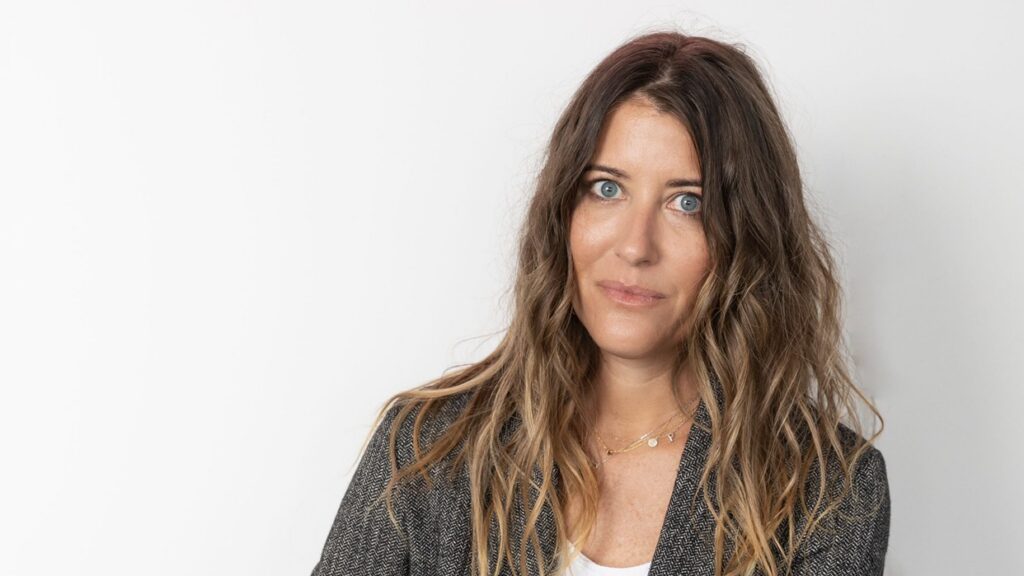
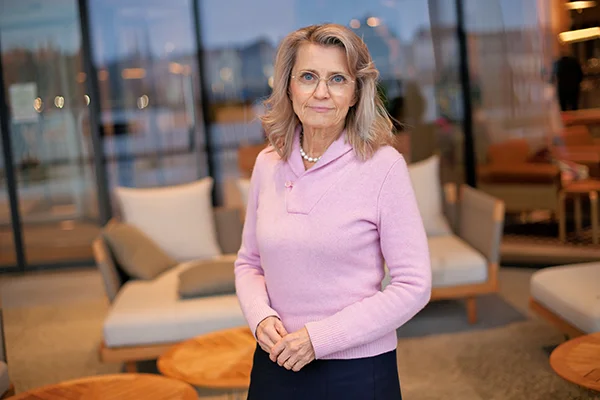
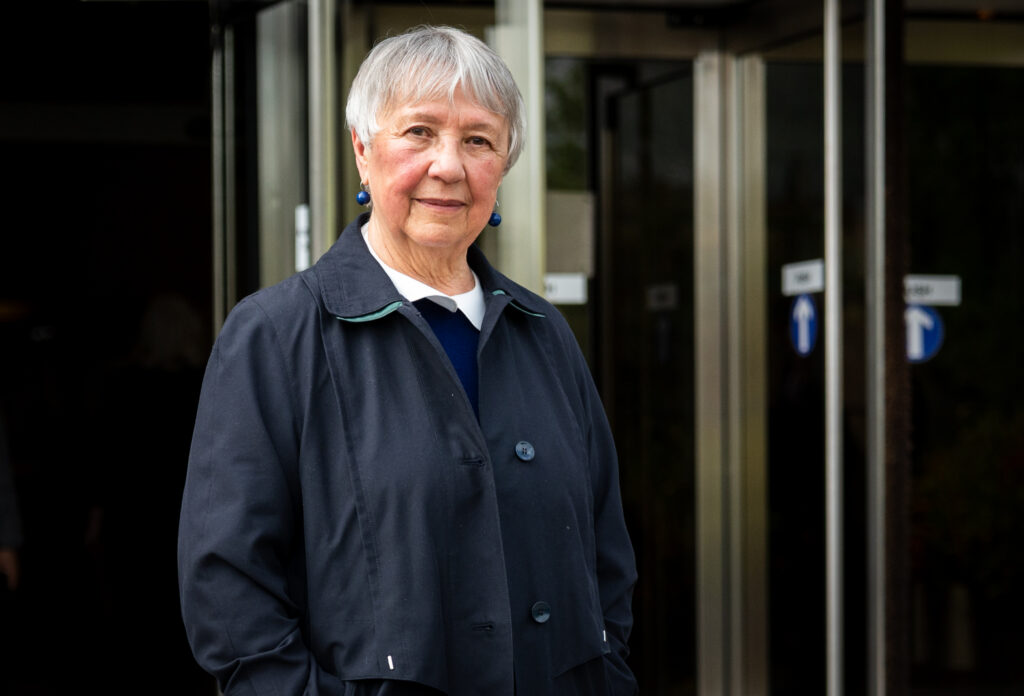
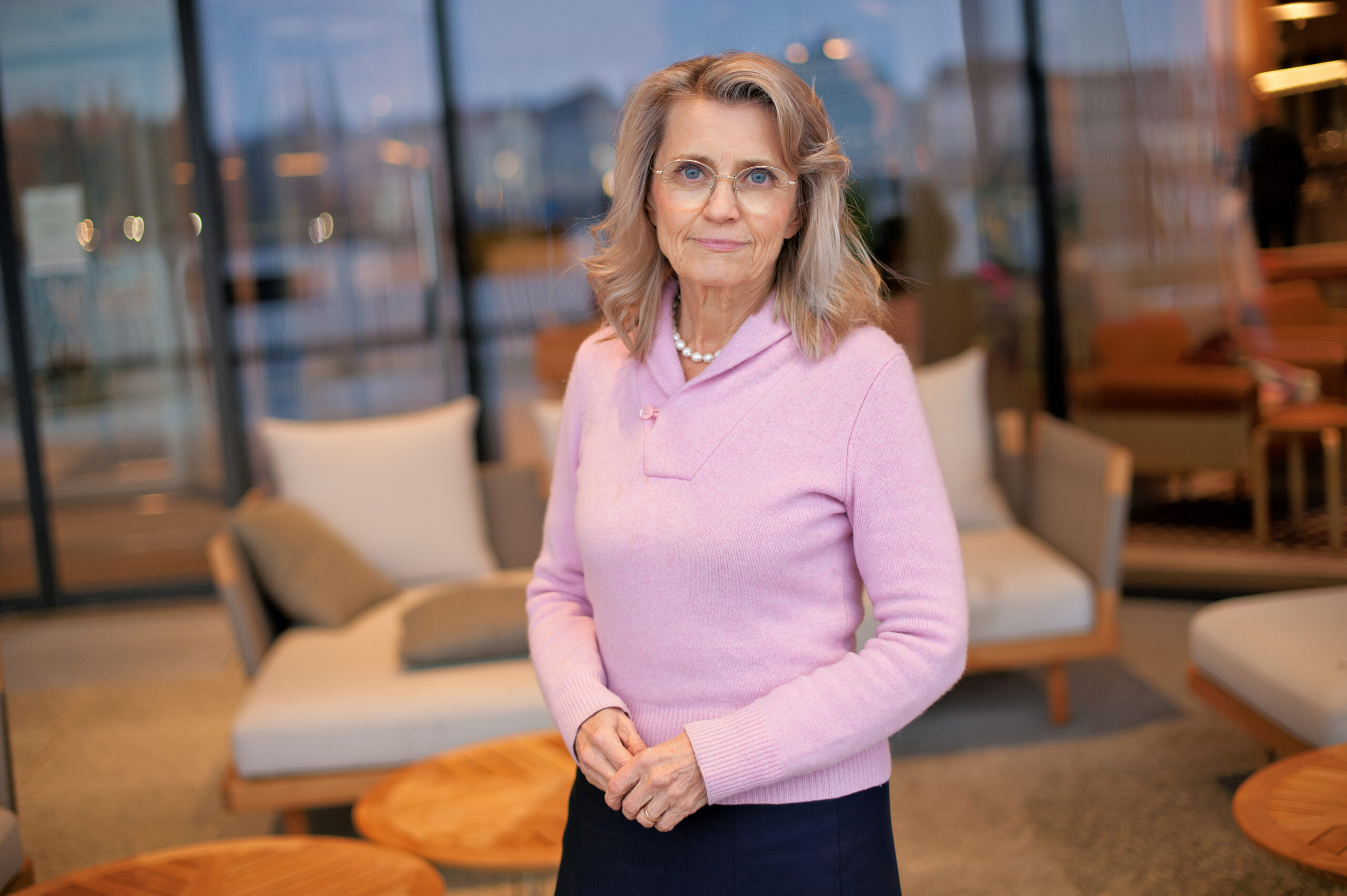
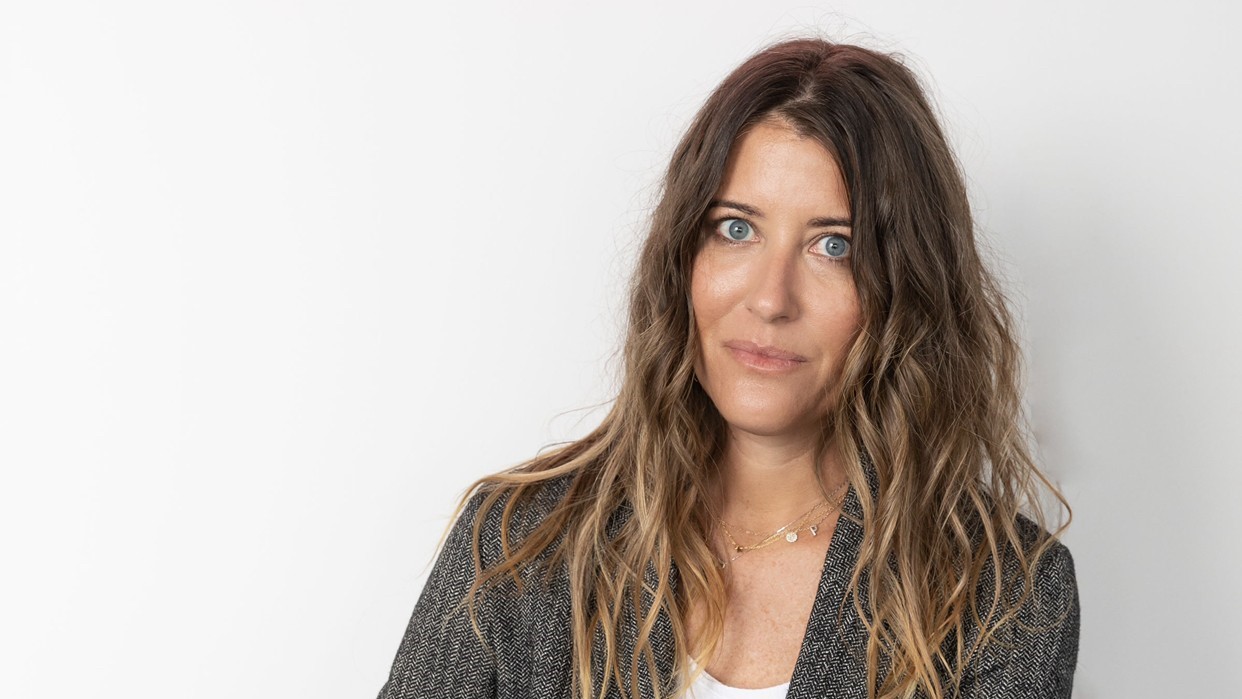
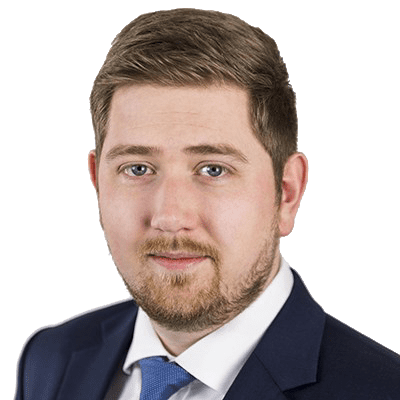
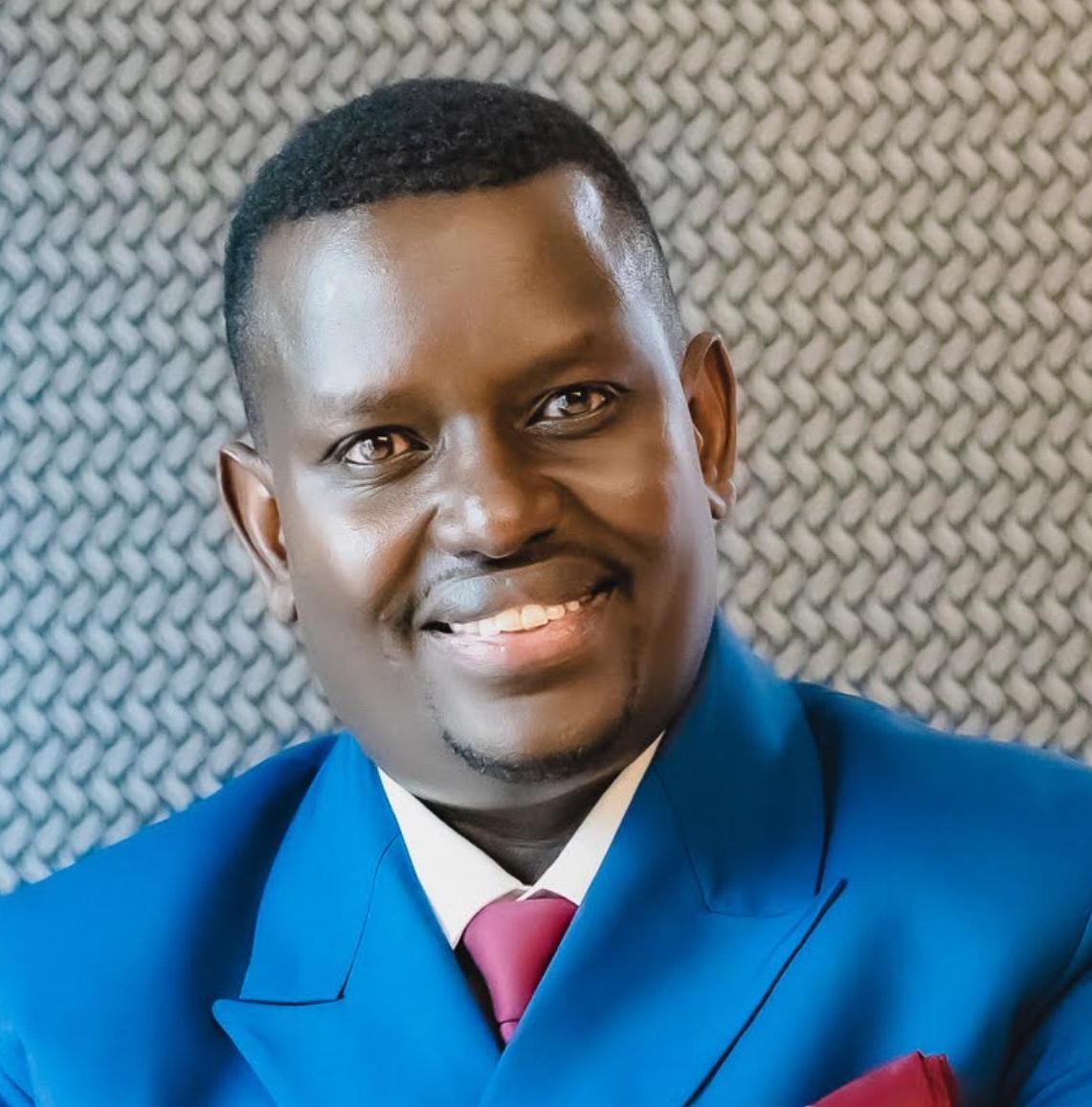
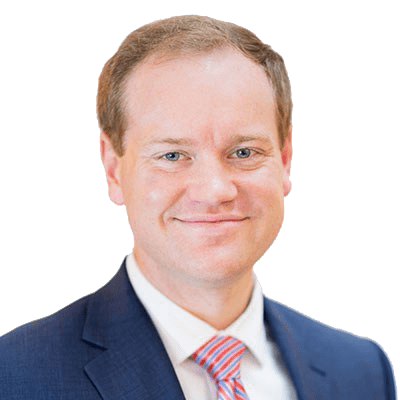
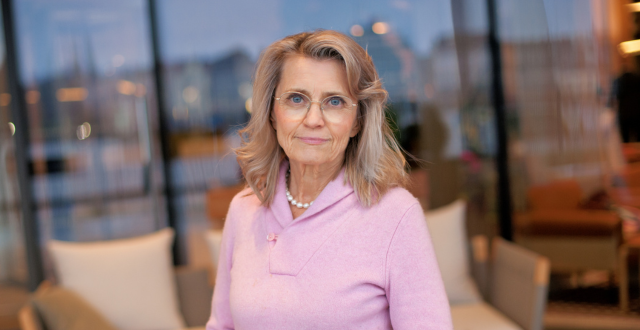
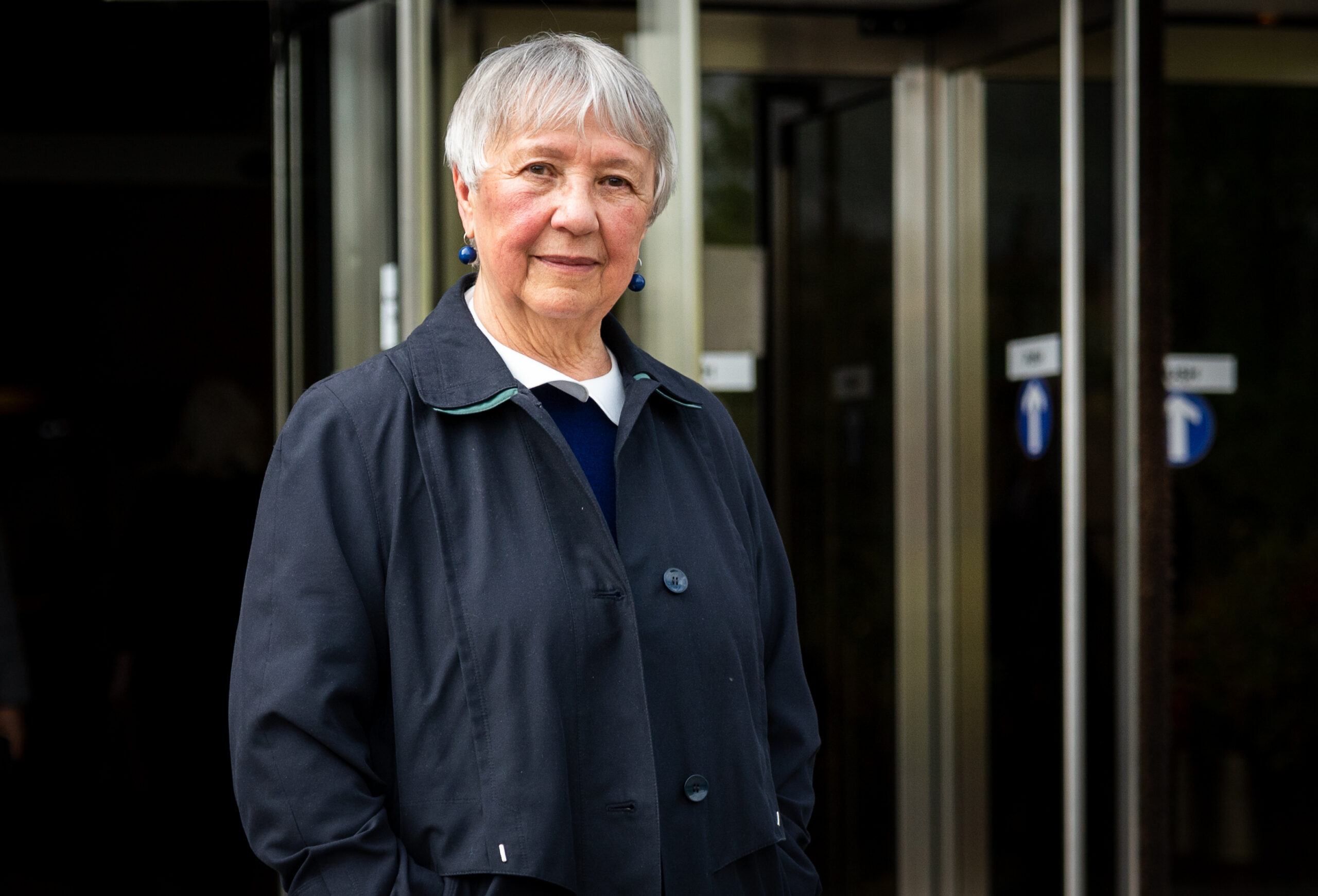
Pictured: Dave and Pam Wilson; David Byle; Lidia Rieder; Kelsey Zorzi

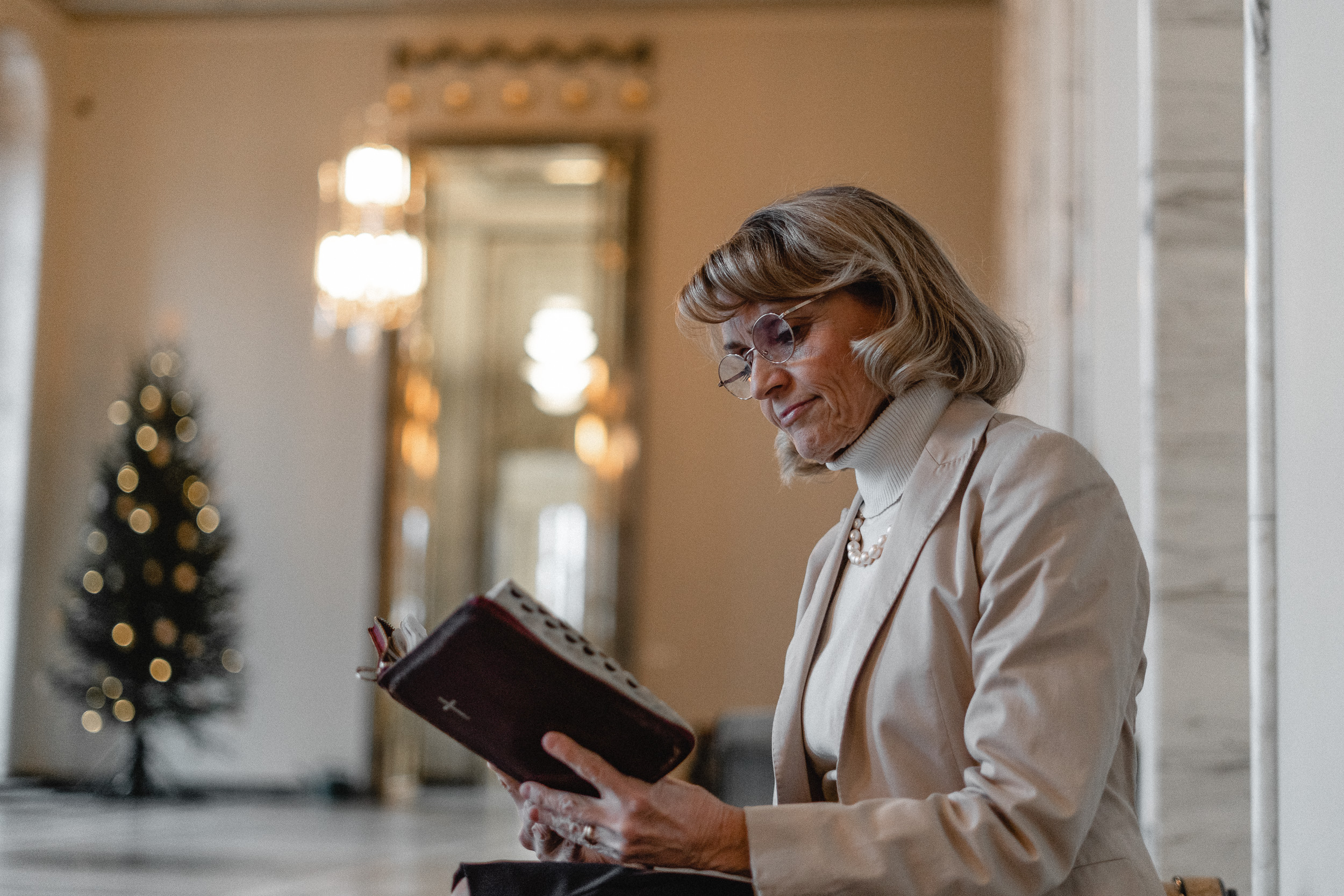
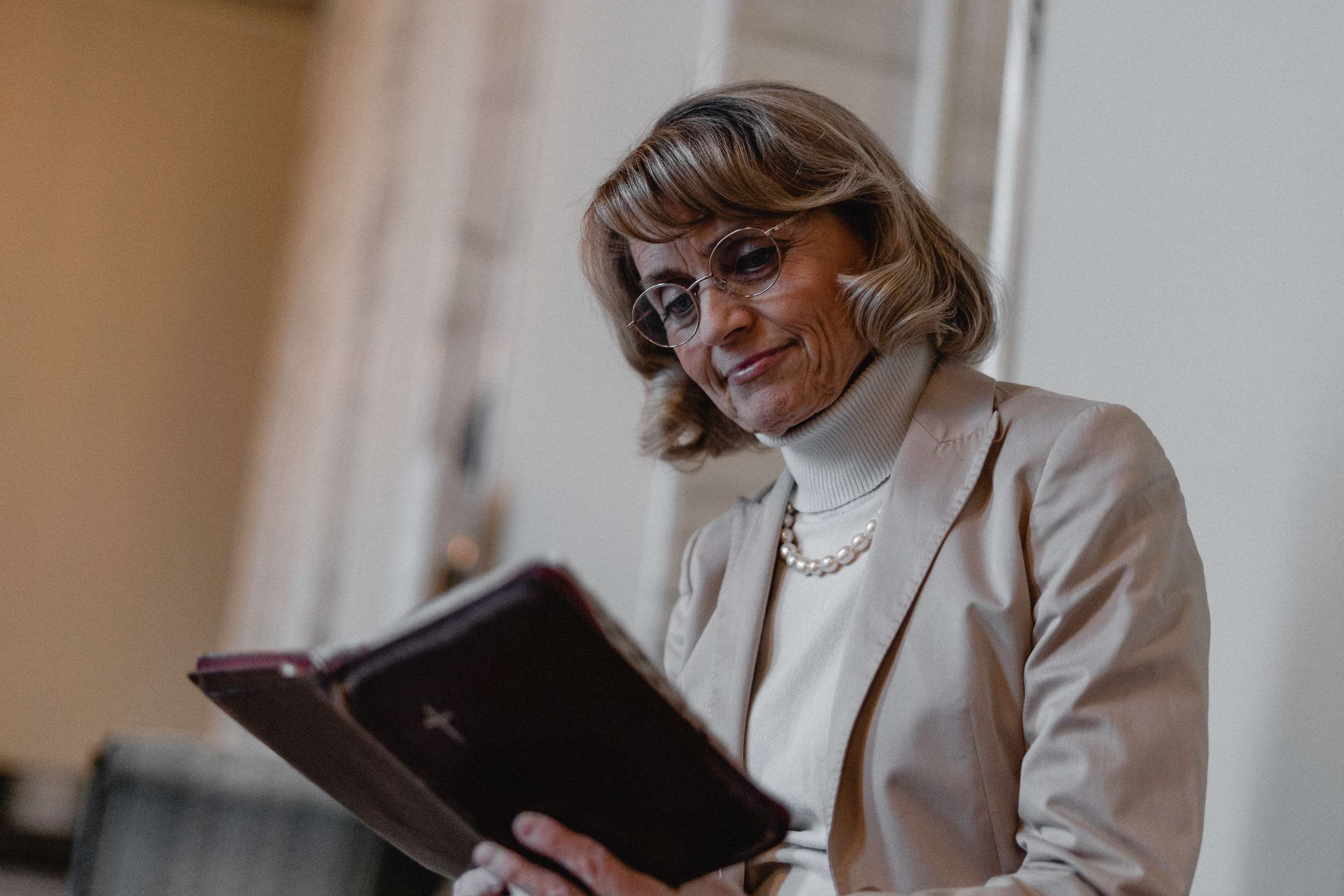
Finnish Parliamentarian on trial for Bible tweet testifies before U.S. Congress: «European censorship is a worldwide concern” 

  • At House Judiciary Committee hearing, Parliamentarian Päivi Räsänen testifies about her six-year-long criminal prosecution for tweeting a Bible verse under Finnish “hate speech” law. 
  • An ADF International European legal expert further testified on the dangers of European online censorship, including through the EU Digital Services Actin addition to Irish comedian Graham Linehan, who testified on his UK arrest for X posts. 

WASHINGTON, D.C. (Feb. 4) – Today, experts from Europe delivered a warning to the U.S. Congress about the growing threat of European censorship to American free speech.

Finnish Member of Parliament Päivi Räsänen addressed lawmakers in a hearing titled “Europe’s Threat to Speech and Innovation: Part II,” hosted by the House Judiciary Committee. In her testimony, she detailed her ongoing criminal prosecution in Finland for expressing her Christian beliefs online, including in a 2019 Bible-verse tweet. Räsänen’s case has become one of the most prominent examples of the criminalization of peaceful speech in Europe.  

Speech that is lawful today can become criminalized tomorrow. This should concern every person that values freedom,” Räsänen said. «My case shows where this path can lead. Recent developments from the European Union, like the Digital Services Act, make European censorship a worldwide concern.” 

Prosecuted for over six years under a “hate speech” provision in the section of Finland’s criminal code pertaining to war crimes and crimes against humanity, Räsänen is currently awaiting a verdict from the Supreme Court of Finland. Her legal defence has been coordinated by ADF International. 

“When the state controls which ideas and beliefs may be expressed, democracy becomes fragile,” Räsänen added. 

“Speech that is lawful today can become criminalized tomorrow. This should concern every person that values freedom. My case shows where this path can lead. Recent developments from the European Union, like the Digital Services Act, make European censorship a worldwide concern."

Lorcán Price, Irish barrister and Legal Counsel with ADF International, also testified before the Committee, outlining how the European Union is using online speech regulations such as the Digital Service Act to create a dangerous worldwide censorship regime. 

“It is now undeniable that the reach of the DSA is not just a European problem,” Price said in his testimony. “The Commission has fired the first shots in a global struggle over whether people can speak the truth and whether American companies including Google, Bing, and Meta are free to continue to drive Internet innovation or instead be forced to help Europe silence speech worldwide.” 

Price warned that the EU’s speech restrictions risk being exported globally, particularly through large online platforms that operate across borders, raising concerns for Americans whose lawful speech could be restricted through foreign censorship. 

He cited the DSA’s first major fine of €120 million against X, which was issued in December for alleged violations of transparency and user-protection obligations. 

“The enormous fines levied on X by the EU commission proved beyond all doubt that the EU means to strangle free speech by a systematic assault on US companies,” Price said. In his written testimony, he added, “While these penalties are the first that the EU has imposed under the provisions of the DSA, be under no illusions, they will not be the last.”  

Graham Lineham, an Irish comedian and writer who was arrested for his X posts in September 2025 in London, also provided a witness testimony on the panel. 

Background

The hearing follows a recent report from the House Judiciary Committe previous House Judiciary Committee session on the threat of Europe’s growing censorship, during which Price also testified, warning lawmakers that European censorship laws threaten free expression far beyond the European Union. The initial hearing focused largely on the EU’s Digital Services Act and its implications for Americans’ online speech. Most recently, The House Judiciary Committee warned about the DSA’s risks to American free speech in a new report «The Foreign Censorship Threat, Part II: Europe’s Decade-Long Campaign to Censor the Global Internet and How it Harms American Speech in the United States. 

The DSA grants the European Commission broad authority to regulate content on large online platforms. While framed as an online safety measure, the law creates strong incentives for platforms to remove lawful speech through heavy fines, government oversight, and reliance on “trusted flaggers” to identify allegedly problematic content. Because major platforms operate globally, the DSA risks establishing a de facto worldwide censorship regime that affects users far beyond Europe. 

ADF International has been at the forefront of raising concerns about the DSA and defending individuals targeted under Europe’s expanding speech laws, including providing legal support in Räsänen’s case, which has drawn international attention as a warning of the erosion of fundamental freedoms.

Images for free use in print or online in relation to this story only
Finnish Parliamentarian on Trial for Bible Tweet to Testify Before U.S. Congress on Europe’s Growing Censorship Regime 

  • Finnish Parliamentarian Päivi Räsänen to testify at House Judiciary Committee hearing on her criminal prosecution for “hate speech,” joined by ADF International European legal expert 
  • Räsänen, prosecuted for over six years, is currently awaiting a verdict from the Supreme Court of Finland on criminal charges for tweeting a Bible verse in 2019 

WASHINGTON, D.C. (Jan. 30) – The U.S. House Judiciary Committee will hold a hearing titled “Europe’s Threat to Speech and Innovation: Part II,” examining how European speech laws and censorship regimes are impacting free expression, innovation, and democratic debate. 

Witnesses, including Finnish Parliamentarian Päivi Räsänen and ADF International legal expert Lorcán Price, will warn lawmakers of Europe’s expanding speech restrictions, including criminal prosecutions for peaceful expression. These restrictions pose serious threats to fundamental freedoms and risk being exported beyond Europe to the United States. Graham Linehan, an Irish comedian who was arrested for his X posts in September 2025, will also serve as a witness on the panel.

Räsänen’s case has become one of Europe’s most prominent examples of the criminalization of speech, after she was criminally charged and put on trial for expressing her Christian beliefs online in a 2019 tweet. She is currently awaiting a verdict after facing criminal trial before the Supreme Court of Finland in October. 

Price will offer testimony regarding Europe’s censorship crisis and the European Union’s attack on free speech using the Digital Services Act (DSA), which is one of the most dangerous restrictions on free speech in the digital age. The House Judiciary Committee warned about the DSA’s risks to American free speech in its July report “The Foreign Censorship Threat: How the European Union’s Digital Services Act Compels Global Censorship and Infringes on American Free Speech”. 

When: 
Feb. 4, beginning at 10 a.m. EST 

Where: 
Rayburn House Office Building, Washington, D.C., and via livestream 

Media Attendance: 
Members of the media are encouraged to attend the hearing in person or view the livestream. Interviews with speakers may be requested in advance. 

To schedule interviews or for additional information, contact ADF International Communications Officer, Anna Rose Myrick at [email protected] or (480)-371-7941.

Images for free use in print or online in relation to this story only

TOMORROW: Scottish grandmother to plead in court for offering conversation in “buffer zone” 

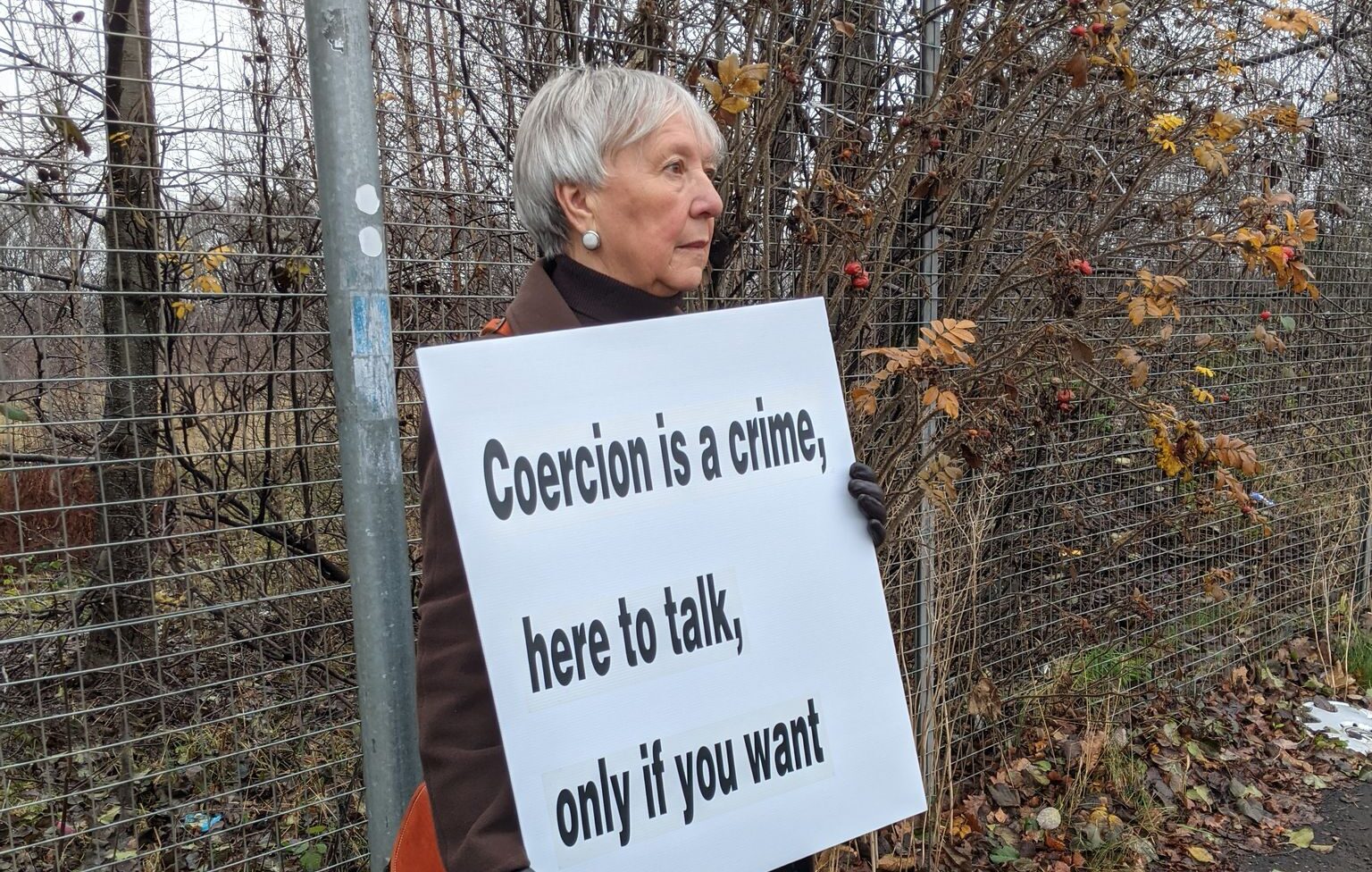
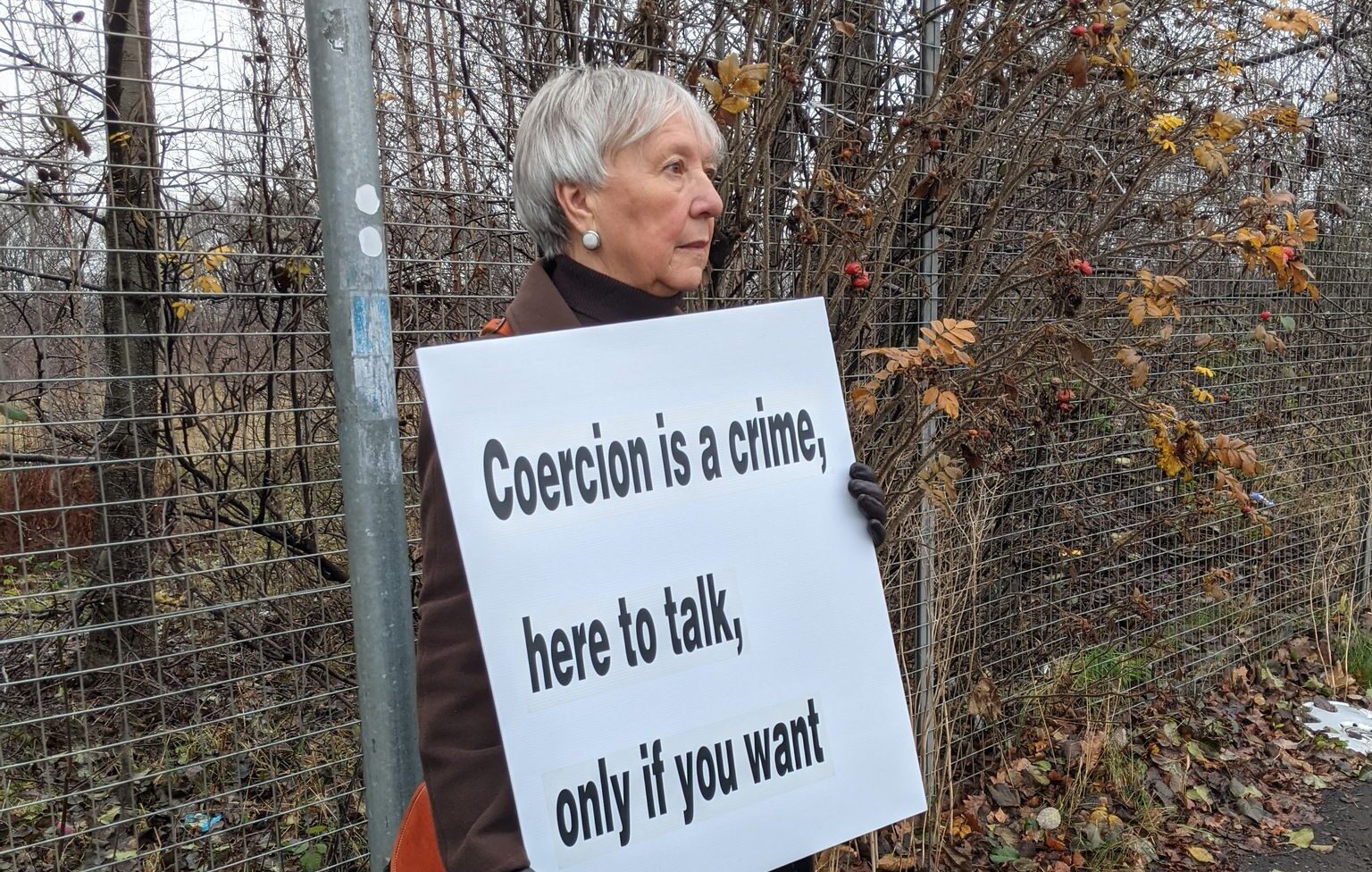
  • Christian grandmother Rose Docherty was arrested for holding a sign reading “Coercion is a crime, here to talk, only if you want” outside a Glasgow hospital.
  • Tomorrow she will enter a plead in court; ADF International is legally supporting the case.
  • Hearing follows Scottish Catholic Bishops’ Conference last week expressing concern about Mrs Docherty’s criminalisation.

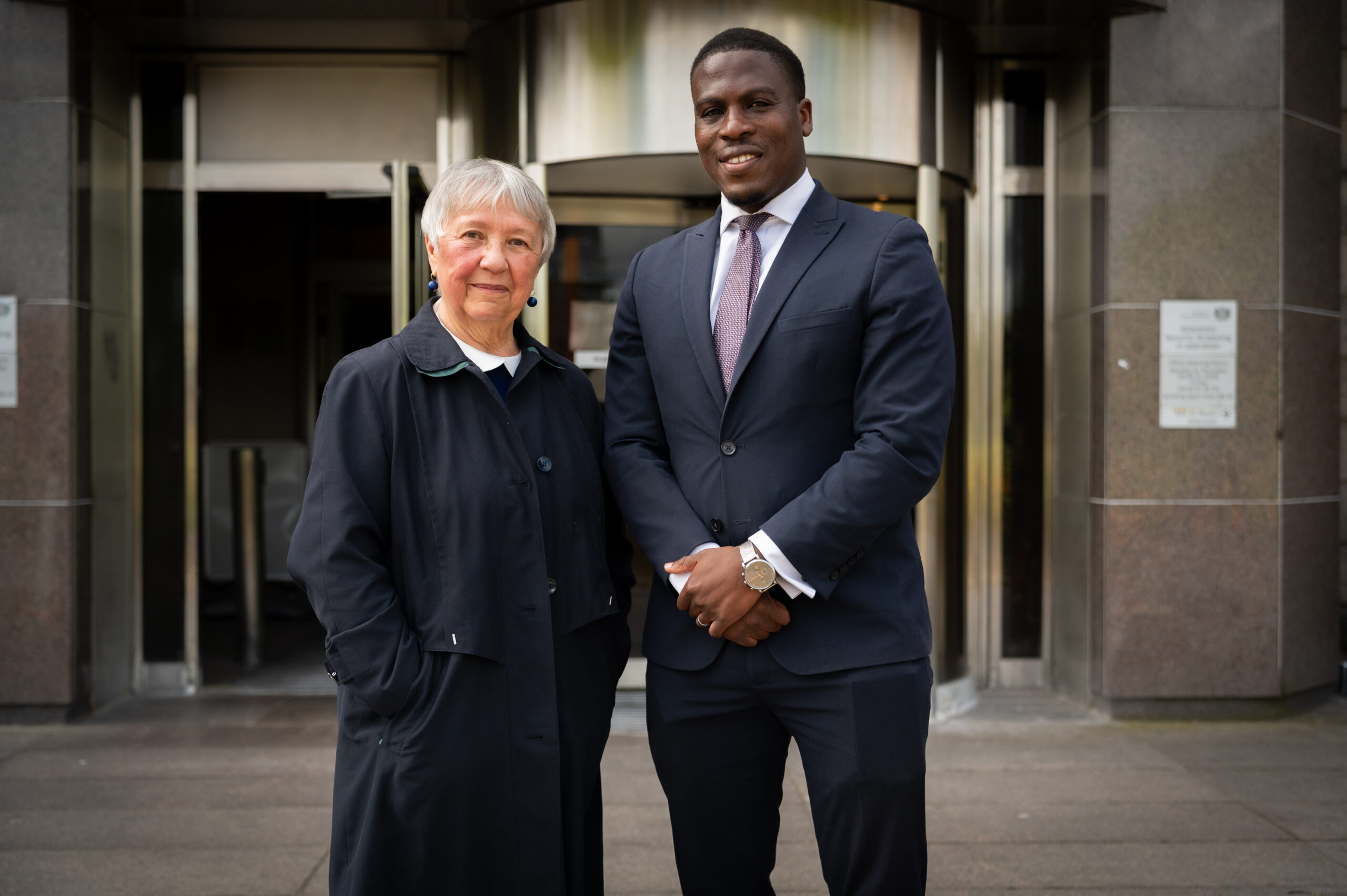
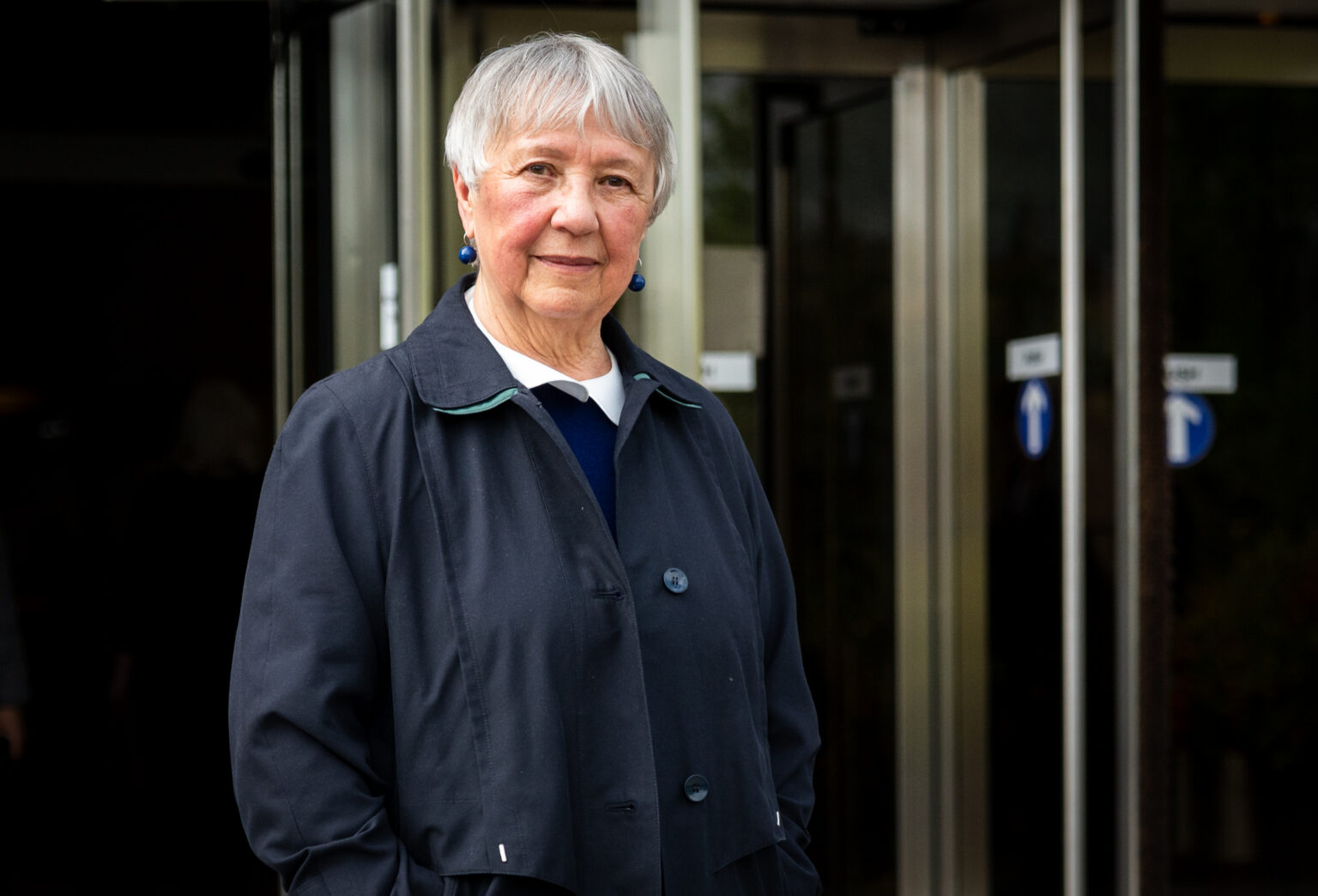
GLASGOW (12 January 2026) – A Glaswegian grandmother will enter a plea in court tomorrow afternoon after she was arrested and criminally charged for offering consensual conversation in a “buffer zone”.  

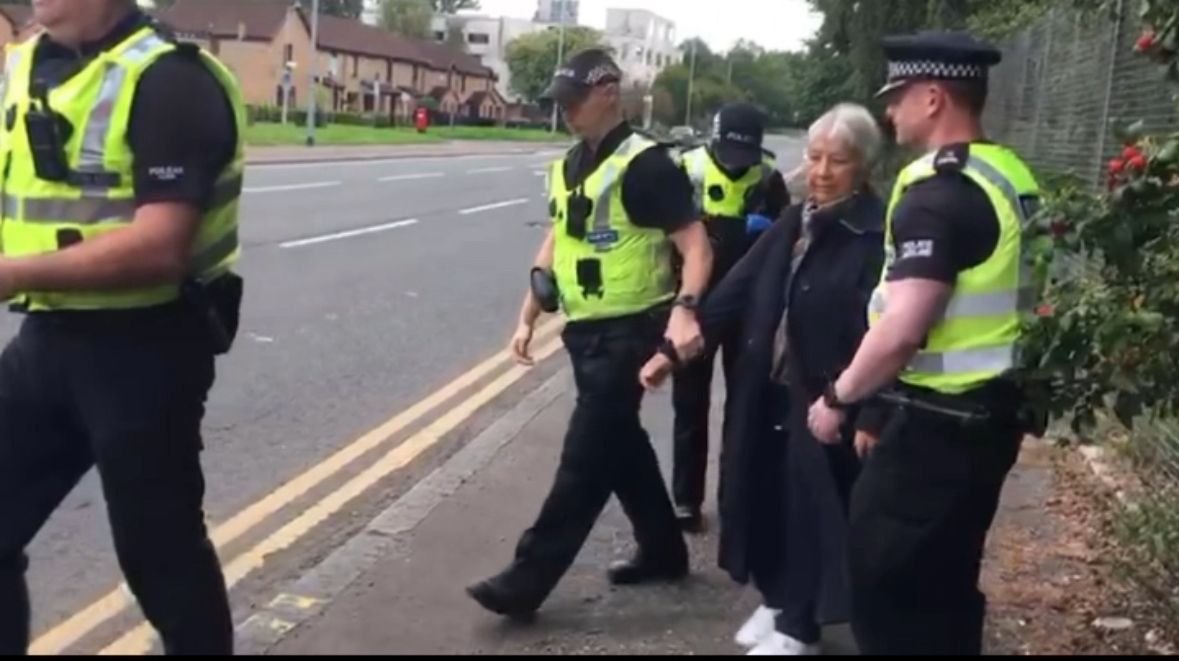
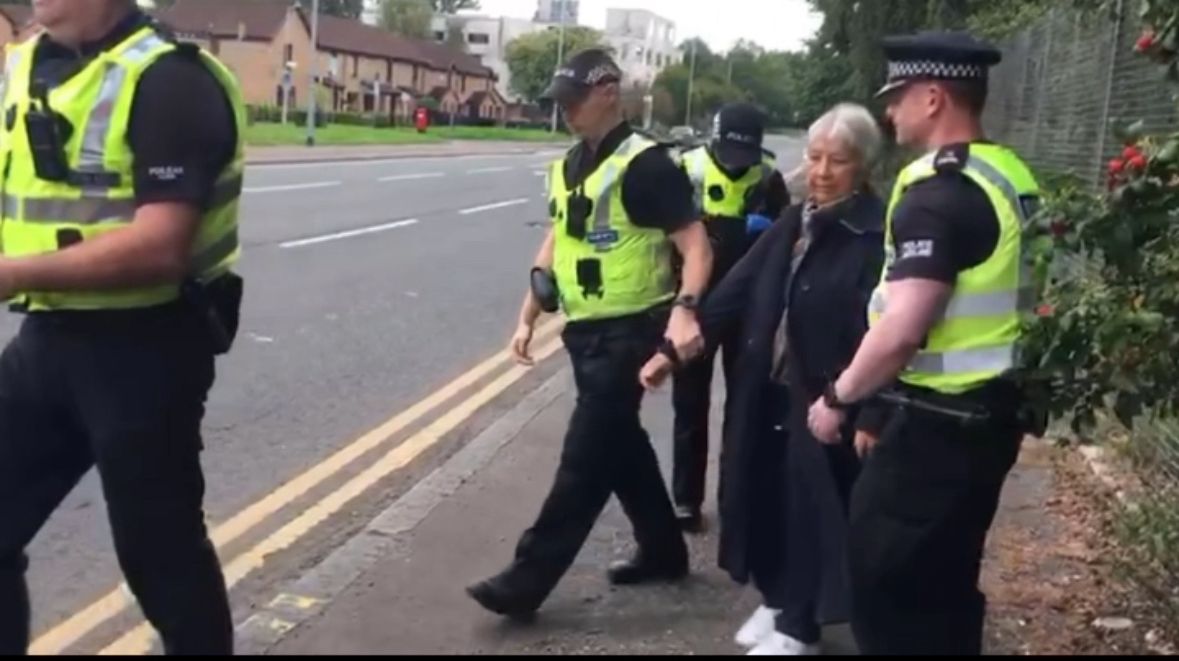
Rose Docherty, 75, faces two charges related to alleged “influencing” within a “buffer zone”, despite having only stood peacefully and silently offering consensual conversation outside the Queen Elizabeth University Hospital in Glasgow last September. 

She held a sign that read: “Coercion is a crime, here to talk, only if you want” and did not approach any individual or make any statement about abortion.  

Mrs Docherty will tomorrow enter a plea at Glasgow Sheriff Court. The hearing is due to start at 2pm.  

The Christian grandmother is the first person to be charged under Scotland’s censorial 2024 “buffer zone” law, which forbids harassment, intimidation and “influencing” of anyone seeking to access abortion services. The “buffer zones” are enforced within 200 metres of every hospital.  

The US State Department expressed concern over Mrs Docherty’s arrest as “another egregious example of the tyrannical suppression of free speech happening across Europe” and last week the Scottish Catholic Bishops’ Conference also expressed concern, and strongly criticised Scotland’s “buffer zone” legislation. 

“Everybody has the right to engage in consensual conversation. I held my sign with love and compassion, inviting anyone who wants to chat, to do so – and stood peacefully, not approaching anyone.   I should not be treated as a criminal for inviting people to chat with me – lending a listening ear. Conversation is not forbidden on the streets of Glasgow. And yet, this is the second time I have been arrested for doing just that.”"

Mrs Docherty said:  “Everybody has the right to engage in consensual conversation. I held my sign with love and compassion, inviting anyone who wants to chat, to do so – and stood peacefully, not approaching anyone.  

“I should not be treated as a criminal for inviting people to chat with me – lending a listening ear. Conversation is not forbidden on the streets of Glasgow. And yet, this is the second time I have been arrested for doing just that.” 

Legal Counsel for ADF International, Jeremiah Igunnubole commented:  

“It’s deeply concerning that Scottish policing resources are being ploughed into arresting and prosecuting a peaceful grandmother offering to speak to people in public, rather than focusing on the problems caused by real crime in Glasgow.  

“This is not a case about harassment, intimidation or violent protest – this is simply a grandmother, who held a sign offering to speak to anyone who would like to engage.” 

Following her arrest, Mrs Docherty was held in custody for several hours. She was refused a chair to sit on in her cell, despite making it known that she had a double hip replacement.  

This was Mrs Docherty’s second arrest for peacefully offering consensual conversation. Last August, Scottish authorities dropped their case against her for holding the same sign in the same place, after a global outcry against the 75-year-old grandmother’s arrest, including concerns raised in an online post by the US State Department.  

The US State Department commented on Mrs Docherty’s latest arrest:  

“The arrest of Rose Docherty is another egregious example of the tyrannical suppression of free speech happening across Europe. 

“When 75-year-old grandmothers are being arrested for standing peacefully and offering conversation, common sense and basic civility are under attack. 

“The United States will always speak out against these violations of fundamental rights.” 

The architect of Scotland’s “buffer zone” law, Gillian Mackay MSP, admitted on BBC Scotland earlier last year that the vague prohibitions in the legislation could criminalise someone for praying visibly from a window in their home within a “buffer zone”, “depending on who’s passing by the window.”  

US Vice President JD Vance highlighted this law as a particular matter for concern in his Munich Security Conference speech in February last year.  

Images for free use in print or online in relation to this story only
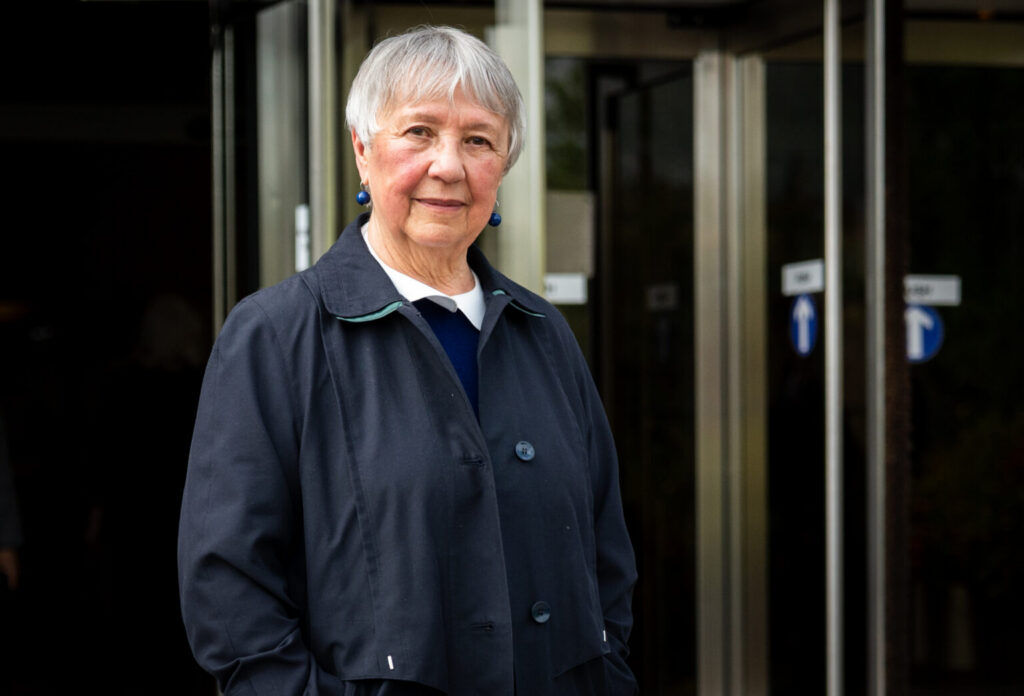
Brazilian influencer under criminal investigation by police for criticizing gender ideology online 

  • Brazilian social media commentator Nine Borges subjected to criminal investigation by federal police for alleged “transphobia” after posting a video critical of gender ideology.
  • Borges’ case highlights a broader trend of government efforts in Brazil to censor peaceful online expression; ADF International supports her legal defence.

BRASILIA (12 January 2026) — A UK-based Brazilian social media commentator is under police investigation in Brazil after posting an online video criticizing public officials for using government money to fund pro-LGBT NGOs in Brazil. Nine Borges is a UK-based scientific consultant with 265,000 followers on Instagram, where she is a prominent critic of transgender ideology. In a short online video posted to Instagram in September 2024, in which she spoke to the camera from her home, she drew attention to concerns about the financing and influence of pro-LGBT organisations in Brazil and included criticism of Symmy Larrat, Brazil’s LGBT National Secretary. The video drew nearly 15,000 likes and 180,000 views. Larrat is a man who identifies as a woman and describes himself on social media using explicit terminology. After Larrat filed a complaint over the video, Borges was summoned for questioning by the Federal Police of Brasilia in October. She is now being investigated for alleged “transphobia” and “defamation.” Authorities have recommended the investigation move forward to formal prosecution. ADF International is providing legal support to Borges as a result of the investigation.

"No one should face criminal investigation simply for expressing their views about government policy. The attempt to classify peaceful criticism as ‘transphobia’ represents a serious threat to freedom of speech, which is already so imperiled in Brazil. The authorities must ensure that fundamental rights are protected, not punished."

“No one should face criminal investigation simply for expressing their views about government policy. The attempt to classify peaceful criticism as ‘transphobia’ represents a serious threat to freedom of speech, which is already so imperiled in Brazil. The authorities must ensure that fundamental rights are protected, not punished,” said Julio Pohl, legal counsel at ADF International. 

Background

Borges is a Brazilian social media commentator who currently resides in the UK. In September 2024, she published a video on Instagram drawing public attention to concerns about the financing and influence of pro-LGBT organisations in Brazil. The video included criticism of a high-ranking government official.  Shortly afterward, Brazil’s LGBT National Secretary filed a complaint, and authorities opened a criminal investigation. In August 2025, Borges received formal notice that she was being investigated for “transphobia” and “defamation,” prompting her summons to appear before police on October 7, 2025.  The following month, on November 5, police informed Borges that they would recommend moving the investigation forward to formal prosecution for “transphobia” and “misgendering” the LGBT Secretary—an official who self-describes as a “transvestite” and “prostitute.” Borges had used these same terms in her commentary, and police cited this as the basis for pursuing prosecution.  A 2019 ruling from Brazil’s Supreme Federal Tribunal established “transphobia” and “homophobia” as crimes, punishable with up to five years of jail time per count. Overstepping Congress, the Court created a crime without observing the legal and democratic process. Since then, numerous cases have emerged across Brazil in which individuals were charged with “transphobia” for simply sharing their beliefs.   In 2025, social media influencer Isabella Cepa faced criminal investigations for her online post about gender ideology. In another case, Assemblies of God Pastor Douglas Baptista faced criminal charges for authoring a book with a Christian view of sexuality. His case was legally supported by ADF International. Charges in both cases were dropped, but they remain evidence of the broader, chilling trend of government efforts in Brazil to censor peaceful online expression.  “I spoke out because the public deserves to know what is happening in their own country. I will not be intimidated for sharing my views online. I have the right to question powerful officials. Brazilians everywhere should have the same freedom without fear of investigation or arrest,” said Nine Borges. 

Growing Pattern of Censorship in Brazil

International human rights law guarantees the right to express ideas without fear of criminal investigation or prosecution, including criticism of public officials. ADF International represents five Brazilian legislators (Senator Eduardo Girao and members of the Chamber of Deputies Marcel Van Hattem, Adriana Ventura, Gilson Marques, and Ricardo Salles) before the Inter-American Commission on Human Rights. The legislators are challenging the violations of their free speech rights before the Commission. They claim violations of their rights under the Convention, including their freedom of expression, as a result of escalating state censorship which reached a head with last year’s X ban in Brazil during the municipal elections period. Censorship in Brazil has been a persistent and escalating problem since 2019.

Images for free use in print or online in relation to this story only

Glasgow Grandmother in court for offering chat in «buffer zone»

  • Christian grandmother Rose Docherty was arrested and criminally charged for holding a sign reading “Coercion is a crime, here to talk, only if you want” within 200m of a Glasgow hospital
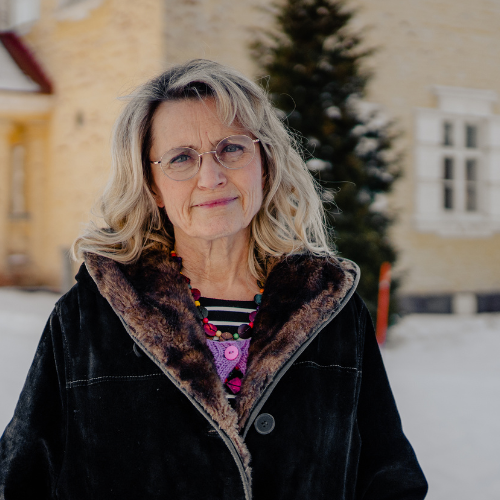
  • Prosecution back down on «disproportionate» bail conditions; two charges relate to alleged «influencing» within the censorial «buffer zone» 

GLASGOW (19 December 2025) – Glaswegian grandmother Rose Docherty appeared in court, having been criminally charged for holding a sign within 200m of the Queen Elizabeth University Hospital, reading: 

“Coercion is a crime, here to talk, only if you want.” 

In Scotland, “buffer zones” are enforced within 200m of every hospital, forbidding harassment, intimidation, and “influencing” of anyone seeking to access abortion services.  

“I should not be treated as a criminal for inviting people to chat with me – lending a listening ear."

Docherty, 75, has been charged for «influencing» within the buffer zone, despite only having stood peacefully and silently offering consensual conversation and not having approached any individual, nor making any statement on abortion. 

She is the first person to be charged under Scotland’s new «buffer zone» law, enacted in 2024.

After her arrest, Docherty was held in custody for several hours. She was refused a chair to sit on in her cell, despite making it known that she had a double hip replacement. 

Following the hearing, Docherty said: «I can’t believe I am here today. I simply stood, in love and compassion, offering consensual conversation to anyone who wanted to engage.

Nobody should be criminalised just for offering a chat.

I’d like to thank my legal team, and all who came to be with me today, as well as all those others around the world who have voiced their support.

Conversation is not a crime on the streets of Glasgow.»

In a win for Rose’s liberty, the prosecution today rolled back bail conditions, previously described as «disproportionate» by ADF International, which had prevented Rose from attending an area far wider than the buffer zone itself. 

The next hearing will take place on 13th January 2026.

A case of international concern 

Following the arrest, which was seen on a viral video across the world, the U.S. State Department expressed concern:  

“The arrest of Rose Docherty is another egregious example of the tyrannical suppression of free speech happening across Europe. 

“When 75-year-old grandmothers are being arrested for standing peacefully and offering conversation, common sense and basic civility are under attack. 

“The United States will always speak out against these violations of fundamental rights.” 

Lois McLatchie Miller, Scottish Spokesperson for ADF International, said:

“It is not a crime to have a chat on the streets of Glasgow. Rose merely held a sign offering consensual conversations to other adults in the area. It’s deeply concerning that Scottish policing resources are being ploughed into arresting and prosecuting a peaceful grandmother offering to speak to people in public, rather than focusing on the problems caused by real crime in Glasgow. 

“This is not a case about harassment, intimidation or violent protest – this is simply a peaceful grandmother, who held a sign offering to speak to anyone who would like to engage.” 

The law’s architect, Gillian Mackay MSP, admitted on BBC Scotland earlier this year that the vague prohibitions in the buffer zones law could criminalise someone for praying visibly from a window in their home within the zone, “depending on who’s passing by the window.” 

U.S. Vice President J.D. Vance highlighted this law as a particular matter for concern in his Munich Security Conference speech in February of this year. 

Images for free use in print or online in relation to this story only