Christian Father Targeted by Pakistan’s “Blasphemy Business Group” Faces Possible Death Penalty 

  • Christian sanitation worker falsely accused under Pakistan’s blasphemy laws and imprisoned for over 3 years could receive the death penalty; ADF International supports his defence 
  • Case highlights growing concern over organized groups trapping innocent people through fabricated blasphemy accusations 

ISLAMABAD (10 March 2026) – A Pakistani Christian father accused under the country’s draconian blasphemy laws is awaiting a potential death penalty verdict in a case that raises serious concerns about religious freedom and the exploitation of blasphemy accusations by organized networks. The trial proceedings concerning Pakistani Christian Ishtiaq Saleem have reached a critical stage, with the court completing hearings relating to false blasphemy-charges against Saleem, while proceedings continue for his co-accused. ADF International is supporting Saleem’s defence through allied lawyers in Pakistan. 

Saleem, 34, a Christian sanitation worker and father from Islamabad, was arrested in November 2022 after being accused of downloading allegedly blasphemous material on social media, a claim he denies. If convicted under Pakistan’s blasphemy laws, he could face the death penalty. Saleem’s trial has concluded, but proceedings involving co-accused Muhammad Umair are still ongoing, meaning the court is likely to issue a verdict when those hearings conclude.

“Ishtiaq committed no wrong and was simply living his life as a Christian in Pakistan when he was arrested. He has now spent three years behind bars, separated from his family. No one should face the threat of death or years in prison based on fabricated accusations of blasphemy. Cases like this illustrate the immense pressure faced by Christians and religious minorities in Pakistan."

«Blasphemy laws create a culture of violence and discrimination and must be repealed. Ishtiaq must be freed, and Pakistan must move toward a culture that respects and protects religious freedom for all,” continued Tehmina Arora.

Saleem, who was 31 years old at the time of his arrest in 2022, has suffered in prison while the case has moved slowly through the courts. His bail applications have been repeatedly rejected by lower courts as well as by the Supreme Court of Pakistan. The Supreme Court previously ordered the trial court to expedite proceedings, which are currently taking place before a special court in Islamabad. 

Making a business out of false blasphemy accusations 

The case has drawn attention because it involves the so-called Blasphemy Business Group—an organized network accused of fabricating blasphemy accusations to entrap individuals for the purpose of blackmail and extortion. According to a report by Pakistan’s National Commission on Human Rights, more than 450 people have been targeted through similar schemes, contributing to a dramatic surge in blasphemy accusations in recent years. 

The network includes lawyers and individuals who reportedly work in coordination with the cybercrime unit of the Federal Investigation Agency to bring these construed cases before the courts. In Saleem’s case, the lead prosecution counsel, Rao Abdur Rahim, is the head of the Group, raising serious concerns about the fairness of the proceedings. 

“Organized groups that exploit blasphemy accusations to target innocent people undermine the rule of law and put Christians and other vulnerable communities at grave risk,” continued Arora“The international community must pay attention to cases like this and call for justice and accountability.” 

ADF International and its allied lawyers support Saleem’s case. They remain hopeful that the trial has exposed significant weaknesses in the prosecution’s case and the misuse of the blasphemy laws to exhort and harass religious minorities. They are also hoping that Saleem will be acquitted and able to return to his young family. 

Images for free use in print or online in relation to this story only

WIN: Court dismisses charges against Brazilian veterinary student facing 10 years in prison for “transphobic” social media posts  

  • Brazilian Federal Regional Court unanimously clears Isadora Borges of all charges of “transphobia.”

  • ADF International provides legal support to Borges and other similar cases as Brazil’s censorship crisis escalates.

BRASÍLIA (13 March 2026) — Yesterday, a Brazilian Federal Regional Court ruled in favor of Isadora Borges, a veterinary student charged with “transphobia” for her social media posts. Under these charges, Borges faced a potential prison sentence of four to 10 years for content posted to X (then Twitter) in 2020.

The Federal Regional Court of the 5th Circuit unanimously decided to dismiss all charges and close the case. In its reasoning, the Court stated that Borges’ X comments did not contain any attack, threat, or hostility towards individuals who identify as “transgender,” nor did they incite violence, lacking the intentional element required in criminal law to sustain a conviction for “transphobia”.

The court’s decision brings me great relief and hope that free speech will be protected in Brazil,” said Borges. “The truth matters. Stating biological facts in a post should never result in prison time. All Brazilians deserve to speak freely and stand for what they believe in, even if their views differ from those in power

“The truth matters. Stating biological facts in a post should never result in prison time. All Brazilians deserve to speak freely and stand for what they believe in, even if their views differ from those in power."

With this decision, the Court sets an important legal precedent that opinions, such as those shared by Borges, are not grounds for criminal charges for “transphobia”.  

This is the first time that a federal court in Brazil has been called upon to decide on the merits of the criminalization of speech based on a “transphobia” accusation.  

“We commend the court for its decision in Isadora’s favor. This is a promising win for freedom of speech in Brazil, but this never should have happened in the first place. Even when charges are dismissed, the effect of this kind of censorial overreach is to chill speech across the entire country as people watch what they say for legitimate fear of criminal prosecution,” said Julio Pohl, legal counsel at ADF International.  

“Censorship cases similar to Isadora’s are ongoing and continuing to emerge in Brazil. We must continue to push back against the rampant censorship we have seen in the country, until no Brazilian fears being punished for peaceful expression.” 

Background

In November 2020, Borges made two posts on X (then Twitter), peacefully expressing her views on gender ideology. One comment stated that “transgender” women “were obviously born male.” Another stated: “A person who identifies as transgender retains their birth DNA. No surgery, synthetic hormone, or clothing change will change this fact…”

Her comments quickly gained attention online, and prompted Erika Hilton, a self-described “transgender” politician, to report Borges for “transphobia” to the federal police. Hilton was recently elected as president of Brazil’s Women’s Rights Defense Commission (a congressional committee), an act that further exemplifies the spread of gender ideology with a male assuming a key role intended for a woman.

In September 2025, Borges was notified of the criminal charges brought against her. She was accused of two counts of “transphobia,” with each count carrying a punishment of two to five years in prison.

At a hearing in February 2026, the judge indicated that the comments appeared to reflect personal opinions rather than discriminatory intent and granted the defence five days to submit written conclusions, allowing for further consideration of the legal and factual issues before any decision was made.

In a parallel process, Borges’ legal team filed a habeas corpus defense before the Federal Regional Court of the 5th Circuit, asking the court to review whether the prosecution and the decision of the lower court judge could proceed. With yesterday’s judgment by the Regional Court, the lower court case is rendered moot.

ADF International provided legal support to Borges in defense of her fundamental right to freedom of expression and that of all Brazilians.

Growing Pattern of Censorship in Brazil

Since a 2019 ruling by Brazil’s Supreme Federal Tribunal equated “homophobia” and “transphobia” with the crime of racism, without legislation passed by Congress, individuals across Brazil increasingly have faced criminal investigations and prosecutions for peaceful expression.  

In 2025, social media influencer Isabella Cepa faced criminal investigations for her online post about gender ideology. Similarly, Nine Borges (not related to Isadora Borges) is under criminal investigation for “transphobia” for content posted to Instagram. 

In another case, Assemblies of God Pastor Douglas Baptista faced criminal charges for authoring a book with a Christian view of sexuality. Charges in his case were dropped, but they remain evidence of the broader, chilling trend of government efforts in Brazil to censor peaceful online expression. 

ADF International also represents five Brazilian legislators (Senator Eduardo Girao and members of the Chamber of Deputies Marcel Van Hattem, Adriana Ventura, Gilson Marques, and Ricardo Salles) before the Inter-American Commission on Human Rights. The legislators are challenging violations of their free speech rights before the Commission. They claim violations of their freedom of expression as a result of escalating state censorship, which reached a head with the 2024 X ban in Brazil. Censorship in Brazil has been a persistent and escalating problem since 2019.

Images for free use in print or online in relation to this story only

Europe’s Top Court Rejects Case of Christian Parents in Sweden Seeking Reunification with Daughters after 3 Years Separation

  • The daughters have been separated from their parents, and each other, since December 2022, absent any evidence of abuse, and despite deteriorating health conditions in foster care and repeated wish to be reunited.

  • European Court of Human Rights deems case inadmissible on the grounds of failure to exhaust legal remedies in Sweden.

STRASBOURG (10 March 2026) – The European Court of Human Rights (ECtHR) has ruled a case brought by Christian parents Daniel and Bianca Samson against Sweden as inadmissible. The parents were seeking justice before the court to regain custody of their daughters, claiming a severe violation of their parental rights. The decision of inadmissibility is final and cannot be appealed. ADF International lawyers are now reviewing the decision together with the parents and assessing possible next steps.

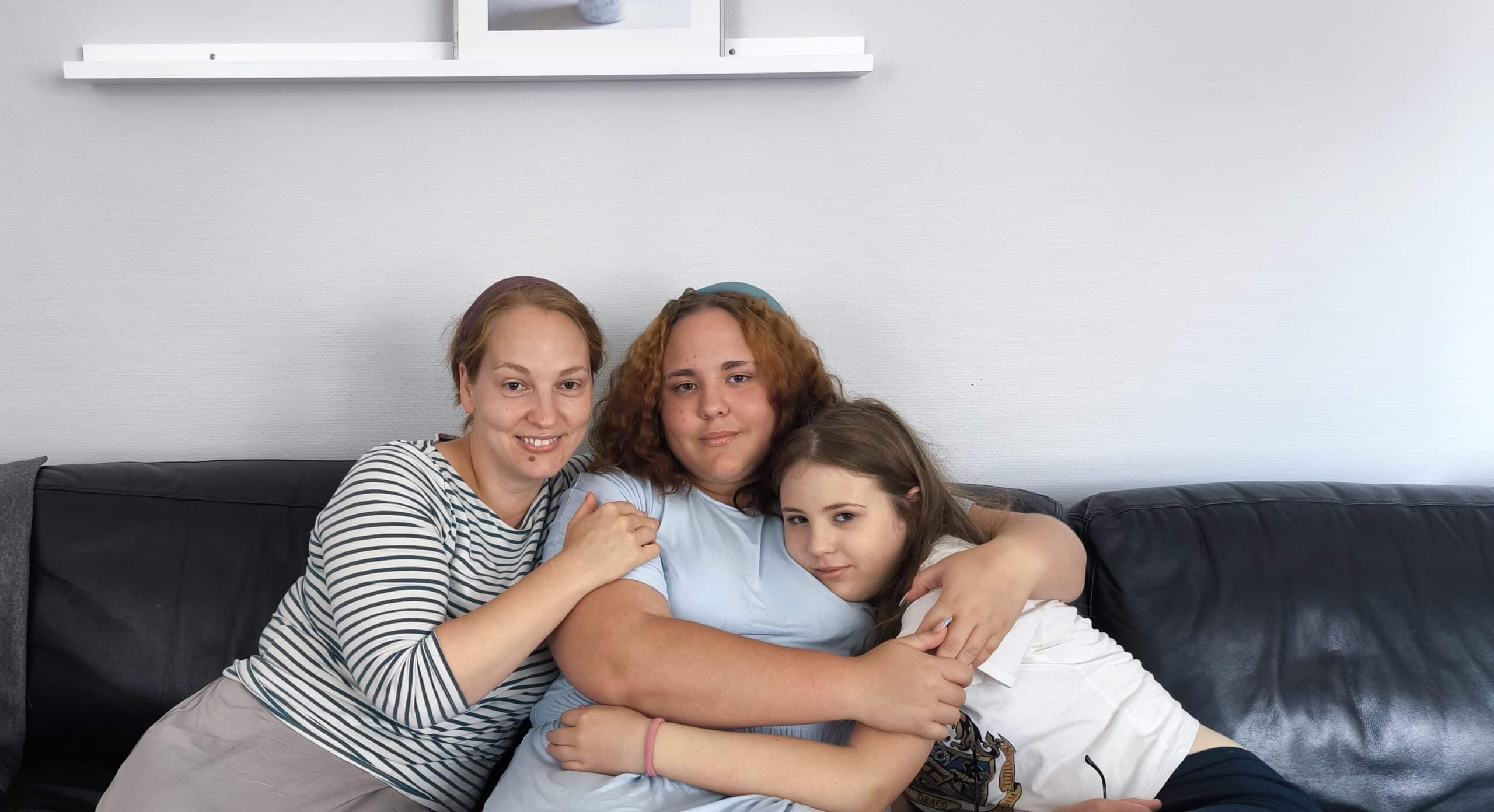
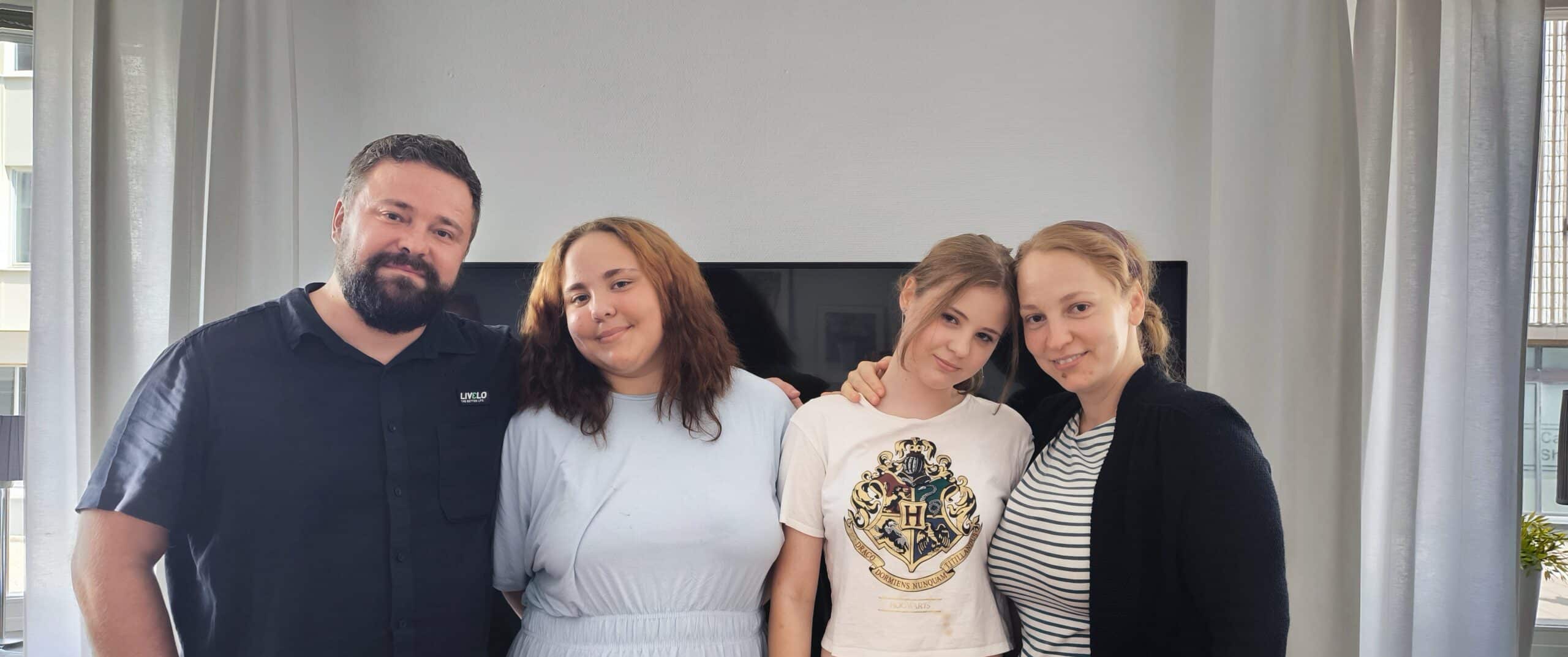
The two eldest daughters of the Samson family were taken by the state in December 2022 after the eldest made a false report at school over her parents’ refusal to give her a phone and allow makeup, prompting allegations of “religious extremism,” even though she promptly retracted. The daughters have been separated from their parents, and each other, since December 2022, even though the state found no evidence of abuse. 

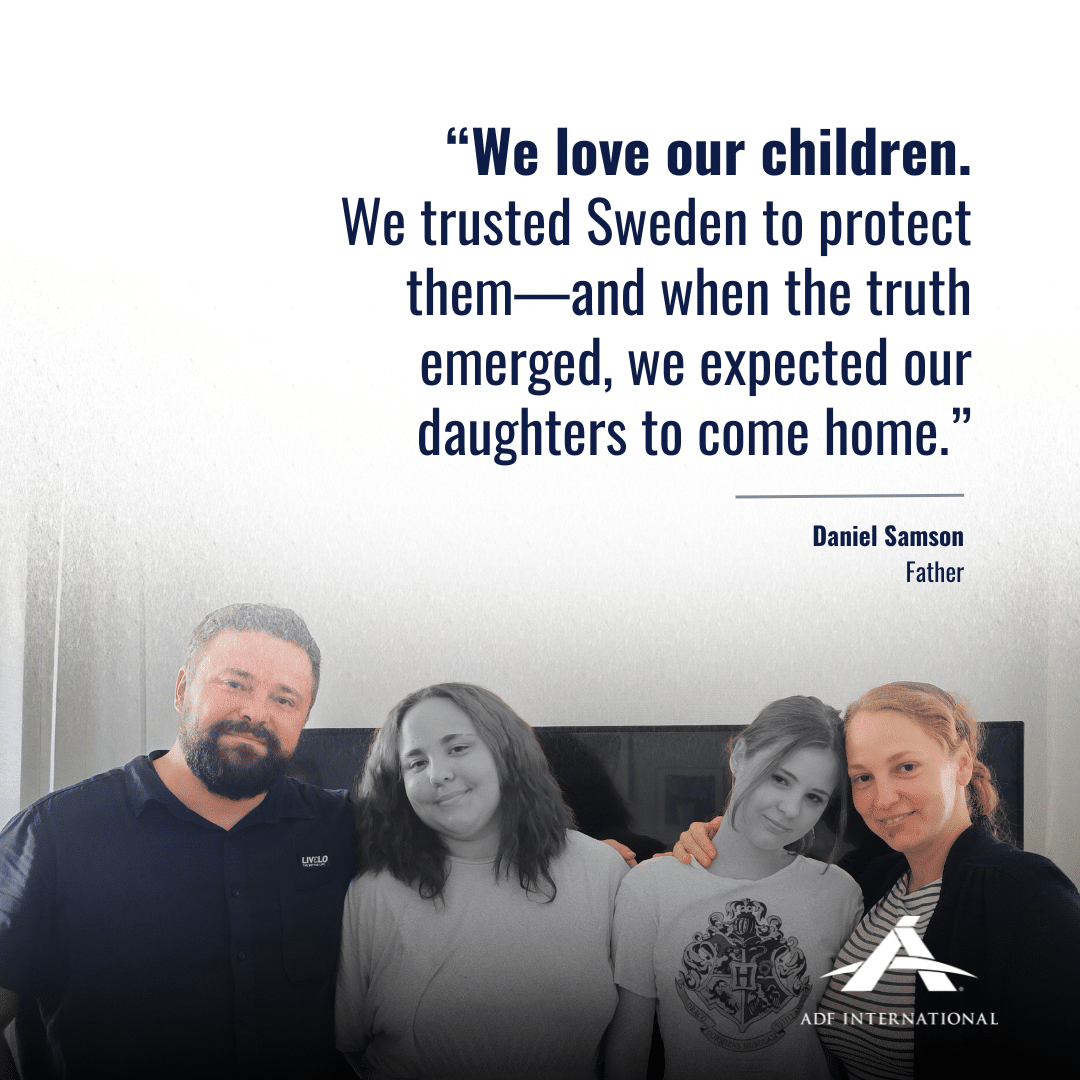
“Parents have the primary responsibility and right to raise their children. When the state interferes with family life based on values-based parenting choices or discrimination on the basis of faith, fundamental freedoms are at stake."

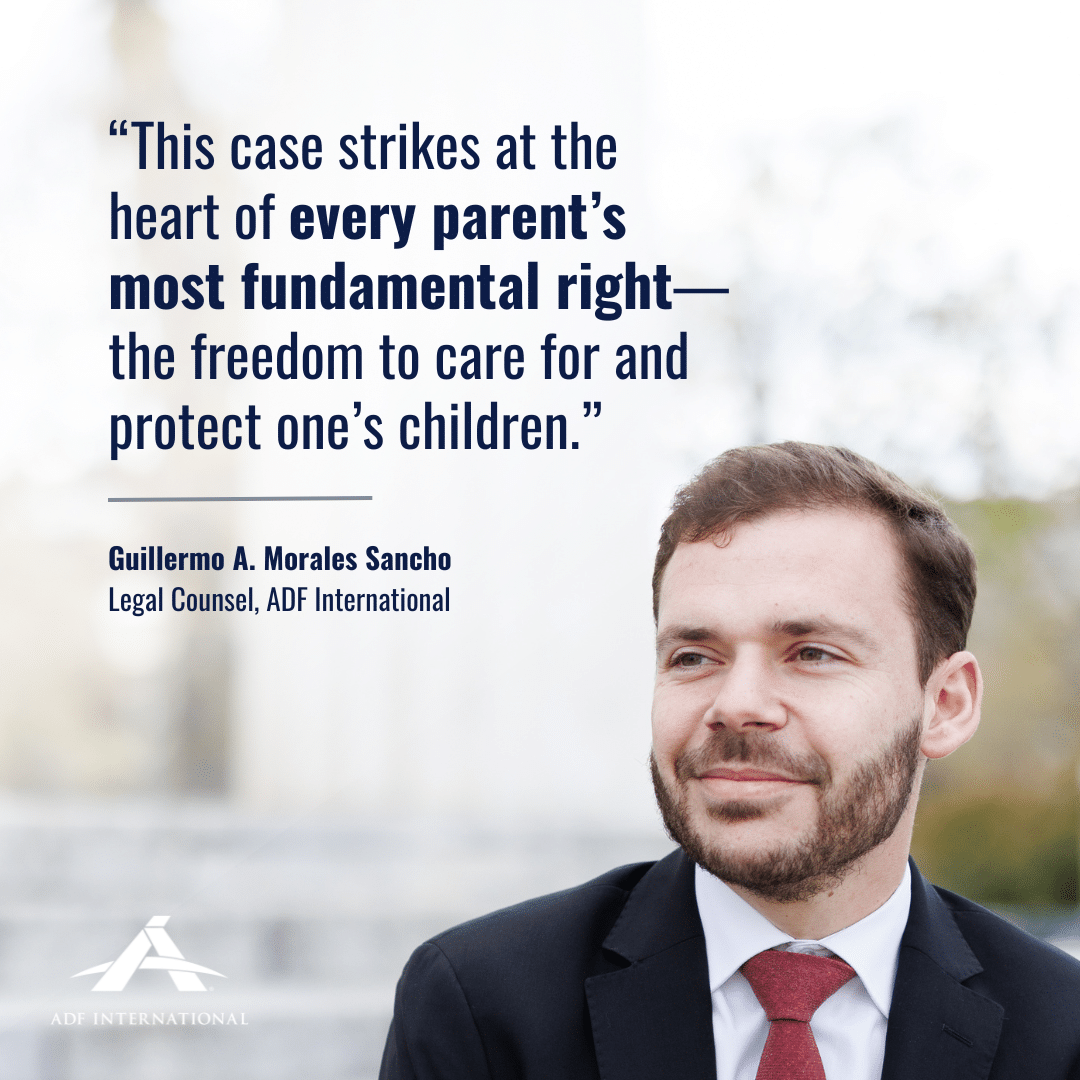
«We deeply regret the Court’s decision to reject this case, considering that this family has been torn apart for over three years despite a full investigation that cleared Mr. and Mrs. Samson of any abuse and the fact that the Social Services certified their capacity and fitness for parenting after they successfully completed an official training. Families should be free to live according to their convictions without fear of losing their children to the state, said Guillermo A. Morales Sancho, Legal Counsel for ADF International. 

The European Court of Human Rights deemed the case inadmissible on the grounds of failure to exhaust legal remedies in Sweden, despite the legal team’s assessment that there were no further options for domestic recourse. 

Specifically, the Court indicated that it did not consider there to be an apparent violation of the right to respect for private life under the European Convention on Human Rights. It further suggested that questions relating to freedom of religion may be raised before national courts, an option the Samsons may now pursue. 

Background 

The couple of Romanian origin, who had been residing in Sweden for close to a decade, claim that Swedish authorities ignored the best interests of their children by refusing to reunite the family. The forced separation continued even after all allegations against the parents were dropped and prosecutors found no evidence of abuse. The case raises serious concerns about delays, overreach, and possible discrimination against Christians in Sweden’s child welfare system. The state has cited the family’s regular attendance at church three times a week to corroborate accusations of “religious extremism,” despite the fact that this simply reflects their religious beliefs and is a protected action under international human rights law. 

The Samsons currently are only allowed one supervised visit per month. This is complicated by the fact that the girls are placed in different foster care homes far away from each other. 

See our case page for more information: https://adfinternational.org/cases/samson-family  

Images for free use in print or online in relation to this story only