TOMORROW: Judge to rule on ‘abuse of process’ arguments made by legal defence of Christian woman criminally prosecuted for silently praying on public street
- Judge Tan Ikram’s decision, which could dismiss all charges against Isabel Vaughan-Spruce, will be delivered at a hearing at 10am tomorrow at Birmingham Magistrates’ Court.
- If judge does not dismiss the case tomorrow, it will proceed to trial at Birmingham Magistrates’ Court in January 2027.
- Vaughan-Spruce’s legal defence is supported by free speech legal advocacy organisation Alliance Defending Freedom.

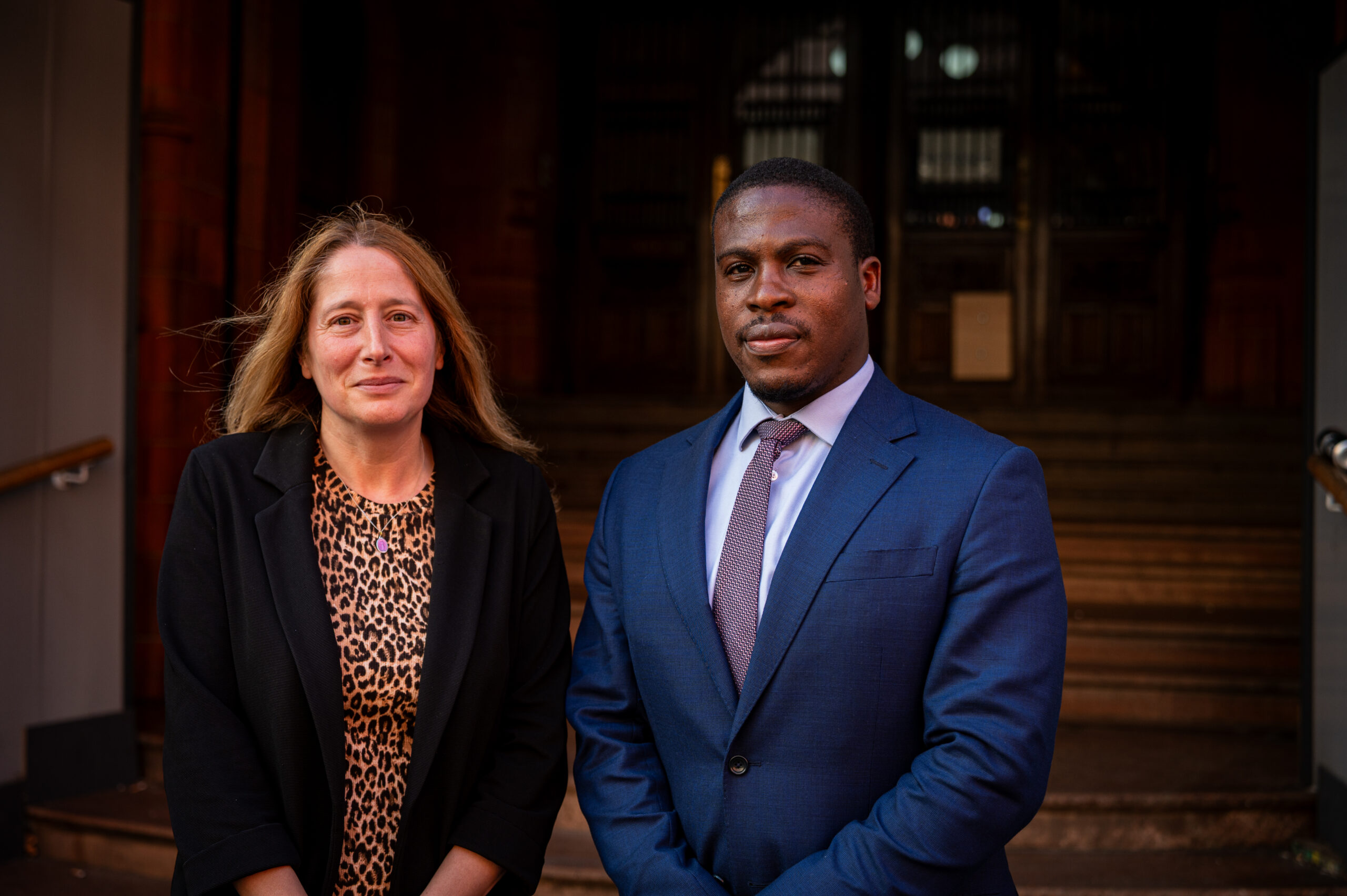
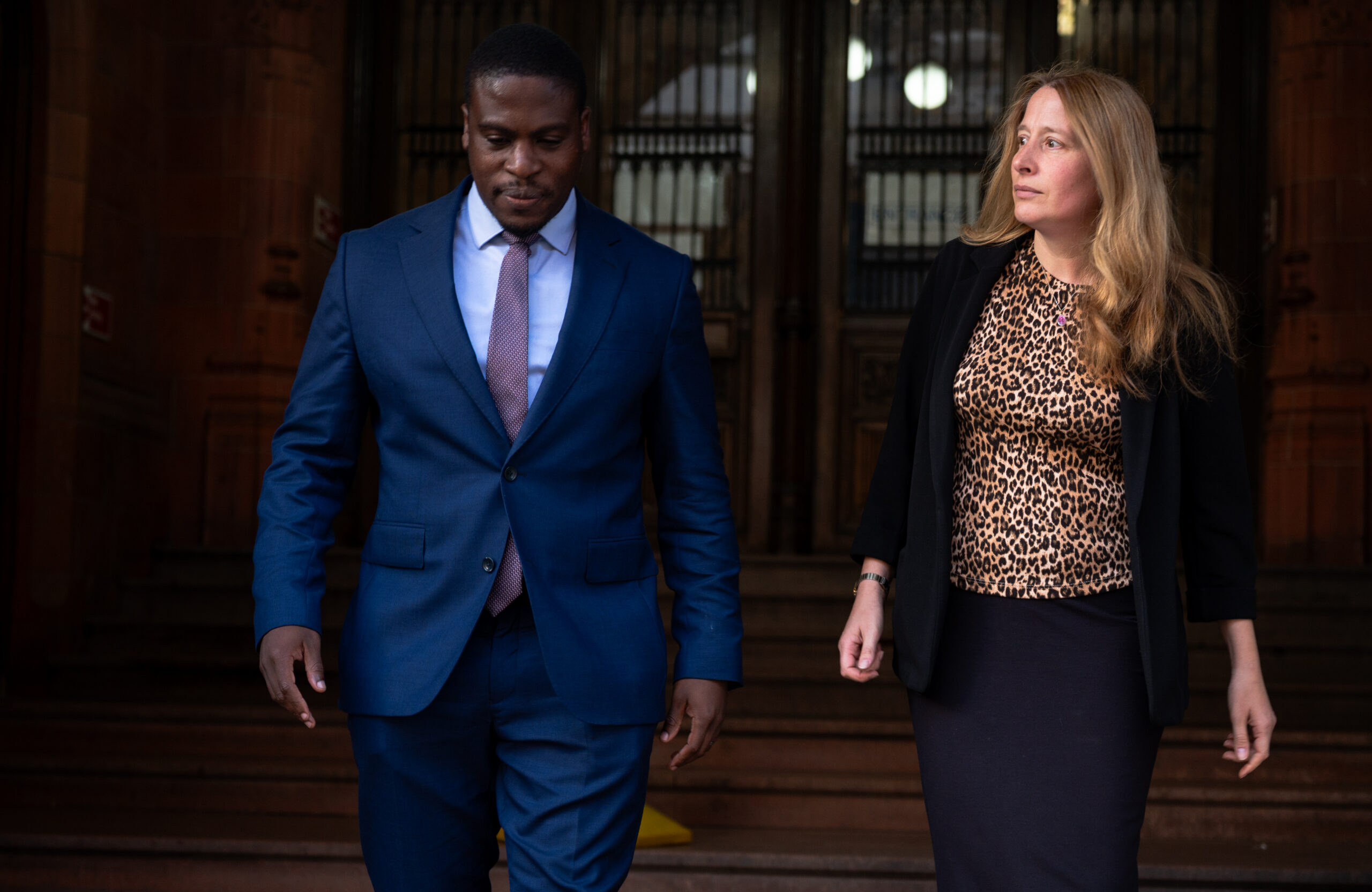
BIRMINGHAM (24 November 2026) – A judge will tomorrow rule on “abuse of process” arguments made by the legal defence of a Christian woman criminally prosecuted for silently praying on a public street in Birmingham.
Deputy Senior District Judge Tan Ikram’s decision, which could dismiss all charges against Christian woman Isabel Vaughan-Spruce, will be delivered at a hearing, which will take place at 10am tomorrow at Birmingham Magistrates’ Court.
Vaughan-Spruce’s legal defence is supported by free speech legal advocacy organisation Alliance Defending Freedom (ADF).
Tomorrow’s hearing follows a previous hearing last month, at which Vaughan-Spruce’s defence argued that the case against Vaughan-Spruce amounts to an “abuse of process” and should be dismissed.
If the judge does not dismiss the case tomorrow, it will proceed to trial at Birmingham Magistrates’ Court between 25-29 January 2027.
“Isabel will appear in court tomorrow for an alleged ‘thoughtcrime’—all she did was stand on a public street and silently pray. In a free society like Great Britain, this can never be a crime. Every person has the fundamental right to freedom of speech, religion and thought in this country.
We look forward to tomorrow’s hearing, confident that Isabel has not committed any criminal act.”
— Jeremiah Igunnubole, barrister, former Senior Crown Prosecutor at the Crown Prosecution Service and legal counsel for ADF in London
Christian woman and charity volunteer Isabel Vaughan-Spruce commented on the case:
“I am deeply troubled by this violation of the basic right to my own thoughts and to my deeply-held Christian pro-life convictions. I pray that common sense and freedom will prevail, so that no one else has to face criminal treatment for what they believe.”
October ‘abuse of process’ hearing
Vaughan-Spruce’s defence argued at last month’s hearing that Vaughan-Spruce’s prosecution is incompatible with her fundamental human rights, particularly freedom of thought and religion as stated in Article 9 of the European Convention on Human Rights.
Her legal team also argued that Vaughan-Spruce had been “singled out”, and that the prosecution’s case is such that if Vaughan-Spruce were not known to hold pro-life beliefs, her presence within the “buffer zone” would not have been considered an offence.
The defence additionally noted that this amounts to discrimination and a violation of Vaughan-Spruce’s Article 14 ECHR rights.
Vaughan-Spruce’s legal team further argued that silent prayer and mere presence fall outside the scope of national “buffer zone” legislation—Section 9 of the Public Order Act 2023, under which Vaughan-Spruce has been charged—which was not intended by Parliament to criminalise conduct of this kind, and which cannot interfere with the absolute rights to freedom of thought and to hold a particular religious belief.
The initial criminal charge brought by the Crown Prosecution Service against Vaughan-Spruce read: “[Isabel] stood outside of the Robert Clinic [the abortion facility]… intending that, or being reckless as to whether, it had the effect of influencing any person’s decision to access, provide or facilitate the provision of abortion services at an abortion clinic.”
On the first day of the three-day abuse of process hearing last month, Judge Ikram noted that Section 9 of the Public Order Act 2023 requires an “act” to be committed within the buffer zone, indicating that the charge against Vaughan-Spruce was “not properly drafted” and that “the prosecution bear the burden to make it clear.”
The judge also commented: “This case is not about abortion rights; it is about a criminal offence which Parliament has defined… Courts are not here to pass judgment on people’s views.”
Judge Ikram further noted that “standing is not a crime… It doesn’t matter how many times you do it, mere presence is not enough”, and that the focus should be on whether Ms Vaughan-Spruce had the requisite intent to influence or harass others.
On the second day of the hearing, Judge Ikram permitted the prosecution to bring five fresh charges against Vaughan-Spruce – one for each occasion that she stood and prayed silently within the “buffer zone” – instead of the previous improperly drafted charges.
The new charges against Vaughan-Spruce alleged:
“Isabel Vaughan-Spruce… when within a safe access zone for an abortion clinic, namely The Robert Clinic, did an act, namely stood outside of the Robert Clinic… intending that, or being reckless as to whether, it had the effect of: influencing any person’s decision to access, provide or facilitate the provision of abortion services at an abortion clinic, …or causing harassment, alarm or distress to any person in connection with a decision to access, provide, or facilitate the provision of abortion services at an abortion clinic…”
The CPS added “or causing harassment, alarm or distress”, to the new charges, whereas the initial charges against her merely alleged “influencing”.
This is despite the fact that Vaughan-Spruce merely stood and silently prayed on a public street.
At last month’s hearing, Vaughan-Spruce pleaded “not guilty” to all the new charges.
The judge will deliver his ruling on the defence’s abuse of process arguments at tomorrow’s hearing.
Repeated injustice over silent ‘thoughtcrime’
This is the second time Vaughan-Spruce faces criminal trial for silently praying.
In 2023, she was acquitted in court after being arrested for praying in a local “buffer zone,” under a Public Spaces Protection Order that banned protesting, defined as “expressions of approval or disapproval” of abortion.
The incident occurred while the abortion facility was closed. The prosecution offered no evidence to support a conviction, and Vaughan-Spruce, whose legal defence was supported by ADF, was found “not guilty”.
Despite being cleared of any wrongdoing, Vaughan-Spruce was arrested again for silently praying in the same location weeks later in March 2023.
This led to a criminal investigation that lasted several months, before it was dropped by the police, following representations made by Vaughan-Spruce, with the support of ADF.
In August 2024, Vaughan-Spruce successfully challenged her two unlawful arrests and won a settlement from West Midlands Police of £13,000.