Der Europäische Gerichtshof befasst sich mit Einreiseverbote gegen Christen in die Türkei

  • Der Europäische Gerichtshof für Menschenrechte hat 20 Fälle von Christen, die allein wegen des Auslebens ihres Glaubens aus der Türkei verbannt wurden, offiziell aufgegriffen.
  • ADF International unterstützt 17 dieser Verfahren und macht auf schwerwiegende, strukturelle Menschenrechtsverletzungen aufmerksam.
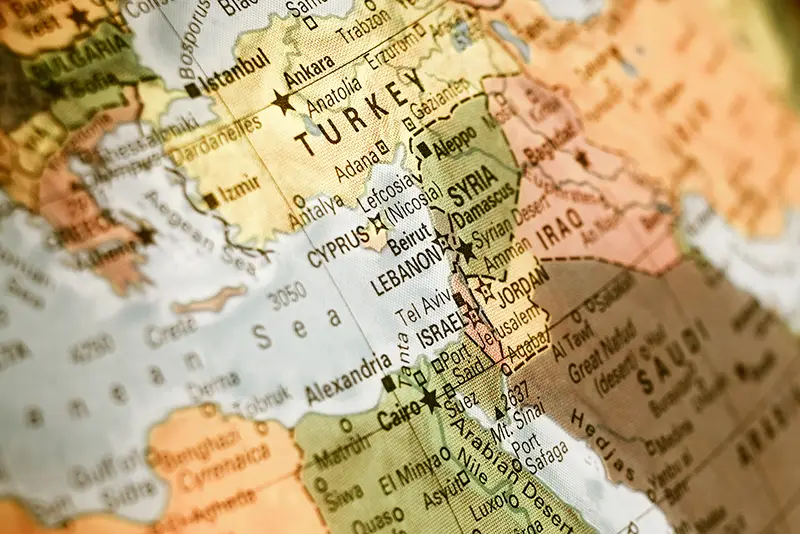
STRASSBURG (05. Februar 2026) -Der Europäische Gerichtshof für Menschenrechte (EGMR) hat offiziell 20 von Christen eingereichte Fälle angenommen, in denen die Türkei Betroffenen allein wegen der Ausübung ihres Glaubens faktisch die Wiedereinreise verweigert hat.

Diese Fälle – fast alle von ADF International unterstützt – gehen auf die Verwendung interner Sicherheitscodes wie „N-82“ durch die türkische Regierung zurück. Mit diesen Codes wurden friedliche ausländische Christen als Bedrohung für die nationale Sicherheit eingestuft. Dadurch wird ihnen trotz langjährigem rechtmäßigem Aufenthalt die Einreise oder der Verbleib im Land verwehrt.

Seit 2019 haben die türkischen Behörden Hunderten von ausländischen Christen interne Sicherheitscodes wie „N-82“ und „G-87“ zugewiesen. In der Folge wird diesen Christen nach Auslandsreisen die Wiedereinreise untersagt oder ihre Aufenthaltserlaubnis entzogen. Diese Maßnahmen betreffen mindestens 160 ausländische Arbeitnehmer und ihre Familien – schätzungsweise Hunderte von Personen –, von denen viele seit Jahrzehnten in der Türkei leben und arbeiten.

Der EGMR hat die Fälle gebündelt an die türkische Regierung übermittelt und darauf hingewiesen, dass diese für hinreichend zusammenhängend gehalten werden, um sie gemeinsam zu prüfen. Zugleich wurde die Türkei aufgefordert, im weiteren Verfahren eine Stellungnahme abzugeben.

„Der friedliche Gottesdienst und die Teilnahme am kirchlichen Leben stellen keine Gefahr für die nationale Sicherheit dar. Dennoch wurden ausländische Christen in der Türkei – darunter Pastoren, Lehrer, Mitarbeiter kirchlicher Einrichtungen und Missionare – auf Grundlage nicht öffentlich zugänglicher Akten als Sicherheitsrisiko eingestuft und des Landes verwiesen“, erklärte Dr. Lidia Rider, Juristin bei ADF International. „Da ihnen weder die Vorwürfe offengelegt noch Beweise zugänglich gemacht wurden, hatten sie keine reale Möglichkeit, sich wirksam vor Gericht zu verteidigen. Dass der Gerichtshof diese Fälle nun aufgreift, ist ein wichtiger Schritt hin zu Transparenz, Verantwortlichkeit und rechtlichem Schutz.“

Diskriminierung hinter den Zahlen

Durch die Verwendung dieser Codes stuft die Regierung Betroffene faktisch als „Bedrohung für die öffentliche Ordnung und Sicherheit“ ein – eine Kategorie, die üblicherweise mutmaßlichen Terroristen vorbehalten ist. Tatsächlich jedoch haben die Betroffenen keine Vorstrafen, und es gibt keinerlei Hinweise auf rechtswidriges Verhalten. Das Einzige, was sie verbindet, ist die offene Ausübung und Weitergabe ihres christlichen Glaubens.

Der Menschenrechtsverletzungsbericht 2024 (Human Rights Violation Report) des Verbands evangelischer Kirchen dokumentiert 132 Personen, die willkürlich mit einem Einreisesperrcode belegt wurden und allein aufgrund ihres christlichen Glaubens nicht mehr in die Türkei einreisen dürfen. Insgesamt sind laut Bericht 303 Menschen von diesen Maßnahmen betroffen.

Berichte über vergleichbare Maßnahmen, von denen zahlreiche ausländische protestantische Christen betroffen sind, zeigen, dass es sich nicht um Einzelfälle, sondern um ein breites Muster systematischer Diskriminierung handelt. Diese Fälle werfen Fragen im Hinblick auf die durch die Europäische Menschenrechtskonvention geschützten Grundrechte auf, insbesondere das Recht der Religionsfreiheit, das Recht auf Familienleben und den Schutz vor Diskriminierung. Zugleich verdeutlichen sie die Notwendigkeit transparenter, nachvollziehbarer und belegbarer Entscheidungen, wenn Staaten sich auf öffentliche Ordnung oder nationale Sicherheit berufen – zumal die plötzlichen und unbegründeten Verbote für langjährige Bewohner und ihre Familien schwerwiegende Folgen haben.

Echte Menschen, Echte Konsequenzen

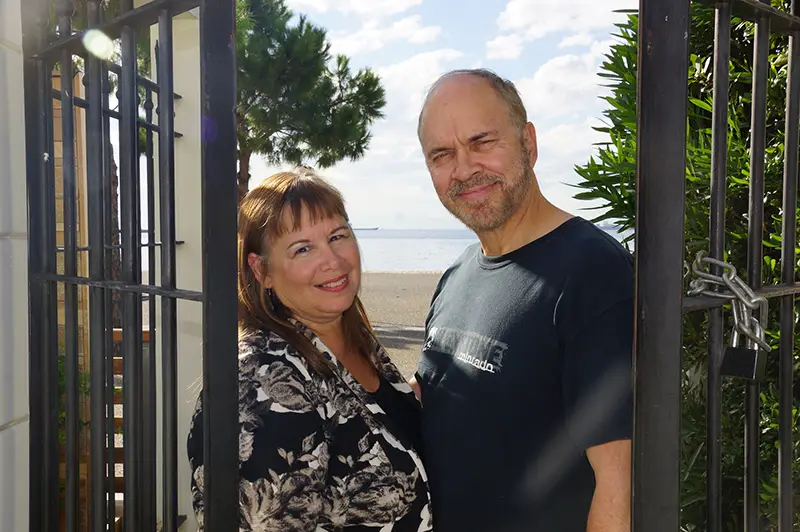
Zu den Betroffenen gehören Menschen, die seit Jahrzehnten in der Türkei lebten und arbeiteten, wie Pam und Dave Wilson, die fast 40 Jahre lang in der Türkei tätig waren, bevor ihnen die Rückkehr verwehrt wurde. Oder Rachel und Mario Zalma (Pseudonyme zur Wahrung der Anonymität), deren kirchliches Engagement nach der Teilnahme an einer Kirchenkonferenz zu einer N-82-Einstufung führte, und David Byle, ein Geistlicher, der nach 19 Jahren Dienst ins Exil gezwungen wurde.

Diese Verbote haben nicht nur Familien von den Gemeinschaften getrennt, die sie über Jahre mit aufgebaut hatten, sondern auch viele örtliche Kirchen ohne Leitung zurückgelassen. Damit wurde die ohnehin geringe christliche Präsenz in einem Land weiter geschwächt, in dem Christen nur einen winzigen Teil der Bevölkerung ausmachen.

Langjährige Bemühungen zur Aufdeckung systematischer Missbräuche

Seit mehreren Jahren macht ADF International auf diese Menschenrechtsverletzungen aufmerksam: unter anderem durch Schulungen für lokale Anwälte, wissenschaftliche Veröffentlichungen und Expertengutachten, die systematischen Verstöße gegen die Religions- und Weltanschauungsfreiheit sowie damit verbundene Rechte dokumentieren.

ADF International hat über mehrere Jahre hinweg zahlreiche Kläger und ihre Anwälte in diesen Verfahren unterstützt und vertritt vier Betroffene unmittelbar vor dem EGMR, darunter zwei Hauptkläger. Zudem unterstützt die Organisation nahezu alle weiteren Fälle.

„Wir begrüßen die Entscheidung des Gerichts, diese Fälle gemeinsam zu behandeln. Es handelt sich hierbei nicht um vereinzelte Fehler oder einmalige Entscheidungen“, sagte Kelsey Zorzi, Direktorin der Rechtsabteilung für weltweite Religionsfreiheit bei ADF International. „Die gebündelte Prüfung dieser Fälle macht deutlich, dass der Gerichtshof ein mögliches systematisches Vorgehen gegen Christen in der Türkei sieht. Wir erwarten, dass er das zentrale rechtsstaatliche Prinzip bestätigt, wonach Regierungen niemandem allein aufgrund seines Glaubens Grundrechte entziehen dürfen.“

Bilder zur kostenlosen Verwendung im Druck oder online – ausschließlich im Zusammenhang mit dieser Geschichte.

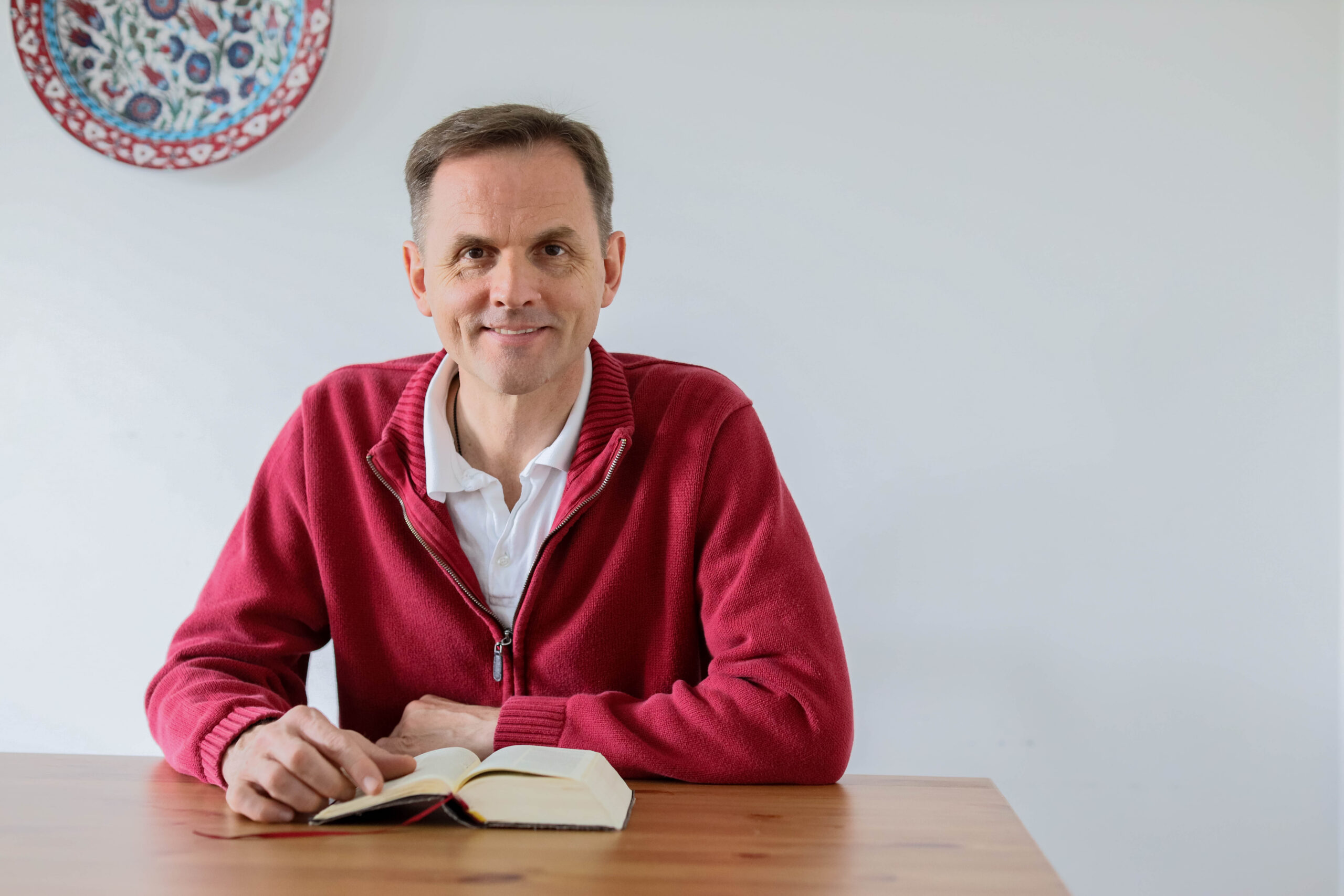
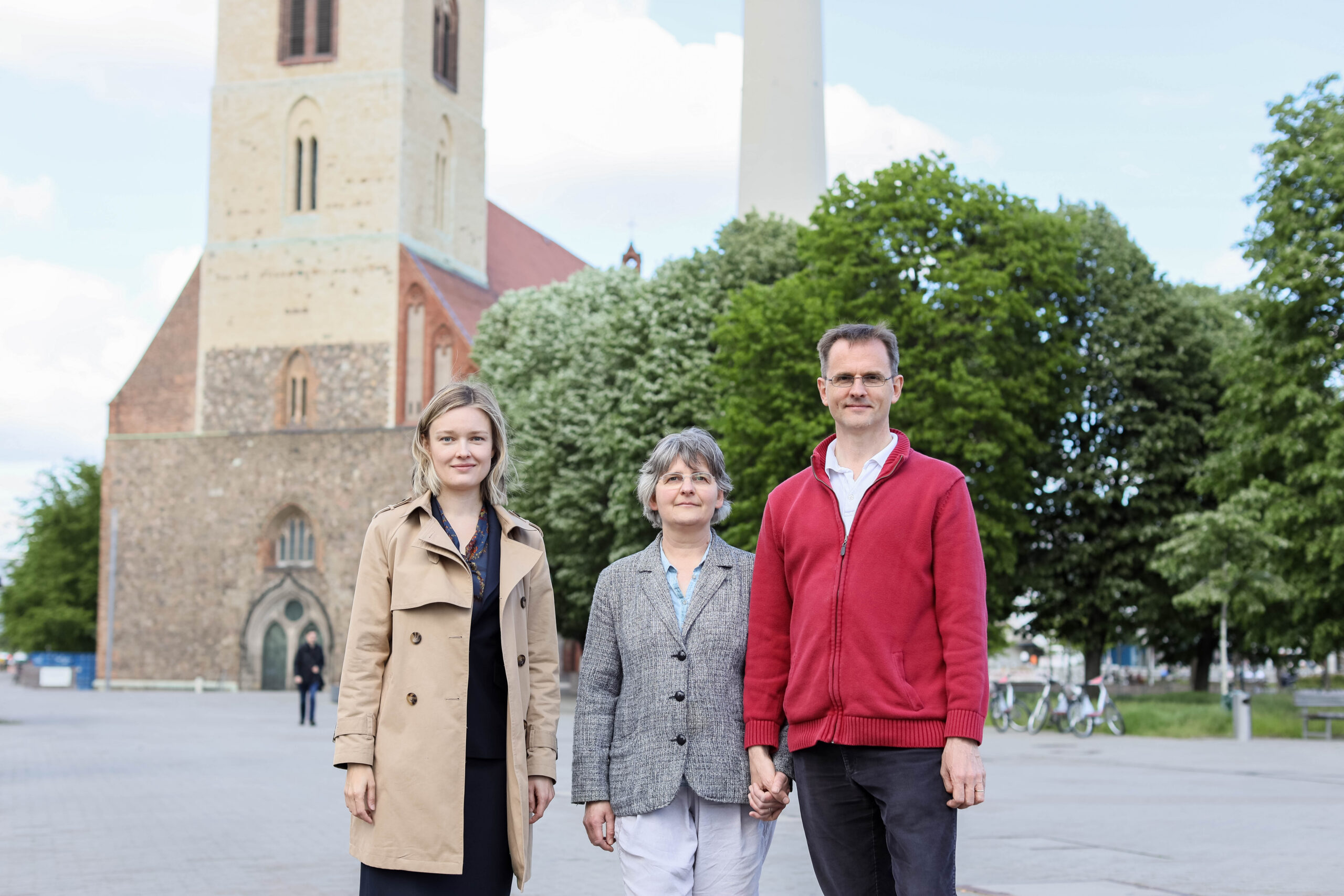
Abgebildet: Dave und Pam Wilson; David Byle; Lidia Rieder; Kelsey Zorzi

Top human rights court deems Evangelical church’s appeal inadmissible

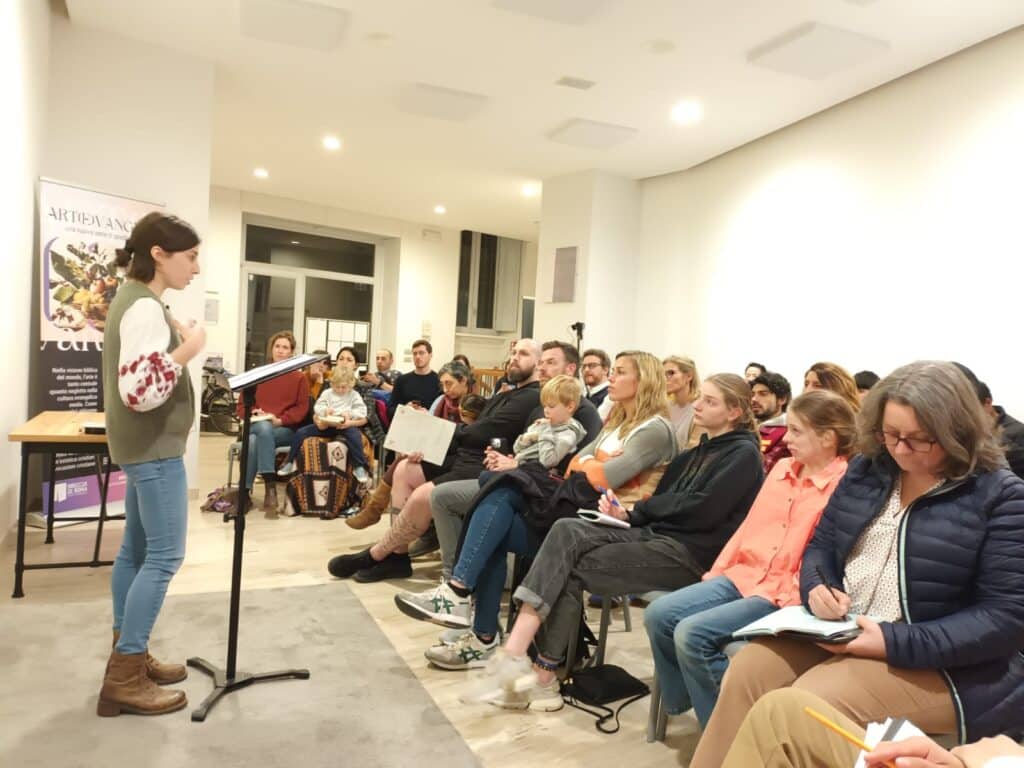
Breccia di Roma church in Rome, Italy
  • Italian Christian community forced to pay tens of thousands in taxes or make “structural modifications” to their place of worship to satisfy the authorities’ demands that their space look more like “a conventional church”

  • Represented by ADF International, the church had filed an appeal at the European Court of Human Rights, which has rejected the case

Breccia di Roma church in Rome, Italy

Strasbourg/Rome (March 24, 2025) – In a blow to religious freedom, the European Court of Human Rights (ECtHR) has ruled that the case of Breccia di Roma, an Evangelical church in Rome, is inadmissible. The church, represented by ADF International, had appealed to the Court after Italian authorities classified its place of worship as a „shop“ due to its non-traditional appearance, which led to a demand for around 50,000€ in taxes and fines. 

Despite the church’s argument that the modest architecture of its place of worship does not detract from its use for religious practice and that the Italian Tax Agency’s classification violated its right to worship freely, the ECtHR has decided not to intervene. The decision effectively upholds the Italian Supreme Court of Cassation’s ruling, denying the church the tax exemption granted to other religious buildings in Italy. 

“This ruling is disappointing, as it fails to recognize the right of churches to freely determine the manner of their worship. We continue to believe that the government has no right to dictate the appearance of a place of worship."

Court dismissal despite strong legal case 

Even though the church went up to the highest domestic court claiming a violation of its religious freedom, the ECtHR denied hearing the case claiming “non-exhaustion of domestic remedies”. The Court provided no explanation as to why it does not consider the church to have „exhausted domestic remedies,“ given that Breccia di Roma has no other domestic avenues left to pursue. The court also rejected the church’s claim of having been unjustly discriminated against, despite two lower instance courts in Italy having ruled in Breccia di Roma’s favor on this matter. The decision is final. Breccia di Roma must now pay tens of thousands in taxes or make “structural modifications” to their place of worship to satisfy the authorities’ demands.  

In recent years, “inadmissibility” has become the most common outcome of any application pending before the ECtHR. The court received 28,800 new applications in 2024, and 34,650 in 2023. At the same time, the court declared 25,990 pending applications inadmissible in 2024, and 31,329 in 2023.  

It is highly regrettable that Breccia di Roma will not receive justice from the European Court of Human Rights.This religious group was unjustly discriminated against because its chosen place of worship does not look like a conventional church in the eyes of the authorities. The small community is now burdened with thousands of Euros in taxes from which other religious buildings in Italy are exempted."

ADF International remains committed to advocating for the protection of religious freedom and ensuring that churches can operate without unnecessary discrimination based on their appearance or practices.

Breccia di Roma can be supported here.  

Case background 

The Evangelical Christian community, Breccia di Roma, which uses a former shop as it’s place of worship, obtained authorization to change the building’s intended commercial use – in part, so that the applicable taxation would align with the religious, i.e. non-commercial, nature of their activities.  

The Italian Tax Agency, however, claimed that the interior architecture of Breccia di Roma’s worship space was not sufficiently religious in appearance. Therefore, it required the church to pay commercial taxes. Despite winning in the lower courts, the Italian Supreme Court of Cassation sided with the authorities. With no further avenues for justice in Italy, the church turned to the European Court of Human Rights, which has now declined to decide their case.   

We don’t make money we bring people together closer to Christ. Granted, our building does not match the Great Synagogue, a mosque, or any of the basilicas in Rome. Also, because our resources are limited, we meet in a comparatively unspectacular building. But why would a state punish us for that? Our church is not worse or less spiritual, just because our architecture is different,” De Chirico asserted.    

Further details on the case can be found here. 

Images for free use in print or online in relation to this story only

From Belgium to Canada, Euthanasia Signals a Deep Crisis of Meaning

Growing euthanasia practice in Canada spells a deep crisis of meaning

Nobody should be offered death as the solution to suffering

Growing euthanasia practice in Canada spells a deep crisis of meaning

In 2002, Belgium and the Netherlands became the first countries to legalize euthanasia. Since then, other countries have followed suit, and more countries are considering it.

Whether called “euthanasia”, “assisted suicide”, “medical aid in dying”, or “MAID”, the act involves a medical professional intentionally and prematurely ending a patient’s life. 

At the outset, legislators frequently stress that euthanasia should be seen as a last resort, intended to be a compassionate approach to end a person’s suffering.

However, the experience of countries that have legalized euthanasia shows that more and more people seem to be requesting to die than anyone imagined or expected.

This is often because many people lack the social, economic, psychological, and palliative care support they need to live. 

In 2016, Canada legalized euthanasia nationwide and has since become the fastest-growing euthanasia regime in the world, posing a somber warning to the rest of the world. 

Rising healthcare and social security costs, the widespread reality of cognitive and mental health challenges, and conceits about autonomy and control are just some of the factors that will make euthanasia one of the most dramatic life issues of the 21st century. 

Like our other Generational Wins—our core priorities—preventing euthanasia is not only a legal battle but also a cultural one. Advocates like Amanda Achtman in Canada are focused on raising awareness about euthanasia in the public square from a cultural standpoint through her Dying to Meet You project. 

How euthanasia gains popularity

Across jurisdictions, public opinion about euthanasia has been driven by court decisions, political campaigns, lobby groups, and media.

When a doctor in the Netherlands euthanized her mother in the 1970s, the physician was treated leniently and given a weeklong probation rather than a long prison sentence. This sparked the erosion of norms surrounding a doctor’s responsibility to do no harm, even upon the patient’s request.

In Belgium, the euthanasia law was ushered in following the political victory of a left-wing coalition in the 1999 federal election that defeated the Christian Democrats. 

In Canada, the lobby group Dying with Dignity has campaigned for more than 40 years to promote and expand legal euthanasia. Exerting considerable pressure, this organization has lobbied politicians, mounted legal challenges, and run marketing campaigns to bolster public support for “MAiD”.

Proponents of euthanasia will usually highlight the stories of individuals who are suffering profoundly and who seem to be making the request to die with full consent and even with the support of their family and friends. Similarly, such stories have become the basis for influential movies and even advertisements.

Since all human beings suffer, the prospect of avoiding or eliminating it is a temptation. Without question, a suffering or vulnerable person summons relief and help; killing the person is never the appropriate way to end his or her suffering.

Once euthanasia is legalized, it will not be limited

When the Canadian government legalized euthanasia, they enacted certain so-called “safeguards”. At first, the patient’s death needed to be deemed “reasonably foreseeable.” Only adults capable of consenting could receive euthanasia. They had to make their request in writing before two witnesses and undergo a mandatory 10-day reflection.

Not even five years later, the government began loosening the requirements and expanding euthanasia to broader demographics. This is because if euthanasia is seen to be a reasonable means of ending suffering, then there is no serious basis on which a person should be excluded from having the option. 

On the grounds of equality, euthanasia was expanded to persons suffering but not imminently dying, to persons with disabilities and various neurological conditions, and to others. Unfortunately, this has led to a tremendous devaluing of life within the public healthcare system.

A man with disabilities says he’s been offered euthanasia “multiple times.” A woman with disabilities says a nurse accused her of being selfish for not considering euthanasia. One woman says she was offered MAiD instead of cancer treatment. A mother says her 23-year-old son, who has diabetes and partial vision loss, was scheduled to die by MAiD until she intercepted the process and went to the media. 

Legal euthanasia is destroying the doctor-patient relationship and eroding trust between healthcare professionals and families. Prematurely ending a patient’s life through killing is completely different than helping a person to live well until their natural death.

Tackling euthanasia and assisted suicide as a new threat to life 

Some people do not have strong opinions about euthanasia because they figure that it is a matter of individual freedom and personal decision. That is what Tom Mortier thought until he received the shocking call that his mother had been euthanized. His mother had struggled with depression but was otherwise physically healthy. Her psychiatrist did not think she satisfied the legal requirements for euthanasia under Belgian law. But Tom’s mother was diagnosed with “incurable depression” and then euthanized by an oncologist with no psychiatric expertise. 

Robert Clarke, the Deputy Director of ADF International, represented Tom Mortier before the Court of European Human Rights. In October 2022, the Court ruled that Belgium violated the right to life of Tom Mortier’s mother. 

ADF International intervened in another recent euthanasia case. In Hungary, a man suffering from ALS challenged his country’s ban on assisted suicide. ADF International argued in favour of Hungary’s existing stance and defended the country’s obligation to protect the right to life because there is no “right to die.” In June 2024, the European Court of Human Rights ruled in favour of Hungary’s right to prohibit assisted suicide to protect life. 

While winning legal cases is important, it’s also important to win in the court of public opinion.

Canada and beyond: Dying to Meet You

A glimmer of hope is Canadian Amanda Achtman, and her mission is to prevent euthanasia and encourage hope throughout her home country and beyond. She founded a project called ‘Dying To Meet You’ through which she engages people in conversations on suffering, death, meaning, and hope. A key feature of her advocacy involves giving a platform through short films to those whose voices have been sorely lacking from the euthanasia debates. In one short film, she interviews Christine Nagel, an 88-year-old woman who decided to get a tattoo that says, “Don’t Euthanize Me.”

In another, Achtman interviewed Eulalia Running Rabbit, an Indigenous Canadian woman who says, “I don’t think it’s right for the government to push euthanasia on the Nations. We really believe the Creator is the one who’s going to take us back.“ In another, she interviewed Roger Foley, a Canadian man with disabilities who says he’s been offered euthanasia “multiple times” as he fights for the support he needs to live. 

In addition to writing, speaking, and appearing on podcasts and in documentaries about euthanasia, Achtman also organizes events to engage diverse faith and culture communities in end-of-life conversations. For example, she recently organized an event at Adath Israel Congregation in Toronto featuring Rabbi Dr. David Novak, a renowned Jewish thinker who wrote his dissertation on suicide.

During his presentation, Dr. Novak stated, „Nobody really lives unless they’re convinced that somebody else wants them to live. […] And this is an indictment of our much-praised Canadian health service: that it is now recommended to people that they would be better off dead than alive.“

Hope for a wounded world

Achtman is committed to advancing a positive and proactive alternative vision to a euthanasia society because, as she puts it, “As long as euthanasia is legal in Canada, my generation cannot grow up properly. Our growth and development are stunted when we lack opportunities to be called out of ourselves.”

To learn more about her and Dying to Meet You, visit the project online. 

Conclusion: Every single person has dignity

Euthanasia is one symptom of our wounded world. The person who asks for euthanasia is really wondering whether someone will love them enough to push back.

As euthanasia becomes more of a risk across Europe and throughout the West, it is crucial that we redouble our efforts to protect life. Whether at the beginning, end, or in between, every life has a purpose, and every life is worth defending.