Ugandan bill to establish Sharia courts sparks urgent religious freedom concerns 

  • Proposed bill would subject all Ugandans, including Christians and other non-Muslims to Islamic personal law, in addition to preventing conversion from Islam, posing grave threats to religious freedom.  
  • International religious freedom advocates call on Uganda’s parliament to halt passage of the bill, citing severe violations of human rights, including grave implications for women and girls. 

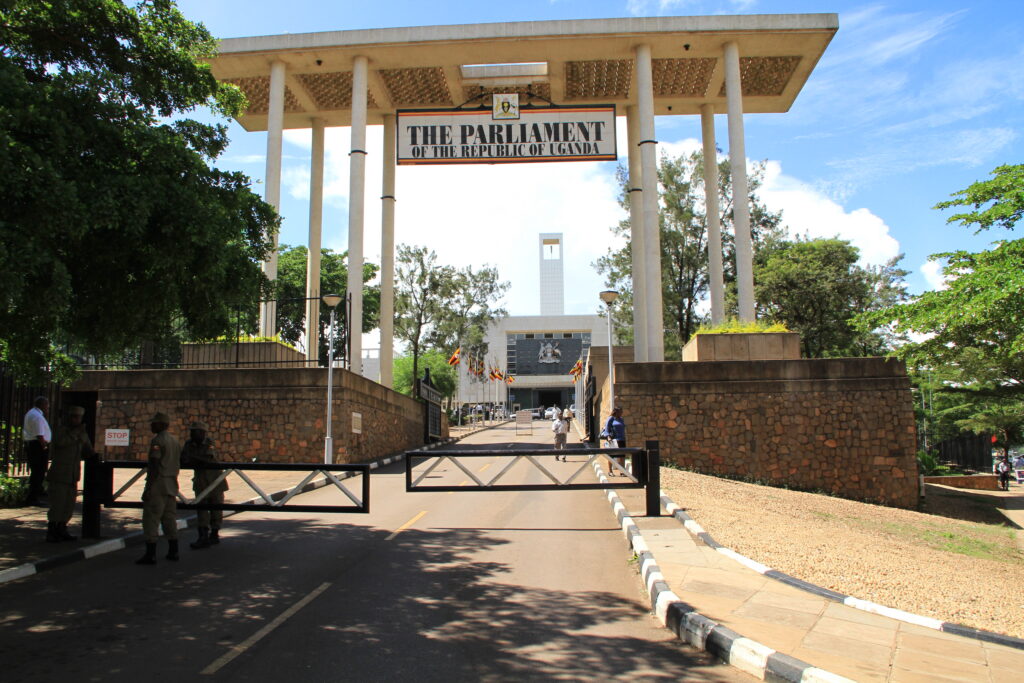
KAMPALA (7 APRIL)—A bill in Uganda that would establish a nationwide system of Sharia courts—known in Uganda as “Qadhis courts”—is sparking urgent international concerns over freedom of religion, as lawmakers push to fast-track its passage before Parliament dissolves on 24 April 2026.  

The Qadhis Courts Bill, formally published in Uganda’s Gazette at the end of February, would radically change the Ugandan court system. Under the bill, a parallel system of Sharia courts would have mandatory and exclusive jurisdiction over personal law matters such as marriage, divorce, custody, and inheritance for all Muslim marriages, as well as drawing in Christians and other non-Muslims in some circumstances. The bill is expected to be formally introduced and moved into committee imminently, with supporters pushing for its passage before 24 April 2026. 

The bill raises serious concerns that some Ugandans will be forced to adjudicate cases in a court system that does not recognize their faith or legal rights. 

“Uganda’s proposed Sharia courts bill would subject Christians and other non-Muslims to Islamic law, while undermining fundamental rights—especially for women, children, and religious converts.”

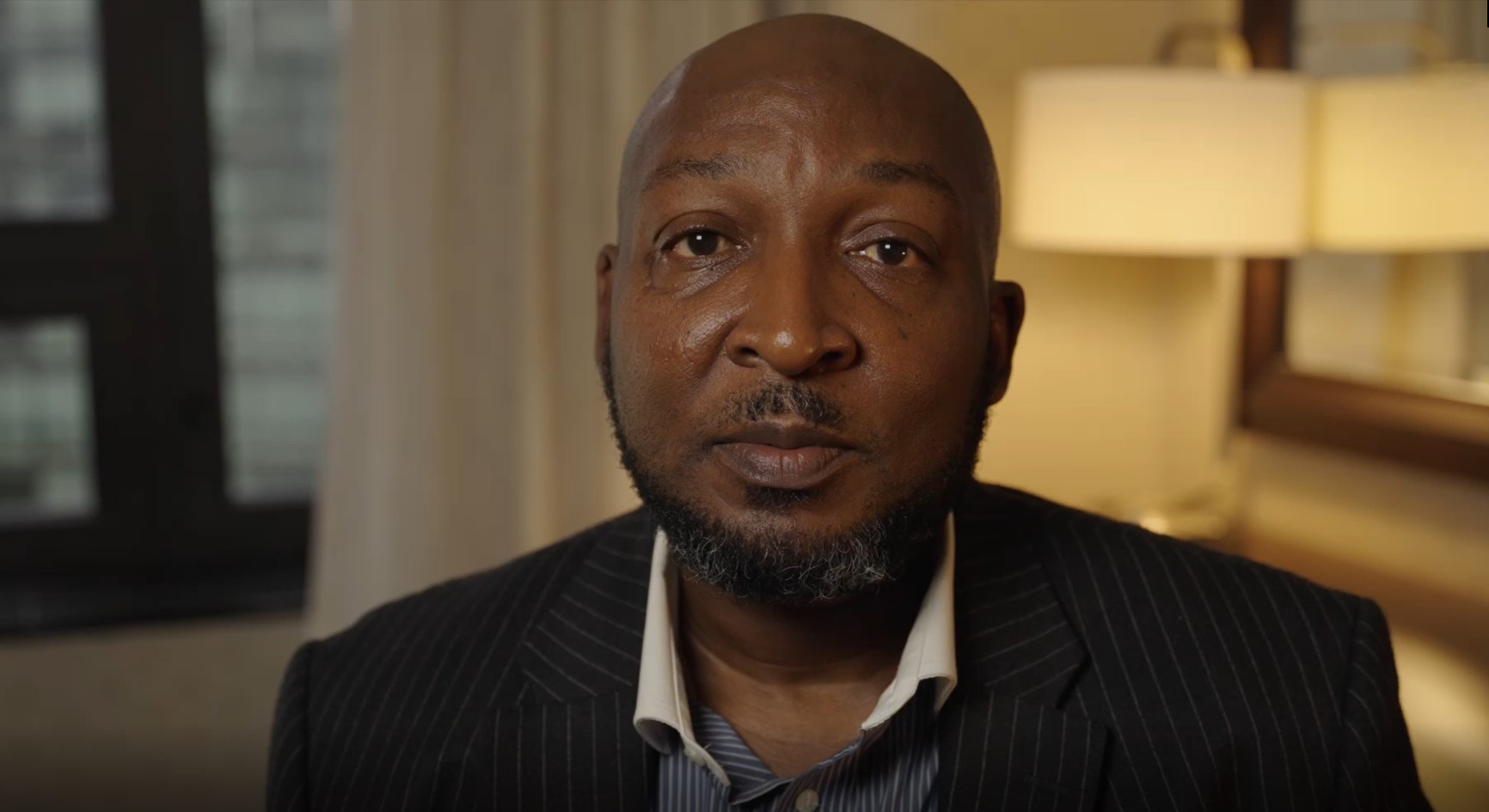
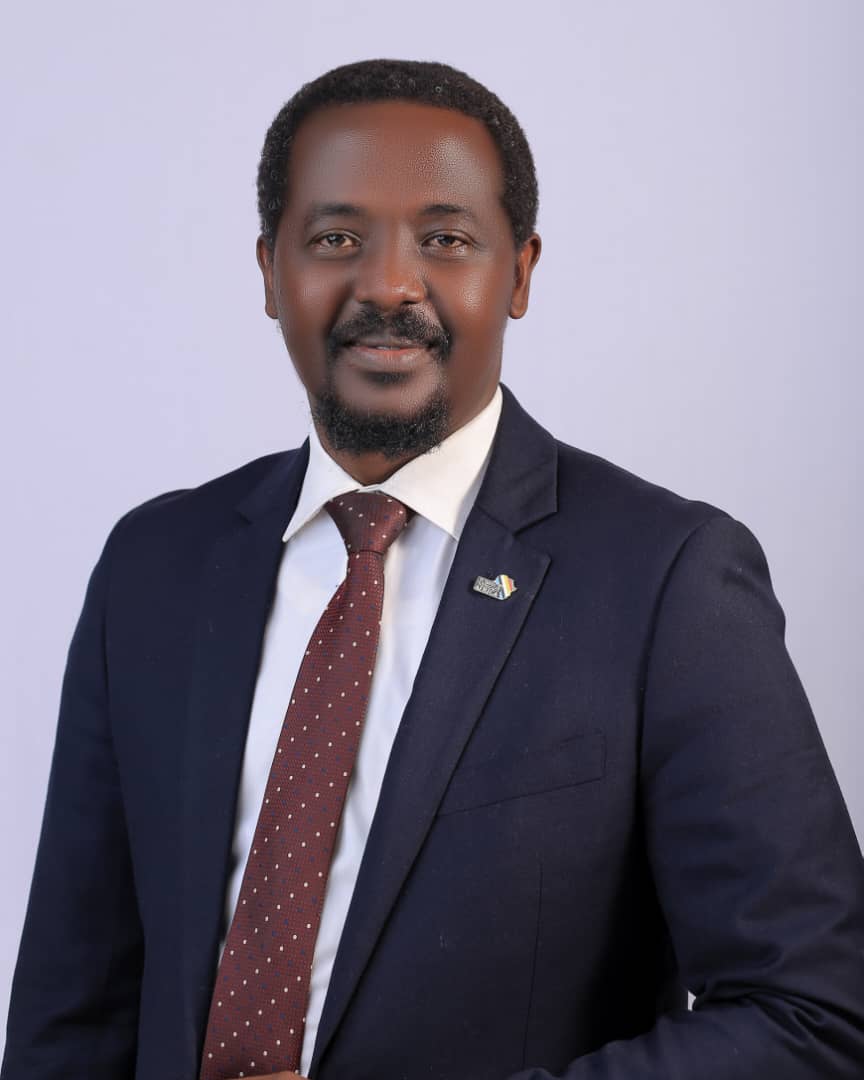
Uganda’s proposed Sharia courts bill would subject Christians and other non-Muslims to Islamic law, while undermining fundamental rights—especially for women, children, and religious converts,” said Kelsey Zorzi, Director of Advocacy for Global Religious Freedom at ADF International.  

The Ugandan Qadhis Courts Bill should not proceed within the Parliament, and it is imperative that both international and Ugandan actors oppose it. The proposed bill’s passage would represent a dangerous expansion of Sharia law into Sub-Saharan Africa at a time when Christian persecution is growing.

Restrictions on Conversion and Other Violations

Because the proposed Qadhis courts would apply Sharia law, which does not recognize conversion from Islam to another religion, Muslim individuals who seek to convert into Christianity or other religions would likely be prevented from doing so. 

“The right to choose and change your religion is firmly recognized in international law. Uganda would be in clear violation of international law should Sharia courts be established across the country given the severely problematic implications for religious conversion,” stated Zorzi. 

Further, the mandatory and exclusive nature of the Qadhis courts’ jurisdiction proposed by the bill would eliminate the ability of a Christian or other non-Muslim to seek justice in the civil court system when there is a family, custody, or inheritance dispute involving a Muslim who pursues a lawsuit within the Qadhis court system.  

Although the proposed bill allows decisions of the Qadhis courts to be appealed to the High Court of Uganda, it requires any such appeal to be heard by a Muslim judge and four Muslim scholars, with no further appeals available. 

Implications for Women and Girls

The mandatory application of Sharia law would legally disadvantage Christian women and girls. The experience of Nigeria highlights this issue. Despite Nigerian law mandating 18 years as the minimum age for marriage, many Sharia courts permit and recognize underage marriage. This has led to the kidnapping, forced conversions, and involuntary marriages of minor Christian girls in Nigeria. The proposed Ugandan Qadhis Courts Bill does not have any provisions addressing such conflicts of law, introducing immense uncertainty and few checks on the Qadhis courts.  

Additionally, under Sharia law, women do not have the same rights under the law as men. This different treatment impacts ultimate decisions concerning divorce and child custody, as well as the weight of a woman’s testimony in court.  

Bill Must Be Rejected to Protect Religious Freedom in Uganda

If the bill is passed, Uganda would not be the first African nation to have Sharia courts, however, the system proposed under Uganda’s Qadhis Courts Bill offers many less protections than similar systems. For instance, the Kenyan Sharia “Kadhis’” courts cannot exercise jurisdiction over non-Muslims, and the Kadhis’ courts are voluntary even for Muslims. Additionally, unlike Uganda’s proposed bill, decisions of Kenya’s Kadhis’ courts are appealable to the secular High Courts, with no special provisions about the High Court’s composition. The Kenyan Kadhis’ courts are also subject to non-discrimination rules for witnesses, to correct for Sharia law’s unequal treatment of the testimony of women and non-Muslims.  

We are very concerned at the Qadhis Courts Bill, which will require Christians and other non-Muslims to appear before Sharia courts, and formally introduces religious law into our national law,” said Arthur Ayorekire, the Vice President of the Uganda Christian Lawyers’ Fraternity. We ask all Ugandans to speak out against the passage of the Qadhis Courts Bill. The bill is not necessary and will only lead to legal uncertainty, tensions between religious groups, and potentially will allow extremism to grab a hold in Uganda. 

The Uganda Qadhis Courts Bill, as proposed, would create a legal paradigm shift for Uganda and for Africa. The shift markedly increases the risk of religious freedom violations. 

ADF International urges Uganda’s parliamentarians to reject the proposed Qadhis Courts Bill and instead focus legislative efforts on protections that uphold freedom of religion and equal treatment under the law. 

Images for free use in print or online in relation to this story only

Turkish Government Denies Targeted Deportation of Christian Missionaries; Accuses European Parliament of ‘Interference’  

  • Turkish Foreign Ministry dismisses overwhelming 502–2 vote as “baseless,” despite mounting scrutiny over expulsions of Christian missionaries from the country 
  • European Parliament voted to condemn use of Turkish security codes to expel Christiansthis followed European Court of Human Rights recent decision to take 20 cases of missionaries expelled from Türkiye; the majority of which are legally supported by ADF International 

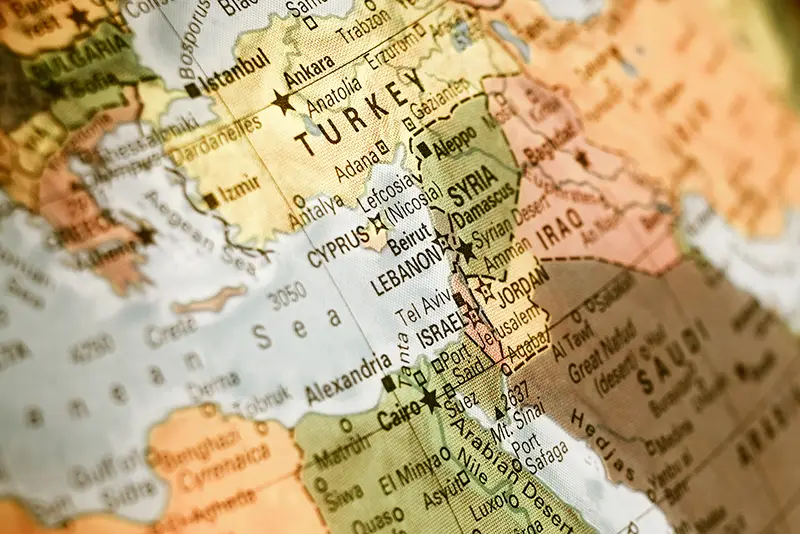
Strasbourg (17 February 2026) — The Turkish government has formally rejected the European Parliament’s recent resolution condemning targeted expulsions from the country „carried out under unsubstantiated national-security pretexts and without due process“ for foreign Christians, in addition to journalists. 

In a statement issued on 13 February, a day after the vote, Türkiye’s Ministry of Foreign Affairs dismissed the resolution as containing “unfounded allegations” and characterized it as interference in the country’s internal affairs. 

The European Parliament adopted the resolution by an overwhelming margin (502 votes in favor and 2 against) signaling broad cross-party concern over what lawmakers described as the misuse of national security frameworks to restrict fundamental rights, including freedom of religion. The resolution followed the European Court of Human Rights’ decision at the beginning of February to take up 20 cases involving foreign Christians who were expelled or banned from re-entering Türkiye. 

These cases, the majority of which are supported by ADF International, stem from the Turkish government’s use of security codes, typically reserved for terrorist activity, to designate peaceful foreign Christian residents as threats to national security and block them from entering or remaining in the country despite longstanding lawful residence. The missionaries deported come from several countries across Europe, including the United Kingdom, Switzerland, and Germany. More than a dozen are originally from the United States.  

“The Turkish government’s rejection of the European Parliament’s vote shows a clear lack of respect for its human rights obligations.When a government weaponizes national security mechanisms to target peaceful missionaries and faith communities, they must not be allowed to act with impunity.”

European Parliament addresses expulsion of missionaries

The European Parliament resolution specifically addresses the expulsion of foreign Christian missionaries, all legally residing in the Türkiye and many of whom were long-term residents of the country, through security codes that have resulted in deportations, re-entry bans, and loss of residency status. Lawmakers raised concerns about the lack of transparency, limited judicial review, and restricted access to evidence in these cases. 

During the debate on the resolution European Member of Parliament Sokol (EPP) stated:  

“These deportations of Christians in Türkiye for reasons of national security are one more attack on Christians, the most persecuted religious minority around the world. (…) The EU cannot talk of human rights and then remain silent when Christians are facing problems in Africa or persecution in a neighboring country. We must stand up for freedom of religion everywhere without any double standards. (…) Türkiye must put a stop to these deportations of Christians.”  

Cases of Expelled Christians Now Before the European Court of Human Rights 

The 20 pending cases before Europe’s top human rights court challenge the compatibility of the security-based expulsions with human rights protections for religious freedom, family life, and due process under the European Convention on Human Rights. 

The government’s use of these codes effectively labels individuals as a “threat to public order and security,” a classification normally reserved for terrorism suspects. However, those targeted have no criminal records and no evidence of unlawful conduct—the only thing that they have in common is openly practicing and sharing their Christian faith. 

The 2024 Human Rights Violation Report presented by the Protestant Church Association records 132 people who have been arbitrarily branded with an entry ban code, preventing them from entering Türkiye solely on the basis of their Christian faith. The total number of those affected is 303, according to the report. 

ADF International provides legal support to affected individuals seeking justice before the European Court of Human Rights and calls on Turkish authorities to ensure that security measures are applied consistently with international human rights obligations. 

Images for free use in print or online in relation to this story only

Police arrest Christian pastor and visit his home after he commented on Islam and transgender ideology while street preaching

Photo of Pastor Dia arrested in handcuffs for peaceful preaching.
  • Pastor Dia Moodley has been arrested twice for peaceful street preaching
  • Police visited pastor at his home after latest arrest
  • Pastor Moodley is considering legal action against the police, with the support of ADF International
Photo of Pastor Dia arrested in handcuffs for peaceful preaching.

BRISTOL (16 February 2026) – Police arrested and visited a Christian pastor’s home after he peacefully commented on Islam and transgender ideology while street preaching in Bristol city centre.

Pastor Dia Moodley, 58, was arrested by Avon and Somerset Police officers last November in Broadmead on suspicion of “inciting religious hatred” under the Public Order Act 1986 for his speech, despite the fact that he had merely publicly shared his Christian views.

The pastor, who suffers from a heart condition, was held in a police cell for eight hours before being released under censorial bail conditions banning him from entering and therefore preaching in Bristol city centre over the Christmas period.

The bail conditions were dropped after Pastor Moodley made representations to the police, but two police officers later visited his home on Thursday 8 January, questioned him further on the November incident and invited him to a voluntary interview under caution.

With the support of his legal team, Pastor Moodley is considering whether to attend the interview. The pastor is currently waiting to hear whether he will be criminally charged for his peaceful speech.

ADF International is providing legal support to Pastor Moodley, who is considering legal action against the police for the violation of his free speech rights.  

This is the second time Avon and Somerset Police officers have arrested Pastor Moodley for peacefully street preaching.  

In March 2025, the pastor was twice threatened with arrest for “breaching the peace”, after preaching about the differences between Christianity and Islam while holding a Quran.  

He was the victim of assault on that occasion by Muslim bystanders and one man even threatened to stab the pastor. The police have not charged any of the individuals who assaulted him. 

The pastor met with the US State Department prior to that incident in March, at a meeting facilitated by ADF International, and spoke about his experience as a victim of censorship in the UK.

Pastor Moodley said: “This latest arrest has had a profoundly negative effect on me and has been extremely challenging personally.  

“I am a law-abiding citizen and it feels surreal that the police have criminalised me so harshly and repeatedly merely for peacefully expressing my Christian views in the public square. 

“Unfortunately, I believe that the police view me, a Christian pastor, as an easy target and are afraid of others being offended by my lawful speech. This is two-tier policing in action.”

Legal Counsel for ADF International Jeremiah Igunnubole said: “Pastor Dia’s arrest for peacefully commenting on Islam and transgender ideology shows police are using public order legislation to impose de facto blasphemy laws in the UK.  

“This is far from an isolated incident. It is part of a clear pattern of behaviour from Avon and Somerset Police, who for years have targeted Pastor Dia for his peaceful expression in the public square and have failed in their duty to investigate serious crimes committed against him, by those who objected to his speech.    

“The police must stop their two-tier approach of criminalising lawful speech. There has long been a pressing need for Parliament to pass legislation to ensure the right to freedom of expression is robustly protected in this country. 

“Pastor Dia’s case is all the more pressing as the government finalises its broad and ambiguous definition of ‘anti-Muslim hatred’, which risks censoring legitimate speech related to Islam. 

“Pastor Dia’s case shows how authorities can misconstrue peaceful comments on Islam as ‘hateful’ and criminal. This misconstruction will be repeated unless clarity is provided to preserve the ability of citizens to peacefully comment, discuss and criticise in accordance with their core beliefs.”  

After Pastor Moodley’s first arrest in March 2024, the police also unlawfully instructed that his signs, which he used while street preaching, be destroyed. The police have failed to even acknowledge his formal request for compensation for the signs.  

Previously, police tried to censor Pastor Moodley from commenting on any religion besides Christianity while street preaching. Avon and Somerset Police dropped these restrictions and admitted they were “disproportionate” after Pastor Moodley launched a legal challenge with the support of ADF International.  

November 2025 arrest 

On 22 November, Pastor Moodley was engaging in street preaching in Bristol city centre on two topics: the reality of the sex binary and the falsehood of transgender ideology, and the theology of Christianity compared to other religions, including Islam.

He often engages in dialogue with members of the public during street preaching and the vast majority of his interactions are positive, even if the people he speaks with hold different views. 

On the day, Pastor Moodley had a respectful conversation on Islam with three young Muslim women. 

Later on, one couple objected to Pastor Moodley’s views on transgender ideology.

The woman called the police and two officers then arrived and solely focussed on the accounts of bystanders who objected to the pastor’s preaching.

The police refused to engage with the pastor and members of his congregation and hear their account of what had happened.  

The police then arrested Pastor Moodley on suspicion of “inciting religious hatred” and committing a “religiously aggravated” offence under the Public Order Act 1986, for peacefully expressing his Christian views.

The pastor has a heart condition and was sweating visibly due to the stress of the situation.  

He asked for the handcuffs to be placed at the front of his body and not behind his back, which would make it difficult for him to breathe. The police officer initially appeared annoyed and reluctant to consider the request but eventually agreed.  

Pastor Moodley was held in a police cell for eight hours before being released.  

The bail conditions initially imposed on Pastor Moodley banned him from entering the city centre until 30 December.  

These were only overturned on 17 December and prevented him from preaching in the busiest part of the city for most of December, stopped him from attending to an important pastoral matter and disrupted his personal life. 

Read more about Avon and Somerset Police’s past targeting of Pastor Moodley here, here and here.

Images for free use in print or online in relation to this story only

Pictured: Pastor Dia Moodley, Pastor Moodley being arrested in November 2025, Legal Counsel for ADF International Jeremiah Igunnubole

Religious Freedom Coalition Thanks President Trump for Designating Nigeria „Country of Particular Concern;” Proposes Next Steps to Protect Persecuted Christians“

  • In letter thanking President Trump, coalition of international religious freedom experts and faith leaders outlines key recommendations to respond to crisis facing persecuted Christians in Nigeria.

  • ADF International joins the call, urging continued U.S. leadership and global action to defend religious freedom in Nigeria and beyond.

WASHINGTON D.C. (November 13) — A coalition of 48 faith leaders and religious freedom experts has sent a letter to U.S. President Donald Trump, thanking him for his decisive action in designating Nigeria as a Country of Particular Concern (CPC)stating, “You saw the evidence, you listened to the cries of the persecuted, and you acted.”  

The letter urges continued United States’ leadership on international religious freedom. In it, signatories emphasize that swift action from the U.S. is indispensable as Christians in Nigeria continue to face relentless violence from terrorist groups. The letter reflects a unified commitment to four recommended key policy goals that Nigeria, following increased pressure from the U.S., should commit to if it is to be removed from the CPC designation: 1) increased security and reliable early warning systems for Christian communities, particularly in the Middle Belt where Fulani militant attacks are the worst; 2) swift prosecution for attackers; 3) facilitating the safe return of internally-displaced persons; and 4) repealing the country’s draconian Sharia blasphemy laws. 

The administration’s decision to redesignate Nigeria as a Country of Particular Concern is a momentous step forward for international religious freedom,said Sean Nelson, Senior Counsel for ADF International. “Christians and other vulnerable communities in Nigeria have endured unthinkable violence for far too long. While there is still much work ahead, this decisive action renews hope that real protection and accountability are on the horizon. The President’s commitment to Nigeria can serve as a model to protect persecuted Christians worldwide, as Christians are the most persecuted religious group globally.

“The administration’s decision to redesignate Nigeria as a Country of Particular Concern is a momentous step forward for international religious freedom. While there is still much work ahead, this decisive action renews hope that real protection and accountability are on the horizon. The President’s commitment to Nigeria can serve as a model to protect persecuted Christians worldwide, as Christians are the most persecuted religious group globally."

Signatories to the letter include top leaders in the movement to end global Christian persecution, including Alliance Defending Freedom President & CEO Kristen Waggoner, Matt and Mercedes Schlapp of the CPAC Foundation, former Congressman Frank Wolf, former Senior Advisor to the President on International Religious Freedom Sarah Makin, President of Family Research Council and former Chair of the U.S. Commission on International Religious Freedom Tony Perkins, President & CEO of Concerned Women for America Penny Nance, President & CEO of CatholicVote Kelsey Reinhardt, Director of the Hudson Institute’s Center for Religious Freedom Nina Shea, and many others. The letter was developed through the CPAC Christian Persecution Coalition. In addition to highlighting the crisis in Nigeria, the letter urges President Trump to „continue to make the defense of religious freedom internationally a core U.S. foreign policy priority” and to “continue and even elevate” the defense of persecuted Christians worldwide. 

We commend your recognition of the major threat and devastation facing Christians in Nigeria from radical Islamists and a government that has taken little action to protect them, as well as your clear-eyed statements placing all available Presidential actions on the table to ensure that action is taken soon, the letter reads.

Christian Persecution in Nigeria

Nigeria remains one of the most dangerous places in the world to be a Christian. In 2025 alone, more than 7,000 Christians have been killed for their faith, with an average of 35 murdered every single day. Since Boko Haram launched its insurgency in 2009, estimates indicate that between 50,000 and 100,000 Christians have lost their lives due to religiously motivated violence. 

The destruction of churches has become a defining feature of the crisis, with over 19,000 churches attacked or destroyed in recent years. In the central regions of Benue and Plateau States the situation has worsened dramatically, with more than 9,500 people, mostly Christians, killed between May 2023 and May 2025, and around 500,000 individuals newly displaced from their homes due to targeted attacks. 

The numbers we have seen in Nigeria are alarming. With the renewed CPC designation for Nigeria, we are hopeful that this will bring about real change. The letter to the president, which ADF International gladly has joined, acknowledges the horrors that Christians have faced for years and paints a picture of what a path toward protecting them and religious freedom for all can look like,” said Kelsey Zorzi, Director of Advocacy for ADF International.  

Advocacy for Nigeria’s Persecuted Christians

ADF International continues to advocate for Christians and other religious minorities who face severe persecution across Nigeria. The organization has supported multiple individuals targeted under blasphemy laws or attacked for their faith. 

One such case is that of Rhoda Jatau, a Christian mother imprisoned for 19 months after allegedly sharing a video condemning the brutal lynching of Christian college student Deborah Emmanuel Yakubu. With legal support from ADF International, Jatau was fully acquitted in December 2024, marking an important victory for justice and free expression. 

ADF International also backed the successful appeal of *David (name changed for security reasons)*, a Christian man who was wrongfully convicted and suffered torture after helping a convert escape violent threats. A Nigerian High Court ultimately overturned his conviction, acknowledging the injustices he endured. 

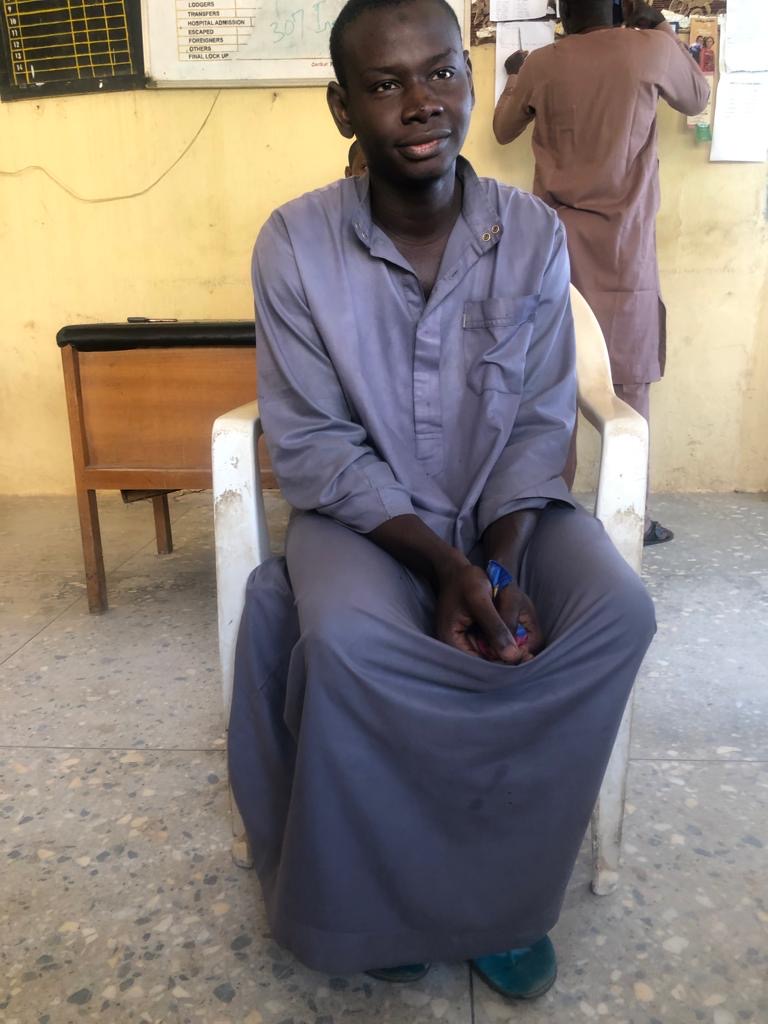
Today, ADF International continues its support for Yahaya Sharif-Aminu, a Sufi musician imprisoned for over five years after a WhatsApp message deemed blasphemous. Once sentenced to death, Sharif-Aminu is now awaiting his next hearing before the Supreme Court of Nigeria, and his case may be heard and decided in the coming months. Sharif-Aminu’s case has the potential to abolish Nigeria’s harsh blasphemy laws, which embolden mob violence and fuel the climate of hostility facing Christians and other vulnerable groups.

Global Advocacy for Persecuted Christians

The coalition letter underscores that the crisis in Nigeria reflects a broader global trend of growing hostility toward Christians. ADF International supports numerous cases across the world, advocating for the right to freely live out one’s faith. 

The letter states, “We see atrocities and grave violations being committed worldwide, from Nicaragua to the Democratic Republic of Congo and Sudan, from Algeria to Syria to China, and in so many other places.” In Nicaragua, ADF International has represented  Christian pastors punished for their faith. In Sudan, the organization has advocated for Christians targeted for conversion to the faith. The letter also highlights Algeria, where nearly every Protestant church has been closed by the government. Amid this crackdown, Pastor Youssef Ourahmane faces prosecution before the country’s Supreme Court for leading Christian worship, with a potential prison sentence.  

The letter also warns that even in democratic societies, Christians increasingly face pressure and punishment for expressing their beliefs. Cases like Päivi Räsänen in Finland and Adam Smith-Connor in the United Kingdom show how legal and social pressures are mounting against Christians, even in places where religious freedom is traditionally protected. 

The U.S. should stand as a beacon for the fundamental right to religious freedom and a voice for persecuted Christians globally, because if we do not stand, no one else will,” the letter concludes. “We ask that you continue to make the defense of religious freedom internationally a core U.S. foreign policy priority, and that you continue and even elevate your defense of persecuted Christians worldwide.” 

Vous êtes actuellement en train de consulter le contenu d'un espace réservé de YouTube. Pour accéder au contenu réel, cliquez sur le bouton ci-dessous. Veuillez noter que ce faisant, des données seront partagées avec des providers tiers.

Plus d'informations
Images for free use in print or online in relation to this story only

European Parliament Calls for Urgent Protection of Christians and other Religious Minorities in Syria Following Targeted Attacks

  • The European Parliament adopted a resolution following one of Syria’s deadliest anti-Christian attacks in years at Mar Elias Church in Damascus 
  • ADF International welcomes the resolution’s explicit condemnation of targeted violence against Christians and other religious minorities and calls for greater EU action on religious freedom in Syria 

STRASBOURG (10 July 2025) The European Parliament has adopted an Urgency Resolution condemning the terrorist attack on the Greek Orthodox Church of Mar Elias in Damascus and calling for increased protection of Christians and other religious minorities in Syria. The resolution urges action against the rise of violent Islamist extremism and emphasizes the urgent need for religious freedom protections.

This resolution marks an important step toward building international momentum to protect Christians and other religious minorities in Syria,“ said Kelsey Zorzi, Director of Global Religious Freedom for ADF International. „The European Parliament is right to demand accountability, not only for the Mar Elias attack, but for the broader pattern of religious persecution in Syria, and to condition future support on the Syrian government’s compliance with human rights obligations.“ 

This resolution marks an important step toward building international momentum to protect Christians and other religious minorities in Syria. The European Parliament is right to demand accountability, not only for the Mar Elias attack, but for the broader pattern of religious persecution in Syria, and to condition future support on the Syrian government’s compliance with human rights obligations."

Growing threats to religious minorities in Syria demand urgent international response

The resolution follows the June 22 suicide bombing at the Mar Elias Church in Damascus, which left at least 25 dead and over 60 injured in the deadliest anti-Christian attack in Syria in years. The Islamist terrorist group Saraya Ansar al Sunna has claimed responsibility for the deadly attack. 

The European Parliament condemned the attack and urged the Syrian transitional authorities to conduct independent investigations and to “ensure accountability including by prosecuting perpetrators and enablers of human rights violations like in the case of Mar Elias.” The resolution also calls for the Syrian government to restore the historic Mar Elias Church and to establish a Syria Reconstruction Fund to support reconciliation and interfaith dialogue. The Parliament further calls on EU Member States to maintain and expand targeted sanctions against those responsible for religious freedom violations.

The resolution draws specific attention to the vulnerability of Christian communities in Syria. In addition to the recent violence, Christians in Syria are facing an escalating pattern of harassment and intimidation—including the recent vandalism of a church in Tartus, where messages were left demanding that local Christians pay jizyah, a historical tax imposed on non-Muslims. In other cities across the country, pastors have faced pressure from authorities to allow government monitoring of church activities. Christians have also been subjected to discriminatory treatment at military and security checkpoints, and there have been multiple reports of Christian cemeteries being desecrated, with crosses on tombs deliberately destroyed. These actions collectively contribute to an atmosphere of fear and marginalization for Syria’s Christian minority. 

In addition to threats to their safety, harassment, and intimidation, Christians and other religious minorities in Syria face increasing and systemic economic discrimination. Reports indicate that many are denied access to public sector employment, excluded from key roles in the private sector, and often encounter barriers when renewing business licenses or seeking state services. This economic marginalization leaves religious minority families in a highly vulnerable position and continues to drive the emigration and decline of one of Syria’s oldest religious communities. 

The resolution was adopted as a joint motion pursuant to Rule 136(4) and 150 of the European Parliament’s Rules of Procedure, referring to breaches of human rights, democracy and the rule of law. The joint motion was tabled by several major political groups, signaling broad consensus on the need to address religious persecution in Syria. 

“We call on the European Commission to reappoint, without further delay, a Special Envoy for the promotion of freedom of religion or belief outside the EU,” said Adina Portaru, Senior Counsel for ADF International in Brussels. “This would be an important step in showing much-needed, real commitment to protecting this fundamental right worldwide.” 

Images for free use in print or online in relation to this story only