Religious Freedom Coalition Thanks President Trump for Designating Nigeria „Country of Particular Concern;” Proposes Next Steps to Protect Persecuted Christians“

  • In letter thanking President Trump, coalition of international religious freedom experts and faith leaders outlines key recommendations to respond to crisis facing persecuted Christians in Nigeria.

  • ADF International joins the call, urging continued U.S. leadership and global action to defend religious freedom in Nigeria and beyond.

WASHINGTON D.C. (November 13) — A coalition of 48 faith leaders and religious freedom experts has sent a letter to U.S. President Donald Trump, thanking him for his decisive action in designating Nigeria as a Country of Particular Concern (CPC)stating, “You saw the evidence, you listened to the cries of the persecuted, and you acted.”  

The letter urges continued United States’ leadership on international religious freedom. In it, signatories emphasize that swift action from the U.S. is indispensable as Christians in Nigeria continue to face relentless violence from terrorist groups. The letter reflects a unified commitment to four recommended key policy goals that Nigeria, following increased pressure from the U.S., should commit to if it is to be removed from the CPC designation: 1) increased security and reliable early warning systems for Christian communities, particularly in the Middle Belt where Fulani militant attacks are the worst; 2) swift prosecution for attackers; 3) facilitating the safe return of internally-displaced persons; and 4) repealing the country’s draconian Sharia blasphemy laws. 

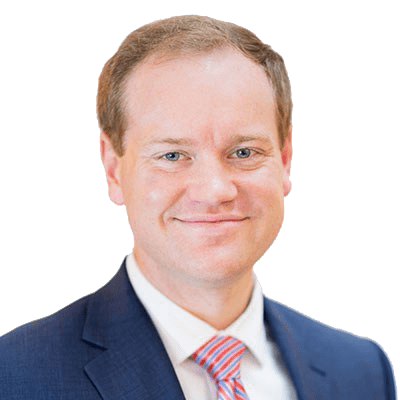
The administration’s decision to redesignate Nigeria as a Country of Particular Concern is a momentous step forward for international religious freedom,said Sean Nelson, Senior Counsel for ADF International. “Christians and other vulnerable communities in Nigeria have endured unthinkable violence for far too long. While there is still much work ahead, this decisive action renews hope that real protection and accountability are on the horizon. The President’s commitment to Nigeria can serve as a model to protect persecuted Christians worldwide, as Christians are the most persecuted religious group globally.

“The administration’s decision to redesignate Nigeria as a Country of Particular Concern is a momentous step forward for international religious freedom. While there is still much work ahead, this decisive action renews hope that real protection and accountability are on the horizon. The President’s commitment to Nigeria can serve as a model to protect persecuted Christians worldwide, as Christians are the most persecuted religious group globally."

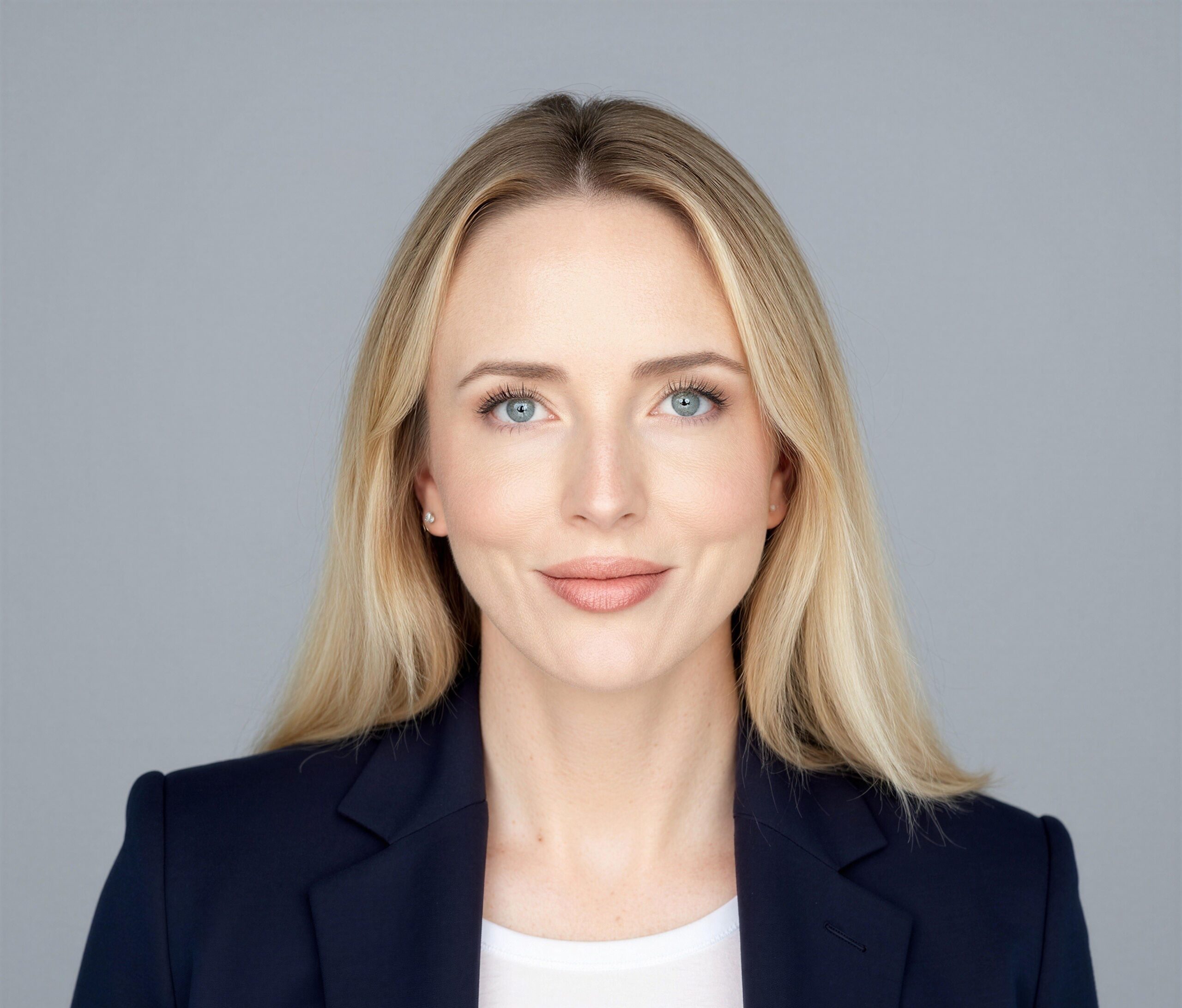
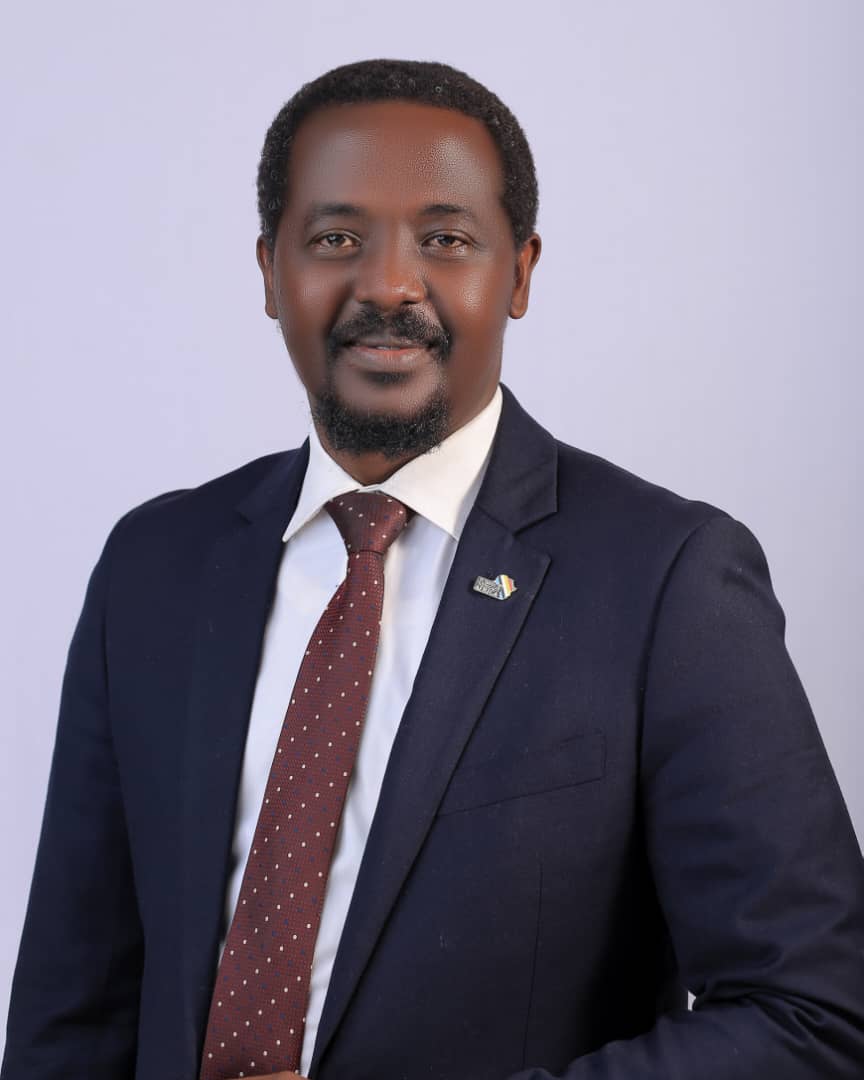
Signatories to the letter include top leaders in the movement to end global Christian persecution, including Alliance Defending Freedom President & CEO Kristen Waggoner, Matt and Mercedes Schlapp of the CPAC Foundation, former Congressman Frank Wolf, former Senior Advisor to the President on International Religious Freedom Sarah Makin, President of Family Research Council and former Chair of the U.S. Commission on International Religious Freedom Tony Perkins, President & CEO of Concerned Women for America Penny Nance, President & CEO of CatholicVote Kelsey Reinhardt, Director of the Hudson Institute’s Center for Religious Freedom Nina Shea, and many others. The letter was developed through the CPAC Christian Persecution Coalition. In addition to highlighting the crisis in Nigeria, the letter urges President Trump to „continue to make the defense of religious freedom internationally a core U.S. foreign policy priority” and to “continue and even elevate” the defense of persecuted Christians worldwide. 

We commend your recognition of the major threat and devastation facing Christians in Nigeria from radical Islamists and a government that has taken little action to protect them, as well as your clear-eyed statements placing all available Presidential actions on the table to ensure that action is taken soon, the letter reads.

Christian Persecution in Nigeria

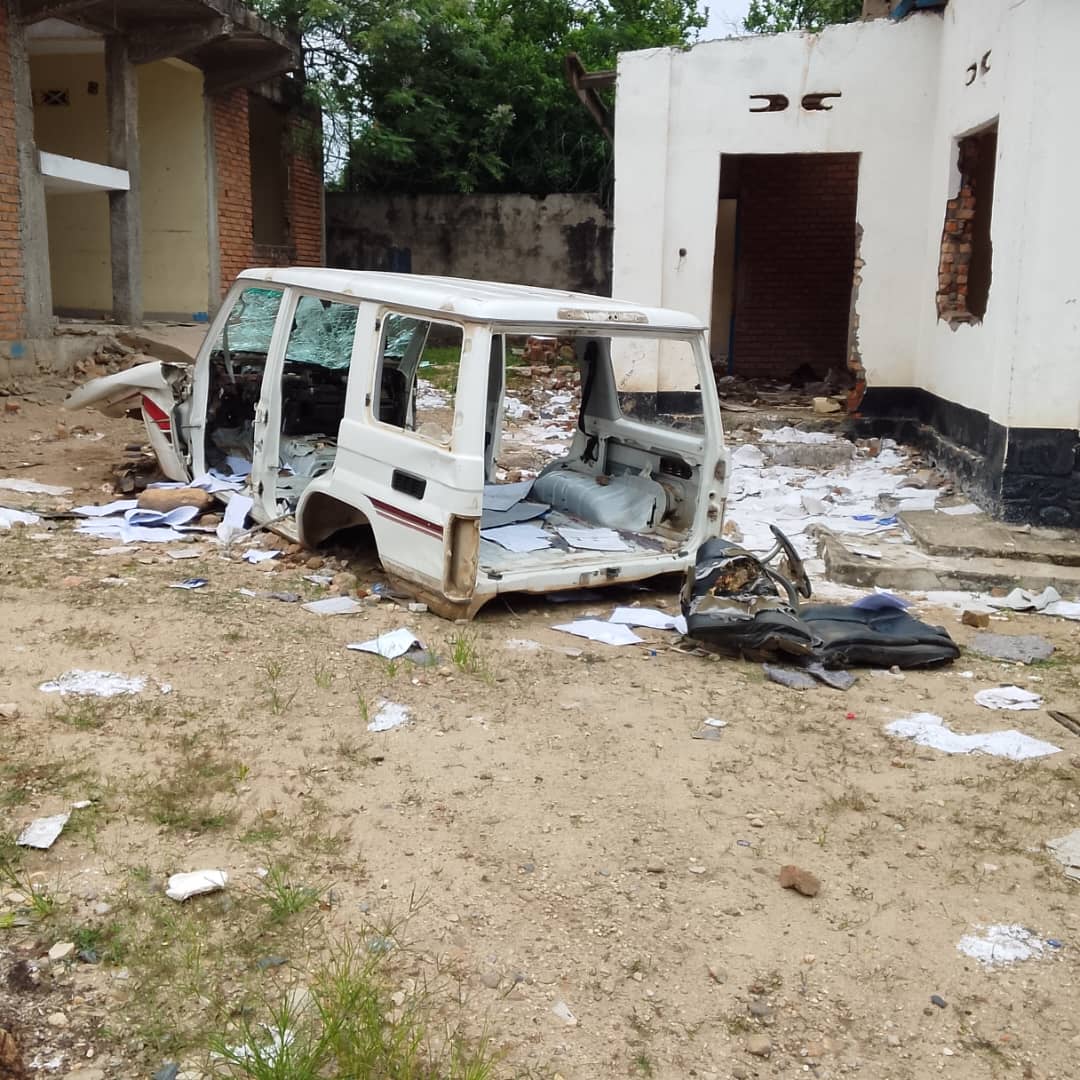
Nigeria remains one of the most dangerous places in the world to be a Christian. In 2025 alone, more than 7,000 Christians have been killed for their faith, with an average of 35 murdered every single day. Since Boko Haram launched its insurgency in 2009, estimates indicate that between 50,000 and 100,000 Christians have lost their lives due to religiously motivated violence. 

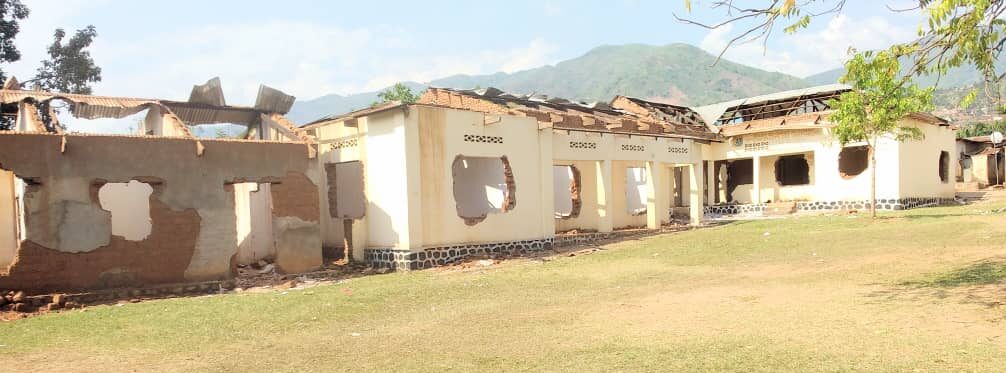
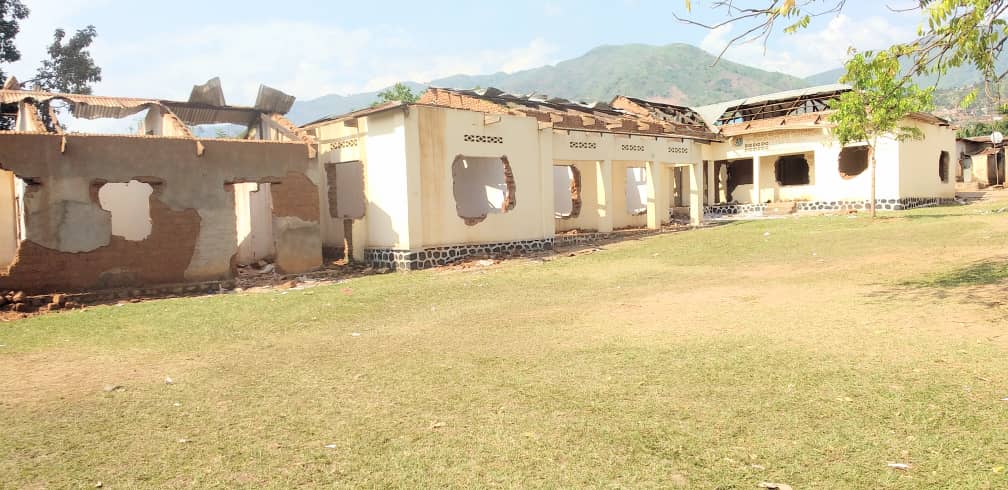
The destruction of churches has become a defining feature of the crisis, with over 19,000 churches attacked or destroyed in recent years. In the central regions of Benue and Plateau States the situation has worsened dramatically, with more than 9,500 people, mostly Christians, killed between May 2023 and May 2025, and around 500,000 individuals newly displaced from their homes due to targeted attacks. 

The numbers we have seen in Nigeria are alarming. With the renewed CPC designation for Nigeria, we are hopeful that this will bring about real change. The letter to the president, which ADF International gladly has joined, acknowledges the horrors that Christians have faced for years and paints a picture of what a path toward protecting them and religious freedom for all can look like,” said Kelsey Zorzi, Director of Advocacy for ADF International.  

Advocacy for Nigeria’s Persecuted Christians

ADF International continues to advocate for Christians and other religious minorities who face severe persecution across Nigeria. The organization has supported multiple individuals targeted under blasphemy laws or attacked for their faith. 

One such case is that of Rhoda Jatau, a Christian mother imprisoned for 19 months after allegedly sharing a video condemning the brutal lynching of Christian college student Deborah Emmanuel Yakubu. With legal support from ADF International, Jatau was fully acquitted in December 2024, marking an important victory for justice and free expression. 

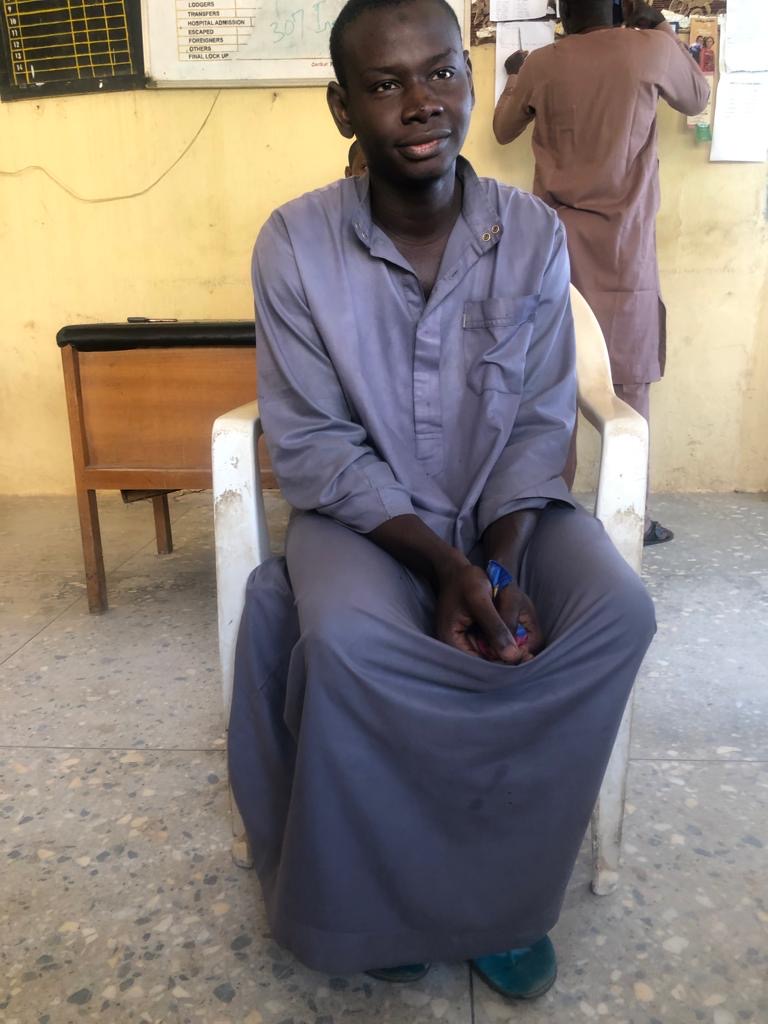
ADF International also backed the successful appeal of *David (name changed for security reasons)*, a Christian man who was wrongfully convicted and suffered torture after helping a convert escape violent threats. A Nigerian High Court ultimately overturned his conviction, acknowledging the injustices he endured. 

Today, ADF International continues its support for Yahaya Sharif-Aminu, a Sufi musician imprisoned for over five years after a WhatsApp message deemed blasphemous. Once sentenced to death, Sharif-Aminu is now awaiting his next hearing before the Supreme Court of Nigeria, and his case may be heard and decided in the coming months. Sharif-Aminu’s case has the potential to abolish Nigeria’s harsh blasphemy laws, which embolden mob violence and fuel the climate of hostility facing Christians and other vulnerable groups.

Global Advocacy for Persecuted Christians

The coalition letter underscores that the crisis in Nigeria reflects a broader global trend of growing hostility toward Christians. ADF International supports numerous cases across the world, advocating for the right to freely live out one’s faith. 

The letter states, “We see atrocities and grave violations being committed worldwide, from Nicaragua to the Democratic Republic of Congo and Sudan, from Algeria to Syria to China, and in so many other places.” In Nicaragua, ADF International has represented  Christian pastors punished for their faith. In Sudan, the organization has advocated for Christians targeted for conversion to the faith. The letter also highlights Algeria, where nearly every Protestant church has been closed by the government. Amid this crackdown, Pastor Youssef Ourahmane faces prosecution before the country’s Supreme Court for leading Christian worship, with a potential prison sentence.  

The letter also warns that even in democratic societies, Christians increasingly face pressure and punishment for expressing their beliefs. Cases like Päivi Räsänen in Finland and Adam Smith-Connor in the United Kingdom show how legal and social pressures are mounting against Christians, even in places where religious freedom is traditionally protected. 

The U.S. should stand as a beacon for the fundamental right to religious freedom and a voice for persecuted Christians globally, because if we do not stand, no one else will,” the letter concludes. “We ask that you continue to make the defense of religious freedom internationally a core U.S. foreign policy priority, and that you continue and even elevate your defense of persecuted Christians worldwide.” 

Sie sehen gerade einen Platzhalterinhalt von YouTube. Um auf den eigentlichen Inhalt zuzugreifen, klicken Sie auf die Schaltfläche unten. Bitte beachten Sie, dass dabei Daten an Drittanbieter weitergegeben werden.

Mehr Informationen
Images for free use in print or online in relation to this story only

Brazilian Mother Denied Right to Homeschool Despite International Law 

Regiane Cichelero wants to homeschool her son.
    • Brazilian state court ruled against Regiane Cichelero, a mother who sought to homeschool her son. 
        
    • ADF International decries the decision as a violation of international human rights law protecting parental rights in education.
Regiane Cichelero wants to homeschool her son.

Santa Catarina, BRAZIL (September 4, 2025) — The highest court in the state of Santa Catarina denied the right of Brazilian mother Regiane Cichelero to homeschool her son, ruling that he must be enrolled in an officially accredited school. The decision also upholds financial penalties against her, totaling around $20,000 USD. Regiane will appeal the decision and bring the case to the highest court in the nation. 

“This decision is a disappointing setback for parental rights in Brazil. International human rights law is clear: parents have the right to choose the kind of education their children receive. By deciding that Regiane cannot homeschool her son, the court has not only failed her family but also undermined protections for all parents across Brazil"

“This decision is a disappointing setback for parental rights in Brazil,” said Julio Pohl, legal counsel for Latin America at ADF International, which coordinated Cichelero’s legal defense. “International human rights law is clear: parents have the right to choose the kind of education their children receive. By deciding that Regiane cannot homeschool her son, the court has not only failed her family but also undermined protections for all parents across Brazil.” 

Cichelero began homeschooling her son in 2020 after schools closed during the COVID-19 pandemic. When schools reopened, she chose to continue home education, believing it to be the best way to provide quality instruction consistent with her family’s religious values. 

In response, local authorities fined her heavily and threatened to remove her son from her custody if she did not comply with state schooling mandates. With today’s ruling, the court has rejected her appeal and imposed compulsory school enrollment. 

Background

Over 70,000 children are currently homeschooled in Brazil. International human rights law protects the rights of parents to make choices concerning the type of education their children receive. 

Article 26.3 of the Universal Declaration of Human Rights states that “parents have a prior right to choose the kind of education that shall be given to their children.” In addition, Article 13 of the International Covenant on Economic, Social and Cultural Rights requires states to respect the right of parents “to choose for their children schools, other than those established by the public authorities, which conform to such minimum educational standards as may be laid down or approved by the State and to ensure the religious and moral education of their children in conformity with their own convictions.” 

Following today’s decision, Cichelero said: “It is heartbreaking to be told that I cannot provide my son with the education I know is best for him. The state’s decision not only punishes me with heavy fines but also strip me of the ability to raise my child according to my convictions. No parent should have to fear punishment for choosing the best education for their child.” 

Images for free use in print or online in relation to this story only

U.S. State Department Doubles Down on Warning to UK: “Buffer Zones” are an “Egregious Violation” of Free Speech 

Isabel Vaughan-Spruce in 2022.
  • State Department issues a further condemnation of Britain’s “egregious” buffer zones, warning of a “concerning departure” from shared UK-US values
  • Birmingham Christian Isabel Vaughan-Spruce is back under investigation for silently praying near an abortion facility 
Isabel Vaughan-Spruce in 2022.

WASHINGTON, D.C. / LONDON (19 August 2025) – The United States has issued its strongest warning yet to the UK over so-called “buffer zones”, which have been used to target silent prayer and peaceful expression outside abortion facilities. 

In a comment to the Telegraph, the US State Department accused the UK government of committing an “egregious violation of the fundamental right to free speech and religious liberty.”

“It is common sense that standing silently and offering consensual conversation does not constitute harm.”

The comment comes in response to cases in which individuals – some elderly – have been arrested, charged, or even criminally convicted for simply for praying silently or offering consensual conversations within large censored zones outside abortion facilities.

Under current legislation in England & Wales, “influencing” a person’s decision to access an abortion facility, within 150m of the facility, is a crime carrying a potentially unlimited fine.

In Scotland, similar legislation exists, censoring the area within 200m of all hospitals.

A State Department spokesman told The Telegraph: 

“The United States is still monitoring many ‘buffer zone’ cases in the UK, as well as other acts of censorship throughout Europe. 

“The UK’s persecution of silent prayer represents not only an egregious violation of the fundamental right to free speech and religious liberty, but also a concerning departure from the shared values that ought to underpin US-UK relations.  

“It is common sense that standing silently and offering consensual conversation does not constitute harm.” 

Free Speech in Retreat

The US government’s statement echoes Vice President JD Vance’s warning earlier this year at the Munich Security Conference, where he said free speech is “in retreat” across Europe, particularly in Britain. During Prime Minister Sir Keir Starmer’s visit to the White House, the Vice President directly raised concerns about the UK’s restriction of free speech. 

Estás viendo un contenido de marcador de posición de YouTube. Para acceder al contenido real, haz clic en el siguiente botón. Ten en cuenta que al hacerlo compartirás datos con terceros proveedores.

Más información

The US State Department’s latest Human Rights Report also highlighted “credible reports of serious restrictions on freedom of expression” in the UK. 

Individuals Targeted for Prayer or Conversation

Among those punished under the laws is Livia Tossici-Bolt, a retired biomedical scientist, who received a two-year conditional discharge and was ordered to pay £20,000 in costs after standing near a Bournemouth abortion facility holding a sign that read: “Here to talk if you want to.” She described her prosecution as “a dark day for Great Britain.” 

Adam Smith-Connor, an army veteran, was convicted in November for praying silently for a few minutes in his head near the same abortion facility in Bournemouth, and ordered to pay £9,000 in costs. 

In Scotland, Rose Docherty, 75, was arrested in February for standing outside Glasgow’s Queen Elizabeth University Hospital with a sign reading: “Coercion is a crime, here to talk, only if you want.” Last week, Scottish authorities dropped their case against her and guaranteed they would return her sign. 

And recently, Isabel Vaughan-Spruce – a charitable volunteer who has supported mothers in crisis for over 20 years – was placed back under investigation for praying silently near an abortion facility in Birmingham, despite having won £13,000 in compensation from West Midlands Police last year for having unfairly arrested her twice before for the same activity. 

“Freedom of speech and freedom of religion are cornerstones of any free society,said Lorcan Price, Irish Barrister and Legal Counsel for ADF International.  

“The UK’s treatment of individuals like Livia, Adam, Isabel and Rose for the false ‘crimes’ of praying silently or offering conversation shows just how far the country has strayed from its own proud traditions of liberty. The US State Department is right to call out this injustice. It is time for the UK government to restore fundamental freedoms, and repeal buffer zone legislation.” 

Images for free use in print or online in relation to this story only

Pictured: Isabel Vaughan-Spruce; Rose Docherty; Adam Smith-Connor; Livia Tossici-Bolt; Lorcan Price (ADF International)

What Can We Learn from Iraqi Christians 11 Years After ISIS’s Attack?

Qaraqosh is home to many Iraqi Christians. It suffered great loss in 2014.

A Legacy of Faith Under Fire for Iraqi Christians

Qaraqosh is home to many Iraqi Christians. It suffered great loss in 2014.

In August 2014, the Islamic State of Iraq and Syria (ISIS) — an extremist Sunni group — launched a violent campaign across northern Iraq. Their target: Qaraqosh, an ancient Christian city located in the Nineveh Plains.

What followed became one of the most devastating assaults on religious minorities in modern Iraqi history. Now, eleven years later, the story of Iraq’s largest Christian community is far from over, and far from hopeless.

At ADF International, we’re standing alongside Iraq’s Christians, advocating for their right to worship freely and raising global awareness of their struggle.

Christianity’s Deep Roots in Iraq

Christianity is not foreign to Iraq — it’s foundational. Long before ISIS and Islam, Christianity had already taken root in Iraq. In fact, Christianity has existed in Iraq since the first century AD, long before it reached many parts of Europe.

This makes Iraq home to some of the oldest Christian communities in the world.

The Assyrian Church of the East, the Chaldean Catholic Church, and the Syriac Orthodox Church all trace their lineage to Iraq. These churches preserve early liturgical traditions and still conduct services in Syriac, a dialect of Aramaic — the language spoken by Jesus.

Many Iraqi Christians today are ethnic Assyrians, descendants of the ancient Assyrian Empire, which once ruled over much of the Middle East. Christianity became embedded in Assyrian identity after their conversion in the first few centuries AD, blending ancient cultural heritage with deep Christian faith.

Just south of the Nineveh Plains lies the region of southern Mesopotamia, where the ancient city of Ur — the birthplace of Abraham, the patriarch through whom God’s redemptive promises and Jesus flow — is located.

This land is steeped in sacred history. But history alone has not guaranteed safety for Iraq’s Christians.

The 2014 Genocide: What Happened to Iraqi Christians

In the 2014 attack, ISIS aimed to establish a caliphate in northern Iraq, one free of Christians, Yazidis, and other minorities. Qaraqosh, the largest Christian city in Iraq, was one of its primary targets.

The violence extended far beyond Qaraqosh. Sinjar, the heartland of the Yazidi people, and Mosul, once a city of rich religious diversity, were left shattered under the same campaign of destruction.

Entire villages were emptied. Ancient Christian manuscripts and artifacts were destroyed or sold on the black market. Communities that had existed for nearly 2,000 years were uprooted in a matter of days.

The assault was systematic:

  • Churches and monasteries were burned, bombed, or turned into prisons and weapons depots.

  • Christian symbols — crosses, icons, statues — were desecrated or publicly destroyed.

  • Homes and businesses were looted and marked with the Arabic letter “ن” (nūn), short for Nasrani (Christian), a brand of targeted extermination.

  • Graves and cemeteries were desecrated in an attempt to erase memory itself.
St. John's church (Mar Yohanna) in Qaraqosh.
St. John's church (Mar Yohanna) in Qaraqosh

Christians and Yazidis were given four choices: convert to Islam, pay the jizya — a humiliating religious tax imposed on non-Muslims under extremist rule — flee, or die. Nearly 80,000 Christians fled their homes in a desperate exodus.

Women and Children: The Most Vulnerable

Women and girls, especially from Yazidi and Christian communities, suffered some of the worst atrocities. ISIS ran an organized network of slave markets where girls, some as young as nine, were bought, sold, and passed between fighters.

Over 6,800 Yazidi women and children were abducted, according to UN reports, and an unknown number of Christian girls were subjected to similar fates. Many have never been found.

In the chaos, tens of thousands sought refuge in the Kurdistan Region, where the regional government, while limited in resources, opened its borders. Most found shelter in refugee camps, unfinished buildings, or makeshift settlements. For many, those “temporary” shelters have now become permanent.

The Lasting Impact of ISIS’s Attack

Before ISIS’s brutal campaign, an estimated 350,000 Christians lived in Iraq. Today, that number has dwindled significantly.

As of 2024, it’s estimated that less than half of the original Christians who fled the Plains have returned. Security concerns, economic hardship, and limited infrastructure continue to hinder full resettlement.

Many Iraqi Christians remain uncertain about their ability to live openly and safely as Christians in their own homeland.

To defend themselves, locals formed the Nineveh Plains Protection Unit (NPU), a militia dedicated to defending their communities. By 2017, a coalition of Iraqi forces, Kurdish Peshmerga, local militias, and US-led air support liberated the region.

While ISIS may no longer control the region, Christians in Iraq continue to face:

  • Discrimination in law and daily life.

  • Threats and intimidation from militias and extremist groups.

  • Barriers to reclaiming stolen homes and properties.

  • Government failure to protect religious minorities.

  • A lack of legal recognition and representation.

These ongoing struggles reveal a deeper truth: Iraq’s legal system, still fragile after decades of conflict, has yet to prove it will uphold the rights of Iraqi Christians.

A Visit to Qaraqosh: Seeing the Present Reality

In 2021, Pope Francis visited Iraq, including Qaraqosh, bringing global attention to the plight of Iraqi Christians. His message was clear: Iraqi Christians are not forgotten.

Earlier this year, Sean Nelson, ADF International’s Legal Counsel for Global Religious Freedom, visited Qaraqosh and the surrounding areas.

Amidst ruined buildings and ongoing hardships, Sean met determined individuals working to rebuild homes, reopen churches, and restore dignity to daily life.

What Nelson Experienced

“What I saw in Qaraqosh was Christians deeply committed to rebuilding their lives and their communities after the horror of ISIS. Many churches had been renovated and restored, and one church that was over 1000 years old, but had been left in ruins for a century, had been completely rebuilt after ISIS. Crosses were proudly displayed. And the communities were committed to never forgetting what ISIS had done. Each church still had memorials and sections showing the devastation.

“Still, these communities have seen their populations cut in half since before ISIS. Religious leaders mentioned illegal and dubious encroachments on land, and a lack of political representation and economic development. They were unanimously concerned that the Iranian-backed militias surrounding them were preventing them from being fully included as members of Iraqi society.

“I saw children playing outside one church whose families had secretly converted to Christianity. They could not visit Christian services openly out of fear of violent reprisals. The religious leaders worried that if things did not change, so many people would leave and never return. They saw sustained international pressure as one of their only hopes for most Christians to be able to remain.

“In nearby Erbil, within the autonomous Kurdistan region, where many Christians fled during the ISIS attacks, Christians are able to live relatively free lives, and the local government respects them more and celebrates the religious diversity and history of the area. They still face some hardships —particularly converts from Islam, who face violent threats — but in general, there was a more inclusive vision for Christians. That same kind of inclusion should be available to Christians in the Nineveh Plains and throughout Iraq.”

Though the situation in Iraq is slowly changing, the threat to Christian communities remains a pressing concern in Iraq and beyond.

ISIS Elsewhere

Although ISIS has waned as a threat in Iraq, its influence is spreading across the Middle East and Africa. The Middle East Media Research Institute (MEMRI), a Washington, DC-based counterterrorism research group, warns of what it calls a “silent genocide” targeting Christians.

In 2025

According to MEMRI, the Islamic State Mozambique Province (ISMP) recently published 20 images celebrating four separate strikes on Christian villages in the Chiure district of Mozambique’s northern Cabo Delgado province.

The photographs depict ISIS fighters storming villages, setting fire to a church, and destroying homes. The photographs also include scenes of the beheading of a person described by the extremists as belonging to “infidel militias,” along with two Christian civilians. Additional photographs, MEMRI’s review noted, show the bodies of several people identified by the group as members of these so-called militias.

In recent weeks, Islamic State affiliates have also claimed responsibility for killing dozens of Christians during a Catholic vigil in Komanda, DRC, and for bombing the Mar Elias Church in Damascus, Syria, which killed 20 plus Christians and injured 60.

Conclusion: The Road Ahead Requires Standing for Religious Freedom in Iraq

World leaders and international institutions must urgently unite behind a clear and effective strategy to dismantle the Islamic State network before more lives are lost.

Freedom of belief and religion is a fundamental human right. We at ADF International remain committed to defending this right for Christians around the world. We are standing with them, advocating for them, and praying for a future where they can thrive in the land their ancestors have called home for centuries.

We will continue to:

  • Advocate for legal protections for religious minorities in Iraq and elsewhere
  • Support survivors in their fight to rebuild lives
  • Raise global awareness through policy engagement and media
  • Pray for a future where faith can flourish without fear

Every day that goes by without bold action puts more lives in danger. We must act now — and we are.

U.S. State Dept. Highlights Alarming Decline in Free Speech in the United Kingdom 

Adam Smith-Connor
  • New report notes „significant human rights issues” including criminal and civil laws which limit free expression 

  • Case of army veteran convicted for silent prayer highlighted as example of censorship crisis 

Adam Smith-Connor

LONDON (13 August 2025) – A newly released U.S. State Department Human Rights Report has sounded the alarm over mounting restrictions on freedom of expression in the United Kingdom – both in public spaces and online. 

The „2024 Country Reports on Human Rights Practices”, published this week, notes that “the human rights situation worsened in the United Kingdom” during the year 2024, adding: 

Significant human rights issues included credible reports of serious restrictions on freedom of expression, including enforcement of or threat of criminal or civil laws in order to limit expression… 

“Significant human rights issues included credible reports of serious restrictions on freedom of expression."

Criminalizing Peaceful Expression in Public Spaces

The report identifies buffer zone laws which restrict “influence” around abortion facilities as matters of concern in the restriction of free expression.  

Citizens have been prosecuted for engaging in silent prayer or for peacefully offering information within these zones. 

The report notes that such restrictions criminalize even “efforts to influence others when inside a restricted area, even through prayer”.

The State Department notes that in October, an individual was convicted in England for engaging in silent prayer…”. Adam Smith-Connor – an army veteran and father of two – was tried and convicted for praying silently for a few minutes across the road from an abortion facility in Bournemouth, where a local “buffer zone” was in place. Smith-Connor was ordered to pay £9,000 in costs. With support from ADF International, he is appealing the ruling later this year. 

J.D. Vance highlighted this case as one of the worst examples of censorship in Europe during his speech at the Munich Security Conference in Munich. 

Vous êtes actuellement en train de consulter le contenu d'un espace réservé de YouTube. Pour accéder au contenu réel, cliquez sur le bouton ci-dessous. Veuillez noter que ce faisant, des données seront partagées avec des providers tiers.

Plus d'informations

Broad and Vague Speech Crimes Online

Looking at the online world, the report highlights the Online Safety Act 2023, which came into force in 2024, which threatens free speech online and “expressly expanded Ofcom’s authority to include American media and technology firms with a substantial number of British users, regardless of whether they had a corporate presence in the UK…

„…Experts warned that one effect of the bill could be government regulation to reduce or eliminate effective encryption (and therefore user privacy) on platforms,” noted the State Department. 

The report also highlighted that in April 2024, Scotland implemented the Hate Crime and Public Order (Scotland) Act, introducing sweeping new offenses for “stirring up hatred” through speech or online communication. The penalty for speech deemed to be offensive under this law is up to seven years imprisonment. 

Reacting to the report, Lorcan Price, Irish Barrister & Legal Counsel for ADF International in London, said: 

„It’s plain to see that the censorship crisis is worsening in the UK – from citizens being arrested and prosecuted just for praying in their heads, to the Online Safety Act clamping down on free expression online. Whilst these developments are deeply concerning, it’s encouraging to see Britain’s US allies highlight these issues, as more and more Brits speak out in defence of our hard-fought freedom of speech.“ 

Images for free use in print or online in relation to this story only

Pictured: Adam Smith-Connor; Lorcan Price (ADF International)

Christian Arrested for Silent Prayer Back Under Investigation

Isabel Vaughan-Spruce who was arrested for silent prayer in the UK.
  • Crown Prosecution Service to advise on charging Isabel Vaughan-Spruce again for praying silently near abortion facility in Birmingham
  • Charitable volunteer, who was cleared in court and received a payout from police for being unjustly arrested twice for her silent prayers, has been consistently praying in same location for twenty years
Isabel Vaughan-Spruce who was arrested for silent prayer in the UK.

Birmingham (10th August 2025) – West Midlands Police have confirmed a live investigation into Isabel Vaughan-Spruce, who has been engaging in silent prayer on a public street near an abortion facility in Birmingham.

This marks the third time in which the police have responded to Vaughan-Spruce’s silent prayers. In 2023, the charitable volunteer was acquitted in court after being arrested for praying in a local “buffer zone”, under a Public Spaces Protection Order which banned “expressions of approval or disapproval” of abortion. The incident occurred while the abortion facility was closed. The prosecution offered no evidence to support a conviction.

“Silent prayer cannot possibly be a crime – everyone has the right to freedom of thought.”

Despite being cleared of any wrongdoing, Isabel was arrested again for the same silent thoughts in the same location weeks later, opening an investigation that lasted several months. In August 2024, Vaughan-Spruce successfully challenged her two unjust arrests and received a settlement from West Midlands Police of £13,000.

Vaughan-Spruce, who has been a charitable volunteer supporting mothers in crisis pregnancy for twenty years, has continued to pray nearby the abortion facility on a weekly basis. West Midlands Police have begun a practice of posting two police officers to watch her pray silently. On regular occasions, she has been approached by officers and asked if she is praying.

Vaughan-Spruce submitted a complaint to the police force for repeatedly harassing and interrogating her while failing to explain how she had been in breach of any law. The complaint noted that her treatment was at odds with the previous clear verdict from the courts and CPS guidance on the matter.

Her formal complaint was declined on the basis of there being a live investigation against her, despite her never being formally informed that this was the case.

West Midlands Police have now confirmed that they await advice from CPS considering next steps on the allegations against Isabel. CPS has previously decided that acts of standing silently in prayer do not meet its evidential and public interest thresholds to warrant prosecution. This approach appeared to be formalised under new guidance which noted that conduct which was not ‚overt‘ would fall outside the scope of criminality (LINK). This is believed to be the first test of CPS guidance under the controversial national “buffer zone” legislation.

Isabel Vaughan-Spruce commented:

Despite being fully vindicated multiple times after being wrongfully arrested for my thoughts, it’s unbelievable that I am still being harassed by police for silently pray in that area, and yet again find myself under investigation for the same prayers I have said for twenty years. Silent prayer cannot possibly be a crime – everyone has the right to freedom of thought.” 

Jeremiah Igunnubole, legal counsel for ADF International, who have supported Vaughan-Spruce‘ legal defence, said:

“’Buffer zones’ are among the most concerning frontiers of censorship in the modern west. We all stand against harassment and abuse, but the ‘buffer zone’ lawbroadly bans “influence”, which is being interpreted by police officers to target innocent people who happen to stand in a certain place and believe a certain thing. We will continue to robustly challenge this unjust censorship, and support Isabel’s right to think and believe freely.”

Footage of Isabel’s arrest in 2022 went viral worldwide:

You are currently viewing a placeholder content from YouTube. To access the actual content, click the button below. Please note that doing so will share data with third-party providers.

More Information

Images for free use in print or online in relation to this story only

Pictured: Isabel Vaughan-Spruce (x2); Isabel being arrested for her prayers (November 2022, March 2023); Jeremiah Igunnubole

Victory for Religious Freedom: Nigerian High Court Strikes Down Wrongful Conviction of Christian Man Who Faced Torture 

Nigerian Christian man David.
  • A High Court in Northern Nigeria has overturned the wrongful conviction of a Christian man who helped a persecuted convert escape violence in the country.
  • ADF International and allied lawyers provided legal support to David’s case and secured justice after a year-and-a-half of legal struggle.
Nigerian Christian man David.

NORTHERN NIGERIA (4 AUGUST 2025) – A Nigerian High Court has overturned the wrongful conviction of a Christian man, David*, who was tortured, imprisoned and fined after aiding two adult women converts who faced violent threats for converting to Christianity. David had been falsely accused of kidnapping and other crimes in early 2024 and convicted following a rushed three-day trial without legal representation.

This case is a powerful reminder of the urgent crisis facing Christians and other religious minorities in Nigeria. David was tortured, prosecuted, and imprisoned simply for helping a woman escape violence because of her faith. We welcome the court’s decision in this case and pray that others will never have to face what David went through. Protections for religious freedom must increase within Northern Nigeria.

“This case is a powerful reminder of the urgent crisis facing Christians and other religious minorities in Nigeria. David was tortured, prosecuted, and imprisoned simply for helping a woman escape violence because of her faith,” said Sean Nelson, legal counsel for global religious freedom at ADF International. “We welcome the court’s decision in this case and pray that others will never have to face what David went through. Protections for religious freedom must increase within Northern Nigeria.”

David was one of two Church leaders targeted for their role in helping two adult women, Adah* and Naomi*, safely relocate after they converted to Christianity and faced credible death threats from family and community members. After aiding their escape, David and another church leader, Ezekiel*, were unlawfully detained and tortured for weeks by militants before being handed over to police. While Pastor Ezekiel was released without charges after legal intervention, David was prosecuted and convicted on false kidnapping charges without legal representation in a three-day sham trial at a magistrate’s court and was sentenced to nine years’ imprisonment.

ADF International-supported lawyers intervened, securing his release on bail and appealing the conviction. In July, the High Court quashed the conviction entirely and ordered the return of the fine David had been forced to pay. The state did not appear in court to defend the original prosecution.

Christian Persecution in Nigeria

Tragically, cases like David’s are common in Nigeria. Christians in the country face widespread persecution and violence from terrorist groups like Boko Haram and Muslim Fulani militias, as well as from government laws and policies that severely restrict and punish religious freedom.

“Despite the persecution in my community, I know that I have everlasting life,” David said, citing John 3:16. “This is our encouragement. My community and I, in the Christian faith, rejoice on account of the assurance of the Word of God. This is our confidence and peace.”

In 2022, roughly 5,000 Christians were murdered for their faith in Nigeria – more than the number killed in all other countries combined. For 2023, one estimate put the number of Christians targeted and killed in Northern Nigeria at over 7,000.

Through strategic legal work and partnerships, ADF International supports clients like David across Nigeria’s national courts and through international mechanisms, aiming to bring immediate relief and promote respect for religious freedom. Efforts to raise awareness of religious persecution, including recent international legislative initiatives, highlight the ongoing challenges faced by vulnerable communities in Nigeria. Efforts like these have led to the release of many persecuted Christians like David, such as Rhoda Jatau, acquitted of blasphemy charges in December 2024.

ADF International remains committed to defending religious freedom and standing alongside those persecuted for their faith until justice and liberty are secured for all.

*Names changed for security reasons.

Images for free use in print or online in relation to this story only

European Parliament Calls for Urgent Protection of Christians and other Religious Minorities in Syria Following Targeted Attacks

  • The European Parliament adopted a resolution following one of Syria’s deadliest anti-Christian attacks in years at Mar Elias Church in Damascus 
  • ADF International welcomes the resolution’s explicit condemnation of targeted violence against Christians and other religious minorities and calls for greater EU action on religious freedom in Syria 

STRASBOURG (10 July 2025) The European Parliament has adopted an Urgency Resolution condemning the terrorist attack on the Greek Orthodox Church of Mar Elias in Damascus and calling for increased protection of Christians and other religious minorities in Syria. The resolution urges action against the rise of violent Islamist extremism and emphasizes the urgent need for religious freedom protections.

This resolution marks an important step toward building international momentum to protect Christians and other religious minorities in Syria,“ said Kelsey Zorzi, Director of Global Religious Freedom for ADF International. „The European Parliament is right to demand accountability, not only for the Mar Elias attack, but for the broader pattern of religious persecution in Syria, and to condition future support on the Syrian government’s compliance with human rights obligations.“ 

This resolution marks an important step toward building international momentum to protect Christians and other religious minorities in Syria. The European Parliament is right to demand accountability, not only for the Mar Elias attack, but for the broader pattern of religious persecution in Syria, and to condition future support on the Syrian government’s compliance with human rights obligations."

Growing threats to religious minorities in Syria demand urgent international response

The resolution follows the June 22 suicide bombing at the Mar Elias Church in Damascus, which left at least 25 dead and over 60 injured in the deadliest anti-Christian attack in Syria in years. The Islamist terrorist group Saraya Ansar al Sunna has claimed responsibility for the deadly attack. 

The European Parliament condemned the attack and urged the Syrian transitional authorities to conduct independent investigations and to “ensure accountability including by prosecuting perpetrators and enablers of human rights violations like in the case of Mar Elias.” The resolution also calls for the Syrian government to restore the historic Mar Elias Church and to establish a Syria Reconstruction Fund to support reconciliation and interfaith dialogue. The Parliament further calls on EU Member States to maintain and expand targeted sanctions against those responsible for religious freedom violations.

The resolution draws specific attention to the vulnerability of Christian communities in Syria. In addition to the recent violence, Christians in Syria are facing an escalating pattern of harassment and intimidation—including the recent vandalism of a church in Tartus, where messages were left demanding that local Christians pay jizyah, a historical tax imposed on non-Muslims. In other cities across the country, pastors have faced pressure from authorities to allow government monitoring of church activities. Christians have also been subjected to discriminatory treatment at military and security checkpoints, and there have been multiple reports of Christian cemeteries being desecrated, with crosses on tombs deliberately destroyed. These actions collectively contribute to an atmosphere of fear and marginalization for Syria’s Christian minority. 

In addition to threats to their safety, harassment, and intimidation, Christians and other religious minorities in Syria face increasing and systemic economic discrimination. Reports indicate that many are denied access to public sector employment, excluded from key roles in the private sector, and often encounter barriers when renewing business licenses or seeking state services. This economic marginalization leaves religious minority families in a highly vulnerable position and continues to drive the emigration and decline of one of Syria’s oldest religious communities. 

The resolution was adopted as a joint motion pursuant to Rule 136(4) and 150 of the European Parliament’s Rules of Procedure, referring to breaches of human rights, democracy and the rule of law. The joint motion was tabled by several major political groups, signaling broad consensus on the need to address religious persecution in Syria. 

“We call on the European Commission to reappoint, without further delay, a Special Envoy for the promotion of freedom of religion or belief outside the EU,” said Adina Portaru, Senior Counsel for ADF International in Brussels. “This would be an important step in showing much-needed, real commitment to protecting this fundamental right worldwide.” 

Images for free use in print or online in relation to this story only

U.K. Premiere of „Live Not By Lies“ Shines Spotlight on Erosion of Freedom in the West 

  • Feature premiere of timely documentary highlights erosion of freedom of expression in Britain, including through recent prosecutions of citizens who have silently prayed near abortion facilities 

  • NYT Bestselling author Rod Dreher, film writer/director Isaiah Smallman, and victims of state censorship including Adam Smith-Connor (convicted for silent prayer) to attend black tie evening on Monday 30th June 

LONDON (26 June 2025) – On 30 June, thought leaders, journalists, and advocates for liberty will gather in London for the U.K. gala premiere of Live Not By Lies, a powerful new documentary from Root/Cause and Angel Studios.  

Based on the bestselling book by Rod Dreher, the documentary issues a stark warning about the quiet rise of authoritarianism in Western democracies—an erosion of fundamental freedoms long thought secure. 

The exclusive screening of the film in central London will be opened with remarks from public commentator Konstantin Kisin, reflecting on his family’s experience as dissidents living under the Soviet Union.  

"Live Not By Lies exposes disturbing parallels between Soviet-era totalitarian regimes and the ideological pressures mounting today in the United Kingdom and beyond."

The documentary screening will be followed with a panel discussion and opportunity for dialogue with leading voices on freedom of speech, conscience, and association, including bestselling author Rod Dreher and filmmaker Isaiah Smallman. 

“Live Not By Lies exposes disturbing parallels between Soviet-era totalitarian regimes and the ideological pressures mounting today in the United Kingdom and beyond. Through chilling testimony and rigorous analysis, the film compels viewers to consider the real cost of staying silent in the face of encroaching censorship and compelled ideology,” commented filmmaker Isaiah Smallman.  

“As we witness what’s happening in the streets and courtrooms of today’s West – where citizens face prosecution for voicing their beliefs online, or even praying silently in their heads near abortion facilities – this documentary is a timely reminder that the right to free expression must be zealously defended,” added ADF International spokesperson Lois McLatchie Miller, featured in the film discussing the legal organisation’s cases defending individuals prosecuted for peaceful expression in abortion facility “buffer zones”. 

Amongst other examples, the documentary examines the story of Isabel Vaughan-Spruce, who was arrested in 2022 for praying silently near an abortion facility in Birmingham.

Vaughan-Spruce was charged, tried, found innocent, and re-arrested weeks later for the very same activity. After several months of investigation, with support from ADF International, Vaughan-Spruce received £13,000 compensation from police. However, attempts to criminalise silent prayer continue across the country.  

The event is by invitation only. Media interested in covering the premiere and panel discussion are encouraged to contact Lois McLatchie Miller by June 27th.  

Trailer below:

You are currently viewing a placeholder content from YouTube. To access the actual content, click the button below. Please note that doing so will share data with third-party providers.

More Information

Images for free use in print or online in relation to this story only

Pictured: Lois McLatchie Miller, Isabel Vaughan-Spruce