Skip to content

Former EU Envoy for Freedom of Religion tackles Covid restrictions on public worship at Europe’s Top Human Rights Court

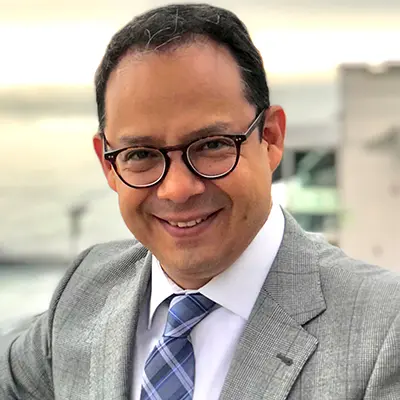
  • Dr. Ján Figel’, former Special Envoy for Freedom of Religion or Belief outside the EU, challenges 2021 Covid restrictions on public worship in Slovakia at European Court of Human Rights.

  • Worship bans are “illiberal and disproportionate,” states Figel’.

  • In many parts of Europe Easter services had been prohibited in 2020 and 2021

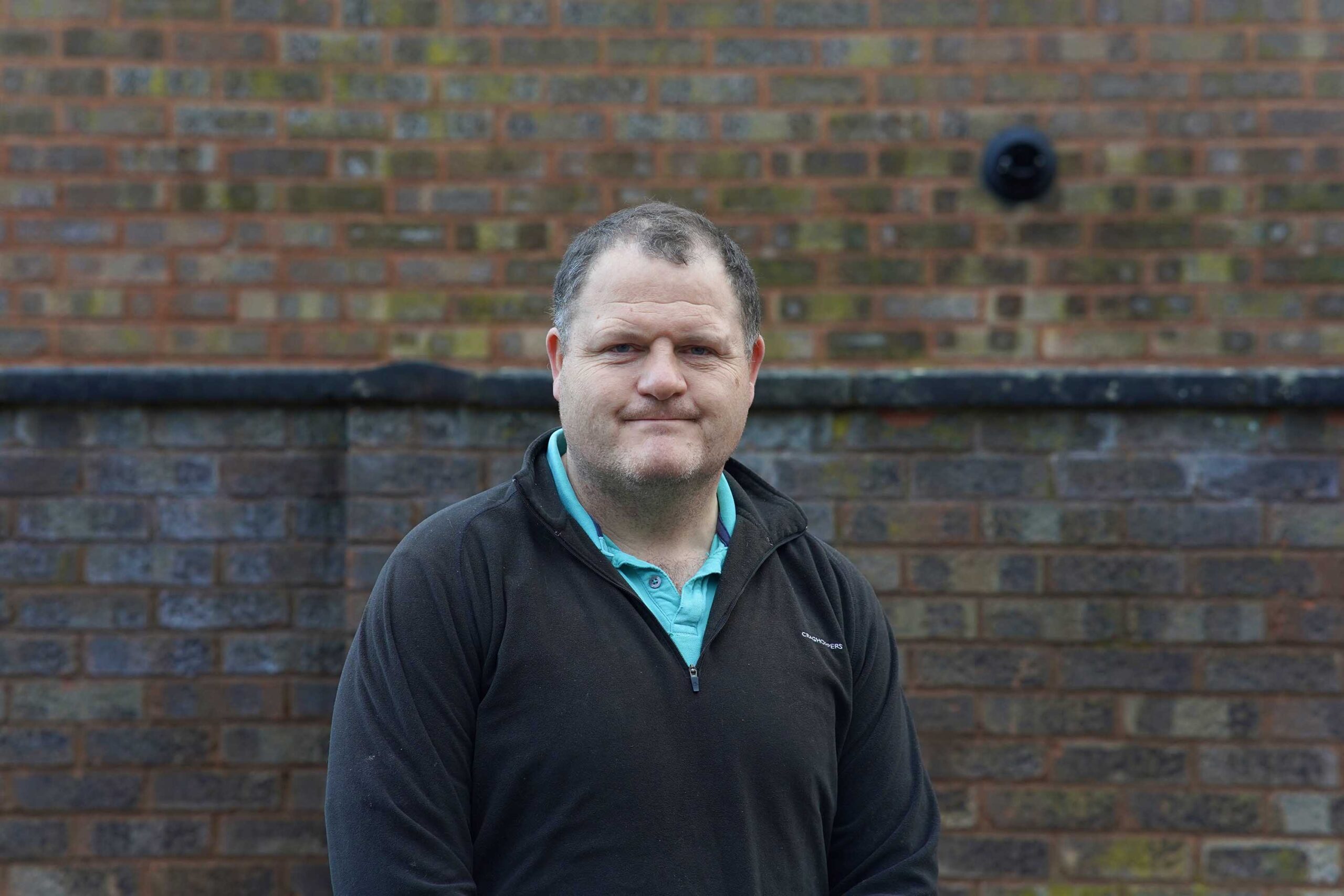
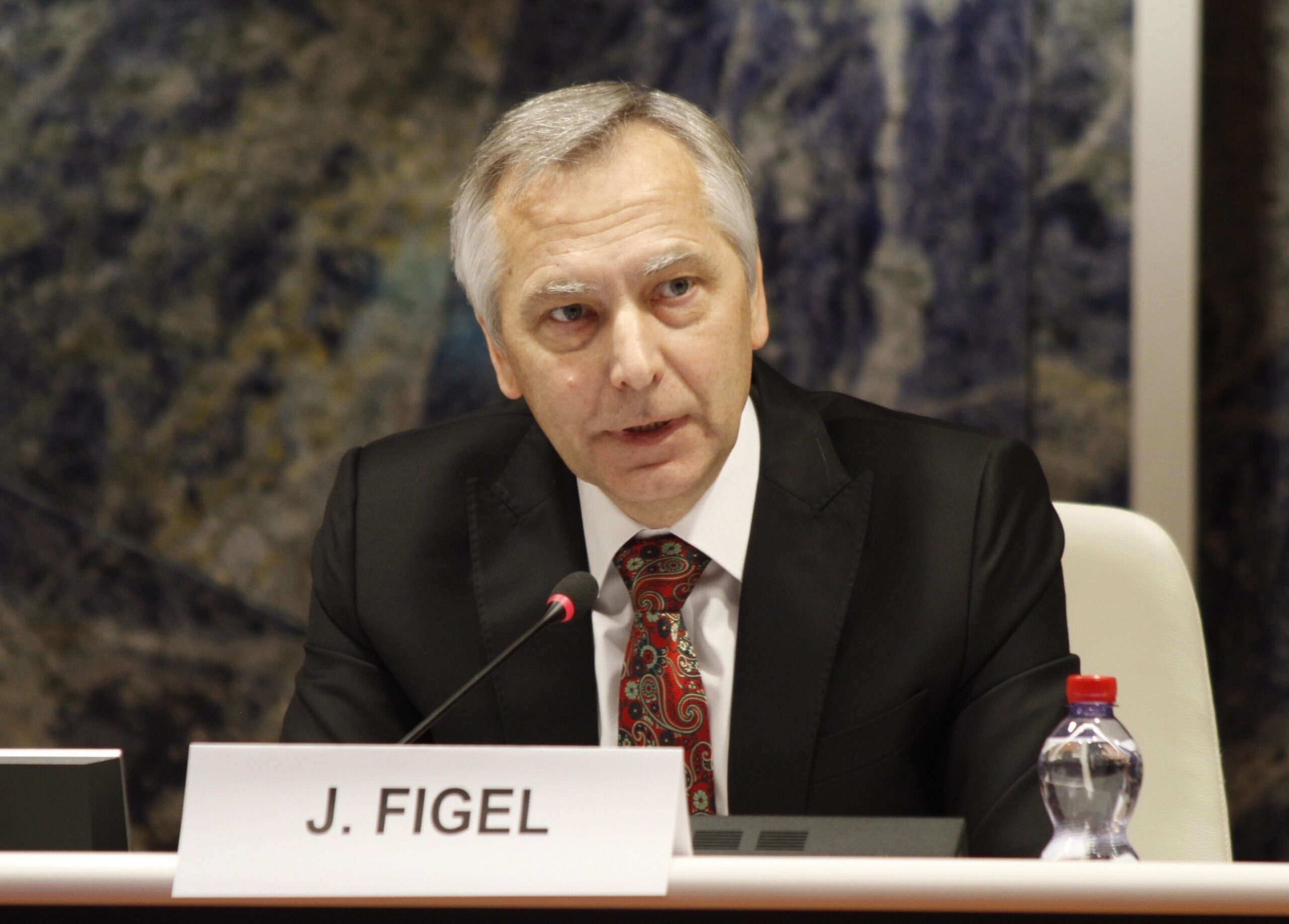
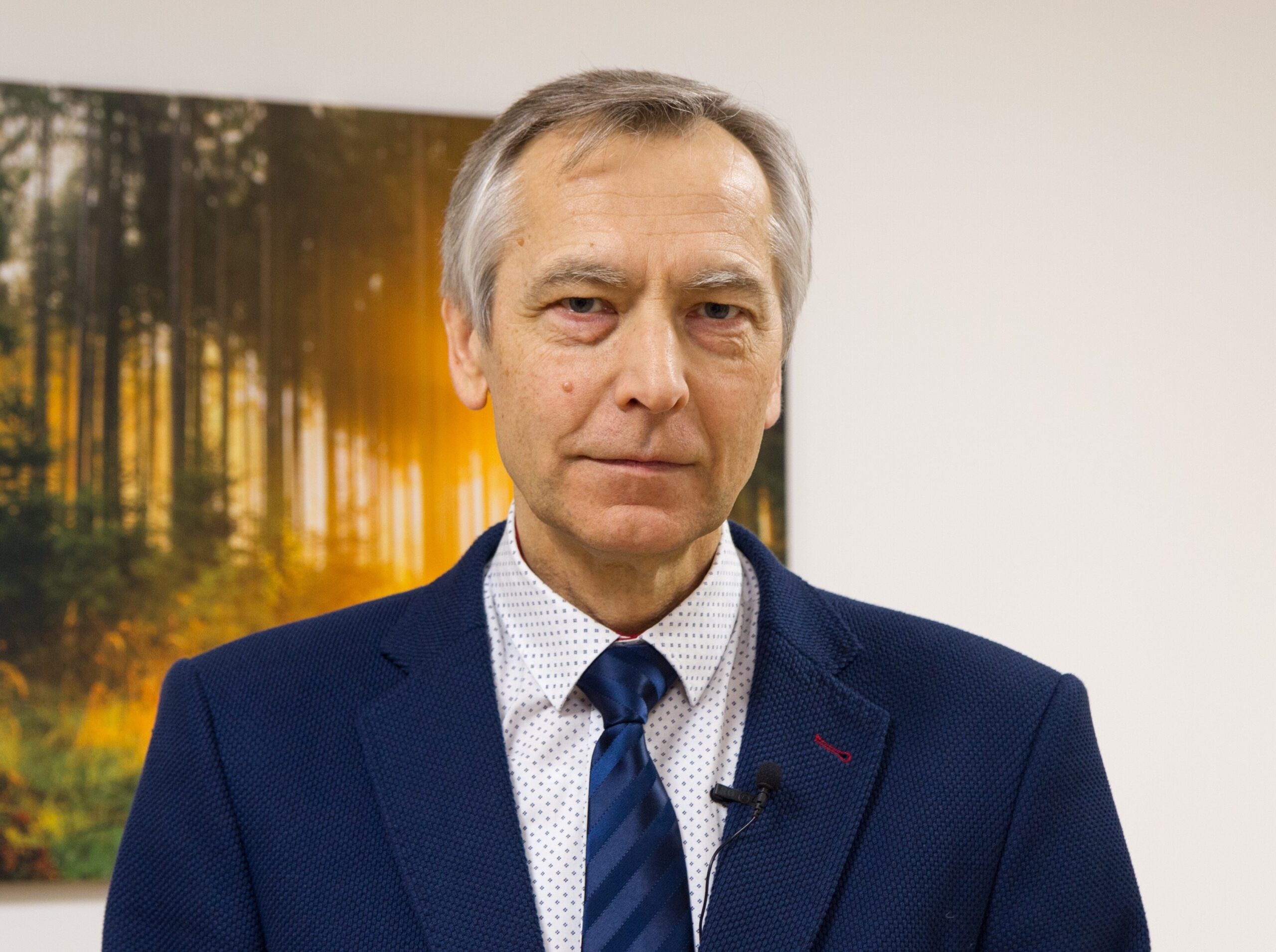
STRASBOURG, FRANCE (5 April 2023) – The former Special Envoy for Freedom of Religion or Belief outside the EU, Dr. Ján Figeľ, has brought a challenge to the 2021 Covid restrictions on public worship in Slovakia at the European Court of Human Rights. The Court has officially communicated the case by formally notifying the Slovak government of the application and requiring a response. Thus, the case is one of the first ones where Europe’s top human rights court examines the impact of Covid restrictions on religious freedom in Europe.

In February 2021 the Slovak Republic prolonged its Covid-related restrictions, banning cultural, social, and sporting events as well as religious services. Exceptions were made only for baptisms and weddings with up to six people. The ban on communal worship for all religions was not in conformity with the Slovak Constitution and fundamental rights, Figeľ claims.

Figeľ: “Worship bans are a disproportionate infringement on the right to religious freedom”

“Religious freedom as a basic human right must be given the highest level of protection. Everyone has the right to live according to their convictions. Prohibiting people from doing so is profoundly illiberal and non-democratic. Worship bans are an unfair and disproportionate infringement on the right to religious freedom, as evidenced by the significantly greater flexibility and openness elsewhere in Europe.

National judicial decisions Europe-wide (for example in Germany and France) have shown that worship bans are religious freedom violations,” stated Figeľ. The former Special Envoy is supported by ADF International, a legal advocacy organisation acting as co-counsel in the case at the European Court of Human Rights.

Figeľ added: “As Special Envoy, it was evident to me that the EU cannot credibly advance religious freedom throughout the world if its Member States fail to uphold fundamental freedoms at home.”

Human rights organisation ADF International supporting Figel as co-counsel

“We are committed to supporting Dr. Ján Figeľ and his defence of religious freedom. The international legal framework is very clear in its protection of this right as it benefits everyone – people of faith as well as people of no faith. Fundamental freedoms apply to all, and in times of crisis they must be protected rather than weakened,” said Dr. Adina Portaru, Senior Counsel for ADF International.

“Everyone should be able to live out their faith, and for many, communal worship is an inherent part of this. This is why international law explicitly protects communal worship as a key aspect of religious freedom,” Portaru further noted.

Legal Context: criteria for restrictions not fulfilled

Both the European Convention on Human Rights and the Constitution of the Slovak Republic protect freedom of religion as a fundamental right. The ECHR explicitly includes the “freedom … to manifest [one’s] religion or belief in worship.” (Article 9 ECHR)

Only in rare cases can states restrict the religious freedom of their citizens. Exceptions must meet strict criteria: there must be a legal basis, the measure has to pursue a legitimate aim and must be necessary to reach that aim. None of the three criteria were fulfilled, argues Figeľ in his application to the ECtHR. The Slovak worship ban had no clear legal basis.

“It is disingenuous to pit religious freedom against safety when both can work in harmony. Communal worship is an essential part of navigating times of crisis for many people, and can be done safely and prudently, in accordance with necessary and balanced restrictions,” stated Portaru.

Figeľ’s challenge has been backed by a civil society coalition of diverse representatives from the arts, academia, and politics with different faith backgrounds. Bishops and faith leaders also have welcomed his case.

ADF International has been involved worldwide in cases regarding worship bans and violations of religious freedom in the context of Covid restrictions. In Uganda, the group supported a coalition of Christians and Muslims challenging a discriminatory prohibition of religious gatherings. Further, ADF International conducted advocacy to help open churches for worship in Ireland, Scotland, and Switzerland.


Images for free use in print or online in relation to this story only

Wollen Sie diesen und weitere Fälle unterstützen?

Ihre Spende hilft:

Die Kosten für die juristische Verteidigung von grundlegenden Freiheiten zu decken.

family icon

Hunderte von Mandanten rechtlich zu unterstützen.

Den Einsatz für gerechte Gesetze, Urteile und Entscheidungen weltweit zu ermöglichen.

Bleiben Sie informiert

Melden Sie sich für unseren Newsletter an

*“ zeigt erforderliche Felder an

Dieses Feld dient zur Validierung und sollte nicht verändert werden.
Name*

Statement of Faith

Based on our adherence to the inspired, infallible, inerrant, and authoritative Word of God in Scripture, we profess with the Christian Church throughout time and around the world the faith expressed in the Apostles’ Creed:

I believe in God, the Father almighty,
creator of heaven and earth.
I believe in Jesus Christ, his only Son, our Lord,
who was conceived by the Holy Spirit,
born of the Virgin Mary,
suffered under Pontius Pilate,
was crucified, died, and was buried;
On the third day he rose again;
he ascended into heaven,
he is seated at the right hand of the Father,
and he will come to judge the living and the dead.

I believe in the Holy Spirit,
the holy catholic Church,
the communion of saints,
the forgiveness of sins,
the resurrection of the body,
and the life everlasting.
Amen.

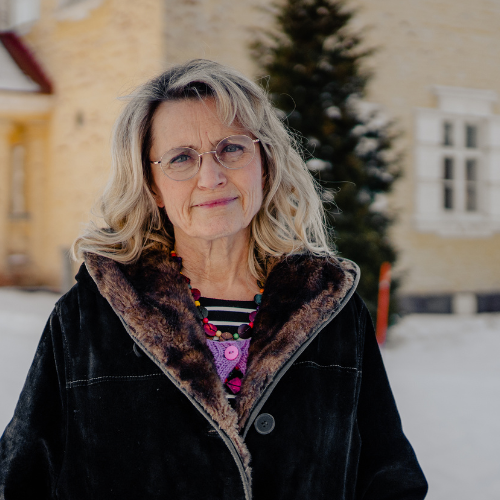
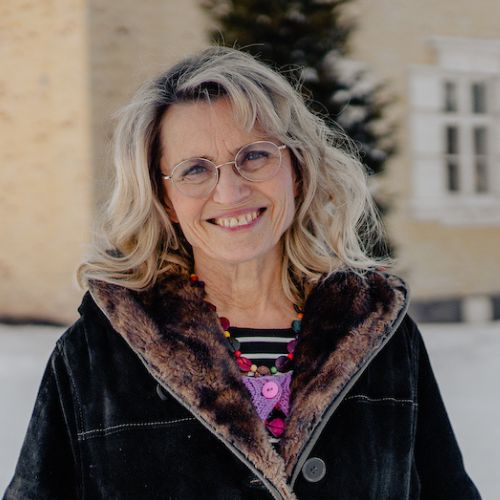
Päivi Räsänen

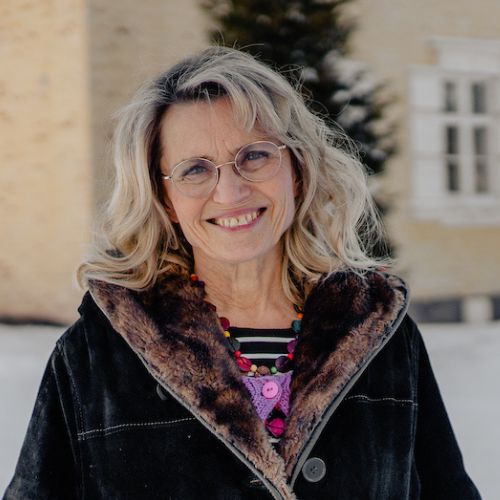
Päivi Räsänen, a member of parliament and devoted grandmother from Finland, charged with 'hate speech' for voicing her deeply held beliefs on the Christian view of marriage and sexuality.

Isabel Vaughan-Spruce

Die engagierte Lebensschützerin aus Großbritannien, die festgenommen wurde, als sie still in der Nähe einer Abtreibungsklinik auf einer öffentlichen Straße betete.

Rodrigo Iván Cortés

Ein ehemaliger Kongressabgeordnete aus Mexiko, der bestraft wurde, nachdem er die biologische Wahrheit der zwei Geschlechter verteidigt hatte.

Nada und Hamouda

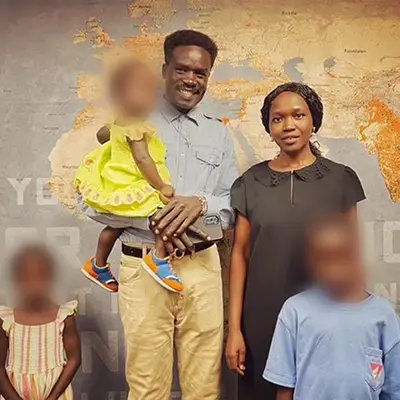
Aus dem Sudan, deren Ehe von einem Scharia-Gericht aufgelöst wurde und die mit 100 Peitschenhieben und Lebensgefahr bedroht wurden, nur weil sie zum Christentum konvertierten.

Shagufta und Shafqat

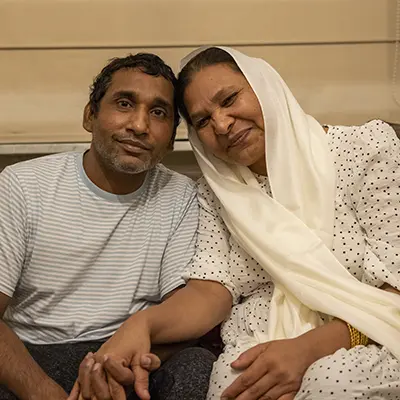
Ein christliches Paar aus Pakistan, das 7 Jahre lang in der Todeszelle saß, weil sie angeblich eine blasphemische Textnachricht versendet hatten - obwohl beide weder lesen noch schreiben können.

Adah

Adah had to flee her home after being threatened by her family for her conversion and obtained a protective order in another state.

Pastor Ezekiel

Pastor Ezekiel was captured and tortured by unidentified men for two weeks in February 2024, and then handed over to the police, who released him.

David

David was captured and tortured by unidentified men for two weeks in February 2024, and then handed over to the police, who charged him with kidnapping and obtained a conviction without a lawyer in 3 days. In July, the High Court in Northern Nigeria overturned his wrongful conviction. He is now free.

Naomi

Naomi had to flee her home after being threatened by her family for her conversion, and obtained a protective order in another state.

Rhoda Jatau

Nigerian Christian mother of 5, Rhoda Jatau, has been acquitted after being imprisoned for 19-months for allegedly sharing a video on WhatsApp.

You are currently viewing a placeholder content from YouTube. To access the actual content, click the button below. Please note that doing so will share data with third-party providers.

More Information

Yahaya Sharif-Aminu

In March 2020, a dangerous mob burned down his house and the Hisbah religious police, an official authority in charge of enforcing Sharia law, arrested Yahaya. Shortly after, the young man was convicted in a Sharia court for his alleged “blasphemy” and sentenced to death by hanging. His Supreme Court appeal has the potential to overturn Sharia-based blasphemy laws in Northern Nigeria.

Päivi Räsänen

Eine Abgeordnete des finnischen Parlaments, die wegen ‘Hassrede’ angeklagt wurde, nachdem sie öffentlich ihre christlichen Überzeugungen zu Ehe und Sexualität geäußert hatte.

Adah

Adah musste aus ihrem Zuhause fliehen, weil sie nach ihrer Konversion von ihrer Familie bedroht wurde. Sie erhielt in einem anderen Bundesstaat eine Schutzanordnung.

Pastor Ezekiel

Pastor Ezekiel wurde im Februar 2024 von unbekannten Männern gefangen genommen und zwei Wochen lang gefoltert, bevor er der Polizei übergeben wurde, die ihn wieder freiließ.

David

David wurde im Februar 2024 von unbekannten Männern gefangen genommen und zwei Wochen lang gefoltert. Anschließend wurde er der Polizei übergeben, die ihn wegen Entführung anklagte und innerhalb von drei Tagen ohne Anwalt eine Verurteilung erwirkte. Im Juli hob das Oberste Gericht in Nordnigeria das unrechtmäßige Urteil auf. Er ist nun frei.

Naomi

Naomi musste aus ihrem Zuhause fliehen, nachdem sie wegen ihrer Konversion von ihrer Familie bedroht worden war, und erhielt in einem anderen Bundesstaat eine Schutzanordnung.

Rhoda Jatau

Die nigerianische Christin und Mutter von fünf Kindern, Rhoda Jatau, wurde freigesprochen, nachdem sie 19 Monate lang inhaftiert war, weil sie angeblich ein Video auf WhatsApp geteilt hatte.

Sie sehen gerade einen Platzhalterinhalt von YouTube. Um auf den eigentlichen Inhalt zuzugreifen, klicken Sie auf die Schaltfläche unten. Bitte beachten Sie, dass dabei Daten an Drittanbieter weitergegeben werden.

Mehr Informationen

Yahaya Sharif-Aminu

Im März 2020 brannte ein gefährlicher Mob sein Haus nieder, und die Hisbah-Religionspolizei, eine für die Durchsetzung der Scharia zuständige Behörde, verhaftete Yahaya. Kurz darauf wurde der junge Mann vor einem Scharia-Gericht wegen angeblicher „Blasphemie“ verurteilt und zum Tod durch Erhängen verurteilt. Seine Berufung vor dem Obersten Gerichtshof könnte die auf der Scharia basierenden Blasphemiegesetze in Nordnigeria aufheben.