Brazilian judge sentences parents to prison for homeschooling their daughters

  • Parents who chose to homeschool their two daughters convicted of «intellectual neglect” and sentenced to 50 days in prison in first criminal prosecution of home educators in the country. 
  • Conviction is part of a broader pattern of parental rights concerns in Brazil; ADF International is providing legal support to parents’ appeal.  

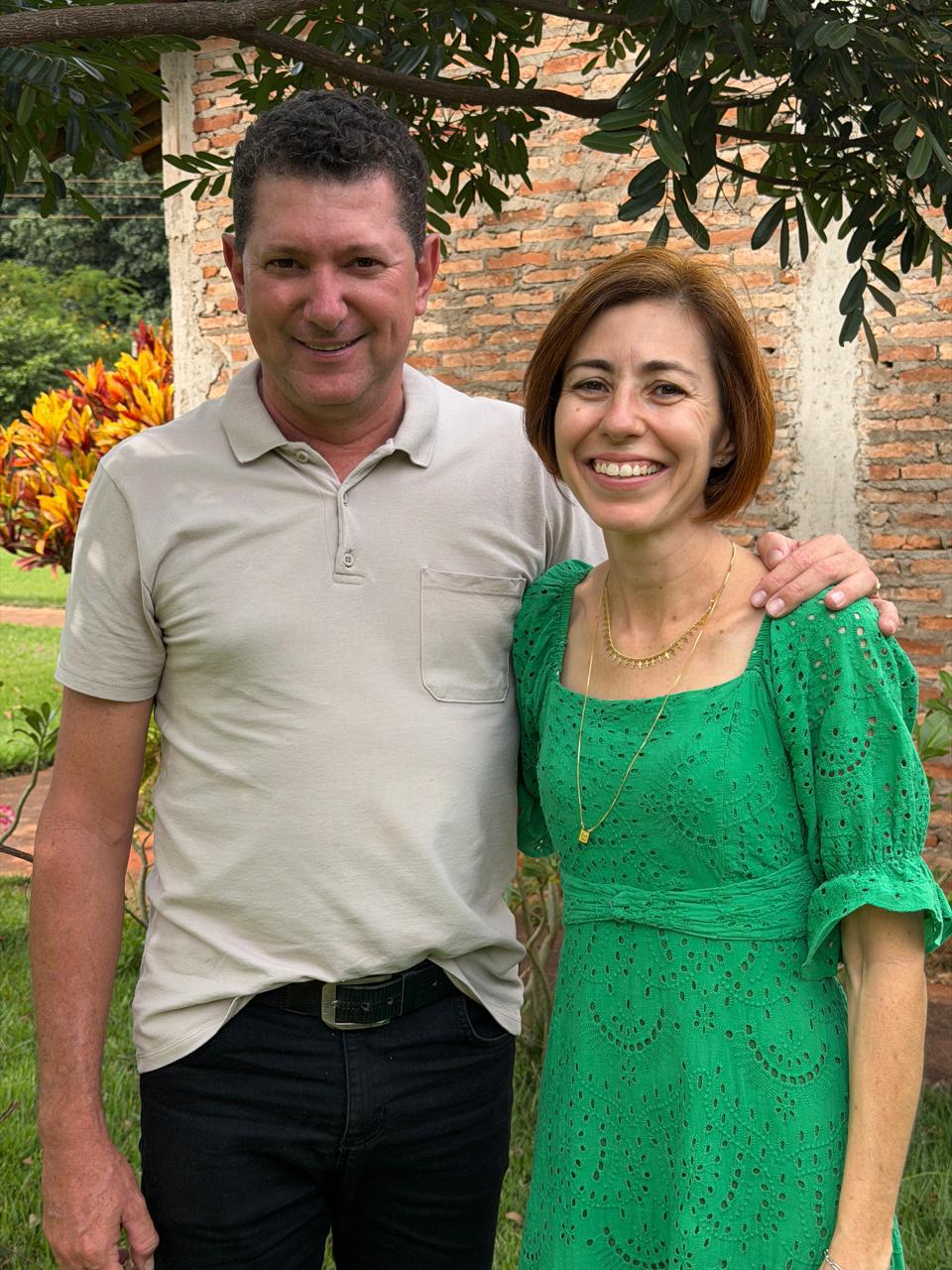
BRAZIL (JUNE 16) — Brazilian parents Audato and Ieda Denardi have been sentenced to 50 days in prison for homeschooling their daughters. The parents were convicted of “intellectual neglect”, with the judge stating that the home education curricula failed to include programs on “gender and sex education” and “tolerance and diversity.”  

The court also concluded that because the girls, aged 15 and 11, did not like “trap” or «sertanejo» (folk) music, their home curriculum had also failed to properly educate them in cultural diversity, despite the fact that they are both accomplished pianists and speak multiple languages. 

The Denardis were initially sentenced by a lower court in São Paulo in April 2026. Now, they are appealing the ruling, challenging the state’s attempt to imprison them for exercising their right to direct their children’s education. Their sentence will be suspended pending the appeal, which will be heard by the 7 Cãmara Criminal do Tribunal de Justiça do Estado de São Paulo, the highest state court. ADF International is providing legal support for the appeal. 

“As a mother, I cannot conceive a more dictatorial state than the one that wants me in jail because I chose to exercise my right to direct the education and upbringing of my daughters. My husband and I are hopeful the court will recognize our right to choose the best education for our children and overturn this unjust conviction."

As a mother, I cannot conceive a more dictatorial state than the one that wants me in jail because I chose to exercise my right to direct the education and upbringing of my daughters.” said Ieda Denardi. “My husband and I are hopeful the court will recognize our right to choose the best education for our children and overturn this unjust conviction.” 

The conviction came despite the prosecutor recommending that the court acquit the parents. After hearing the witnesses and evaluating the social and academic development of the girls, the prosecutor concluded that the parents had not neglected their children.  

In his decision, the judge explicitly accused the parents of “using their daughters as pawns in an ideological struggle, subjecting them to a form of unregulated education, the effectiveness and quality of which lack adequate metrics within the Brazilian legal system, while completely excluding the State’s involvement.” 

The Denardis’ case has drawn congressional attention, with lawmakers recently holding hearings at which the parents urged Congress to act in favor of homeschooling. A homeschooling bill was approved in the House of Representatives in 2022, but has since stalled in the Senate, creating legal uncertainty for parents who seek to homeschool their children. 

“The prosecutor examined the witnesses and recommended for acquittal. An independent educational psychologist found no sign of neglect. The girls themselves described rigorous daily education. The judge convicted anyway – because a fifteen-year-old said she finds some music lyrics morally questionable, and because the curriculum didn’t include state-approved content on gender. A parent has been sentenced to prison not for failing to educate her children, but for educating them according to her own values. This is a grotesque abuse of the criminal law, and we will not let it stand.” said Julio Pohl, Legal Counsel for Latin America at ADF International. 

Background

Despite over 70,000 children currently being homeschooled in Brazil, the lack of a clear legal framework has left many parents with additional obstacles when choosing home education.  

In 2019, the Brazilian Supreme Court ruled that homeschooling did not contravene the Constitution, but required a federal law to regulate it. Homeschooling parents have relied on international law to defend their right to direct the education of their children. The lack of a federal law on the issue has left them in legal limbo and under constant threat of sanction. One such parent who has faced pushback in the courts is Regiane Cichelero, a Brazilian mother who was denied the right to homeschool her son by a state court last year. ADF International is supporting her appeal. 

However, until now, it has been treated as an administrative offense for failing to register the children in school. The Denardis are the first parents to be criminally convicted for homeschooling their children.  

The Denardi parents began homeschooling their daughters in 2020, after observing the shortcomings of the public education system during pandemic-era remote learning.  Since they started homeschooling, they have seen significant improvement in their daughters’ academic performance and have also enjoyed being able to incorporate their faith and personal values into their learning. 

Images for free use in print or online in relation to this story only

Christian Women and Girls Face Heightened Risk of Violence in Nigeria, UN Experts Warn

  • Experts highlighted patterns of religiously-motivated violence disproportionately targeting Christians and particularly women and girls, as well as other minorities
  • ADF International advocates for the Nigerian government to fulfil its obligations to guarantee freedom of religion and prevent all forms of violence

GENEVA (8 JUNE 2026) – UN experts have issued a formal communication to the Nigerian government, expressing grave concerns over alarming reports of human rights violations by armed military and political groups in northern and central Nigeria, disproportionately affecting Christians and particularly women and girls, among other religious or belief communities.

The joint letter, issued by the Special Rapporteurs on violence against women and girls, extrajudicial, summary or arbitrary executions, minority issues, and torture, and the Working Group on Enforced or Involuntary Disappearances, comes in response to mounting credible reports and extensive advocacy efforts by human rights and religious freedom groups, including ADF International. The full text of the communication will be made publicly available at the end of the 60-day response window granted to the Nigerian government.

The communication comes as armed militant groups continue to terrorise local populations in northern Nigeria and the Middle Belt through targeted violence, abductions, and forced marriages and conversions. Despite growing international scrutiny and well-documented allegations of grave human rights violations, Nigerian authorities have thus far failed to adequately protect civilians and bring perpetrators to justice.

UN experts cited the «broader pattern of violence and persecution disproportionately affecting Christian communities in some northern states,» noting the elevated risk of religiously-motivated attacks by radical Islamist militias and an increased threat of sexual violence against women and girls.

The experts highlighted that the risk for Christian females is especially great, pointing to specific cases where women and girls had been abducted, subjected to sexual violence, forced conversion and child marriage, or were attacked for rejecting a forced marriage arrangement. They further observed that Christian women and girls are especially vulnerable within camps for internally displaced persons.

The Special Procedures mandate-holders underscored Nigeria’s failure to uphold its international human rights obligations regarding freedom of religion, safety, liberty, and the rights of women and children, among others. They also noted the enforcement of blasphemy codes and local interpretations of Sharia law in certain constituent states as contributing factors in violence against non-Muslims.

The experts emphasised the need for Nigerian authorities to urgently investigate and act on alleged violations and protect victims and those still at risk.

«Christians, particularly women and girls, among other religious minorities, have faced grave and systematic atrocities at the hands of armed militant groups operating with impunity in parts of Nigeria. For too long, the international community has remained largely silent as this crisis has deepened. The joint communication from five UN mechanisms is a significant and welcome step towards ensuring that these violations receive international attention, and that their root causes –including discriminatory legal frameworks – are fully addressed,» said Giorgio Mazzoli, Director of UN Advocacy at ADF International.

«ADF International is committed to protecting freedom of religion and expression in Nigeria, and has supported both Christians and people of other beliefs facing discrimination and other human rights violations and abuses. As we welcome the UN experts’ efforts to hold Nigerian authorities accountable in this regard, we encourage Nigerian authorities to urgently pursue security and legal reforms, and stand ready to support efforts at all levels to uphold religious freedom for all across the country.

«Widespread attacks and brutality have devastated communities across northern and central Nigeria, resulting in serious civil unrest, the mass displacement of populations from their land, and – according to recent reports – more Christians killed for their faith than anywhere else in the world in 2025 alone. We call on the Nigerian government to seize this moment and redouble its efforts to halt the ongoing violence, ensure accountability, and fully guarantee fundamental freedoms as enshrined in both the Constitution and international human rights law.»

ADF International Advocacy in Nigeria

ADF International advocates for Christians and other religious minorities who face severe persecution across Nigeria. We have supported multiple individuals who have been attacked for their faith or targeted under blasphemy laws.

ADF International supported the legal defence of Rhoda Jatau, a Christian mother imprisoned for 19 months for allegedly sharing a blasphemous video that condemned the lynching of Christian college student Deborah Emmanuel Yakubu. Jatau was fully acquitted in December 2024.

Recently, a Nigerian High Court struck down the wrongful conviction of David* (name changed for security reasons), a Christian man who faced torture for helping a persecuted convert escape violence in the country. ADF International supported David’s legal defence.

ADF International is also supporting the legal defence of Sufi musician Yahaya Sharif-Aminu before the Supreme Court of Nigeria; he was imprisoned for over five years and previously sentenced to death for a WhatsApp message deemed blasphemous. Sharif-Aminu is currently awaiting a hearing date before the court after his first hearing was held in September. Following the hearing, a Nigerian state lawyer threatened to publicly execute the young man for sending a song on WhatsApp. His case carries with it the possibility of abolishing the draconian blasphemy laws that significantly exacerbate Nigeria’s climate of violence and hostility toward religious minorities, including Christians.

ADF International was also among several human rights organisations and experts that urged the US State Department to redesignate Nigeria as a «Country of Particular Concern» (CPC). This status was accorded in October 2025, drawing greater international attention to the human rights consequences of the country’s security situation.

Images for free use in print or online in relation to this story only

Finnish MP Päivi Räsänen submits testimony before Canadian Senate Human Rights Committee on C-9 “Hate Speech” Bill

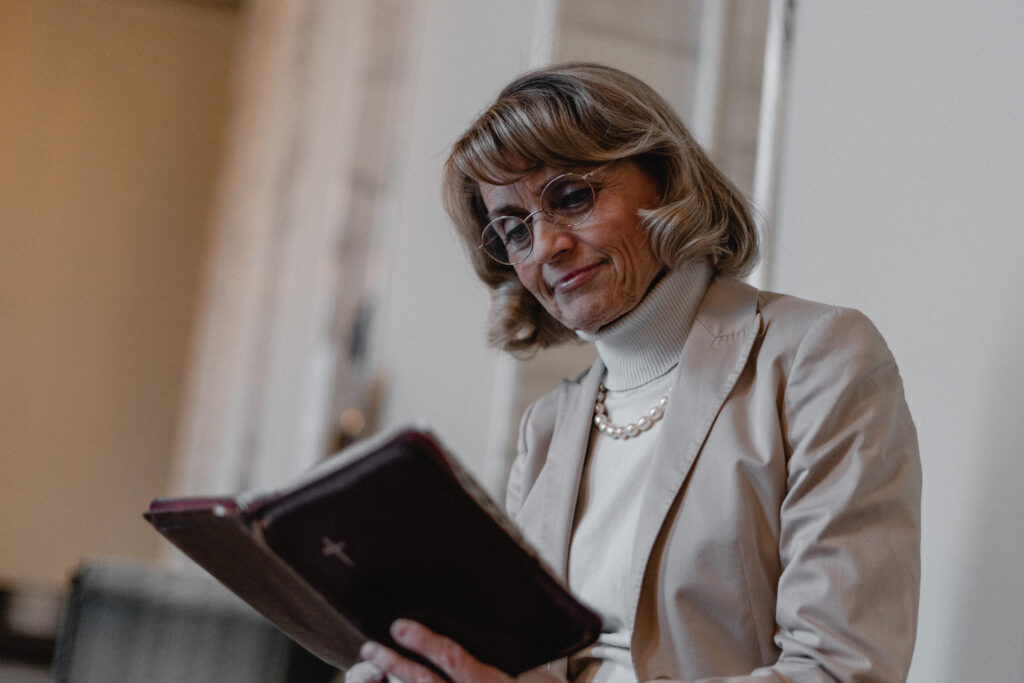
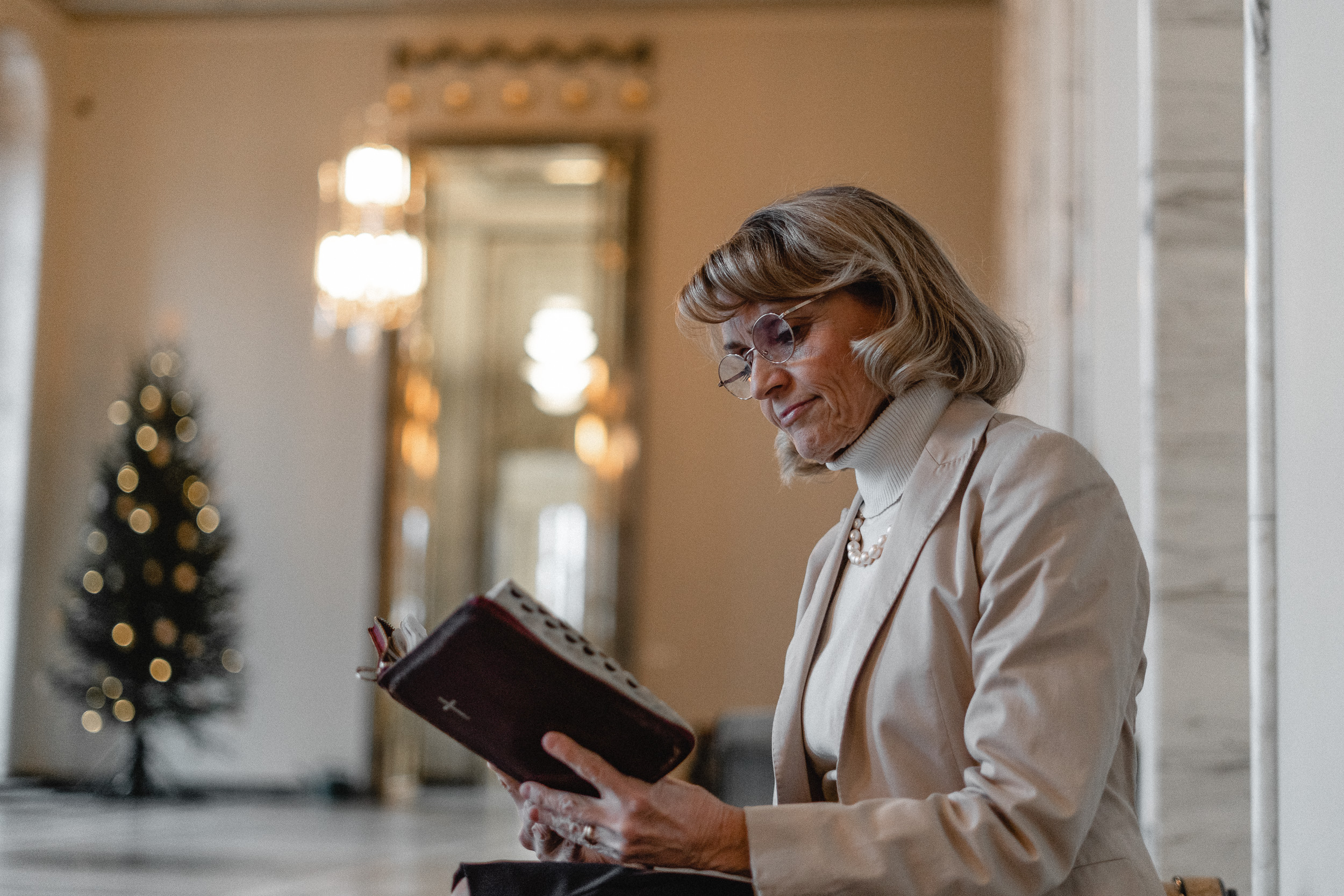
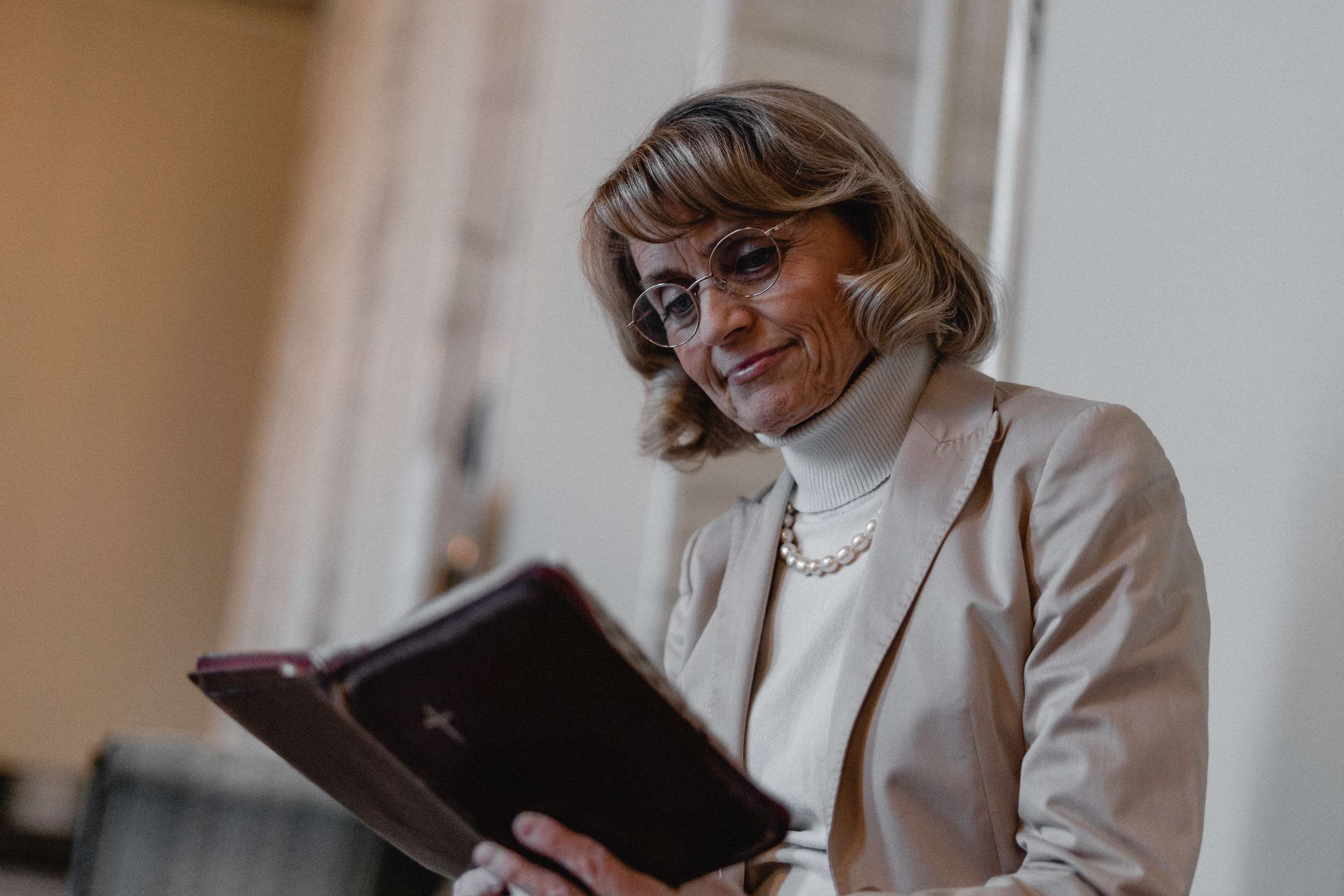
Päivi reads her bible in the Finnish Parliament building.
  • Päivi Räsänen shares her experience of prosecution and conviction by Finnish authorities for peacefully expressing Christian beliefs about marriage and human sexuality
  • Räsänen submitted testimony as Canadian Senate considers amending criminal code to weaken protections for opinions expressed on religious subjects
Päivi reads her bible in the Finnish Parliament building.

OTTAWA (2 JUNE 2026) – Finnish parliamentarian Päivi Räsänen, who was criminally convicted for a decades-old church booklet about marriage and sexual ethics, was invited to submit a testimony before the Canadian Senate Human Rights Committee on the C-9 bill concerning “hate speech”.

In her testimony, submitted for the hearing on 1 June, Räsänen discussed her experience of facing a seven-year prosecution and three criminal trials for sharing her Christian beliefs about marriage on social media and in a booklet written for her church. Citing her narrow conviction by the Finnish Supreme Court, Räsänen warned the Committee of the dangers of removing protections for religious speech in the public square.

The former Interior Minister’s testimony comes as Canada’s House of Commons considers Bill C-9, which proposes to weaken protections for speech on religious matters in the Canadian criminal code.

The bill, among other things, removes a provision that protects religious statements made in “good faith”, potentially criminalising religious speech that would otherwise be lawful.

If passed, the bill would enable the prosecution of religious speech if the courts consider that it “wilfully promotes hatred against any identifiable group”. It carries a punishment of up to two years’ imprisonment.

“My experience in Finland has shown me that laws which criminalize speech have a very real cost not only to individuals, but also society at large. They encourage law-abiding citizens to censor their speech, and deprive wider society of conversations of critical importance."

In her testimony, Räsänen emphasised the dangers that “hate speech” laws pose for fundamental freedoms and democratic societies:

“Censorship is one of the greatest existential threats to today’s democracies in Europe. You do not need to agree with my beliefs to see the danger of criminalizing peaceful speech. When the state controls which ideas and beliefs may be expressed, democracy becomes fragile. My case reveals where this path can lead.

“My experience in Finland has shown me that laws which criminalize speech have a very real cost not only to individuals, but also society at large. They encourage law-abiding citizens to censor their speech, and deprive wider society of conversations of critical importance.

Räsänen further warned against ambiguous “hate speech” legislation that criminalises the peaceful expression of certain beliefs. She recalled the Finnish Supreme Court’s decision to uphold her conviction despite acknowledging that her booklet “did not contain incitement to violence or comparable threat-like fomenting of hatred”.

She added that censorial legislation has negative consequences both for those prosecuted and others who will no longer feel able to express their views:

“Even when courts ultimately acquit, our story shows how the process itself becomes the punishment. We have faced years of investigation, public scrutiny, and legal uncertainty. This creates a chilling effect, not just for Christians, but for everyone who holds views outside a narrow, state-approved consensus… Through fear, “hate speech” laws undermine public discourse and drive diverse views from the public square.”

Räsänen concluded: “I look forward to the day when the fundamental right to free speech is upheld for all who seek to peacefully express their convictions.”

Background

In March 2026, Räsänen was found guilty of “insult” by the Finnish Supreme Court for expressing her Christian beliefs about human sexuality in a 2004 booklet produced for her church. Lutheran Bishop Juhana Pohjola and the Luther Foundation Finland were convicted alongside her for publishing the booklet.

The long-serving Finnish parliamentarian’s nearly seven-year criminal prosecution began after she shared her Christian beliefs about marriage and sexual ethics in a 2019 tweet, leading to a police investigation that resulted in further charges for expressing her beliefs in a 2019 live radio debate and authoring the 2004 church booklet.

Formally charged with “agitation against a minority group” in 2021, Räsänen was acquitted on all charges by two lower courts in 2022 and 2023. Nevertheless, the state prosecutor appealed the decision concerning the Bible verse tweet and church booklet. In a narrow 3-2 ruling, the Finnish Supreme Court upheld the acquittal for the tweet but convicted Räsänen, the Bishop and the Luther Foundation Finland for the booklet.

In May, Räsänen announced her intention to appeal her case to the European Court of Human Rights, alongside Bishop Pohjola and the Luther Foundation Finland.

Images for free use in print or online in relation to this story only