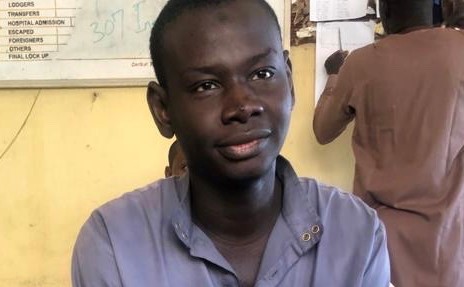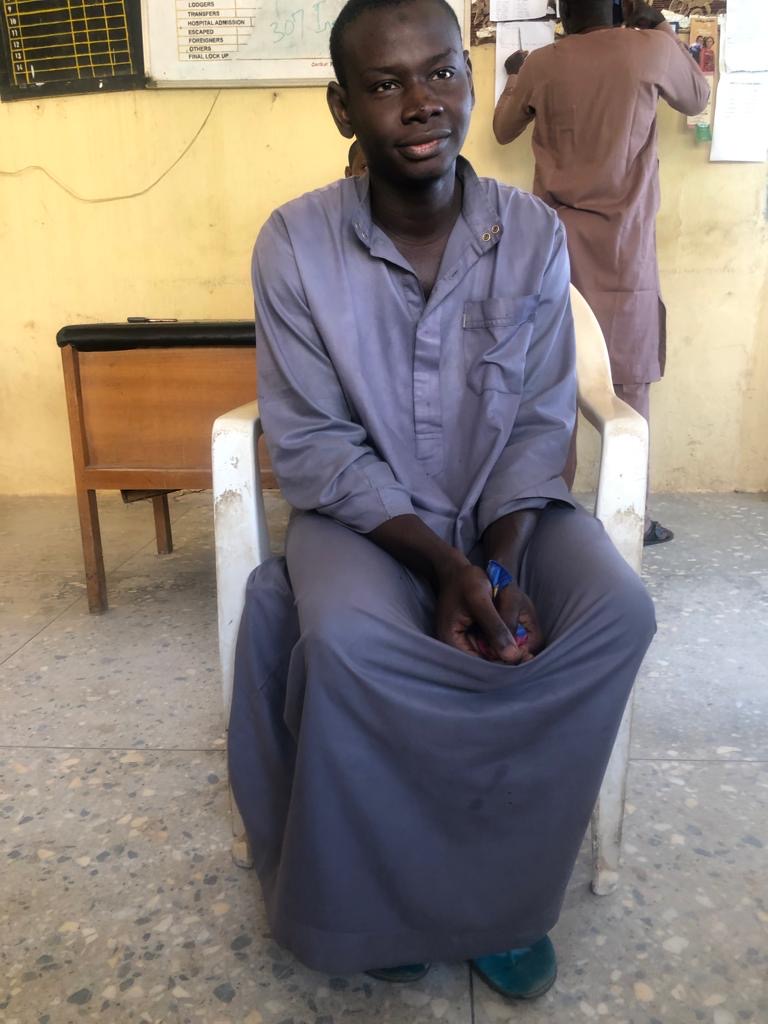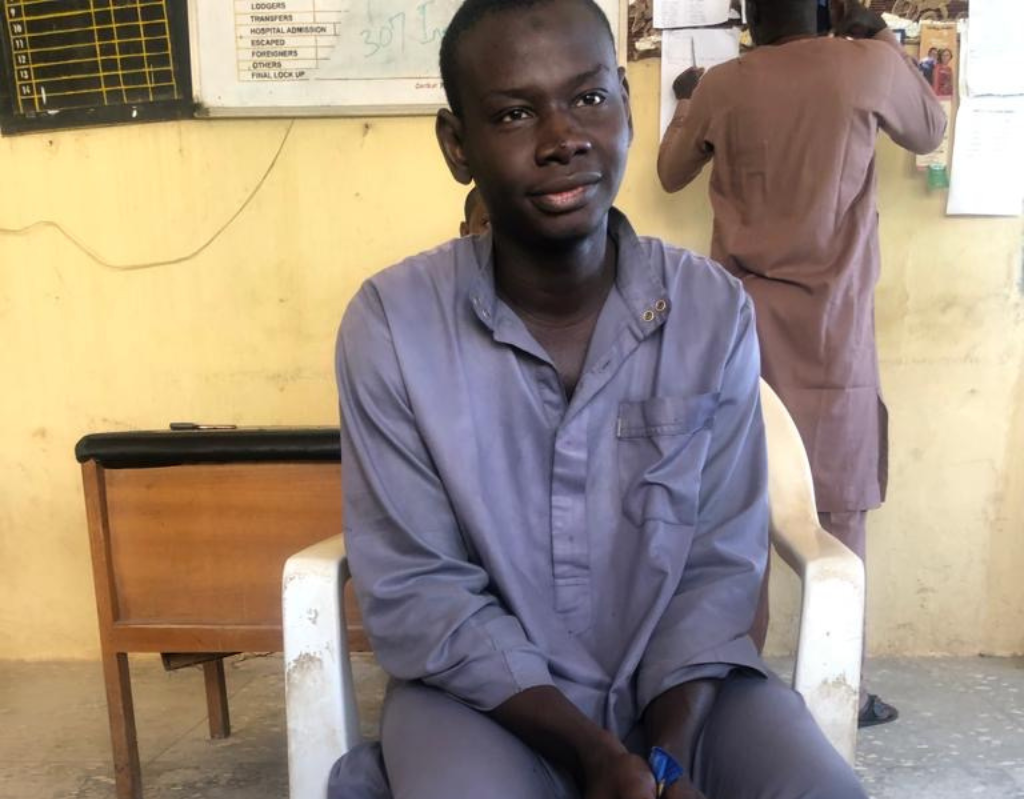
Nigerian Supreme Court Further Delays Justice for Young Musician Facing Death Sentence for „Blasphemy“

  • Supreme Court postpones hearing in case of Yahaya Sharif-Aminu, a young Sufi musician who has languished in prison for over six years under blasphemy charges.
  • ADF International calls for Sharif-Aminu’s release and the overturning of blasphemy laws, urges the Court and international bodies to act without further delay.
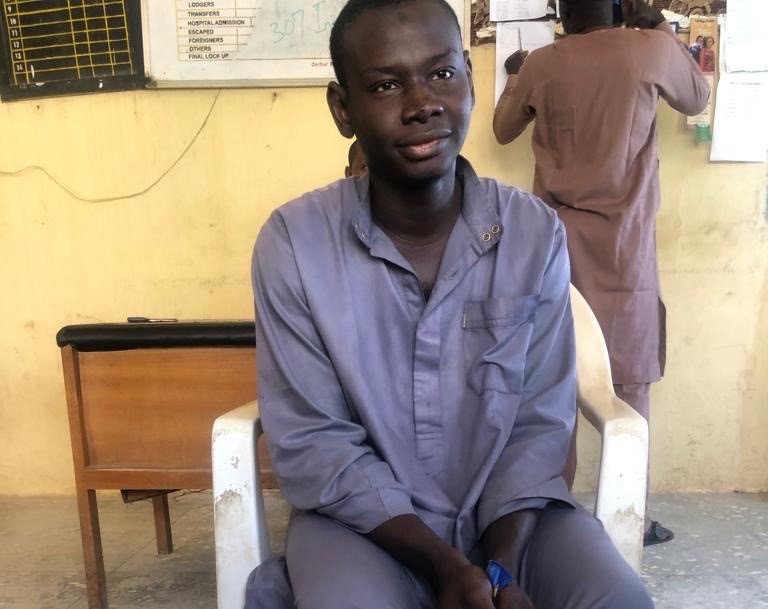
ABUJA (25 JUNE 2026) – A long-awaited hearing in the case of Yahaya Sharif-Aminu, set months ago for today, 25 June, was abruptly cancelled by the Supreme Court of Nigeria. Sharif-Aminu is a young Nigerian Sufi musician who faces the death penalty because of blasphemy charges related to song lyrics he composed and shared over social media. His case is now stalled again in the Court with no new date scheduled. The hearing was expected to have set the date for oral arguments in the case, which is challenging the constitutionality of northern Nigeria’s death penalty blasphemy laws.

This week’s delay is the latest in a long series of procedural obstacles that have kept Sharif-Aminu behind bars for over six years without resolution. The cancellation is particularly troubling, as Sharif-Aminu’s case had finally begun to move at the Supreme Court, following the first hearing in the case in September 2025. All briefing from the parties was then revised and re-submitted by November 2025 following the September 2025 hearing.

ADF International is calling on the Supreme Court of Nigeria to schedule a new hearing date without further delay, and is urging international bodies to continue pressing Nigerian authorities to uphold their constitutional and international religious freedom obligations.

“Every delay in Yahaya’s case is another day he must spend behind bars, for nothing more than peacefully expressing his faith in song lyrics. Every delay is another day that one of the most dangerous blasphemy laws in the world sits on the books and is being enforced. Yahaya has sat in a prison cell for over six years. How much longer must he wait? The Court should not stall any longer in hearing his case and upholding his right to religious freedom."

“Every delay in Yahaya’s case is another day he must spend behind bars, for nothing more than peacefully expressing his faith in song lyrics. Every delay is another day that one of the most dangerous blasphemy laws in the world sits on the books and is being enforced. Yahaya has sat in a prison cell for over six years. How much longer must he wait? The Court should not stall any longer in hearing his case and upholding his right to religious freedom,” said Sean Nelson, Senior Counsel for Global Religious Freedom at ADF International.

ADF International has provided legal support to Sharif-Aminu’s case since 2022, and continues to advocate for his release and against northern Nigeria’s draconian blasphemy laws, which have perpetuated violence and persecution against minority Muslims like Yahaya Sharif-Aminu, as well as Christians and other religious minorities.

“For years, international bodies and advocates for religious freedom have repeatedly called for the overturning of Nigeria’s death penalty blasphemy laws and for Yahaya’s release. We urgently repeat those calls again now, reaffirming that no one should languish in prison or face a death sentence for their faith. If Nigeria wishes to be viewed in the eyes of the world as a country that truly protects religious freedom and freedom of expression, it must abolish these blasphemy laws,” Nelson added.
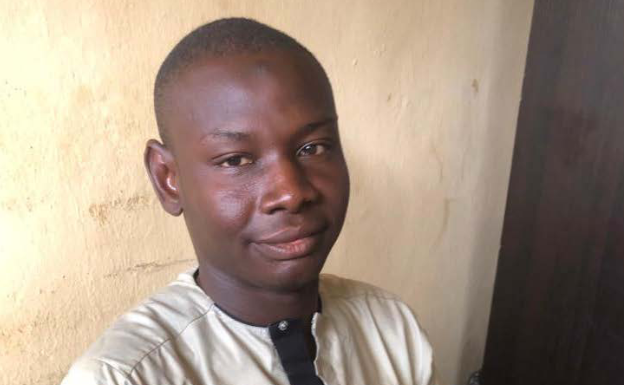
Background


In March 2020, Yahaya Sharif-Aminu, a young Sufi Muslim musician from Kano State, northern Nigeria, shared self-composed song lyrics on WhatsApp that some considered blasphemous. Local authorities arrested him, and a violent mob burned down his family’s home. He was convicted of blasphemy by a Sharia court without proper legal representation, and on 10 August 2020, he was sentenced to death by hanging.

In January 2021, the Kano State High Court overturned his conviction, citing serious procedural flaws including the absence of legal counsel at his original trial. However, the court ordered a retrial under the same death penalty blasphemy law. After a Court of Appeal upheld the retrial order in 2022, Sharif-Aminu appealed to the Supreme Court of Nigeria. He has remained in prison throughout — without bail — for over six years.

The now-cancelled 25 June 2026 hearing was scheduled in February 2026, following the submission of the parties’ revised briefs. The hearing was cancelled only a few days prior to 25 June, with the explanation being that an alleged new directive required the Court to hear earlier-filed cases first. However, Sharif-Aminu’s case was already proceeding with revised briefing completed, capital punishment cases are meant to be given priority, and no expected timeline or schedule was given.

Blasphemy Laws in Nigeria


Nigeria’s blasphemy laws, particularly enforced in the country’s northern region, inflict severe punishments, including the death penalty. International human rights groups and official bodies have repeatedly called for their repeal. Yahaya’s case before the Supreme Court highlights the urgent need for reform to protect freedom of religion and belief.  

Sharif-Aminu’s Supreme Court appeal has the potential to overturn Northern Nigeria’s draconian Sharia-based blasphemy laws, thus enabling Christian converts, minority Muslims, and others, a greater chance to freely speak about their faith and be protected from the often-life-threatening violence that accompanies a blasphemy accusation. 

Nigeria is one of only seven countries in the world with a death penalty blasphemy law, and a positive precedent could help protect religious minorities across the country and beyond. 

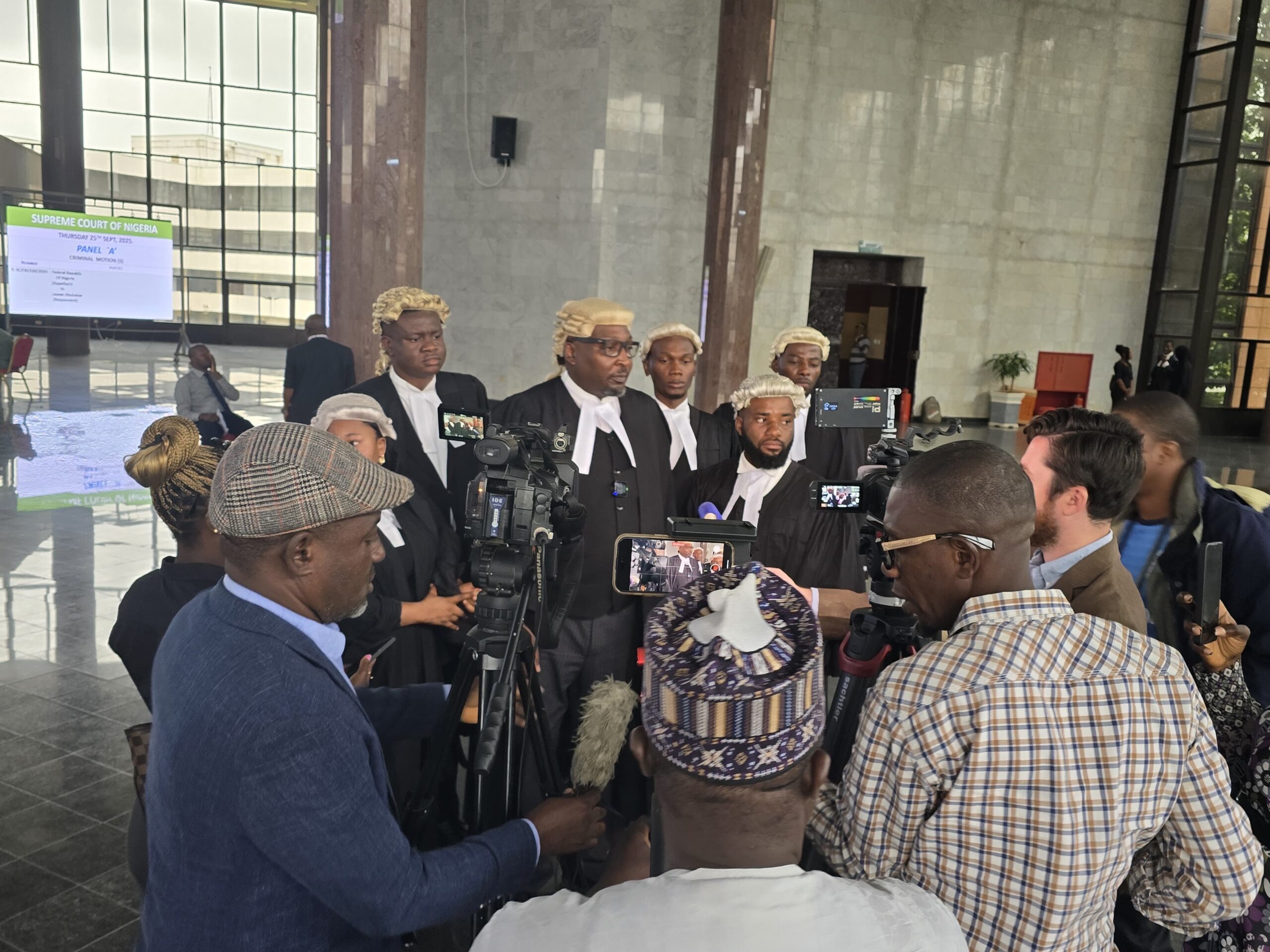
Directly following the first hearing at the Supreme Court in September 2025, counsel for the Kano State government made the state’s intentions explicit: „This applicant made blasphemous statements against the Holy Prophet, which the government of Kano State will not condone. If the Supreme Court upholds the lower court’s decision, we will execute him publicly.“  This chilling statement underscores the extreme severity of northern Nigeria’s blasphemy laws, which continue to threaten the lives of religious minorities and silence free expression.  

“Blasphemy laws have continued to target and bring harm to minority Muslims like Yahaya Sharif-Aminu, as well as Christians and other religious minorities in Nigeria. It is extremely disappointing that Yahaya’s case, which holds potential to establish new protections for religious freedom, has been delayed yet again,” said Kola Alapinni, Nigerian international human rights lawyer and lead counsel for Yahaya Sharif-Aminu.  “Now, we will continue to advocate for the overturning of the death penalty blasphemy law, for justice for Yahaya and for his release, and for the Court to promptly reschedule the hearing. Yahaya Sharif-Aminu has waited for justice long enough.“ 

Sharif-Aminu’s case has drawn significant international attention. The European Parliament has adopted urgency resolutions calling for his immediate and unconditional release on two separate occasions — a rare occurrence that underscores the gravity of the situation. In December 2024, the United Nations Working Group on Arbitrary Detention issued an opinion finding that Nigerian authorities had violated multiple internationally protected human rights in Sharif-Aminu’s case, and called for his immediate release and reparations. In April 2025, the West African ECOWAS Treaty Court relied upon Yahaya Sharif-Aminu’s case in holding that Nigeria’s blasphemy laws should be repealed. Most recently, the United Nations Special Rapporteur on freedom of religion or belief, Nazila Ghanea, highlighted Kano State’s blasphemy law as a “departure[] from fundamental rights guaranteed in the Constitution,” in a statement following her June 2026 country visit to Nigeria. 

Images for free use in print or online in relation to this story only

Nigerianischer Staatsanwalt will jungen Mann wegen WhatsApp-Lied öffentlich hinrichten lassen 

  • Nach mehr als fünf Jahren Haft fand vor dem Obersten Gerichtshof Nigerias die erste Anhörung im Blasphemiefall von Yahaya Sharif-Aminu statt; der Staatsanwalt erklärte: „Wir werden ihn öffentlich hinrichten.”
  • ADF International unterstützt Yahaya in seinem Kampf um Gerechtigkeit und die Aufhebung der Blasphemiegesetze in Nigeria.

ABUJA (2. Oktober 2025) – Am 25. September fand vor dem Obersten Gerichtshof Nigerias die erste Anhörung im Fall des Sufi-Musikers Yahaya Sharif-Aminu statt. Ein Scharia-Gericht hatte ihn 2020 zum Tod durch Erhängen verurteilt, nachdem er beschuldigt worden war, angeblich „blasphemische” Songtexte auf WhatsApp geteilt zu haben. Dies stellt den ersten Schritt in seinem Berufungsverfahren vor dem höchsten Gericht des Landes dar – mehr als fünf Jahre nach seiner Inhaftierung. Der Oberste Gerichtshof ließ die Berufung von Sharif-Aminu zu.

Unmittelbar nach der Anhörung sprach Lamido Abba Sorondinki, Rechtsbeistand der Regierung des Bundesstaates Kano, ausdrücklich über die Absicht des Staates, Sharif-Aminu öffentlich hinzurichten, sollte der Oberste Gerichtshof zugunsten des Bundesstaates Kano entscheiden: „Dieser Antragsteller hat blasphemische Äußerungen gegen den Heiligen Propheten gemacht, die die Regierung des Bundesstaates Kano nicht dulden wird. Sollte der Oberste Gerichtshof die Entscheidung der Vorinstanz bestätigen, werden wir ihn öffentlich hinrichten. Diese erschreckende Aussage unterstreicht die extreme Strenge der Blasphemiegesetze im Norden Nigerias, die weiterhin das Leben religiöser Minderheiten bedrohen und die freie Meinungsäußerung unterdrücken.

„Vor dem Obersten Gerichtshof Nigerias liegt eine Frage von buchstäblich Leben oder Tod. Absolut niemand sollte bestraft, geschweige denn zu Tod verurteilt werden, weil er Songtexte friedlich geteilt hat.In einer gravierenden Verletzung seiner grundlegenden Menschenrechte hat Yahaya mehr als fünf Jahre im Gefängnis verbracht – allein wegen einer friedlichen WhatsApp-Nachricht.“

“Vor dem Obersten Gerichtshof Nigerias liegt eine Frage von buchstäblich Leben oder Tod. Absolut niemand sollte bestraft, geschweige denn zu Tod verurteilt werden, weil er Songtexte friedlich geteilt hat. In einer gravierenden Verletzung seiner grundlegenden Menschenrechte hat Yahaya mehr als fünf Jahre im Gefängnis verbracht – allein wegen einer friedlichen WhatsApp-Nachricht,“ sagte Sean Nelson, Rechtsanwalt bei ADF International im Team für weltweite Religionsfreiheit. “Die Anhörung vor dem Obersten Gerichtshof ist ein wichtiger Schritt, um ihm Gerechtigkeit zu verschaffen und sein Recht auf freie Meinungsäußerung zu schützen und damit auch das Recht jedes Einzelnen in Nigeria. Dieser Fall geht über einen einzelnen jungen Mann hinaus. Es geht darum, ob Millionen Nigerianer frei von Angst unter ungerechten Blasphemie Gesetzen leben können.”

Viel zu lange wurden Blasphemie Gesetze unrechtmäßig dazu benutzt, religiöse Minderheiten zu verfolgen und zu schädigen. Es ist an der Zeit, dass das Gericht eine Entscheidung trifft, die das Recht auf Religionsfreiheit in Nigeria wahrt.“, sagte Kola Alapinni, internationaler Menschenrechtsanwalt und Rechtsbeistand von Yahaya Sharif-Aminu.

Hintergrund

Im März 2020 teilte Yahaya Sharif-Aminu, ein Sufi Musiker aus dem Bundesstaat Kano, auf WhatsApp Liedtexte, die von einigen als blasphemisch angesehen wurden. Die örtlichen Behörden verhafteten ihn, während ein Mob sein Haus niederbrannte. Am 10. August 2020 verurteilte ihn ein Scharia-Gericht wegen Blasphemie zum Tod durch Erhängen.

Im Januar 2021 hob das Gericht das Urteil aufgrund schwerwiegender Verfahrensfehler auf, darunter das Fehlen eines Rechtsbeistands während seines ursprünglichen Prozesses. Der Oberste Gerichtshof ordnete eine Neuverhandlung an, in der Sharif-Aminu erneut wegen Blasphemie mit der Todesstrafe rechnen musste. Nachdem ein Berufungsgericht die Anordnung der Neuverhandlung im Jahr 2022 bestätigte, legte Yahaya Sharif-Aminu Berufung beim Obersten Gerichtshof Nigerias ein.

Sharif-Aminu befindet sich seit über fünf Jahren in Haft und wartet derzeit auf ein Urteil des Obersten Gerichtshofs. In seiner Berufung fordert Sharif-Aminu das Gericht nun nicht nur auf, ihn freizulassen, sondern auch das Gesetz des Bundesstaates Kano zur Todesstrafe für Blasphemie für verfassungswidrig zu erklären, da es gegen die nigerianische Verfassung und internationale Verpflichtungen zum Schutz der Religions- und Meinungsfreiheit verstoße.


Blasphemiegesetze in Nigeria

Die Blasphemiegesetze Nigerias, die insbesondere im Norden des Landes streng durchgesetzt werden, sehen schwere Strafen bis hin zur Todesstrafe vor. Internationale Menschenrechtsorganisationen haben wiederholt ihre Aufhebung gefordert. Der Fall Yahaya vor dem Obersten Gerichtshof unterstreicht die dringende Notwendigkeit einer Reform zum Schutz der Religions- und Glaubensfreiheit.

Der Berufungsfall von Yahaya vor dem Obersten Gericht könnte wegweisend sein: Er hat das Potenzial, die Blasphemie-Gesetze in Nordnigeria zu ändern. Das würde nicht nur christliche Konvertiten und muslimische Minderheiten, sondern auch viele andere besser vor der oft lebensgefährlichen Gewalt schützen, die mit Blasphemie-Anklagen einhergeht – und ihnen mehr Freiheit geben, ihren Glauben offen zu leben.

Mittlerweile hat das Europäische Parlament bereits zweimal die Freilassung Yahayas gefordert und dazu jeweils eine Dringlichkeitsentschließung, (urgency resolution) verabschiedet. Es ist ungewöhnlich, dass ein Fall zweimal behandelt wird, was den Ernst und die Wichtigkeit der Situation von Yahaya unterstreicht. Die Arbeitsgruppe der Vereinten Nationen für willkürliche Inhaftierungen hat ebenfalls festgestellt, dass Yahayas Inhaftierung gegen international anerkannte Menschenrechte verstößt. Anfang dieses Jahres entschied das regionale westafrikanische Vertragsgericht, der ECOWAS-Gerichtshof, dass die Blasphemiegesetze Nigerias gegen das Völkerrecht und die Afrikanische Charta verstoßen, und forderte die Aufhebung der Blasphemiegesetze. Der ECOWAS-Gerichtshof stützte

Images for free use in print or online in relation to this story only

Religious freedom advocates congratulate Rubio on nomination to lead US State Department, call for greater focus on religious prisoners of conscience

  • 60 leaders and organizations, including ADF International, Jubilee Campaign USA, Global Christian Relief, congratulate Senator Marco Rubio on Secretary of State nomination 
  • Religious freedom advocates ask Rubio to continue his tireless advocacy for the persecuted worldwide, in particular for religious prisoners of conscience, and secure religious freedom as a foreign policy priority.  
  • ADF International supporting legal defence of the persecuted across the globe, including in Nigeria and Egypt.   

WASHINGTON, DC (19 December 2024) ADF International, along with participants of the International Religious Freedom (IRF) Roundtable, an informal coalition of organizations, religious and secular leaders, advocates, and scholars dedicated to the protection of religious freedom, today sent a letter to Senator Marco Rubio to congratulate him on his nomination to Secretary of State and press for him to prioritize advocacy for religious prisoners of conscience.  

In the letter, the religious freedom advocates thank Sen. Rubio for his work to promote religious freedom abroad and secure the release of prisoners of conscience, including those imprisoned for their faith or beliefs. The advocates ask that, if confirmed, Rubio would continue to make support for religious prisoners of conscience a priority in U.S. foreign policy: “If confirmed as Secretary of State, we ask that you use your platform to give an even greater voice to those who languish hidden away behind bars only because of their faith or beliefs. We ask that you use all available tools to ensure that those unjustly imprisoned for their faith around the world are freed. We know that advocacy for the unjustly imprisoned has been a personal priority for you, and we are confident that, through your leadership, it will be a foreign policy priority of the United States.” 

Sean Nelson, legal counsel for ADF International and letter signatory, stated:  

“We congratulate Senator Rubio, a true friend and advocate for the voiceless across the globe, on his nomination for Secretary of State. Across the globe, many are unjustly punished for living out and expressing their faith. If confirmed, we are hopeful that under Senator Rubio’s leadership, there will be renewed pressure on religious freedom violators and justice for the persecuted.”  

ADF International coordinated the organization of the letter. A full list of signatories and text of the letter can be read HERE. ADF International also supported another letter sent today expressing gratitude for Sen. Rubio’s leadership on IRF issues throughout his career. 

Sie sehen gerade einen Platzhalterinhalt von YouTube. Um auf den eigentlichen Inhalt zuzugreifen, klicken Sie auf die Schaltfläche unten. Bitte beachten Sie, dass dabei Daten an Drittanbieter weitergegeben werden.

Mehr Informationen

Background 

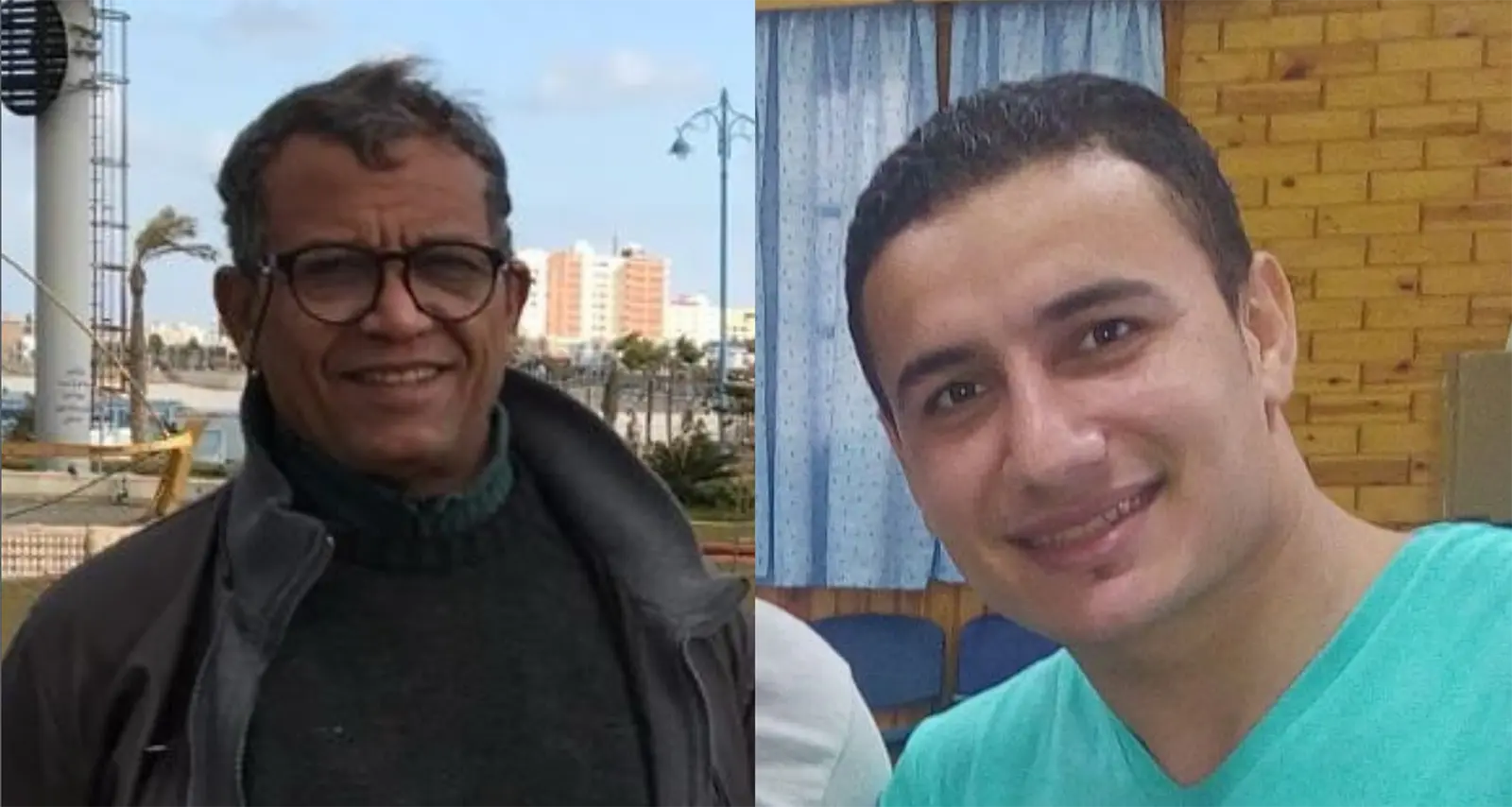
The letter highlights several critical instances of religious persecution, including the cases of Yahaya Sharif-Aminu (Nigeria) and Abdulbaqi Saeed Abdo and Nour Girgis (Egypt). 

In Nigeria, Yahaya Sharif-Aminu was sentenced to death by hanging in 2020 for sharing allegedly “blasphemous” song lyrics in a closed WhatsApp group. He is currently awaiting appeal at the Nigerian Supreme Court with the legal support of ADF International.  

In Egypt, Nour Girgis and Abdulbaqi Saeed Abdo, both Christian, have been held in pre-trial detention for over two years. They were arrested in 2021 for their involvement with a Facebook page that is dedicated to supporting people who have converted from Islam to Christianity. Authorities arrested the men after discovering their affiliation with the page, spuriously linking their involvement with terrorism activities.    

ADF International is pursuing international action to advocate for their urgent release following a letter from Abdo to his family where he vowed to commence a hunger strike due to the injustice he has endured.  

Images for free use in print or online in relation to this story only.

United Nations experts call for immediate release of Yahaya Sharif-Aminu, denounce blatant human rights violations in Nigeria

Nigerian prisoner Yahaya Sharif-Aminu
  • Experts with the United Nations Working Group on Arbitrary Detention call for the immediate and unconditional release of Nigerian Yahaya Sharif-Aminu. 
  • Sharif-Aminu currently remains in prison while awaiting Supreme Court appeal following death sentence for sharing allegedly “blasphemous” song lyrics on WhatsApp; ADF International is supporting his appeal to the Supreme Court of Nigeria. 
Nigerian prisoner Yahaya Sharif-Aminu

GENEVA (3 DECEMBER 2024) The United Nations Working Group on Arbitrary Detention (WGAD) has called for the immediate release and reparations for Nigerian Yahaya Sharif-Aminu in a just-published opinion. Sharif-Aminu was sentenced to death by hanging in 2020 for sharing allegedly “blasphemous” song lyrics in a closed WhatsApp group. He is currently awaiting appeal at the Nigerian Supreme Court with the legal support of ADF International. 

In their opinion, the WGAD finds that Nigerian authorities deprived Sharif-Aminu of various fundamental human rights in international law, including freedom of religion or belief and freedom of expression, and urges Nigerian authorities to “take the steps necessary to remedy the situation” without delay. The WGAD also urges the government of Nigeria to “ensure a full and independent investigation into the circumstances surrounding the arbitrary detention of Mr. Sharif-Aminu and to take appropriate measures against those responsible for the violation of his rights.” The full opinion can be read here. 

“We are grateful to the members of the WGAD for speaking out on Yahaya’s behalf and for their denouncement of the blatant human rights violations he has been enduring,” said Sean Nelson, legal counsel for ADF International. “It is past time for Nigerian officials to heed the advice of human rights advocates across the globe, release Yahaya and abolish the blasphemy laws that have plagued religious minorities in Nigeria for far too long. No person should be punished, prosecuted, or threatened with death for their peaceful expression and their faith. We pray for Yahaya’s unconditional release and for all people worldwide to continue to raise their voices on his behalf.” 

Kola Alapinni, international human rights lawyer and lead attorney on Sharif-Aminu’s case, said: „The WGAD has reviewed the full facts of the unjust charges against Yahaya Sharif-Aminu, and have come to a clear and decisive statement that his rights have been violated grievously. I thank them for their call for his immediate release. Officials in Nigeria should listen—Yahaya’s ongoing detention is indefensible.“ 

You are currently viewing a placeholder content from YouTube. To access the actual content, click the button below. Please note that doing so will share data with third-party providers.

More Information

A video from ADF International features testimonies from Yahaya’s mother, father, and uncle, who recount the traumatic experiences endured by Yahaya and their family.

Death sentence for “blasphemy”   

In 2020, Sufi Muslim Yahaya Sharif-Aminu was sentenced to death by hanging for “blasphemy”. His alleged crime involved sending song lyrics on WhatsApp that were deemed blasphemous toward the prophet Mohammed.    

With support from human rights legal advocacy group ADF International, Sharif-Aminu has appealed his case to the Supreme Court of Nigeria and is challenging the constitutionality of Sharia-based blasphemy laws. He remains in prison awaiting the Supreme Court appeal. His case is far from an isolated incident. Together with minority Muslims, the persecution of Christians in Nigeria is especially severe. In 2022, approximately 90% of all Christians worldwide that were killed for their faith were in Nigeria.   

International pressure has been mounting to free Yahaya and end blasphemy laws. Last year, the European Parliament overwhelmingly called for the immediate release of Sharif-Aminu, and a group of 209 international and Nigerian human rights advocates wrote to then-Nigerian President Muhammadu Buhari, calling for Sharif-Aminu’s immediate release. 

In addition, in May of this year, United Nations experts called for Sharif-Aminu’s immediate and unconditional release.  

Sharif-Aminu’s potentially landmark Supreme Court appeal could end blasphemy laws in his home state of Kano and across northern Nigeria. A positive decision could lead the way toward abolishing blasphemy laws around the world.  

Images for free use in print or online in relation to this story only.