Christian Women and Girls Face Heightened Risk of Violence in Nigeria, UN Experts Warn

  • Experts highlighted patterns of religiously-motivated violence disproportionately targeting Christians and particularly women and girls, as well as other minorities
  • ADF International advocates for the Nigerian government to fulfil its obligations to guarantee freedom of religion and prevent all forms of violence
GENEVA (8 JUNE 2026) – UN experts have issued a formal communication to the Nigerian government, expressing grave concerns over alarming reports of human rights violations by armed military and political groups in northern and central Nigeria, disproportionately affecting Christians and particularly women and girls, among other religious or belief communities.

The joint letter, issued by the Special Rapporteurs on violence against women and girls, extrajudicial, summary or arbitrary executions, minority issues, and torture, and the Working Group on Enforced or Involuntary Disappearances, comes in response to mounting credible reports and extensive advocacy efforts by human rights and religious freedom groups, including ADF International. The full text of the communication will be made publicly available at the end of the 60-day response window granted to the Nigerian government.

The communication comes as armed militant groups continue to terrorise local populations in northern Nigeria and the Middle Belt through targeted violence, abductions, and forced marriages and conversions. Despite growing international scrutiny and well-documented allegations of grave human rights violations, Nigerian authorities have thus far failed to adequately protect civilians and bring perpetrators to justice.

UN experts cited the „broader pattern of violence and persecution disproportionately affecting Christian communities in some northern states,“ noting the elevated risk of religiously-motivated attacks by radical Islamist militias and an increased threat of sexual violence against women and girls.

The experts highlighted that the risk for Christian females is especially great, pointing to specific cases where women and girls had been abducted, subjected to sexual violence, forced conversion and child marriage, or were attacked for rejecting a forced marriage arrangement. They further observed that Christian women and girls are especially vulnerable within camps for internally displaced persons.

The Special Procedures mandate-holders underscored Nigeria’s failure to uphold its international human rights obligations regarding freedom of religion, safety, liberty, and the rights of women and children, among others. They also noted the enforcement of blasphemy codes and local interpretations of Sharia law in certain constituent states as contributing factors in violence against non-Muslims.

The experts emphasised the need for Nigerian authorities to urgently investigate and act on alleged violations and protect victims and those still at risk.

„Christians, particularly women and girls, among other religious minorities, have faced grave and systematic atrocities at the hands of armed militant groups operating with impunity in parts of Nigeria. For too long, the international community has remained largely silent as this crisis has deepened. The joint communication from five UN mechanisms is a significant and welcome step towards ensuring that these violations receive international attention, and that their root causes –including discriminatory legal frameworks – are fully addressed,“ said Giorgio Mazzoli, Director of UN Advocacy at ADF International.

„ADF International is committed to protecting freedom of religion and expression in Nigeria, and has supported both Christians and people of other beliefs facing discrimination and other human rights violations and abuses. As we welcome the UN experts‘ efforts to hold Nigerian authorities accountable in this regard, we encourage Nigerian authorities to urgently pursue security and legal reforms, and stand ready to support efforts at all levels to uphold religious freedom for all across the country.

„Widespread attacks and brutality have devastated communities across northern and central Nigeria, resulting in serious civil unrest, the mass displacement of populations from their land, and – according to recent reports – more Christians killed for their faith than anywhere else in the world in 2025 alone. We call on the Nigerian government to seize this moment and redouble its efforts to halt the ongoing violence, ensure accountability, and fully guarantee fundamental freedoms as enshrined in both the Constitution and international human rights law.“

ADF International Advocacy in Nigeria

ADF International advocates for Christians and other religious minorities who face severe persecution across Nigeria. We have supported multiple individuals who have been attacked for their faith or targeted under blasphemy laws.

ADF International supported the legal defence of Rhoda Jatau, a Christian mother imprisoned for 19 months for allegedly sharing a blasphemous video that condemned the lynching of Christian college student Deborah Emmanuel Yakubu. Jatau was fully acquitted in December 2024.

Recently, a Nigerian High Court struck down the wrongful conviction of David* (name changed for security reasons), a Christian man who faced torture for helping a persecuted convert escape violence in the country. ADF International supported David’s legal defence.

ADF International is also supporting the legal defence of Sufi musician Yahaya Sharif-Aminu before the Supreme Court of Nigeria; he was imprisoned for over five years and previously sentenced to death for a WhatsApp message deemed blasphemous. Sharif-Aminu is currently awaiting a hearing date before the court after his first hearing was held in September. Following the hearing, a Nigerian state lawyer threatened to publicly execute the young man for sending a song on WhatsApp. His case carries with it the possibility of abolishing the draconian blasphemy laws that significantly exacerbate Nigeria’s climate of violence and hostility toward religious minorities, including Christians.

ADF International was also among several human rights organisations and experts that urged the US State Department to redesignate Nigeria as a „Country of Particular Concern“ (CPC). This status was accorded in October 2025, drawing greater international attention to the human rights consequences of the country’s security situation.

Images for free use in print or online in relation to this story only

Ugandan bill to establish Sharia courts sparks urgent religious freedom concerns 

  • Proposed bill would subject all Ugandans, including Christians and other non-Muslims to Islamic personal law, in addition to preventing conversion from Islam, posing grave threats to religious freedom.  
  • International religious freedom advocates call on Uganda’s parliament to halt passage of the bill, citing severe violations of human rights, including grave implications for women and girls. 

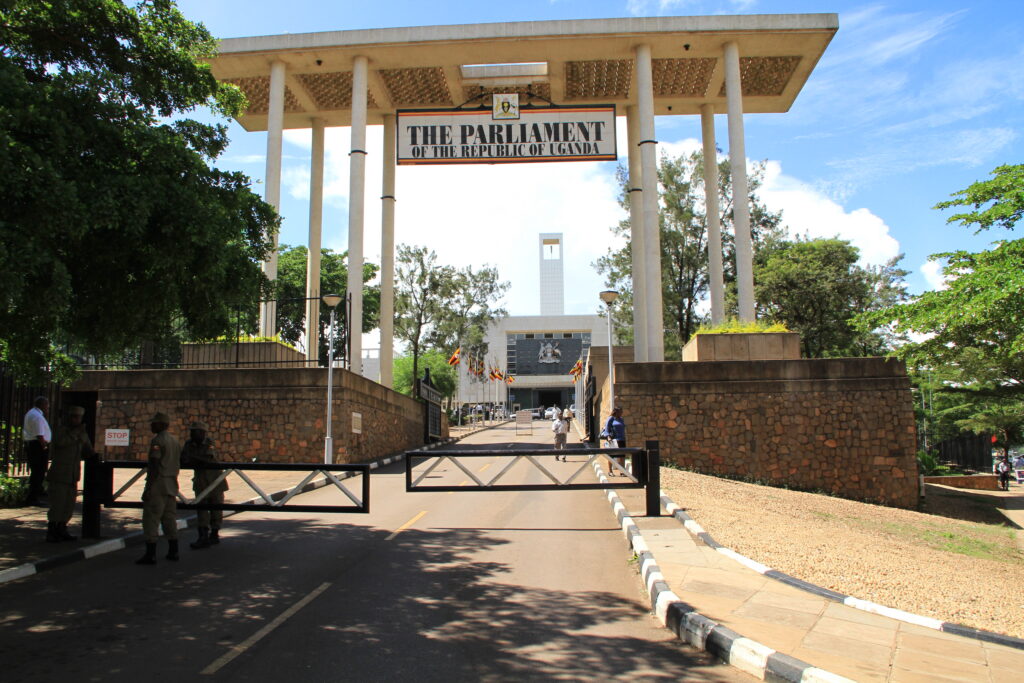
KAMPALA (7 APRIL)—A bill in Uganda that would establish a nationwide system of Sharia courts—known in Uganda as “Qadhis courts”—is sparking urgent international concerns over freedom of religion, as lawmakers push to fast-track its passage before Parliament dissolves on 24 April 2026.  

The Qadhis Courts Bill, formally published in Uganda’s Gazette at the end of February, would radically change the Ugandan court system. Under the bill, a parallel system of Sharia courts would have mandatory and exclusive jurisdiction over personal law matters such as marriage, divorce, custody, and inheritance for all Muslim marriages, as well as drawing in Christians and other non-Muslims in some circumstances. The bill is expected to be formally introduced and moved into committee imminently, with supporters pushing for its passage before 24 April 2026. 

The bill raises serious concerns that some Ugandans will be forced to adjudicate cases in a court system that does not recognize their faith or legal rights. 

“Uganda’s proposed Sharia courts bill would subject Christians and other non-Muslims to Islamic law, while undermining fundamental rights—especially for women, children, and religious converts.”

Uganda’s proposed Sharia courts bill would subject Christians and other non-Muslims to Islamic law, while undermining fundamental rights—especially for women, children, and religious converts,” said Kelsey Zorzi, Director of Advocacy for Global Religious Freedom at ADF International.  

The Ugandan Qadhis Courts Bill should not proceed within the Parliament, and it is imperative that both international and Ugandan actors oppose it. The proposed bill’s passage would represent a dangerous expansion of Sharia law into Sub-Saharan Africa at a time when Christian persecution is growing.

Restrictions on Conversion and Other Violations

Because the proposed Qadhis courts would apply Sharia law, which does not recognize conversion from Islam to another religion, Muslim individuals who seek to convert into Christianity or other religions would likely be prevented from doing so. 

“The right to choose and change your religion is firmly recognized in international law. Uganda would be in clear violation of international law should Sharia courts be established across the country given the severely problematic implications for religious conversion,” stated Zorzi. 

Further, the mandatory and exclusive nature of the Qadhis courts’ jurisdiction proposed by the bill would eliminate the ability of a Christian or other non-Muslim to seek justice in the civil court system when there is a family, custody, or inheritance dispute involving a Muslim who pursues a lawsuit within the Qadhis court system.  

Although the proposed bill allows decisions of the Qadhis courts to be appealed to the High Court of Uganda, it requires any such appeal to be heard by a Muslim judge and four Muslim scholars, with no further appeals available. 

Implications for Women and Girls

The mandatory application of Sharia law would legally disadvantage Christian women and girls. The experience of Nigeria highlights this issue. Despite Nigerian law mandating 18 years as the minimum age for marriage, many Sharia courts permit and recognize underage marriage. This has led to the kidnapping, forced conversions, and involuntary marriages of minor Christian girls in Nigeria. The proposed Ugandan Qadhis Courts Bill does not have any provisions addressing such conflicts of law, introducing immense uncertainty and few checks on the Qadhis courts.  

Additionally, under Sharia law, women do not have the same rights under the law as men. This different treatment impacts ultimate decisions concerning divorce and child custody, as well as the weight of a woman’s testimony in court.  

Bill Must Be Rejected to Protect Religious Freedom in Uganda

If the bill is passed, Uganda would not be the first African nation to have Sharia courts, however, the system proposed under Uganda’s Qadhis Courts Bill offers many less protections than similar systems. For instance, the Kenyan Sharia “Kadhis’” courts cannot exercise jurisdiction over non-Muslims, and the Kadhis’ courts are voluntary even for Muslims. Additionally, unlike Uganda’s proposed bill, decisions of Kenya’s Kadhis’ courts are appealable to the secular High Courts, with no special provisions about the High Court’s composition. The Kenyan Kadhis’ courts are also subject to non-discrimination rules for witnesses, to correct for Sharia law’s unequal treatment of the testimony of women and non-Muslims.  

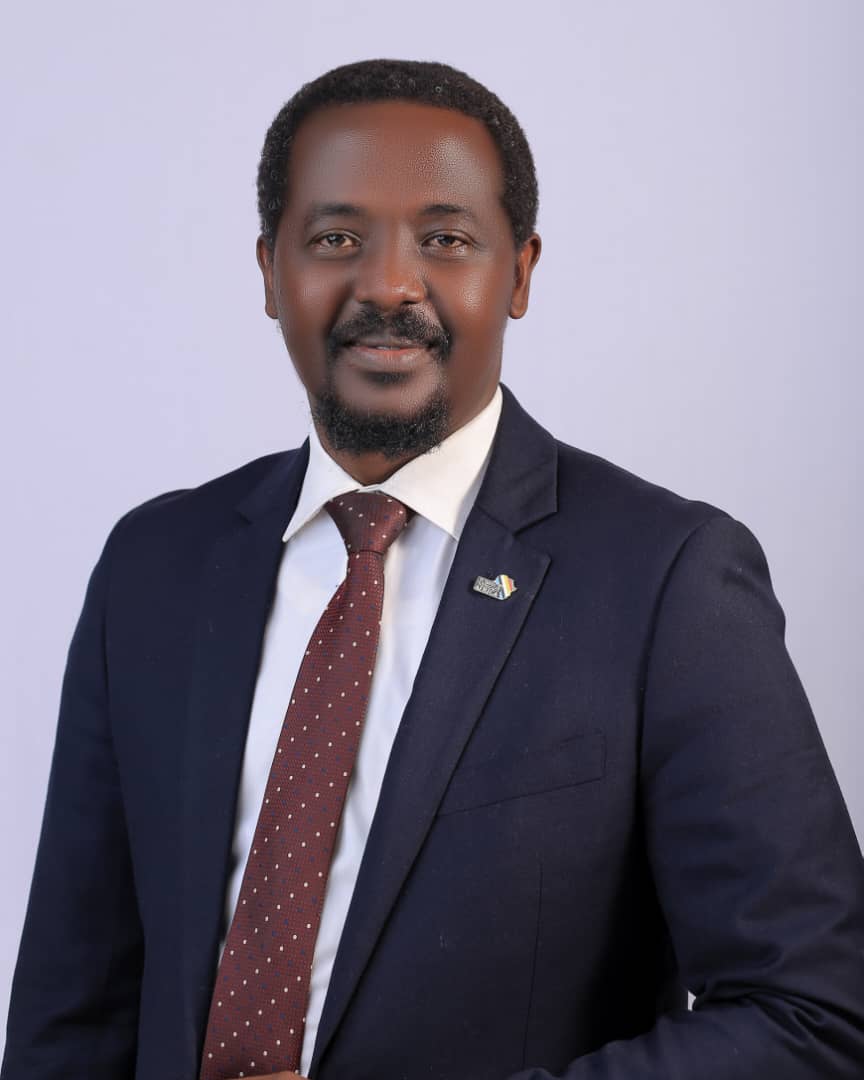
We are very concerned at the Qadhis Courts Bill, which will require Christians and other non-Muslims to appear before Sharia courts, and formally introduces religious law into our national law,” said Arthur Ayorekire, the Vice President of the Uganda Christian Lawyers’ Fraternity. We ask all Ugandans to speak out against the passage of the Qadhis Courts Bill. The bill is not necessary and will only lead to legal uncertainty, tensions between religious groups, and potentially will allow extremism to grab a hold in Uganda. 

The Uganda Qadhis Courts Bill, as proposed, would create a legal paradigm shift for Uganda and for Africa. The shift markedly increases the risk of religious freedom violations. 

ADF International urges Uganda’s parliamentarians to reject the proposed Qadhis Courts Bill and instead focus legislative efforts on protections that uphold freedom of religion and equal treatment under the law. 

Images for free use in print or online in relation to this story only
Religious Freedom Coalition Thanks President Trump for Designating Nigeria „Country of Particular Concern;” Proposes Next Steps to Protect Persecuted Christians“

  • In letter thanking President Trump, coalition of international religious freedom experts and faith leaders outlines key recommendations to respond to crisis facing persecuted Christians in Nigeria.

  • ADF International joins the call, urging continued U.S. leadership and global action to defend religious freedom in Nigeria and beyond.

WASHINGTON D.C. (November 13) — A coalition of 48 faith leaders and religious freedom experts has sent a letter to U.S. President Donald Trump, thanking him for his decisive action in designating Nigeria as a Country of Particular Concern (CPC)stating, “You saw the evidence, you listened to the cries of the persecuted, and you acted.”  

The letter urges continued United States’ leadership on international religious freedom. In it, signatories emphasize that swift action from the U.S. is indispensable as Christians in Nigeria continue to face relentless violence from terrorist groups. The letter reflects a unified commitment to four recommended key policy goals that Nigeria, following increased pressure from the U.S., should commit to if it is to be removed from the CPC designation: 1) increased security and reliable early warning systems for Christian communities, particularly in the Middle Belt where Fulani militant attacks are the worst; 2) swift prosecution for attackers; 3) facilitating the safe return of internally-displaced persons; and 4) repealing the country’s draconian Sharia blasphemy laws. 

The administration’s decision to redesignate Nigeria as a Country of Particular Concern is a momentous step forward for international religious freedom,said Sean Nelson, Senior Counsel for ADF International. “Christians and other vulnerable communities in Nigeria have endured unthinkable violence for far too long. While there is still much work ahead, this decisive action renews hope that real protection and accountability are on the horizon. The President’s commitment to Nigeria can serve as a model to protect persecuted Christians worldwide, as Christians are the most persecuted religious group globally.

“The administration’s decision to redesignate Nigeria as a Country of Particular Concern is a momentous step forward for international religious freedom. While there is still much work ahead, this decisive action renews hope that real protection and accountability are on the horizon. The President’s commitment to Nigeria can serve as a model to protect persecuted Christians worldwide, as Christians are the most persecuted religious group globally."

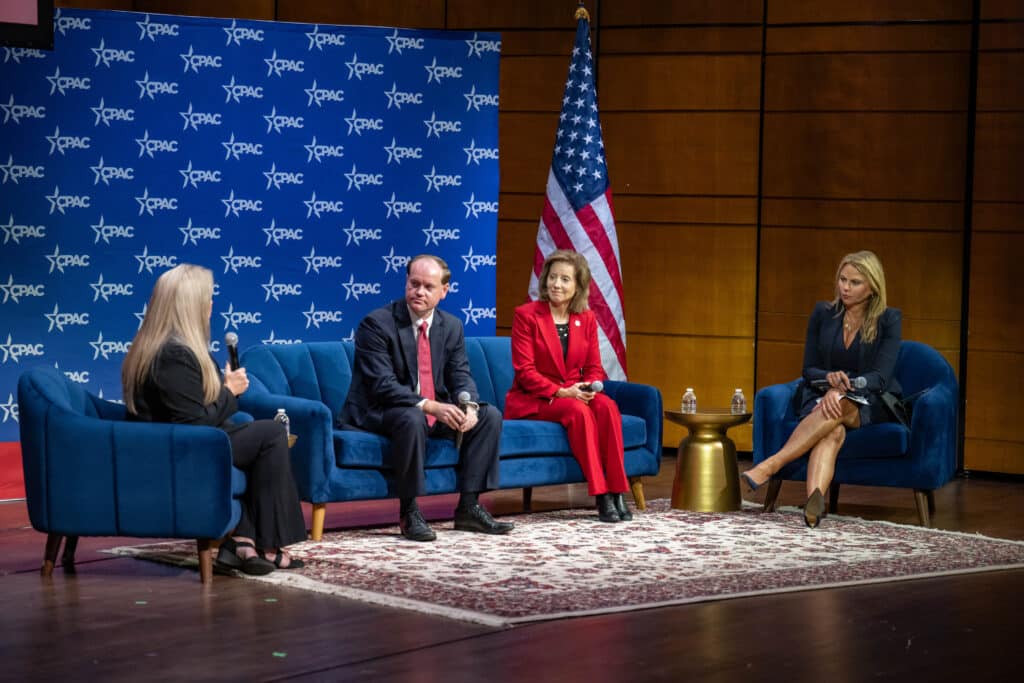
Signatories to the letter include top leaders in the movement to end global Christian persecution, including Alliance Defending Freedom President & CEO Kristen Waggoner, Matt and Mercedes Schlapp of the CPAC Foundation, former Congressman Frank Wolf, former Senior Advisor to the President on International Religious Freedom Sarah Makin, President of Family Research Council and former Chair of the U.S. Commission on International Religious Freedom Tony Perkins, President & CEO of Concerned Women for America Penny Nance, President & CEO of CatholicVote Kelsey Reinhardt, Director of the Hudson Institute’s Center for Religious Freedom Nina Shea, and many others. The letter was developed through the CPAC Christian Persecution Coalition. In addition to highlighting the crisis in Nigeria, the letter urges President Trump to „continue to make the defense of religious freedom internationally a core U.S. foreign policy priority” and to “continue and even elevate” the defense of persecuted Christians worldwide. 

We commend your recognition of the major threat and devastation facing Christians in Nigeria from radical Islamists and a government that has taken little action to protect them, as well as your clear-eyed statements placing all available Presidential actions on the table to ensure that action is taken soon, the letter reads.

Christian Persecution in Nigeria

Nigeria remains one of the most dangerous places in the world to be a Christian. In 2025 alone, more than 7,000 Christians have been killed for their faith, with an average of 35 murdered every single day. Since Boko Haram launched its insurgency in 2009, estimates indicate that between 50,000 and 100,000 Christians have lost their lives due to religiously motivated violence. 

The destruction of churches has become a defining feature of the crisis, with over 19,000 churches attacked or destroyed in recent years. In the central regions of Benue and Plateau States the situation has worsened dramatically, with more than 9,500 people, mostly Christians, killed between May 2023 and May 2025, and around 500,000 individuals newly displaced from their homes due to targeted attacks. 

The numbers we have seen in Nigeria are alarming. With the renewed CPC designation for Nigeria, we are hopeful that this will bring about real change. The letter to the president, which ADF International gladly has joined, acknowledges the horrors that Christians have faced for years and paints a picture of what a path toward protecting them and religious freedom for all can look like,” said Kelsey Zorzi, Director of Advocacy for ADF International.  

Advocacy for Nigeria’s Persecuted Christians

ADF International continues to advocate for Christians and other religious minorities who face severe persecution across Nigeria. The organization has supported multiple individuals targeted under blasphemy laws or attacked for their faith. 

One such case is that of Rhoda Jatau, a Christian mother imprisoned for 19 months after allegedly sharing a video condemning the brutal lynching of Christian college student Deborah Emmanuel Yakubu. With legal support from ADF International, Jatau was fully acquitted in December 2024, marking an important victory for justice and free expression. 

ADF International also backed the successful appeal of *David (name changed for security reasons)*, a Christian man who was wrongfully convicted and suffered torture after helping a convert escape violent threats. A Nigerian High Court ultimately overturned his conviction, acknowledging the injustices he endured. 

Today, ADF International continues its support for Yahaya Sharif-Aminu, a Sufi musician imprisoned for over five years after a WhatsApp message deemed blasphemous. Once sentenced to death, Sharif-Aminu is now awaiting his next hearing before the Supreme Court of Nigeria, and his case may be heard and decided in the coming months. Sharif-Aminu’s case has the potential to abolish Nigeria’s harsh blasphemy laws, which embolden mob violence and fuel the climate of hostility facing Christians and other vulnerable groups.

Global Advocacy for Persecuted Christians

The coalition letter underscores that the crisis in Nigeria reflects a broader global trend of growing hostility toward Christians. ADF International supports numerous cases across the world, advocating for the right to freely live out one’s faith. 

The letter states, “We see atrocities and grave violations being committed worldwide, from Nicaragua to the Democratic Republic of Congo and Sudan, from Algeria to Syria to China, and in so many other places.” In Nicaragua, ADF International has represented  Christian pastors punished for their faith. In Sudan, the organization has advocated for Christians targeted for conversion to the faith. The letter also highlights Algeria, where nearly every Protestant church has been closed by the government. Amid this crackdown, Pastor Youssef Ourahmane faces prosecution before the country’s Supreme Court for leading Christian worship, with a potential prison sentence.  

The letter also warns that even in democratic societies, Christians increasingly face pressure and punishment for expressing their beliefs. Cases like Päivi Räsänen in Finland and Adam Smith-Connor in the United Kingdom show how legal and social pressures are mounting against Christians, even in places where religious freedom is traditionally protected. 

The U.S. should stand as a beacon for the fundamental right to religious freedom and a voice for persecuted Christians globally, because if we do not stand, no one else will,” the letter concludes. “We ask that you continue to make the defense of religious freedom internationally a core U.S. foreign policy priority, and that you continue and even elevate your defense of persecuted Christians worldwide.” 

You are currently viewing a placeholder content from YouTube. To access the actual content, click the button below. Please note that doing so will share data with third-party providers.

More Information
Images for free use in print or online in relation to this story only

Victory for Religious Freedom: Nigerian High Court Strikes Down Wrongful Conviction of Christian Man Who Faced Torture 

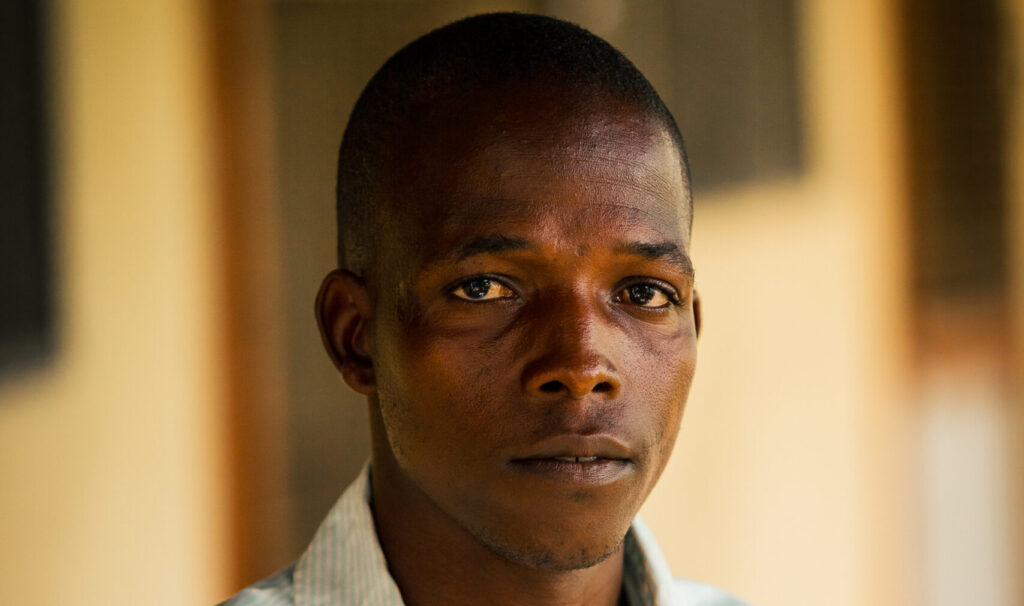
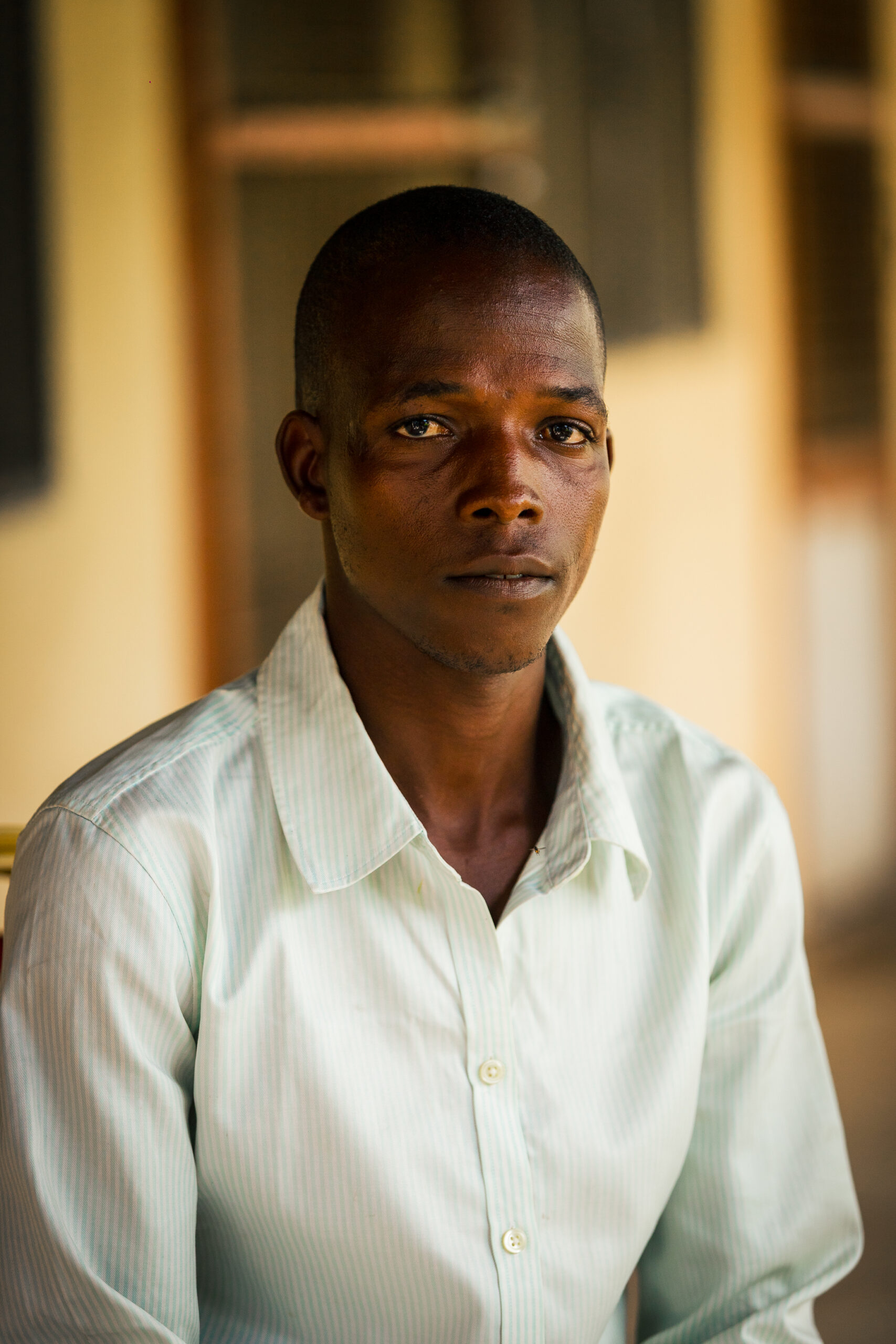
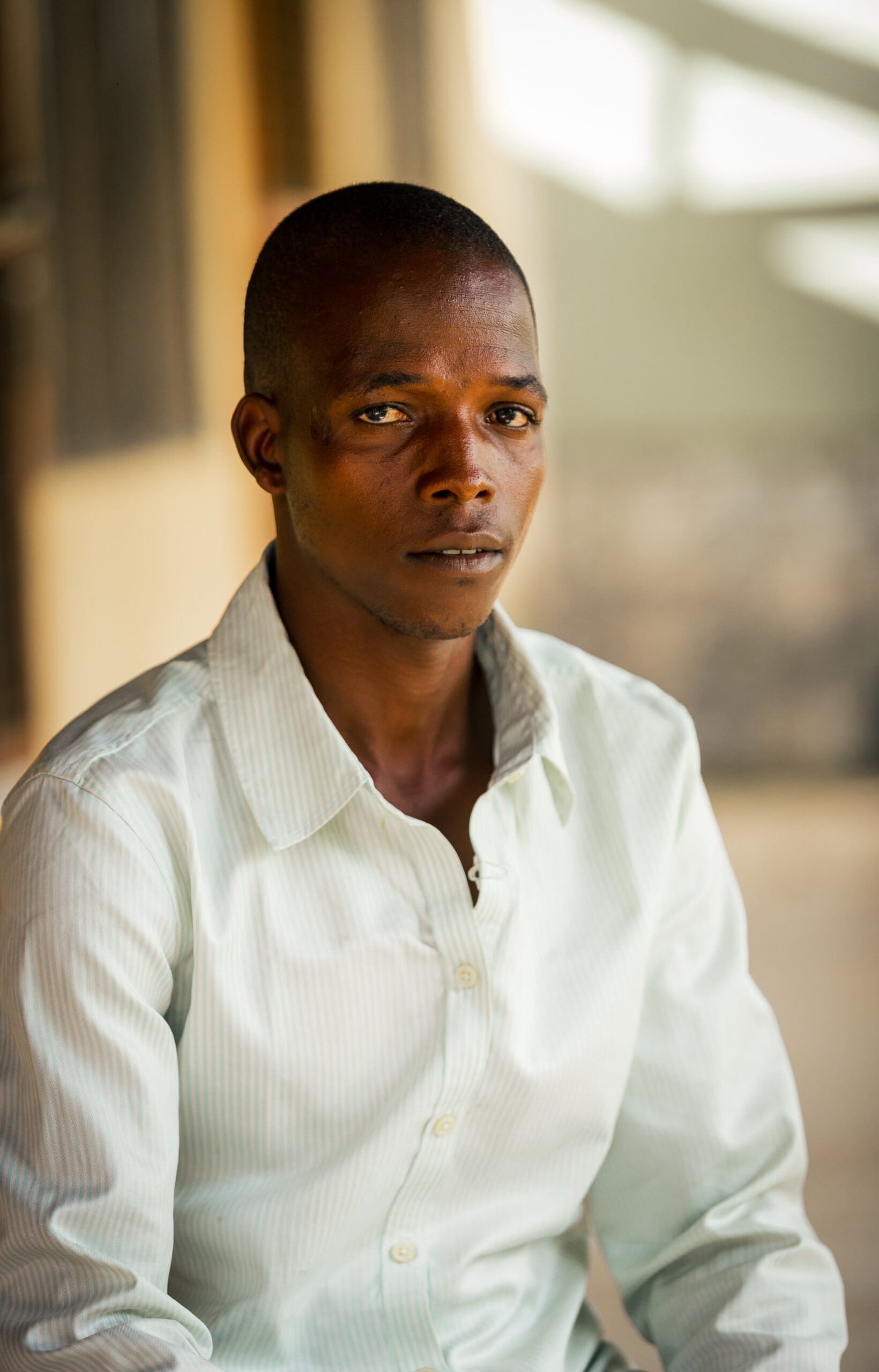
Nigerian Christian man David.
  • A High Court in Northern Nigeria has overturned the wrongful conviction of a Christian man who helped a persecuted convert escape violence in the country.
  • ADF International and allied lawyers provided legal support to David’s case and secured justice after a year-and-a-half of legal struggle.
Nigerian Christian man David.

NORTHERN NIGERIA (4 AUGUST 2025) – A Nigerian High Court has overturned the wrongful conviction of a Christian man, David*, who was tortured, imprisoned and fined after aiding two adult women converts who faced violent threats for converting to Christianity. David had been falsely accused of kidnapping and other crimes in early 2024 and convicted following a rushed three-day trial without legal representation.

This case is a powerful reminder of the urgent crisis facing Christians and other religious minorities in Nigeria. David was tortured, prosecuted, and imprisoned simply for helping a woman escape violence because of her faith. We welcome the court’s decision in this case and pray that others will never have to face what David went through. Protections for religious freedom must increase within Northern Nigeria.

“This case is a powerful reminder of the urgent crisis facing Christians and other religious minorities in Nigeria. David was tortured, prosecuted, and imprisoned simply for helping a woman escape violence because of her faith,” said Sean Nelson, legal counsel for global religious freedom at ADF International. “We welcome the court’s decision in this case and pray that others will never have to face what David went through. Protections for religious freedom must increase within Northern Nigeria.”

David was one of two Church leaders targeted for their role in helping two adult women, Adah* and Naomi*, safely relocate after they converted to Christianity and faced credible death threats from family and community members. After aiding their escape, David and another church leader, Ezekiel*, were unlawfully detained and tortured for weeks by militants before being handed over to police. While Pastor Ezekiel was released without charges after legal intervention, David was prosecuted and convicted on false kidnapping charges without legal representation in a three-day sham trial at a magistrate’s court and was sentenced to nine years’ imprisonment.

ADF International-supported lawyers intervened, securing his release on bail and appealing the conviction. In July, the High Court quashed the conviction entirely and ordered the return of the fine David had been forced to pay. The state did not appear in court to defend the original prosecution.

Christian Persecution in Nigeria

Tragically, cases like David’s are common in Nigeria. Christians in the country face widespread persecution and violence from terrorist groups like Boko Haram and Muslim Fulani militias, as well as from government laws and policies that severely restrict and punish religious freedom.

“Despite the persecution in my community, I know that I have everlasting life,” David said, citing John 3:16. “This is our encouragement. My community and I, in the Christian faith, rejoice on account of the assurance of the Word of God. This is our confidence and peace.”

In 2022, roughly 5,000 Christians were murdered for their faith in Nigeria – more than the number killed in all other countries combined. For 2023, one estimate put the number of Christians targeted and killed in Northern Nigeria at over 7,000.

Through strategic legal work and partnerships, ADF International supports clients like David across Nigeria’s national courts and through international mechanisms, aiming to bring immediate relief and promote respect for religious freedom. Efforts to raise awareness of religious persecution, including recent international legislative initiatives, highlight the ongoing challenges faced by vulnerable communities in Nigeria. Efforts like these have led to the release of many persecuted Christians like David, such as Rhoda Jatau, acquitted of blasphemy charges in December 2024.

ADF International remains committed to defending religious freedom and standing alongside those persecuted for their faith until justice and liberty are secured for all.

*Names changed for security reasons.

Images for free use in print or online in relation to this story only