Egyptian court fails to grant Easter holiday

  • Egyptian Christians currently are forced to choose between participating in Easter worship or facing serious civil, professional, and academic penalties 
  • Religious freedom advocates will appeal the rejection, with legal support from ADF International. 
  • The petition is part of movement to advance religious freedom in Egypt, removing barriers to worship in country with deep Christian heritage. 

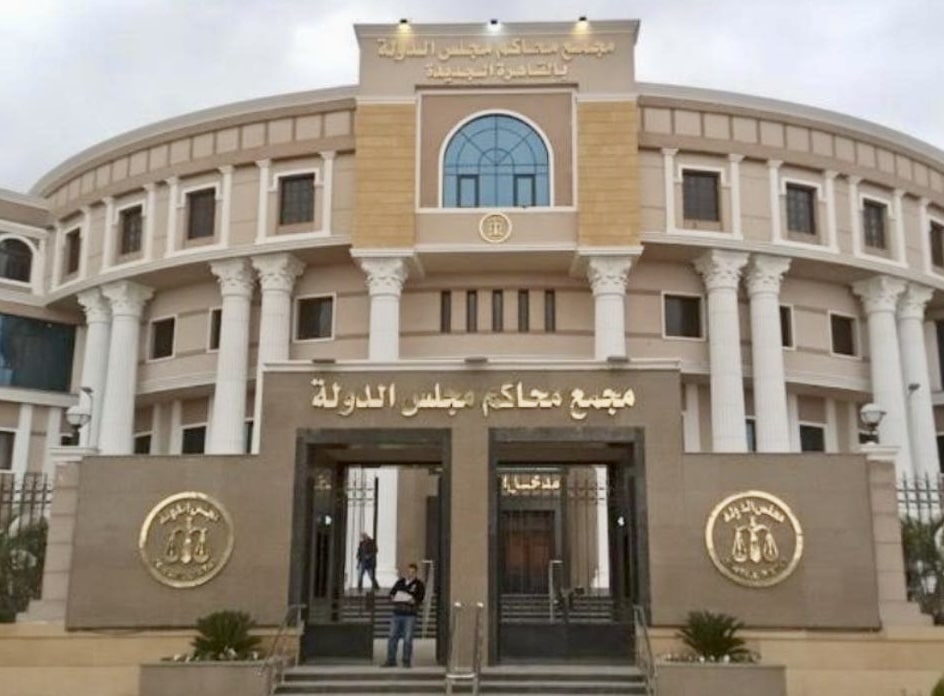
CAIRO (30 APRIL 2026) — An Egyptian court has declined to rule on a petition to establish Easter as a national holiday, indicating that the Prime Minister should instead determine the matter. Religious freedom advocates from across Christian denominations plan to appeal the decision, seeking to remove longstanding barriers to Christian observance of Easter.  

The failure to recognize Easter as an official holiday in the country leaves in place conditions that force Egyptian Christians to choose between participating in Easter worship or facing serious civil, professional, and academic penalties.  

The court rejected the petition on procedural grounds, stating that the petition falls under the jurisdiction of the Prime Minister, not the court. 

Because Sunday is a regular working day in Egypt, Christians who observe Easter are often unable to meet work and school obligations, and thus face penalties as a result. These include loss of pay, discrimination in the workplace, and academic consequences for absences—conditions that significantly restrict the ability of Egyptian Christians to freely practice their faith.

“At a time when many Christian communities in the region face severe persecution and even erasure, this decision leaves in place barriers that prevent Christians from freely observing the holiest day of their faith. We urge Egypt to take meaningful steps to ensure that the rights of Christians are recognized and protected."

The Court’s decision leaves Christians in Egypt unable to worship freely and without fear of penalty or discrimination on the most sacred day of their faith. This is about far more than the recognition of a holiday—it is about the denial of a legal right to worship for Christians who already face ongoing and severe religious persecution,” said Kelsey Zorzi, ADF International’s Director of Advocacy for Global Religious Freedom.  

Egypt has been a cradle of Christianity since the first century, with the Coptic Church tracing its origins to the Apostle Mark in Alexandria. At a time when many Christian communities in the region face severe persecution and even erasure, this decision leaves in place barriers that prevent Christians from freely observing the holiest day of their faith. We urge Egypt to take meaningful steps to ensure that the rights of Christians are recognized and protected,” stated Zorzi. 

While Egypt has taken steps in recent months to expand accommodations for Christian worship, those measures remain limited in scope and unevenly applied. A December decision by the Ministry of Manpower granting leave to Christian private-sector workers did not extend to the public sector and created disparities among Christian denominations by granting more paid leave days to Coptic Christians than Evangelicals or Catholics. 

The Court’s ruling leaves these gaps unaddressed, failing to provide consistent protection across sectors and communities. ADF International will support the appeal of the ruling, seeking to overturn the decision and secure recognition of Easter as a public holiday. 

Long-awaited recognition of the right to worship remains unmet amidst widespread persecution

Egypt is home to one of the world’s oldest Christian communities, and Christians make up a significant portion of the population alongside the Muslim majority. In this context, recognition of Easter Sunday would not have created new or numerous religious observances, but rather corrected a longstanding inequality affecting one of the country’s two primary religious communities on the most important day of its calendar. 

The decision comes against the backdrop of broader religious freedom challenges facing Christians in Egypt, including the use of blasphemy laws to prosecute individuals for expressing or defending their faith and the refusal of the State to formally recognize the religion of Christian converts on their official documents. Earlier this month, the U.S. Commission on International Religious Freedom recommended Egypt for placement on the U.S. State Department’s Special Watch List due to the government’s perpetration or toleration of severe violations of religious freedom. 

Egypt’s blasphemy laws are often used to unjustly prosecute Christians for actions or statements deemed offensive to the dominant religion. Penalties range from hefty fines to prison sentences. Most recently, a young Coptic Christian researcher and YouTuber, Augustinos Samaan, was arrested under Egypt’s blasphemy laws and later sentenced to five years’ imprisonment and hard labor for content he posted online defending his Christian faith. Dozens of similar cases have recently been filed in criminal courts in the country. 

In another case, a Christian father was imprisoned for three years for his activity in a Facebook group discussing conversion from Islam to Christianity. ADF International has supported his legal defense and joined religious freedom leaders from the international community in demanding his release. Abdulbaqi was freed in January 2025 and has been safely reunited with his family. His case remains open before the State Security authorities. 

By declining to remove barriers to Easter observance, the Court’s decision leaves Christians in Egypt unable to freely worship on the holiest day of their faith. 

Religious freedom includes the ability to live out one’s faith in practice and in community—not only in private belief. The Court refused an opportunity to ensure that Egypt’s Christian community can fully observe the holiest day of their faith without penalty,” Zorzi added. 

Images for free use in print or online in relation to this story only

Nach Ablehnung durch Premierminister: ägyptische Christen reichen Petition ein, um Ostersonntag als gesetzlichen Feiertag anzuerkennen

Christian persecution in Egypt
  • Erste Anhörung in Fall zur offiziellen Anerkennung von Ostern eröffnet neue Möglichkeit für Ägypten, den Schutz der Glaubensfreiheit voranzubringen, da die Antragsteller die Aufhebung der Verpflichtung für Millionen von Christen, am Ostersonntag zu arbeiten oder zur Schule zu gehen, anstreben.

  • ADF International unterstützt die Petition zum Schutz des Rechts ägyptischer Christen, an Ostern in der Wiege des Christentums ihren Glauben auszuüben.
Christian persecution in Egypt

KAIRO — 13. OKTOBER. Ein Verwaltungsgericht in Ägypten hat am Wochenende eine Klage verhandelt, die sich gegen die Entscheidung des Premierministers richtet, eine Petition zur Anerkennung des Ostersonntags als gesetzlichen Feiertag zurückzuweisen. Die Petition, die von Anwälten und Bürgern verschiedener religiöser Hintergründe eingereicht und von ADF International unterstützt wurde, fordert die Regierung auf, den Ostersonntag – einen der wichtigsten und meistgefeierten Tage im christlichen Kalender – als gesetzlichen Feiertag anzuerkennen. Der Fall wird nun an die Staatskommissarsbehörde weitergeleitet, die die Angelegenheit am 17. Januar 2026 prüfen wird.

Ägypten ist seit Jahrhunderten Heimat einer der ältesten christlichen Gemeinschaften der Welt, die auch heute noch über zehn Prozent der Bevölkerung ausmacht. Trotz der geschätzten 10 Millionen Christen im Land ist der Ostersonntag derzeit kein anerkannter Feiertag. Da der Sonntag in Ägypten ein normaler Arbeitstag ist und nicht zum Wochenende zählt, müssen viele Christen am Ostersonntag arbeiten oder zur Schule gehen.

„Diese Petition stellt eine wichtige Gelegenheit dar, das Recht der Christen auf freie Glaubensausübung in Ägypten zu stärken. Für Millionen ägyptischer Christen würde die Anerkennung des Ostersonntags als Feiertag bedeuten, einen der heiligsten Tage ihres Glaubens vollständig begehen zu können, ohne zwischen Arbeit, Schule und ihrer religiösen Praxis wählen zu müssen.“

“Seit Jahren muss ich am Ostersonntag arbeiten. Mir wurde die Möglichkeit verwehrt, in die Kirche zu gehen und mit meiner Familie zu feiern“, berichtete ein Mitarbeiter des ägyptischen Ministeriums für Hochschulbildung.

Selbst wenn Ausnahmeregelungen beantragt werden, werden sie oft abgelehnt. Ein christlicher Anwalt in Kairo erklärte: “Ich musste am Ostersonntag vor Gericht erscheinen. Der Richter lehnte eine Terminverschiebung ab. Ich habe den Gottesdienst und meine Familientraditionen verpasst.“

Andere religiöse Feiertage, darunter das orthodoxe Weihnachtsfest und muslimische Feiertage, sind bereits offiziell anerkannt. Die fehlende Anerkennung des Ostersonntags zwingt Christen dazu, zwischen ihrem Glauben und ihren beruflichen oder schulischen Pflichten zu wählen.

Diese Petition stellt eine wichtige Gelegenheit dar, das Recht der Christen auf freie Glaubensausübung Ägypten zu stärken”, sagte Kelsey Zorzi, Direktorin der Rechtsabteilung für weltweite Religionsfreiheit bei ADF International. “Für Millionen ägyptischer Christen würde die Anerkennung des Ostersonntags als Feiertag bedeuten, einen der heiligsten Tage ihres Glaubens vollständig begehen zu können, ohne zwischen Arbeit, Schule und ihrer religiösen Praxis wählen zu müssen.“

Die Petition verweist sowohl auf verfassungsrechtliche Grundlagen Ägyptens, insbesondere die in den Artikeln 53 und 64 verankerten Garantien der Glaubensfreiheit und Gleichbehandlung, als auch auf internationale Verpflichtungen des Landes, darunter den Internationalen Pakt über bürgerliche und politische Rechte und das Übereinkommen Nr. 111 der Internationalen Arbeitsorganisation (ILO), das Diskriminierung aufgrund der Religion im Arbeitsleben verbietet. Die Anerkennung des Ostersonntags als Feiertag hat in Ägypten historische Wurzeln: Bereits während der Monarchie wurde Ostern offiziell als heiliger Tag begangen. Die Antragsteller betonen, dass mehrere andere Länder im Nahen Osten Ostern bereits anerkennen – und dass eine ähnliche Entscheidung in Ägypten ein wichtiges Signal für mehr Glaubensfreiheit in der Region wäre.

“Die Anerkennung des Ostersonntags als Feiertag ist entscheidend, da sie ein erhebliches Hindernis für Millionen ägyptischer Christen beseitigen würde, die derzeit zwischen ihrem Glauben und ihrer Arbeit oder Ausbildung wählen müssen“, erklärte Haytham Ereifej, Anwalt und Vertreter von ADF International im Nahen Osten. “Diese Änderung schützt ihre verfassungs- und völkerrechtlich garantierten Rechte und sorgt dafür, dass Gleichbehandlung und Glaubensfreiheit in ganz Ägypten geachtet werden.“

ADF International unterstützt diese Initiative und wird sich auch weiterhin in Ägypten und weltweit für den Schutz der Glaubensfreiheit einsetzen.

Hintergrund

ADF International arbeitet daran, die Glaubensfreiheit für Christen und andere Glaubensgemeinschaften in Ägypten zu stärken. Gemeinsam mit lokalen Partnern und internationalen Organisationen, setzt sich ADF International dafür ein, dass alle Ägypter ihren Glauben frei wählen, bekennen und leben können. Diese Rechte stimmen mit der ägyptischen Verfassung überein, die Diskriminierung aus religiösen Gründen ausdrücklich verbietet, und stehen im Einklang mit den internationalen Verpflichtungen, die Ägypten in zahlreichen Abkommen übernommen hat.

Die Petition, die auf die Anerkennung des Ostersonntags als nationalen Feiertag abzielt, ist Teil einer umfassenderen gesellschaftlichen Initiative, die von ADF International unterstützt wird. Sie verfolgt das Ziel, in Ägypten eine Kultur der echten religiösen Gleichstellung zu schaffen, in der alle Bürger ihren Glauben frei und ohne Benachteiligung oder Einschränkung ausüben können.

Bilder zur kostenlosen Verwendung in Print- oder Online-Medien ausschließlich im Zusammenhang mit dieser Geschichte

Christian Convert From Islam Freed After Imprisonment Over Facebook Posts

  • Contributor to Facebook group for Christian converts from Islam has been freed after over three years in detention 
  • Abdulbaqi Saeed Abdo, father of 5, withstood severe conditions – and period of hunger strike – before being released from prison this month, with support from ADF International

CAIRO (2 February 2025) – The father of 5 imprisoned for participating in a private Facebook group about converting to Christianity from Islam has been freed from detention after 3 years – but his case remains open.

Abdulbaqi Saeed Abdo, originally from Yemen, was part of a Christian Facebook group that discussed Islamic theology and apologetics. In 2021, Abdo was arrested while he was living as a UNHCR-registered asylum seeker in Egypt. He had originally fled to Egypt because he faced death threats in Yemen after converting to Christianity.  

"It isn’t right that a government should tear me away from my family, keep me in these awful conditions, only because of the faith in which I peacefully choose to believe."

He was moved between several detention centers throughout his three years of imprisonment, even undergoing a hunger strike within his final six months in an act of desperation. The husband and father of five suffered from poor health in relation to his heart, liver, and kidneys. 

“I endured many hardships in prison. It isn’t right that a government should tear me away from my family, keep me in these awful conditions, only because of the faith in which I peacefully choose to believe. 

„I thank everyone who prayed for me while I was in prison, cared about and followed up on my case, and shared the joy of my release from prison,” commented Abdo upon his release. 

Abdo’s son, Husam Baqi, added: 

„It is hideous that individuals are not allowed to believe and express their beliefs freely and are imprisoned or killed for their faith.“

"This case shows the extremity of unchecked government censorship in the online age."

Abdo continues to fight his open legal battle with support from ADF International, who helped secure his release by submitting his case to the UN Working Group on Arbitrary Detention. 

A Global Trend of Online Censorship

Commenting on the case, Kelsey Zorzi, Director of Advocacy for Religious Freedom for ADF International, said: 

“The arbitrary detention of this husband and father without a criminal trial, and the lack of an opportunity for him to defend himself against alleged offenses, constitutes a severe violation of human rights. 

„The peaceful expression of one’s religious convictions cannot be a crime – not in Egypt, nor anywhere else in the world. This case shows the extremity of unchecked government censorship in the online age. The world must take note.” 

Support from around the World

While Abdo sufered in prison, Ayaan Hirsi Ali, research fellow at Stanford University’s Hoover Institution, described his unfair treatment as “grotesque”. 

„The imprisonment of Yemeni refugee Abdulbaqi Saeed Abdo at the hands of Egyptian authorities is a surreal example of censorial blasphemy policies in action,“ she said.  

Previously a prominent atheist, Ali announced in November that she was converting to Christianity. Because of her outspoken rhetoric against the Muslim Brotherhood, she faces constant death threats.  

„This is the logical conclusion to a trend that empowers authorities to brutalize innocent people for free expression on social media. From China to Pakistan, from Russia to Syria, from the UK to Egypt—free speech must urgently be defended from our age’s resurgent Stalinism,” she added.

Images for free use in print or online in relation to this story only

PICTURED: Abdulbaqi Saeed Abdo; Kelsey Zorzi, ADF International

Religious freedom advocates congratulate Rubio on nomination to lead US State Department, call for greater focus on religious prisoners of conscience

  • 60 leaders and organizations, including ADF International, Jubilee Campaign USA, Global Christian Relief, congratulate Senator Marco Rubio on Secretary of State nomination 
  • Religious freedom advocates ask Rubio to continue his tireless advocacy for the persecuted worldwide, in particular for religious prisoners of conscience, and secure religious freedom as a foreign policy priority.  
  • ADF International supporting legal defence of the persecuted across the globe, including in Nigeria and Egypt.   

WASHINGTON, DC (19 December 2024) ADF International, along with participants of the International Religious Freedom (IRF) Roundtable, an informal coalition of organizations, religious and secular leaders, advocates, and scholars dedicated to the protection of religious freedom, today sent a letter to Senator Marco Rubio to congratulate him on his nomination to Secretary of State and press for him to prioritize advocacy for religious prisoners of conscience.  

In the letter, the religious freedom advocates thank Sen. Rubio for his work to promote religious freedom abroad and secure the release of prisoners of conscience, including those imprisoned for their faith or beliefs. The advocates ask that, if confirmed, Rubio would continue to make support for religious prisoners of conscience a priority in U.S. foreign policy: “If confirmed as Secretary of State, we ask that you use your platform to give an even greater voice to those who languish hidden away behind bars only because of their faith or beliefs. We ask that you use all available tools to ensure that those unjustly imprisoned for their faith around the world are freed. We know that advocacy for the unjustly imprisoned has been a personal priority for you, and we are confident that, through your leadership, it will be a foreign policy priority of the United States.” 

Sean Nelson, legal counsel for ADF International and letter signatory, stated:  

“We congratulate Senator Rubio, a true friend and advocate for the voiceless across the globe, on his nomination for Secretary of State. Across the globe, many are unjustly punished for living out and expressing their faith. If confirmed, we are hopeful that under Senator Rubio’s leadership, there will be renewed pressure on religious freedom violators and justice for the persecuted.”  

ADF International coordinated the organization of the letter. A full list of signatories and text of the letter can be read HERE. ADF International also supported another letter sent today expressing gratitude for Sen. Rubio’s leadership on IRF issues throughout his career. 

Sie sehen gerade einen Platzhalterinhalt von YouTube. Um auf den eigentlichen Inhalt zuzugreifen, klicken Sie auf die Schaltfläche unten. Bitte beachten Sie, dass dabei Daten an Drittanbieter weitergegeben werden.

Mehr Informationen

Background 

The letter highlights several critical instances of religious persecution, including the cases of Yahaya Sharif-Aminu (Nigeria) and Abdulbaqi Saeed Abdo and Nour Girgis (Egypt). 

In Nigeria, Yahaya Sharif-Aminu was sentenced to death by hanging in 2020 for sharing allegedly “blasphemous” song lyrics in a closed WhatsApp group. He is currently awaiting appeal at the Nigerian Supreme Court with the legal support of ADF International.  

In Egypt, Nour Girgis and Abdulbaqi Saeed Abdo, both Christian, have been held in pre-trial detention for over two years. They were arrested in 2021 for their involvement with a Facebook page that is dedicated to supporting people who have converted from Islam to Christianity. Authorities arrested the men after discovering their affiliation with the page, spuriously linking their involvement with terrorism activities.    

ADF International is pursuing international action to advocate for their urgent release following a letter from Abdo to his family where he vowed to commence a hunger strike due to the injustice he has endured.  

Images for free use in print or online in relation to this story only.