UN Expert: Vilification of Parents Protecting Children From Gender Transition is “Disturbing” 

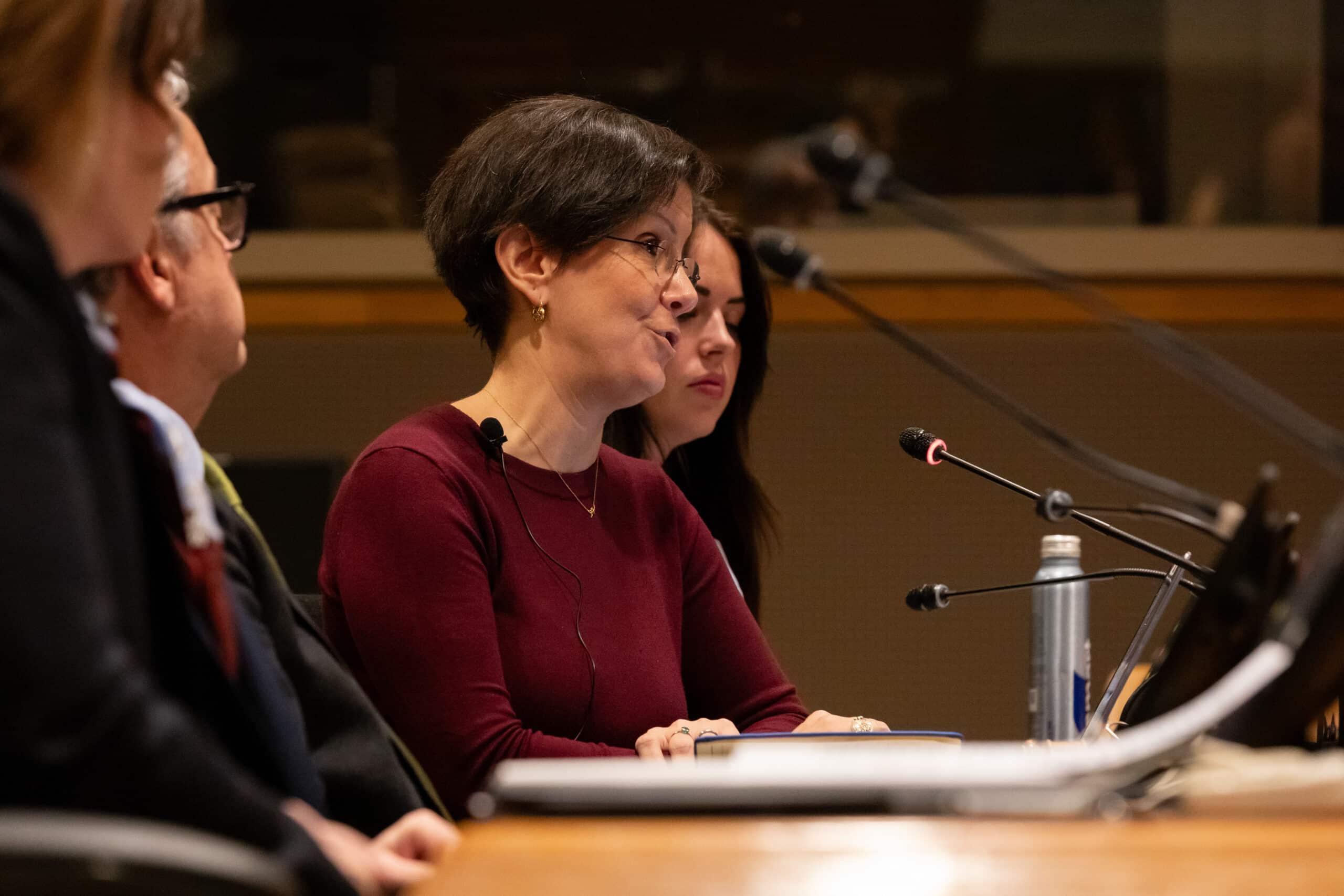
Reem Alsalem, UN Special Rapporteur on Violence against Women and Girls
  • Reem Alsalem, UN Special Rapporteur on Violence Against Women & Girls, speaks up for parents who have been left “vilified, ostracised or even separated from their children” because of their concerns about child “transition”
     
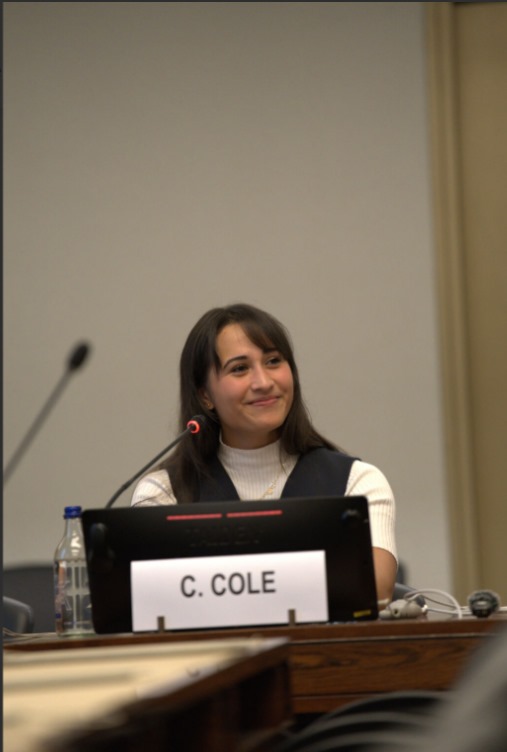
  • UN Expert joined by detransitioner Chloe Cole, urging governments to empower parents to protect children from life-altering medical interventions

GENEVA (8 September 2025) – The UN Expert on Violence Against Women and Girls, Reem Alsalem, has issued a moving appeal to governments to end the vilification of parents who protect their children from “gender transition” procedures. 

Speaking via video, Alsalem warned against the “dangerous narrative” that children can make fully informed adult-level decisions about their health. “Parents and legal guardians must be part of these processes from the very beginning. Yet, in many countries, parents who do not want to endorse a ‘gender-affirmative’ approach to their children’s distress have too often been left unsupported at best, or vilified, ostracized, or even separated from their children. This is very disturbing…” she said.  

"...parents who do not want to endorse a ‘gender-affirmative’ approach to their children’s distress have too often been... vilified, ostracized, or even separated from their children."

Addressing a panel coordinated by ADF International at the UN Human Rights Council in Geneva, Alsalem was joined by detransitioner and campaigner Chloe Cole, who urged global leaders to strengthen the role of parents and shield children from harmful medical interventions and ideological pressures. 

“I appeal to you: we must ensure these failures are never again repeated and that childhood is truly protected as the fragile and yet beautiful part of life that it is,” said Cole, who underwent gender transition procedures as a teenager before detransitioning. 

An Appeal to Empower Parents

Cole, a detransitioner and youth activist from California, described undergoing medical interventionsincluding puberty blockers and testosterone starting at age 13, and a double mastectomy at 15before her body and brain were fully developed. 

“My mom and dad have always advocated fiercely for my safety and health, but were not empowered to fulfill their irreplaceable role as guardians of my well-being. On the contrary, their protective instincts were undermined by systems and professionals who claimed expertise but withheld the truth. They stood no chance when doctors gave them the false ultimatum of choosing between losing a daughter to suicide or having a living ‘son’,” Cole told State and UN representatives gathered at the Human Rights Council in Geneva. 

Cole’s testimony was featured as part of a UN Human Rights Council side event titled “Empowering Parents to Protect Children’s Health and Well-being,” co-hosted by the Permanent Mission of Hungary to the UN in Geneva and ADF International, with sponsorship from the Permanent Missions of The Gambia, Algeria, Argentina, Qatar, Vaunatu, and Uzbekistan; as well as Non-Governmental Organisations including Juristes pour l’Enfance, Asociacion la Familia Importa, Latter Day Saints Charities, the Center for Fundamental Rights, and The Heritage Foundation. 

Adding to the call, Giorgio Mazzoli, Director of UN Advocacy at ADF International, reminded participants that international law recognizes the family as the “fundamental group unit of society»:

«The family must not be viewed as a competitor to the State, nor parents as obstacles to children’s rights. They are the children’s first and best guardians—entrusted by nature and recognized by law.»

Mazzoli called on governments to implement policies that respect parental guidance in education, healthcare, and identity-related decisions, ensuring that children receive care in the context of loving, informed families. 

The panel also included Dr. Fanni Lajkó of Hungary’s Center for Fundamental Rights, who highlighted Hungary’s best practices for strengthening families, including reduced household costs, subsidized home loans, and generous child-raising allowances.  

Images for free use in print or online in relation to this story only

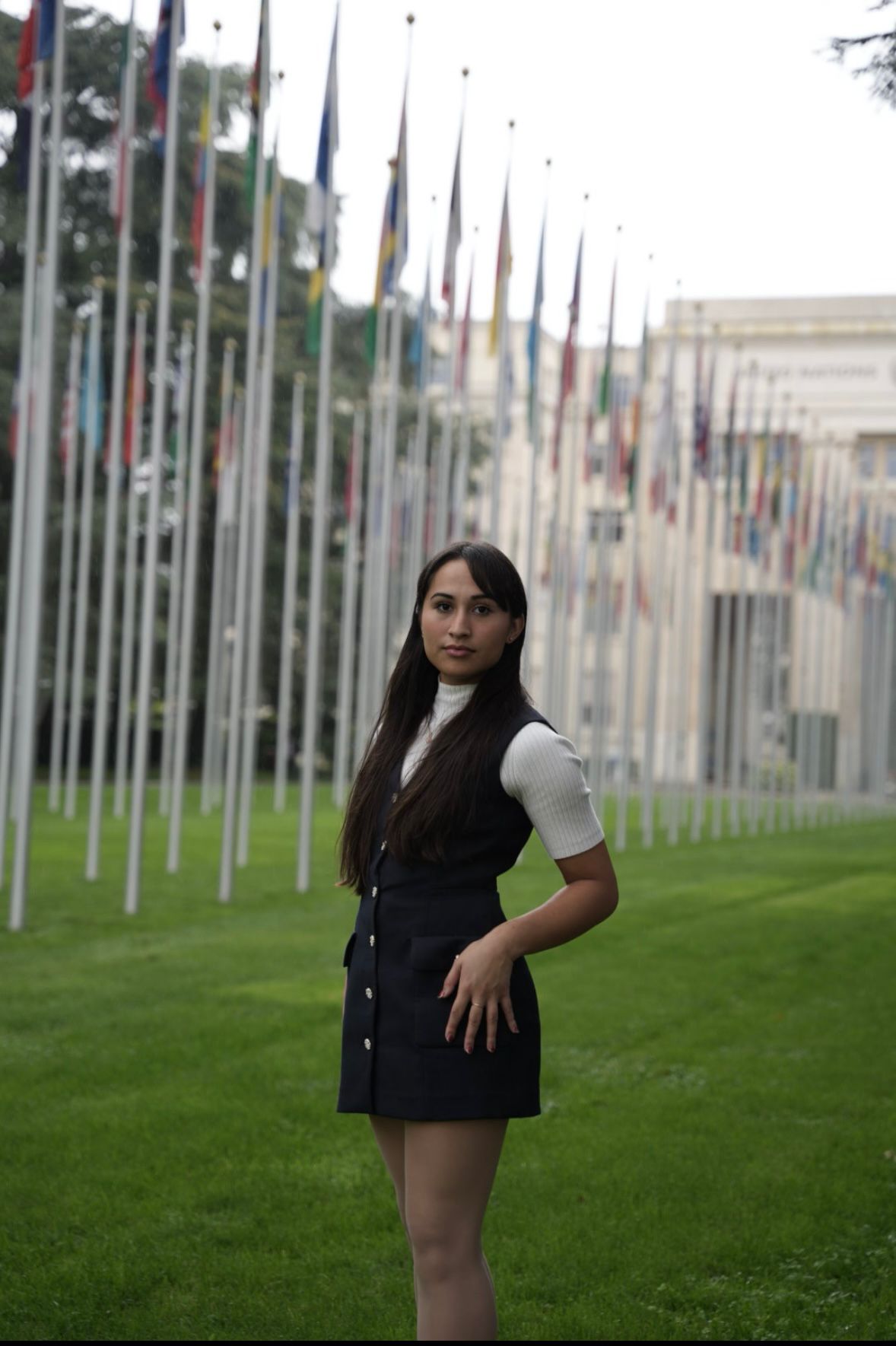
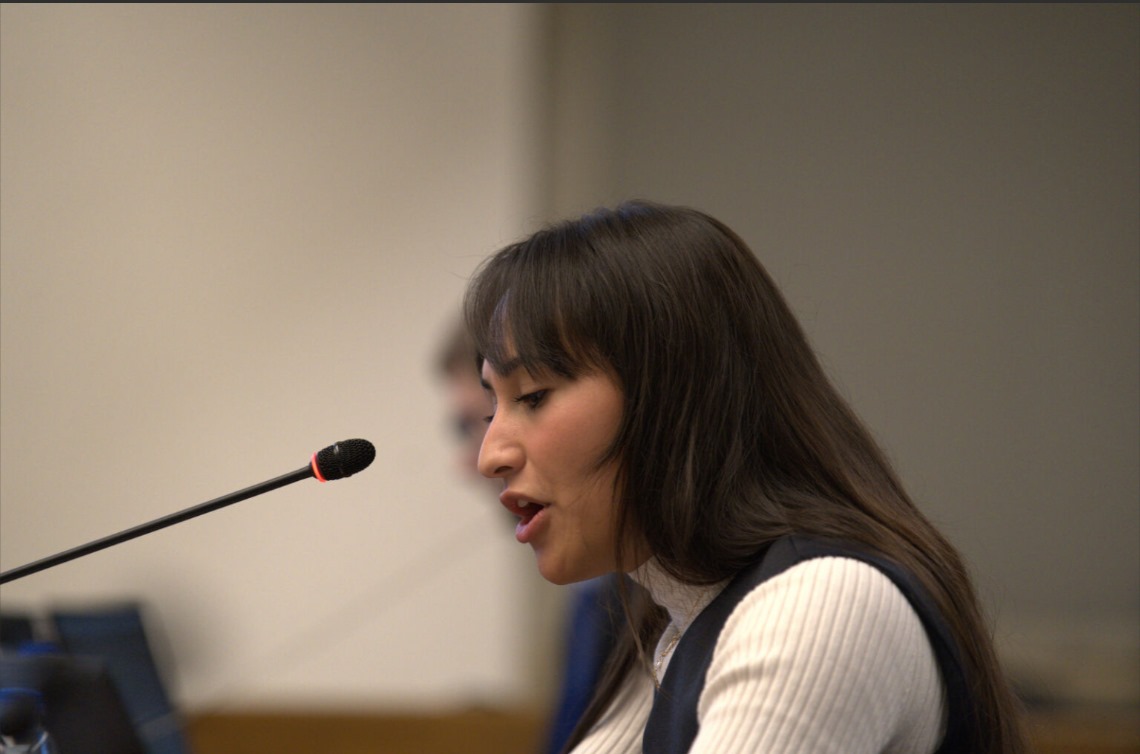
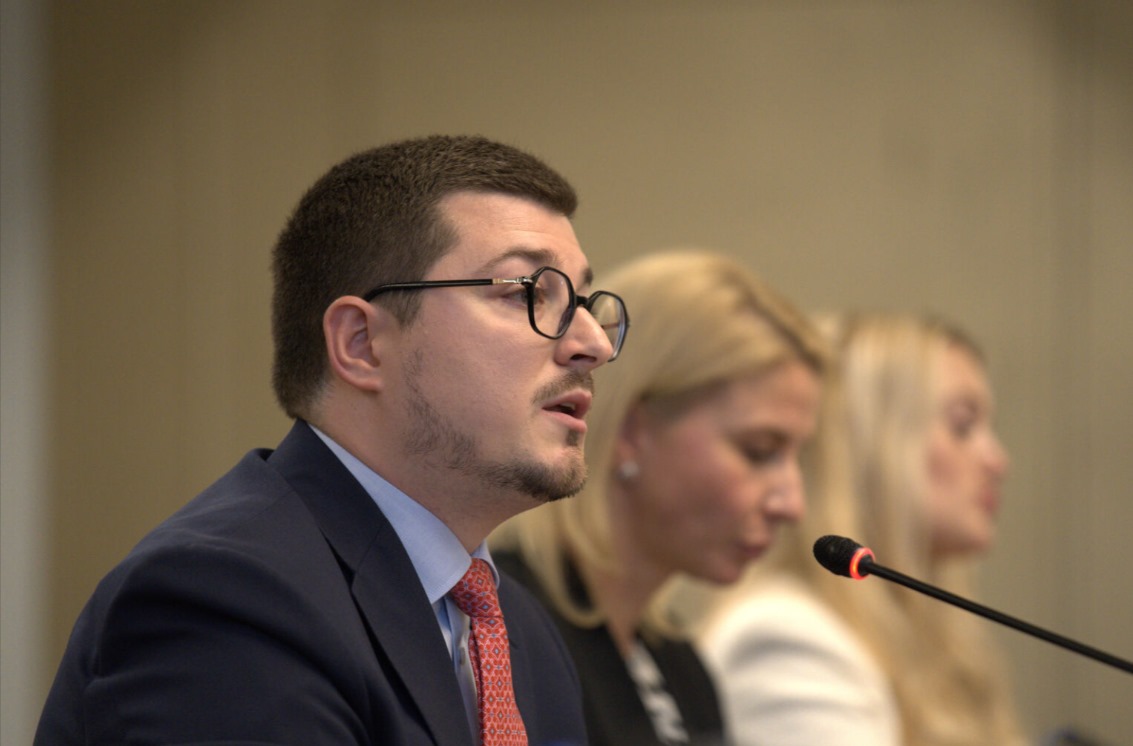
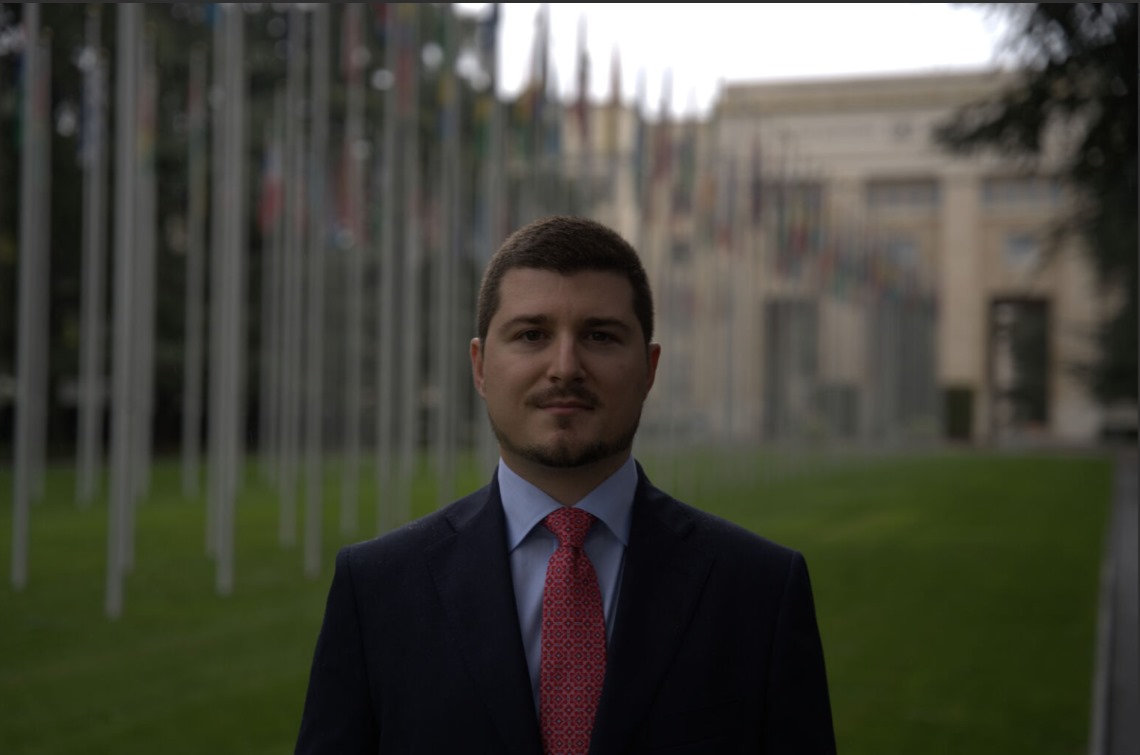
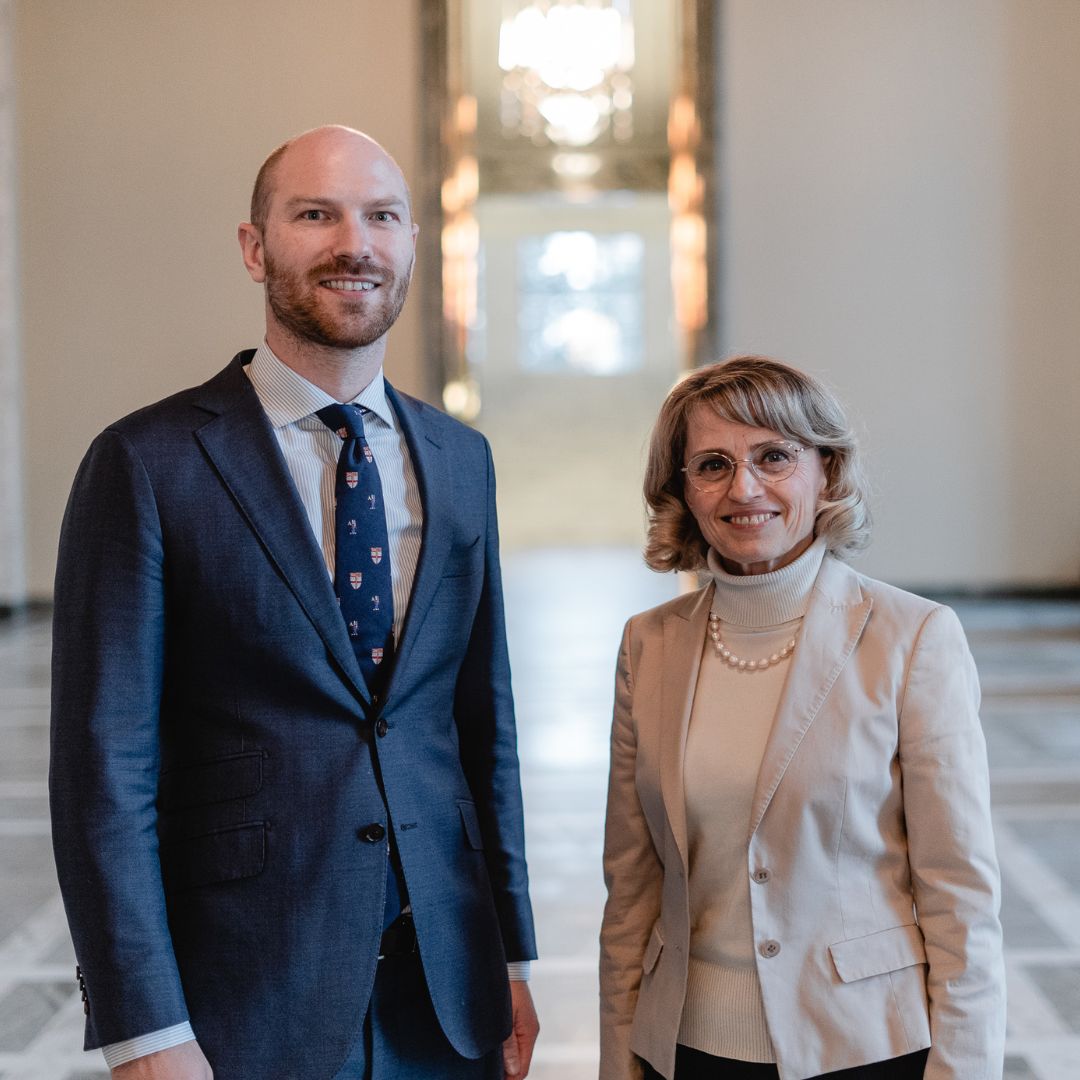
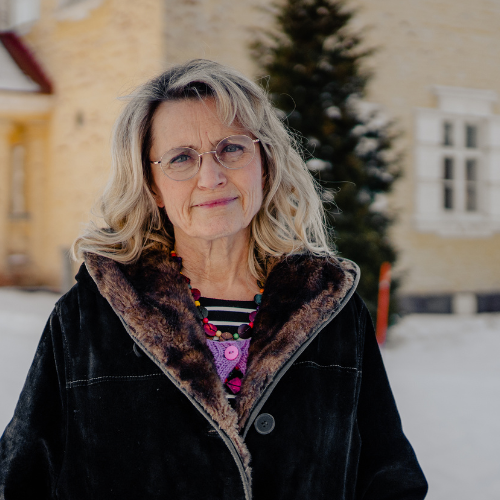
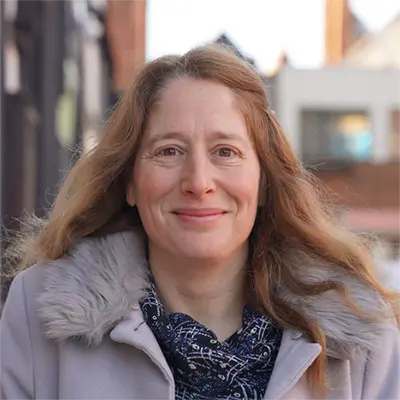
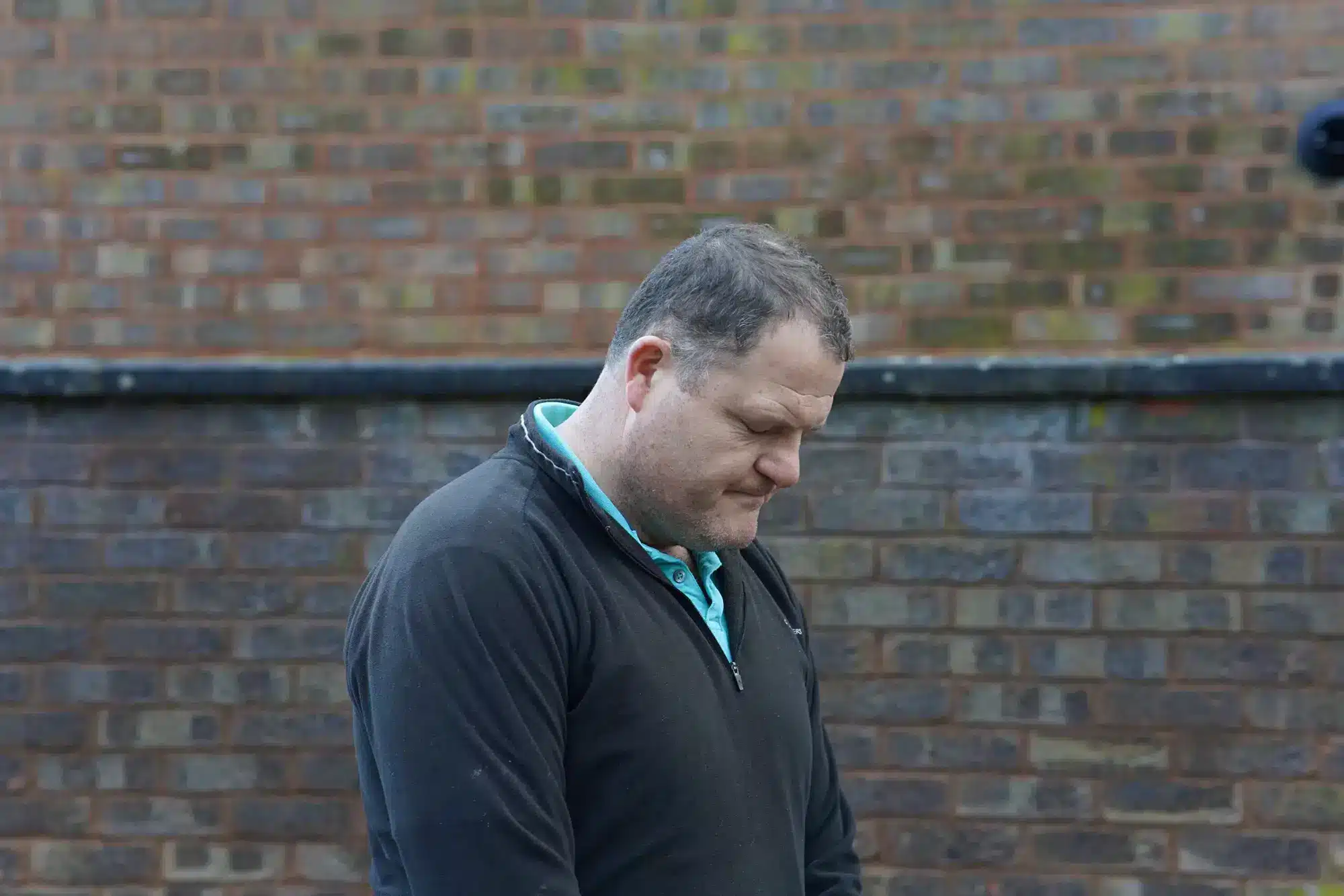
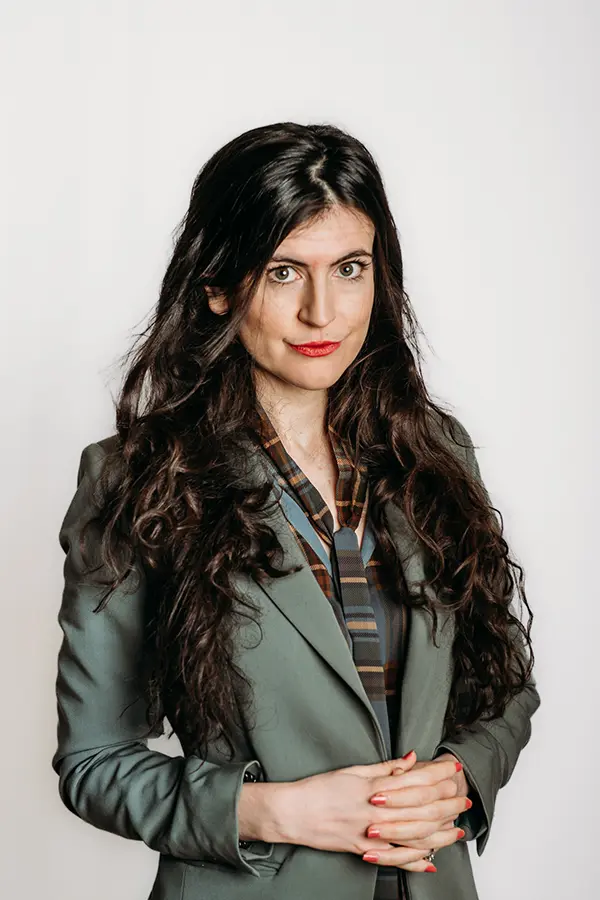
Pictured: Reem Alsalem; Chloe Cole; Giorgio Mazzoli

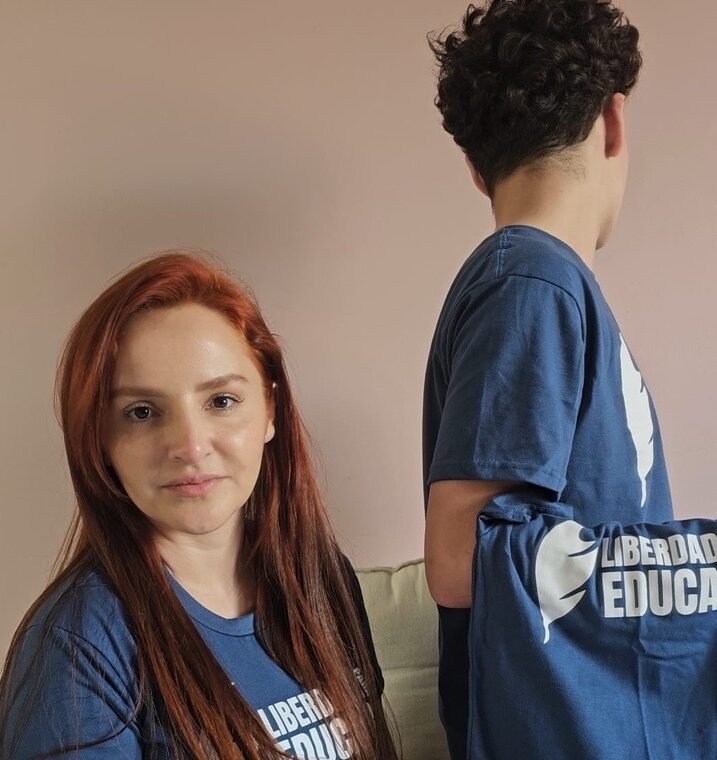
Brazilian Mother Denied Right to Homeschool Despite International Law 

Regiane Cichelero wants to homeschool her son.
    • Brazilian state court ruled against Regiane Cichelero, a mother who sought to homeschool her son. 
        
    • ADF International decries the decision as a violation of international human rights law protecting parental rights in education.
Regiane Cichelero wants to homeschool her son.

Santa Catarina, BRAZIL (September 4, 2025) — The highest court in the state of Santa Catarina denied the right of Brazilian mother Regiane Cichelero to homeschool her son, ruling that he must be enrolled in an officially accredited school. The decision also upholds financial penalties against her, totaling around $20,000 USD. Regiane will appeal the decision and bring the case to the highest court in the nation. 

“This decision is a disappointing setback for parental rights in Brazil. International human rights law is clear: parents have the right to choose the kind of education their children receive. By deciding that Regiane cannot homeschool her son, the court has not only failed her family but also undermined protections for all parents across Brazil"

“This decision is a disappointing setback for parental rights in Brazil,” said Julio Pohl, legal counsel for Latin America at ADF International, which coordinated Cichelero’s legal defense. “International human rights law is clear: parents have the right to choose the kind of education their children receive. By deciding that Regiane cannot homeschool her son, the court has not only failed her family but also undermined protections for all parents across Brazil.” 

Cichelero began homeschooling her son in 2020 after schools closed during the COVID-19 pandemic. When schools reopened, she chose to continue home education, believing it to be the best way to provide quality instruction consistent with her family’s religious values. 

In response, local authorities fined her heavily and threatened to remove her son from her custody if she did not comply with state schooling mandates. With today’s ruling, the court has rejected her appeal and imposed compulsory school enrollment. 

Background

Over 70,000 children are currently homeschooled in Brazil. International human rights law protects the rights of parents to make choices concerning the type of education their children receive. 

Article 26.3 of the Universal Declaration of Human Rights states that “parents have a prior right to choose the kind of education that shall be given to their children.” In addition, Article 13 of the International Covenant on Economic, Social and Cultural Rights requires states to respect the right of parents “to choose for their children schools, other than those established by the public authorities, which conform to such minimum educational standards as may be laid down or approved by the State and to ensure the religious and moral education of their children in conformity with their own convictions.” 

Following today’s decision, Cichelero said: “It is heartbreaking to be told that I cannot provide my son with the education I know is best for him. The state’s decision not only punishes me with heavy fines but also strip me of the ability to raise my child according to my convictions. No parent should have to fear punishment for choosing the best education for their child.” 

Images for free use in print or online in relation to this story only

European Legal Expert to U.S. Congress: “Protect Free Speech from European Censorship”

    • International free speech expert warns U.S. lawmakers that Europe’s Digital Services Act (DSA) threatens American free speech and risks establishing a worldwide online censorship regime.
    • ADF International is committed to challenging violations of free speech resulting from the DSA and building critical momentum to repeal or substantially reform this censorial framework.

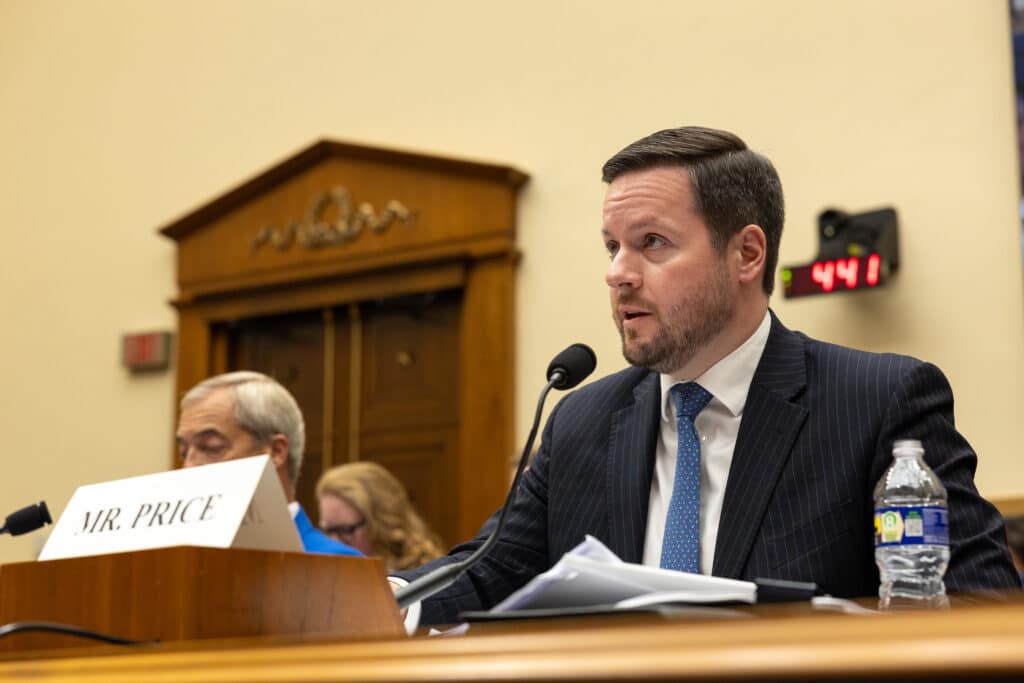
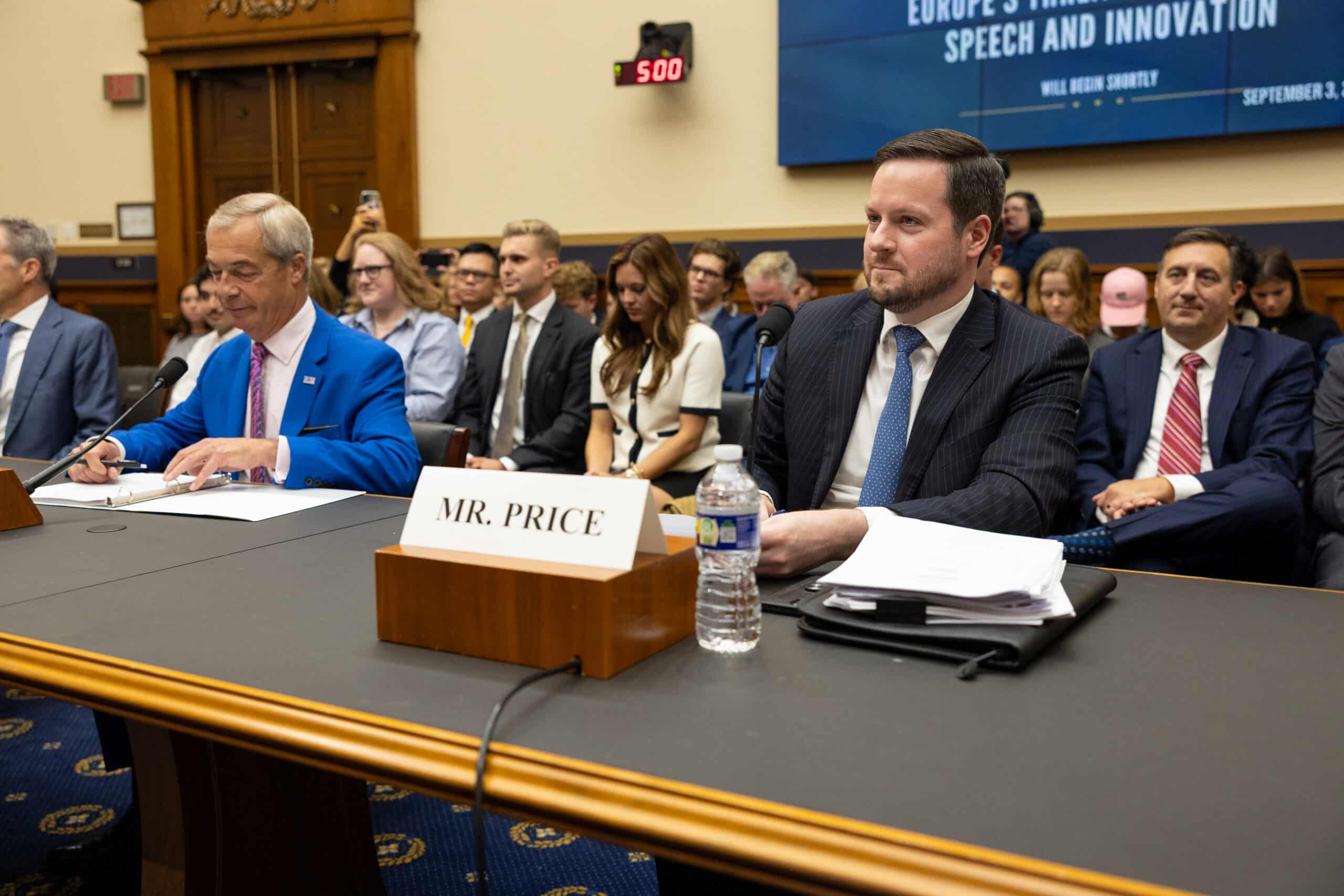
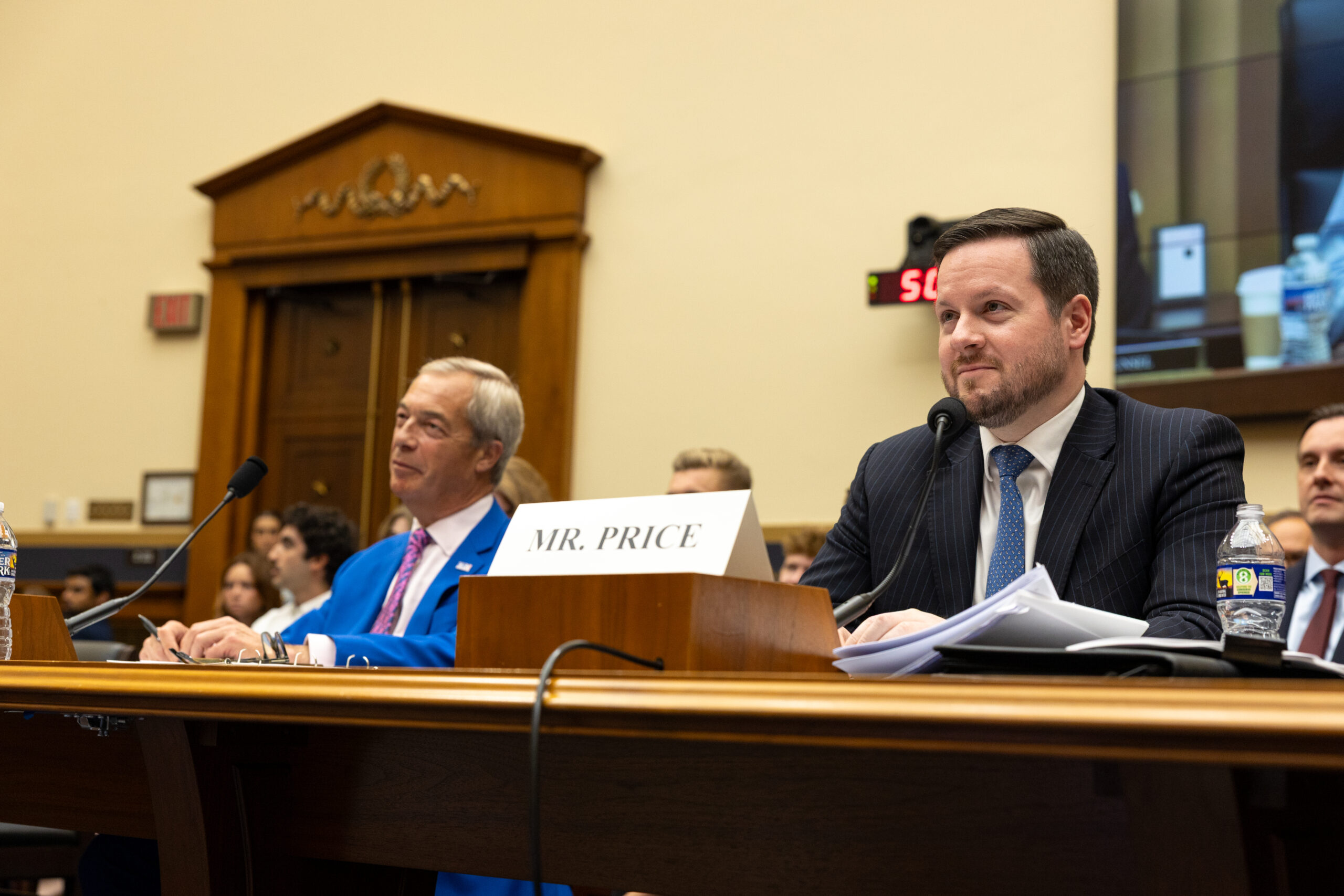
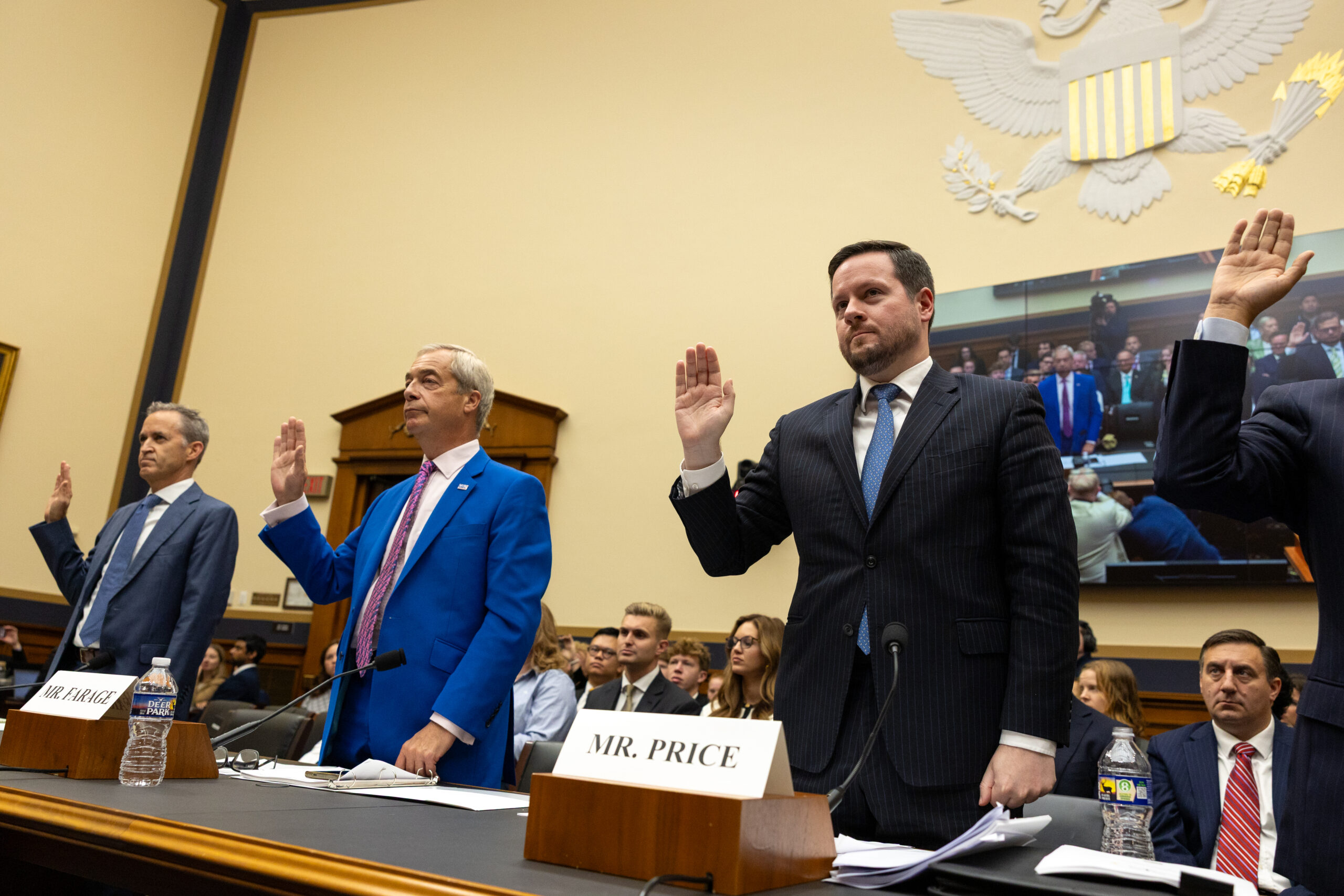
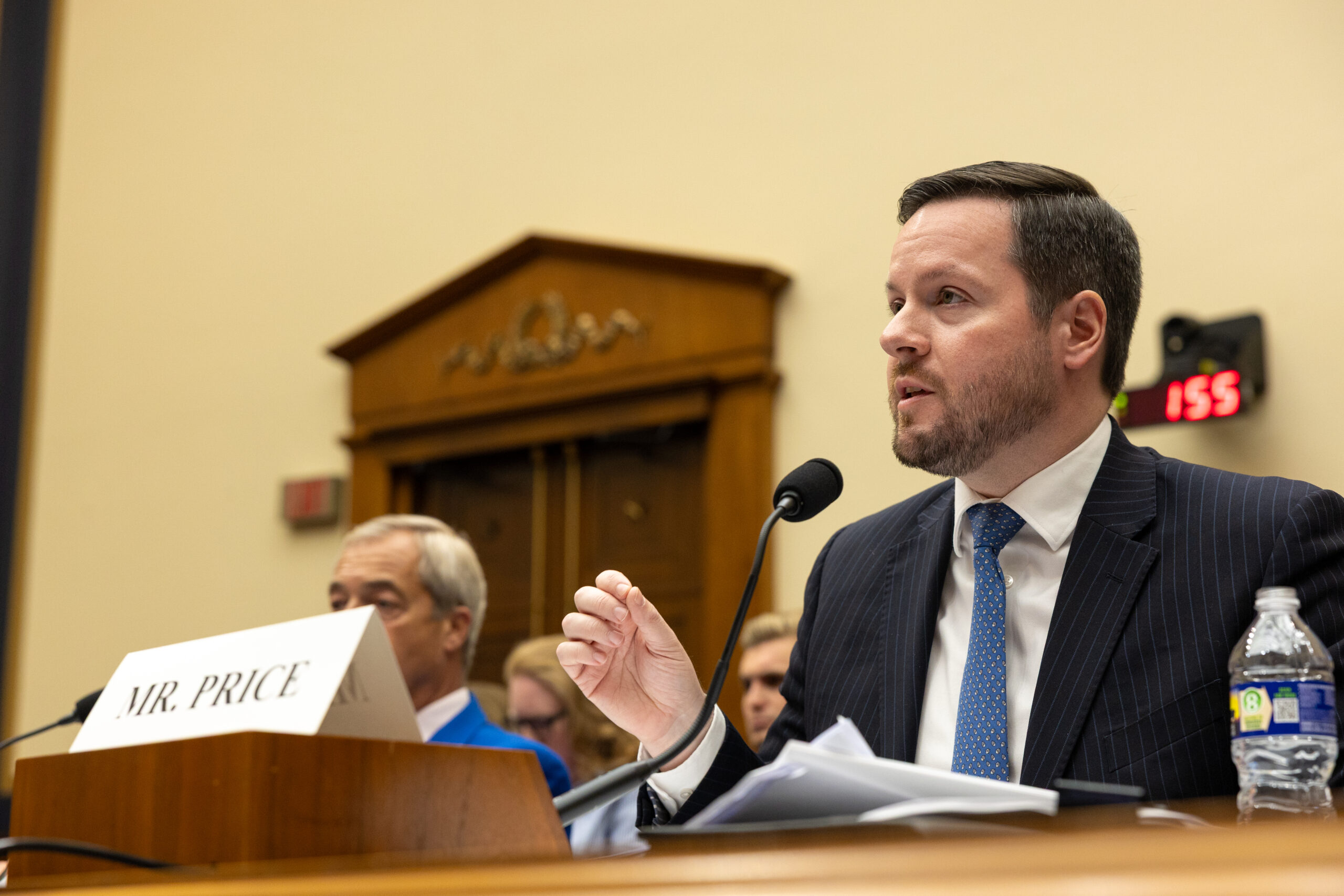
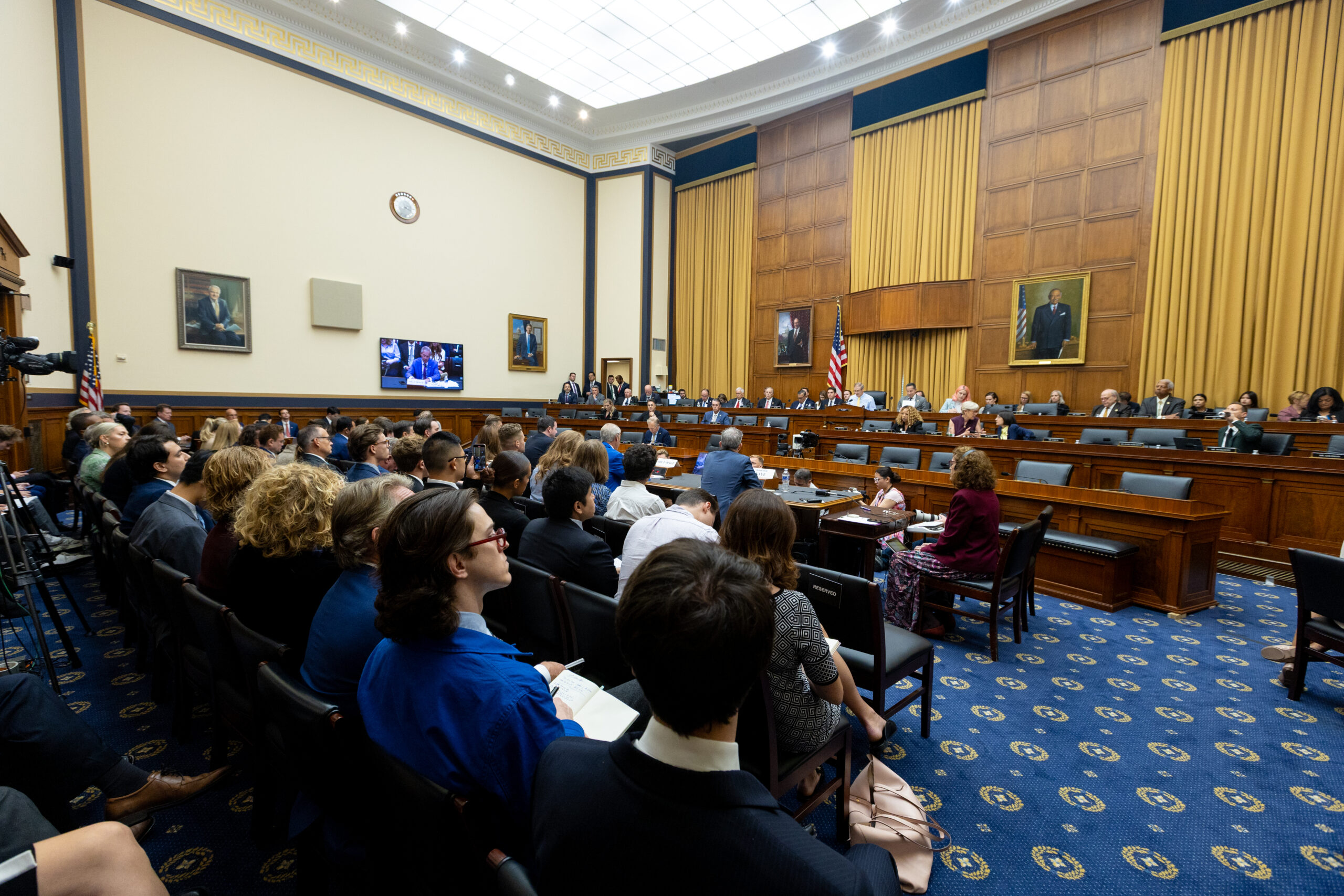
WASHINGTON, D.C. – In a testimony before Congress, Lorcán Price, Legal Counsel with ADF International and an Irish barrister, warned that Europe’s Digital Services Act (DSA) threatens free speech far beyond the EU. Speaking before the House Judiciary Committee, chaired by Rep. Jim Jordan (R-OH), he said the law could force large online platforms to censor peaceful expression, putting free speech at risk in America and worldwide.

“What is happening in Europe is as Vice President Vance said in Munich, a ‘serious retreat from a fundamental value’- free speech,” Price said in his testimony. “It’s a sign that our European political elite has lost control of the narrative, and the Digital Services Act is part of a system of censorship in an increasing, desperate attempt to control narratives and suppress growing public discontent.”

“What is happening in Europe is as Vice President Vance said in Munich, a ‘serious retreat from a fundamental value’ - free speech. It’s a sign that our European political elite has lost control of the narrative, and the Digital Services Act is part of a system of censorship in an increasing, desperate attempt to control narratives and suppress growing public discontent."

The hearing comes at a critical moment as concern grows over free speech in Europe and recent pushback from the Trump administration against European online censorship. One year ago, while campaigning for president, Trump himself was threatened with censorship under the DSA leading up to an X interview with Elon Musk.

The hearing at the U.S. Congress takes place just months before the European Commission’s first DSA review in November 2025, yet the almost no details on the process or who will be involved.

In his testimony, Price warned that without oversight, the DSA’s broad powers could become entrenched and exported worldwide, influencing how tech companies control speech far beyond Europe.

Price warned that Europe’s growing offenses against free speech could easily enter the US under the DSA’s provisions. He cited a string of censorship attempts in Europe, including the case of Paivi Rasanen, a Finnish Parliamentarian who has endured over six years of prosecution for tweeting a Bible verse. MP Nigel Farage also testified at the hearing.
“Under the DSA, what happens in Europe won’t stay in Europe,” Price said. “The internet is global. If American policymakers don’t push back against the DSA model, the same speech restrictions now emerging in Europe will be imported here.»

What is the Digital Services Act?

The European Union’s Digital Services Act (DSA) was passed in 2022 and came into full effect in 2025, introducing sweeping regulations on online platforms. While presented as a framework for online safety, it gives the European Commission, the EU’s top executive arm, broad power to oversee what content remains online on very large platforms.

On July 1, 2025, the DSA’s “Code of Conduct on Disinformation” went into effect. The code requires platforms to monitor content and swiftly remove anything deemed as “disinformation” under EU law. The law also relies on “trusted flaggers,” including NGOs and regulators, while the Commission maintains oversight of the entire system. Platforms can face fines of up to 6% of their global revenue if they fail to comply, creating strong incentives for broad preemptive censorship of users.

Although the DSA is an EU law, its reach is global. Because these large online platforms operate worldwide, anyone, anywhere, faces the risk of having their content blocked or removed to comply with the DSA. This includes Americans, whose online posts could be censored even if protected under U.S. constitutional law.

ADF International has been at the forefront of sounding the alarm about this sweeping legislation, pushing back against online censorship and defending the fundamental right to free expression.

Images for free use in print or online in relation to this story only.

‘Hate Speech’ Case Over Bible Tweet Dragged Into 7th Year as Finnish Supreme Court Sets Hearing Date for 30th October 

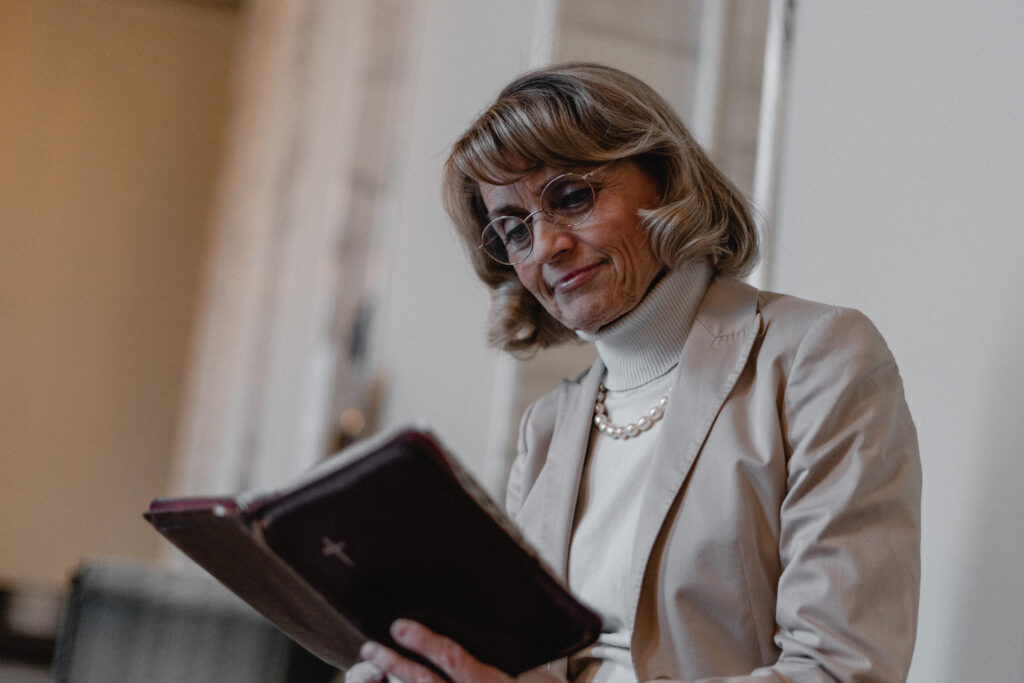
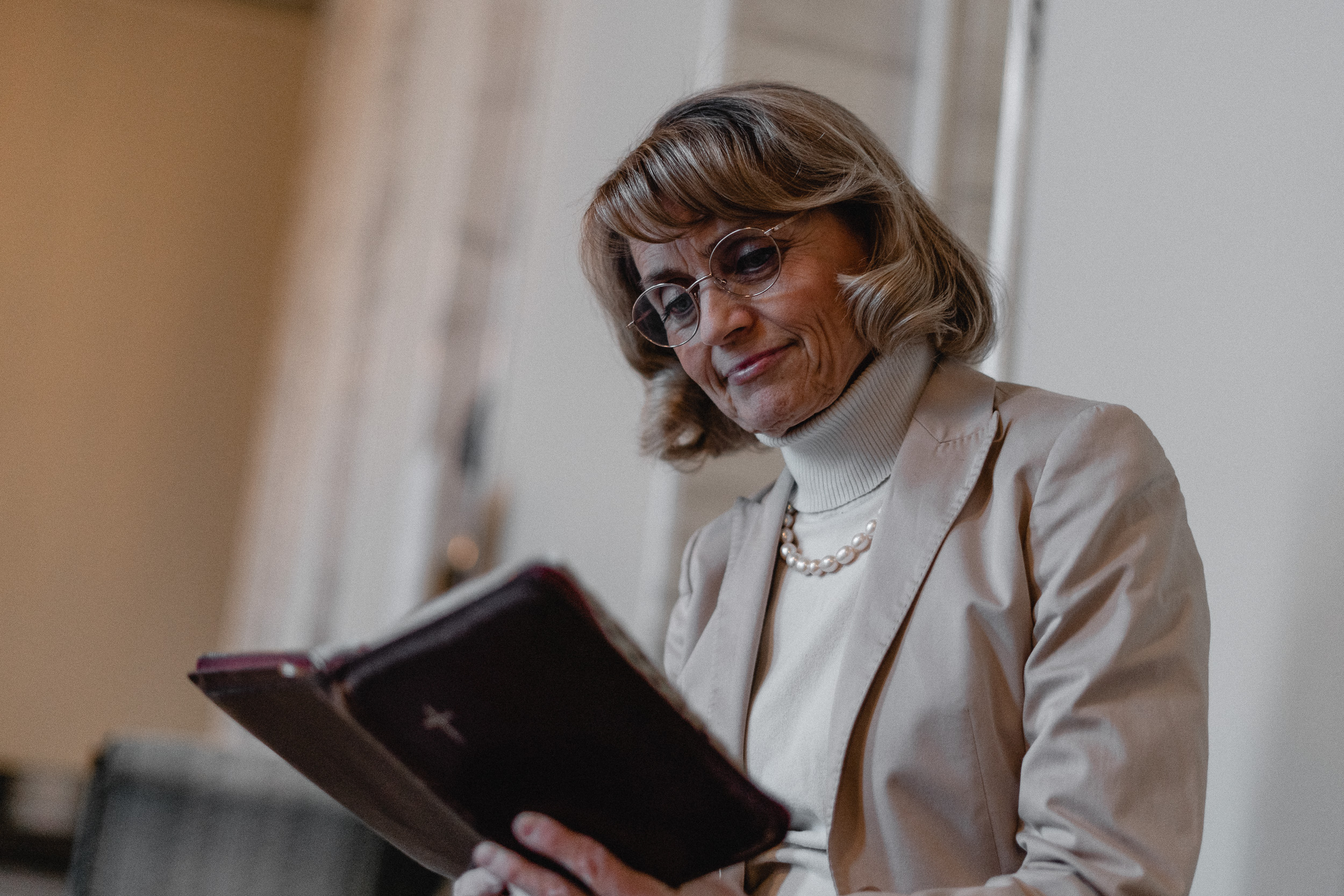
Päivi reads her bible in the Finnish Parliament building.
  • Päivi Räsänen, former Finnish Minister of the Interior, faces third court hearing after two previous unanimous acquittals
  • Räsänen faces criminal charges for sharing her faith-based beliefs on marriage and sexuality, including on X in 2019
  • ADF International continues to coordinate Räsänen’s defence to protect everyone’s right to free speech   
Päivi reads her bible in the Finnish Parliament building.

HELSINKI (25 August 2025) – The Finnish Supreme Court has set the date for an oral hearing in the free speech case involving Finnish Member of Parliament Päivi Räsänen and Lutheran Bishop Juhana Pohjola. Both were previously unanimously acquitted of “hate speech” charges by two lower courts after publicly expressing their Christian beliefs. With the hearing scheduled for 30th October 2025, the state prosecutor’s censorship campaign against Räsänen and Pohjola will enter its seventh year. 

“It is shocking that after two unanimous acquittals, Päivi Räsänen is again being dragged to court to defend her fundamental right to freedom of speech. As we have warned for years, vaguely worded ‘hate speech’ laws allow ideological prosecutions like this to take place. We stand behind Päivi and we will continue to work toward the bigger victory when such ludicrous cases are no longer brought. In a free and democratic society, all should be allowed to share their beliefs without fear of punishment.

Charged for sharing Christan beliefs 

Räsänen, who is a medical doctor, Finland’s former Interior Minister, and a parliamentarian since 1995, was formally charged with “agitation against a minority group” in 2021. She was charged under a section of the Finnish criminal code titled “war crimes and crimes against humanity” for sharing her Christian beliefs on marriage and sexual ethics in a 2019 tweet, as well as a 2019 live radio debate and 2004 church pamphlet. Bishop Pohjola was charged for publishing Räsänen’s 2004 pamphlet.   

The high-profile lower court trials received significant global attention, particularly after the prosecution attacked core Christian teachings and cross-examined Räsänen and the Bishop on their theology in the court hearings.  

“It isn’t a crime to tweet a Bible verse, or to engage in public discourse from a Christian perspective. The attempts to criminalize me for expressing my beliefs have resulted in an immensely trying last few years, but I still hope for a positive result that will stand as a key precedent to protect the human right to free speech in Finland,” said Räsänen, grandmother of twelve.   

Censorship campaign persists despite court acquittals 

Two lower instance courts had previously acquitted Räsänen and Pohjola in April 2022 and November 2023 of all three charges. The prosecutor appealed for a third time, taking the charges concerning the booklet and the tweet to the Supreme Court, which will hear oral arguments on 30th October 2025.  

Coordinated by ADF International, Räsänen’s legal defence will continue to highlight the strong protection that freedom of speech enjoys in international law, in addition to being integral to Finnish democracy.   

The defence previously submitted to the court that Räsänen’s use of the word “sin” in her tweet, which the prosecution had highlighted as “insulting” and therefore unlawful, was quoted directly from the Bible, and any judgment condemning its usage would directly condemn the Bible itself.    

The Bible on Trial  

During the high-profile trial before the Court of Appeal in 2023, the prosecution frequently attacked core Christian teachings and cross-examined Räsänen – who is one of Finland’s longest-standing members of parliament – and the Bishop on their theology.   

The Finnish State prosecutor, Anu Mantila, claimed that, “You can cite the Bible, but it is Räsänen’s interpretation and opinion about the Bible verses that are criminal”.   

To learn more details about the case and to support Päivi Räsänen, visit www.ADFinternational.org/FreeSpeechOnTrial  

Images for free use in print or online in relation to this story only with credit to ADF International.
(from left to right: Päivi Räsänen, Räsänen with Paul Coleman, Räsänen with her husband Niilo)

U.S. State Department Doubles Down on Warning to UK: “Buffer Zones” are an “Egregious Violation” of Free Speech 

Isabel Vaughan-Spruce in 2022.
  • State Department issues a further condemnation of Britain’s “egregious” buffer zones, warning of a “concerning departure” from shared UK-US values
  • Birmingham Christian Isabel Vaughan-Spruce is back under investigation for silently praying near an abortion facility 
Isabel Vaughan-Spruce in 2022.

WASHINGTON, D.C. / LONDON (19 August 2025) – The United States has issued its strongest warning yet to the UK over so-called “buffer zones”, which have been used to target silent prayer and peaceful expression outside abortion facilities. 

In a comment to the Telegraph, the US State Department accused the UK government of committing an “egregious violation of the fundamental right to free speech and religious liberty.”

“It is common sense that standing silently and offering consensual conversation does not constitute harm.”

The comment comes in response to cases in which individuals – some elderly – have been arrested, charged, or even criminally convicted for simply for praying silently or offering consensual conversations within large censored zones outside abortion facilities.

Under current legislation in England & Wales, “influencing” a person’s decision to access an abortion facility, within 150m of the facility, is a crime carrying a potentially unlimited fine.

In Scotland, similar legislation exists, censoring the area within 200m of all hospitals.

A State Department spokesman told The Telegraph: 

“The United States is still monitoring many ‘buffer zone’ cases in the UK, as well as other acts of censorship throughout Europe. 

“The UK’s persecution of silent prayer represents not only an egregious violation of the fundamental right to free speech and religious liberty, but also a concerning departure from the shared values that ought to underpin US-UK relations.  

“It is common sense that standing silently and offering consensual conversation does not constitute harm.” 

Free Speech in Retreat

The US government’s statement echoes Vice President JD Vance’s warning earlier this year at the Munich Security Conference, where he said free speech is “in retreat” across Europe, particularly in Britain. During Prime Minister Sir Keir Starmer’s visit to the White House, the Vice President directly raised concerns about the UK’s restriction of free speech. 

Estás viendo un contenido de marcador de posición de YouTube. Para acceder al contenido real, haz clic en el siguiente botón. Ten en cuenta que al hacerlo compartirás datos con terceros proveedores.

Más información

The US State Department’s latest Human Rights Report also highlighted “credible reports of serious restrictions on freedom of expression” in the UK. 

Individuals Targeted for Prayer or Conversation

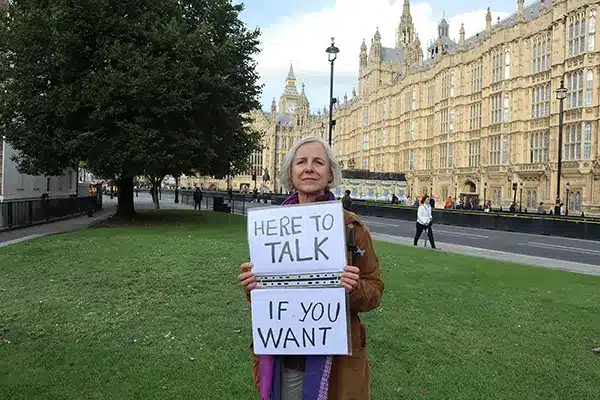
Among those punished under the laws is Livia Tossici-Bolt, a retired biomedical scientist, who received a two-year conditional discharge and was ordered to pay £20,000 in costs after standing near a Bournemouth abortion facility holding a sign that read: “Here to talk if you want to.” She described her prosecution as “a dark day for Great Britain.” 

Adam Smith-Connor, an army veteran, was convicted in November for praying silently for a few minutes in his head near the same abortion facility in Bournemouth, and ordered to pay £9,000 in costs. 

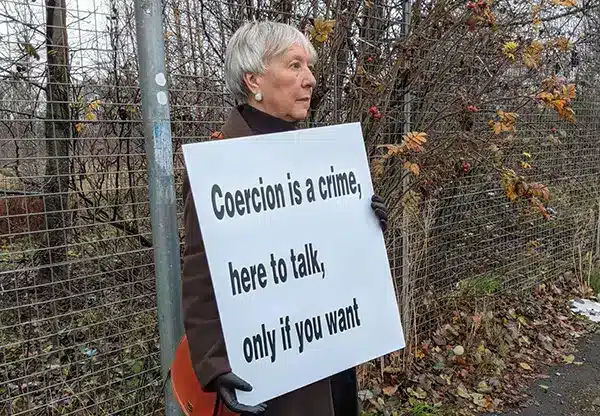
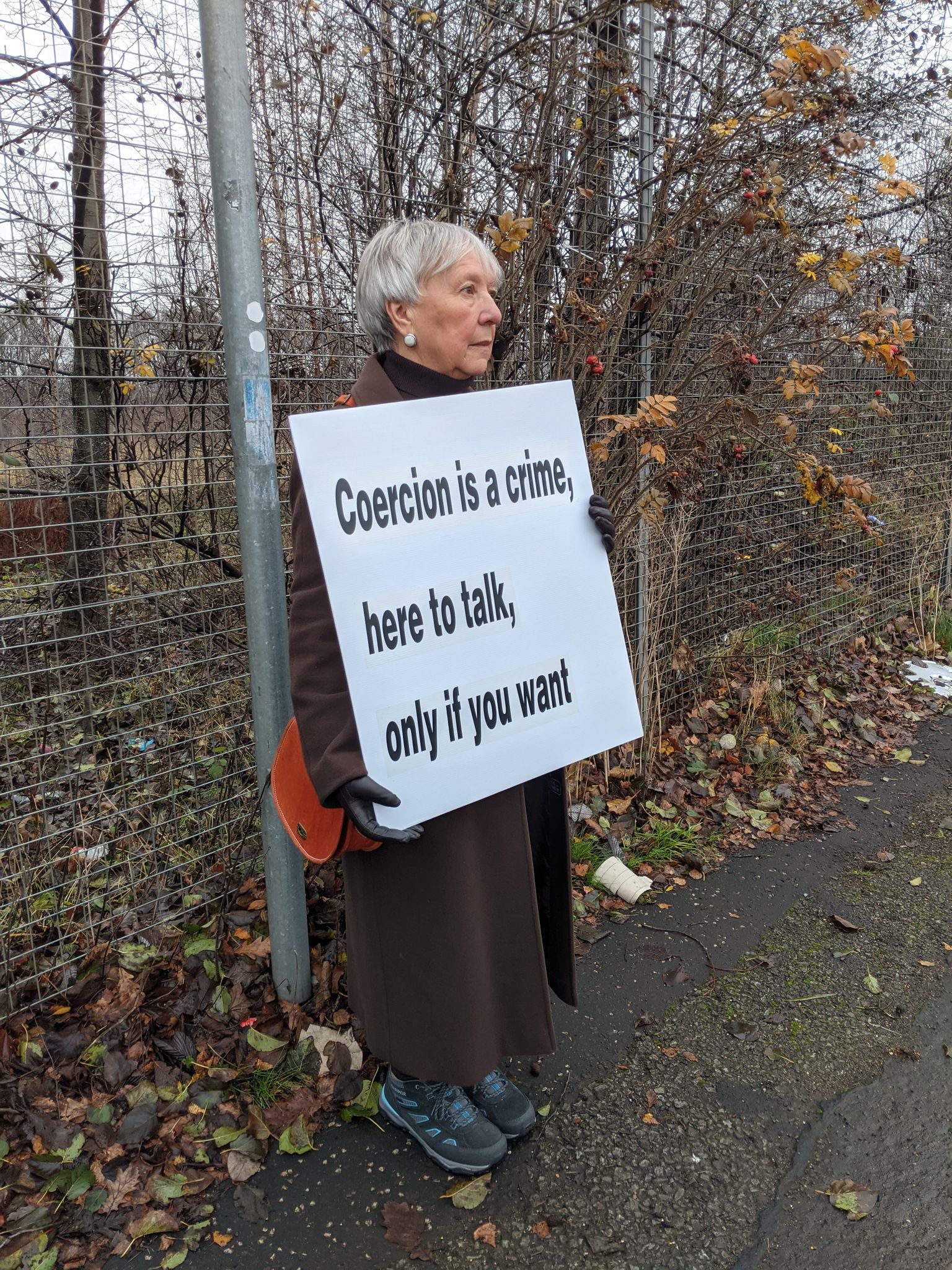
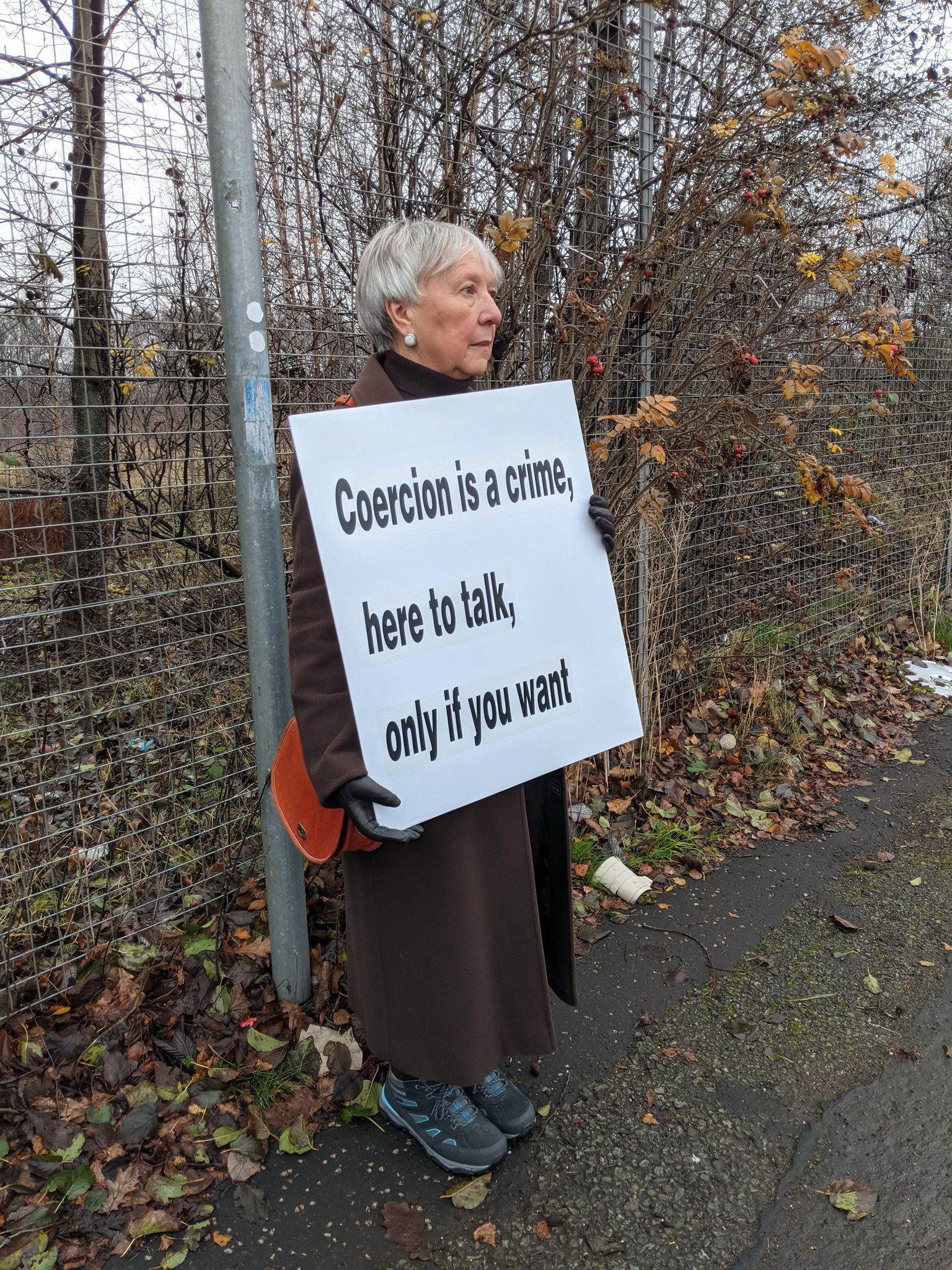
In Scotland, Rose Docherty, 75, was arrested in February for standing outside Glasgow’s Queen Elizabeth University Hospital with a sign reading: “Coercion is a crime, here to talk, only if you want.” Last week, Scottish authorities dropped their case against her and guaranteed they would return her sign. 

And recently, Isabel Vaughan-Spruce – a charitable volunteer who has supported mothers in crisis for over 20 years – was placed back under investigation for praying silently near an abortion facility in Birmingham, despite having won £13,000 in compensation from West Midlands Police last year for having unfairly arrested her twice before for the same activity. 

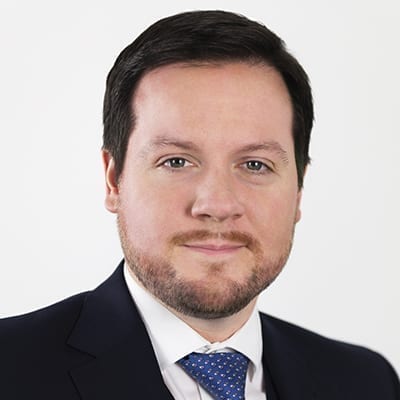
“Freedom of speech and freedom of religion are cornerstones of any free society,said Lorcan Price, Irish Barrister and Legal Counsel for ADF International.  

“The UK’s treatment of individuals like Livia, Adam, Isabel and Rose for the false ‘crimes’ of praying silently or offering conversation shows just how far the country has strayed from its own proud traditions of liberty. The US State Department is right to call out this injustice. It is time for the UK government to restore fundamental freedoms, and repeal buffer zone legislation.” 

Images for free use in print or online in relation to this story only

Pictured: Isabel Vaughan-Spruce; Rose Docherty; Adam Smith-Connor; Livia Tossici-Bolt; Lorcan Price (ADF International)

U.S. State Department Applauds Scotland’s Decision to Drop Case Against Pro-Life Grandmother Rose Dov

U.S. State Department Applauds Scotland’s Decision to Drop Case Against Pro-Life Grandmother Rose Docherty
  • Washington voices support after authorities back down from prosecuting grandmother arrested under Scotland’s “buffer zone” law 
  • Rose Docherty, 75, held a sign reading “coercion is a crime, here to talk, only if you want”

GLASGOW (18 August 2025) – The United States Department of State has welcomed Scotland’s decision to drop legal action against 75-year-old grandmother Rose Docherty, who was arrested earlier this year for holding a sign offering peaceful conversation near Glasgow’s Queen Elizabeth II Hospital. 

In a statement to The Telegraph, a State Department spokesperson said: 

“We applaud Scotland’s sensible decision to refrain from further legal action against Rose Docherty.

«The United States stands with all those fighting for free speech and religious liberty.” 

Docherty, a lifelong Glaswegian, was arrested and later issued a formal warning in February 2025 after standing quietly within 200 metres of the hospital – an area covered by Scotland’s new “buffer zone” law. Her sign read: “Coercion is a crime, here to talk, only if you want.” 

““We applaud Scotland’s sensible decision to refrain from further legal action against Rose Docherty.

The law prohibits harassment, intimidation, or attempts to influence somebody’s decision to access an abortion facility. Despite engaging in none of these activities, Docherty was arrested and issued with a formal warning, which would have required her to admit wrongdoing and refrain from similar actions in the future. 

Docherty refused to accept the warning, maintaining that she had broken no law. This week, the Procurator Fiscal confirmed the case has been dropped and the warning withdrawn.  

Authorities also agreed to return her sign. 

Reacting to the decision, Rose Docherty said: 

“This is a victory not just for me, but for everyone in Scotland who believes we should be free to hold a peaceful conversation.  

“I stood with love and compassion, ready to listen to anyone who wanted to talk. Criminalising kindness has no place in a free society.” 

Concerns about the buffer zones legislation escalated earlier this year when the law’s architect, Green Party MSP Gillian Mackay, admitted in a BBC interview that even visible prayer in a private home could be considered an offence if seen from within a buffer zone. 

Lois McLatchie Miller, Scottish spokesperson for ADF International, which supported Rose Docherty’s defence, said: 

“Every Scot has the right to speak freely and to offer compassionate conversation without fear of prosecution. 

“It’s vital for allies to stand together in defence of this fundamental freedom, and we welcome the outpouring of support Rose has received both at home and abroad, including from the United States, which is a key voice for the protection of free speech worldwide.” 

ADF International will continue supporting individuals like Docherty, defending their right to peacefully express beliefs without fear of criminalisation. 

Images for free use in print or online in relation to this story only

Prosecutor Backs Down in Case Against Scottish Grandmother in Major Free Speech Victory

U.S. State Department Applauds Scotland’s Decision to Drop Case Against Pro-Life Grandmother Rose Docherty
  • Procurator Fiscal withdraws warning, confirms Rose Docherty will not be charged for offering consensual, peaceful conversation inside abortion “buffer zone” in Glasgow 
  • Docherty held a sign reading «Coercion is a crime, here to talk, if you want» – ADF International co-ordinated her legal defence

GLASGOW (14 August 2025) – In a win for freedom of expression in Scotland, the Procurator Fiscal has decided not to proceed with a prosecution against 75-year-old grandmother Rose Docherty, who was arrested earlier this year for holding a sign offering to talk with anyone who wished (see video above).  

The authorities have further guaranteed that Docherty’s sign will be returned to her from Police Scotland. 

"This is a victory not just for me, but for everyone in Scotland who believes we should be free to hold a peaceful conversation."

On 19 February 2025, Docherty – a lifelong Glaswegian – stood peacefully within 200 metres of Glasgow’s Queen Elizabeth II Hospital campus holding a sign that read:

“Coercion is a crime, here to talk, only if you want.”

Her quiet presence fell within the so-called “buffer zone” around the hospital, where a new law prohibits harassment, intimidation, or influencing decisions about abortion. Despite engaging in none of these activities, Rose was arrested and later offered a formal warning requiring her to admit wrongdoing and refrain from similar actions in future.

Refusing to compromise her conscience by admitting to an offence she did not commit, Docherty – supported by the legal team at ADF International – rejected the warning outright. This week, the Procurator Fiscal confirmed the case has been dropped and the warning withdrawn.

Reacting to the news, Rose Docherty said:

This is a victory not just for me, but for everyone in Scotland who believes we should be free to hold a peaceful conversation.

«I stood with love and compassion, ready to listen to anyone who wanted to talk. Criminalising kindness has no place in a free society.”

Lorcan Price, Irish Barrister and Legal Counsel for ADF International, said:

No one should fear arrest for offering a consensual conversation. Rose’s case is a stark example of how ‘buffer zone’ laws can be weaponised to silence peaceful expression. 

«We are relieved that common sense has prevailed, but the fact that Rose was arrested and threatened with prosecution shows the urgent need to protect fundamental freedoms in Scotland.

Docherty’s arrest drew international attention, with the US State Department publicly expressing concern about her arrest, adding: “Freedom of expression needs to be protected.  We call on governments, whether in Scotland or around the world, to respect freedom of expression for all.”

Gillian Mackay admits buffer zones impact prayer within homes

In February, Gillian Mackay MSP admitted that prayer by a window in one’s own home could be an offence within a buffer zone – depending on who is passing by.

Speaking to BBC’s “Scotcast” Podcast, the Green Party Politician repeatedly denied that prayer was being criminalised under the law. 

But when asked if “performative prayer” with “clasped hands”, visible from a window, could be prosecuted, she responded: “well, that depends on who’s passing by the window…”

The admission came despite previously accusing US President JD Vance of spreading “shameless misinformation” when he highlighted concerns that “even private prayer within [people’s] own homes may amount to breaking the law” in his Munich Security Conference Speech earlier this year.

Lois McLatchie Miller, Scottish spokesperson for ADF International, said: 

We were concerned when such legislation was proposed that we’d witness a slippery slope of censorship. Less than a year after the law coming into force, Gillian Mackay has admitted that it could impact silent prayer even in private homes, depending on who’s passing by the window. And what’s more, we’ve seen an innocent grandmother arrested just for offering conversation. Who are the authorities to determine which conversations, thoughts, or prayers members of the public do or don’t want to have?”

ADF International will continue to offer legal support to individuals like Rose Docherty, defending the right to peacefully engage in conversation or prayer without fear of criminalisation.

Images for free use in print or online in relation to this story only

What Can We Learn from Iraqi Christians 11 Years After ISIS’s Attack?

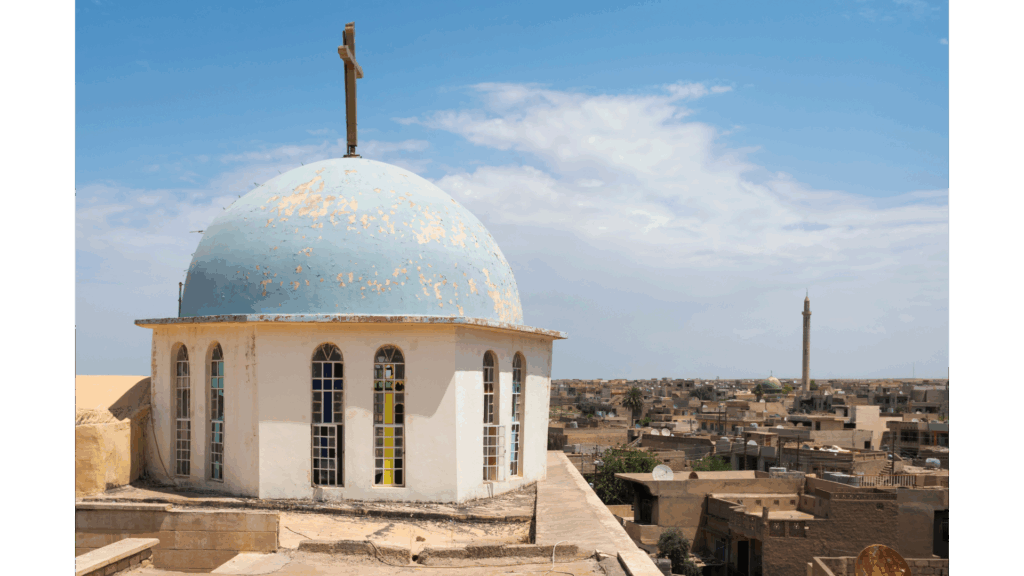
Qaraqosh is home to many Iraqi Christians. It suffered great loss in 2014.

A Legacy of Faith Under Fire for Iraqi Christians

Qaraqosh is home to many Iraqi Christians. It suffered great loss in 2014.

In August 2014, the Islamic State of Iraq and Syria (ISIS) — an extremist Sunni group — launched a violent campaign across northern Iraq. Their target: Qaraqosh, an ancient Christian city located in the Nineveh Plains.

What followed became one of the most devastating assaults on religious minorities in modern Iraqi history. Now, eleven years later, the story of Iraq’s largest Christian community is far from over, and far from hopeless.

At ADF International, we’re standing alongside Iraq’s Christians, advocating for their right to worship freely and raising global awareness of their struggle.

Christianity’s Deep Roots in Iraq

Christianity is not foreign to Iraq — it’s foundational. Long before ISIS and Islam, Christianity had already taken root in Iraq. In fact, Christianity has existed in Iraq since the first century AD, long before it reached many parts of Europe.

This makes Iraq home to some of the oldest Christian communities in the world.

The Assyrian Church of the East, the Chaldean Catholic Church, and the Syriac Orthodox Church all trace their lineage to Iraq. These churches preserve early liturgical traditions and still conduct services in Syriac, a dialect of Aramaic — the language spoken by Jesus.

Many Iraqi Christians today are ethnic Assyrians, descendants of the ancient Assyrian Empire, which once ruled over much of the Middle East. Christianity became embedded in Assyrian identity after their conversion in the first few centuries AD, blending ancient cultural heritage with deep Christian faith.

Just south of the Nineveh Plains lies the region of southern Mesopotamia, where the ancient city of Ur — the birthplace of Abraham, the patriarch through whom God’s redemptive promises and Jesus flow — is located.

This land is steeped in sacred history. But history alone has not guaranteed safety for Iraq’s Christians.

The 2014 Genocide: What Happened to Iraqi Christians

In the 2014 attack, ISIS aimed to establish a caliphate in northern Iraq, one free of Christians, Yazidis, and other minorities. Qaraqosh, the largest Christian city in Iraq, was one of its primary targets.

The violence extended far beyond Qaraqosh. Sinjar, the heartland of the Yazidi people, and Mosul, once a city of rich religious diversity, were left shattered under the same campaign of destruction.

Entire villages were emptied. Ancient Christian manuscripts and artifacts were destroyed or sold on the black market. Communities that had existed for nearly 2,000 years were uprooted in a matter of days.

The assault was systematic:

  • Churches and monasteries were burned, bombed, or turned into prisons and weapons depots.

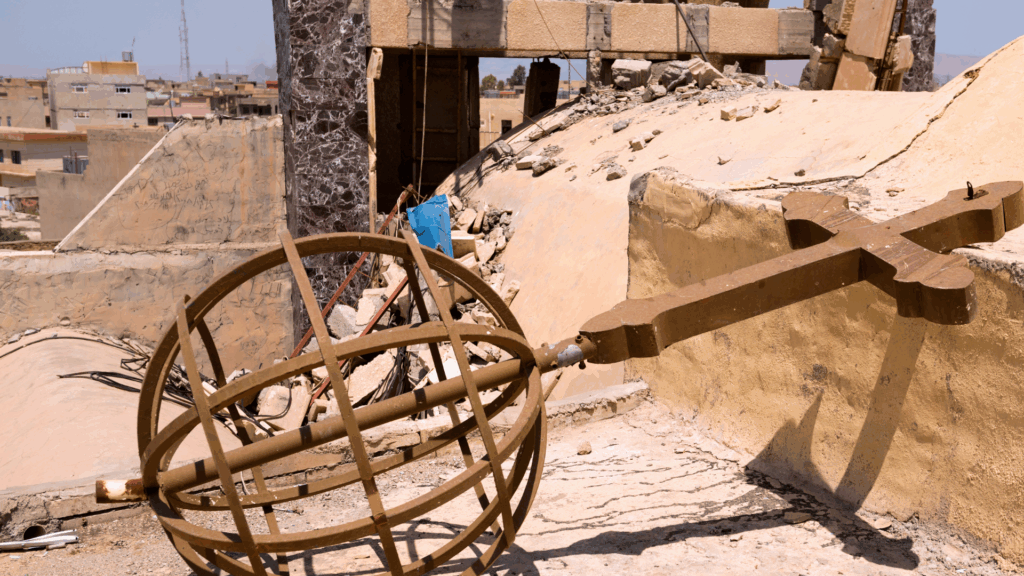
  • Christian symbols — crosses, icons, statues — were desecrated or publicly destroyed.

  • Homes and businesses were looted and marked with the Arabic letter “ن” (nūn), short for Nasrani (Christian), a brand of targeted extermination.

  • Graves and cemeteries were desecrated in an attempt to erase memory itself.
St. John's church (Mar Yohanna) in Qaraqosh.
St. John's church (Mar Yohanna) in Qaraqosh

Christians and Yazidis were given four choices: convert to Islam, pay the jizya — a humiliating religious tax imposed on non-Muslims under extremist rule — flee, or die. Nearly 80,000 Christians fled their homes in a desperate exodus.

Women and Children: The Most Vulnerable

Women and girls, especially from Yazidi and Christian communities, suffered some of the worst atrocities. ISIS ran an organized network of slave markets where girls, some as young as nine, were bought, sold, and passed between fighters.

Over 6,800 Yazidi women and children were abducted, according to UN reports, and an unknown number of Christian girls were subjected to similar fates. Many have never been found.

In the chaos, tens of thousands sought refuge in the Kurdistan Region, where the regional government, while limited in resources, opened its borders. Most found shelter in refugee camps, unfinished buildings, or makeshift settlements. For many, those “temporary” shelters have now become permanent.

The Lasting Impact of ISIS’s Attack

Before ISIS’s brutal campaign, an estimated 350,000 Christians lived in Iraq. Today, that number has dwindled significantly.

As of 2024, it’s estimated that less than half of the original Christians who fled the Plains have returned. Security concerns, economic hardship, and limited infrastructure continue to hinder full resettlement.

Many Iraqi Christians remain uncertain about their ability to live openly and safely as Christians in their own homeland.

To defend themselves, locals formed the Nineveh Plains Protection Unit (NPU), a militia dedicated to defending their communities. By 2017, a coalition of Iraqi forces, Kurdish Peshmerga, local militias, and US-led air support liberated the region.

While ISIS may no longer control the region, Christians in Iraq continue to face:

  • Discrimination in law and daily life.

  • Threats and intimidation from militias and extremist groups.

  • Barriers to reclaiming stolen homes and properties.

  • Government failure to protect religious minorities.

  • A lack of legal recognition and representation.

These ongoing struggles reveal a deeper truth: Iraq’s legal system, still fragile after decades of conflict, has yet to prove it will uphold the rights of Iraqi Christians.

A Visit to Qaraqosh: Seeing the Present Reality

In 2021, Pope Francis visited Iraq, including Qaraqosh, bringing global attention to the plight of Iraqi Christians. His message was clear: Iraqi Christians are not forgotten.

Earlier this year, Sean Nelson, ADF International’s Legal Counsel for Global Religious Freedom, visited Qaraqosh and the surrounding areas.

Amidst ruined buildings and ongoing hardships, Sean met determined individuals working to rebuild homes, reopen churches, and restore dignity to daily life.

What Nelson Experienced

“What I saw in Qaraqosh was Christians deeply committed to rebuilding their lives and their communities after the horror of ISIS. Many churches had been renovated and restored, and one church that was over 1000 years old, but had been left in ruins for a century, had been completely rebuilt after ISIS. Crosses were proudly displayed. And the communities were committed to never forgetting what ISIS had done. Each church still had memorials and sections showing the devastation.

“Still, these communities have seen their populations cut in half since before ISIS. Religious leaders mentioned illegal and dubious encroachments on land, and a lack of political representation and economic development. They were unanimously concerned that the Iranian-backed militias surrounding them were preventing them from being fully included as members of Iraqi society.

“I saw children playing outside one church whose families had secretly converted to Christianity. They could not visit Christian services openly out of fear of violent reprisals. The religious leaders worried that if things did not change, so many people would leave and never return. They saw sustained international pressure as one of their only hopes for most Christians to be able to remain.

“In nearby Erbil, within the autonomous Kurdistan region, where many Christians fled during the ISIS attacks, Christians are able to live relatively free lives, and the local government respects them more and celebrates the religious diversity and history of the area. They still face some hardships —particularly converts from Islam, who face violent threats — but in general, there was a more inclusive vision for Christians. That same kind of inclusion should be available to Christians in the Nineveh Plains and throughout Iraq.”

Though the situation in Iraq is slowly changing, the threat to Christian communities remains a pressing concern in Iraq and beyond.

ISIS Elsewhere

Although ISIS has waned as a threat in Iraq, its influence is spreading across the Middle East and Africa. The Middle East Media Research Institute (MEMRI), a Washington, DC-based counterterrorism research group, warns of what it calls a “silent genocide” targeting Christians.

In 2025

According to MEMRI, the Islamic State Mozambique Province (ISMP) recently published 20 images celebrating four separate strikes on Christian villages in the Chiure district of Mozambique’s northern Cabo Delgado province.

The photographs depict ISIS fighters storming villages, setting fire to a church, and destroying homes. The photographs also include scenes of the beheading of a person described by the extremists as belonging to “infidel militias,” along with two Christian civilians. Additional photographs, MEMRI’s review noted, show the bodies of several people identified by the group as members of these so-called militias.

In recent weeks, Islamic State affiliates have also claimed responsibility for killing dozens of Christians during a Catholic vigil in Komanda, DRC, and for bombing the Mar Elias Church in Damascus, Syria, which killed 20 plus Christians and injured 60.

Conclusion: The Road Ahead Requires Standing for Religious Freedom in Iraq

World leaders and international institutions must urgently unite behind a clear and effective strategy to dismantle the Islamic State network before more lives are lost.

Freedom of belief and religion is a fundamental human right. We at ADF International remain committed to defending this right for Christians around the world. We are standing with them, advocating for them, and praying for a future where they can thrive in the land their ancestors have called home for centuries.

We will continue to:

  • Advocate for legal protections for religious minorities in Iraq and elsewhere
  • Support survivors in their fight to rebuild lives
  • Raise global awareness through policy engagement and media
  • Pray for a future where faith can flourish without fear

Every day that goes by without bold action puts more lives in danger. We must act now — and we are.

U.S. State Dept. Highlights Alarming Decline in Free Speech in the United Kingdom 

Adam Smith-Connor
  • New report notes «significant human rights issues” including criminal and civil laws which limit free expression 

  • Case of army veteran convicted for silent prayer highlighted as example of censorship crisis 

Adam Smith-Connor

LONDON (13 August 2025) – A newly released U.S. State Department Human Rights Report has sounded the alarm over mounting restrictions on freedom of expression in the United Kingdom – both in public spaces and online. 

The «2024 Country Reports on Human Rights Practices”, published this week, notes that “the human rights situation worsened in the United Kingdom” during the year 2024, adding: 

Significant human rights issues included credible reports of serious restrictions on freedom of expression, including enforcement of or threat of criminal or civil laws in order to limit expression… 

“Significant human rights issues included credible reports of serious restrictions on freedom of expression."

Criminalizing Peaceful Expression in Public Spaces

The report identifies buffer zone laws which restrict “influence” around abortion facilities as matters of concern in the restriction of free expression.  

Citizens have been prosecuted for engaging in silent prayer or for peacefully offering information within these zones. 

The report notes that such restrictions criminalize even “efforts to influence others when inside a restricted area, even through prayer”.

The State Department notes that in October, an individual was convicted in England for engaging in silent prayer…”. Adam Smith-Connor – an army veteran and father of two – was tried and convicted for praying silently for a few minutes across the road from an abortion facility in Bournemouth, where a local “buffer zone” was in place. Smith-Connor was ordered to pay £9,000 in costs. With support from ADF International, he is appealing the ruling later this year. 

J.D. Vance highlighted this case as one of the worst examples of censorship in Europe during his speech at the Munich Security Conference in Munich. 

Estás viendo un contenido de marcador de posición de YouTube. Para acceder al contenido real, haz clic en el siguiente botón. Ten en cuenta que al hacerlo compartirás datos con terceros proveedores.

Más información

Broad and Vague Speech Crimes Online

Looking at the online world, the report highlights the Online Safety Act 2023, which came into force in 2024, which threatens free speech online and “expressly expanded Ofcom’s authority to include American media and technology firms with a substantial number of British users, regardless of whether they had a corporate presence in the UK…

«…Experts warned that one effect of the bill could be government regulation to reduce or eliminate effective encryption (and therefore user privacy) on platforms,” noted the State Department. 

The report also highlighted that in April 2024, Scotland implemented the Hate Crime and Public Order (Scotland) Act, introducing sweeping new offenses for “stirring up hatred” through speech or online communication. The penalty for speech deemed to be offensive under this law is up to seven years imprisonment. 

Reacting to the report, Lorcan Price, Irish Barrister & Legal Counsel for ADF International in London, said: 

«It’s plain to see that the censorship crisis is worsening in the UK – from citizens being arrested and prosecuted just for praying in their heads, to the Online Safety Act clamping down on free expression online. Whilst these developments are deeply concerning, it’s encouraging to see Britain’s US allies highlight these issues, as more and more Brits speak out in defence of our hard-fought freedom of speech.» 

Images for free use in print or online in relation to this story only

Pictured: Adam Smith-Connor; Lorcan Price (ADF International)